
You’ll explore a living tapestry where ancient arches meet contemporary art across Seville, Granada, and Málaga, then chase coastal rhythms from Cádiz to Málaga at sunset. Taste saffron-tinted tapas, hear flamenco surge through intimate venues, and wander hidden courtyards with citrus-scented air. Walk monastery cloisters, trace pilgrim routes, and admire mezquita-inspired geometries that whisper layered histories. Markets bustle with craft, and nightlife glows with smart-casual elegance. Ready to uncover more? the next chapters unfold your path through 2026.
Key Takeaways
- Experience the fusion of Andalusian heritage and contemporary art across Seville, Granada, and Málaga museums and immersive installations.
- Explore architectural marvels like Mezquita and whitewashed hill towns, tracing layered symbolism and historical routes.
- Savor coastal flavors with hake, sardines, citrus, and saffron-touched tapas along hidden alleys and vibrant markets.
- Join spring fairs, summer coastal fiestas, and autumn harvest celebrations for flamenco, processions, and regional dances.
- Plan flexible itineraries with scenic drives, monasteries, olive groves, and night markets to deepen cultural understanding in 2026.
What Makes Andalusia in 2026 Truly Unique

Andalusia in 2026 feels both timeless and freshly energized, where ancient Moorish arches glow beside cutting-edge galleries and solar-powered farms dot rolling hills.
You observe a region tuned to its cultural identity, balancing reverence for history with bold, contemporary voices. In markets, you’ll hear flamenco’s cadence mingling with digital playlists, a sonic hint of fusion rather than fracture.
Traditional crafts endure, taught across generations—ceramics glazed with sunlit tones, leatherwork dyed with natural hues, and embroidery that threads stories into cloth.
Communities collaborate on regional festivals, preserving rituals while inviting new interpretations.
You notice local chefs tracing routes from field to table, elevating ingredients into artful, honest dishes.
The result isn’t nostalgia; it’s a living, precise portrait of Andalusia’s evolving soul.
The Mezquita and Other Architectural Marvels You’ll Revisit
Stepping into the Mezquita and its sister marvels, you stand at a crossroads of faith, empire, and art where stone speaks in centuries. You’ll notice geometric vaults, horseshoe arches, and delicate muqarnas weaving light into space, a record of cultural heritage that transcends borders.
The sense of cultural symbolism is everywhere: a former mosque transformed into a cathedral, yet, in its columns and mare’s-nest ceilings, the past remains porous, inviting reflection.
You revisit courtyards, calligraphy, and tilework that narrate Andalusia’s composite history without apology. The experience is precise and purposeful, balancing reverence with curiosity.
This architectural heritage invites careful observation, while its layered symbolism encourages respectful interpretation, reminding you that context shapes every stone you encounter in this landscape.
Flamenco, Tapas, and Nightlife: Living Andalusia After Dark
When you step into Andalusia after dark, you’ll feel the rhythm: flamenco fills the rooms, tapas line the bars, and conversations spark like sparkles over a glass of sherry.
You’ll navigate night-life etiquette with respect and ease, savoring intimate stage moments and the fiery expressiveness of the dancers.
From buzzing taverns to quiet courtyards, this is where flavor, sound, and atmosphere fuse into a single, unforgettable after-dark experience.
Nightlife Etiquette Basics
As night falls, locals and visitors alike glide from tavern to tablao with a shared rhythm: arrive on time, savor the moment, and read the room before you order.
You’ll notice crowds shifting from intimate tapas bars to larger venues, where conversation softens and music outshines noise. Respect local pacing: drinks arrive quickly, meals unfold deliberately, and silence can be part of the mood.
Cultural taboos surface subtly—avoid loud conversations during performances, and keep phones on silent. Dress codes vary: you’ll blend in with smart-casual in most spots, while some tablaos favor understated elegance.
Tip discreetly, listen closely, and follow the lead of locals who know the rhythm of Andalusian nights. Your courtesy shapes the evening, ensuring hospitality, safety, and shared appreciation.
Flamenco Stage Experience
What makes a flamenco stage come alive beyond the footwork and guitars is the intimate exchange between performers and audience: eyes, breath, and a shared pulse that folds the room into one heartbeat. You sense the theater’s heat rise as claps quicken and voices hush, then erupt in a single surge.
You note traditional costumes catching the light, every frill and embroidery telling a region’s story without words. The Flamenco guitar threads urgency through the room, guiding subtle pauses that sharpen the dancer’s stance.
You experience rhythm as tension and release, a dialog where skill meets instinct. This is live culture: precise, electric, and respectful of tradition while inviting you to feel it firsthand.
Tapas and Bar Hopping
The night hums to life as you wander from the flamenco’s fiery stage to the glow of narrow lanes lined with taverns and tapas bars.
You sample sizzling plates, tracing a rhythm of garlic, olive oil, and sea salt that marks each neighborhood. Tapas hop becomes a guided map: quick bites that reveal local roots and evolving tastes.
You notice bartenders balancing tradition with innovation, pouring locally brewed beers alongside sherries and lively wines.
In intimate taverns, conversations shimmer like candlelight, and you’re invited to share plates, listen for regional accents, and compare traditional recipes across towns.
The scene blends heritage with nightlife, approachable yet precise: a cultural pulse you can taste, drink, and carry home.
Calendar of Andalusian Festivals in 2026
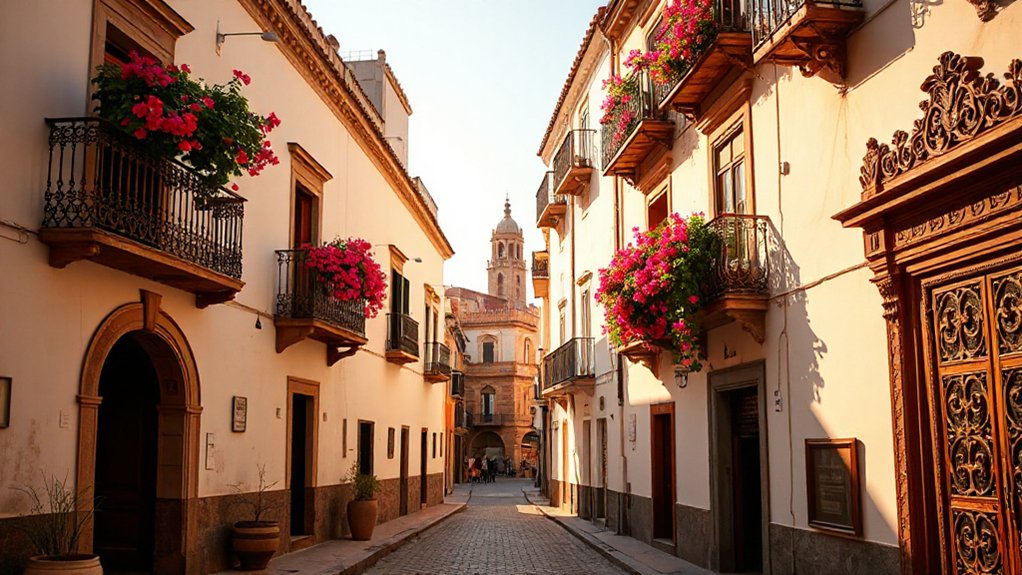
From flamenco-filled plazas to sun-drenched harvest fairs, 2026 in Andalusia unfolds a calendar packed with living traditions, inviting you to experience the region’s culture year-round.
You’ll find spring fairs in Seville and Jerez gifting lively processions, horse parades, and illuminated nights that pulse with energy.
Summer brings coastal fiestas along Cádiz and Málaga, where seafood, music, and ablaze sunsets blend into shared memories.
Autumn harvest celebrations showcase rural villages with olive oil tastings, grape stomping, and regional dances.
Winter lanterns and pilgrimages punctuate the calendar, offering intimate moments with local guides.
Throughout, local crafts and traditional textiles appear in markets, reflecting enduring artistry.
Plan with care, savor the cadence of towns, and let each festival reveal layered Andalusian identity.
Museums Between Old Masters and Modern Sparks
You’re guided through museums where Old Masters meet Modern Sparks, and every gallery wall tells a dialogue between centuries. From storied canvases to cutting-edge installations, you’ll sense the fusion shaping Andalusian identity.
This isn’t just art history; it’s a live conversation about tradition, innovation, and what it means to collect a region’s memory.
Old Masters, Modern Sparks
In Andalusia’s museums, old masters meet modern sparks, creating a dialogue that illuminates centuries in a single room. You wander halls where gilded frames frame contemporary art, and you feel the pulse of living culture beneath centuries-old plaster.
The collection threads together reverence for technique with daring, bold experiments, revealing a cultural fusion that respects lineage while inviting fresh voices. You notice how light falls differently on Renaissance portraits and on kinetic sculptures, as if the space breathes with shared purpose.
Curators highlight contrasts without erasing connections, guiding you to notice how technique is tradition and rebellion, side by side. This isn’t nostalgia; it’s a current, dynamic conversation about art’s evolving language.
Museums Of Andalusian Fusion
Across Andalusia’s museums, old masters and modern sparks fuse into a single, living conversation. You’ll wander galleries where classical canvases meet cutting-edge installation, and you sense a dialogue rather than a display.
In Seville, a Baroque chapel frames contemporary art, the glow of LED lights tracing gilded details.
In Granada, a Moorish courtyard hosts immersive video and sound, bridging centuries with cultural fusion that feels urgent, not ornamental.
In Málaga, seaside sculpture parks juxtapose fishermen’s nets with abstract forms, inviting reflections on heritage and reinvention.
The curatorial voice remains precise, highlighting context, origin, and intent.
You leave with renewed curiosity about contemporary art inside familiar halls, and an appreciation for how Museums Of Andalusian Fusion sustain living, inclusive cultural narratives.
Coastal Culture From Cádiz to Costa De La Luz
From Cádiz’s sun-warmed port to the windswept dunes of Costa de la Luz, coastal Andalusia hums with a distinctive rhythm: flamenco-infused sea songs, bright-eyed fishermen, and a tapas culture that invites lingering rather than rushing.
You slip into Seaside traditions as waves groom the shore, and your senses map a coastline where chalk-white houses kiss the horizon and boats creak at dawn.
Coastal cuisine anchors daily life with fresh hake, sardines, and citrus accents that brighten simple plates. Local markets pulse with color, scent, and stories, inviting you to sample olives, tomatoes, and limoncillo sweets.
You observe a region balancing tradition with tourism, where fishing still dictates tides and culture stays resilient, welcoming guests without losing its pulse.
Hidden Alleys and Hidden Bites: Offbeat Andalusia
You’re invited to wander the hidden alleys where tiny eateries glow with flame and aroma, turning a simple walk into a tasting map labeled by scent and memory.
Offbeat Andalusian streets reveal secret courtyards and bites tucked between doors, inviting you to follow clues from one doorway to the next.
Let the unmarked paths guide you to the Hidden Alleys Eatery Trails, where each bite on these routes tells a story of place, people, and patience.
Hidden Alleys Eatery Trails
Hidden alleys open a tasting map of Andalusia, where every turn reveals a small eatery tucked between old masonry and lively chatter. You follow a braided trail of bites, from saffron-scented tapas to smoky skewers, as walls exhale local street art in vivid, fleeting bursts.
In narrow courtyards, you pause, savoring bites that tell stories of family kitchens and seasonal harvests, then move on to reveal another hidden corner. The pace stays honest: you note aromas, textures, and the rhythm of neighbors swapping tips at artisan markets, where handmade ceramics shimmer beside olives and bread.
You learn to trust instinct, letting warmth guide you to unmarked doors, to conversations that flavor every dish with place and people.
Offbeat Andalusian Streets
The air carries a mix of citrus and coffee, punctuated by distant guitar, a soundtrack for brisk explorations. Street art blossoms on old walls, turning secondary routes into open-air galleries with bold, affectionate signatures of local crews.
You’ll notice how design and daily life braid together: dominoed corners, market chatter, and sudden piano notes from balcony windows. Guidebooks miss the texture, but locals explain with warmth, sharing histories in murals and murmurs alike.
This offbeat map reveals Andalusia’s living, evolving heritage.
Secret Courtyards Bites
Secret courtyards hide in plain sight, tucked behind doors that yaw as you pass and open onto cool, shaded oases where daily life slows to a private hush. You step through, scents of citrus and smoke weaving together, and discover culinary surprises tucked between brick and tile.
Hidden alleys invite you to pause, listen, taste, and linger, as locals trade recipes in hushed tones and small forks of flavor reveal themselves.
- A courtyard grill stoking herbs and peppers, aromas rising like a banner
- A sun-dappled fountain where olives, almonds, and citrus mingle on plates
- A tiled wall that hosts a family’s secret spice blend, whispered as a treasure
- A courtyard bakery releasing warm bread and stories with steam
Pilgrimages, Monasteries, and Ancient Routes You Can Walk Today
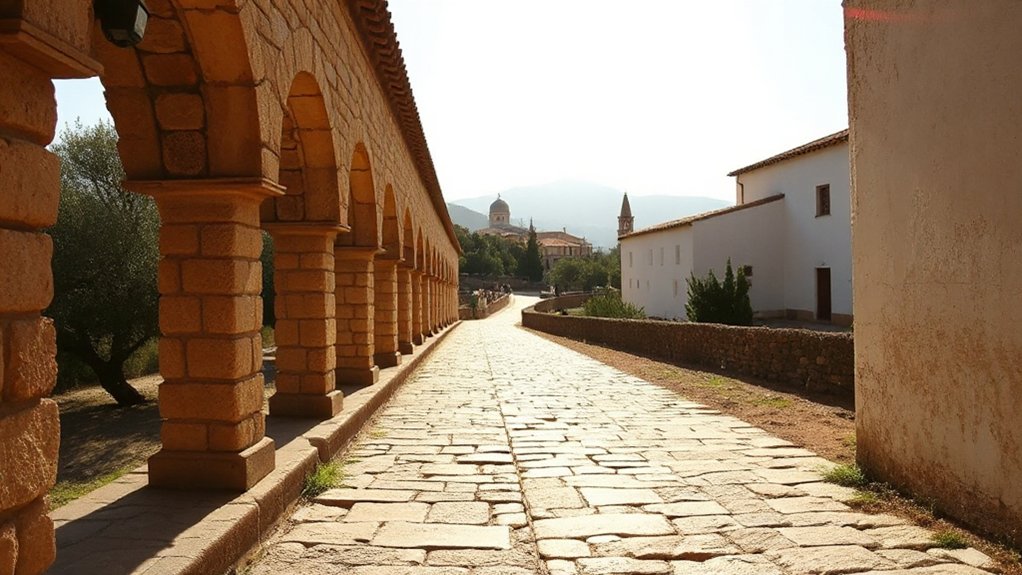
Walking the pilgrimage routes, monasteries, and ancient paths of Andalusia offers a tangible thread through centuries of faith, devotion, and daily life; you’ll feel the landscape sharpen as stone and sky meet at every bend.
You walk quiet trails between olive groves toward sacred sites where chapels cling to cliffs and bells mark time. Monasteries open their doors to visitors, revealing cloisters, frescoes, and centuries of contemplative routine kept alive by locals.
Pilgrim routes weave through whitewashed villages, inviting steady footsteps and stories shared beside fountains. Traditional festivals punctuate the journey with music and processions, balancing austerity with warmth.
These routes embody resilience and cultural memory, offering meaningful encounters with history, artistry, and community.
Plan Your Trip: Routes, Seasons, and Budgets for 2026
Plan your Andalusia trip around routes, seasons, and budgets for 2026 by prioritizing what you want to see and how you’ll move between villages, monasteries, and sacred sites. You’ll map scenic drives and train links, choosing morning light through white-washed towns and late sunsets over hills. Seasons guide crowds and prices, so pick shoulder months for balance, and budget with smart passes, meals, and lodging.
Travel tips include packing light layers, timing visits to markets, and savoring local cuisine between sacred site stops. Stay flexible, respect local customs, and book ahead where possible.
- Olive groves gleaming at dawn along a coastal road
- A hillside monastery cloister bathed in golden afternoon heat
- A bustling tapas bar pairing regional wines with coastal seafood
- A village festival echoing with traditional songs and crafts
Read, Listen, and Watch to Deepen Your Andalusian Experience
To deepen your Andalusian experience, mix reading, listening, and watching into your trip plan: pick evocative novels set in Seville’s alleys, listen to flamenco recordings that capture the night-scarred emotion of Cádiz, and watch documentaries that trace Moorish architecture through Granada’s streets.
You’ll discover Music festivals that pulse with regional identity, from seaside fairs to intimate gypsy camps, offering authentic soundtracks for evenings under lantern-lit courtyards.
Through Traditional crafts, you’ll meet artisans forging pottery, leather, and textiles in Almería, Córdoba, and Málaga, where hands tell centuries of story.
Pair a travel journal with printed guides, radio programs, and heritage films for layered context.
This balanced approach keeps your senses sharpened, your itinerary efficient, and your Andalusian experience deeply personal.
Frequently Asked Questions
What Are the Top Five Must-See Andalusian Highlights in 2026?
You’ll top five delights: explore Alhambra’s majesty, wander Seville’s flamenco nights, savor Local cuisine, admire Andalusian coastlines, and admire Traditional crafts; you’ll taste tapas, trade stories, and feel the region’s timeless, vibrant soul guiding your journey.
How Has Andalusia’s Cultural Scene Evolved by 2026?
You’ve seen Andalusia’s culture evolve into a vibrant blend, where Traditional Flamenco pulses anew and Moorish Architecture inspires awe, as communities curate inclusive, immersive experiences that honor history while embracing contemporary arts, gastronomy, and cross-cultural collaborations with sensitivity.
Which New Galleries or Museums Opened in 2025–2026?
Behold the new cultural pulse: you’ll discover 2025–26 openings blending Contemporary art with Modern architecture, from intimate galleries to bold civic museums. You’re invited to explore, reflect, and engage as you navigate evolving Andalusian cultural life.
What Sustainable Travel Practices Are Best in Andalusia Today?
You should prioritize Eco friendly accommodations and responsible sightseeing, choosing low-impact transport, supporting local communities, and conserving resources; travel light, respect traditions, and opt for certified guides to deepen your appreciation of Andalusia’s vibrant culture.
Where Can I Experience Authentic Andalusian Festivals in 2026?
Let’s cut to the chase: you’ll find authentic Andalusian festivals in Seville, Granada, Córdoba, and Jerez, where Local culinary traditions and Traditional dance forms pulse vividly, inviting you to savor rhythms, bets, and shared cultural heartbeats.
Conclusion
You’ll leave Andalusia with a heart full of echoing olives and lantern-lit alleyways, and a mind buzzing with reinvigorated stories. The Mezquita ambles beside your memory, a living thread between past and now. Night markets glow like constellations, flamenco wraps the streets in heat and heartbeat. Plan with care, travel with respect, savor every bite, and let the rhythm of festivals guide your steps—a dance as timeless as the land itself. It’s a journey, not a destination.