
The Canary Islands are your outdoor playground, where volcanic peaks loom over pine-scented slopes and lava-flecked coastlines glow under endless skies. You’ll hike among mossy laurel forests, weave along wind-swept ridge trails, and surf neon-turquoise waves just steps from desert-black lava fields. Switch islands for microclimates, from cool, misty mornings to warm, sunlit afternoons, all with reliable winds and mild seasons. Pack light layers, and get ready to discover more hidden corners and routes around you.
Key Takeaways
- Diverse volcanic landscapes and microclimates offer hiking, climbing, and unique geology across multiple islands.
- Mild, year-round weather with seasonal transitions supports outdoor activities from spring to winter.
- Popular islands feature iconic trails, viewpoints, and lava-tube adventures for varied terrain and scenery.
- Abundant water sports, coastal cycling routes, and pristine marine environments enable multi-sport experiences.
- Rich outdoor culture, festivals, and biodiversity-friendly practices enhance sustainable exploration.
Why the Canary Islands Are Your Outdoor Playground
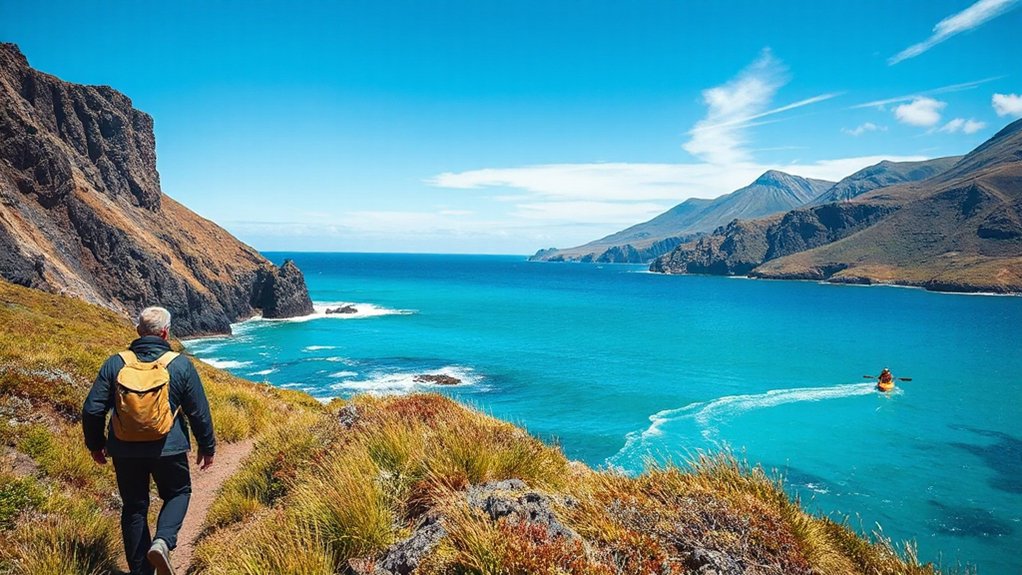
Adventure waits where the ocean meets volcanic peaks, and the Canary Islands answer with an unmatched outdoor lineup. You step onto lava-hardened trails that wind through scrub and wildflowers, feeling the island’s pulse as you hike toward viewpoints where clouds peel back.
Each island offers a distinct stage: bold coastlines, pine-scented slopes, and subalpine meadows alive with wildflower blooming in spring’s brief, brilliant window. You pace a cliff edge, listening to waves hammer basalt below, then switch gears to silence atop a ridge for Nighttime stargazing—the sky a galaxy spilling over lava-dark silhouettes.
Practical planning helps: sturdy boots, sunscreen, water, and a light layer for cool evenings. Pack curiosity, and the Canary Islands reward you with accessible adventures and unforgettable horizons.
Canary Island Weather: What to Expect by Season
You’ll feel the breeze shift with the seasons, shaping what you pack and where you go.
In spring and autumn, temperatures glide from mild to warm while steady trade winds keep mornings crisp and evenings comfortable.
Summer heats up along the coast, yet the sea air stays fresh thanks to consistent wind patterns.
The winter months bring cooler nights and gentler crowds.
Seasonal Climate Trends
Ever wondered how the Canary Islands stay surprisingly comfortable all year long? Across the archipelago, seasonal climate trends weave a gentle tapestry that favors outdoor aims. You’ll notice broad patterns: mild springs that tease wildflowers, sunlit summers tempered by coastal breezes, and autumns that invite long treks without heat stress.
Seasonal migration of air masses meets the island topography to create microclimates you can chase by choosing a coast, ravine, or high plateau. Climate variability means pockets of rain pop up when you least expect, yes, but most years offer generous windows for hiking, cycling, or surfing.
Pack layers, bring a light rain shell, and read the sky; the islands reward careful planning with reliable, adaptable conditions.
Temperature and Wind Patterns
Temperature in the Canary Islands tends to feel like a gentle constant with seasonal notes that shape outdoor plans. You’ll notice wind patterns influencing every coastal sprint and hillside climb, from the steady trade winds to occasional katabatic gusts inland.
In winter, temperatures vary softly, mornings cool enough to layer, afternoons warm enough to shed them. Summer brings a steady sun-warmed air, yet coastal breezes keep climbers and swimmers comfortable.
Inland spots show sharper temperature variations, cooler at night, warmer by day, inviting early starts and late finishes. Sea breezes amplify, then relax, guiding surfers and hikers along predictable shifts.
Pack layers, a windbreaker, and durable sunscreen; you’ll read the day’s rhythm in the air, adapting your route with ease. Wind patterns determine pace; temperature variations, your compass.
How to Choose Your Island Based on Activity
Choosing the right island starts with your preferred adventure: immerse yourself in the volcanic peaks, carve a trail through laurel forests, or chase waves along rugged coastlines. You map by activity: if you crave climbs, pick Gran Canaria or Tenerife for rocky crags and varied microclimates; if you want wind and waves, Lanzarote and Fuerteventura deliver steady swells and desert‑tinged horizons.
For hiking serenity, La Palma offers mossy laurel groves and night skies. Consider Wildlife conservation programs that pair visits with habitat work or citizen science, and check local festivals for cultural context after your exertion fades.
Pack layers, a compact compass, and a reusable water bottle. Decide how much you’ll connect with communities, scenery, and new skills, then choose your island accordingly.
Tenerife’s Rugged Trails: Iconic Hikes and Viewpoints
Tenerife’s rugged trails carve through lava-speckled uplands and pine-scented canyons, where every switchback reveals a new panorama of cloud-sculpted peaks and timeless lava fields. You step light, savoring grit underfoot, and the island’s heartbeat quickens as winds carry wildflower blooms on a sudden breeze.
Each path leads to viewpoints that frame the Atlantic like a sapphire window, inviting you to pause, breathe, and plan the next sweep of ridgelines. You’ll find practical traction in rocky sections, shade from umbrella pines, and sudden, panoramic rewards at every turn.
Wildflower blooms brighten late spring climbs, while birdwatching spots reward patient listening and careful scanning.
- Choose sunrise routes for calm trails and softer light
- Pack binoculars for distant seabirds and endemic species
- Allocate time at lookout points for snacks and photo pauses
Gran Canaria’s Dunes, Forests, and Coasts
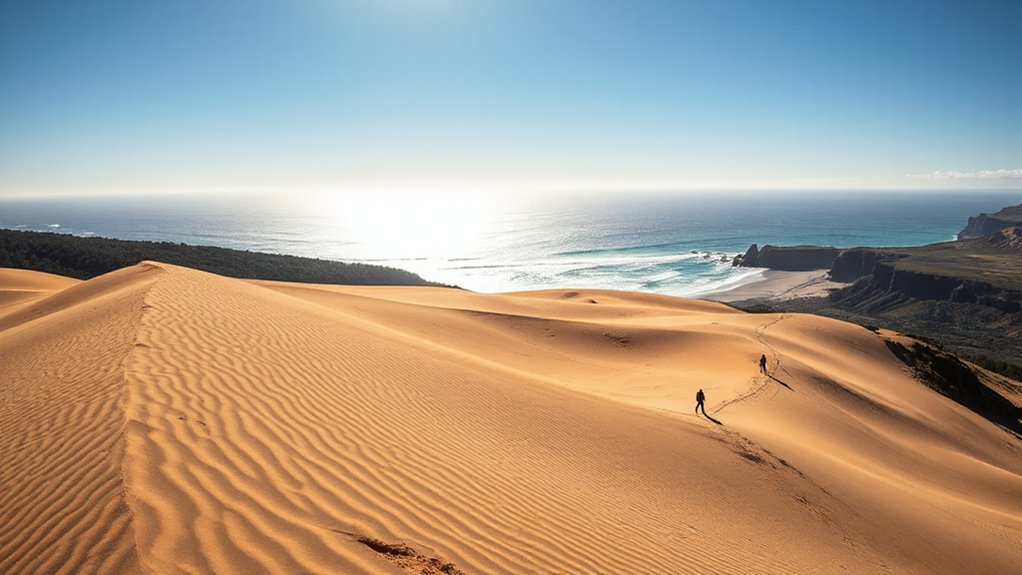
Gran Canaria unfurls a coastline stitched with sculpted dunes, pine-fringed forests, and windswept shores that glitter like glass. You step onto sun-warmed sand and notice dune conservation efforts subtly guiding paths, signs, and boardwalks that protect delicate grasses and nocturnal life.
A breeze carries resinous pine scent as you explore forest biodiversity along shaded trails, where volunteers monitor endemic species and report changes with practical care. You traverse coastal cliffs where tide pools harbor resilient creatures, and you learn where to pause for panoramic views without disturbing wildlife.
Pack light, wear sturdy footwear, and respect marked routes. In this island mosaic, dune conservation and forest biodiversity aren’t abstract goals but daily acts you can participate in, moment by moment.
Fuerteventura: Surf, Wind, and Wide Beaches
Fuerteventura unfurls as a long, sunlit shoreline where waves keep time with your breath and wide beaches invite every kind of adventure. You ride the wind, chase foam, and feel the island’s pulse in your skin.
The shorelines frame raw horizons, while towns pulse with Cultural festivals and the smell of Local cuisine drifting from kiosks and family homes.
1) Master the wind: choose a board-sped path and lean into the gusts.
2) Time your day: dawn breaks calm, afternoon gusts rise, evenings soften.
3) Eat where locals gather: fresh fish, goat cheese, citrus accents, and midnight dessert.
Embrace the tactile ease of Fuerteventura—sand, sea, and wind all speaking directly to you.
La Palma’s Green Valleys and Volcanic Passages
You’ll thread through Green Valleys Trails where emerald terraces frame your path and every bend hints at hidden streams.
From Volcanic Passages Routes, you’ll feel the island’s raw heat and cool breeze collide, with lava-touched walls guiding your steps.
Expect shifting Island Microclimates Rise as you move—from moist canyon shade to sunlit ridges—so pack layers and a watchful eye for sudden changes.
Green Valleys Trails
Could you imagine a landscape where emerald valleys spill into volcanic passes, each step shedding a new color of La Palma? You trail through Green valleys where moss clings to lava, and the air feels cool with pine and salt. The trails weave between terraces, carved viewpoints, and hidden springs, offering scenic vistas at every bend. You’ll move at a steady pace, measuring footing on soft moss, noting markers, and pausing to savor the scent of earth after rain.
- Plot your route by daylight, keeping to clearly marked paths.
- Pack light, breathable layers and a compact rain shell.
- Respect the fragile flora, sticking to established routes.
Green valleys invite steady immersion, scenic vistas reward every climb.
Volcanic Passages Routes
You walk into a storyteller’s map, stepping through volcanic formations that rise like stone manuscripts. The trail threads you toward subterranean caves, cool shadows framing your lines of sight as headlamps glint on mineral rivulets.
You’ll test your balance on ridges carved by eruptions, then descend into cool galleries where echoes answer your whisper. Sunlight slips through vents, painting amber seams on basalt walls.
Practical advice: pack sturdy boots, a light jacket, and a detailed map. Let the route unfold; nature’s drama commemorates every measured stride.
Island Microclimates Rise
The green valleys of La Palma cradle a climate as varied as the island’s rocky spine, and you’ll feel it the moment you step from a lava-tinted canyon into a mossy hollow. Microclimates emerge fast here: a shady fern gorge cools your skin, while sun-baked lava fields heat your boots. You’ll notice how volcanic landscapes channel mist into terraces, feeding lush patches that sustain island biodiversity.
Pack layers and a light rain shell, then hike from humid climes to dry ridges in minutes, keeping electrolytes handy for sudden shifts. Explore lower valleys at dawn for dew-wet grass, then summit crags by late afternoon for exposed air.
- Layering matters across microclimates
- Start early, finish cool and dry
- Watch for mist funnels near volcanic passages
Lanzarote’s Lava Fields: Surreal Hiking Landscapes
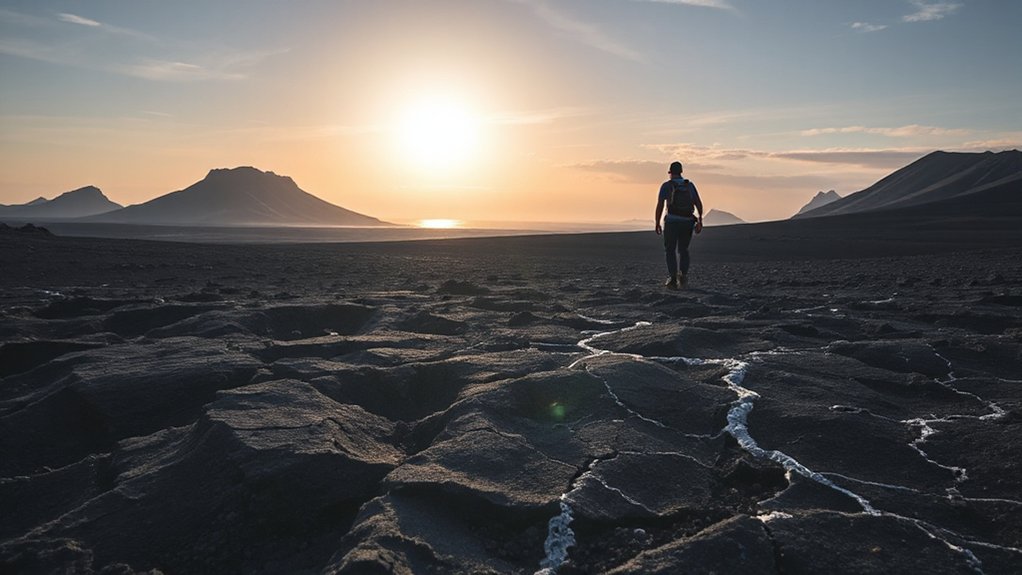
Lava fields stretch before you like a sculpted, otherworldly coastline—charcoal ridges, glassy obsidian flats, and a moonscape of hollows where time seems to pause. You walk the cracked surface, toes finding stable footing on hardened lava, salt air brushing your cheeks.
The trails weave between cinder cones and lava tubes, each bend revealing new surreal landscapes that feel choreographed by the earth itself. Bring water, sturdy boots, and a hat—the sun can glare off black rock in relentless fashion.
Watch your step where fissures narrow, and linger at a viewpoint where Tenerife flickers beyond the coast. You’ll note how stark silence shapes your rhythm, how the landscape compels careful, respectful travel through this volcanic canvas.
Lava fields reward deliberate exploration.
Step-by-Step: Pick the Right Island for Your Trip
From lava fields to lush coastlines, each Canary Island offers a distinct rhythm for your outdoor getaway, so start by matching what you want to do with what the island can deliver. You’ll tune your trip by mood: adrenaline, serenity, or a little wildlife magic. Pick an island that fuels your goals, then layer in practical details—timing, terrain, and access.
1) Mountain biking: choose turf with varied trails and reliable sun, not desert heat peak hours.
2) Wildlife photography: target quieter reserves, golden hours, and respectful distance.
3) Quick wins: consider accessibility, local guides, and gear rentals.
With the right fit, your itinerary becomes a canvas—vivid, efficient, unforgettable.
Top Hiking Routes Across the Archipelago (With Viewpoints)
You’ll lace up under a sky that shifts from bright turquoise to sunlit gold as you hop between archipelago viewpoints, each trail revealing a new chapter of volcanic coastlines and pine-scented uplands.
Start on Tenerife’s Aleje coastal path for wind-swept cliff panoramas, then descend into laurel groves and wildflower blooms near secluded coves.
On La Palma, hike the Caldera rims for mountain vistas that spill into emerald valleys; bring a map and sturdy boots for switchbacks.
Gran Canaria’s Roque Nublo route rewards you with basalt spires and pine scent midsummer.
El Hierro’s coastline paths thread lava tubes and basalt steps, while Lanzarote’s volcanic trails contrast black earth with saffron gorse.
Pack water, layers, and curiosity; the archipelago awaits.
Mountain vistas endure, wildflower blooms flourish.
Water Sports Galore: Learn, Rent, and Ride Safely
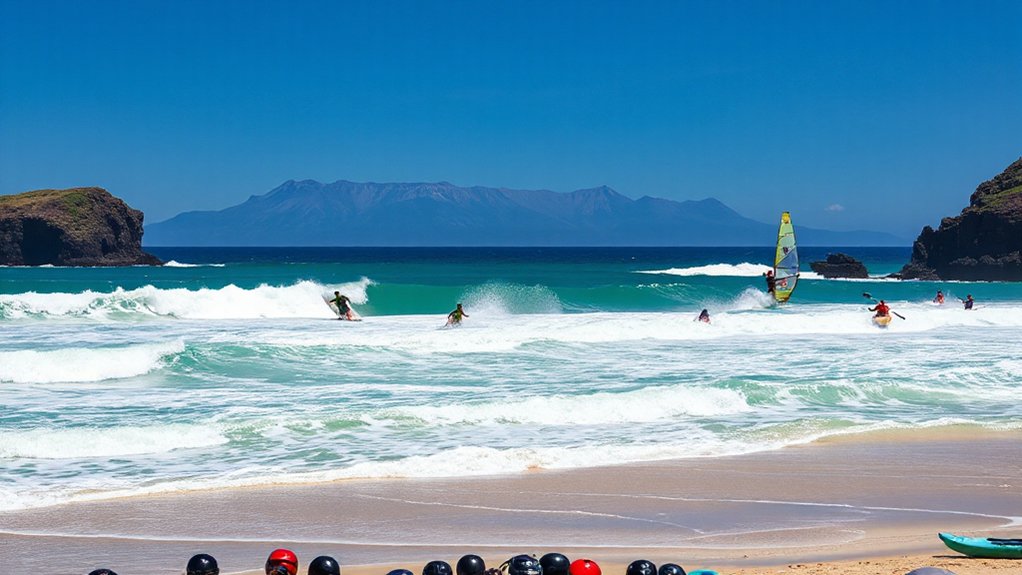
The sea invites as soon as you finish a hike—the same sense of adventure now turning to water. You’ll learn, rent, and ride with confidence, guided by calm instructors who respect the waves and the reef. Scattered coves, turquoise swells, and salty air frame your day of practice, safety gear snug, etiquette clear.
The islands’ currents demand awareness, so you’ll rehearse rescues, signal a buddy, and align with local rules. Marine conservation threads through every swap, every briefing, every paddle stroke.
Capture moments with underwater photography, then trade tips on framing and timing for clearer shots.
- Start with a trusted lesson, then rent gear that fits well and checks safety boxes.
- Respect protected zones and marine life, keeping a considerate distance.
- Photograph wisely, stay within your limits, and log your progress.
Cycling Like a Local: Scenic, Coach-Ready Roads
You’ll find scenic, coach-ready routes that nudge you along volcanic coastlines and pine-scented ascents, with maps that respect pace and effort.
Island road varieties keep you shifting— smooth seaside lanes, shaded climbs, and winding inland ribbons that reward steady cadence.
As you ride, tune into local etiquette—pass with a friendly call, share the road, and keep to the right so everyone enjoys the ride as much as the view.
Scenic, Coach-Ready Routes
From the moment you roll onto the Canary Islands’ winding coast, the scenery begins shaping your ride: cliffs fall away to foam-green waters, and the road threads through volcanic landscapes that glow at dawn. You’ll find routes that balance elevation with steady, coach-ready grades, so your cadence stays smooth and predictable. Scenic points line every climb, and you’ll learn to pace around wind corridors that can surprise you.
1) Pick classic coast-hugging loops for predictable headwinds and sweeping ocean panoramas.
2) Choose interior rollers with gentle descents to recover while staying sharp.
3) Schedule miles near farmers markets and local festivals to savor culture between efforts.
These routes pair scenery with practical rhythm, fueling motivation and focus.
Island Road Varieties
Island roads come in a spectrum of moods, from cliffside swoops that kiss the sea to lava-sculpted lanes tucked into pine-dusted valleys.
You’ll find routes that feel like stagecraft for a pro: steady climbs, measured descents, and long, shimmering flats that tempt you to pace with your own heartbeat.
Coastal cliffs frame panoramic horizons, while volcanic soils color the shoulders with rugged textures under your tires.
Choose coastal loops that reward steady cadence, or switch to higher-elevation belts where volcanic landscapes open wide, offering sweeping views and cooler air.
Road surfaces vary from glassy asphalt to compact gravel—carry two sets of tires and a pump.
Pack water, sunscreen, and a light wind shell for even the most coach-ready day.
Local Cycling Etiquette
1) Stay left, pass right, and call out when you’re closing in on riders ahead.
2) Glide through roundabouts with calm focus, easing brakes on gravel patches and obeying local speed limits.
3) Keep a compact kit of essentials: spare tube, pump, multi-tool, and lights for dawn or dusk rides.
You’ll hear the island hum through your tires—local cycling etiquette shaping every scenic stride into a safer ride.
Family-Friendly Adventures: Easy Trails and Safe Shores
Families can set out on easy trails and safe shores where the Canary winds feel gentle and the scenery invites curious kids to explore, not endure. You’ll find flat paths along lava landscapes that glisten after a morning shower, perfect for strollers or little hikers.
Lookouts overlook turquoise bays where seabirds wheel above tidal pools, offering wildlife encounters that spark questions and stories. Pack light, curious, and ready for short breaks; frozen water bottles and a snack stash keep energy steady between discoveries.
Safe shores mean calm coves with gradual entry into the sea, ideal for paddling and tide-pool hunts. Remember camping essentials for a quick, comfy night: a compact tent, sun shelter, and a small lantern to wind down under stars.
Safety First: Gear and Packing for Canary Adventures
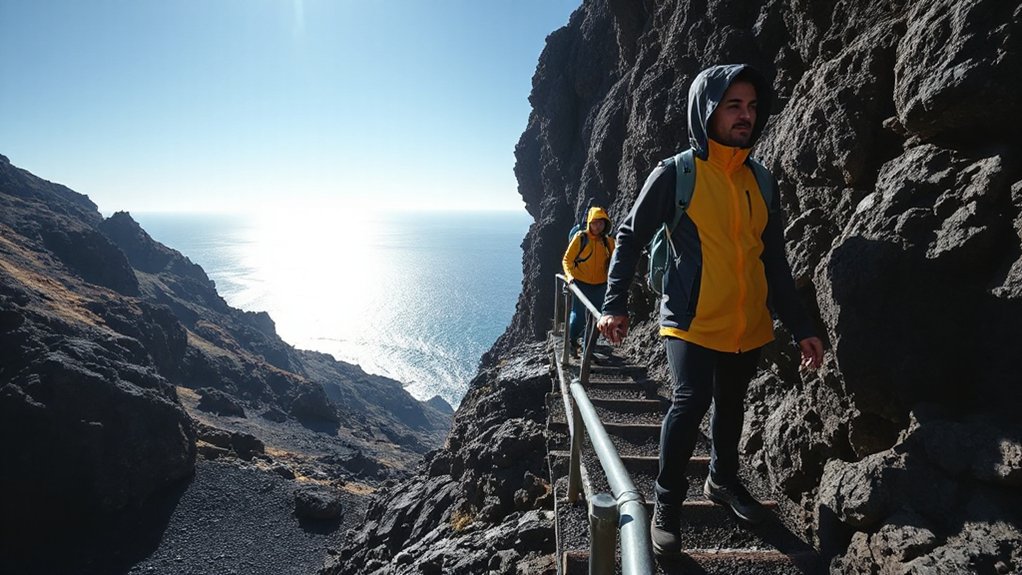
From the moment you lace up your shoes and shoulder a light backpack, you’ll feel how the Canary winds push you toward smarter packing. You plan with purpose, not excess, because every trail demands balance between safety and freedom.
Your pack carries essential gear that keeps you confident on varied terrain. A tight, weather-ready layer, water, and a compact first-aid kit form the core of your packing checklist.
Stay light, stay prepared, stay present in the landscape.
- Essential gear you won’t regret: map or GPS, whistle, headlamp
- Practical packing checklist: snacks, sunscreen, multipurpose tool
- Compact shelter: emergency blanket or small tarp for sudden changes
Best Seasons for Each Activity and Crowd Tips
Choosing the right season sets the mood for your Canary Island adventures, because each activity hinges on weather, crowds, and the pulse of the landscape. You’ll time hikes for trail dust and sunrise gold, when easily crowded routes feel intimate and energizing.
For watersports, spring and late summer bring calmer seas and consistent winds, while winter nudges you toward milder coasts with fewer crowds.
Wildlife encounters happen most vividly in early mornings or golden hours, so plan rainforest and volcanic excursions around those moments.
Local festivals color towns with music, food, and lanterns—experience them during shoulder seasons to savor authenticity without jammed streets.
Pack flexible plans and be ready to shift to quieter paths when peak crowds arrive.
Getting Between Islands: Efficient Travel Tips
Getting between the Canary Islands isn’t a snap, but it’s a voyage you can master with a few practical choices. You’ll feel the sea breeze tug at your sleeve as you line up travel logistics, knowing a smooth ride hinges on timing, shells, and seat selection.
Island ferry tips push you toward early bookings, simple routes, and flexible plans that save time for stubborn winds or sudden changes.
1) Book ahead, pick daytime crossings, and buffer for delays.
2) Compare routes by duration, price, and luggage limits.
3) Arrive early, print confirmations, and keep a digital backup.
Efficient travel keeps your adventures seamless, letting you swap ferry windows for cliff trails and starry coastlines.
Cultural Side Trips to Enhance Outdoor Itineraries
You’ll weave your outdoor days with Local Heritage Trails that reveal time-worn paths and sea-breeze viewpoints. Then pause at Market Food Stops to taste island flavors between climbs.
As you hike, the stories behind villages and crafts unfold, inviting you to linger and compare notes with locals.
Keep the pace practical: map a couple of short side trips after a summit or beach day, so your itinerary stays vivid without losing momentum.
Local Heritage Trails
What hidden stories lie just off the trail in the Canary Islands, waiting to unfold as you walk? You’ll feel history echo in cobblestones, hear it in wind-carved terraces, and sense it in every local craft you glimpse along the way.
Local heritage trails thread you through villages where Local craftsmanship shines and traditional festivals pulse to life, turning a hike into a living museum. You won’t just observe; you participate, touch, and remember.
- Follow a mason’s route from quarry to church, tracing stonework that still bears the chisel.
- Stop at a loom house to learn weaving patterns that echo ancient tides.
- Join a square celebration, tasting a festival-infused breeze and timeless songs.
Market Food Stops
If the trail nudges you toward a break, follow the market buzz and step into a living postcard of flavors. You arrive at a grid of stalls where sunswept oranges glow, fishmongers shoulder the day’s catch, and bread crusts crackle like tiny sunsets.
You trade a few words for a sample of Market food: smoky papas arrugadas with salt, tangy mojo verde, and dzikes of roasted peppers that perfume the air. Behind you, a woman pours herbal tea cooled by the sea breeze.
Local flavors wake your senses as you chew slowly, map in hand. This pause isn’t just fuel—it’s a doorway to place, people, and stories that deepen every outdoor moment you chase.
Crafting a 7–14 Day Outdoor Itinerary for First-Time Visitors
To first-timers, the Canary Islands unfold as a playground where rugged coastlines meet volcanic peaks and blue horizons. A well-planned 7–14 day itinerary helps you taste that range without rushing.
You’ll mix ferries, trails, and sun-soaked viewpoints, balancing adrenaline with downtime. Start with a central base, then loop island-by-island to avoid backtracking, allowing room for Wildlife conservation moments and spontaneous coastal sunsets.
Pack layers, a lightweight tripod, and a compact telephoto for outdoor photography. Then adjust daily so you’re never sprinting.
- Prioritize two moderate hikes and one cultural stop per island to keep momentum without burnout.
- Reserve one morning for wildlife-watching or a protected reserve, dawn ideal.
- Leave evenings flexible for stargazing or seaside meals, camera in hand.
Frequently Asked Questions
Are There Any Must-Avoid Seasons for Certain Hikes?
Yes—avoid certain hikes in peak wet or windy seasons, especially when seasonal wildlife is most active; watch for trail maintenance blocks after storms, and plan flexible routes. Stay responsive, bring layers, and respect closures to stay safe.
How Crowded Are Trails During Peak Vacation Periods?
Trail popularity spikes; you’ll find seasonal crowds on peak vacation days, especially weekends. Expect congested overlooks, wider trails, and parking hassles, but plan early, pick off-peak slots, and you’ll still savor dramatic views and uninterrupted stretches.
Do All Islands Require 4×4 for Interior Routes?
On rough interior trails, not all islands require 4×4, though many do; you’ll find off road vehicles help with Interior exploration, especially steeper routes. Some easier paths exist, but plan ahead and check local access rules.
Which Gear Is Essential for Beginners on Lava Fields?
Yes—you’ll want sturdy boots and a helmet as lava field safety basics, plus a lightweight pack. Focus on beginner gear essentials: traction, hydration, sun protection, and a map. Stay aware, move slowly, respect unstable ground, and proceed carefully.
Are There Age Restrictions for Adventure Activities?
Yes, age limits apply for most activities, but many options are family friendly and suitable. If you’re curious, check operator policies, always prioritize adventure safety, and tailor choices to your group’s abilities for memorable, safe experiences.
Conclusion
You’ll leave with your senses tuned: salt on your lips, basalt underfoot, and the horizon bright as a stage. The Canary Islands aren’t a checklist; they’re a breath you take before the trail, a map that breathes. You’ll swap sweat for sunsets, heat for alpine air, and dunes for emerald laurel forests, all in one voyage. Pack light, listen to the wind, and—anachronism coming—trust a compass from a pirate’s era to your modern sense of direction. Adventure awaits.