
The Barcelona to Tarragona train journey is a quick, varied hop along the Catalan coast, blending urban energy with coastal scenery and Roman history. You’ll start amid towers and cranes, then slide into open coastlines, salt breezes, and harbor views. Trains run every 30–60 minutes, with morning services fastest and evenings calmer but busier depending on your goals. Tickets are easy online or at the station, with passes for flexible trips. If you keep exploring, you’ll uncover even more local highlights and flavors.
Key Takeaways
- Typical Barcelona–Tarragona train journey takes about 30–35 minutes for the ~100 km distance.
- Trains run every 30–60 minutes; morning services are quickest, with midday options often cheaper.
- Tickets can be bought online, at kiosks, or counters; advance discounts and passes may apply.
- Tarragona is walkable from the station, with Roman sites, coastal scenery, and local cuisine nearby.
- Pack light layers, water, snacks, and a charger; arrive early to locate seats and store gear securely.
What You’ll Get From the Barcelona–Tarragona Train
If you’re planning the Barcelona–Tarragona ride, you’ll quickly notice what you gain beyond a simple transfer. You’ll ride with time to observe your surroundings, sense the rhythm of Catalonia, and feel a practical ease that shortcuts errands.
The journey foregrounds Cultural landmarks as part of the experience, not just as distant pages in a guide. Windows frame coastal glimpses, inland hills, and towns that hint at local life rather than tourist blur.
You’ll appreciate Local cuisine through the quick, casual detours riders discuss—snack stalls, bakery scents, and café stops that pepper the route.
The train itself stays quiet and efficient, letting you focus on context: history in the scenery, lines of language, and the cadence of daily commute, not just the destination.
How Long It Takes and the Best Departures
You’ll want a clear picture of travel times, so I’ll map out the typical durations and what that means for your day.
We’ll weigh direct trains versus those with changes to highlight the quickest routes and any practical trade-offs.
I’ll flag the best departures by timing, aiming for smoother connections and fewer delays.
Travel Time Overview
Travel times between Barcelona and Tarragona are straightforward: the fastest trains typically cover the roughly 100 kilometers in about 30 to 35 minutes, with most high-speed or regional services offering repeatable schedules every 30 to 60 minutes.
You’ll notice how railway infrastructure supports predictable intervals, aided by track alignment and dedicated corridors that minimize slowdowns. The timing pattern favors practical planning: short waits, clear platforms, and reliable on-board service.
Ticket pricing influences choice, as you compare high-speed options against economical regional trains, weighing comfort against cost.
On busy days, anticipate minor delays during peak departures, but the overall cadence remains steady. In short, time predictability and straightforward pricing make this corridor efficient for daily or occasional travel.
Ideal Departures Timing
From Barcelona to Tarragona, choosing the ideal departures hinges on matching travel goals with service patterns. You weigh frequency, duration, and reliability, then align your clock with the timetable’s rhythm.
Short wait windows offer flexibility but risk crowding and occasional delays; longer intervals reward planning and price certainty. Typically, morning trains are fastest and most direct, with fewer transfers, while midday options trade speed for cost savings.
Evenings bring calmer stations but potential crowding near peak times. Evaluate whether you value punctuality over price, and whether you can tolerate a slightly slower leg for a cheaper ticket.
Train safety shows in well-lit platforms, clear announcements, and staffed cars. Look for ticket discounts for off-peak windows or multi-ride passes to maximize value without compromising safety or timing.
Direct vs Connecting Routes
Direct routes between Barcelona and Tarragona are the quickest way to travel, typically cutting out transfers and the risk of delay that can come with changeovers. You’ll notice how direct trains shorten total travel time and reduce schedule uncertainty, making departures easier to plan around.
1) Travel time: direct services usually save minutes, especially off-peak.
2) Frequency: direct departures tend to space evenly, offering reliable options.
3) Train comfort: direct trains often feature smoother journeys with fewer zoning changes.
4) Ticket pricing: direct routes can offer simpler pricing and occasional savings, though fares vary by time and demand.
In short, if you value efficiency, direct routes win; if you’re flexible, you can catch good connecting deals. Consider your comfort needs and budget when choosing.
The Barcelona–Tarragona Route: Stations, Scenery, and Travel Times
You’ll map the Barcelona–Tarragona corridor by its stations, noting where each stop signals a change in pace. The scenery unfolds in sensible segments—coastal glimpses, inland contrasts, and the rail-era rhythms in between—while travel times tighten or ease with each stop.
This frame invites you to compare what each station implies for your pace, logistics, and sightseeing potential.
Stations On Route
The Barcelona–Tarragona railway corridor stops at a handful of stations that reveal a steady shift from dense urban scenery to coastal and industrial landscapes, each platform offering a snapshot of daily life along the route. You notice design, crowd tempo, and the cadence of announcements shaping your sense of place.
At each stop, you glimpse Historical landmarks tucked near ticket gates, and local chatter weaving through the stalls as you pass. Here are notable stops to frame your journey:
1) Barcelona Sants
2) Castelldefels
3) Vilafranca del Penedès
4) Tarragona
You sense a dual rhythm: industrial efficiency and local cuisine aromas wafting from nearby cafés, nudging you to sample regional flavors as the train glides onward.
Scenery And Travel Time
As the Barcelona–Tarragona train glides north, the scenery shifts from dense city blocks to open coastlines and industrial harbors, mapping a gradual change you can feel in the air and hear in the hiss of the wheels. You notice how distant towers give way to white-washed warehouses and cranes that punctuate the horizon, a visual rhythm you’ll trace between towns.
Travel time tightens around steady, predictable intervals, yet stations linger with purpose, offering brief pauses to absorb light, salt breeze, and distant gull cries. Historical landmarks dot the route like quiet anchors, inviting contemplation of the region’s layered past.
Local cuisine surfaces in fresh markets and seaside eateries, enriching the ride with salty, olive-bright flavors you’ll remember.
Tickets, Passes, and How to Buy
Getting a ticket for the Barcelona to Tarragona train is straightforward: you can buy online, at station kiosks, or from ticket counters, and you’ll see several options depending on your plans and travel dates.
- Ticket discounts are common for advance purchases, youth, seniors, and groups, so compare prices before committing.
- Travel passes offer flexibility across days or multiple trips, useful if you plan a longer stay or erratic schedules.
- Online booking speeds you through checkout, with e-tickets that scan at turnstiles or gates.
- At the station, counter staff can help you choose the right fare, apply discounts, and advise on seat reservations if needed.
Note the terms, then decide which option aligns with your itinerary and budget.
Packing for a One-Day Barcelona–Tarragona Train Trip
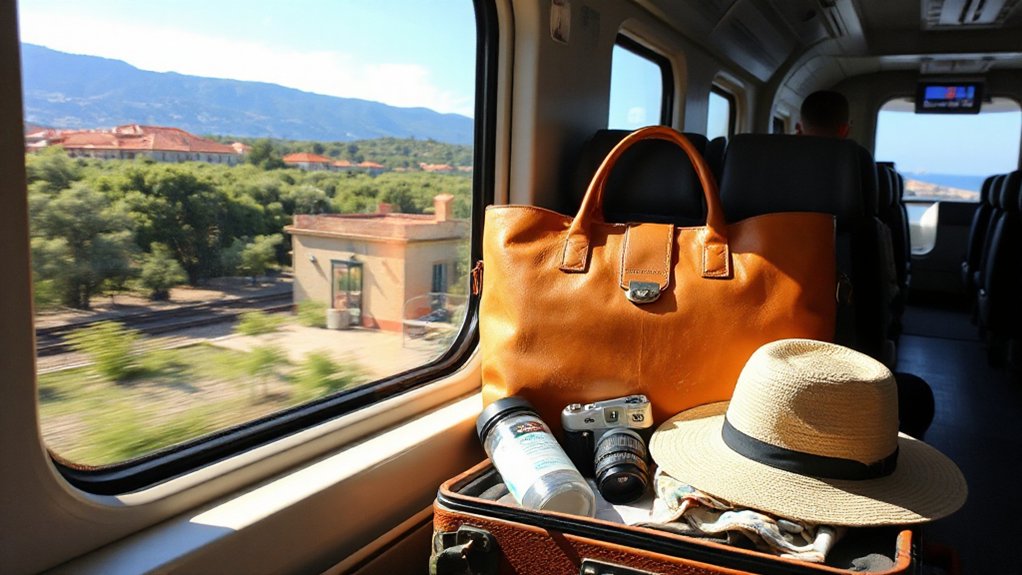
If you’re packing for a one-day Barcelona–Tarragona trip, start with a compact, weather-aware kit that covers comfort and contingencies. You’ll want a light layer, sunglasses, and a compact umbrella, plus a small snack pack to stay powered between stations.
Pack a phone charger, earbuds, and a reusable water bottle to cut waste and keep you alert. For comfort, bring a portable neck pillow and a thin blanket if you’ll ride long stretches or sit on chilly trains.
Consider train safety: keep valuables secure, use a zipped bag, and stay aware of platform announcements. Look for ticket discounts in advance and on-app promos to maximize savings without sacrificing readiness.
This approach keeps you efficient, prepared, and focused on the journey.
Tarragona Highlights Reachable From the Station
Tarragona’s highlights are an easy stroll from the station, with the city’s Roman history and coastal charm unfolding in a compact core. You can map a precise walk that reveals both ancient and modern life, without overpacking the itinerary. You’ll notice how local cuisine aromas drift from nearby streets, guiding you toward iconic experiences and efficient routes.
- Roman ruins and the amphitheater, embraced by the harbor breeze
- The Cathedral precinct, where Gothic shadows meet old stones
- The Rambla’s shaded cafes, showcasing local cuisine and people-watching
- The coastal promenade, linking history to sea views
This approach keeps tempo tight, clarifies priorities, and highlights historical landmarks as anchors for a manageable day.
Food on the Way and in Tarragona: Tapas and Snacks to Try
As you wander from the station, you’ll notice Tarragona’s road-side aromas guiding you toward a compact lineup of tapas and snacks that fit the pace of a travel day. You scan options with a practical eye, noting portion sizes and price hints that signal value without sacrificing flavor.
Local wine appears in small carafes, a ready pairing for briny olives, anchovy-studded boards, and crisp croquettes. Coastal cafes cluster near the promenade, their outdoor seating inviting a quick, purposeful break.
You evaluate freshness, weighing sea-salt notes against tangy aioli and smoky chorizo. In Tarragona itself, you’ll find snacks that deliver a succinct regional narrative—simple, bright, and satisfying enough to reset your itinerary without slowing you down.
Onboard Tips and a Smooth Day-Trip Checklist
Stepping aboard the train, you’ll notice practical rhythms that keep a day trip running smoothly: reserved seating where available, clear overhead bins for backpacks, and the gentle hum of the carriage as it settles into a steady pace.
Onboard tips and a smooth checklist set the tone for focus and efficiency, without sacrificing comfort. Use these quick moves:
1) Arrive early, locate your car and seat, then store gear securely to free space for others.
2) Pack a compact lunch from local cuisine options and a water bottle for the day.
3) Plan a concise route: identify key sightseeing spots and a logical order to minimize backtracking.
4) Keep a small pocket notebook for timings, tickets, and notes on nearby eateries.
These habits keep momentum, reduce delays, and enhance the day’s discoveries.
Alternatives to the Train: When to Drive, Buses, and Hybrid Itineraries
If you’re weighing travel options beyond the train, driving, buses, and hybrid itineraries offer distinct rhythms and trade-offs.
Driving gives you flexibility, time control, and spontaneous stops, but you shoulder navigation, parking, and fuel costs.
Buses tend to be economical and straightforward, yet schedules and comfort vary, and you lose pace flexibility.
Hybrid itineraries blend transit with selective car time, reducing fatigue while preserving some autonomy.
Along the route, you can target historical landmarks at deliberate stops and optimize photo opportunities without rushed sessions.
Local cuisine becomes a key anchor, inviting you to explore regional spots rather than chain eateries.
Assess infrastructure, travel speed, and personal endurance to align choices with your interests, whether you crave immersive culture or streamlined, predictable travel.
Frequently Asked Questions
Is There a Direct Train on Weekends or Only Weekdays?
Yes, there are direct trains on weekends. You’ll notice weekend schedules sometimes differ from weekdays, offering limited slots. You’ll appreciate ticket flexibility, especially for gate changes or delays, as you compare options across travel times and destinations.
What Is the Earliest Morning Departure From Barcelona?
Early departures exist; you’ll catch the first train southeast. You’ll study the schedule, spotting train schedule details, then plan precisely. Observant and analytical, you’ll compare times, focusing on early morning departures and efficient, onward routes.
Are Dogs Allowed on the Barcelona–Tarragona Train?
Yes, dogs are allowed under certain conditions. You’ll follow Dog travel policies, keep your dog leashed or in a carrier, and pay any applicable fees. Also, check Ticketing procedures for pet reservations and size restrictions.
Can You Use a Single Ticket for Round Trips?
Yes, you can, but it depends on the ticket type. Check the ticket policies first, as some round-trip options require a single return or separate bookings. This affects travel flexibility and how you manage changes.
Is There Luggage Storage on Board for Day Trips?
There is limited onboard luggage storage; you should rely on designated racks and car versions, not full-scale lockers. Luggage policies vary by operator, but you’ll typically find overhead storage and storage facilities near doors for day trips.
Conclusion
You’ll leave with a clear, moment-by-moment sense of the ride: the rails hum, the coast flashes, and Tarragona’s charm comes into view. One striking stat: the Barcelona–Tarragona line carries nearly 20 million passengers a year, a quiet proof to how seamlessly this day-trip fits life’s rhythm. If you’re after efficiency, scenery, and 154 minutes of tapas-fueled exploration, the train makes it feel almost inevitable, a small ritual that yields big memories.