
The most expat-friendly towns on the Costa Cálida mix beach access with affordable living and strong networks. Think Cartagena for value near the marina, Águilas for sunlit coves and tapas, Lorca and nearby towns for history and budget groceries, and Murcia’s outskirts for urban amenities with easy coast access. You’ll find multilingual healthcare options, clubs, and community groups to plug into, plus reliable internet for remote work. Want more specifics on neighborhoods and costs? You’re in the right place.
Key Takeaways
- Murcia outskirts, Cartagena, Águilas, Lorca, and Caravaca de la Cruz offer expat-friendly mix of amenities, history, beaches, and affordable housing.
- Strong expat networks, festivals, and bilingual or language-support services foster easy cultural integration.
- Healthcare access, multiple clinics/hospitals, and reliable internet (fiber/5G) support daily life and remote work.
- Affordable housing near marinas or nature reserves and walkable neighborhoods with shops and services.
- Family-friendly options with parks, bilingual schools, and active community clubs enhance long-term settlements.
Which Costa Cálida Towns Are Best for Expats?
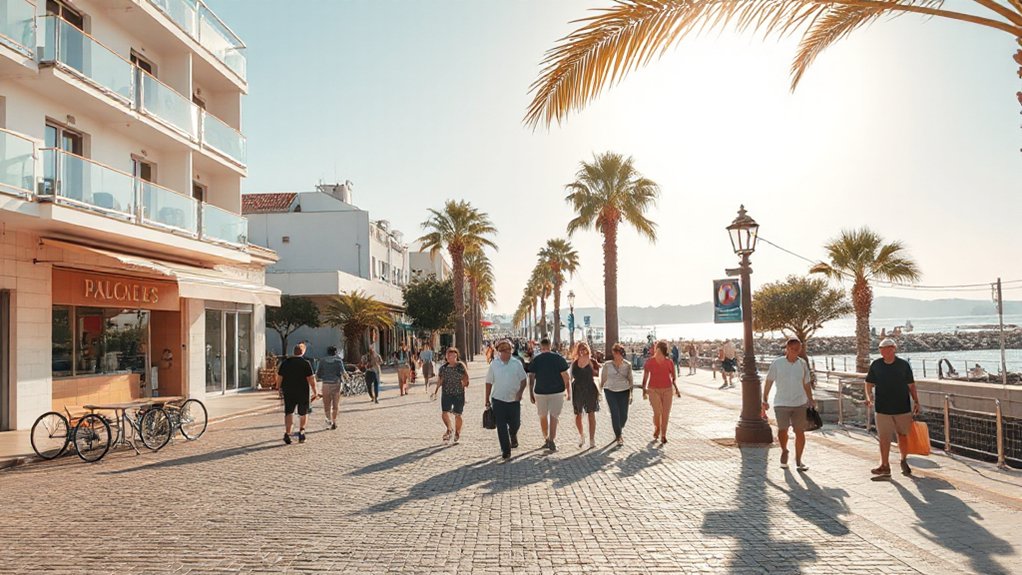
If you’re weighing where to relocate along Costa Cálida, a few towns stand out for expats thanks to mix of services, affordability, and lifestyle. You’ll find Murcia’s outskirts offer big-city amenities with beach access, while Cartagena blends history with a modern scene for daily convenience.
Águilas delivers relaxed coastal living and a friendly expat network, easy commutes, and affordable housing. Lorca and Caravaca de la Cruz appeal to history buffs seeking authentic cycling routes, hillside views, and sensible costs.
In these towns, you’ll enjoy historical landmarks and local festivals that anchor community life without breaking the budget. Practical services like healthcare, language resources, and shopping clusters make daily routines smoother.
Short trips unlock regional markets, beaches, and a genuine Costa Cálida rhythm.
Costa Cálida Expat Essentials: What Makes a Town Expat-Ready
You’ll want a town that supports you with local language help, from everyday interactions to official matters.
Access to reliable healthcare and nearby clinics or hospitals keeps you confident abroad.
Strong community networks—neighbors, expat groups, and language exchanges—make settling in feel like home.
Local Language Support
Local networks often run beginners’ courses, casual conversation clubs, and insulated expat groups that practice daily phrases without judgment. When you navigate forms, queues, or housing inquiries, clear guidance saves time and stress.
Language barriers fade faster where neighborhood associations publish bilingual notices and staff routinely answer questions in your preferred tongue. Look for towns offering translation services at key services, like registries, police, and utilities, plus online glossaries geared to newcomers.
A small investment now yields smoother, more confident living and faster community integration.
Healthcare Accessibility
Healthcare accessibility in the Costa Cálida is a practical priority for expats, with easy access to bilingual clinics, nearby hospitals, and clear guidance on registrations and appointments.
1) You’ll find medical facilities near town centers, offering general care and urgent services.
2) Healthcare options include public, private, and semi-private plans, letting you balance cost and speed.
3) Registration is straightforward: bring your NIE, proof of residency, and your GP preference to start at your local clinic.
4) Multilingual support exists across clinics and hospitals, plus interpretation services for appointments and prescriptions.
This setup keeps you covered, from routine checkups to specialty care, without long waits. Knowing where to go saves time, money, and stress.
Community Networks
Community networks bind the Costa Cálida expat experience, giving you quick access to social groups, language exchanges, and neighborhood hubs. You’ll find informal meetups at mercados, beaches, and town squares that connect you with locals and fellow newcomers.
Look for bilingual clubs, hobby circles, and volunteer teams that welcome your skills and curiosity. Local councils often host beginner workshops to ease paperwork and daily life, reinforcing practical social ties.
In practice, these networks deliver steady social engagement and reliable social support when you need help steering errands, translations, or finding a doctor. Prioritize neighborhood WhatsApps, church or community centers, and expat coffee mornings to build authentic connections.
Strong community engagement reduces isolation and accelerates your sense of belonging.
How We Measure Expat Friendliness (Criteria for Evaluation)
We measure expat friendliness by how well you can plug into local life, using Local Integration Metrics that track language support, community ties, and neighborhood familiarity.
We also weigh Accessibility and Services Availability, so you find clinics, schools, and government offices within easy reach.
This guide helps you compare towns on practical, on-the-ground factors that affect daily life, not just sunny reputations.
Local Integration Metrics
Local integrationMetrics gauge how welcoming a town is to expats by combining practical factors with lived experience. You’ll see how daily life actually feels, not just official scores, shaping your sense of belonging.
Focus areas include how neighbors greet you, where you find friendly language practice, and how local routines fit your schedule. Cultural festivals and Local cuisine often mirror the town’s generosity and openness, offering entry points to community.
- Community clubs and language exchanges that invite participation
- Neighborhood conversations that *evolve* from acquaintances to allies
- Local markets and eateries where you’re recognized and remembered
- Public events that mix traditions with new voices
These metrics keep you grounded, enabling you to navigate expat life with confidence.
Accessibility and Services Availability
Public transport should connect neighborhoods to centers of work and leisure, with clear timetables and reasonable fares. Local amenities—banks, post offices, libraries, and digital clinics—shape daily life, so note hours, speed, and accessibility for strollers or wheelchairs.
In your assessment, consider the local cuisine scene and how it complements daily routines, plus the housing market’s impact on living costs and neighborhood choices. Solid accessibility boosts expat comfort as you settle into Costa Calida life.
Best Costa Cálida Coastal Towns for Affordable Living
Costa Cálida packs affordable coastal living into a few sun-soaked towns, where rent and groceries stay reasonable without sacrificing beach access. You’ll feel the balance between value and view as you stroll the promenades, savor local cuisine, and catch a bite at a seaside market.
- Cartagena’s budget-friendly apartments near the marina
- Águilas with affordable tapas and sunlit coves
- San Pedro del Pinatar’s modest rentals near nature reserves
- Lorca-adjacent towns offering cheaper groceries and steady work
Beyond price, you’ll tap into local culture, from mercados to cultural festivals, shaping your daily routine. You’ll swap high costs for easy access to beaches, fresh seafood, and a tight-knit expat scene.
If you value simplicity, affordable living awaits along this coast.
Healthcare for Expats in Costa Cálida: Access and Tips
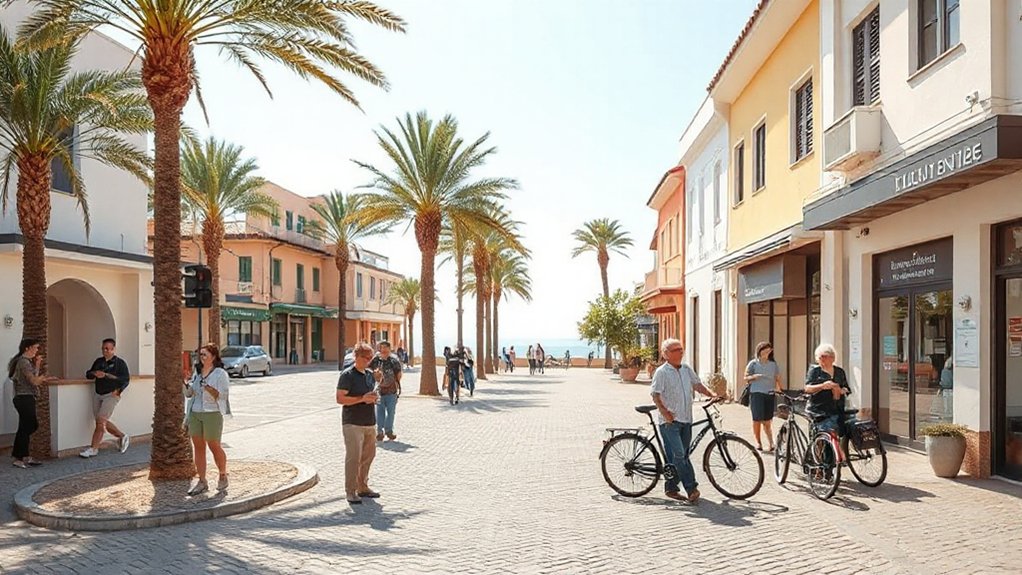
If you’re settling into the Costa Cálida after checking out affordable coastal spots, understanding healthcare access is a must. You’ll find a mix of public and private options, with regional hospitals and local clinics ready to serve expats.
Registering with the Spanish public system is straightforward if you’re employed or have residency, but private insurance can speed things up for routine care. Expect multilingual staff in larger centers, and dental and specialist services clustered in city hubs like Cartagena and Lorquí.
Keep a digital clipboard handy: prescriptions, vaccination records, and emergency contacts. Expat support groups often share practical tips, hospital recommendations, and translation help.
Know your healthcare options, and you’ll navigate visits with confidence and fewer delays.
Connectivity and Internet: Staying Connected in Spain
Staying connected in Spain is easy once you know your options: reliable fiber and 5G reach most coastal towns, with flexible deals from major providers.
1) Fiber in homes is common, often 300 Mbps or higher, with straightforward installation and local support.
2) 5G is expanding, giving fast mobile backup in daytime hotspots and near beaches.
3) Bundled deals save money, combining internet, TV, and mobile plans tailored to expat needs.
4) Local help centers translate setup steps, swap tools for regional networks, and address outages quickly.
You’ll stay aligned with local cuisine and cultural festivals, sharing photos and updates without gaps.
Coastal towns offer cafes with reliable Wi‑Fi, so you can work, stream, and plan weekend adventures without a hitch.
Connectivity stays smooth, deadlines stay met, and you remain in the loop.
Expat Social Life: Communities, Meetups, and Networks
Expat life on the Costa Calida thrives once you tap into the local social scene: welcoming clubs, language exchanges, and hobby groups make it easy to connect fast. You’ll find vibrant communities in town squares, beachside promenades, and coastal markets that suit every interest.
Look for monthly meetups, charity events, and beginner-friendly gatherings that keep conversation flowing and friendships forming quickly. Local venues host casual runs, cycling groups, and hiking buddies, so outdoor activities become social rituals you’ll actually stick with.
If you crave authentic experiences, join food-tie-ins like potlucks and tasting nights focused on local cuisine, where neighbors swap tips and stories. In short, your network grows as you show up, participate, and share.
Language and Integration: Practical Tips for Beginners
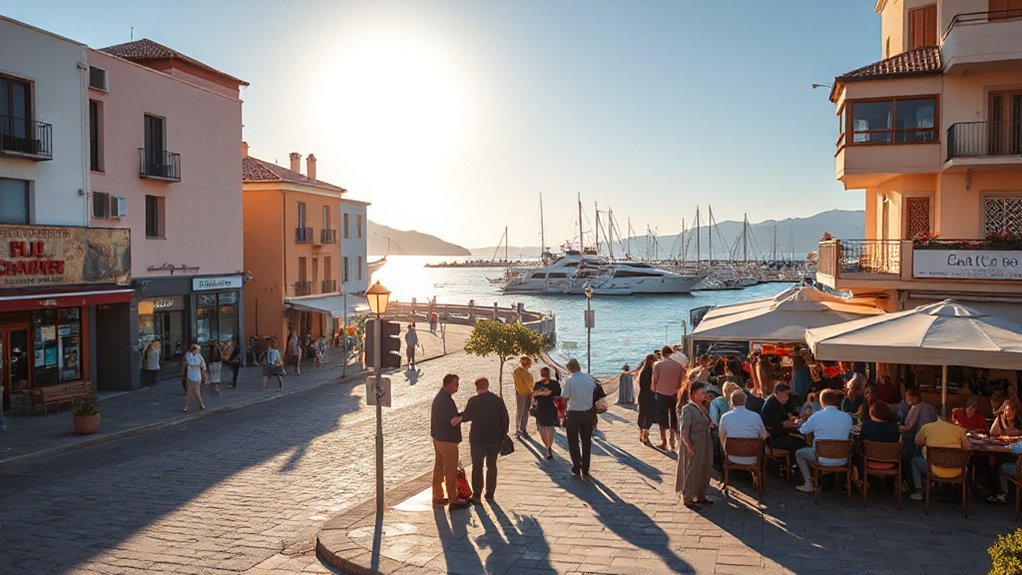
Start with a simple language exchange plan—pair up with locals or fellow expats to practice Spanish in real-life routines like markets or cafés.
Track practical milestones, such as ordering a meal confidently or handling a routine appointment, to keep you moving forward.
This approach blends Basics Of Language Exchange with Practical Integration Milestones, so you build skills while you settle into Costa Calida life.
Basics Of Language Exchange
Language exchange is your fast track to real-life conversation here, so start small and build from there. You’ll notice how simple chats loosen language barriers and bridge cultural differences, turning nerves into momentum.
- Find a weekly meet-up or language cafe and set a tiny goal for each session.
- Pair with a patient native speaker and share quick topics from daily life.
- Use everyday tasks—shopping, commuting, cooking—as practice drills.
- Keep notes of new phrases to review before your next meetup.
This approach keeps learning practical, local, and doable. Focus on listening first, then respond, and don’t fear mistakes. With consistency, you’ll gain confidence and pick up local nuances faster than you expect.
Practical Integration Milestones
As you settle into the Costa Calida, set clear, small milestones that match everyday life—things you can actually claim as done this week. Start with a simple goal: ask for your bill in Spanish at a local café. If you stumble, repeat gently or switch to a buddy’s help. Track language barriers and celebrate progress, not perfection.
Next, visit a neighborhood market and ask about ingredients, prices, and hours in the local tongue; you’ll learn colloquialisms fast. Embrace cultural adaptation by joining a community event or a volunteering shift. Pair tasks with routines, like greeting neighbors or loading your kettle with regional terms.
These practical steps build confidence, reduce stress, and anchor you in the town’s rhythms. Small wins compound into real, lasting integration.
Family Life, Schools, and Child-Friendly Towns
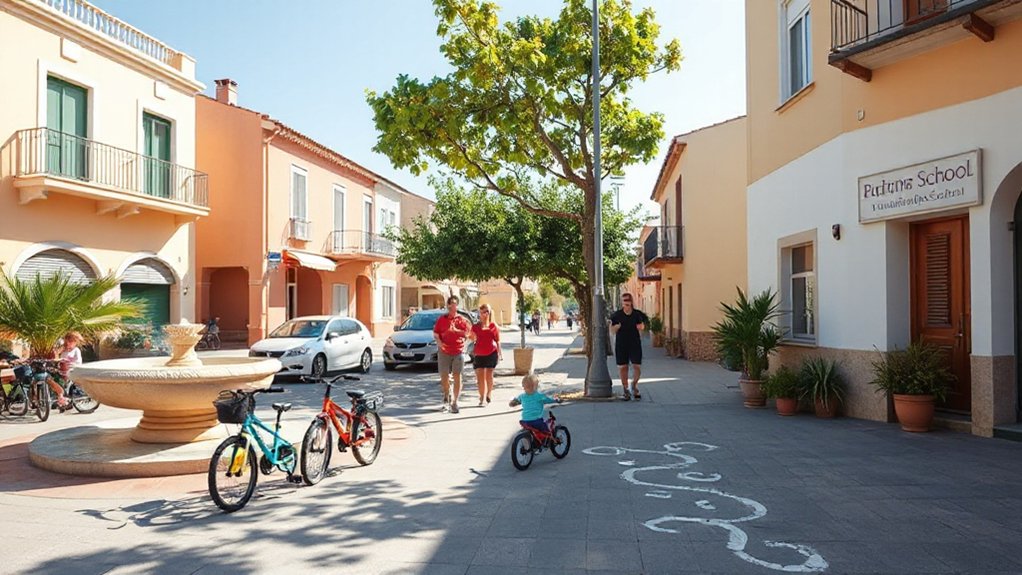
If you’re choosing a Costa Calida town for family life, you’ll find welcoming neighborhoods, good schools, and plenty of kid-friendly amenities right on your doorstep.
- Local parks where you can picnic, play, and unwind after school
- After-school clubs and family activities that fit busy schedules
- Reputable schools with bilingual options and modern facilities
- Safe, walkable streets with playgrounds near shops and cafés
You’ll notice thriving community centers hosting weekend markets, seasonal events, and family-oriented workshops.
Local partnerships with sports clubs keep kids active, while library programs spark curiosity. Transit links make day trips easy without long commutes, and healthcare facilities are nearby for peace of mind.
In short, these towns balance school quality, safety, and lifestyle, helping you cultivate lasting memories with your loved ones.
Real Estate: Buying, Renting, and Investment Hotspots
Buying a Costa Calida home means weighing affordability, location, and future value, with hotspots from Mar Menor waterfronts to inland towns offering strong rental demand.
You’ll notice value pockets around golf resorts, seaside villas, and compact flats near repurposed harbor districts.
Real estate here rewards smart timing: off-season upgrades, short-term rentals, and property appreciation tied to tourism cycles.
Local architecture blends whitewashed façades with Moorish touches, while modern builds prioritize energy efficiency and sea breezes.
You’ll fall for the culinary traditions that help sustain appealing neighborhoods and attract visitors, supporting sustainable returns.
Look for properties with easy beach, school, or healthcare access, and steady maintenance costs.
In short, buy where demand meets character, and rent where hospitality thrives.
Daily Life Perks: Markets, Transport, Safety, and Services
Markets, transport, safety, and everyday services shape life on the Costa Calida just as much as scenery does: you’ll find fresh produce at neighborhood mercados, reliable buses and rail links, and well-lit, pedestrian-friendly streets that invite morning strolls.
- Fresh mercados with local cuisine samples
- Frequent buses, good rail connections, easy city links
- Safe, well-lit streets and visible policing
- Responsive services: healthcare, libraries, and municipal support
You’ll notice how markets reflect daily life—local cuisine aromas, seasonal produce, and quick bites between errands. Transport connects towns efficiently, keeping you on schedule for work or coffee with neighbors.
Safety feels deliberate, with friendly policing and clear signage. Services stay close at hand, from clinics to post offices, making routines predictable. Traditional festivals punctuate weekends, inviting you to join with locals and newcomers alike.
Day Trips and Outdoor Living From Costa Cálida Bases
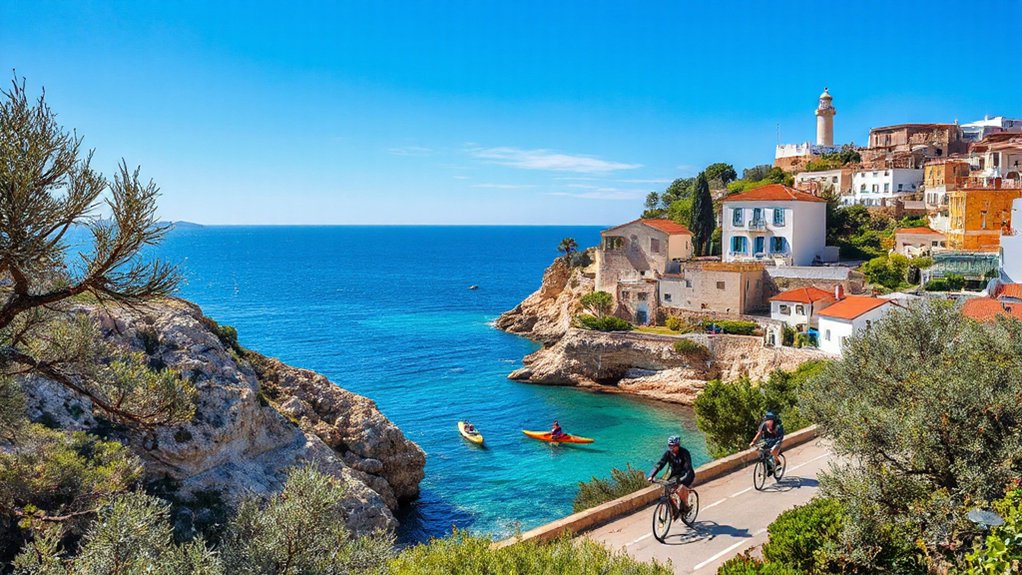
From your Costa Cálida base, you’ll map easy Day Trip Routings to nearby coastlines and hill towns.
I’ll share practical Outdoor Living Tips so you can plan sun, shade, and picnic spots without fuss.
Ready to explore suggested routes and local favorites that fit your pace and schedule?
Day Trip Routings
What makes a perfect Costa Cálida day trip? You’ll map routes that balance sea breeze, hills, and villages, keeping transit simple and time well spent. You’ll maximize local flavor, using short drives between viewpoints, beaches, and plazas. You’ll savor local cuisine and catch cultural festivals when they pop up, weaving in moments of texture and taste throughout the day.
- Begin in Mazarrón’s coves, then head inland to Sierra de las Morenas for a scenic lunch stop.
- Drive to Cartagena’s Roman ruins, loop the old town, and sample seafood at the harbor.
- Sweep east to La Manga for island views, a quick beach break, then refuel with tapas.
- Return via Calasparra’s olive groves, finishing with a sunset walk.
Locations, times, and routes stay practical and crisp.
Outdoor Living Tips
Outdoor living in the Costa Cálida is all about making day trips feel effortless—start with a lightweight packing list, plan shade breaks, and keep a flexible pace so you can linger on a cliff overlook or a seaside plaza.
You’ll discover simple routes from your base town to nearby coves, orchards, and coastal promenades, with cues from locals about the best times to visit.
Pack water, sunscreen, a compact map, and a light jacket for breezes off the water.
Seek shaded benches in urban parks for a quick break and easy photo ops.
Align plans with local festivals when possible; they reveal cuisine, music, and character you won’t find on maps.
Keep itineraries compact, authentic, and repeatable.
Culture, Cuisine, and Etiquette in Expat Havens
Cultural life in expat havens along the Costa Cálida blends Spanish traditions with a welcoming, international vibe, so you’ll quickly feel at home. You’ll notice local markets, tapas bars, and lively plazas shaping daily rhythms, while intercultural exchanges enrich conversations about culture, cuisine, and etiquette.
- Cultural festivals punctuate the calendar, inviting you to join dances, processions, and concerts.
- Traditional customs appear in village rituals, from religious celebrations to seasonal fairs.
- Cuisine blends coastal flavors with international bites, so you’ll savor fresh seafood and shared tapas.
- Etiquette is relaxed yet respectful, with casual greetings and courteous dining manners.
You’ll adapt quickly, embracing shared meals, language exchanges, and open-door hospitality that define expat life by the sea.
Cost of Living Snapshot by Town (Budget Planner)
Cost of living varies by town along the Costa Cálida, but you’ll notice a practical pattern: coastal hubs lean higher, while inland pockets stay more affordable. As you plan, use a budget planner by town to compare essentials like housing, groceries, and transport.
You’ll find that rents follow proximity to beaches and marinas, while utilities stay steady across municipalities. Pinpoint monthly totals for your preferred lifestyle, then estimate annual changes with seasonal shifts in demand.
Cultural festivals can spike short-term costs, so factor event weeks into your planning. Local cuisine influences grocery bills and dining options, from markets to affordable tapas bars.
With clear town-by-town snapshots, you’ll quickly identify where your euros stretch further without sacrificing access to services, culture, or community.
Matching Your Retirement Plan to a Costa Cálida Town
To match your retirement plan with a Costa Cálida town, start by aligning your budget, lifestyle goals, and healthcare needs with the options available inland or along the coast. You’ll find towns that balance affordable living, access to clinics, and social activities that suit you.
Consider how Cultural festivals and Local cuisine translate to your weekly calendar and grocery budget.
- Set a target monthly spend, including healthcare, housing, and utilities.
- Pick a town with nearby clinics and senior services, plus easy coast or inland access.
- Map out activities around cultural festivals that fit your energy and social goals.
- Compare grocery costs and dining options to keep meals within budget.
Choosing this balance keeps your future predictable and enjoyable.
How to Vet a Town Before Moving: A Practical Checklist
Moving from planning your Costa Cálida retirement to choosing a town, you’ll want a practical vetting checklist you can act on quickly. Start with daily life first: walk the streets at different times, note noise, safety, and transit options. Check essential services—supermarkets, clinics, banks, and language help.
Gauge cost of living by a month’s rent and utilities in the area you like. Research Historical architecture to understand town character and future investment risk. Look at local festivals to see community engagement and tourism pressure.
Visit neighborhoods near the coast and inland to compare pace and access. Talk to expats and locals about healthcare, paperwork, and long-term visas. Finally, confirm school or activity options if relevant.
Compile a priority list and revisit it after two visits.
Frequently Asked Questions
How Do Taxes Affect Expat Finances in Costa Cálida Towns?
Taxes affect your expat finances by shaping your net income and cost of living. You’ll want careful financial planning to optimize deductions, avoid penalties, and manage cross-border requirements. Tax implications vary locally; research Costa Cálida specifics now.
Which Towns Have the Strongest International Communities?
You’ll find the strongest international communities in towns with high cultural integration and active expat networks. About 60% report positive cultural exchanges, helping you overcome language barriers, settle faster, and feel welcome as you pursue life here.
Are There Multilingual Services for Newcomers in Towns?
Yes, you’ll find language support and cultural integration services in many towns, with multilingual staff ready to help you settle, navigate paperwork, and join community activities—making your move smoother and your life more connected.
What Visa or Residency Steps Matter Most Locally?
You’ll want to prioritize residency steps tied to local requirements, permits, and proof of income. Embrace local cultural customs and use language barrier solutions, like official translations and interpreters, to ease paperwork and interactions in everyday, on-the-ground processes.
How Do Expat-Friendly Towns Handle Healthcare Access?
Local healthcare providers in expat towns accept international plans, and you’ll often use Expat health insurance for routine visits. You’ll find clinics with English-speaking staff, quick appointments, and straightforward referrals, plus predictable costs and streamlined emergency information.
Conclusion
You’ll find that Costa Cálida towns vary, but they’re all becoming more expat-friendly. In fact, the region’s expat population has grown by about 20% in the last five years, signaling real momentum. When you vet a town, look for approachable healthcare, affordable housing, and active social networks. Prioritize places with easy airport access, a strong microculinary scene, and reliable English-speaking services. Start with Murcia’s coast and branch out—each town has its own welcoming rhythm.