
The best coastal cities for long‑term living start with Costa Luz’s relaxed vibe, walkable cores, and affordable pockets, then move to Costa Blanca for active expat networks and sports scenes. Add Costa del Maresme for Barcelona proximity and solid infrastructure, and finish with Costa Brava’s scenic towns and steady services. Budget any season’s swings, check leases carefully, and lean into local markets and festivals for value. Curious what fits your style, and what comes next? Stay tuned.
Key Takeaways
- Palma offers marina buzz, affordable rents for students, good transit, and vibrant dining near the coast.
- Alicante provides affordable apartments, sunny beaches, compact metro, and welcoming expat amenities.
- Valencia combines seasonal festivals, strong expat communities, robust public transport, and diverse urban beaches.
- Costa Blanca and Costa del Maresme deliver active outdoor lifestyles with easy Barcelona access and efficient rail links.
- Costa Brava and Costa del Sol offer scenery, modern infrastructure, healthcare access, and international communities for long-term living.
What Costa Fits Your Budget and Style?
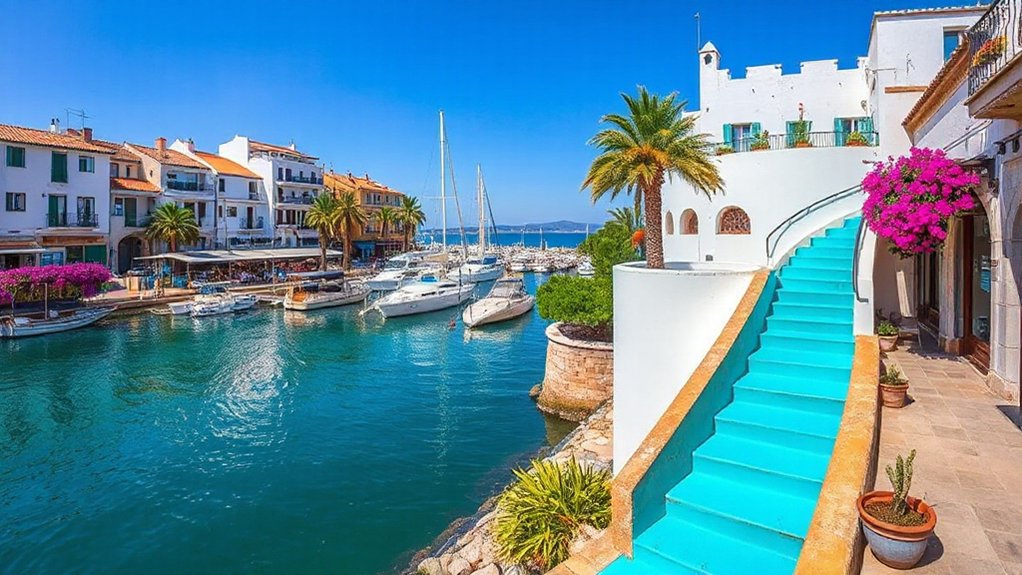
Spain’s coast isn’t one-size-fits-all: you can mix affordability with vibes that suit your style, from energetic beachfront towns to quieter coves. You’ll map costs by city, not by country color.
In Palma, you pay for marina buzz and fresh Local cuisine, but you’ll still snag student-friendly rents if you hunt early. Alicante balances sunny beaches with affordable apartments, plus a compact metro that shrinks commutes.
If you crave cultural rhythms, Valencia’s Cultural festivals seasonally flood, adding value beyond rent. Galicia offers dramatic scenery and lower prices, ideal if you prize quiet mornings and seafood markets.
Remember to weigh utilities, council tax, and grocery outs per month. Your choice hinges on access to transport, work spots, and the oozing vibe of Local cuisine and Cultural festivals.
Costa Luz: Beaches, Budget, and Expat Vibe
Sun, sea, and a slower pace meet solid value here, where long stretches of sand and a sun-warmed lifestyle don’t break the bank. Costa Luz delivers approachable beaches and friendly chill, perfect for long stays.
You’ll feel the balance between affordable living and a genuine expat vibe, from modest apartment rents to weekly farmers’ markets. Beach relaxation is easy: quiet coves, early-evening strolls, and cafés spilling onto promenades.
Local communities pride themselves on fresh, regional flavors, so you’ll savor authentic local cuisine without guilt or fuss. Practical perks matter here: reliable public transport, coast-to-coast rail, and welcoming neighbors who share tips on hidden beaches.
You gain warmth, value, and a sense of belonging, without surrendering your lifestyle goals.
Costa Blanca: Sun, Sports, and Active Expat Networks
You’ll feel the sun-and-sea rhythm guiding your days while you balance outdoor time with rest, making Sun-Sea Activity Balance your practical compass.
If you’re aiming to stay social, Expat Networking Opportunities give you immediate locals and fellow movers to connect with.
And with strong Outdoor Sports Access, you can fit cycling, sailing, or hiking into every week without missing a beat.
Sun-Sea Activity Balance
Costa Blanca blends sunshine, sea, and active living into a daily routine you’ll actually want to keep. You’ll balance long beach days with practical workouts, choosing calmer mornings for sun protection and shorter, high-intensity sessions as the afternoon heat rises.
The coast invites you to calibrate activity around tides and winds, so you’ll weave in sea kayaking routes that suit beginners and seasoned paddlers alike. Local coves offer sheltered launches, while cliff paths reward you with fresh sea air and panoramic views.
Even on quieter days, you’ll feel the pulse of the blue you’re reclaiming—easy swims, paddle breaks, and routine sun care that keeps you out of the glare and in balance.
Expat Networking Opportunities
Moving from the sun-soaked routines of Costa Blanca into its expat scene, you’ll find ready-made networks that blend sport, social life, and professional connections. You tap into bilingual meetups, local clubs, and mentoring circles that feel tailored to newcomers and long-timers alike.
Expect casual after-work runs, beach volleyball, and golf outings that double as introductions to business contacts and potential collaborators. Digital platforms, neighborhood associations, and monthly mixers keep momentum steady, so you won’t ride solo through relocation.
You’ll also discover networks infused with local cuisine and cultural festivals, where conversations naturally drift from housing tips to event calendars. In short, practical, inclusive spaces help you build credibility, friendships, and a trusted expat footprint across the Costa Blanca scene.
Outdoor Sports Access
Outdoor sports in Costa Blanca are built for year‑round momentum, with coastlines, mountains, and mild winters feeding a steady lineup of activities. You’ll tap into water sports along clear coves, wind‑driven shores, and calm bays that suit beginners and pros alike.
From paddleboarding to kayaking, you’ll find rental hubs near major towns with guidance to quick routes and safety tips.
For land adventures, hiking trails weave cliffside paths and pine‑lined routes, delivering panoramic overlooks and doable daytime goals. Local clubs host weekly runs, cycling loops, and climbing meets that welcome newcomers and returning expats.
Access is practical—public transport to trailheads, gear shops, and maps at visitor centers.
Costa Blanca’s outdoor network supports consistency, community, and reliable momentum.
Costa Del Maresme: Style, Proximity to Barcelona, and Infrastructure

Nestled between Barcelona and the sea, the Costa del Maresme blends easy coastal living with accessible city perks. You’ll notice style in every town: modern apartments sit beside traditional lanes, all framed by sunlit promenades.
Proximity to Barcelona means quick getaways for work or culture, yet you stay rooted in a calmer rhythm. Infrastructure shines with efficient rail links, bike-friendly paths, and well-maintained beaches that invite morning jogs and sunset strolls.
Local services are practical and well priced, from supermarkets to healthcare hubs, making long-term life smooth. Historical architecture dots the coastline, giving character to seawall towns without sacrificing modern comfort.
You’ll also savor local cuisine that highlights seafood, seasonal produce, and Catalan classics. This blend supports a balanced, vibrant routine.
Costa Brava: Scenic Towns With Long-Term Comfort
Costa Brava greets you with scenery that feels made for long stays: cliff-backed coves, pine-scented trails, and towns where art and seafood culture meet easy, year-round living. You’ll notice compact harbors, walking routes, and markets that pair fresh catches with local wine, inviting spontaneous afternoons.
Long-term comfort means choosing towns with reliable services, good transport links, and a pace that respects downtime as much as exploration. Secure a base near Calella de Palafrugell or L’Escala for authentic seafood-centric weeks, then branch to quieter coves when needed.
Seafood festivals bring community energy and superb tastings, while local wine helps you unwind after day trips. Practical tips: book ahead in peak season, learn a few Catalan phrases, and store conversation about prices and menus.
Costa Del Sol: Sunshine, Services, and International Schools
Sunshine and a modern infrastructure meet in the Costa del Sol, where long-term living hinges on easy access to reliable services, fast transport, and a welcoming international scene.
You’ll notice how beachside cafes become daytime havens and evening hubs, blending coast, cuisine, and conversation.
Local schools support a multilingual, globally minded community, while private and public options offer flexible schedules and strong results.
Services are streamlined—from healthcare to coworking—so you can settle in without friction.
Local festivals bring culture into daily life, providing texture to weekends and a sense of belonging.
You’ll race the clock less and savor sun-filled routines more, crafting a practical, vibrant routine that fits both family needs and personal ambitions.
Canary Islands vs Mainland: Coastal Living for Long-Term Stays

The Canary Islands offer a sunnier, year-round playground, but mainland Spain delivers faster transport links and a broader urban mix—so the choice boils down to your priorities for long-term living.
You’ll feel a subtropical edge on the islands, with milder winters and startlingly consistent sunshine, ideal if you value outdoor routines.
On the mainland, you get punchier city access, high-speed rail, and a wider range of services, which matters for work-life balance and weekend getaways.
Climate comparison matters if you grind through seasons, while cultural differences shape daily rhythms, from FESTIVALS to dining cadence.
Decide whether you crave island privacy or metropolitan variety, and tailor your move to how you work, relax, and connect with locals.
Your long-term routine should reflect where you’ll truly thrive.
Neighborhood Qualities Expats Should Look For
When you scope out a neighborhood, prioritize housing accessibility and costs that fit long-term budgets without sacrificing essentials like transit and utilities.
You’ll feel the vibe by noting safety and social cohesion—are neighbors friendly, errands doable, and local services reliable at a reasonable pace and price.
In Spain’s coastal towns, seek areas with walkable centers, stable rental options, and a sense of community that makes daily life feel both secure and inviting.
Housing Accessibility and Costs
Finding a place to live in Spain isn’t just about a pretty view; it’s about accessibility, cost stability, and neighborhood QOL that fits an expat’s calendar.
In coastal cities, you’ll feel the difference in Housing affordability the moment you compare neighborhoods with easy transit, nearby groceries, and flexible lease terms. The rental market moves with seasons, but long-term options exist if you shop smart: avoid peak tourist blocks, verify upfront fees, and confirm monthly costs include utilities.
Look for buildings with solid insulation, elevator access, and clear contract language. Budget guidance: target 25–35% of your income for rent, and negotiate terms like renewal increases upfront.
Prioritize proximity to healthcare, cafes, and a steady Wi‑Fi signal for work and life.
Community and Safety Vibes
Are you chasing neighborhood vibes that feel welcoming from day one, not just a postcard view? In Spain’s coastal towns, you’ll value real connections over glossy brochures. Look for active community engagement: local markets with resident volunteers, neighborhood associations, and easy workshops where expats mingle with locals.
Ask about safety protocols—clear, consistent policing patterns, well-lit promenades, and reliable public transport safety. Watch how quickly neighbors lend a hand during festivals or late-evening strolls, which signals genuine warmth.
Favor districts with multilingual community centers, language exchange meetups, and youth programs that bridge cultures. A strong sense of belonging grows when strangers become neighbors, not notifications.
Prioritize places where forums, board listings, and council minutes show ongoing dialogue, transparent decisions, and mutual respect.
Best Marinas and Outdoor Recreation for Long Stays
Spain’s coastlines overflow with marinas that aren’t just docking spots—they’re gateways to a long-term lifestyle. You’ll find Marina amenities that blend secure moorings with social clubs, on-site cafes, and repair services, so errands stay nearby and simple.
When you plan your weeks, you’ll notice outdoor hobbies take center stage: paddleboarding at dawn, coastal hikes with stunning escarpments, or sunset cycling along promenades. In cities like Valencia and Malaga, marinas pulse with weekly markets, live music, and easy access to fresh seafood, making longer stays effortless.
You’ll appreciate practical perks—short commutes, clean facilities, and multilingual staff. Choose locations with sheltered basins and reliable water access, then expand your routine by trying local sailing clubs and beginner courses. Your long-term stay starts with smart marina choices.
Healthcare Access and Insurance for Expats
You’ll want to understand how Spain’s public healthcare can work for you as an expat, including eligibility, waiting times, and whether you’ll need a regional registration.
Consider how private insurance options pair with local public access to reduce gaps, especially for routine care and emergencies along the coast.
Check international coverage compatibility with your plans and keep a clear sense of which documents you’ll need if you split time between Spain and home.
Public Healthcare Access
Public healthcare in Spain is generally strong and accessible, but expats should map the system early. You’ll find public hospitals and centros de salud clustered in coastal hubs, with Spanish social security covering residents who contribute through work or long-term residency.
Registering with the seguridad social and obtaining your health card authorize most services, including GP visits, diagnostics, and essential meds. Expect some variability by region, but wait times are usually reasonable for non-emergency care.
Learn the local process for appointments, prescriptions, and referrals, and don’t hesitate to ask bilingual staff for help.
In daily life, local cuisine and weather patterns influence wellness routines, from hydrating seafood meals to sun-smart habits, anchoring your long-term stay in a healthy, connected community.
Private Insurance Options
Look for Insurance plans that cover routine care, specialist visits, and urgent care without the bureaucratic delays common in the public system. Many providers offer worldwide or EU-wide options, plus add-ons for dental, vision, and hospital stays.
Compare premiums, co-pays, and network doctors to fit your budget and preferred clinics. Consider local insurers with Madrid or Barcelona offices for streamlined renewals, then verify whether your residency status affects eligibility.
In short, private plans boost convenience, not complexity, when you’re settling your coastal life.
International Coverage Compatibility
As you weigh private options against Spain’s public system, you’ll find that many expats prioritize plans with seamless international coverage. You’ll assess providers that combine local access with global networks, ensuring faster care when you’re abroad or back home.
Expect straightforward eligibility that doesn’t hinge on residency quirks, and look for multilingual support to ease language barriers. A practical plan aligns with Spain’s regional hospitals, yet also covers emergency evacuations and repatriation if needed.
Keep an eye on portability, deductible clarity, and renewal terms so gaps don’t surprise you during cultural festivals and travel rushes.
- International network reach and partner hospitals
- Clear coverage terms for expats and visitors
- Portability across EU and non-EU regions
- Language support and evidence of local alignment
Housing Options: Renting, Buying, and Lease Negotiation
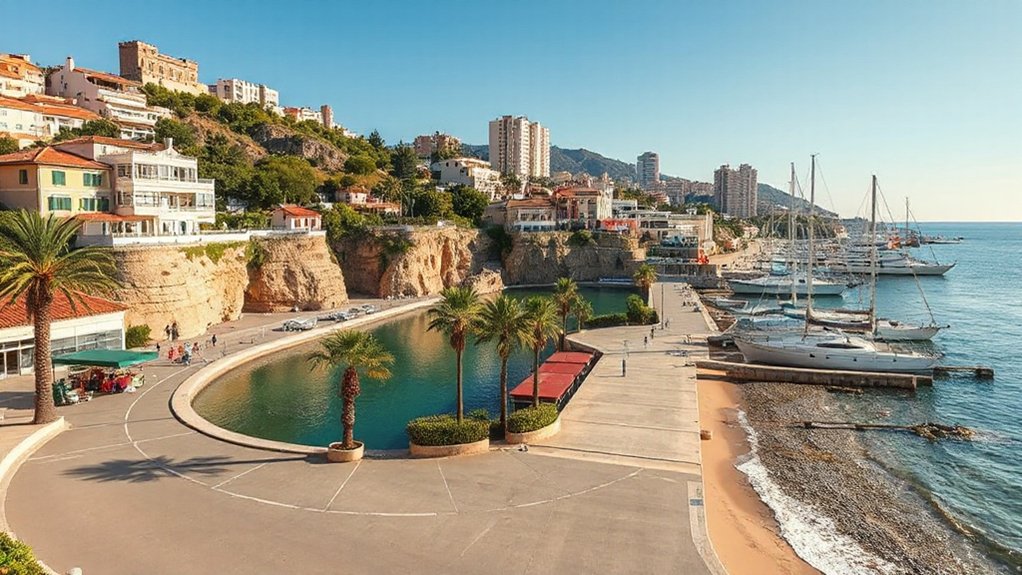
In Spain’s coastal towns, renting, buying, and lease negotiation come with practical twists you’ll want to know early on. You’ll compare options with your lifestyle in mind, weighing upfront costs, ongoing fees, and the pace of local markets.
Renting offers flexibility but watch for deposits, contract length, and notice periods. Buying delivers long-term stability if you’re ready for maintenance and property taxes.
Lease negotiations hinge on clear, written terms and fair renewals, so read clauses carefully and ask for transparency on utilities, community fees, and renewal conditions.
Be mindful of Housing regulations that shape tenancy limits and protections, and steer clear of Rental scams by verifying listings, owners, and payment methods.
With precise checks, your coastal setup becomes predictable and secure.
Work, Remote Life, and Connectivity: Internet and Coworking
Spain’s coast isn’t just about sun and seafood; it’s where work-life can hum as smoothly as a sea breeze. You’ll find robust connectivity, coworking spaces, and coffee-drive-in spots that welcome Digital nomad rhythms and bursts of remote collaboration.
1) Tap into local coworking hubs that blend craft espresso with fast, reliable internet and private pods for calls.
2) Choose neighborhoods near the coast with fiber upgrades and strong mobile reception for seamless video meetings.
3) Leverage community groups and digital nomad meetups to exchange tips on visa, time zones, and productivity hacks.
4) Pack smart: portable monitors, universal adapters, and offline backups to stay productive during spotty connections.
Expect practical, locale-specific perks that keep you connected without slowing your pace.
Transportation Hubs: Airports, Rails, and Car Access
From the moment you land, the coastline’s transport network keeps pace with your plans: Madrid or Barcelona may be hubs, but the real standout are the coastal gateways and easy rail links that drop you right into the living rooms and lobbies of Spain’s seaside towns.
You’ll find airports like Malaga, Alicante, and Valencia quick to whisk you to sunlit mornings, while high-speed lines hug the coast, slicing travel times and leaving your evenings free for local cuisine and sunset strolls.
Car access is simple, with well-marked highways and relaxed driving norms. Look for proximity to historical landmarks, and you’ll see how transit eases exploration and sustains long-term life on the coast.
Safety, Security, and Community Vibe on the Coast
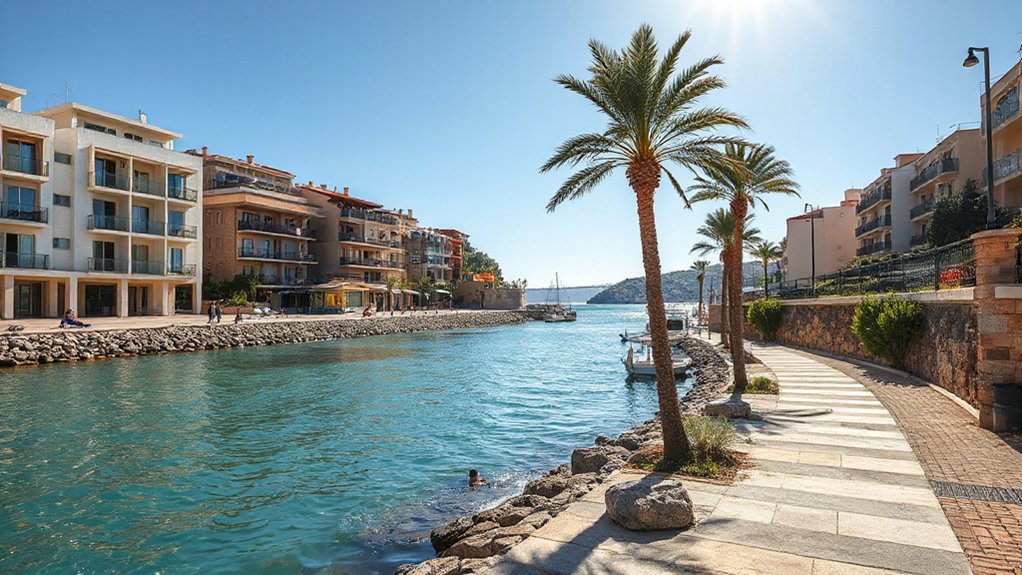
You’ll feel safer knowing you’re in neighborhoods with a coast-proximate mix of calm streets and visible foot traffic. The vibe hinges on active communities and accessible support networks, from local blocks to neighborhood watch-style initiatives.
Security measures like well-lit promenades and responsive public services back up practical, everyday peace of mind.
Safe Neighborhoods On Coast
Coastal Spain offers neighborhoods that mix safety, close-knit communities, and a lively vibe, making it easy to feel at home quickly. You’ll find coastal towns where security feels proactive, with visible neighborhood watch, well-lit avenues, and responsive local services that keep routines smooth and predictable.
In these areas, you’ll notice calm streets, easy pedestrian access, and friendly daily interactions that boost your sense of belonging. Local cuisine and cultural festivals add color without compromising safety, giving you authentic experiences you can trust.
- Choose walkable cores with regular police presence and clear signage.
- Look for mixed-age blocks and active neighborhood associations.
- Favor well-lit promenades during evenings and weekends.
- Prioritize access to reputable schools, healthcare, and emergency services.
Community Vibe And Support
Community vibe along Spain’s coast blends safety with a welcoming, can-do spirit. You’ll notice neighbors knowing your name at the bakery and lending a hand with a move or a new job lead.
Local rhythms favor practicality: short walks to the market, quick runs for coffee, and a shared sense that help arrives fast when needed. Security feels understated but real, with bright street lighting, visible community groups, and responsive local authorities that engage residents without hovering.
You’ll connect through local cuisine and cultural festivals, where conversations flow as easily as paella steam. The emphasis is on inclusive support networks—informal mentors, bilingual helpers, and neighborly check-ins—creating a coast-wide safety net you can rely on as you settle in.
Security Measures In Place
A practical safety fabric runs through Spain’s coastal towns, where visible policing, neighborhood watch groups, and well-lit promenades keep evening strolls confident. You’ll notice quick emergency responses, clear signage, and reliable public transport links shaping peace of mind for daily life by the sea.
Local safety tips emphasize staying aware on crowded boardwalks and using community apps to report concerns. Emergency preparedness is practical, not dramatic, with posted evacuation routes and accessible helping points near harbors.
By following these measures, you preserve a calm, welcoming vibe that locals value and visitors respect.
- Learn the closest emergency numbers and harbor-spot locations
- Join a neighborhood watch or coastal community group
- Carry a small safety kit for trips along promenades
- Use official alerts and local channels for updates
Language, Culture, and Integrating Without Overwhelm
Exploring language, culture, and integration in Spain’s coastal cities doesn’t have to feel overwhelming; start with small steps that fit your daily routine. You’ll notice progress by mixing practical actions with local flavor.
Begin with tiny daily commitments: a few minutes of Duolingo, a chat with a shopkeeper, or listening to a beachside radio show in Spanish. You’ll gradually reduce language barriers as you gain confidence in everyday needs—groceries, banking, and transit.
Embrace cultural festivals as entry points, where music, food, and neighborly warmth reveal customs without pressure. Tap residents for tips on authentic neighborhoods, markets, and events, then participate at your own pace.
The payoff isn’t just language fluency; it’s belonging, earned through consistent, enjoyable micro-moments that brighten coastal life.
Education and Family Life: Schools and Kid-Friendly Activities
When you’re choosing a coastal spot in Spain, look for neighborhoods with strong school networks, approachable bilingual options, and safe, easy access to parks, beaches, and after-school clubs.
You’ll find family life thrives where curricula blend local cuisine flavors and hands-on learning, with cultural festivals that spark curiosity in kids and adults alike.
- Seek bilingual schools that mix core subjects with regional traditions.
- Favor neighborhoods near playgrounds, cycling paths, and museums with family programs.
- Check after-school clubs tied to local cuisine workshops and coastal conservation.
- Choose communities that host kid-friendly cultural festivals, so kids learn social skills in real settings.
Practical Checklist Before Moving to Coastal Spain
Moving to a coastal town in Spain requires a focused, action‑ready checklist: start by clarifying your priorities—budget, language setup, and daily routines.
Then map out the essentials you’ll actually need in the first 90 days. You’ll want a contingency plan for healthcare access, residency steps, and housing logistics, plus a simple packing list tailored to seaside climates.
Prioritize securing a local SIM, learning basic phrases, and establishing a driver’s license or residency paperwork early to avoid bottlenecks.
Build a starter network by joining meetups, expat forums, and neighborhood groups.
Don’t skip cultural festivals and local cuisine opportunities—they anchor your integration and delight your senses.
Finally, lock in a flexible schedule that accommodates slower bureaucratic timelines while you settle in.
Typical Monthly Budgets by Costa
When you map out Typical Costa Budgets, you’ll see how monthly living costs shift from one coast to another. Expect differences in rent, utilities, and groceries that reflect each city’s vibe and seasonality.
We’ll break down Coastal City Expenses so you can tailor your plan to your preferred lifestyle and budget goals.
Typical Costa Budgets
Costa del Sol, Costa Blanca, Costa de la Luz—each coast has its own rhythm, and your monthly costs map that beat. You’ll find typical Costa budgets vary by city, not by flag. Expect steady housing, groceries, and services with seasonal swings, so plan for a light winter dip and a busier summer rhythm.
1) Housing and utilities: choose a modest apartment to stabilize your base costs.
2) Food: local cuisine shines here, with markets keeping costs fair and flavors rich.
3) Transport and essentials: consider a mix of public transit and occasional car use.
4) Culture: budget for local festivals and neighborhood events that enrich your stay.
Tip: track seasonal spikes and enjoy Cultural festivals without overspend.
Monthly Living Costs
Across the Costa del Sol, Costa Blanca, and Costa de la Luz, monthly budgets hinge on location and lifestyle rather than a single coast name, so plan for steady housing costs with seasonal bumps. You’ll likely allocate rent or mortgage first, then essentials like utilities, groceries, and transit, with coastal towns offering varied price bands.
Expect higher summer bills from air conditioning, and steadier winters when mild temps reduce heating needs. Local markets reward budgeting for seasonal produce, which also supports local cuisine experiences.
Cultural festivals inject occasional spikes in entertainment and dining costs, but they’re often worth the flavor and ambiance. For long-term stay, build flexibility into leisure and dining plans while leveraging cost-effective options that still celebrate the region’s identity.
Coastal City Expenses
In the Costa del Sol, Costa Blanca, and Costa de la Luz, your monthly coastal city budget hinges on local vibes more than the coast name itself, so you’ll balance housing with utilities, groceries, and transport before splurges.
- Housing and utilities: expect affordable rents with smart energy use, then dial up or down based on seasonality.
- Groceries and dining: local staples save money; you’ll savor local cuisine without blowing your budget, then treat yourself during festivals.
- Transport: bikes, buses, and occasional car sharing keep costs predictable for trips to beaches or markets.
- Cultural festivals: plan around peak events to enjoy free concerts and street food without overspending. Local cuisine, Cultural festivals.
Real-Life Expat Lessons From Long-Term Spain Residents
Moving to Spain isn’t a one-size-fits-all move, but long-term residents share common ground: start with a practical plan, then let life in the local rhythm teach you what actually works.
You’ll learn fast that daily routines, not grand gestures, shape comfort.
Build a flexible budget, then adapt as you discover the seasonality of prices and services.
Trust the neighborhood instinct: shops, markets, and pausing for conversation reveal true costs and opportunities.
You’ll savor local cuisine, but also notice when supermarket deals beat fancier treats.
Embrace cultural festivals as immersive guides—silent lessons in language, neighbors, and timing.
Stay curious, ask questions, and document tiny wins.
Real growth comes from consistent, low-friction choices that fit your rhythm.
The Move-Forward Roadmap: Next Steps for Your Plan
Now that you’ve felt out the rhythm from long-term Spain residents, it’s time to shape a concrete Move-Forward Roadmap that fits coastal life. You’ll turn intentions into actionable steps, aligning daily routines with local vibes, festivals, and the sea breeze.
This roadmap centers on practical anchors: housing, work, and social fit, all tuned to your coastal cadence. You’ll also map cultural festivals and local cuisine into your calendar, enriching community bonds and daily flavor.
- Define a 12-month timeline with concrete milestones and budget checkpoints.
- Secure housing near essential services, with a plan for utilities, internet, and neighborhood integration.
- Create a local-work, language, and networking routine to accelerate connections.
- Schedule explorations of Cultural festivals and Local cuisine to deepen belonging.
Frequently Asked Questions
How Affordable Are Long-Term Stays by Coast per Year?
Yes, long-term coastal stays can cost, on average, around 12k–24k euros yearly depending on city and lifestyle. You’ll find solid rental affordability, but cost comparison varies; prioritize neighborhoods, seasons, and local fees for smarter budgeting.
Which Coast Best Suits Families With Kids?
You’ll love the Costa Blanca best for families, with safe beaches, calm seas, and easy parking, plus beaches safe for kids, and abundant family activities—think playgrounds, zoos, and splash parks, all within reach for weekend adventures.
Are Stay Visas Achievable for Retirees Now?
Yes, you can pursue a retirement visa, depending on your finances and health criteria; check visa eligibility carefully, gather documents, and apply promptly to Spain’s consulate. It’s practical, scalable, and tailored to your coastal-living goals.
How to Balance Expat Networks With Local Culture?
To balance expat networks with local culture, you cultivate an Expat social scene while committing to Cultural integration; attend neighborhood events, learn the language, share traditions, and mix practices with locals for vibrant, practical, locale-specific connections.
What Healthcare Plans Should New Arrivals Secure Early?
Around 90% of arrivals secure private healthcare options within three months, you’ll want to compare plans quickly. Healthcare options and Insurance coverage vary; you should select a plan aligning with your locale and daily needs, pre-existing conditions included.
Conclusion
You glide toward Spain’s coast like a tide chart guiding you home. Each Costa whispers a different rhythm—sun-kissed mornings, bike-friendly lanes, tapas at sunset, and a budget you can actually keep afloat. Picture Costa Luz’s expat hum, or Costa Blanca’s active nets of friends, or Barcelona’s Maresme ease. Lock in your priorities, test-drive days, and map realistic steps. Move with intention, ride the breeze, and let coastal Spain become your long-term, living compass. Your next chapter awaits.