
Among Castilla y León’s villages, you’ll float along tiny lanes where whitewashed walls glow, timber balconies tremble in sunlight, and textures tell stories in stone and mortar. Elevations crown hilltops with panoramic horizons, while riverside spots whisper quiet charm. Explore fortified hill villages and hidden medieval secrets, then linger in lively markets, savor regional breads, pulses, and cheese. Seasonal flavors unfold like a living postcard, and festivals pulse through plazas and lanes. There’s more to discover beyond this path.
Key Takeaways
- Castilla y León’s villages blend stone-red embraced plazas with whitewashed facades and timber balconies, offering authentic, tactile beauty.
- Hilltop fortifications and castles provide panoramic views, medieval architecture, and stories etched in stone.
- Riverside and water-adjacent towns combine quiet river rhythms with markets, crafts, and local culinary traditions.
- Narrow lanes, carved lintels, and textured walls reveal enduring Craftsmanship and local legends in everyday scenes.
- Panoramic overlooks and elevated ridgelines showcase fields, spires, and distant landscapes shaping memorable visits.
Why Castile and León’s Villages Captivate the Eye
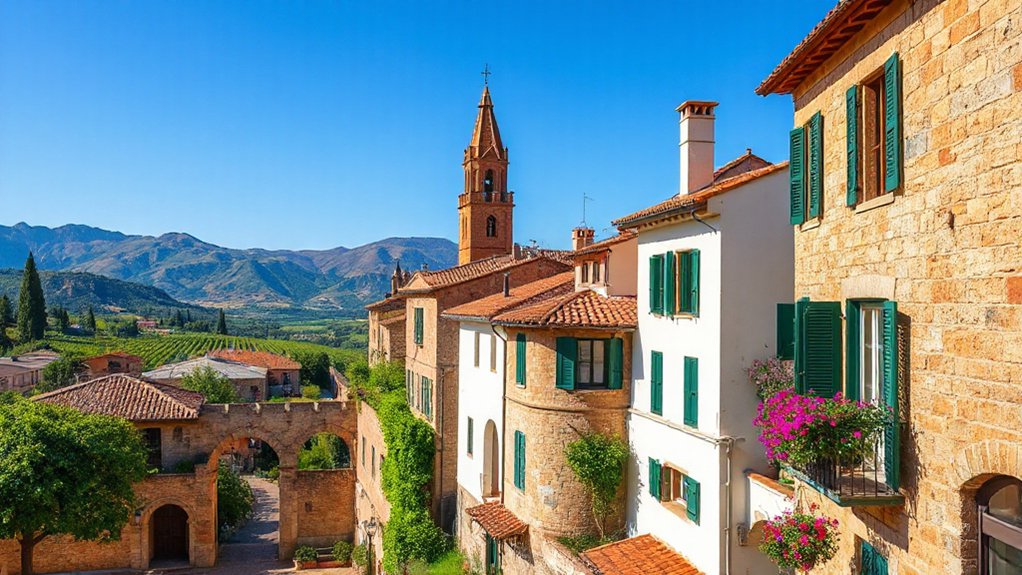
Tiny lanes wind through Castilla y León’s villages, and every turn invites you to pause. You notice how light pools on stone walls, how rooftops tilt toward the sky, and how silence feels intentional, almost ritual.
The eye traces the rhythm of whitewashed facades, timber balconies, and narrow plazas that tighten your chest with a sense of place. Local legends flicker in doorway alcoves and market stalls, whispering of feasts, saints, and old rivalries that shaped today’s calm.
You lean in, listening for the heartbeat of the landscape. Hands move with steady care, shaping clay and wood into traditional crafts you can still feel beneath your fingertips.
The eye stays awake, hungry for texture, history, and honest, unhurried horizons.
How We Judge Beauty in Castile and León
Beauty in Castile and León isn’t a fixed formula but a felt encounter: light spilling over white walls, textures that invite your fingers to linger, and the hush between footsteps that lets the landscape breathe.
You judge beauty through lived moments: the way a village court-yard gathers voices, the cadence of stone paths under your boots, and how shadows soften a church tower at dusk.
Local cuisine, culture, and craft become your gauges, revealing character as much as color. We weigh honesty over hype, simplicity over show.
Cultural festivals reveal rhythm, local music and hands-on traditions that translate atmosphere into memory.
In this framework, beauty is a sequence of honest impressions, anchored in place and shared experience.
Hilltop Fortified Villages You Should Visit
From hill to horizon, you’ll tracing fortifications that crown stone villages and watch the valley unfold below.
You’ll notice how defensive architecture shapes every alley, gate, and tower, guiding your steps with stories of alert sentries and old battles.
Let the timeless views reveal how these hilltop gems balance grit and grace, inviting you to linger and imagine.
Hilltop Fortifications Overview
Rising above the plain, hilltop fortifications loom like quiet guardians of a storied past, their stone ribbons tracing ancient routes where caravans once paused and currants scented the wind. You’ll feel the weight of time in every contour, as winds murmur Medieval legends through narrow lanes and sunlit red walls.
The view unfolds in layers of stone, mortar, and memory, where chapters of settlement whisper from architectural details that withstand centuries.
- Trace the path along the ramparts to read the skyline’s testimony.
- Pause at a battered doorway to imagine ancestral councils and rites.
- Stand beneath watchtowers where the horizon keeps stubborn, silent vigil.
Let the quiet grandeur invite you to touch history without losing its mystery.
Defensive Architecture Highlights
Defensive architecture in these hilltop villages is a language written in stone, where walls, gates, and parapets speak of alertness and adaptation. You feel the compact grit of limestone underfoot as you trace narrow streets that once channeled marching defense.
Towers puncture the horizon, their crenellations casting cadence-like shadows that rhythmically remind you to watch and listen. Entrances are deliberate, gates hinged with iron and history, whispering of sieges survived and rebuilds completed.
You hear engrained stories in every corner: medieval crafts shaping watchtowers, battlements, and lookout alcoves, a tactile memory of necessity and art. Local legends mingle with the mortar, guiding your steps toward vantage points where distant valleys breathe the pulse of protection and identity.
Timeless Village Views
Nestled atop weathered cliffs, these hilltop fortresses offer views that seem carved from time itself, where stone battlements frame horizons that stretch beyond memory. You’ll feel the calm pull of history as wind whispers through narrow streets and gives way to sweeping panoramas. Each village reveals a moment frozen in stone, inviting you to pause, breathe, and wander.
The allure lies in the quiet drama of height, the scent of pine, and the distant chime of bells.
- Taste Spain’s local cuisine from hilltop taverns, where simple dishes glow with hillside flavors.
- Watch artisans practice traditional crafts in sunlit workshops, hands steady with centuries of know‑how.
- Slow down, sip coffee on a plaza, and let the landscape imprint itself on your memory.
Antaño Castles: Fortified Hubs and Their Stories
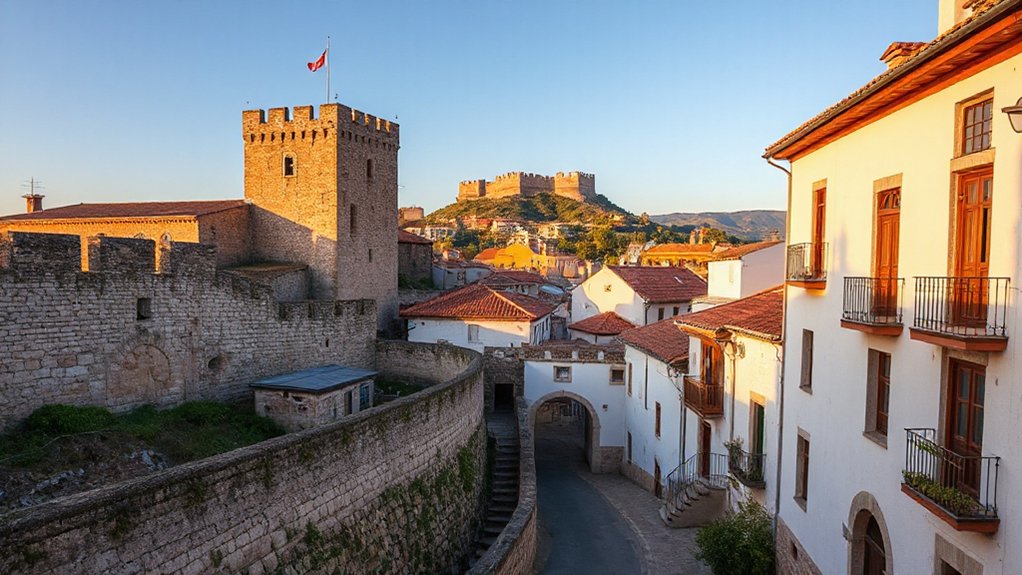
Antaño Castles rise like quiet murmurs from Castilla y León’s hills, and you can feel their heartbeat in the stone. You wander through battered adobe, timber, and ashlar, where towers lean with weathered grace and banners once snapped in wind.
You imagine centuries of hands shaping stone, chalk dust settling on your skin as you trace narrow stairways to parapets that drink the horizon. Medieval legends cling to crests and dungeons, inviting you to listen for voices from forgotten feasts and sieges.
Architectural evolution unfolds before you: from simple keeps to complex concentric rings, halls opening to courtyards, gatehouses guarding whispered secrets.
You depart with a quiet awe, knowing these fortified hubs still speak in quiet, enduring language.
Riverside Villages by the Water: White-Washed Charms
You stroll along the water’s edge and meet white-washed facades sparkling under the sun, each wall telling a quiet, sunlit story.
The river’s murmur brushes the stones, inviting you to pause and feel the village breathe you in.
Let the simple charm pull you closer, where every alley and boatslip promises a fresh, coastal-memory moment.
Riverside White-Washed Beauty
Ever wandered along the Río Duero and glimpsed a village where whitewashed walls glow like shells in the sun? You feel the hush of water brushing the banks, the village breathing with every ripple. The scene is pure river ecology—the way light dances on calm eddies, the subtle life that clings to stone and moss, the undertone of current shaping the lanes.
You’ll notice how residents honor the stream through mindful water conservation, smoothing the passage of seasons without waste.
- Walk the levee at dusk, listening to distant swallows.
- Peek into narrow courtyards where fountains murmur softly.
- Trace old mule paths that thread beside the water’s edge.
This beauty rewards restraint and memory.
Water’s Edge Village Charm
You linger where mossy stones meet doorways flung open to fresh air, hearing whispers of oars and distant bells. River views thread through every pocket of the village, guiding your steps toward intimate courtyards and simple taverns.
The water’s rhythm lends village serenity, smoothing voices and curbing haste. You pause to notice laundry fluttering, rooftops catching sunlight, and fishers mending nets by the quay.
In this quiet choreography, you feel connected to the stream and the people who keep the place intimate, enduring, and unmistakably alive.
Medieval Alleys Made for Wandering
Wander through the medieval alleys that thread Castilla y León’s towns, and you’ll feel history thrum beneath your feet. You slip between stone walls, where ivy clings and lamps glow softly, guiding your wandering pathways from one secret doorway to the next. The air tastes of rosemary and rain, and every corner invites a quiet discovery.
- Trace a snickering café corner, listening to old stones tell you where feet have tread for centuries.
- Follow a narrow curve that reveals a hidden courtyard, a breath of quiet amid the bustle.
- Pause at a carved lintel, imagining a market’s chorus echoing down these intimate, intimate corridors.
Medieval alleys become your compass, turning moments into lasting memory.
Panoramic Views to Fire the Imagination
You chase panoramic inspiration as you crest a village lip of land, where horizons loosen and light resets the map in your mind.
Elevation-driven visuals pull you toward distant steeples, rolling hills, and open skies that seem to tilt the world into focus.
Moments of awe spark ideas, inviting you to map routes and stories you’ll want to retrace again and again.
Panoramic Inspiration Moments
From high overlooks and tucked lanes alike, Castilla y León reveals panoramic moments that spark the imagination and invite you to linger. You breathe in the stone, the light, the scent of local cuisine wafting from a courtyard kitchen. Each vista becomes an invitation to notice how traditional crafts pulse in village life, stitching memory to horizon. Let these scenes guide you toward small appreciations that stay with you.
- Stand where vineyards spill toward distant hills, and your breath glosses the valley with gold.
- Step into a sculpted doorway, listen for a hammer’s rhythm, and glimpse the care in every chipped edge.
- Return to a hilltop and savor a plate of rustic flavors that mirrors the landscape’s quiet abundance.
Elevation-Driven Visual Journeys
Elevation sharpens the eye, turning every rise into a prospector’s map of light and stone. You walk a village ridge and feel the horizon tilt—fields, spires, and whitewashed alleys braid into one panorama. Each vantage point invites you to linger, letting the wind sketch memory across your skin.
You trace the line where sky meets cedar roofs, then descend into alleys where Local cuisine lures with steam and aroma, promising a shareable moment. In the distance, hills fold into valleys, revealing a braid of stone walls and gold-tinted stucco.
You pause at a doorway where Traditional crafts whisper from chisels and looms, and the view becomes a doorway itself—an invitation to taste, touch, and imagine more.
Stonework That Tells a Craft Story
Stonework speaks softly, its carved stories rising from the stones like weathered memories you can touch. You wander a village wall and feel the hands that shaped it, alive in the mortar and beam. The craft speaks in rhythms you hear when you trace a seam with your finger.
- Traditional craftsmanship at every notch and groove
- Local legends carved into lintels and thresholds
- Quiet resilience that outlasts seasons and storms
Each doorway invites you to listen, to imagine the hands that kept the village together, and to sense a lineage you can witness. You aren’t merely observing stone; you’re stepping into a living archive.
Stone becomes memory, memory becomes identity, and you become part of the craft’s enduring story.
Color and Character in Castilian Architecture
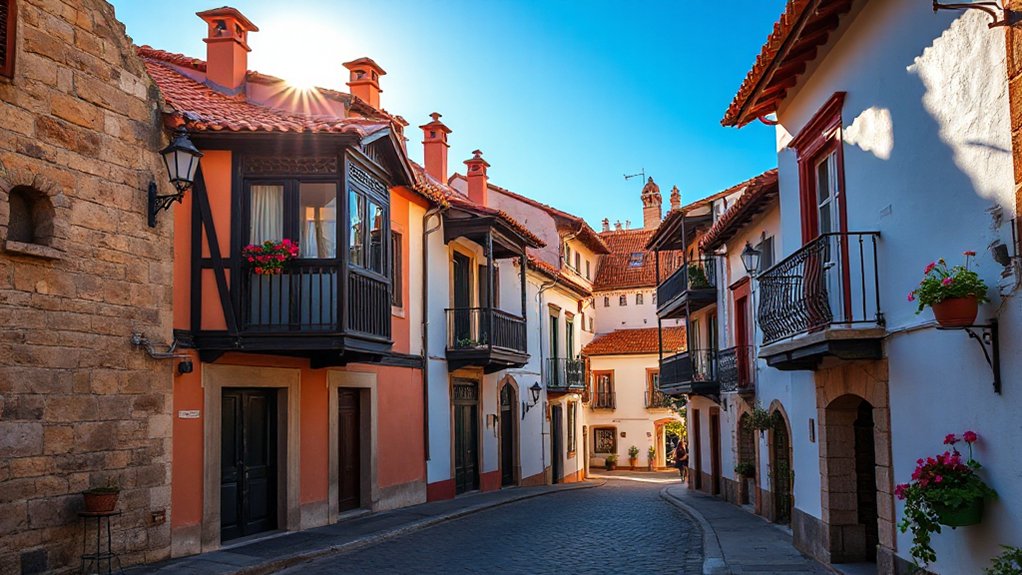
You’ll notice color weaving through Castilian façades, each hue signaling a village’s mood and history. The rustic stone and tilework add texture you can almost touch, giving every street a tactile memory.
As you wander, the architecture speaks in bold contrasts and quiet, sun-warmed patina, inviting you to pause and listen.
Colorful Castilian Facades
Color floods the narrow streets as you wander through Castilian towns, where each façade wears its own shade like a mood. You’ll notice Colorful facades that turn every corner into a village portrait, inviting you to pause and drink in the light.
The eyes travel from ochre to turquoise, from brick red to alleyway lavender, each hue telling a quiet story of past trades and daily rituals.
- Observe how doors frame color and welcome neighbors.
- Compare each building’s tone to the sky above it.
- Let the palette guide your steps toward hidden squares and intimate balconies.
In this dialogue of pigment, you become part of the scene, a living caption in a postcard, a memory of Colorful facades.
Rustic Stone and Tilework
Even as you wander the villages of Castilla y León, rustic stone and tilework speaks in tactile detail: rough, sun-warmed blocks meet the smooth, patterned curves of clay roof tiles, each surface telling of centuries pressed into daily life. You feel the weight of history in the mortar’s pauses and the grain of quarried faces that have weathered wind and rain.
The walls exhale color in muted ochre, slate, and terracotta, while tilework traces geometric poems along doorways and courtyards. Traditional craftsmanship reveals itself in chiselled arches, hand-cut mosaics, and weathered saddles of terracotta.
Local folklore breathes through faded frescoes and banners, tying labor to celebration in a single, living rhythm. You leave with a tangible memory of place.
Hidden Gems Worth a Detour in Castile and León
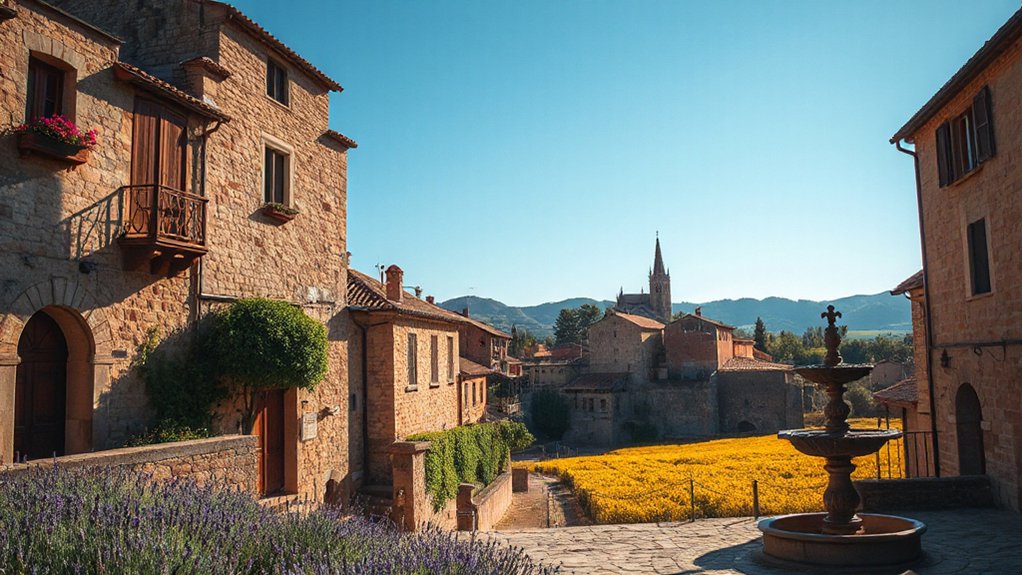
What hidden corners await you when you steer off the beaten path in Castile and León, where villages whisper with stone houses, tiled roofs, and legends tucked into every narrow street? You’ll feel time slow as you wander lanes that breathe history, savoring local cuisine and watching traditional festivals seep into the evening air. Each detour reveals a heartbeat you won’t find in tourist trails.
- Discover a hillside hamlet with a salt-smelling plaza and a bakery that still uses wood-fired ovens.
- Pause at a fountain where locals trade old tales during a tiny, sunlit market.
- Taste a cliff-side shepherd’s stew paired with local wine, while a choir hums from a chapel.
Leave the map. Follow your senses.
Easy Day Trips: Walkable Village Routes
Tread light and take the long loop, because easy day trips let you wander a village on foot and still stay time-smart. You slip along sun-warmed lanes, pausing where the stone walls glow. A church tower peeks over tiled roofs, and you follow a chalk-marked path that maps a gentle circuit.
Each bend reveals a bakery scent, a shaded bench, a market stall tucked beside a fountain. You linger at a doorway where local cuisine scents drift—savory stews, herb-infused breads—and you decide to sample later, jotting impressions in your journal.
Along the way, you meet artisans whose hands shape traditional crafts into humble keepsakes. The exit feels earned, not hurried, a memory stitched into the day.
Taste of Castile: Classic Delicacies to Try
Taste the Castilian soul as you wander village markets, where smoky chorizo, crumbly queso, and honeyed pastries whisper of centuries past.
You’ll savor timeless tastes of Castile in every bite, each bite guiding you from plaza to hidden tavern.
Let the textures and aromas spark your curiosity and set the pace for your culinary journey.
Castilian Delicacy Highlights
From the moment you bite into Castilla y León’s iconic treats, you’ll taste centuries of tradition in every savoring note, from smoky chorizos to creamy lechazo.
Local culinary traditions unfold as you wander, savoring handmade textures and time-honed methods. Traditional craft markets pulse with aromas, colors, and stories, inviting you closer to the heart of Castile.
- Chorizo de León, paprika-kissed spice with a rustic snap
- Lechazo asado, oven-kissed lamb, milk-fed tenderness
- Queso de ñ original, aged, creamy matures under linen scents
Let your curiosity guide you, and each bite will feel like a small voyage through people, places, and plates you won’t soon forget.
Timeless Tastes of Castile
Castile’s timeless flavors invite you to linger at the table and let scent, texture, and memory mingle. You’ll taste sun-warmed olive oil, hearty stews, and crusty bread that crackles with each bite.
Imagine roasting peppers that smoke the room, then dusting them with salt and garlic, a simple pleasure that feels eternal. You discover regional staples—pulses, charcutería, and sheep’s cheese—that carry centuries of local crafts and culinary traditions in every crumb.
Sip overlooked wines as you savor pork shoulder braised in wine, herbs, and patience. You’ll notice how markets hum with vendors sharing tips and tiny secrets, making timeless dishes feel personal.
The experience isn’t hurried; it’s a doorway into memory, shared across tables.
Best Photo Stops: Golden Hour on Village Banners
Golden hour crowns village banners with a warm, honeyed glow, turning fabric into fields of fire and shadows into stories you can almost hear. You’ll stand at the lane’s edge, camera ready, breath shallow, heart open to color. The banners ripple, edges catching light, textures popping like memory.
Let the moment guide your eye through borders and crests, capturing history stitched in thread.
- Observe the way sunlit fibers blur into soft halos and invite a closer look
- Move slowly along the stone walls, framing banners against slate skies
- Tap the shutter as the color shifts, preserving the fleeting, gilded pause
Village banners glow, golden hour sealing their quiet drama in your feed.
Seasonal Charm by Season: Spring to Winter
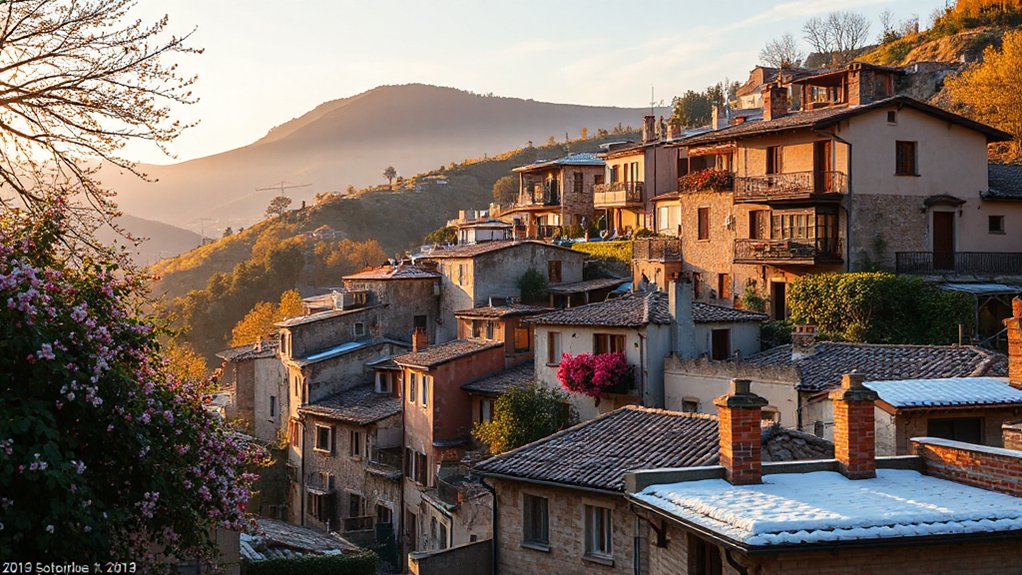
Spring awakens the villages with a blush of blossoms and the crisp bite of new air, inviting you to wander between whitewashed walls and budding lanes.
You’ll notice how Seasonal traditions thread through daily life, guiding markets, songs, and shared meals as the calendar turns.
In spring, you glimpse farmers sharpening tools, apprentices carving wood, and local craftsmanship shaping everything from pottery to lanterns.
Summer scents drift from terraced orchards, inviting you to pause on shaded stone steps and listen to tongues of old tales.
Autumn brings harvest songs and brisk markets where you trade a smile for seasonal produce.
Winter quiets streets, but crackling hearths keep stories alive, and you leave with a pocketful of handmade keepsakes.
Family-Friendly Villages With Safe Strolls
You’ll find villages where cobblestones hum underfoot and every corner invites a family stroll. In Castilla y León, safe paths wind along shaded lanes, perfect for little feet and big memories. You’ll feel the pulse of local life, from sunlit plazas to gentle riverbanks, where curiosity meets calm.
- Watch crafts come alive with local artisan crafts, as hands shape wood, clay, and textiles in welcoming workshops.
- Join traditional village festivals, where music, lanterns, and shared tables turn streets into a living memory.
- Pause at sunny courtyards, savoring regional bites and the steady rhythm of village life you can trust with little ones.
These towns offer approachable charm, where safety and spontaneity mingle, leaving you relaxed and inspired.
Narrow Lanes With Hidden Medieval Secrets
Cobbled lanes tighten around you, whispering of centuries as you slip through doorways carved from time and stone. You move through narrow, shaded corridors where brickwork sighs and archways lean closer, framing glimpses of hidden lanes beyond.
The air tastes of old coffee, rain, and memory, a tangible thread you can follow. You sense medieval secrets tucked behind timber shutters, tucked into corners where footsteps once echoed like soft drums.
You pause at a carved lintel, feel the cool kiss of stone against your palm, and listen for faint chatter from distant markets. Every turning hints at a story, a favor owed, a vow kept.
You navigate with intention, collecting quiet fragments without shouting them aloud. The village keeps its hush, its history waiting.
Festivals and Local Fervor to Experience
Festivals ripple through Castilla y León like a shared heartbeat, turning quiet villages into open-air theaters where locals wear their pride as joyously as their best shawls. You step into the rhythm, letting local festivals pull you into the crowd, where warmth and noise mingle with the scent of wood smoke and bread.
The air carries traditional music that threads through narrow squares and dusty lanes, inviting you to hum along.
- Hear church bells doubling as drumbeats during harvest celebrations.
- Watch dancers circle in time to fife and fiddle, silhouettes flickering under lanterns.
- Taste masa real, wine, and olives as the procession winds past.
Immerse yourself, and you’ll carry a memory of shared fervor long after the final song fades.
Plan Your Efficient Castile Y León Village Circuit
Mapping an efficient village circuit in Castile and León means designing a lean route that pairs time with texture—tiny towns, big memories. You map bright mornings to serene plazas, then pivot to winding lanes where historical significance hints from every doorway.
Plan stops that maximize contrast: a sunlit chapel, a shaded creek, a stone mill quietly humming with timeless Local craftsmanship. Travel light, yet purposeful, batching visits by proximity so you minimize backtracking and maximize immersion.
Follow seasonal rhythms, tasting small-town flavors between hilltop views. Choose adaptable legs: flexible durations, clear arrival windows, and backup shows of light snowfall or autumn leaves.
Keep notes on what resonates, then refine for your next loop, ensuring each village offers a distinct, lasting echo.
Packing Smart for Rural Castilian Exploration
Pack light, but pack smart, because your Castilian village days hinge on what you carry. You weave through whitewashed lanes, feeling the sun on stone and the scent of Local cuisine drifting from taverns. Pack essentials that honor pace, not excess, so you linger where traditions breathe. Your bag should breathe with you, not weigh you down, leaving room for memories of Traditional crafts tucked into market stalls.
- Lightweight layers for shifting alpine mornings and warm café stops
- A compact water bottle, map, and small notebook for notes on routes and flavors
- A versatile camera or phone, plus a small sketchbook for village impressions
Travel light, taste deeply, and let the journey carry you as much as you carry it.
Frequently Asked Questions
How Many Villages Should Be Included in a Perfect Circuit?
A perfect circuit includes about seven villages. You’ll savor local festivals, breathe in village preservation, and feel each sunrise weaving between stone streets, while you pace the route, pace your senses, and carry memories like lanterns along the way.
Which Seasons Offer the Best Village Photography?
You’ll catch Seasonal landscapes glow most in spring and autumn, when light and textures sing. Bring patience; your Photography tips include golden hours, steady hands, and framing stories, not just scenes, as you wander villages and breathe color.
Are Rural Villages Accessible for Wheelchair Visitors?
Most rural villages are increasingly accessible for wheelchair visitors, though experiences vary. You’ll notice accessibility improvements, with smoother paths and ramps, while historical site adaptations preserve charm. You feel welcomed as you explore cobblestones, careful slopes, and enchanting village atmospheres.
What Are the Safest Walking Routes Among Villages?
You’ll find the safest walking routes among villages where historical architecture guides your steps, and you’ll glimpse locals preparing for vibrant local festivals, easing climbs with shade and gentle grades, inviting you to linger and savor every serene moment.
Which Local Dishes Define Castile and León Villages?
You’ll savor Castile and León’s distinctive local dishes, defined by local culinary traditions and regional wine specialties, as coincidence guides your plate: roasted lechazo, sopa de ajo, botillo, and mantecadas, every bite evoking rustic kitchens and vibrant fiestas.
Conclusion
In Castile and León, you’re a traveler following a thread through an old tapestry. Each village is a lantern, casting a warm note of stone, river, and song. You walk the hill like a quiet knight, hear bells recalling old feasts, and taste air seasoned with history. The map becomes a compass for the heart, guiding you from fortress to chapel to market. When you finally depart, the thread returns, but the light remains inside you, guiding future steps.