
Extremadura isn’t Spain’s best-kept secret for nothing. You’ll wander narrow lanes between whitewashed hill towns, smell garlic and paprika in the air, and feel the Atlantic breeze mingle with ancient footprints. Monfragüe’s cliffs guard raptors at dawn, while medieval castles pepper the landscape like sentinels of stories. Local markets bustle with peppers, cheeses, and fresh seafood, and rustic stews slow-cook memories into every bite. If you crave unhurried charm, you’ll sense why it’s underrated—and you’ll want more.
Key Takeaways
- Hidden charms and slow travel ethos: narrow lanes, whitewashed villages, intimate markets, and unhurried tapas culture create a uniquely immersive experience.
- Rich natural and wildlife appeal: dramatic cliffs, national parks, diverse fauna, and early-morning photographic moments define pristine landscapes.
- Deep historical and architectural layers: Roman walls, medieval towers, castles, and archaeological sites weave a tangible past.
- Coastal and rustic culinary depth: seaside markets, paprika-gused stews, fresh seafood, and seasonal food traditions highlight authentic flavors.
- Practical, tranquila itineraries: 3–5 day slow itineraries, minimal crowds, and accessible travel options foster relaxed, authentic exploration.
What Makes Extremadura a Hidden Travel Gem
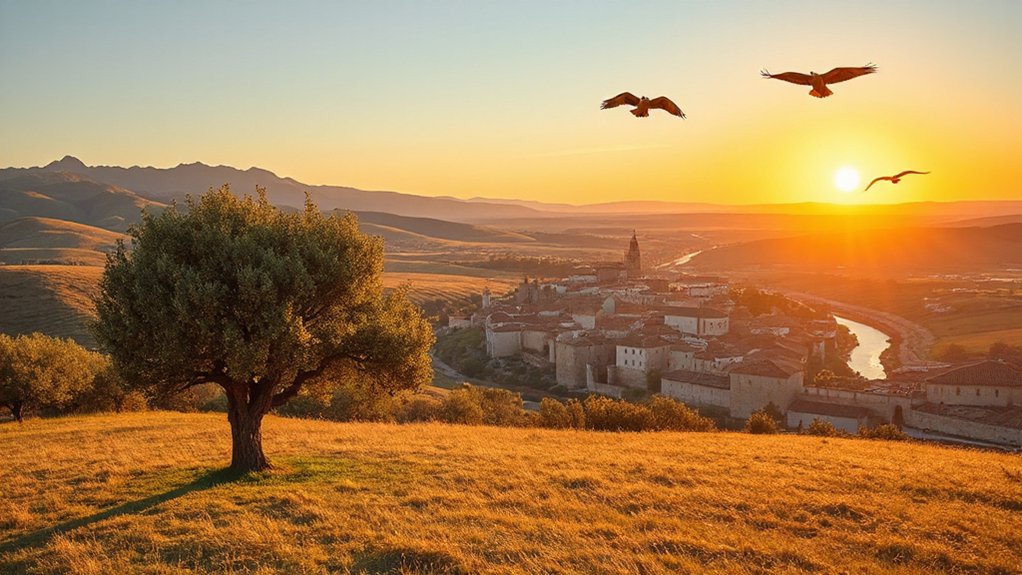
Hidden at the heart of Spain, Extremadura feels like a well-kept secret you stumble upon by accident. You wander narrow lanes where whitewashed villages cling to hills, smelling of olives and rosemary. Local life unfolds at a measured pace, with markets that hum in conversation and a kitchen that honors simple, honest ingredients.
You’ll notice a remarkable blend of rugged landscapes and gentle hospitality, a place where history sits in the stone walls and the pace invites slow exploration. The region rewards curiosity: you track local wildlife along riverbanks, listen to storks at dawn, and taste centuries-old recipes that travel from field to table.
And yes, hidden waterfalls punctuate the countryside, secret and temperate enough to feel earned.
Must-See Natural Highlights: Monfragüe and Beyond
Monfragüe National Park rises from Extremadura like a discovered secret, its cliffs cradling raptors that wheel on the thermals above a river that glints emerald in the sun. You walk the basalt paths, feel pine resin on your fingers, hear the distant splash of water and the whispered wings of falcons.
The view from the viewpoints lands you in a postcard you can touch, yet the air remains honest, cooled by eucalyptus and shade. Beyond, rolling olive groves breathe history into the landscape, inviting leisurely escapes.
For wildlife photography, timing becomes your ally: early mornings, late afternoons, shadows that sharpen beaks and talons. Eco friendly accommodations keep footprints light, so you return refreshed, inspired, and ready for more.
History You Walk Through: Ancient Ruins and Fortresses
Ancient stones greet you as you wander Extremadura’s historic trail, where Roman walls lean into medieval towers and tell of kingdoms that rose and fell under Iberian skies. You walk past arcades, mosaics, and weathered arches that still carry rain of centuries.
In the ruins, ancient architecture whispers of legionaries and settlers, each block a note in a long, stubborn chorus. Fortresses crown promontories, their battlements etched by wind, guarding stories of sieges and treaties.
You touch carved inscriptions, feel the age in cold stone, and picture markets buzzing beside temple steps. Archaeological sites unfold like a living archive, inviting questions, uncovering pulses of daily life from long-vanished streets.
History isn’t distant here; it’s present in every footprint.
Coastal Flavors and Rustic Stews: Extremadura’s Food Scene
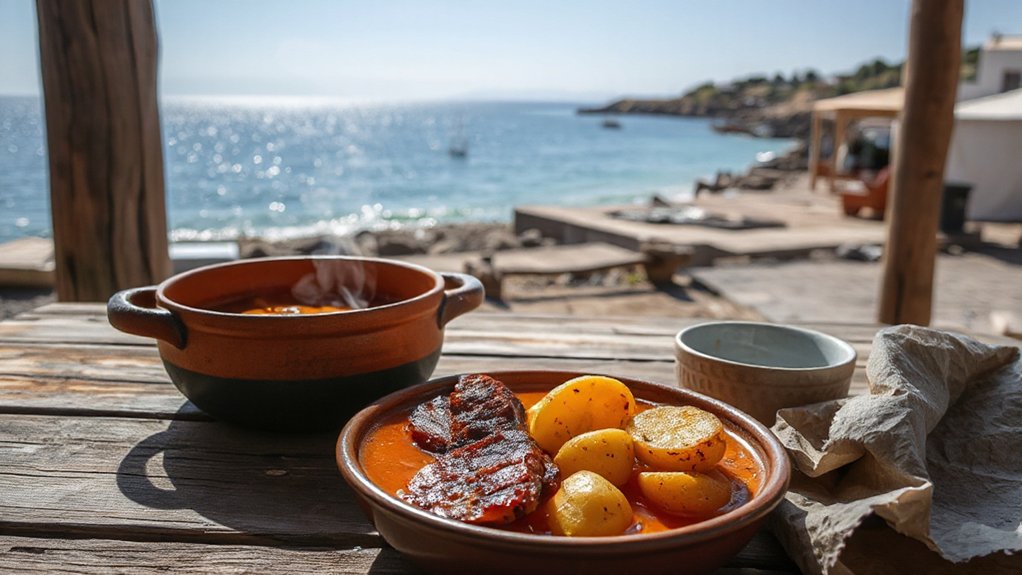
You’ll smell briny air mingling with sizzling seafood as coastal markets wake at dawn.
You’ll taste seductively simple stews that anchor the day, from paprika-bright peppers to smoky pork and chorizo.
This scene invites you to explore how coastal flavors and rustic cooking shape Extremadura’s culinary heartbeat.
Coastal Flavors Unveiled
Coastal life in Extremadura isn’t defined by beaches alone, but by the briny kiss of the rivers and the Atlantic-touched breezes that drift inland. You’ll taste seafloor memories in every bite, a chorus of Seaside gastronomy that pairs fish with herbs you can smell from the shore.
The coast here sneaks in depth through Coastal vineyards, where sun-warmed grapes meet slow, salt-kissed winds. You notice the rhythm: markets pulse with fresh catches, fishermen swap stories, and tavern doors clap shut at dusk.
Here are moments that define the flavorscape:
- shimmering sardines, lemon, and parsley
- peppery morcilla alongside grilled peppers
- sea-salt crusted cod with rustic olive oil
- lemon zest over grilled prawns
Rustic Stews Deep Dive
On a breezy Extremadura morning, rustic stews simmering in earthen pots release a savory steam that drifts through village lanes, mingling with the tang of sea air from the nearby rivers. You wander into a shaded courtyard, smelling paprika, garlic, and olive oil curling from a clay pot.
These aren’t tourist fables; they’re local flavors shaped by land and tide. You notice how local ingredients dictate the pace: chunks of cod softened with tomatoes, chorizo’s smoky bite, alubias slowly embracing every spice.
Cooking techniques matter, too—watch the gentle simmer, the careful reduction, the resting lid that seals warmth. The dish becomes memory: a communal table, weathered hands, stories traded across a shared spoon.
Extremadura’s rustic stews feel honest, enduring, essential.
Century-Old Pueblos to Slow Down In
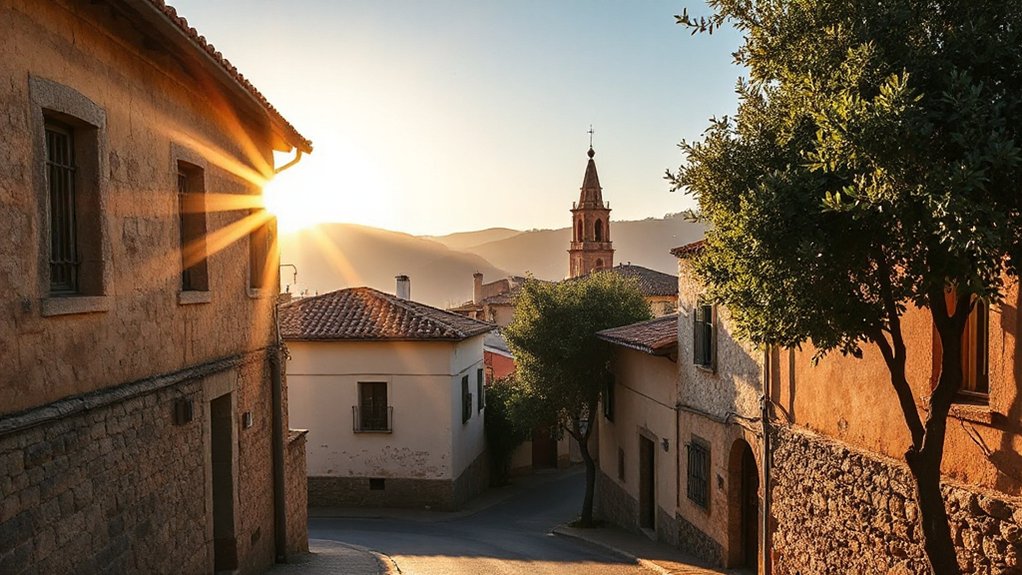
You wander into century-old pueblos where stone walls warm with sun and memories, and you feel time slow as the bells toll softly.
Traces of timeless Iberian traditions cling to doorframes, bread ovens, and narrow lanes, inviting you to pause, observe, and listen.
This is slow travel in its purest form, where preserved streets become a classroom and the rhythm of daily life teaches you patience.
Century-Old Pueblos Preserved
In Extremadura, century-old pueblos sit like weathered sentinels, their whitewashed walls and red-tiled roofs telling stories of centuries past as if the stones themselves encore their history. You walk narrow lanes where time feels held in place, and you notice Local craftsmanship threaded through every doorway and corner.
The texture of plaster, the scent of olive oil, and the hum of nearby ovens anchor you in place—these are living archives.
- Whitewashed walls gleam under sunlit skies, preserving shade and memory
- Courtyards echo with hands shaping clay and wood
- Bell towers mark slow daily rhythms and Traditional festivals
- Stone steps wear softly from generations of careful steps
Preservation isn’t museum shelving; it’s daily practice, craft, and shared ritual.
Slow Down, Slow Travel
Why rush through Extremadura when the land itself seems to exhale at a slower tempo? You wander through sleepy streets where doors yawns of history open to you, and every corner invites urban exploration without marching orders.
You choose the century-old pueblos as your pace setter, sipping coffee while watchful cathedrals tilt the sun into quiet courtyards. In the hours between meals, you stroll vineyards and limestone lanes, letting the landscape dictate your rhythm rather than maps.
Even when you seek luxury accommodations, the region’s cadence remains unhurried—soft linens, warm lights, and mindful service that honors restraint. Slow travel here isn’t laziness; it’s a deliberate, immersive pause that lets every stone and story sink in.
Timeless Iberian Traditions
From the quiet pace of Slow Travel nudging you to linger, timeless Iberian traditions rise in Extremadura like whispers kept alive through centuries. You feel a bridge between stone lanes and living memory, where each village keeps its pulse with deliberate ritual, never rushed.
- Iberian traditions echo in artisan hands, shaping clay and wool beneath the same sun that watched ancestors sweat.
- Cultural festivals unfold in plazas, with brass bands and dancers tracing stories you can almost smell in the air.
- Small taverns hum with family recipes, whose secrets travel quietly from grandmother to grandchild.
- Fiestas end with fires in the square, the sky bright with sparks and shared laughter.
You move slowly, absorbing how history, place, and people braid into present-day Iberia.
Extremadura Wineries and Quiet Tapas Moments
Wander through Extremadura’s vineyards and you’ll feel the sun warm the rows as if the land itself were tipping its hat to you, inviting taste and conversation in equal measure.
You stroll into a winery where steel tanks gleam, and the guide speaks softly about local wine foundations—grapes grown on limestone, gentle irrigation, patient oak. You notice the air, faintly nutty from aging, the scent of dust and crushed berry.
A tray comes around with quiet tapas: olives, bread, smoky paprika, local cheese. You sip, you compare, you notice the rhythm of rural life—seasonal harvests, village celebrations, and the honest work behind each bottle.
This is Extremadura’s confidence: simple flavors, communal moments, and time-honored tradition.
Castles, Cliffs, and Panoramas Across the Region
Rising from the hills and along the river, castles loom like sentinels of a centuries-long conversation, their stone facades still listening to the wind. You wander through medieval architecture with a living map in your hands, tracing battlements that whisper of feasts and sieges. The cliffs rise sudden and dramatic, giving you a blade-sharp impression of time carved into stone, while viewpoints open like keeps of memory, inviting you to pause and breathe.
- rugged crags jutting over valleys, where the air tastes like rain and history
- stair-stepped fortresses perched above cork-strewn fields
- sunlit ramparts casting long shadows across whitewashed villages
- panoramic horizons framed by wind and distant church spires
You drink in the scenery, feeling the region speak through granite and gusts, a landscape of scenic viewpoints.
Slow Travel in Extremadura: Balanced Itineraries for 3–5 Days
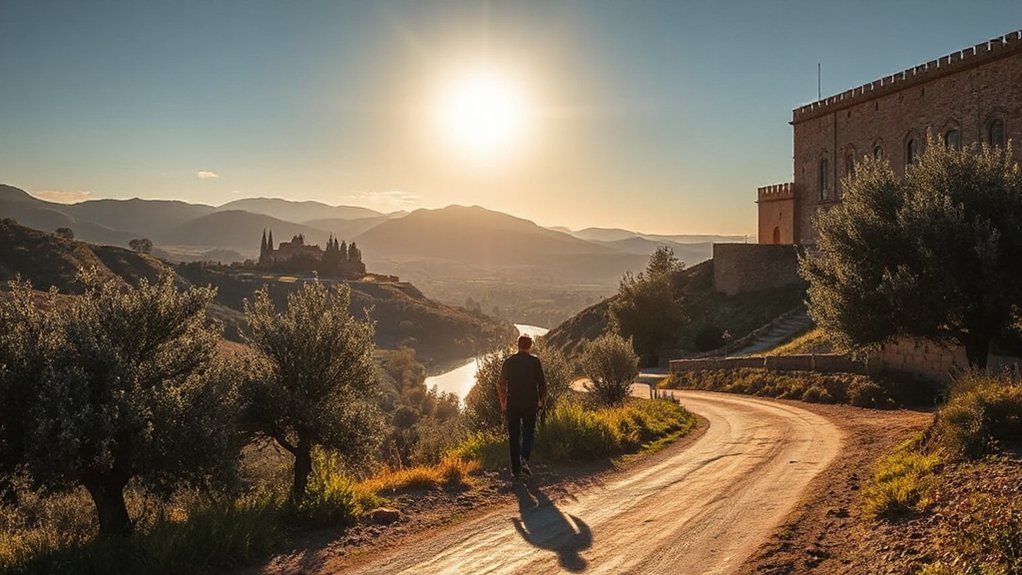
Slow travel through Extremadura means pacing yourself to feel the place rather than rush through it. Over three to five days, you’ll weave between olive groves and whitewashed villages, letting slow mornings become meals shared with locals.
Day one might begin in Cáceres’s stone labyrinth, then drift to a tapas bar where the clink of glasses meets soft talk about heritage.
Day two invites a rural hike followed by a family-led cheese or wine tasting, a chance for Cultural immersion that reveals how work and ritual mingle.
Day three folds in a quiet riverboat or a monastery garden, inviting reflection.
Throughout, you cultivate Local interactions, listening as much as you speak, savoring honest conversations and unforced hospitality.
Practical Travel Details: Getting There, Getting Around, Getting By
Getting to Extremadura is straightforward enough, and once you’re in, getting around is even simpler: fly into Badajoz or Seville and hop a quick train or bus to the region’s towns. Then rely on a patchwork of buses, regional trains, and car hires to reach the quiet corners. You’ll notice the pace shift as you roll through olive groves and stone villages, a warm, unhurried welcome.
Local cuisine wafts from markets and tavernas, inviting tastings after long days outdoors. For getting by, know the schedules aren’t flashy but dependable, and rental cars *disengage* the best viewpoints and villages off the map.
- Rural roads ribbon through chalky hills at golden hour
- Small stations hum with locals and travelers exchanging tips
- Markets overflow with peppers, cheeses, and fresh bread
- Trails reveal hidden courtyards, tiny chapels, and café terraces
local cuisine, outdoor adventures
Seasonal Charms in Extremadura: What to See and Do by Season
Seasonal charms in Extremadura unfold like a well-timed harvest: spring blankets olive groves in pale green, summer temperatures invite long meals under shaded patios, autumn reddens the stone villages, and winter thins the crowds to a hushed, contemplative pace.
You’ll notice springtime blooms fueling seasonal festivals in plazas, music wafting from courtyards as locals barter recipes and stories.
By summer, rivers invite you to cool dips, while coastal breezes carry salt and laughter from hillside tavernas.
Autumn brings harvest fairs centered on chestnut and grape, with wildlife migration rivalling parade grounds in scale.
Winter quiet uncovers ancient lanes, perfect for contemplative walks and late-night stargazing.
Plan ahead for peak events, savor regional stews, and let the landscapes teach you Extremadura’s patient, seasonal rhythm.
How Extremadura Redefines Spain Travel for Honest Adventurers
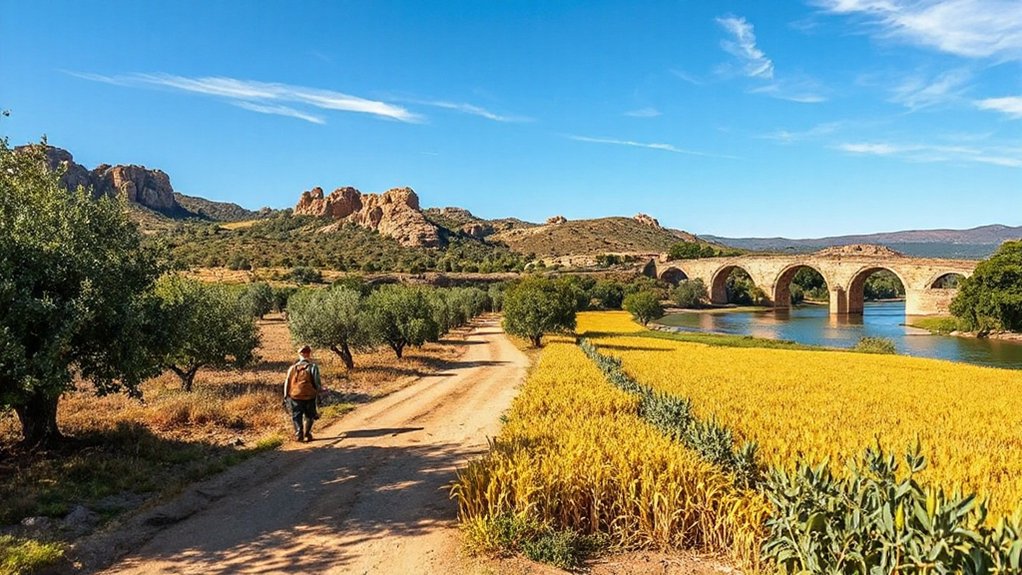
Extremadura rewrites Spain travel for honest adventurers by inviting you to trade the glossy map for real, lived experience. You walk dusty lanes, tasting clay-slow days, feeling the land pulse beneath your boots. Local markets hum with resourceful crafts, voices soft with pride, and a straightforward honesty in every handshake.
- local artisan crafts, bold colors, hands that remember every grain of soil
- small farms that balance heritage with modern eco tourism
- limestone towns where bells echo over olive groves at dawn
- under-the-radar routes that reward quiet curiosity, not hurried selfies
You’ll notice how communities welcome observers who respect tempo, taste, and tradition. The result is travel that heals over crowds, a region teaching you to listen before you rate.
Frequently Asked Questions
Is Extremadura Worth Visiting on a Tight Budget?
Yes, you can, and you’ll love it on a tight budget; you’ll find budget accommodations, affordable dining, and vivid on-site vibes, as you wander white-washed towns, barter with locals, and savor wild landscapes without draining your wallet.
How Child-Friendly Are Extremadura’s Ruins and Trails?
You’ll find Extremadura’s ruins and trails surprisingly child-friendly, with wide paths and shaded ruins inviting curious explorations. You’ll savor historical exploration alongside nature discovery, hearing local legends, and sharing picnic moments that echo across ancient stones and pine-scented air.
Which Local Festivals Best Capture Extremadura’s Culture?
Festivals like Mérida’s Semana Santa, Badajoz’s San Juan, and Plasencia’s Feast of the Virgin fuse Local gastronomy with Traditional dances, inviting you to feel Extremadura’s heartbeat, where streets shimmer, flavors linger, and culture dances alive under open skies.
Are There Good-Accessible Viewpoints for Limited Mobility Travelers?
Accessible viewpoints exist if you ask locals and check maps; you’ll find mobility friendly attractions tucked along gentle ramps and shaded paths, offering vivid on-site observations and cultural insight without rushing you.
What’s the Best Seasonal Time for Online Booking Deals?
You’ll snag seasonal discounts by booking in shoulder months, when markets hum and rooms glisten with quiet hope, and you’ll spot booking tips hidden in tea-scented lobbies, as price tides retreat and travel rhythms fall into place.
Conclusion
You’ll leave Extremadura with a map lighter in your pocket and a heart heavier with stories. The plains whisper, the cork oaks lean in, and history lingers like a stubborn scent of rosemary. You’ll taste slow-cooked stews, hear ancient ruins murmur, and feel time stretch its legs just for you. This place isn’t a checklist—it’s a welcome mat you didn’t realize you needed, inviting you to wander until wonder becomes work. A hidden gem, finally, found.