
Finding your way through Spain’s biggest cities is smoother by starting with core transit hubs. In Madrid, Barcelona, and Valencia, stick to main lines and quick transfers between metro, Cercanías, tram, and buses. Buy reusable passes that cover multiple days and zones, tap in and out, and look for bike-friendly options. Avoid peak crowds, keep doors clear, and let exiting passengers go first. Use plazas to orient yourself and transfer hubs for seamless routes—more tips await as you refine your plan.
Key Takeaways
- Use hub-focused routing: start at main transfer plazas, then branch to neighborhoods with minimal transfers via metro, tram, or Cercanías lines.
- Choose multi-day or zone passes, tap in/out, and check bike integration and storage options for smoother trips.
- Avoid peak hours, keep cards ready for quick validation, and follow etiquette to prioritize elderly or disabled travelers.
- Plan center-to-hub routes: walk through plazas, use protected crosswalks, and rely on primary lines before branching to local streets.
- Stay flexible with real-time apps: monitor arrivals, platform changes, disruptions, and have backup buses or taxis ready.
Madrid, Barcelona, Valencia Transit Networks You Actually Need
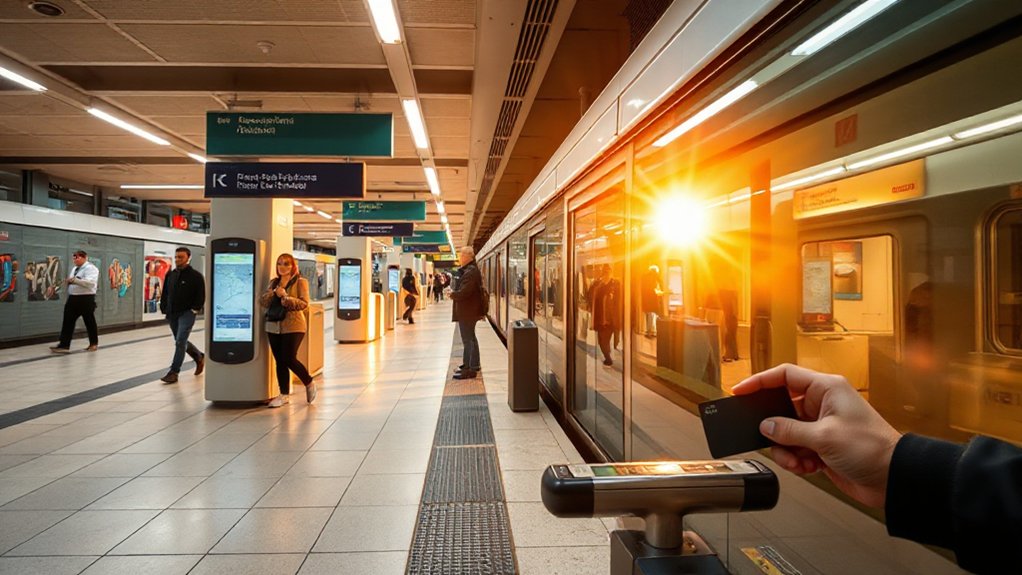
Madrid, Barcelona, and Valencia each offer a compact transit map of quick wins: plan around the main hubs, and you’ll move faster than you expect. You’ll map routes that skim core lines, then branch out to neighborhoods with minimal transfers.
In Madrid, you ride the Metro and Cercanías with seamless footwork between stations, keeping an eye on peak-hour crowd flow.
Barcelona’s grid favors the tram and metro combo, letting you hop along the coast or inland with one ticket if you time transfers well.
Valencia concentrates on a tight tram-and-bus ring, letting you reach museums, universities, and markets without backtracking.
Fare discounts keep costs predictable, and Mobile apps guide schedules, alerts, and zone limits in real time, so you stay efficient without fumbling.
Madrid, Barcelona, Valencia: How to Buy and Use Reusable Transit Passes
After mapping the quickest routes in Madrid, Barcelona, and Valencia, you’ll want to stay flexible with reusable transit passes. These passes simplify fare payment and keep you moving without fumbling for tickets. Here’s how to use them:
- Pick a pass that covers multiple days or zones, then load it with credit or time-based validity.
- Tap in and out at smart readers; keep your card accessible to avoid delays.
- Look for bike integration options, so you can cycle to stations and ride the metro when needed.
Tip: watch for Ticket discounts during promotions or student/senior rates.
If you’re biking, confirm availability of bike racks or secure storage at stations. This streamlines transfers and saves time.
Riding Like a Local: Peak Hours, Crowd Etiquette, and Avoiding Delays
Timing matters when you ride like a local: peak hours tighten trains and buses into tight bands, so plan around them to dodge the crush and delays. You’ll notice rush-hour crowds surge at platforms, and carriages fill before doors even open. Move decisively, avoid blocking aisles, and let exiting passengers step out first.
Ticket validation happens quickly at turnstiles or gates, so have your card ready to speed through.
Inside, seating etiquette matters: offer priority seats to the elderly, disabled, or traveling with kids, and keep aisles clear for mobility aids. If you’re unsure where you’ll stand, position yourself near doors but not in the way of boarding passengers.
Walk Smarter: Plazas, Transfer Hubs, and City-Center Routes
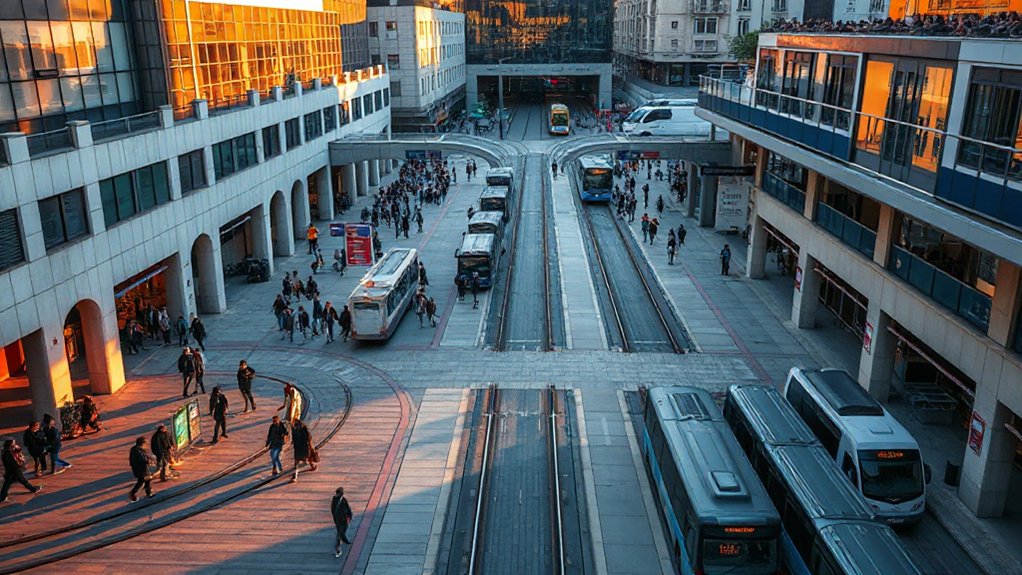
Finding your way through Spain’s city centers is easiest when you think in routes, not landmarks: start at plazas where pedestrian flow converges, then follow signs to transfer hubs and key metro or bus lines. You’ll notice street safety matters most where crowds thicken, so walk with purpose, stay on marked crossings, and keep an eye on traffic patterns around pedestrian zones.
- Move from plaza to transfer hub along visible corridors, using crosswalks and signals.
- Use primary metro or bus lines as spine routes, then branch out to neighborhood streets.
- Return to center by following signage toward main squares and protected walkways.
This approach keeps you efficient, minimizes waiting, and respects pedestrian zones while you explore.
Real-Time Planning and What to Do When Things Go Wrong
Real-time planning kicks in the moment you’re underway, not after you’ve reached a stop. You stay flexible by reading signals: a crowded platform, a delayed train, or a sudden line change. Keep options open: know a nearby bus corridor, a metro alternative, or a taxi rank as a backup.
You’ll move faster if you verify ticket validation as you go, avoiding last‑minute scrambles at gates. If something goes wrong, stay calm, follow posted emergency procedures, and announce your situation to staff or other riders only when needed.
Use real-time apps to track arrivals and platform shifts, and guide your next move before the disruption widens. Document numbers or authorities for complaints or reimbursement, then recalibrate your route with concise, practical steps.
Frequently Asked Questions
Are There Regional Transit Passes Across Multiple Cities?
Regional connectivity exists, but it varies by region. Some multi-city passes combine several nearby networks, while others require separate tickets. You’ll want to check provincial or autonomous community options for the most cost-effective, convenient Regional connectivity across cities.
How Do I Validate Tickets on Trams and Buses?
Did you know that most Spanish tram and bus systems report fare inspection success rates around 95%? You validate your ticket by scanning or stamping it, and you should expect occasional checks; potential fines deter fare evasion. Stay vigilant.
Which App Is Best for Real-Time Transport Updates?
Real time alerts come best from transit apps like Google Maps or official city apps; compare features, speeds, and reliability. Do an app comparison now, pick one, and keep you updated with practical real-time alerts for your route.
Can I Ride Light Rail With a Standard Metro Pass?
Over 60% of riders reuse tickets, so you’ll want to know: can I ride light rail with a standard metro pass? Usually not. Check ticket validation rules and light rail compatibility before boarding to avoid surprises.
What Safety Tips Help Avoid Pickpocketing?
Yes—watch your belongings, stay aware, and keep bags zipped. Avoid flashy valuables, split cash, and use inner pockets; stay calm if approached. Note Tourist scams, carry emergency contacts, and teach yourself quick safeties for crowded spaces.
Conclusion
Exploring Spain’s big-city transit isn’t a mystery once you move with the rhythm: plan before you ride, stay flexible, and read the crowd. You’ll save time by using reusable passes and knowing peak-hour quirks, and you’ll dodge delays by picking transfer hubs smartly. If a line goes sideways, you adapt—walk, regroup, and retry. The deeper win isn’t mastering maps; it’s trading uncertainty for confidence, so every trip becomes a small, trustworthy part of your day.