
Prepare your Spanish property for a successful sale by combining quick-impact fixes with smart staging and clear, market-savvy outreach. Do a fast readiness check, declutter, and boost curb appeal with budget-friendly updates. Stage rooms for flow and mood, highlight key features, and price smartly using local comps. Be transparent on legal and tax basics, and engage bilingual, trusted agents to speed negotiations. If you keep exploring, you’ll uncover deeper tactics to close faster and with better terms.
Key Takeaways
- Conduct a quick readiness check to declutter, stage key spaces, and boost curb appeal with budget-friendly improvements.
- Price strategically using recent sales data, market demand, and property features, while staying flexible on terms.
- Prepare comprehensive, bilingual paperwork (deeds, tax receipts, permits) and verify title details with legal professionals early.
- Target Spanish buyers and investors with culturally aligned marketing, trusted channels, and multilingual communications.
- Use clear showings and timelines, highlight legal/financial clarity, and maintain prompt, transparent communication through the closing process.
Prepare Your Spain Home: Quick-Impact Readiness Check
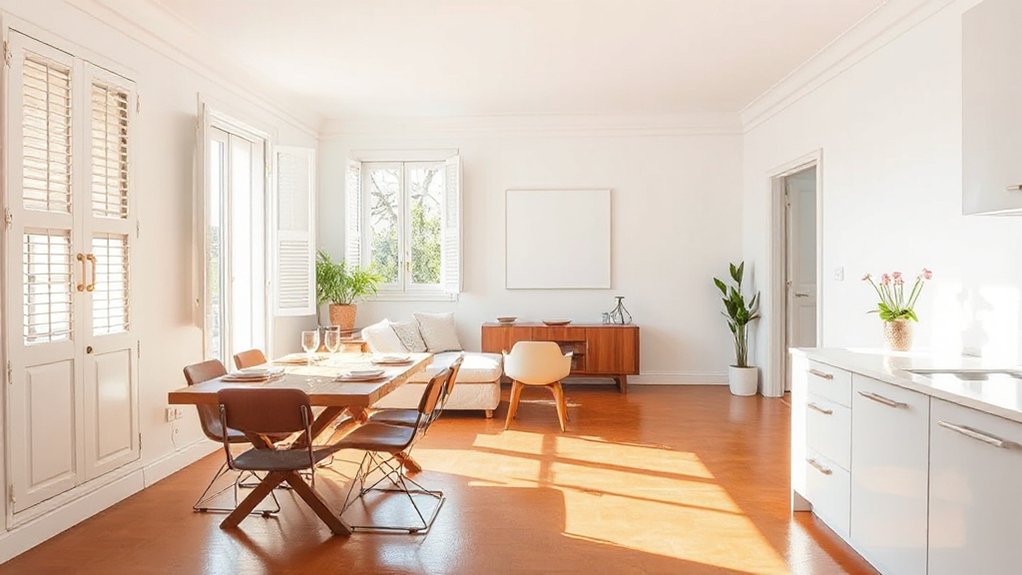
Kick off your sale with a sharp, high-impact readiness check: walk your Spain home through a fast, no-nonsense lens to spot visible fixes, decluttered spaces, and curb appeal upgrades that buyers notice first. You’ll blend caution and confidence, mixing Spanish pragmatism with global negotiation sense.
Assess interior lighting to guarantee warmth, even distribution, and glare-free corners that flatter every room. In every room, prune excess furniture, seal scuffs, and spotlight focal features to accelerate offers.
Consider Landscaping enhancements as a quick, persuasive confidence boost—trimmed hedges, color accents, and clean pathways signal care.
Communicate your plan with bilingual clarity: “ready now, priced right.” Your market-smarts translate into faster showings, better feedback, and stronger negotiations without wasted effort. Budget time, not money, for impact.
Budget-Friendly Curb Appeal Upgrades That Work
Even with a tight budget, you can spark curb appeal by prioritizing high-impact, cost-conscious fixes: freshen the entry with a splash of paint, swap out outdated hardware, and stage a clean, welcoming approach that signals value before a buyer even steps inside.
To maximize return, pair quick exterior wins with targeted landscape enhancements that frame the home and extend the viewing arc, creating a lasting first impression in negotiations.
Consider low-cost, high-visibility tweaks that cross market lines: trim hedges, mulch beds, and add seasonal color for color-conscious buyers across Spain, the UK, and Latin America.
Couple these with practical outdoor lighting to extend evening showings, boost safety cues, and elevate perceived value.
Clear, confident messaging speeds interest and enhances perceived worth.
Stage Each Room for a Faster Spanish-Property Sale
If you want a faster sale, stage each room with purpose and clarity that speaks to buyers across Spain, the UK, and Latin America—showing how spaces work, not just how they look.
You’ll guide viewers with purposeful interior lighting that highlights flow and mood, not glare. Prioritize a clean, confident feel: the sofa anchors the living area, chairs invite conversation, and a single focal point keeps rooms legible at a glance.
Furniture arrangement should maximize perceived space, create logical progressions, and avoid visual clutter. In bedrooms, tidy clutter-free beds with soft lighting signal restfulness.
Kitchens read as efficient workspaces when counters glow, and storage feels ample. Use color touches to unify tones, enhancing marketability in negotiations and across markets.
Price and Negotiate in Spain: A Practical Guide
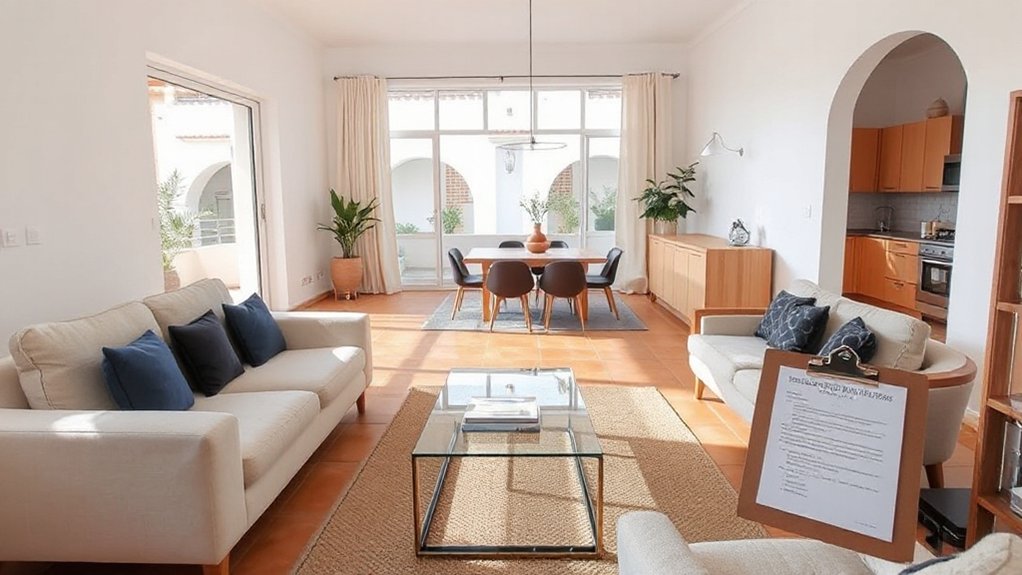
Setting your asking price smartly sets the pace for every offer you’ll receive, so know your bottom line and market value before you start negotiations.
In Spain, you’ll blend price guidance with leverage—start high, justify with data, and stay flexible on terms.
Ready to negotiate like a pro, using clear thresholds and multilingual, market-savvy tactics to close a favorable deal.
Setting Your Asking Price
To set the right price in Spain, start by anchoring your expectation with solid data: recent sale prices for comparable properties, local demand trends, and any unique features that add or subtract value. This is where a smart pricing strategy comes into play, balancing realism with room to move.
Do a rigorous market comparison—review nearby recent sales, current listings, and time-on-market patterns to gauge where you fit. Consider practical factors: renovations, view, and location perks that boost value, or flaws that trim it.
Set a realistic anchor, then build a small, defensible range you’re comfortable with. Clear the path for buyers by signaling you understand the market, avoid overinflation, and stay flexible on contingencies.
Negotiation Tactics In Spain
Negotiating in Spain isn’t just about haggling price; it’s about reading the market, signaling seriousness, and shaping concessions that close quickly. You’ll win more when you blend local insight with clear constraints and timelines, showing you understand cultural negotiation nuances.
Start with a confident price anchor, then map alternative offers that preserve value for both sides. Listen actively to timing cues, such as decision-makers’ availability and financing pace, and respond with measured concessions that protect your bottom line.
Language barrier strategies matter: confirm understood points in writing, use simple phrasing, and avoid assumptions. Bring in market data, comparable sales, and legal checkpoints to reinforce credibility.
Stay solution-focused, anticipate objections, and steer discussions toward mutually beneficial terms to speed the sale.
Manage Paperwork and Legal Basics Efficiently
As you prep to sell, start by gathering essential documents. Then verify property deed details to prevent delays.
You’ll streamline the process by scheduling legal consultations early, keeping timelines tight and negotiations sharp.
This approach signals competence to buyers, minimizes surprises, and supports a faster, smoother closing.
Gather Essential Documents
Gathering the right documents up front speeds every other step, so start by listing all titles, deeds, mortgage statements, and tax bills you’ll need. You’ll want clear copies of title deeds, a recent mortgage statement, and any property tax receipts to confirm ownership and value.
Collect a Power of attorney if you’re handling negotiations or signing on behalf of a seller. Compile invoices for recent maintenance, guarantees, and utility bills to show upkeep quality.
Create an organized dossier in both Spanish and your native language for smoother negotiations with buyers or agents. Make sure your NIE or tax ID is current, and assemble any permits or certificates relevant to the property.
A concise, bilingual packet reduces back-and-forth, accelerates offers, and strengthens your negotiating position.
Verify Property Deed Details
With your documents in hand, the next step is to verify every detail on the property deed to prevent snags later. You’ll want clear confirmation of ownership, encumbrances, and boundaries, because a clean title drives stronger offers.
Focus on the property deed’s name, parcel number, and any liens, mortgages, or easements that could affect transfer. Perform a swift legal verification by cross-checking public registers, previous deeds, and cadastral records to catch inconsistencies early.
In negotiations, precise deed details empower you to set accurate asking terms and avoid price concessions later. If a discrepancy appears, document it, request clarification, and seek prompt resolution with the buyer’s due diligence in mind.
Move forward confidently, knowing your title is solid and ready for sale.
Schedule Legal Consultations
Do you want to minimize headaches? Schedule legal consultations early, so you understand every moving part before you list.
You’ll speak with multilingual professionals who translate complex Spain-wide rules into practical steps for buyers and sellers. Set up a timeline that aligns with your sale goals, and use these sessions to confirm Legal compliance across property records, taxes, and any encumbrances.
During consultations, you’ll clarify who signs what, when, and where, preventing hold-ups at closing.
Focus on Contract drafting essentials: clear terms, contingencies, and remedies that protect you if a buyer scrutinizes price or condition.
Treat this as an upfront investment, not a cost—your confidence level rises, negotiation leverage grows, and the deal proceeds with fewer surprises and faster closings.
Market to the Right Buyers: Spain-Focused Tactics
Target the Spanish buyers and investors who actually move on deals, not tire-kickers: tailor your outreach to local networks, portals, and media channels that Spaniards trust. Emphasize price integrity and showcase legal clarity to accelerate decision-making.
You’ll speak to cultural nuances and align with local buyer preferences, using a multilingual, market-savvy tone that signals credibility and speed.
Highlight financing options, escrow assurances, and transparent tax implications to reduce friction in negotiations.
Leverage familiar platforms like idealista, Fotocasa, and regional portals, plus respected newspapers and bilingual brokers who understand the pace of Spanish deals.
Tailor tours to lifestyle must-haves, not just square meters, and package commitments with clear timelines, contingency terms, and prompt responses to preserve momentum.
Frequently Asked Questions
How Long Does the Sale Process Typically Take in Spain?
Typically, a Spanish sale takes 3–6 months, sometimes longer if negotiations stretch. You should plan property staging and market timing carefully, staying multilingual-friendly and negotiation-focused to accelerate offers and close smoothly.
What Taxes Apply When Selling a Property in Spain?
Selling triggers capital gains tax (plus state/region tax) and plus VAT if applicable; you’ll owe municipal+. You’ll need property valuation and legal documentation prepared. Do your homework, negotiate wisely, and chart the best tax-efficient exit plan.
Is There a Best Time of Year to List a Spanish Home?
Yes—spring and autumn are strongest, aligning with Seasonal market trends and local festival timings; you’ll list now to leverage demand, then negotiate strategically, tailoring offers to market momentum and regional buyer rhythms for maximum advantage.
Do I Need a Spanish NIE Number to Sell?
Yes, you’ll typically need a NIE for selling, and you’ll handle Spanish property documentation with Notary public procedures. You’ll negotiate confidently, mastering multilingual nuances and market tactics to streamline the process and maximize your sale.
How Do Currency Fluctuations Affect Overseas Buyers?
When currency swings, you see currency impact on price and timing, guiding buyer behavior. Case: a UK buyer locks € now, delaying until favorable rates—you negotiate better terms. You adapt pricing, hedging risks, and close efficiently.
Conclusion
Here, you’ll see a sunlit contrast: quick, affordable fixes meet high-stakes negotiations. You’ll invest pennies in curb appeal, yet price with precision, matching enthusiasm to buyers’ desires. You’ll simplify paperwork while pitching to the right crowd, blending local know‑how with global hunger for value. In this mix, you won’t waste time or money; you’ll orchestrate momentum and leverage. Stay pragmatic, speak their language, and close with confidence—your Spanish property sale, faster, smarter, smoother.