
In Navarra, you’ll immerse yourself in living festivals where landscapes, chants, and peppers crackle in the air, and streets become stages of memory. Walk through taverns as regional dances thread crowds, join respectful processions, and listen for local legends guiding you through sacred spaces. Dress modestly, keep noise down, and participate only when invited. Savor pintxos, chistorra, and roasted peppers, and document with mindfulness as aromas, colors, and rhythms fuse into a vivid, soul-stirring tapestry that invites you to discover more.
Key Takeaways
- Observe local customs and etiquette, dress modestly, and participate only when invited to respect Navarra’s traditions.
- Time visits to hit peak events while balancing grand finales with quieter, authentic moments.
- Attend guided tours at dawn, market tastings, and community performances for immersive insight.
- Savor regional foods like pintxos, txistorra, roasted peppers, and Basque cheesecake to experience culture through cuisine.
- Support sustainability and cultural sensitivity by reducing waste and expressing gratitude to organizers and locals.
What Makes Navarra’s Festivals Unique
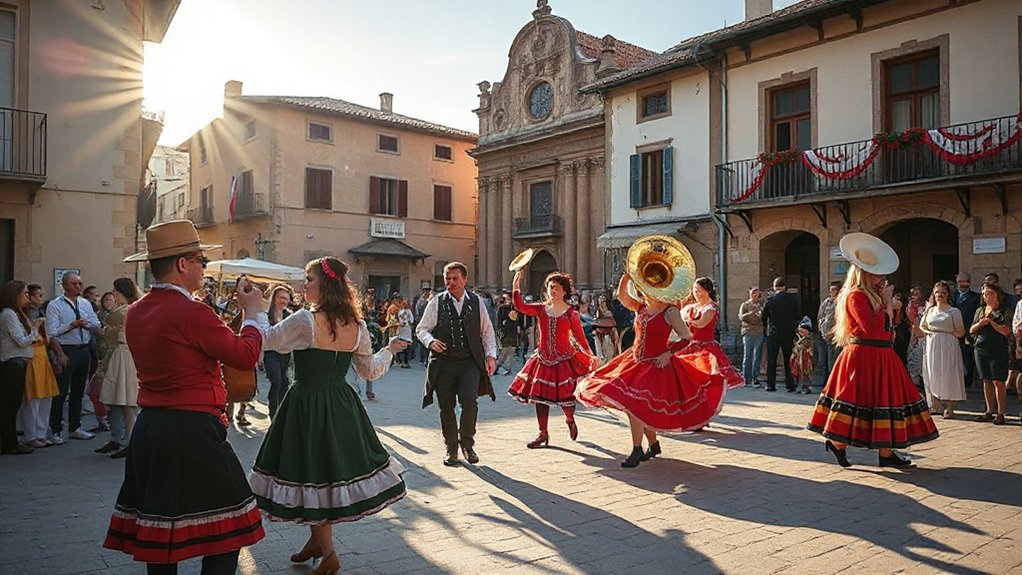
Navarra’s festivals aren’t just events on a calendar; they’re living classrooms where the landscape, sounds, and tastes fuse into a single, unforgettable moment. You lean into the cadence of drumbeats echoing through pine-scented streets, feeling the heat rise from stone courtyards as saffroned pastries cool on windowsills.
What makes them unique isn’t flashy spectacle alone; it’s the intimate weave of Cultural symbolism threaded through processions, chants, and harvest rites. You sense Local legends whispered by elders, step-by-step, guiding you to the exact bend where a saint’s lantern once warmed a crowded square.
You taste grilled peppers that blaze with memory, catch the scent of rosemary in the air, and realize these celebrations map a shared identity more precisely than any brochure could.
Navarra Festival Calendar: Major Festas by Season
As the year turns, you’ll feel Navarra wake through its seasonal highlights, from spring’s roaring tambourines to autumn’s candlelit processions.
You’ll sense each cadence—firelight on stone, the scent of roasted chestnuts, the drumbeat guiding crowds—shaping your calendar with local rituals and timeless traditions.
Across the year, these major festas reveal key Navarra traditions and a clear calendar by season you can follow to plan an authentic, sensory journey.
Seasonal Festival Highlights
Spring wakes Navarra with the scent of blooming almond trees and the drumbeat of processions, as towns from Pamplona to the Ribera light up with major festas tied to the year’s turn. You’ll feel a pulse from seasonal fairs to harvest celebrations, each festival casting a distinct color over streets and plazas.
In spring, you chase pétalos and brass in the air; in summer, you savor glow-lit parades and open-air concerts. Autumn brings harvest rituals and market days where local gastronomy shines. Winter crowns light shows and nocturnal processions that cradle old legends.
Local artisan markets reveal handcrafted wares and stories behind every stitch, while traditional dance forms—jotas, kejas, and baton dances—bind neighbors in living heritage. You experience Navarra’s calendar through senses, memory, and shared delight.
Key Navarra Traditions
From spring through winter, Navarra writes its year in festivals, each season stacking major fiestas that pulse with local pride, ritual color, and shared memory. You’ll feel the heartbeat in narrow streets where traditional music threads through tavern doors and plaza corners, inviting you to listen closely.
Regional dances rise in synchronized steps, jackets creaking, shoes tapping on stone, as locals guide you through circles and spins. In spring, heralds of harvest season mix devotion with cheer; summer brings firelit processions and river chants; autumn cools the air with palm-fringed parades; winter settles into candlelit vigils and bonfires.
Throughout, rituals honor saints, crops, and kinship, teaching you to observe, participate, and carry the memory of Navarra’s living culture.
Calendar by Season
Navarra’s festival year unfurls like a compass, guiding you through seasons where each month marks a living ritual. In spring, you feel the first drumbeat of processions, aromas of roasting peppers, and the hush before a rite beneath stone façades.
Summer brings plaza dances, sun-warmed stone, and the crackle of firework art that paints the night sky; you taste sweet txakoli and hear local legends whispered by elders.
Autumn cools the air as harvest myths rise, farmers’ bells chiming through narrow streets, while medieval costumes shimmer under lanterns, revealing centuries-old craft.
Winter narrows to candlelit vigils and a chorus of carols, textures of wool and brass filling the air. Each season invites you closer to tradition, to the stories that shape Navarra’s identity.
San Fermín Explained: Myths, Rituals, and Real Experiences?
You’ll hear myths about San Fermín collide with the pulse of the streets, where rumor and reverence mingle under the bells and banners.
You’ll feel the rituals—the rhythm of the Chupinazo, the careful footing along the running path, the shared breath of thousands—and you’ll notice how real moments outshine sensational tales.
You’ll walk away with a clearer sense of Navarra’s heartbeat, where authentic experiences blend memory, courage, and community.
Myths About San Fermín
San Fermín isn’t just a single event; it’s a tapestry woven from bold myths and stubborn truths that locals debate as loudly as the street drums at noon. You’ll hear stories about fearless bulls, forbidden romances, and heroic saints, but the reality sits steadier in the plaza’s heat.
Historical origins pulse beneath the chatter, tracing city rituals and seasonal rhythms that shaped Pamplona’s calendar long before tourism sharpened its edge.
You’ll notice how crowd energy isn’t reckless, it’s a practiced choreography of timing, gaze, and respect. Myth debunking happens in quiet corners, where elders distinguish festival lore from lived memory.
Rituals Of San Fermín
Rituals aren’t just moments in the San Fermín calendar; they’re the pulse you feel on every corner of Pamplona, from the first bells at dawn to the last clap at night. You’ll hear carts rattling, coffee fumes lifting, and voices weaving prayers with laughter as street banners ripple in the wind.
The chiller air of early morning meets sun-warmed cobbles, guiding you toward the corrillos where locals trade stories with a wink. You’ll savor local cuisine aromas drifting from taverns—grilled peppers, heaping stews, saffron-scented rice—interlaced with cheers.
Ironwork bells clang in rhythm with feet tapping square stones, a nod to regional craftsmanship everywhere you look. These rituals thread memory into your skin, making Pamplona feel both ancient and alive.
Real Experiences Of Navarra
Navarra isn’t just a backdrop for famous fiestas; it’s a living map of moments you feel in real time. You’ll taste history in the air as you wander narrow streets where Historical architecture crowns every doorway and stone whispers local legends. San Fermín aside, the region reveals everyday rites—neighborhood voices, markets steaming with peppers, bells that drift from chapel courtyards.
You notice how memories fuse with scent: roasted coffee, wood smoke, and rain on ochre walls. Real experiences arrive in tiny details, from shadowed plazas to drumbeat echoes that guide you through dusk.
- Feel the street-level myths breathe with you
- Savor the texture of old walls and fresh markets
- Let local legends color your path through history
How to Participate Respectfully in Navarra Celebrations
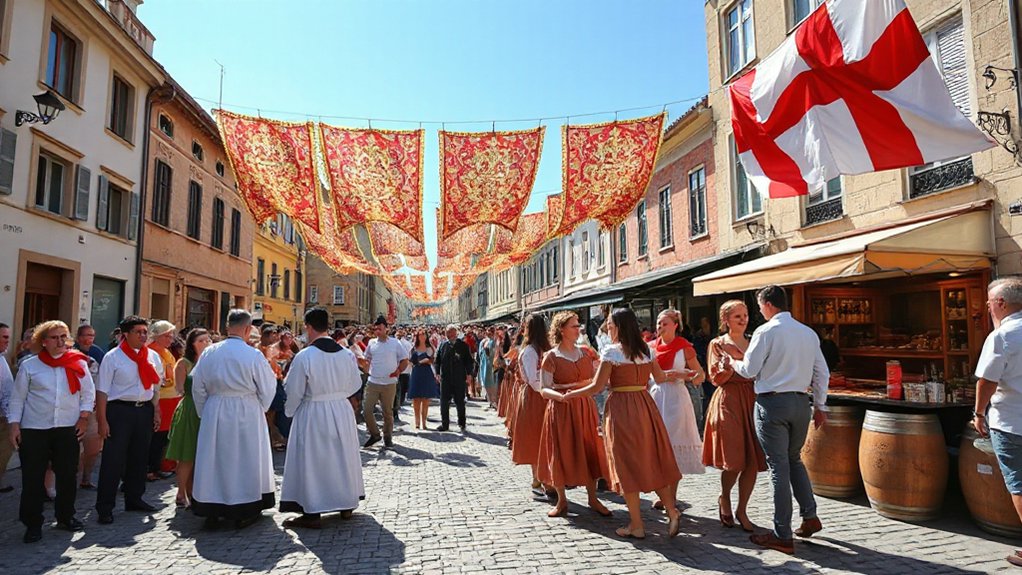
If you want to join Navarra’s celebrations with respect, start by reading the room—watch how locals move, listen to the cadence of conversations, and notice what’s expected in each moment. You’ll feel the pulse in the streets: murmured greetings, careful queues, shared smiles.
Dress modestly, keep a low voice near sacred spaces, and participate only when invited. Show cultural sensitivity by observing etiquette around processions, timing, and ritual questions, then adapt quickly.
Be mindful of trash, choose reusable cups, and minimize waste to reduce Environmental impact. Listen more than you speak, thank elders for guidance, and resist filming unless permitted.
Support local artisans, savor quiet moments, and let generosity shape your presence as a respectful guest in Navarra’s living traditions.
Must-Try Navarra Foods and Regional Crafts
You’ll taste the sun-warmed tomatoes, paprika-kissed chorizos, and sheep’s milk cheeses that define Navarra’s flavors, each bite telling a village tale.
You’ll spot hand-woven baskets and carved wooden spoons from regional crafts, their patterns echoing festival banners and harvests.
You’ll weave these foods and crafts into the festival pulse, chasing memory through scent, texture, and taste as you roam from stall to stall.
Must-Try Navarra Foods
From bite to memory, Navarra’s foods greet you with brazen simplicity and bold flavors: speckled peppers roasted until blistered, the lacquer of olive oil on crusty pan con tomate, and cider that snaps your palate awake. You taste local culture in every bite, where Local cuisine meets spirited gatherings and stories simmer in each plate.
1) Pintxos in a lively bar, where peppers crackle and olives hum with sea salt, inviting you to linger.
2) Txistorra or chistorra sausages, sizzling with paprika heat, paired with crusty bread and cider.
3) Basque cheesecake, lemon-bright and creamy, finished with a dusting of pastry sugar and applause.
Traditional dances echo the feast, guiding your senses from bite to memory.
Traditional Regional Crafts
Handcrafted in village workshops and sunlit studios, Navarra’s traditional regional crafts layer the landscape with color and memory. You’ll notice the tactile heartbeat of the region in traditional weaving, where loom rhythms translate to tapestries that tell family stories and seasonal moods. The threads glow with earth tones—clay, sage, ember—and you feel the craft breathe in every careful knot.
Regional jewelry catches the eye with hammered silver, tiny coins, and enamel accents that recall caminos and prayers. In markets, artisans invite you to touch smooth bone and carved wood, to learn the gestures behind each piece. You leave with a subtle scent of resin, a memory of apprenticeship, and a sense you’ve carried Navarra’s living heritage home.
Festival Food Experiences
As you wander from the workshop benches into the buzzing festival squares of Navarra, the air thickens with sizzling peppers, roasted leeks, and the soft crackle of wood-fired ovens. You taste local cuisine in every bite, where farmers’ pride meets family recipes, and the aroma wraps you in tradition.
You’ll discover that festival food isn’t just sustenance; it’s a social craft, a living link to generations of cooks and makers, echoing the region’s traditional crafts. Expect bold peppers, smoky chorizo, and honeyed almonds, paired with fresh bread dunked in olive oil.
- Savor pintxos that fuse rustic technique with bright flavors, celebrating local ingredients.
- Try roasted peppers and leeks, charred to sweetness, a signature Navarra pairing.
- Buy short-run artisanal sweets crafted beside stallholders, honoring community heritage.
Los Quintos and Honey-Harvesting Rhythms Explained
In Navarra, the rites of Los Quintos spill into the streets with a jolt of memory and merriment, as teenagers step into their last year of childhood and the community rolls out welcome-back snacks, songs, and whispered legends about the year ahead.
You move through honey-harvest rhythms tapping in step with elders, a pulse that blends fieldwork cadence with laughter. The air smells of crushed beeswax candles and ripe fruit, while drums sketch the tempo you’ll imitate in Traditional dance.
You notice farmers guiding youngsters to cooperate, measuring pace with shared breath. Later, you taste the honeyed sweetness and local cuisine—savory, bright, and comforting—binding memory to moment as the festival folds you in.
Crafting an Authentic Navarra Festival Itinerary
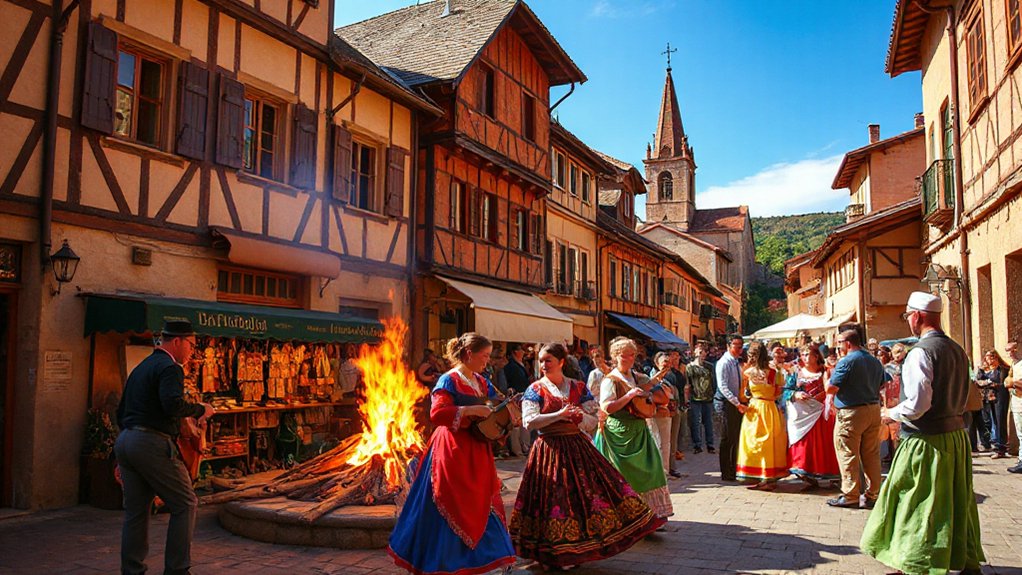
To craft an authentic Navarra festival itinerary, you’ll map your days around the pulse of town squares, pilgrim paths, and century-old processions, not just ticking boxes on a brochure. You’ll feel the cobbles hum underfoot, hear bells braid the air, and taste local cuisine between shade and sun.
Let traditional costumes spark your imagination as you wander markets, chapels, and tapas bars, gathering color and aroma into memory. Build a rhythm that matches ritual, not rush.
- Follow dawn parades to catch the first fragrance of bread and coffee, then linger for whispered histories.
- Time meals beside improvised music, letting plates of pintxos sync with drumbeat and conversation.
- End with a late-night stroll through lit streets, noting textures, fabrics, and stories behind every banner.
Practical Travel Tips: Where to Stay and When to Go
You’ve felt the heartbeat of Navarra festivals in the streets; now you’ll zero in on where to stay and when to go to ride that rhythm smoothly. Choose a pueblo inn or a modern hotel near the Old Quarter to soak up early-morning market scents and sounds. Stay close to the procession routes, but balance with quiet rooms for recovery after late-night traditional music sessions.
If your budget allows, rent a small casa rural for rustic charm and kitchen access to enjoy local cuisine at dawn. Plan travel to catch peak moments, not just the grand finale. Travel-light, carry a map, and pace your days.
Save room for tapas, flavored with memories, as you drift between celebrations.
Attire, Crowds, and Safety Etiquette at Festivals
Dressing for Navarra’s festivals isn’t just about looking the part; it’s about blending with the rhythm of the crowd while staying comfortable enough to savor every moment. You’ll feel the sun, dust, and chants weave around you as you move with the flow, not into the fray. Your choices matter: festival attire that breathes, supports, and protects you in the heat and sudden jollity.
Mind the signals from stewards, and keep personal items close to your body in crowded spaces. Observe local etiquette, smile with your eyes, and let the music guide your steps.
- Choose lightweight, breathable fabrics and secure pockets to aid crowd management.
- Wear sturdy footwear; navigate uneven streets and bumping shoulders safely.
- Pack a compact rain layer and hydration for comfort and safety.
How to Blend In: Language, Greetings, and Respectful Behavior
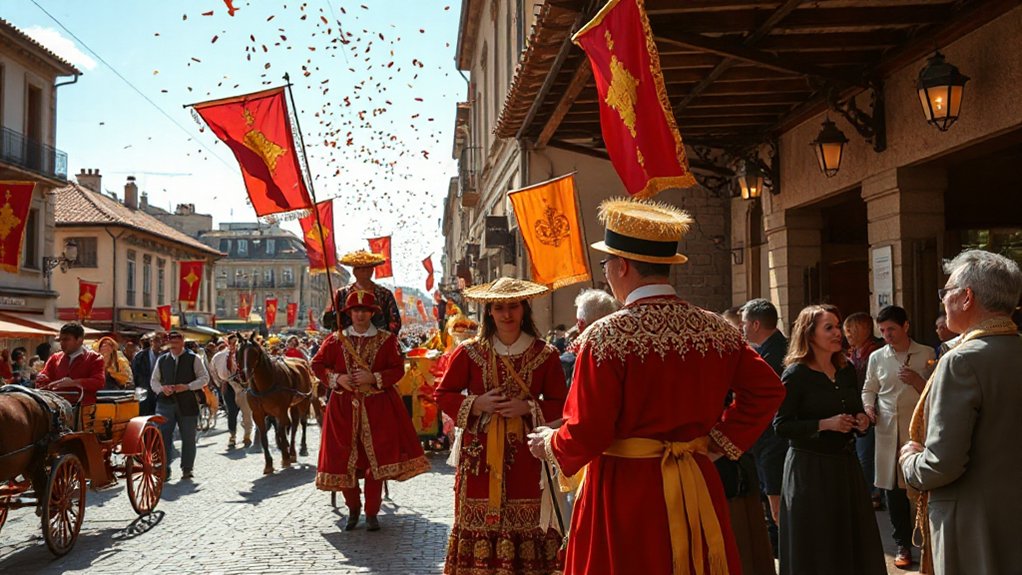
Merging into Navarra’s festival pulse means more than wearing the right clothes; it’s about speaking in the moment and showing respect for local customs. You’ll notice the cadence of voices, the lilting mix of Basque and Spanish, and how a simple greeting opens doors.
Practice language etiquette by starting with a warm “hola” or “buenos días,” and follow with a brief, friendly tone. When locals switch to a regional phrase, listen first, then reply with a smile and a nod, avoiding slang you don’t grasp.
Respectful greetings matter: handshake or kiss on the cheek, depending on the setting, guided by context. Keep questions polite, pauses sincere, and your tempo in sync with the crowd to blend smoothly with Navarra’s celebratory rhythm.
Photography and Memory-Making at Navarra Festivals
What catches your eye first when Navarra comes alive—the flash of a tambourine, or a grandmother’s smile behind a lace mantón? You capture motion and mood in tight frames: a dancer mid-spin, the gloss of a paso y paso, the scent of roasted peppers, the clack of wooden clogs.
You listen for the crowd buoying a chorus, then frame the moment before it passes. Memory tightens with each click, and you learn to read light as you wander between festival costumes and stalls.
1) Seek candid glances over staged poses to honor authenticity
2) Pair photos with notes on sound, scent, and texture
3) Save snippets of souvenir shopping for context and warmth
Budgeting: Experiences Worth the Splurge vs. Frugal Options
When you’re budgeting Navarra’s rituals and revelry, the splurge-worthy moments feel like found treasure: a private flamenco rehearsal, a seat at a sunrise procession, or a chef’s tasting of peppers roasted over an open flame. You weigh intensity against cost, choosing experiences that etch themselves into memory.
Splurges offer high-impact flavor—sound, scent, and a shared heartbeat of tradition—without wasting your budget on filler. Balance those with frugal options: guided tours at dawn, market tastings with affordable plates, and community performances in plazas.
Budget tips center on timing, reservas, and local tips, while souvenir shopping becomes a mindful ritual—handwoven fabrics, small ceramic pieces, and notes from festival vendors. You leave with richer senses and smarter spending.
After the Festival: Continuing Respect and Return-Home Etiquette
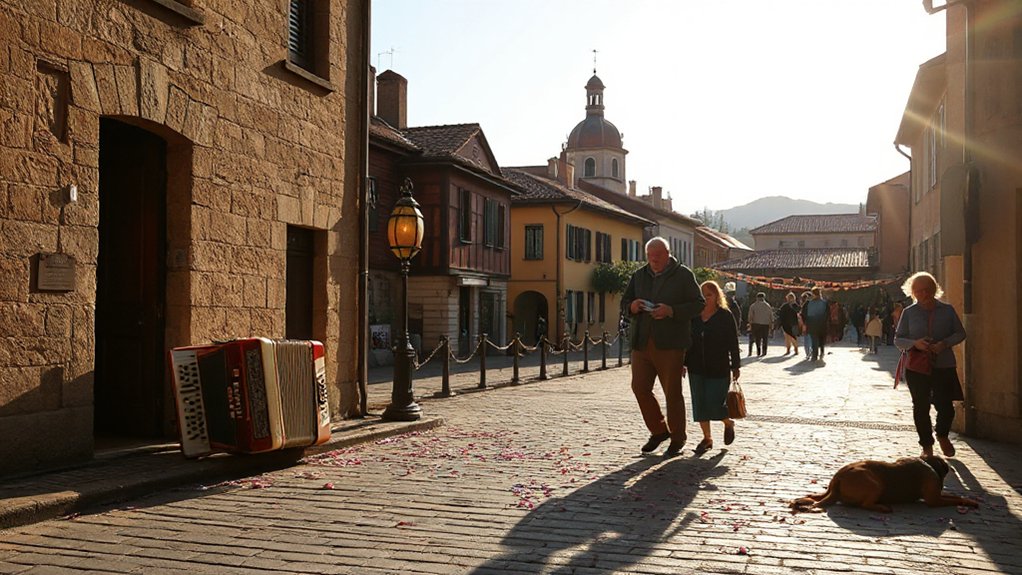
As the last drumbeat fades and the plaza empties, you carry the echo of Navarra’s rites back into daily life with quiet reverence. Post festival etiquette guides your steps home: you move with measured calm, thanking organizers in small nods, and leave the vehicles to idle only as necessary.
The air still tastes of ink and smoke, a reminder of banners and prayers you witnessed, not just watched. You offer respectful departure to the spaces you visited, letting them breathe again without lingering crowds or loud farewells.
- Observe exits with soft spoken thanks, and let the venue reset before your return.
- Whisper gratitude to volunteers, then depart in quiet, mindful of neighbors.
- Carry the memory lightly, returning to routine with renewed patience.
Frequently Asked Questions
What Unseen Navarra Festival Traditions Deserve Respectful Observation?
Those unseen traditions invite you to observe Traditional dances and savor Culinary customs with respect, feeling the brass bells, smoky air, and shared plates; you’ll witness whispered chants, footwork echoing sacred rhythms, and a community’s heart shining through.
How Do Regional Crafts Influence Festival Timing Across Navarra?
“Time is money.” Your regional craftsmanship guides festival scheduling across Navarra, shaping when markets, parades, and rituals unfold; you feel the wood, wool, and tile dictating rhythms, aligning crafts with seasonal tides, ensuring immersive, timely cultural celebrations.
Are There Any Local Legends Tied to Navarra’s Major Fiestas?
Yes. You’ll hear local legends whispering through streets as fires crackle and drums thunder; festival myths mingle with scent of oak and saffron, guiding your steps, shaping rituals, and inviting you to witness Navarra’s living, storied celebrations.
Which Safety Tips Aren’T Usually Covered in Guides?
Some safety tips aren’t covered: watch footing on uneven plazas, carry ID, and stay hydrated. You’ll notice festival attire and food customs shaping your pace; savor scents, textures, and crowds, but plan exits and shade breaks for comfort.
How Can Visitors Support Small Festival Organizers Ethically?
Volunteer at a festival booth, and you’ll ethically support small organizers. For example, you help a local artisan sell crafts (Festival volunteering) while you savor Basque cheeses, cider, and ritual dances, strengthening Local vendor support with mindful generosity and respect.
Conclusion
In Navarra, you’ll taste the air thick with pine, salt, and old stories, as bell bells stitch the streets with memory. You’ll sail through lantern-lit nights, apron-warmed kitchens, and the drumbeat of rituals that pulse like your heartbeat after a long hike. Leave lighter, with a head full of colors and hands ready to tell, not take. Return home with the festival’s echo—a spark in your pocket, reminding you to live, listen, and honor what you’ve felt.