
You’ll find expat-friendly towns on the Costa del Sol that blend bilingual services, family perks, and a welcoming vibe. Fuengirola acts as a practical bilingual hub with clinics and schools, while Benalmádena balances coast and countryside for families. Marbella keeps an international pulse without losing local charm, and Nerja offers quieter life with a robust expat network. If you want urban ease near the beach, Malaga outskirts fit too. Keep exploring to uncover even more practical spots and tips.
Key Takeaways
- Fuengirola serves as a bilingual hub with English-friendly healthcare, bilingual schools, festivals, and shared cuisine for easy integration.
- Marbella offers an international vibe, seasonal events, diverse neighborhoods, and access to regional cuisine, supporting expat networks.
- Estepona provides affordable housing, growing expat communities, language exchanges, and casual social events for smoother adaptation.
- Torremolinos features practical housing near beaches, quick utility setup, and strong transport links for short- and long-term stays.
- Nerja and Axarquía offer quieter living with robust, discreet expat communities and hobby-based social groups for targeted integration.
Why the Costa Del Sol Is Expat-Friendly
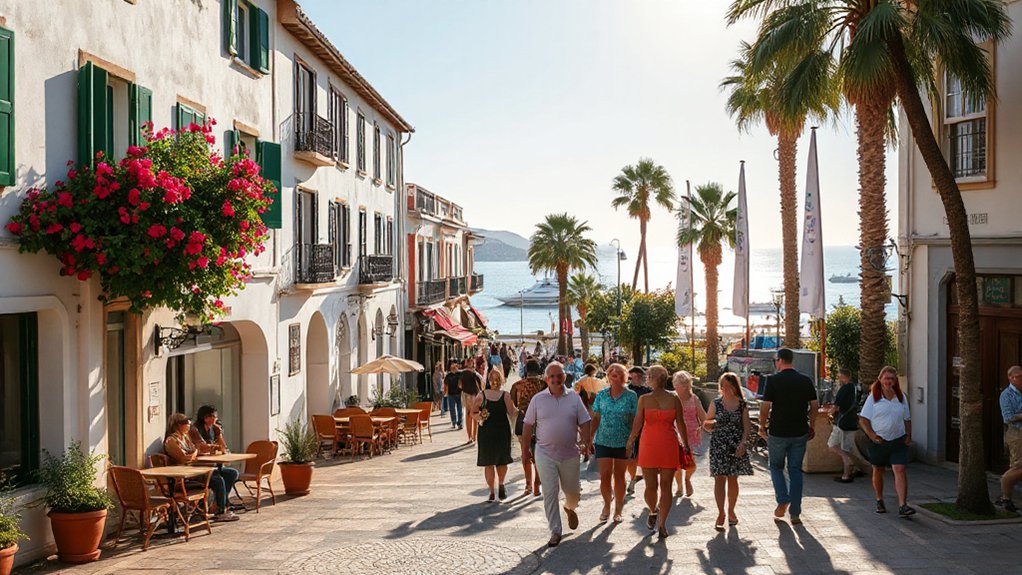
The Costa del Sol earns its expat-friendly rep through practical, everyday realities you’ll notice as soon as you arrive. You’ll find multilingual signs, a welcoming pace, and services that feel built for long stays, not quick visits.
You’ll spot a mix of neighborhoods where English, Spanish, and other tongues mingle, making navigation smoother than you’d expect. Cultural festivals punctuate the calendar, offering familiar comforts while introducing you to local rhythms and people.
Local cuisine shows up in markets and tapas bars with a reliability that helps you settle in quickly. Practical conveniences—efficient transport links, predictable timetables, and approachable business hours—keep daily life steady.
Fundamentally, the vibe favors gradual integration, not culture shock.
Costa Del Sol Expat Criteria: Healthcare, Schools, Visas, Language
Healthcare, schools, visas, and language all shape how smoothly you’ll settle in. On the Costa del Sol, you’ll notice how healthcare access threads into daily life—from private clinics to public systems with transferability across towns.
Schools matter not just for kids but for community feel, language support, and after-school options.
Visa paths vary by origin, but clear guidance and local bureaus help you navigate residency, work, and renewal timelines.
Language helps you access local networks, from neighborhood events to markets.
Cultural festivals and local cuisine become practical anchors, offering low-pressure immersion that reinforces routines and connections.
You’ll see these elements blend to ease adjustments, reducing friction when you’re meeting neighbors, joining associations, and exploring new fits in your weekly rhythm.
Fuengirola: a Bilingual Hub With Healthcare and Schools
Fuengirola stands out as a bilingual hub where healthcare and schooling feel practical and well-integrated into daily life. You’ll notice clinics and hospitals that routinely accommodate English-speaking patients, plus schools with strong bilingual programs that ease progressions for newcomers.
Day-to-day routines blend Spanish and English in conversations, notices, and parent-teacher meetings, making you feel seen without shouting adaptation. The town’s healthcare access stays punctual and transparent, with pharmacies and urgent care nearby for quick peace of mind.
Local life centers on community vibes rather than big-city overwhelm, so you’ll quickly pick up practical cues about appointments and deadlines. Cultural festivals punctuate the calendar, and local cuisine reflects a welcoming, shared culture you can savor at every corner.
This mix supports stable integration and everyday confidence.
Benalmádena: Coast-and-Countryside Balance for Families
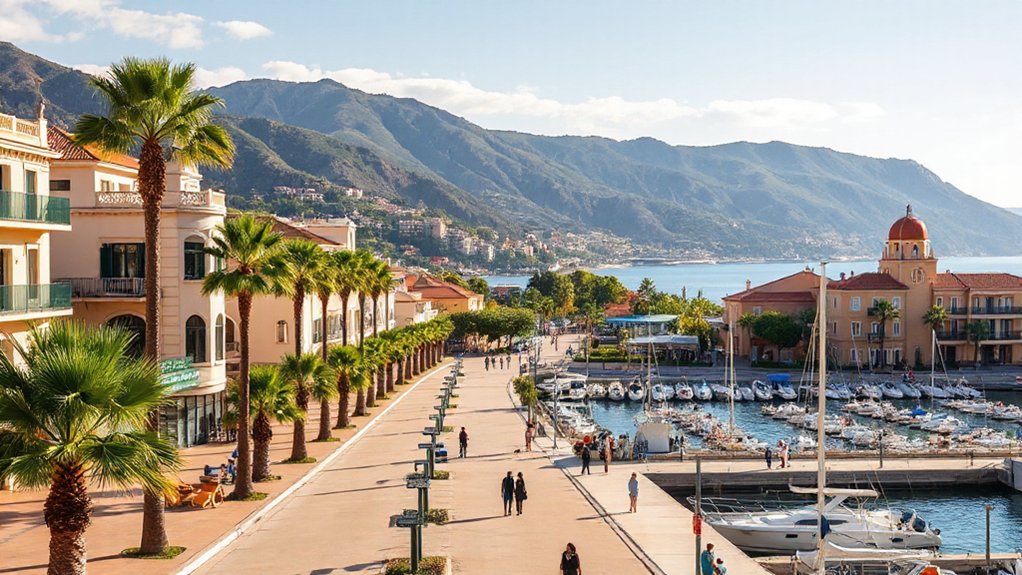
Benalmádena strikes a practical balance for families by blending coast and countryside in a way you can feel from day one. You’ll notice palm-lined promenades leading to beaches that stay calm enough for kids, yet lively enough for weekend bike rides.
The town blends accessible parks with easy hillside trails, so you can swap sea views for shaded terraces without long drives. Cultural festivals pop up seasonally, giving you a sense of place without overwhelming schedules.
Local schools emphasize bilingual basics and hands-on learning, which eases changeovers for newcomers. You’ll also savor local cuisine in family-friendly spots—grilled fish, fresh salads, and kid-approved tapas.
In short, Benalmádena makes daily life feel manageable, authentic, and welcoming for both long stays and short visits.
Marbella: International Vibes Without Losing Local Charm
Marbella blends international flair with unmistakable local charm, so you don’t have to choose between cosmopolitan energy and a sense of place. You’ll notice the town’s rhythm shifts with seasonal happenings, where boutique bars align with tascas and beach clubs sit beside traditional plazas.
In the streets, multilingual chatter meets slow-paced afternoons, and you feel the pull of both global trends and regional roots. This balance isn’t accidental; it’s woven into how neighborhoods mix high-fashion with daily routines.
You’ll find Cultural festivals that showcase flamenco, fusion, and indie performances just steps from markets selling sun-warmed fruit and seafood. Local cuisine remains a compass here: tapas, grilled sardines, and hearty stews anchor conversations after a day of sightseeing.
Marbella stays vibrant without losing its sense of place.
Estepona: Affordable Living and Growing Expat Networks
Estepona keeps costs sensible without slowing momentum, so you’ll notice affordable housing options and practical options for everyday living.
As you explore, you’ll see growing expat networks forming around local cafés, clubs, and coop-style meetups that make connections feel natural.
It’s a town where affordability and community actually reinforce each other, inviting you to test new routines with neighbors who get the balance.
Affordable Living Options
Affordable living in Estepona is about practicality as much as price: you’ll find a mix of modest apartments, townhouses near town centers, and long-standing urbanizations that keep costs predictable, especially if you’re flexible on location and amenities.
You’ll notice areas near the paseo and harbor offer better value, while inland pockets deliver even lower rents with easy access to beaches and parks.
Utilities stay reasonable, and local markets help you stretch budgets, especially if you lean into long-term rentals rather than tourist flats.
You’ll also pick up a sense of community through local cuisine and casual neighborhood get-togethers during cultural festivals, which keep social costs low while boosting daily life with authentic experiences.
Practical choices today can grow into stable, affordable living tomorrow.
Growing Expat Networks
They’re anchored by neighborhood chats at cafes, casual language exchanges, and monthly socials that don’t demand RSVP drama. Cultural integration happens in small moments: a neighbor’s recipe, a market vendor’s tips, a local guide translating a form.
Yet language barriers still surface, so you’ll value bilingual volunteers and simplified introductions. As you plug in, you’ll feel the rhythm: helpful, unpretentious, and steadily expanding, turning Estepona’s expat map into a connected, resourceful, and welcoming web.
Torremolinos: Practical Logistics for New Arrivals
Torremolinos is a practical base for new arrivals, where housing options cluster near beach and metro links, so you can compare leases, deposits, and utilities without chasing scattered listings.
You’ll want a quick plan for moving in, including setting up internet, energy, and water, plus a local contact who can flag common quirks—think neighborhood noise, building rules, and access to parking.
As you map transport and essential services, keep a simple checklist for offices you’ll visit, from the town hall to the clinic, so setup feels straightforward rather than overwhelming.
Local Housing Logistics
Torremolinos’ housing scene moves quickly, so start by narrowing your options to neighborhoods that fit your routine—beachside mornings, quick commutes to the center, or quieter residential blocks inland.
You’ll notice firsthand how housing affordability varies by pocket, so prioritize due diligence and short-term leases to test fit. For smoother stays, establish clear expectations with property management up front and document conditions on move-in.
- Identify your non-negotiables (noise, access, sunlight)
- Compare offerings from condo towers to small blocks, noting upkeep costs
- Confirm utility setup and inclusion, especially air conditioning and heating
- Ask about rental terms, deposits, and renewal options
Keep notes, stay patient, and move fast when you spot value.
Transport And Access
Getting around Torremolinos is straightforward but worth planning, especially if you’re juggling beach mornings with quick hops to the center. You’ll find a compact grid of streets, bike lanes, and pedestrian zones that keep errands efficient, not exhausting.
Public transportation is reliable enough to rely on for regular trips, with buses linking coastal hides to the Renfe line inland for bigger excursions. The tram runs along the coast, offering frequent, scenic quick hops between towns without the parking drama.
Traffic management in peak hours tilts toward slower speeds near the paseo, so aim for early starts or post-lunch windows.
Taxis are plentiful but costlier; apps make catch-and-go easier.
In short, plan, monitor timings, and you’ll navigate smoothly.
Essential Services Setup
Moving from planning your travels around the coast to settling in, you’ll want to line up practical services that keep daily life smooth. In Torremolinos, essential setups blend efficiency with local nuance, so you’re not guessing where to go after work or weekend outings.
You’ll notice how nearby offerings reflect local cuisine and cultural festivals, making shifts feel natural rather rather than stressful.
- Register with a local doctor and pharmacy for easy prescriptions
- Set up utilities (electric, water, internet) and understand billing cycles
- Find a reliable grocery delivery or nearby market aligned with your schedule
- Connect with language and integration groups to ease bureaucracy and social life
Mijas Pueblo and Mijas Costa: Affordable Options and Community Feel
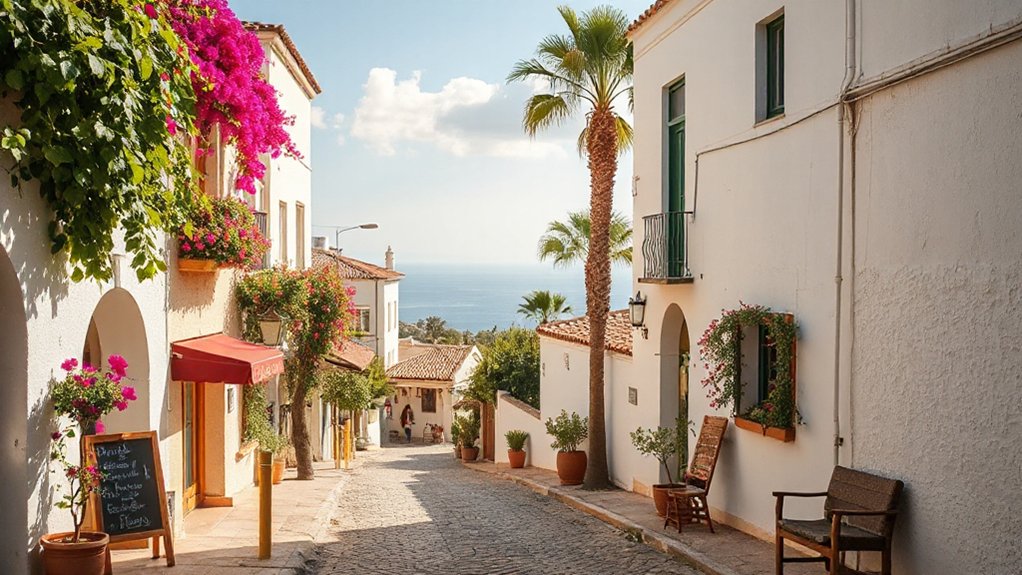
Mijas Pueblo and Mijas Costa offer a blend of affordable living and a tangible sense of community that appeals to locals and expats alike. You’ll notice housing options that fit tighter budgets without sacrificing character, from modest apartments to quaint townhouses.
In Mijas Pueblo, you’ll find narrow lanes, whitewashed walls, and practical amenities within easy reach, keeping daily routines straightforward.
Mijas Costa adds beach proximity and newer developments, still holding a friendly, village vibe at off-peak prices.
You’ll value the social fabric: local markets, casual cafés, and neighborly chats that reinforce a shared sense of belonging.
For routines, you’ll lean on local cuisine and seasonal cultural festivals as anchors, shaping a practical, low-stress expat life.
Nerja and the Axarquía: Quieter Towns With Big Expat Networks
You’ll notice the Nerja area feels quieter yet connected, with expat networks that feel like small communities rather than loud hubs. These Narrows and niche circles are where locals share tips, from authentic markets to reliable healthcare, giving you practical ballast.
If you’re seeking a slower pace without isolation, this setup helps you plug in while keeping the Axarquía’s charms within reach.
Quiet Expat Networks
Nerja and the Axarquía feel quieter than the Costa del Sol hotspots, yet they host surprisingly robust expat networks that knit the area together. You’ll notice local socialization happens through small gatherings, courtyard chats, and shared lunches, not loud meetups. The balance lets you settle in while staying connected.
- Neighborhood potlucks at seasonal homes
- Informal language cafés with conversational pairs
- Community volunteering at coastal preserves
- Small-group cultural exchanges at local centers
Quiet networks don’t mean isolation; they mean predictable rhythm, easier cultural integration, and space to observe before joining. You’ll find practical tips in everyday routines, from grocery chats to market strolls. With a slower tempo, you can build trust, learn quirks, and contribute meaningfully.
If you crave authenticity, this is where you’ll feel seen and supported without the noise.
Narrows and Niche Communities
Even in Nerja and the Axarquía, you’ll find that quieter towns can still pulse with big expat networks, shaping a distinctive blend of intimacy and connection. You’ll notice the draw isn’t crowds but curated spaces where locals mingle with arrivals over coffee, markets, and sea breezes.
Narrows and niche communities form around shared interests, from small art collectives to language swaps and volunteer get-togethers, offering you practical entry points without the sterile hassle of bigger hubs. You’ll encounter specialized communities that value reliability and local insight as much as warm welcome.
If you crave authentic exchanges, seek out clubs linked to niche hobbies, like coastal photography walks or mountain-biking groups. In these pockets, you’ll find friendships that feel tailored, not transactional, in this quieter expat landscape.
Malaga City Outskirts: Urban Conveniences Near the Beach
Malaga City outskirts blend beach access with practical amenities, so you can have seaside living without the bustle of the center. You’ll notice that you’re never far from essentials, from quick grocery runs to reliable transit, all within a jog or bike ride of the sand.
- Quick-access beaches with calmer mornings
- Local markets delivering fresh fish and produce
- Modern cafes that serve local cuisine to-go
- Cultural festivals tucked into nearby plazas and marina steps
In this zone, you’ll feel the balance between breeze and practicality. The vibe stays rooted in everyday life—quiet strolls after sunset, retro-chic bars, and neighborhoods where neighbors know your name.
You’ll also catch seasonal cultural festivals and tapas-rich evenings that keep the area alive without overwhelming you.
Choosing the Right Costa Del Sol Town: Criteria for Expats
Choosing the right Costa del Sol town for expats boils down to balancing lifestyle needs with practical realities: proximity to the coast, ease of getting groceries and healthcare, and a social scene that matches your pace. You’ll notice how each town carries its own cadence—from lively harbor streets to quieter inland lanes.
Look beyond sunshine; check daily conveniences, walkability, and access to multilingual services. Consider budget cues, like housing plus utility costs, and how transplants integrate locally through clubs, volunteering, or language exchanges.
Cultural festivals offer gateways to community, while local cuisine reveals neighborhoods’ soul and pacing. Match this texture to your routines, then weigh how future plans—retirement, work, family visits—fit the town’s rhythm.
Practical Steps to Relocate: Healthcare, Residency, and Banking
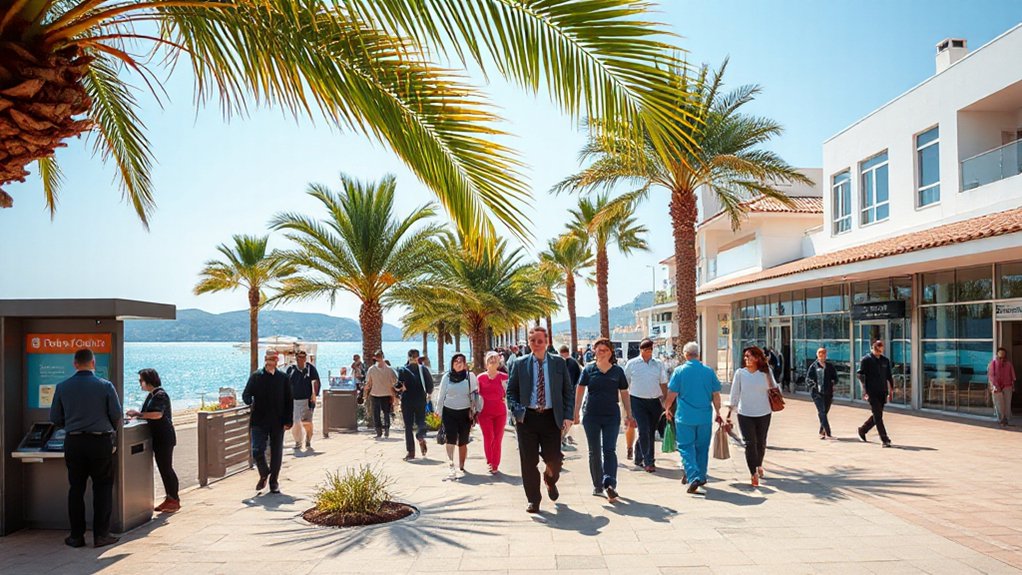
When you’re relocating, the practical steps—healthcare access, residency formalities, and banking—are your first-crew checklist: you’ll want reliable coverage, smooth visa or residency processes, and straightforward financial setup so daily life doesn’t stall.
You’ll notice local nuance shaping how you navigate systems, from clinic networks to bureaucratic rhythms, and cultural clubs that ease shifts. Cultural festivals and culinary experiences become touchpoints for belonging as you set up life here.
- Map healthcare options, register with a local GP, and understand emergency numbers.
- Secure residency or visa status early, and keep documents organized for renewals.
- Open a local bank account and learn fee structures, online access, and protections.
- Build a network through expat groups to share tips on services and seasonal events.
Frequently Asked Questions
What’s the Fastest Visa Path for Retirees on the Costa Del Sol?
The fastest path is a Retirement visa, if you meet age and income criteria, plus a smooth application. You’ll also explore Residency permit options, with your financials and health insurance lined up for quicker processing and easier local integration.
Which Towns Offer the Best English-Speaking Healthcare Options?
You’ll find English-speaking doctors and solid healthcare clinics in Malaga, Estepona, and Marbella, where clinics staff bilinguals and hospitals offer expat-friendly services, quick appointments, and straightforward billing. You can rely on their practical, nuanced care locally.
How Affordable Are Private Schools for Expat Kids?
Private schools on the Costa del Sol are moderately priced, with international school costs varying by program. You’ll find Expat family education options approachable, but expect premium for international curricula, steady tuition hikes, and blended local-scholarship opportunities.
Are There Bilingual or International Communities in Smaller Towns?
Yes, you’ll find bilingual or international communities in smaller towns, and they thrive through multicultural festivals and international cuisine, offering practical chances to mingle, share insights, and appreciate local nuance while you settle into everyday life.
Which Towns Have the Strongest Expat Social Networks?
Like a well-turnished compass, you’ll find the strongest expat social networks where local cultural events and expat community meetups collide, guiding you to Málaga, Estepona, Marbella, and Benalmádena—where connections feel built-in and reliably welcoming.
Conclusion
You’ll find the Costa del Sol’s expat map clear enough to read, yet rich with lived detail. From bilingual clinics to school taps on routines, the right town bends to your pace, not the other way around. Trust the quirks—the quiet Nerja lanes, the Marbella buzz, the Málaga metro hum. If you pace the steps like a traveler and not a project, you’ll settle sooner than you think—even if you cling to a retro flip-phone, for now.