
If you’re planning a market-focused trip in Cantabria, start with Santander’s famed fish market, where early hours bring nets, scales, and copper bells, and the air holds a salty, coastal buzz. Then wander to coastal Cantabria for truly traceable seafood, or seek mountain-town bakeries with crackling crusts and mineral waters. Don’t miss Cantabrian cheeses, dairy delicacies, and seasonal produce that bloom through the year. There’s more to discover beyond these stalls, guiding you toward authentic town life.
Key Takeaways
- Cantabria’s best markets blend food, craft, and community in intimate, historic plazas with arched canopies and brick kiosks.
- Visit Santander’s fish market for morning rituals, skilled filleting, and timber-and-copper architecture that echoes coastal traditions.
- Seek mountain-town markets for rustic breads, mountain cheeses, and wooden craft stalls showcasing regional artisans.
- Look for seasonal produce showcases and preserves highlighting asparagus springs, berries summers, and chestnuts autumns.
- Enjoy family-friendly, evening, and scenic-route markets that pair tastings with town trails and storytelling.
Why Cantabria’s Markets Feel Uniquely Local
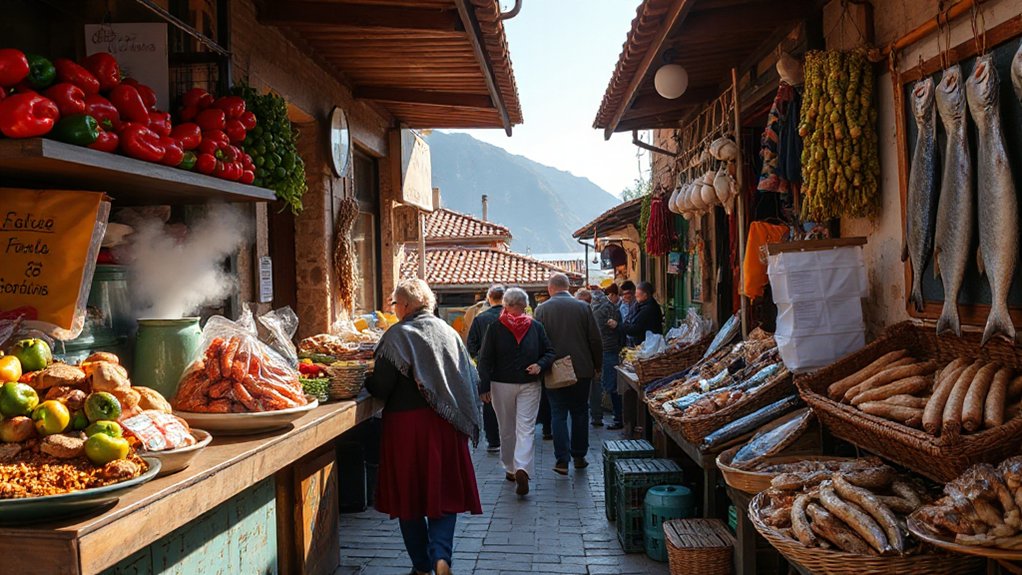
In Cantabria, markets feel distinctly local because they’re as much social hubs as shopping spaces. You’ll notice narrow stalls leaning toward the street, scents curling from bakery ovens, and voices blending in a constant, friendly murmur.
Market history threads through every corner, guiding you from centuries-old square layouts to modern, thriving hubs. Vendors blend practical talk with stories, trading tips as deftly as goods.
You sense artisans at work in plain sight—hands shaping dough, weaving baskets, polishing copper—each item carrying a trace of place and craft. The rhythm stays brisk yet intimate, inviting you to linger, compare, and learn.
The result is a sense of place that feels earned, shared, and unmistakably Cantabrian.
Santander’s Famous Fish Market Traditions You’ll Sense
Santander’s fish market hums with ritual as you step inside: fishermen’s hands flicking scales, nets emptied onto wooden stalls, and the air shifting from brine to citrus in seconds.
You notice Fishing traditions etched into every corner—chants that pace the weigh-ins, a clockwork routine of buckets, scales, and frozen-eyed fish waiting their turn.
Market architecture shapes the scene, with timber beams, copper bells, and sunlit counters guiding your gaze from stall to stall.
You sense the rhythm of early hours and patient bargaining, the scent of sardines and sea spray mingling with diesel and citrus zest.
It’s not spectacle but craft, precise and communal, where daily commerce preserves a coastal identity you can almost taste.
Coastal Cantabria: The Safest Places to Buy Fresh Seafood
You’ll notice Fresh Catch Safeguards in place as you seek the best seafood along the coast.
Local Fishermen Partners guarantee steady, traceable supplies and fair prices, even as seasons shift.
With Seasonal Seafood Availability guiding choices, you’ll taste the freshest bites without the guesswork.
Fresh Catch Safeguards
If a producer can’t confirm overnight transit or proper ice, you won’t see it displayed prominently. Look for firm flesh, clear eyes, and a clean scent, never sour or overpowering. Vendors often offer tasting tips and storage advice, turning a purchase into a quick lesson.
Nearby stalls, tucked with Traditional pottery displays and Mountain herbs, emphasize regional craft and aroma, reminding you that safeguarding freshness is as much about provenance as product.
Local Fishermen Partners
The strongest fishing partnerships form on beaches and harbors, where conversations flow before nets hit the water and after boats return. You sense a rhythm: early-morning bids, quick exchanges, careful quality checks, and transparent pricing that reflects weight, species, and date harvested.
This network keeps seafood honest—from flash-frozen to simply cleaned for display. You’re invited to observe the trust that underpins each stall: reliable deliveries, provenance notes, and consistency across vendors.
In this ecosystem, local fishermen and markets collaborate to protect flavor, sustainability, and your confidence.
Seasonal Seafood Availability
In summer, expect lighter catches like sardines and anchovies, ideal for grilling near the harbor. Autumn brings thicker lobsters and scallops, often spotlighted by seafood stalls.
By observing local market customs, you can time purchases for best flavor and texture, avoiding meatier, overfished looks in off-peak weeks. Pay attention to the day’s catch board, supplier notes, and temperature on display beds.
Your best strategy? visit early, compare vendors, and choose by aroma, sheen, and firm flesh. Seasonal seafood availability shapes every purchase.
Mountain-Town Breads: The Best Cantabrian Bakery Staples
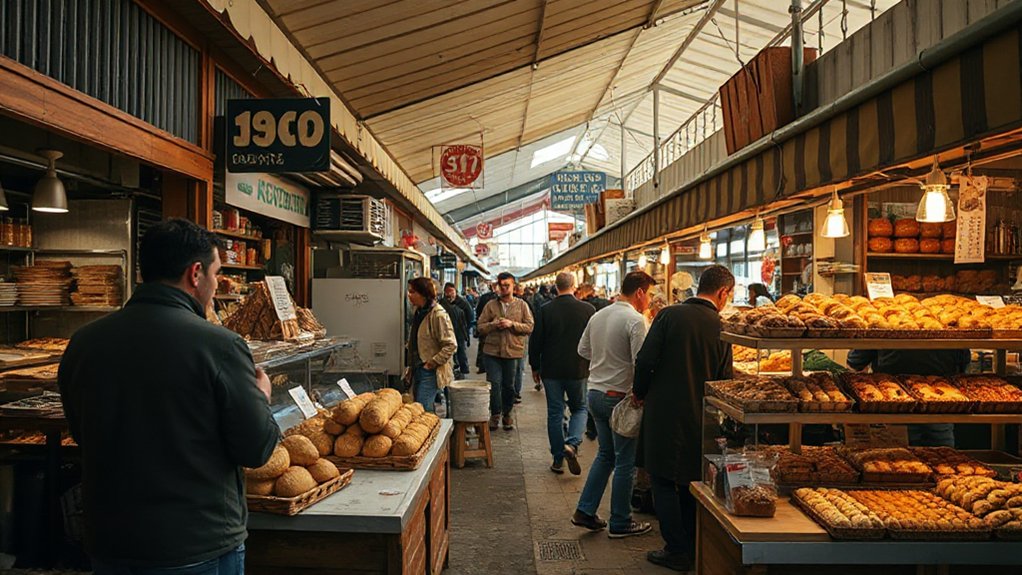
Tucked into Cantabria’s mountain towns, the breads here fuse rustic sourdough tang with the region’s mineral-rich waters and slow-paced baking traditions. You notice crusts that crackle like frost, interiors that stay moist with a whisper of tang.
The loaves wear simple, practical shapes, yet their character speaks of alpine terraces and patient hands. Each bite carries the air of early-morning bakeries, where fire and stone coax complex flavors from flour and water.
You’ll find rustic rye and wheat blends, often enriched with local seeds, herbs, or cheese rinds for subtle depth. Market architecture frames these offerings—low, stone-filled stalls, wooden counters, and communal warmth.
Artisan pastries accompany breads, enriching a concise, purposeful display. Mountain-town breads anchor Cantabrian markets with dependable, delicious craft.
Cantabrian Cheeses and Dairy You Must Taste
You’ll notice Cantabria’s cheeses tell a story in every bite, from soft, velvety rounds to tangy, aged wheels.
Sampled dairy tastings put local producers front and center, highlighting distinct varieties you won’t find elsewhere.
It’s a sensory introduction you can’t miss as you explore the markets.
Distinct Cantabrian Cheese Varieties
Cantabria’s cheeses tell a story of sea air, green pastures, and small-scale craft, where milk becomes something with character and place. You’ll notice distinct textures and aromas as you move through the market: sheep, cow, and mixed milks shaping a varied landscape.
Manchego-style affinities mingle with tangy fresh curd and nutty, aged wheels. Look for unpasteurized notes in traditional cheese making, where rind and paste reveal a sense of hillside dairies and maritime influence.
You’ll taste soft bloomy rinds, crumbly mountain blocks, and aromatic blue-gray tones from cave aging. Seek out producers offering dairy farm visits, a chance to see hands-on methods and seasonal routines.
These examples celebrate regional terroir, simplicity in craft, and the everyday artistry behind Cantabrian cheese varieties.
Local Dairy Tastings Experiences
But the real heart of Cantabria lies in its dairy tastings: intimate sessions where you sample hand‑made cheeses straight from the farm to your palate. You’ll notice how cheese aging shapes flavor, from bright lactic notes to nutty depths, with each wheel telling a short story of hillside pastures.
In these sessions, you’re guided through aromas of hay, thyme, and salt, tasting textures that range from creamy to crumbly. The hosts speak candidly about dairy farming practices, milk quality, and seasonal changes that alter the rind and rind aroma.
You’ll compare goats’ and cows’ milk profiles, learn which cheeses pair best with regional preserves, and leave with a deeper appreciation for Cantabrian craft. Honest, tactile, and delicious.
Cantabria’s Butcher Stalls: Regional Meats and Specialties
From the region’s markets to its small-town shops, Cantabria’s butcher stalls showcase a lean, expressive array of meats and regional specialties that define the cuisine. You’ll notice traditional craft in every cut: carefully trimmed pork loins, marbled beef, and tender lamb, aged to deepen flavor.
Local sausage varieties carry fennel, paprika, and smoke, perfuming the air as you pass. The stalls emphasize freshness, with cuts labeled by origin, breed, and finish, proving market architecture can be both rustic and precise.
You’ll hear conversations about grazing practices and curing times. Then feel the warmth of open-air vendors sharing tips on grilling and braising. This isn’t just meat; it’s Cantabria’s culinary identity, rendered plainly, practiced daily, and proudly presented.
Seasonal Cantabria Produce: What to Seek by Season
As you stroll Cantabria’s markets, you’ll notice the seasonal rhythm guiding stalls from spring greens to autumn gourds.
Each season brings distinct Cantabria produce highlights you can spot in roadside stands and co-ops.
Start with what’s freshest now, and let the market tell you which regional flavors to seek next.
Seasonal Picks by Season
Spring through autumn transform Cantabria’s markets with a rolling bounty: greens, berries, and coastal catches shift to match the season. You’ll notice how spring herbs perfume stalls, summer figs glow, autumn mushrooms crowd the tables, and winter root vegetables anchor the lineup.
Each season brings a focused set of picks you can chase: tender asparagus and peas in spring; berries and stone fruit in early summer; seafood like sardines and anchovies during the warmer months; and hearty pumpkins, cabbages, and chestnuts as days shorten.
Use these rhythms to plan tastings, small suppers, or market-side picnics. Cooking techniques become your guide, elevating simple buys into dinner-worthy plates.
Cultural festivals nearby amplify the harvest, inviting you to taste and learn through local traditions.
Cantabria Produce Highlights
Cantabria’s produce follows the year’s moods, from bright spring greens to hearty winter roots, guiding what to hunt at markets and what to cook next. You’ll notice seasonality in every stall: tender asparagus giving way to peas, brassicas, and berries; summer tomatoes glow, then mellow into peppers and stone fruit.
Autumn apples, pears, and mushrooms peak; winter roots and cabbages anchor the cold. In this rhythm, Market architecture matters—arched canopies, sunlit corridors, and brick kiosks shaping flow and focus.
Listen to vendor stories as you walk: a grandmother’s heirloom leek, a farmer’s note about rain cycles, a neighbor’s tale of harvest timing. Seek the freshest, buy local, and let seasonal cues guide your pantry, fridge, and plates.
Market Craft Stalls: Local Stories in Textiles and Wood
Trading stalls line the market square, each booth a small archive where textile patterns and carved wood tell local stories through color, weave, and grain. You move with purpose, noting how textiles echo coastal winds and hillside terraces, while wooden crafts reveal boatyards, mills, and farmyards in a single carved motif.
The makers speak softly with needle and chisel, and you listen in the rhythm of tapping looms and sanded surfaces. Textile traditions surface in faded blues, brights, and intricate borders, then shift to the warm scent of resin and sandalwood from Wooden crafts.
You record details—thread counts, knot styles, tool marks, finishes—without flinching at repetition. The scene remains precise, tangible, and lively, a compact gallery of Cantabria’s craft heartbeat.
Preserves, Honey, and Cantabrian Pantry Staples to Snag
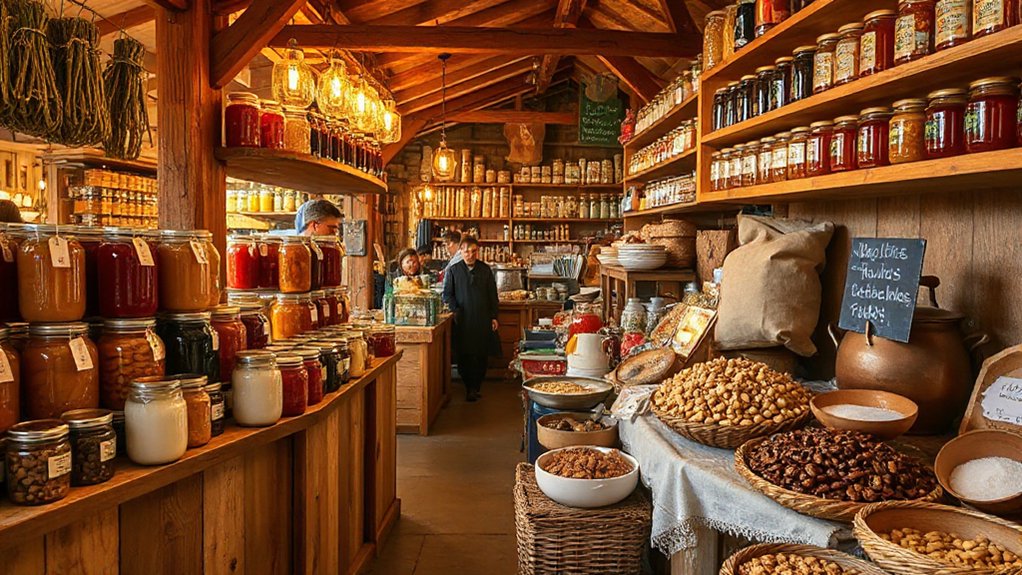
Delight in the stalls where pantry staples shine: jars of Preserves, golden honey, and regional renewals that taste of Cantabria. You’ll notice how local packaging highlights stories behind each product, while market signage guides your choices with clear labels and provenance notes.
A quick, sensory scan reveals textures, aromas, and colors that reflect hillside orchards and valley gardens. Choose compact jars for tasting, then stock up on essentials that travel well and stay fresh.
Your basket will feel authentic, not cluttered, as you select items that support small producers and sustainable farming.
1) Preserves and fruit-forward spreads, crafted in small batches
2) Local honey varieties, each bloom’s distinct profile
3) Cantabrian cheeses and cured pantry staples
4) Bottled condiments showcasing regional flavors
Cantabria Market Etiquette: Tips for a Friendly Haggle (Where Appropriate)
You’ll notice that a friendly haggle can feel like part of the market rhythm, but you’ll also sense when the price is fair.
We’ll explore when negotiation is appropriate, how to read shop signs, and how a respectful offer keeps both sides smiling.
Keep your tone light, your expectations reasonable, and your bargaining focus on value, not volume.
Friendly Haggle Etiquette
Haggling in Cantabria’s markets can feel warm and friendly when you read the room and keep things light. You’ll sense the pace, read gestures, and tailor your approach. Stay respectful, smile, and avoid hard lines on price—a gentle ask often works better than pressure.
Listen to vendor stories; they reveal market history and the character of each stall. If you strike a bargain, seal it with a nod or a simple gracias, then move on with gratitude.
1) Observe first, then engage
2) Ask modestly, never insulting the item
3) Offer a fair counter, not a challenge
4) End with appreciation and a smile
Local Market Bargaining Tips
Cantabria’s market scene rewards a light touch and good timing: start by reading the room, then engage with a friendly, respectful tone. You’ll notice unhurried chatter, steady eye contact, and smiles from stallholders.
When you speak, be specific about what you want, and don’t rush prices or samples. This isn’t a hard sell; it’s a conversation that backs up trust.
Show appreciation for local produce and craftsmanship, which reinforces vendor authenticity and makes bargaining feel mutual, not transactional.
Keep quotes modest, and be ready to walk away if terms don’t meet your budget. If the vendor offers a fair discount, accept graciously and celebrate the exchange.
Remember: market sustainability grows from mindful interactions and transparent pricing.
When Negotiation Is Appropriate
- Read the room before speaking
- Start with a fair offer
- Show appreciation for quality
- Close graciously or return later
A Practical Cantabria Market Route for a Morning Stroll
Set your morning itinerary by tracing a practical Cantabria market route that balances speed with sights: start at the Compostela-style market near Santander’s old port, then wind through traditional stalls where locals chat over fresh bread, seasonal produce, and small cheeses.
You move briskly yet absorb texture: weathered timber, tiled façades, and the hum of bargaining. You notice local market architecture shaping the route—arched doorways, weathered signage, and sunlit aisles that guide your steps.
Market vendor stories emerge in snippets: a baker’s pride, a cheese-maker’s patience, a fishmonger’s careful filleting. You pause only where needed, collecting colors, aromas, and quick recommendations.
Markets With Live Demonstrations and Tastings Across Cantabria
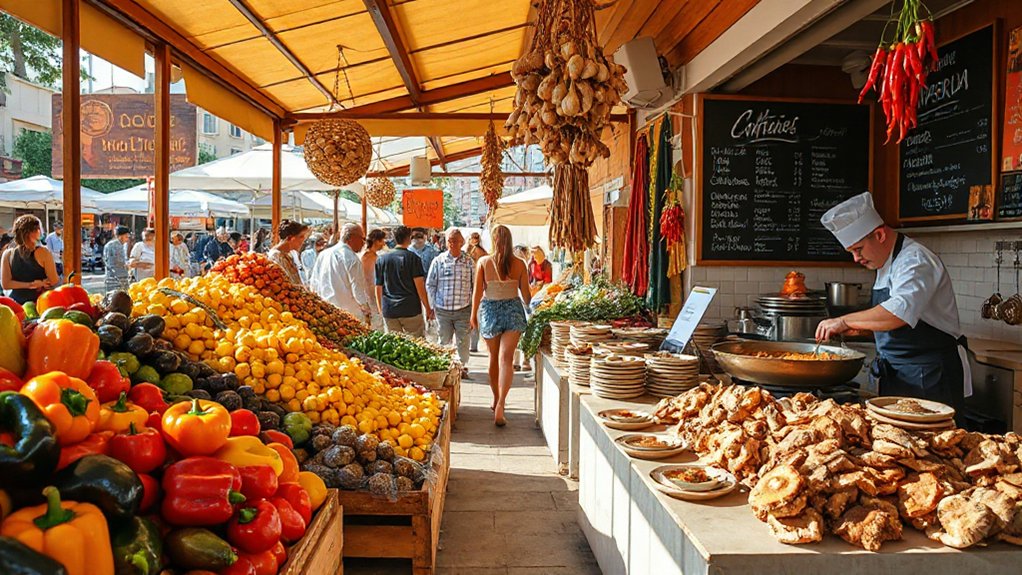
You’ll notice markets that pair live demonstrations with tastings, letting you sample while watching techniques in action. Cantabria’s stalls showcase local delicacies through hands-on demos and bite-sized showcases.
It’s a practical, appetizing way to plan your visit and compare regional specialties.
Live Market Tastings
- Observe the choreography of cut, flame, and plate as vendors narrate origins and methods.
- Savor combinations that highlight local produce, from sea-brined fish to hillside vegetables.
- Note how space and light frame textures, aromas, and color in each stall.
- Compare stalls by technique, temperature control, and hospitality, sharpening your market sense.
Cantabria Market Demos
Cantabria’s markets come alive with live demos and tastings that invite you to witness technique up close. You’ll see bakers shape dough, fishmongers skin fillets, and cheese makers coax ribbons of cream from curds, all while you observe the rhythm of skilled hands.
These demos connect you to local food traditions, turning stalls into brief classrooms where methods and flavors reveal themselves in real time. You taste as you watch, sample as you learn, then compare notes with fellow visitors who share the moment.
The best demonstrations respect market history and the region’s producers, highlighting time-honored processes without glossing over challenges. What you take away is a sharper sense of place, not just a shopping list.
Local Delicacy Showcases
Across Cantabria, markets double as show kitchens where local delicacies take center stage, from smoky paprika to fresh mountain cheese. You step in and sense the air of living regional culinary traditions, aromas guiding your pace as demos unfold.
Hands-on tasting follows, and you learn to spot the telltale traits of each producer, from cured boar to sea-salt caramel. The best showcases feel intimate, leaving you with practical tips and a stronger appetite for discovery.
- Observe the technique behind a signature dish and note its regional roots
- Taste variations across stalls to understand terroir and seasonality
- Talk with artisans to hear the stories behind local delicacy showcases
- Compare presentations to grasp how tradition informs modern market life
Family-Friendly Markets: Kid-Curated Finds and Activities
Family-friendly markets in Cantabria shine when kids take the lead, with stalls that feel like kid-curated treasure hunts rather than generic shopping trips. You’ll notice tables stacked with bright, approachable goods that invite curious hands and quick questions.
The vibe stays practical: clear signs, friendly locals, and simple layouts that let little explorers steer the day. Look for kid friendly snacks tucked beside fruit stands, soft pastries, and bite-sized treats that satisfy without slowing you down.
Vendors often offer playful market activities—coloring corners, stamp trails, or mini workshops—that transform browsing into hands-on discovery. It’s easy to slot in a quick break at a shaded plaza, then continue the hunt, guided by enthusiasm and small, manageable goals.
Every visit feels livelier, more connected, and rejuvenatingly uncomplicated.
Evening Options: Cantabria’s Night Markets and After-Hours Bites
Evening markets in Cantabria spark a different kind of energy—starlit stalls, sizzling snacks, and a casual, wander-worthy pace. You glide between glowing tents, hearing clinks of glasses, the hiss of grills, and conversations that trail off into laughter.
The Night Market scene feels intimate yet lively, with vendors mixing bites and vibes after sunset. After Hours Bites deliver concise, satisfying pairings that fit a stroll, not a feast, keeping you moving and curious.
- Walkable clusters that invite spontaneous tastings
- Timed menus that reveal seasonal, local flavors
- Lighted pathways guiding your night wander
- Quick, shareable bites for easy conversation
Market + Town Pairings: Scenic Routes for Food Lovers
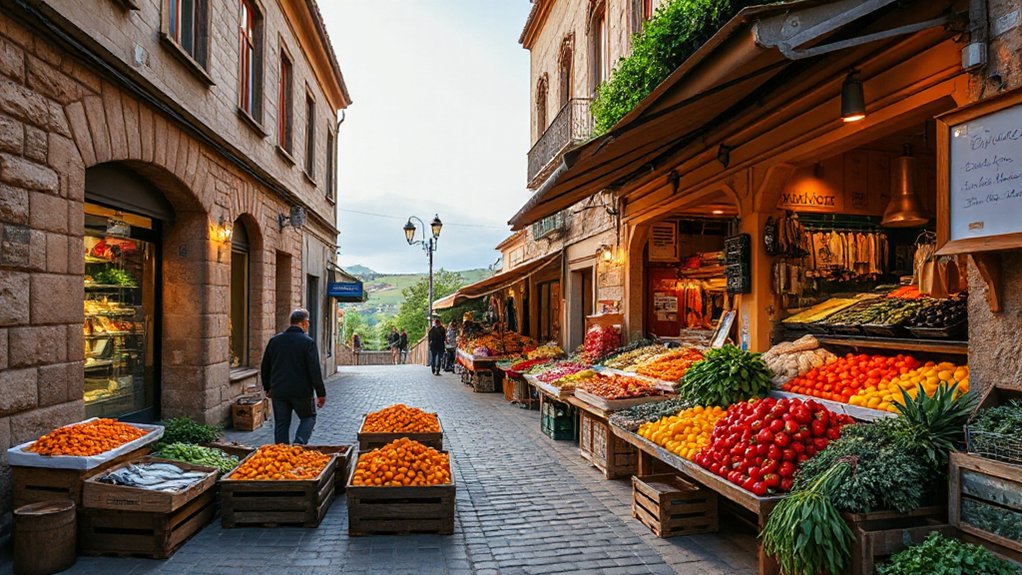
From the Night Market buzz to daylight village lanes, you’ll map routes that stitch flavors to scenery. You’ll pair markets with nearby towns to reveal a seamless food-story trail, where every stop blends fresh produce with landscape.
Begin where Market history meets hillside streets, letting cobbles and banners frame your tasting lists.
Follow a route that highlights local artisans crafting cheeses, preserves, and breads, then swing toward views that echo vessels and harvests.
You’ll notice how stalls connect to courtyards, how aromas cue easy conversations with farmers and cooks.
The itinerary prioritizes walkable segments, steady pacing, and pause points for photos and bites.
Hidden Cantabria Markets: Locals’ Favorites Off the Map
Hidden Cantabria markets aren’t on the standard tourist maps, but locals know them by name and season. You slip into narrow lanes where stalls breathe with everyday rhythm, and the air tastes of salt, rye, and anecdote. You notice how local market architecture blends wood, brick, and weathered canvas; functionality meets memory in each booth.
Community events pulse at twilight, with neighbors trading recipes and stories as reliably as produce. You’re drawn to the honest pace, where intention shapes the layout and vendors greet you as a neighbor.
- Quiet square gatherings that feel like family reunions
- Sturdy wooden kiosks, their surfaces worn smooth by years of trade
- Seasonal specials announced with chalk and cheery banter
- Vendors sharing tips, not just goods, building trust
Choosing a Cantabria Market by Craving: Seafood, Bread, Cheese, or Meat
If you’re craving seafood, head to markets where the salt air lingers in the stalls and the fishmonger’s blade flashes like a metronome, signaling freshness you can practically hear. You’ll notice how seafood stalls corral the day’s catch into ribbons of red and silver, each price tag a small weather report.
For bread lovers, seek airy, crusty loaves that scent the aisles and invite a pressed mayo-smeared bite. Cheese seekers should circle fragrant tables, where wheels age like careful memories.
If meat calls, listen for the hum of nearby grills and marbled cuts. Decide by your craving, then explore how local market architecture shapes your stroll.
Hear market vendor stories as you compare, bite, and move on.
Packing for a Market Day: What to Bring and What to Wear
You’ve scoped the market by craving, now gear up smartly for the day. You’ll notice how Market traditions shape what you carry and how you move through stalls, from sun-drenched squares to shaded aisles.
Pack light but intentional, so you can linger without fatigue, and respect the pace of local life. Your choices reveal Local craftsmanship in every bag and basket you lift.
- Reusable tote and small bottle for water
- Comfortable shoes and a light, breathable layer
- Cash, small change, and a portable phone charger
- A notepad for prices, touches of whimsy, and notes on vendors
Dress to mingle—simple, sturdy, and ready for discovering, not for show.
How Cantabria’s Markets Reflect Regional Culture and History
Cantabria’s markets are a living archive, where centuries of coastal trade, shepherding, and industry meet in daily exchange. You’ll notice how the stalls mirror regional rhythms: fishermen’s nets drying in sun, shepherds counting tolls, and artisans selling coastal foam crafts.
The energy is the culture, not just the goods. Historical architecture frames these exchanges—the weathered arches, wooden balconies, and tiled facades lending weight to every bargain. You sense how seasons shape offerings, from brimming fish counters to cured meats.
Traditional crafts, carried across generations, reveal innovations born from necessity and pride. This isn’t simply shopping; it’s a quick tour through Cantabria’s identity, where markets keep memories, skills, and stories alive in plain sight.
Crafting a Market-Focused Cantabria Itinerary: A Practical Plan
To craft a market-focused Cantabria itinerary, start by mapping a practical route that stitches coastal fish stalls, hillside farmers’ markets, and craft fairs into a single week or long weekend. You’ll balance mornings by the sea with afternoons among stalls, letting tides set the pace. Focus on local art and traditional crafts to deepen texture, then log transport gaps and rest stops to keep momentum steady.
- Chart a coastal loop to catch morning catches, then swing inland for craft demos.
- Time hillside markets around harvests, planning tastings beside artisan studios.
- Pair food stalls with galleries highlighting local art and traditional crafts.
- Build flexible blocks for spontaneous finds, museums, and scenic viewpoints.
Frequently Asked Questions
Which Cantabria Markets Are Best for Family-Friendly Visits?
The Cantabria markets you’ll love for family-friendly visits are the ones with Local food vendors and Market cultural events, where you can wander together, taste treats, and watch performances, making a colorful, engaging day for kids and grownups alike.
How Early Should I Arrive for Fresh Catches?
Arrive early, before the clatter of carts, and you’ll snag the freshest catches. You’ll hear gulls, smell brine, and see vendors smile as you claim your Early arrival prize, savoring the glistening, salt-kissed harvests.
Do Markets Have English-Speaking Vendors or Signage?
Yes, some markets have English signage and bilingual vendors. You’ll notice English signage guiding you to stalls, and bilingual vendors switching between languages as needed, making prices and product details clearer while you browse.
Are There Dog-Friendly Market Days and Policies?
Like a compass, you’ll find dog-friendly market days vary; check each venue’s signs. You’ll want to follow dog policies, respect leash rules, and note market pet rules before visiting. Bring waste bags, and enjoy responsibly.
Which Markets Offer Free Samples or Tastings?
Yes—many markets offer free samples or tastings of local artisanal products and gourmet cheeses, so you can sample before buying and discover standout flavors, textures, and regional specialties.
Conclusion
You’ll leave with a mouthful of story, not just groceries. Cantabria’s markets feel like living postcards, each stall a chapter you can taste. From Santander’s shouts to mountain bakery wakes, the air carries salt, smoke, and memories. Pack light, move slow, and let the voices guide you. It’s a tapestry you savor thread by thread, a compass pointing toward shared meals and local legends. In these aisles, you find the heart of Cantabria—bright, honest, unforgettable.