
To find the most authentic Cantabrian tapas, seek seafood-forward spots that honor provenance, lean technique, and salt-bright flavors over spectacle. Look for disciplined cooks, restrained garnishes, and honest prep that highlight coastal fish, bacalao, and cider with precise salt and acidity. Favor venues with consistent execution, simple, high-impact dishes, and economical yet appealing presentation. Expect understated ambience, local wines, and subtle festival-influenced atmospheres near the harbor. If you want more, there’s a deeper map to guide your path.
Key Takeaways
- Seek Cantabrian tapas that emphasize provenance, seasonal ingredients, minimal processing, and rustic techniques over flashy gimmicks.
- Look for venues with disciplined technique, restrained garnishes, honest flavors, and a focus on seafood, bacalao, and cider in regional classics.
- Prioritize establishments near the harbor offering simple, high-impact dishes with balanced seasoning and economical presentation.
- Favor taverns or cantinas with dim lighting, chalk specials, salt smoke, and time-tested methods for authentic flavors.
- Observe staff communication and dining etiquette, pairing menus with mineral whites, citrusy wines, and cider to enhance maritime tapas experiences.
What Makes Cantabrian Tapas Authentic: Criteria That Define Cantabria’s Flavor
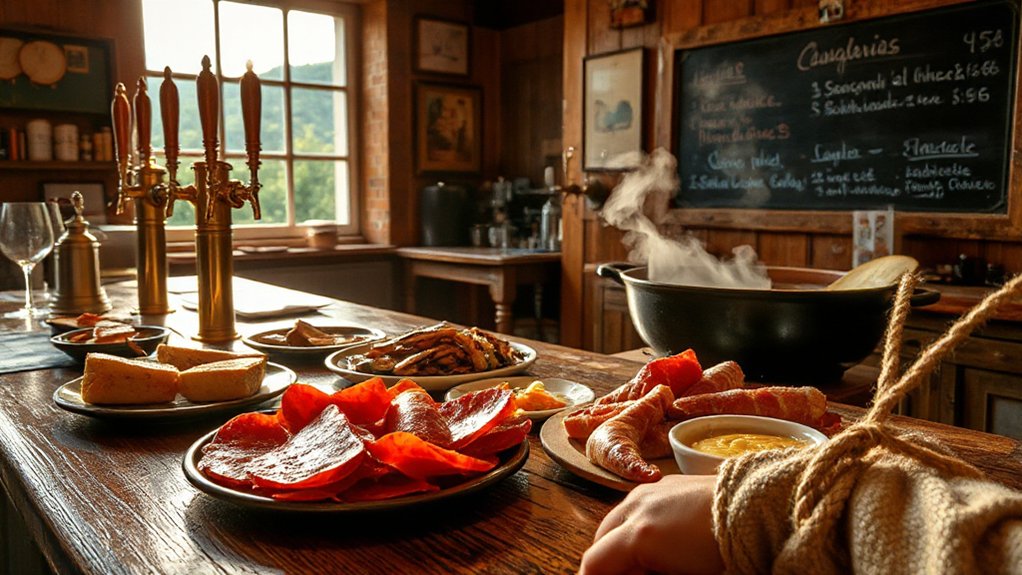
Cantabrian tapas aren’t just small plates; they’re a window into a region’s terroir, craft, and everyday eating habits. You assess authenticity by tracing how a bite carries cultural influences and stays faithful to culinary traditions.
You judge ingredients for provenance, seasonality, and minimal processing, favoring coastal fish, hillside vegetables, and foraged herbs that reflect place over novelty.
Precision matters: portions should honor technique without masking flavor, sauces should enhance rather than overwhelm, and salt, fat, and acidity must balance.
You demand consistency across informal taverns and markets, yet recognize variation as a sign of living tradition.
Cultural influences thread through technique and presentation, while culinary traditions anchor expectations.
Authentic Cantabrian tapas resist trend-chasing, embracing lineage, craft, and a clear sense of terroir.
Santander Coast Tapas Spots You Can’t Miss
You’ll want to zero in on the best Santander tapas and what sets them apart on the coast. I’ll highlight coastal spot highlights and the local dishes spotlight that define the scene, so you can compare options quickly.
This isn’t about broad claims—it’s about crisp, actionable choices you can trust.
Best Santander Tapas
Santander’s tapas scene delivers a concentrated burst of flavor along the coast, where classic bars pair simple dishes with fearless seasoning. You’ll notice a tight selection of spots that consistently deliver high-impact bites without theatrics.
Prioritize execution over trend: Tapas presentation matters, because the first impression shapes your expectation and signals care. In the best venues, plating is economical, yet appetizing, with color balance and surface texture that invite a bite.
Ingredient sourcing stands behind every claim; you should feel the provenance in the aroma and brightness of vegetables, the richness of seafood, and the integrity of cured meats. Be skeptical of crowded spaces where subpar produce is masked by gimmicks.
Seek disciplined cooks who elevate tradition through precise technique, restrained garnish, and honest flavors.
Coastal Spot Highlights
From the coast’s edge, these spots stand out for direct, high-impact tapas that reflect Santander’s maritime pantry: lean, purposeful dishes where seafood shines, vegetables crackle with brightness, and seasoning stays restrained.
You’ll notice a disciplined approach: rustic textures, precise salt levels, and clean finish. The best coastal bars emphasize provenance—small plates that travel well, yet feel immediate.
Expect wine pairing that respects acidity and sea flavors, not overpowering them. Sit near the glass, watch the harbor routines, and let the kitchen reveal nuance in octopus, anchovy, and seasonal greens.
Cultural festivals flavor the ambience, not the plate, offering a subtle theater that deepens appreciation without distraction. Coastal spots reward concise judgment and steady, discerning pace.
Local Dishes Spotlight
These spots foreground coastal produce in tight, purposeful plates: grilled anchovy, squid ink croquettes, and alubias with sea thyme read as direct reflections of Santander’s pantry. You’ll notice how local dishes trade broad sentiment for precise technique, letting salt, smoke, and herbaceous lift speak clearly.
The best Santander coast tapas fuse tradition with current constraints, delivering fusion cuisine without echoes of novelty for novelty’s sake. Expect modern twists that respect provenance: a peppered anchovy lacquer, or a siphoned shellfish consommé poured at the table.
Portioning remains disciplined, never indulgent, inviting shared tasting without distraction. You’ll evaluate sweetness balances, umami resonance, and finish persistence, ensuring each bite carries character rather than spectacle.
In short, refined, purposeful, locally rooted tapas that still push boundaries.
Hidden Santillana Taverns for Old-World Flavor
You’ll find Hidden Santillana Taverns that prize old-world flavor, not theatrical menus. These spots prioritize subtle technique, despite modest exteriors, and you’ll notice how access itself filters the experience toward authenticity.
If Old-World character is your gauge, these hidden venues quietly raise the bar on what genuine Cantabrian tapas can be.
Hidden Santillana Taverns
- Dimly lit counters, chalked specials, and the hum of conversation
- Simple tapas built on local fish, livestock, and vegetables
- Briny vermouths, robust wines, and the scent of pan tostado
- A quiet rhythm that rewards lingering and listening
Old-World Flavor Access
Hidden Santillana Taverns reveal Old-World flavor by prioritizing sourcing and technique over spectacle. You’ll notice access to genuine tastes isn’t about showmanship; it’s about what reaches the plate.
The taverns trade flashy decor for disciplined craft, where provenance matters as much as pareto-perfect execution. You’ll encounter restrained menus that favor regional products, salt, smoke, and time-tested methods over loud trends.
Gourmet fusion appears sparingly, used to sharpen rather than redefine tradition, so you don’t lose the sense of place. Modern reinterpretations show up as subtle refinements, not revolutions, letting classics speak with renewed clarity.
If you seek authenticity, these spaces reward patience and discernment—where every bite confirms why old techniques endure in Cantabria’s tapas landscape.
Cantabria Classics You Must Try: Seafood, Bacalao, and Cider Pairings
Cantabria’s seafood shines alongside its bacalao and cider, forming a trio that defines the region’s dining identity. You’ll sense a disciplined balance: briny sea, preserved cod, and crisp fermentation signaling refined pairings.
Approach each bite with crisp expectations—these classics demand precise execution and honest sourcing. For wine pairings, seek mineral whites and light, citrusy options that don’t overpower delicate fish or salt-cured cod.
Tapas presentation matters; plates should showcase contrast, color, and structure, not garnish for show.
Below, picture the trio in action:
- Seared fillets of fish with a lemon-herb drizzle, bright against the cider
- Bacalao skewers, lacquered glaze, flaky interior, rustic charm
- Bottled cider offering sharp acidity that cuts fat
- A light, crisp wine to unite all elements
Tapas Route Masterplan: Timing, Pacing, and Sequencing
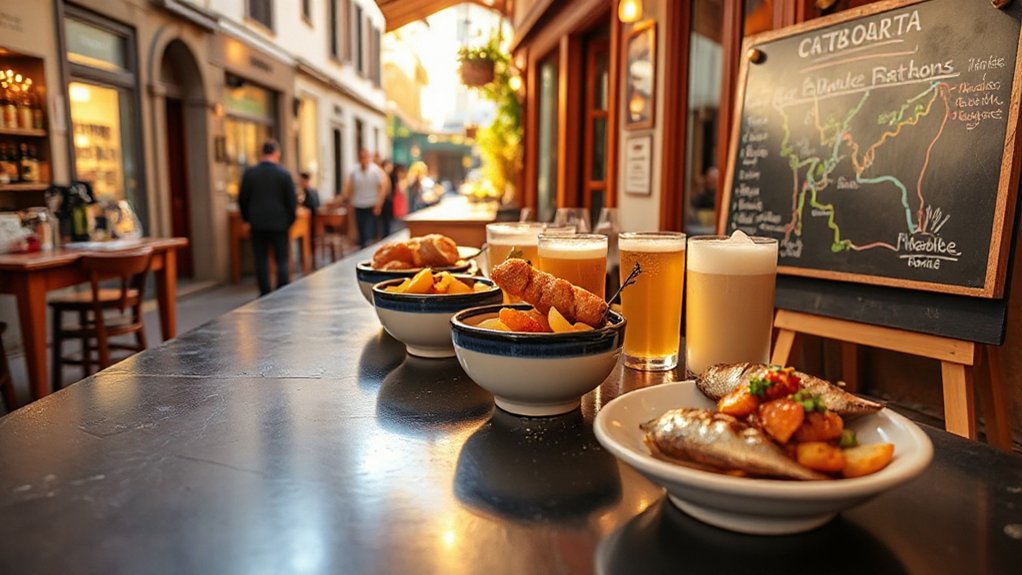
To design an effective tapas route, you map timing, pacing, and sequencing around real-world constraints: kitchen capacity, seasonal ingredients, and venue proximity. You balance Tapas presentation with practicality, ensuring each stop earns value without overtaxing kitchen staff or guests.
Begin with a tight sequence: preplan order to minimize backtracking, align dishes by shared ingredients, and favor venues with compatible service rhythms. Assess ingredient sourcing for freshness and cost, avoiding bottlenecks that stall pacing. Time slots should reflect kitchen pulse—avoid peak rushes and allow brief rests between rounds.
Use staggered bites to reveal contrasts, not redundancies. Record feedback on portion size, tempo, and clarity of flavors. A precise masterplan reduces waste, preserves quality, and creates a coherent narrative across Cantabria’s tapas circuit.
Reading the Room: Language, Service Vibe, and Local Etiquette
Navigate the room with a read of people first: the tone, pace, and cues tell you what the service needs to be. You’ll spot Cultural nuances in how staff greet you, measured pauses, and subtle, professional distance. Listen for phrases that signal pace, and adjust your expectations of timing and ordering. Reading the room helps you gauge Dining etiquette—where to sit, how to signal, and when to tip, without overstepping.
- Doors open with a courtesy nod; responses mirror the room’s formality.
- Staff use concise Spanish, mixing warmth with efficiency.
- Small talk yields to brisk, practical exchanges about plates and timing.
- Observing others’ dining rhythms guides your own pace and choices.
Frequently Asked Questions
How Do Seasonal Changes Affect Tapas Authenticity in Cantabria?
Seasonal changes affect tapas authenticity by emphasizing seasonal ingredients and keeping traditions alive. You notice chefs rely on seasonal ingredients and traditional recipes, but subtle modern twists test discernment; you critique whether freshness or nostalgia drives authenticity more.
Which Off-The-Beaten-Path Neighborhoods Hide Best Tapas?
“Look before you leap,” you’ll discover offbeat Cantabrian pockets where locals whisper about best bites. You’ll savor local ingredient sourcing and traditional cooking techniques, dissecting neighborhoods, discerning tastes, and critiquing every tapás choice you encounter.
What Hidden Drinks Pair Best With Cantabrian Tapas?
You should pair Cantabrian tapas with local drink pairings like crisp albariño or txakoli, chasing the bold bites. You’ll evaluate craft beverage options, noting balance, aroma, and finish, guiding your tasting with discernment and precise critiques.
How Do Festival Days Influence Tapas Menus and Prices?
Festival days nudge menus upward, subtly edging prices, yet you’ll notice deft local ingredient sourcing and traditional cooking techniques shaping portions. You discern value, critique offerings, and pay closer attention to how celebrations influence tapas quality and variety.
Can Vegetarian Cantabrian Tapas Capture the Region’s Essence?
Vegetarian Cantabrian tapas can capture the region’s essence if chefs prioritize regional flavors, balancing seasonal vegetables with traditional techniques. You’ll notice nuance in textures and clarity, proving vegetarian options can reflect Cantabria’s culinary identity with discernment and precision.
Conclusion
In Cantabria, tapas are a map, and you’re the traveler who forgets to look up from the plate. Like a lighthouse guiding a ship, authenticity shines where locals linger, not where menus shout. Trust the quiet tavern over glossy bars; your palate will adjudicate the rest. Seek the grain of the cider, the salt of bacalao, the sea’s breath in every bite. If you leave satisfied, you’ve read the coast correctly, not merely followed a route.