
Madrid’s metro and bus network is fast, integrated, and easy to navigate. You’ll find frequent services on core lines, with a single fare framework across modes and clear color-coded maps that simplify transfers. Read timetables, use official apps for real-time updates, and consider line frequencies and start/end times—not just distance. Choose passes by your stay and zones, and start day trips from Sol or Ópera to minimize backtracking. More practical tips await if you keep exploring.
Key Takeaways
- Madrid’s network combines Metro, buses, light rail, and suburban lines under a unified fare and timetable system for seamless transfers.
- Read maps by color and zone, and use real-time updates from official apps or boards to plan connections.
- Choose passes based on usage: single, 10-trip, tourist passes, or reduced-fare options like T-Usual.
- Start day trips at core hubs (Sol, Ópera) and use Lines 1–3 and reliable bus corridors to minimize backtracking.
- Use off-peak hub tap-ins, prioritize step-free routes, and verify timetables for faster, smoother travel.
Madrid Transit System at a Glance
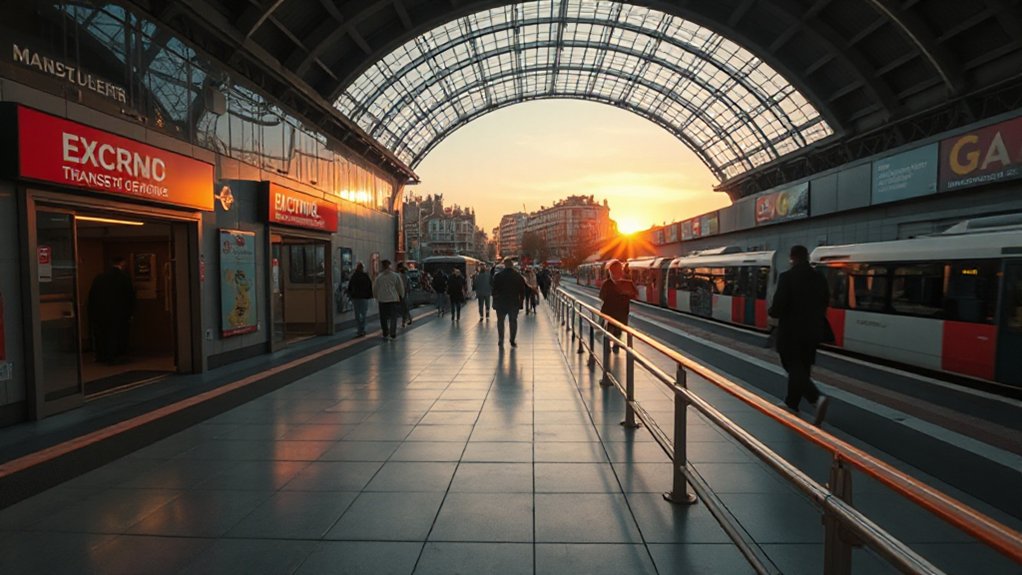
Madrid’s transit network is a practical backbone for getting around the city: the Metro and buses cover dense urban areas quickly, while the light rail and suburban lines extend reach beyond core neighborhoods.
You’ll notice a dense, predictable pattern: frequent services, high-frequency corridors, and coordinated transfers that minimize wait times. Over decades, Madrid transit history shaped a unified system, merging regional lines into a single fare and timetable framework.
Local transit regulations emphasize safety, accessibility, and ticketing parity across modes, smoothing rider experiences. You gain clarity from real-world operations: on-time performance bets are strongest on peak-hour mainlines, while feeder paths handle last-mile needs with gradual service improvements.
With data-informed planning, you navigate zoning, ticket zones, and peak surcharges efficiently.
Read Madrid Metro Maps and Timetables
Reading Madrid metro maps and timetables is your fastest route to efficient travel. You’ll notice how maps cluster lines by color and zone, making transfers more predictable during peak hours. Check a station’s timetables to gauge wait times and plan back-to-back connections without rushing.
For real-time updates, use the official app or digital boards at key nodes; service changes often ripple through nearby lines, so a quick detour can save minutes. When you compare routes, consider line frequencies and start/end times, not just distance.
Metro station architecture varies from airy, glass-light halls to compact, utilitarian concourses; tucked stairways can hide accessibility gaps, so verify elevator availability.
For bus route planning, cross-check nearby stops and pedestrian access to avoid delays.
Madrid Transit Passes: Which One to Buy
Choosing the right Madrid transit pass depends on how often you ride, where you’ll stay, and how long you’ll visit. You’ll compare options based on price, coverage, and convenience, then pick what fits your rhythm.
1) Single-journey tickets for occasional trips
2) 10-trip passes for moderate use
3) Tourist passes with flat-rate days
4) T-Usual or other reduced-fare passes for longer stays
Madrid ticket options balance cost and flexibility, so tally routes, zones, and durations before buying.
Transit pass comparisons show that central stays often prefer day-pass or 2–3 day options, while longer trips benefit from multi-day or monthly passes.
Consider whether you’ll ride buses, Metro, or both, and if you’ll travel beyond central zones.
Pick a pass that minimizes transfers and maxes out savings on your Madrid adventures.
Plan Efficient Day Trips by Metro and Bus
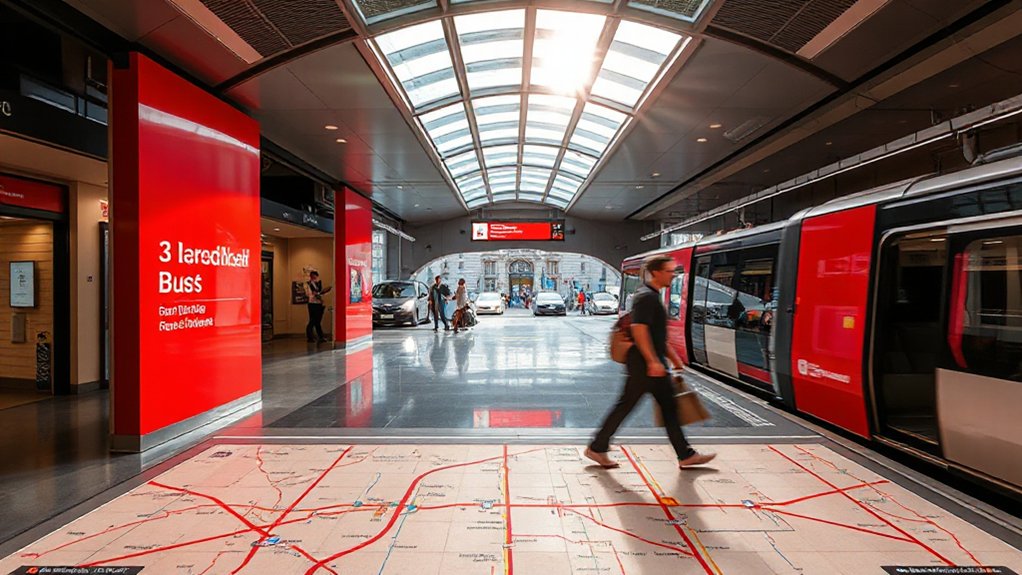
Plan efficient day trips by prioritizing dense, high-reward routes—start with a core hub like Sol or Ópera, then loop outward on Metro lines 1, 2, or 3 and reliable bus corridors to minimize backtracking. You map a tight core: walkable historic blocks, short rides, and timed connections.
Target morning arrivals at museums or markets near a hub, then hop to neighboring districts before lunch. Use Line 1 for Centro-to-Chamberí links, Line 2 for Chamartín-adjacent pockets, and Line 3 for Gran Via-to-Lujo corridors, supplementing with buses on arterials to shave minutes.
Local dining tips cluster near stations, so you snack without detours. Seek Hidden sightseeing spots along quieter routes, like plazas and arcades, to maximize efficiency without sacrificing discovery.
Time-Saving Hacks for Madrid Transit
Smart planning saves minutes on Madrid’s transit. You’ll move faster by using real-time updates and smartly spaced transfers, avoiding bottlenecks at peak times. Here are practical hacks:
- Use contactless or MetroCard with quick ticket validation to speed entry.
- Plan routes via accessibility features—prioritize lines with step-free access and elevator availability.
- Tap in at major hubs during off-peak windows to minimize crowd wait times.
- Validate tickets at barriers only when required, and keep a spare validation receipt for disputes.
A few notes: accessibility features help you navigate stairs and platforms without delays, and ticket validation is vital to guarantee your trip isn’t paused at gates.
Stay flexible, verify the latest timetables, and streamlines your ride.
Frequently Asked Questions
How Frequently Do Late-Night Buses Operate on Weekends?
Night buses on weekends run roughly every 30 minutes after 11pm, with later frequency around midnight. You’ll notice weekend transit frequency tapers to about hourly before service ends, so check real-time updates for delays and last-night departures.
Are There Gender-Specific Seating Policies on Madrid Transit?
There aren’t formal gender-specific seating policies on Madrid transit; any seats aren’t reserved by gender. You’ll observe general transit etiquette: give priority to disabled and elderly, avoid blocking doors, and shoulder check for belongings.
Can I Use Contactless Payment on Older Metro Cards?
Yes, you can: contactless compatibility exists, but older metro cards may require upgradable options. You’ll likely need an old card upgrade or a new pass, with quick verification at turnstiles and occasional reactivation following system updates.
Where Can I Find Real-Time Crowding Updates for Lines?
You can check real-time crowding updates on passenger information displays and apps. Crowd density indicators reflect current platform and train load, helping you adjust timing, avoid queues, and plan routes with up-to-the-minute, data-driven traveler insights.
Do Transit Passes Cover Regional Trains Beyond Madrid?
You’ll find that transit passes don’t cover regional trains beyond Madrid, so check regional train connectivity options separately. Your transit pass limitations mean you’d need separate tickets for longer regional routes and commuter services.
Conclusion
You’ll glide through Madrid’s transit like a superhero in sneakers, shortcuts foil every obstacle, and maps practically sing to you. You’ll juggle lines, timetables, and passes so smoothly that a subway car could applaud your efficiency. Delays shrink to mere hums, stations open like treasure chests, and buses whisper precise departures. With data as your compass and street smarts as your fuel, you’ll travel farther, faster, and smarter than you ever thought possible. Your Madrid odyssey becomes miracle-grade uptime.