
The Valencian Community greets you with timeless charm: whitewashed pueblos, hilltop castles, terraced vineyards, and sunlit coastlines where markets overflow with citrus and olives. Start in Valencia’s historic core, wander the Old Town, and ride dawn at Albufera Lagoon for birds and paella authenticity. Then explore Alicante’s castle vantage points and seafront arches, savor olive oil and wine along rural trails, and sample tapas in bustling markets. Stick around for hidden corners and local flavors that await your next move.
Key Takeaways
- Valencia’s historic center highlights: Plaça de la Reina, cathedral spires, sunlit courtyards, and medieval streets blending history with daily life.
- Alicante’s top fortress: Santa Barbara Castle with walls, watchtowers, and panoramic city and sea views.
- Albufera Lagoon: dawn boat rides, reed beds, and birdwatching in a pristine wetland ecosystem.
- Costa Blanca coastline: varied beaches from long sands to secluded coves, ideal for snorkeling and scenic walks.
- Whitewashed inland villages and wine/olive trails: terraced scenery, local tastings, and traditional village charm.
Why the Valencian Community Feels Timeless
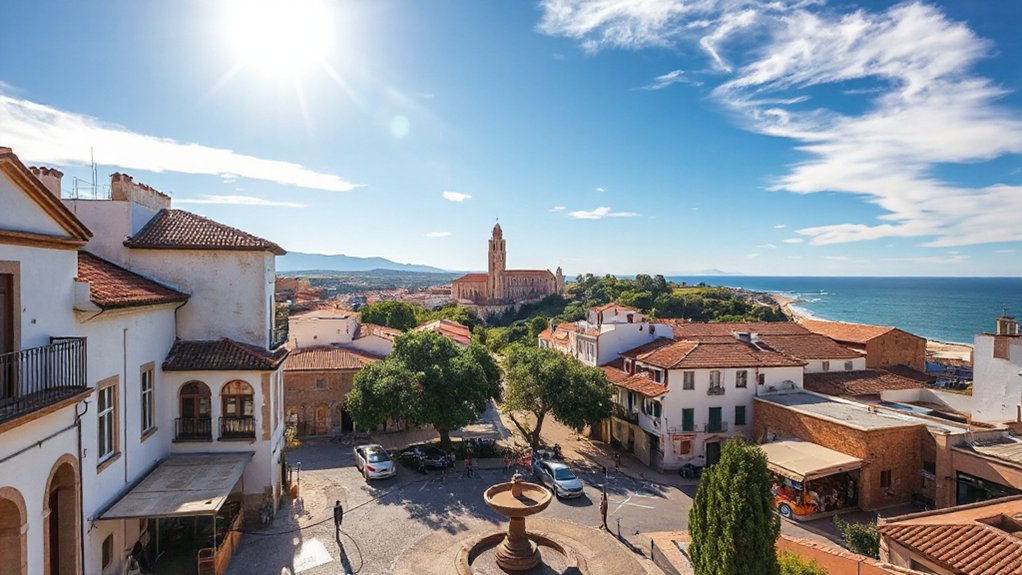
The Valencian Community feels timeless because its landscapes, languages, and traditions intertwine in a way you can sense in an instant. You’ll notice it in the rhythm of daily life, where markets spill with citrus, olives, and sweets, and conversations flow in Valenciano and Spanish.
The timeless charm sits in stone: whitewashed pueblos, hilltop castles, and terraced vineyards that prune themselves into memory. You don’t chase history here—you stand inside it, listening to bells, tasting horchata, and watching a craftsman forge ceramics.
Cultural heritage isn’t relics on shelves; it’s living, folding into you as you stroll along a seaside promenade or through a medieval alley. Travel light, follow locals, and let the land’s quiet reverence guide your steps.
A 7-Day Valencia–Alicante Itinerary You Can Actually Do
Pack your bags for a focused 7 days that threads Valencia and Alicante into a well-paced, memorable route. You’ll begin Valencia with a morning stroll along the Turia Gardens, then ride the metro to the City of Arts and Sciences for efficient, awe-inspiring visuals.
Allocate afternoons to museums or a beach break, and save evenings for Valencia nightlife—venturing into tapas bars and riverside lounges after sunset.
Day four shifts to Alicante, where you swap the coast’s calm for buzzing streets and a harbor vibe.
Pace includes two full-day trips to nearby towns, plus a half-day to shop and snack.
On day six, coast along Explanada de España, then end with Alicante shopping for local crafts and fashion before your final night.
Valencia Old Town: The Historic Heart of the City
Nestled at the city’s core, Valencia Old Town invites you to wander narrow lanes where centuries collide in color and sound. You’ll notice Medieval architecture framing every square, from sunlit courtyards to shadowed arches, and you’ll feel history breathe with each step.
Begin at the central Plaça de la Reina, then follow narrow alleys toward the Cathedral’s spires, where bells punctuate your stroll. Pause at restored courtyards that open onto busy markets, and sip tap water from century-old fountains to beat the heat.
Wear comfortable shoes; streets are paved with stone and crumble into unexpected steps. Map in hand, you’ll glimpse hidden details: ceramic tiles, wrought-iron balconies, and the quiet rhythm of daily life in the historic heart.
Albufera Lagoon: Sunrise Boats and Local Rice Dishes
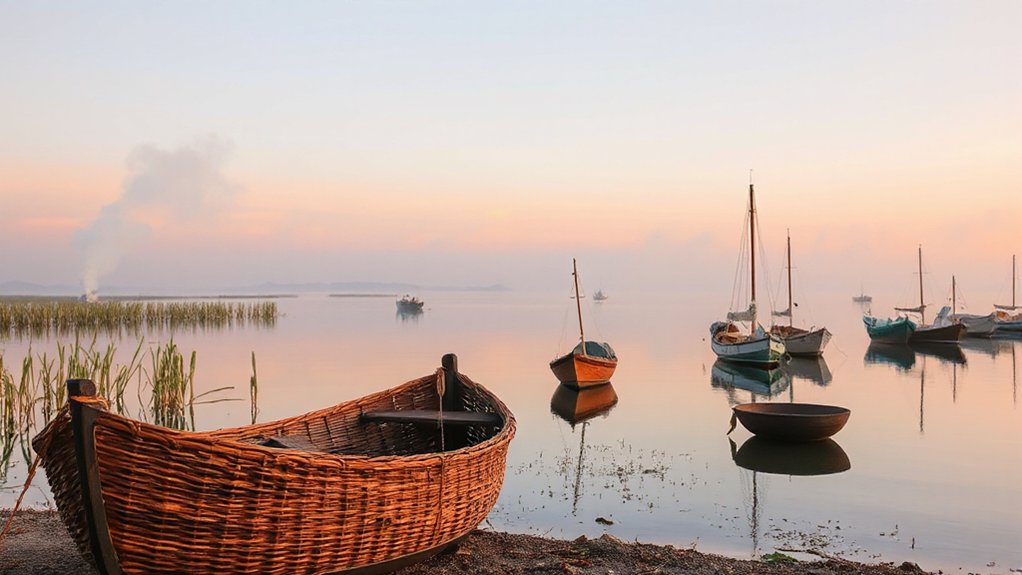
As dawn breaks over the Albufera Lagoon, you’ll glide along glassy water aboard a traditional boat, watching reeds shiver with pelicans and the horizon glow pink. You’ll notice the soft hush of the reeds as the day wakes, an ideal moment for first light reflections on the water.
After the ride, sample local rice dishes—paella and arroz al Caldero—at riverside chiringuitos, where cooks emphasize saffron, seafood, and seasonal vegetables.
For birdwatching spots, arrive early to spot herons and flamingos along the reed beds, with guides sharing quiet, practical routes.
Plan your visit with boat rental tips—confirm capacity, wind direction, and return times to avoid delays. Bring sun protection and water, and respect the lagoon’s delicate ecosystem.
Alicante’s Castles and Seafront Promenades
You’ll start at Castle Fortifications, tracing wind-swept walls that tell of centuries of defense and offer sweeping city views.
Then stroll the Seafront Promenade, where palm shadows and waves pair with cafés and viewpoints for your photo highlights.
From the hilltop vistas, you’ll map out how Alicante’s layers—from ancient watchtowers to modern harbors—fit together in one unforgettable panorama.
Castle Fortifications Overview
From the cliffs above the Costa Blanca, Alicante’s castles rise as practical fortifications with panoramic payoff: impressive walls, watchtowers, and gatehouses that once controlled maritime routes and inland access.
You’ll notice medieval architecture expressed in sturdy stone, narrow embrasures, and compact keeps designed for defense. The layout emphasizes defensive strategies: zigzag stairways, arrow slits, and curtain walls that withstand siege pressure while keeping sightlines across shore and countryside.
Interpretive paths reveal watchtowers offering landmark views, yet remain grounded in military function rather than whimsy. You’ll find informative plaques situating each bastion within its era, allowing you to compare construction eras and tactics.
For efficient planning, cluster visits by site elevation and access routes, avoiding peak heat while soaking in evidence of historical ingenuity.
Seafront Promenade Highlights
Gently unfolding along Alicante’s shoreline, the seafront promenade pairs sea-salt air with panoramic castle views, inviting you to stroll between historic bastions and modern cafes. You’ll notice coastal architecture that blends limestone arches, glass fronts, and palm-lined walkways, all guiding your eye toward the sea.
Practical path tips: walk early for gentle light, bring a hat, and follow the blue plaques for quick history bites.
- Coastal architecture highlights you can’t miss
- Easy access routes from the old town to the marina
- Best sunset viewpoints with cafe stops nearby
Alicante Hilltop Vistas
Alicante’s hilltop vistas unfold a dramatic dialogue between ancient walls and sweeping seascapes, where castles crown the skyline and the promenade curves along the shoreline below.
You’ll stand atop Santa Bárbara Castle for medieval architecture that still hums with history, then descend toward Castell de San Fernando for a quieter alternative and a different angle on the bay.
For panoramic viewpoints, the Explanada de España provides a mosaic foreground to sea spray and squint-worthy horizons.
Bring a light jacket; coastal gusts sharpen at dusk.
Parking is easiest near the marina, and walking routes are well signposted.
Time your visit around sunset to maximize color, and don’t miss the glimpses from Mirador de la Sierra Grossa.
Practical, scenic, and concise.
Santa Barbara Castle: A Cliff-Top Perspective
From the cliff-top views to the fortress’s sturdy walls, you’ll first notice the sweeping Cliff-Top Vistas Overview that frame Alicante’s coast.
Move through Fortified Walls And Tunnels to imagine the old defenses, then consider the History Of Santa Barbara Castle as you trace its chapters from medieval watchtower to modern landmark.
This perspective invites you to picture the layers of stone, wind, and time shaping a site that’s both panoramic and deeply rooted.
Cliff-Top Vistas Overview
Perched high above the city, Santa Barbara Castle offers a cliff-top panorama that immediately puts you in the thick of Valencia’s coastal drama. From here, you’ll feel the salt air braid with history as you scan the horizon, where coastal cliffs frame the sparkling bay and town roofs slip beneath the horizon.
You’ll notice how the vantage intensifies every detail—stonework, wind, and distant fishing boats—making the panoramic views feel almost tactile.
- Breathe in the sea spray and map your next scenic walk
- Note the edge-of-town silhouettes that sharpen your sense of place
- Plan a brief stop to absorb the horizon without rushing
Practical tip: arrive early to beat crowds and capture cleaner angles.
Fortified Walls And Tunnels
The castle’s fortified walls loom as you step onto the cliff, a stout barrier of limestone and time that whispers of sieges and steadfast defense. You’ll notice medieval architecture’s crisp angles, designed to absorb impact and channel defenders to vantage points.
The terraces unfold like stair steps, revealing practical routes along parapets and gun ports. Climb cautiously to the north wing, where a boardwalk guides you above steep drops and offers panoramas of the valley below.
Beneath, the underground tunnels weave a discreet, functional network—cool, dry, and utilitarian—used for storage, communication, and retreat during blockades.
Pay attention to preservation signs; stay on marked paths and respect fragile stonework. Bring water, wear sturdy shoes, and absorb the castle’s purposeful layout without losing sight of the cliff-top perspective.
History Of Santa Barbara Castle
Santa Barbara Castle rises from the cliff edge with a history as steep as the walls surrounding it. You’ll trace layers from a medieval fortress site to a maritime stronghold, where successive rulers rebuilt and repurposed.
Its rugged walls reveal castle architecture adapted to siege and view, with battlements that once framed alerts and artillery. You’ll notice how urban growth shaped its purpose, from watchtower to ceremonial fortress, while the surrounding town pressed up against the rock.
Today, guided paths illuminate centuries of defense, governance, and daily life. Explore preserved towers, cisterns, and gun emplacements that echo strategic design.
- Strategic vantage points and defensive design
- Layered fortification timeline and key phases
- Practical tips for visiting and interpreting medieval fortresses
Costa Blanca Beaches Not to Miss
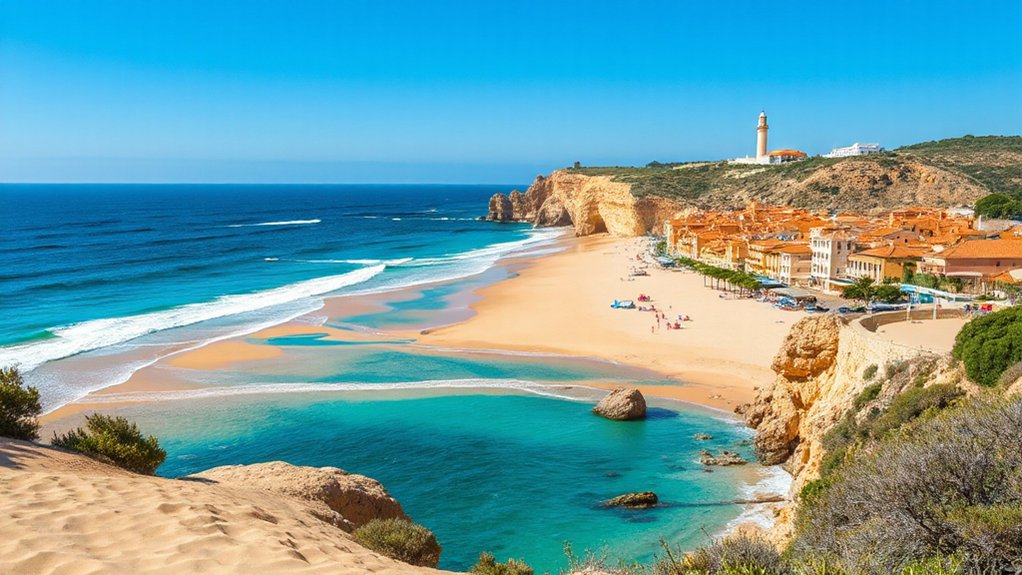
Costa Blanca’s beaches are a study in sun-soaked variety, from rolling dunes to crystal-clear coves, and you’ll want to plan a few standout stops to make the most of your slice of the coast. You’ll find stretchable sands at Playa del Postiguet, yet quieter coves like Cala Moraig offer rugged scenery and calm waters.
For practical planning, aim for early mornings to dodge crowds and always verify wind and tide if you’re into sailing or SUP. Beach activities range from snorkeling along rocky outcrops to long, reflective strolls.
Look for marked trails nearby to glimpse coastal wildlife without disturbing habitats. Pack sunscreen, a hat, and a lightweight jacket for breezier evenings by the sea.
Whitewashed Villages of the Valencian Interior
Nestled inland, the whitewashed villages of the Valencian interior glow under sunlit skies, their facades brightening narrow lanes and terraced stairways. You’ll feel the inland charm as you wander whitewashed alleys, occasional blue shutters, and simple plazas that invite a pause.
The countryside around these towns rewards you with hiking paths, gentle bends in stone stairways, and views that frame distant hills. Sit at a cafe, sample a local pastry, and note how the air carries citrus and pine.
Practical tips: arrive early, wear sturdy shoes, and respect quiet morning hours.
- Whitewashed villages aesthetic and practical charm
- Best viewpoints and easy trails nearby
- Local cafés for snacks and shade breaks
Olives, Wine, and Olive Oil Trails Across the Region
From the inland charm of whitewashed lanes, you can pivot smoothly into the region’s tastier lanes: olives, wine, and olive oil trails that map the Valencian heartland.
You’ll wander olive groves hugging hillsides, where trees glitter with fruit and occasional ancient millstones mark the stops. Set your pace by local signs pointing to wine estates and olive oil mills, many open for tastings by appointment.
In the harvest season, you’ll hear the clink of bottles and the rustle of grapevines; otherwise, you’ll sample micro-batch oils and crisp whites at cellar doors.
Pack a lightweight tote for purchases, and bring a camera for sunlit rows.
Practical tip: combine a morning vineyard tour with an afternoon olive oil pairing—seasonal, direct, memorable.
Gastronomy Trails: Paella, Tapas, and Local Specialties
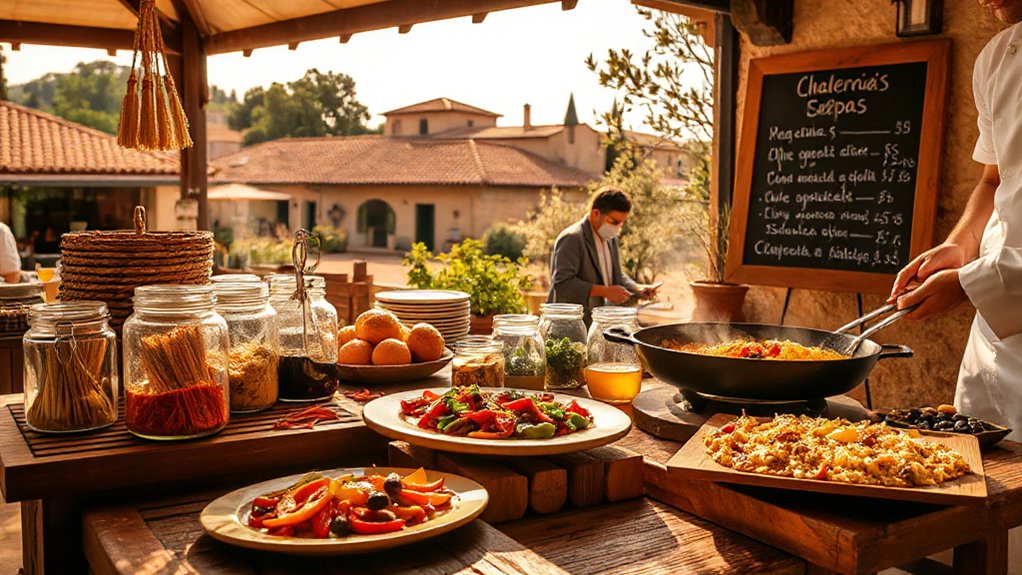
Ready to map your taste journey through Valencia? You’ll uncover Paella Traditions Revealed in the clay pot glow, Tapas Pairing Essentials with bite-sized matches, and a Local Specialties Spotlight that flags regional gems you won’t want to miss.
Pack a smart route, ask for fresh ingredients at market stalls, and savor each bite as a story of place.
Paella Traditions Revealed
But the real heart of Valencian paella beats in the traditions that shape every simmer and social bite: from the choice of rice to the fire you’ll cook over and the regional twists that give each pan its own signature. You’ll taste how socarrat—the crisp bottom—adds depth, and you’ll hear locals debate the ideal saffron hue.
Paella origins lie in family rituals, not just recipes, so you’ll join gatherings that fuse harvests, markets, and memory. Valencian festivals punctuate the year, turning kitchens into stages where fire and friendship mingle.
- Rice types and their tech: bomba or calasparra, measured simmer, gentle stirring
- Fire dynamics: wood heat, wide pan, even distribution
- Regional twists: chicken, rabbit, and green beans with traditional saffron
Tapas Pairing Essentials
Tapas pairing is an art of balance, not bravado: a good match enhances the bite of a dish without overpowering it, so you’ll learn to read the plate as you sip.
In the Valencian scene, you’ll notice bright olive oils, crunchy croquetas, and citrusy allioli begging for careful restraint. Your guide is contrast: tannins against fried textures, acidity to lift rich seafood, and herbs that sing when matched with light white wines.
Practice simple rules: keep a palate of fresh, local wines, serve lighter tapas before heavier ones, and don’t rush.
Wine pairing matters, yet tapas culture thrives on shared plates, quick conversations, and a sense of place that heightens every bite. Taste deliberately, and let the flavors tell you where to go next.
Local Specialties Spotlight
Along the Valencian coast and inland towns alike, local specialties tell a story of place, season, and craft you can taste. You’ll chase flavors along markets, where local markets pulse with color, aroma, and honest produce.
Paella starts with saffron and short-grain rice, but the soul sits in ingredients sourced from nearby fields and sea. Tapas invite you to compare textures, from smoky peppers to tender beans, all tied to traditional crafts and family recipes.
Plan a day visiting workshops where artisans reveal their methods, then linger over a tasting that connects market freshness to home cooks.
- Local markets as your guide to seasonal finds
- Traditional crafts shaping flavors and presentation
- Hands-on tastings that connect culture to plate
Valencia’s Art Scene, Museums, and Literary Corners
Valencia’s art scene thrives at a compact pace: you’ll find cutting-edge galleries tucked beside centuries-old cloisters, with modernist architecture framing immersive installations and street-art tours that reveal the city’s pulse.
You wander through contemporary murals splashing color along quiet lanes, then step into art galleries that balance daring experiments with refined curation.
The City of Arts and Sciences anchors the modern aesthetic, while hidden courtyards host intimate collectives and readings.
Museums unfold narrative arcs—from timeless sculpture to multimedia retrospectives—that connect Valencian history with today’s voices.
Literary corners crown the experience: bookshops and cafés shape conversations between visitors and writers.
Bring sneakers, a curiosity for detail, and a map; the scene rewards slow, intentional wandering.
Planning Your Valencian Route: Best Time to Visit and Practical Tips
After soaking in Valencia’s art-scape and intimate literary corners, you’ll want a plan that lets you taste the city without rushing it. Planning your Valencian route means syncing highlights with seasonal weather and smart travel logistics, so you maximize each stop without fatigue.
- Choose shoulder-season dates to dodge crowds, enjoy milder temps, and save on accommodations.
- Map efficient transit: trains for coast trips, buses for inland towns, and timed museum slots.
- Pack smart: breathable layers, universal adapters, and a compact guide for quick decisions.
A focused itinerary keeps travel logistics simple, while flexible blocks let you linger in a plaza, sample horchata, or wander a hidden alley.
Budget a spillover day for spontaneous discoveries.
Frequently Asked Questions
When Is the Best Time to Visit the Valencian Community?
The best time is spring or early autumn, when crowds thin and weather is mild. Consider weather considerations like sunscreen, light rain gear, and ample sunshine, so you can enjoy outdoor sights and comfortable temperatures throughout your Valencian adventure.
Which Towns Offer the Most Photogenic Viewpoints?
Bang for your buck, you’ll find the towns with the best photogenic views: scenic mountain vistas and charming coastal villages. You’ll want Javea, Guadalest, Morella, and Peñíscola for sweeping, camera-ready scenery and practical photo spots.
How to Travel Between Valencia and Alicante Efficiently?
To travel between Valencia and Alicante efficiently, consider train or coach options. You’ll enjoy fast, reliable transport options, with frequent departures. Travel tips: book early, check live schedules, and bring snacks for the journey.
What Are the Must-Try Local Dishes Beyond Paella?
Like a treasure map, you’ll savor must-try local dishes beyond paella, tasting local tapas and traditional desserts that define Valencia’s flavors. You’ll explore vibrant markets, ask servers for recommendations, and pair bites with regional wines and olive oil.
Are There Budget-Friendly Day Trips From Valencia or Alicante?
Yes—budget travel is easy with day trips from Valencia or Alicante. You’ll save using local transportation, pack snacks, and prioritize nearby towns. Plan well, book early, and you’ll enjoy affordable, vivid experiences without breaking the bank.
Conclusion
In short, you can taste time here—the Valencian Community feels timeless because every mile pairs landscape with story. Plan a week, savor paella where it originated, ride sunrise over Albufera, and wander castle-adorned promenades at dusk. Pro tip: Valencia’s annual festival draws millions, but even a weekday stroll reveals intimate charm. Remarkably, about 60% of riverine El Pinedo’s wetlands remain pristine, a demonstration of mindful travel. Pack light, map smart, and let the region’s flavors guide you.