
The most authentic villages to visit in Mallorca invite you to slow down and listen to the everyday rhythms: market mornings in Sóller, whitewashed lanes and carthusas around Valldemossa, Sineu’s dawn chatter, and Alcúdia’s medieval walls framing simple, flavor-packed bites. Wander terraces, baker’s talks, and crafts studios where almond pastries, sobrassada bites, and herb stews taste of tradition. Walkways whisper stories, then let quiet plazas guide you to friendly corners; you’ll sense the island’s heartbeat—and want more.
Key Takeaways
- Sóller Valley rewards slow exploration with markets, orange groves, and almond horchata-lit cafés, revealing authentic village life.
- Valldemossa and nearby hamlets offer whitewashed lanes, cartuja visits, and craft studios shaping genuine local culture.
- Sineu’s dawn market showcases traditional trading, local bites, and intimate exchanges that embody Mallorca’s daily rhythms.
- Alcúdia and Pollença pair medieval charm with coastal views, markets, and regional dishes for a holistic authentic experience.
- Esporles and the Esporles–Bunyola axis reveal mountain trails, traditional farms, and crafts that connect visitors to village heritage.
Your Mallorca Village Plan: How to Use This Guide
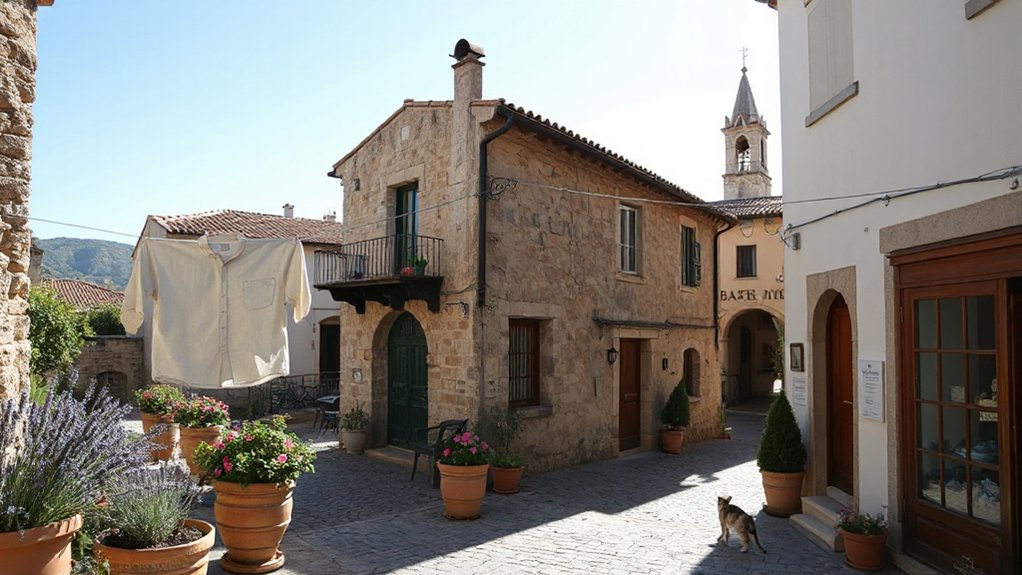
Your Mallorca Village Plan starts here: this guide is your map to authentic corners of the island, not a checklist you race through. You’ll navigate by locals’ rhythms, not visitor crowds, noticing how Local architecture threads through alleyways and squares, shaping every step.
Start with a village mindset: pause, listen, observe, and let doors and balconies tell their stories. Use this guide as a flexible route, not a fixed itinerary.
Seek traditional festivals to time your day, but don’t chase perfection; embrace imperfect moments—the market chatter, the salt breeze from the coast, a quiet hillside terrace at dusk.
Reserve room for discoveries, ask questions, and trust your own pace. Stick to curiosity, and Mallorca reveals its true character.
What Makes Mallorca’s Villages Authentic
Villages feel authentic where everyday life hums just beneath the surface—where narrow streets smell of citrus, laundry lines snap in a sea breeze, and a bakery clock chimes before the sun fully rises.
You sense it in the way locals swap neighborhood updates over coffee, then stroll to the market with practiced ease. Authenticity isn’t a postcard moment; it’s routines you can touch: a cook’s hand memorizing spice ratios, a square where children learn to greet elders, a family bakery proving dough at dawn.
Look for Traditional festivals that stitch communities together and Local legends carried in whispered stories at tavern counters. Travel with respect, linger where conversations unfold, and you’ll feel Mallorca’s heartbeat rather than its surface glitter.
Sóller Valley Essentials: Village Life, Markets, and Terraces
You’ll start your day wandering Sóller’s lively streets, where village life unfolds in open squares, coffee aromas, and friendly exchanges.
The Market Atmosphere Highlights tell you when to arrive for fresh fruit, local cheeses, and handmade crafts, with a rhythm you can feel in your bones.
From Terraces With Views, you’ll sip something cool or have a bite while overlooking orange groves and the valley below.
Village Life Essentials
Nestled in the palm-fringed valley, Sóller’s village life unfolds at a human pace: slow mornings drift past markets buzzing with locals bargaining for freshly picked oranges, sweet almonds, and crusty bread.
You’ll notice walls peppered with local art, a quiet reminder that culture sits beside commerce. As you wander, step into small cafés where conversations flow like cantucci, and the scent of citrus oils lingers from faded storefronts.
Plan around traditional festivals—they turn the town into a living postcard, with processions and music that invite you to participate, not just observe.
For practical guidance, arrive early, map the narrow lanes by foot, and sip almond horchata on shaded terraces to reset between sights.
Local life here rewards slow, intentional steps.
Market Atmosphere Highlights
The market hums with a sun-warm buzz, a living map of Sóller’s flavors where citrus tang meets roasted almonds and fresh bread crackle in the bag. You weave between stalls, eyeing sunlit oranges, honey jars, and cheeses that smell like meadow flowers.
Hear the vendor’s quick hello as you bargain for a kilo of olives, then swap tips about village architecture tucked along narrow lanes. Watch locals pace with purposeful ease, knowing which vendor tests bread by tapping its crust.
Pause for a moment, savor a pastry, and ask about local legends that thread through town squares. This is where practical tips meet heritage, guiding you to honest conversations and memories you’ll carry home.
Terraces With Views
From a terrace above Sóller’s terraced hills, you’ll drink in a postcard panorama that folds the valley into your coffee cup: orange groves stitched to the azure sky, the town’s white façades threading the hillside, and distant ferries gliding along the bay.
Here, terraces aren’t just views; they’re living rooms carved into stone. You’ll spot sun-soaked patios where Village architecture meets daily ritual, a chorus of crumbling plaster, tiled eaves, and warm stone gleams.
Seek out Local artisans who curate herbs, ceramics, and wrought-iron benches to elevate your perch. Bring a lightweight jacket for a windy crest and a camera for the far-off yachts.
Sip, observe, and let the landscape teach you how silence tightens a village’s memories.
Valldemossa and Nearby Hamlets: Medieval Lanes With Tomorrow’s Views
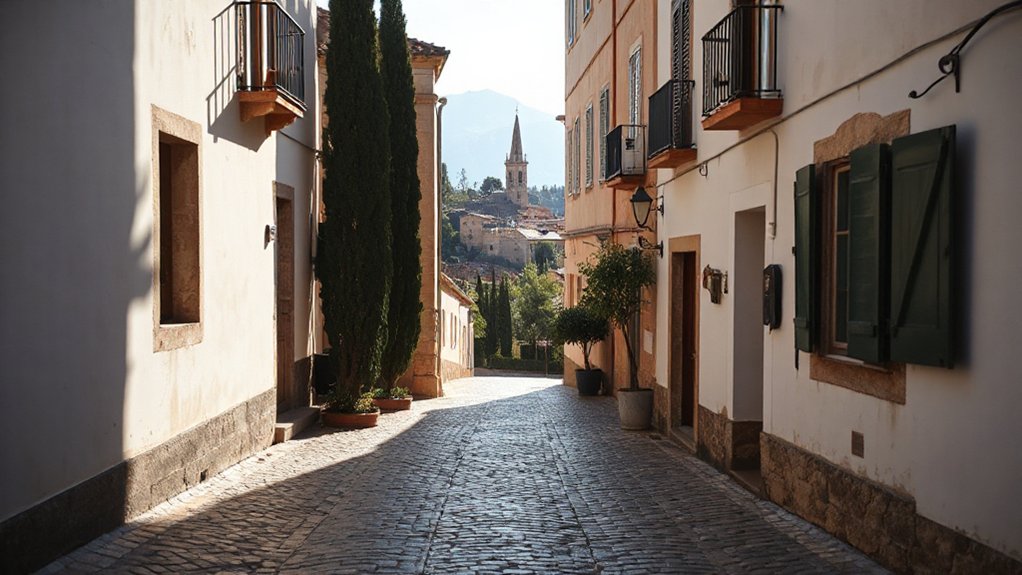
Valldemossa feels like stepping into a carved pocket of Mallorca, where narrow lanes braid past whitewashed facades and olive trees whisper from stone courtyards. You wander with purpose, noticing tomorrow’s views unfolding behind each corner, and you feel history hum in your steps. Here’s how to make the most of it:
1) Follow the stone paths to the cartuja’s shade, then sip local cafe con leche while watching balconies bloom.
2) Peek into craftsman studios; you’ll glimpse traditional festivals motifs and perhaps buy a hand-painted tile.
3) Taste the local cuisine—almond pastries, sobrassada bites, and herb-forward stews that warm the evening air.
These lanes teach patience, and the vistas promise tomorrow’s possibilities.
Sineu’s Market Heartbeat: Morning Rituals and Local Flavors
As dawn breaks, you feel Sineu wake with a rhythmic chant of vendors packing stalls and early chatter shaping the square.
Follow the morning market rhythm, sip strong coffee, and let the scent of fresh pastries guide your stroll toward bright stalls and local bites.
The flavors reveal themselves in quick bites and honest conversations, a practical map to the heart of this village.
Morning Market Rhythm
The morning market in Sineu wakes like clockwork, a pulse you can feel in the chatter, the clatter of crates, and the scent of oranges warm from the sun. You move with purpose, coffee in hand, eyes peeled for fresh produce and honest trades. Local guidance keeps you ahead: watch for lines at dawn, greet vendors, and squeeze citrus for aroma.
Here’s the rhythm you’ll follow:
- Arrive early to catch the best Auswahl and rare finds
- Sample local cuisine bites between stalls, then barter with respect
- Linger by a crafts stall to ask about origins of each piece
Also, notice the hum around harvests and handmade goods—artisan crafts mingle with daily life, shaping the market’s heartbeat.
Local Flavors Unveiled
Sineu’s market isn’t just a place to buy oranges; it’s where flavor speaks in first-hand notes of sun-warmed fruit, smoked paprika, and crisp almond pastries. As you wander, you’ll notice how Cultural festivals flavor the air, turning stalls into tiny stages of tradition.
You’ll sample herb-scented cheeses, snap off a bite of sobrasada, and chase the sweet tang of melons with cool agua. The morning rush reveals Local architecture in stall canopies and stone walls that cradle age-old recipes.
Walk between lanes, greet vendors, and ask for yesterday’s special. Listen for the bargaining rhythm, then carry a bagful of tastes back to your village stroll, letting the flavors anchor your Mallorca memory.
Taste of the Plains: Traditional Mallorcan Dishes in Village Taverns
Tucked into sun-worn plazas and narrow lanes, village taverns offer a front-row seat to Mallorcan life, where the taste of the plains comes alive in simple, soulful dishes.
You’ll savor staples that echo centuries of farming ordeals and seasonal rhythms, served with warm Mallorca hospitality. Here’s what to seek:
- Poached sobrassada on rustic bread with honey drizzle
- Grilled lamb with garlic, herbs, and a splash of local wine
- Es Ca Ca, a hearty barley stew finished with soft cheese
In between bites, notice local crafts on the walls and join in a traditional festival cheer if timing allows. Ask for the chef’s notes, and you’ll hear stories that connect food to land, family, and enduring village life.
Alcúdia and Pollença: Coast and Inland Village Ties
Nestled between sea spray and shaded olive groves, Alcúdia and Pollença reveal Mallorca’s coast-and-inland tapestry in one sweep. You’ll feel the pull of windward coves and quiet lanes that wind inland to whitewashed squares.
In Alcúdia, wander the medieval walls, then bite into local cuisine like sobrassada-topped flatbreads or fresh octopus, paired with a chilled agua de Valencia at a harbortable.
Cross to Pollença for a jagged coastline and a climb up to the Calvary steps, rewarded by panoramic island views. Stay for traditional festivals that stitch community to place—processions, regional music, and firelit evenings.
Between markets, sip coffee beside plaster-pale houses, and map a easy day: beach, village, sunset, repeat.
Binissalem’s Wine Route: a Village Day Among Vines
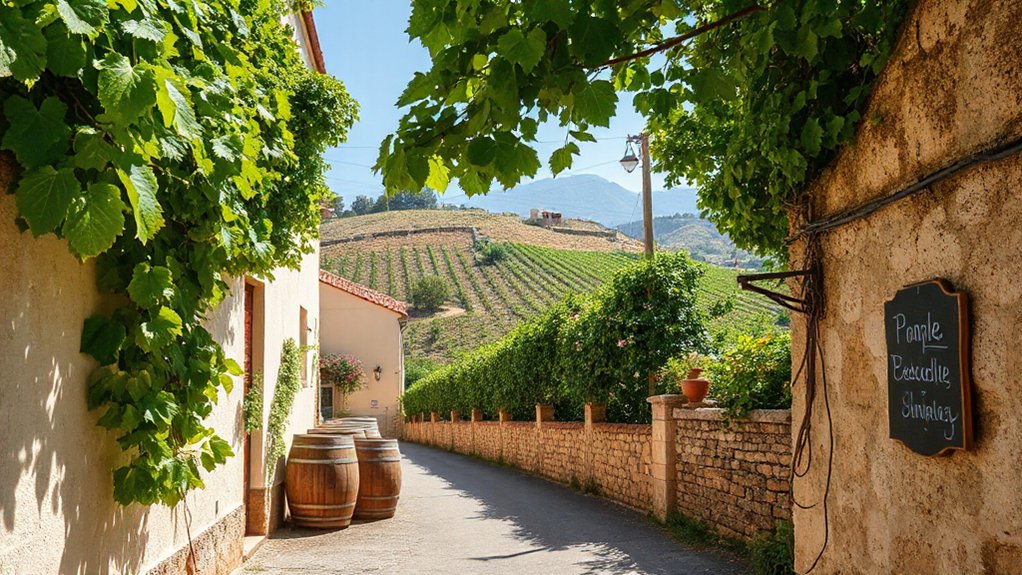
Binissalem’s wine route unfolds like a slow, flavorful passport stamp: you roll through the village lanes, then slip into vineyards that roll to the horizon, picking up aroma as you go. You’ll taste century-old grapes and chat with growers who remember every harvest. Let the days feel shorter and the flavors longer.
- Wine tasting at a family winery, where you compare vintages while the caretaker shares a shortcut to the best sunset view.
- Vineyard tours that stay intimate—pedal or stroll among rows, learn why slate soil matters, and spot the ancient presses.
- Local lunches paired with a light white or robust red, so you depart with a full palate and a fuller memory.
Wine tasting, Vineyard tours.
Esporles and the Esporles–Bunyola Axis: Mountains, Farms, and Quiet Streets
As you wander Esporles and stitch together the Esporles–Bunyola axis, the mountains rise around you and paths reveal themselves like quiet secrets.
You’ll meet farms tucked along terraces, where fresh produce and old know-how drift in the air with every breeze, and the streets stay calm enough to hear your own footsteps.
Keep the map loose and your pace steady—this is where local life unfolds on foot, one simple moment at a time.
Mountainous Trails and Pathways
If you want to feel Mallorca rise beneath your feet, start with Esporles, where mountainous trails thread between cork oaks, old stone farms, and quiet lanes that locals treat as a secret.
You’ll move along switchbacks that reveal Alpine scenery at dawn and mountain flora brushing your ankles. The rhythm is deliberate, not rushed, so you notice the clockwork of terraces and stone markers guiding your steps.
- Follow the Esporles–Bunyola axis path, staying on nature’s map rather than the map on your phone.
- Pause at lookout points for a whisper of wind and a swath of pine-scented air.
- Return by a softer descent through cork groves, where birdsong stamps the moment into memory.
Farms, Quiet Streets, Local Life
Farms still shape Esporles as gently as the hills themselves, with terraced fields clinging to the slopes and old stone houses keepered by vines and tools left out to remind you of daily life here. You’ll wander narrow lanes where livestock hooves once echoed and farmers chat under shaded doors.
In spring, tractors slow, and local festivals spill onto piazzas, turning quiet streets into living archives. Practice patience as you watch artisans mend nets or press olive oil, a hands-on link to history.
Look for historical architecture in chapel facades and courtyard arches that bear weathered stories. Bring snacks, follow a farmer’s gate to a hidden path, and savor the authentic rhythm—Esporles isn’t rushed, it’s felt.
Hidden Pearls: Offbeat Mallorca Villages Worth a Daytime Wander
Hidden pearls rattle through Mallorca’s map in quiet corners where time seems to pause: tiny hill towns with stone balconies, white-washed chapels, and lanes that smell faintly of rosemary. You wander, eyes wide, notes ready, finding calm in places locals love.
Here, daylighters spill into square shadows, and a breeze carries hints of lemon groves and sea salt. To help you plan, consider these simple picks:
1) Seek out village crafts workshops and watch hands shape pottery or weave baskets.
2) Pop into a family-run eatery for local dining that shines with seasonal produce.
3) Trace narrow lanes to hidden viewpoints, then pause at a bench with a salty breeze. You’ll return lighter, curious, and hungry for more offbeat Mallorca charm.
Festivals and Daily Life: What the Village Calendar Actually Feels Like
Mallorca’s village life ticks to its own seasonal clock, a rhythm you feel as soon as you arrive: the market morning, the church bells, the aunties gossiping on the steps, and a procession winding through cobblestone lanes.
You’ll notice how daily life folds around fiestas, and how locals keep to simple rituals—a coffee at dawn, a chat with the baker, a bench‑side debate about town plans.
Plan your day to catch a midday paella shared after Mass, then wander the pride of tiny alleys where local myths surface in whispered legends.
Look for traditional crafts in workshops, where artisans toast you with patience and pride.
Respect quiet hours, and you’ll glimpse Mallorca’s true tempo in every breath.
Stone Houses, Courtyards, and Local Crafts to Seek Out
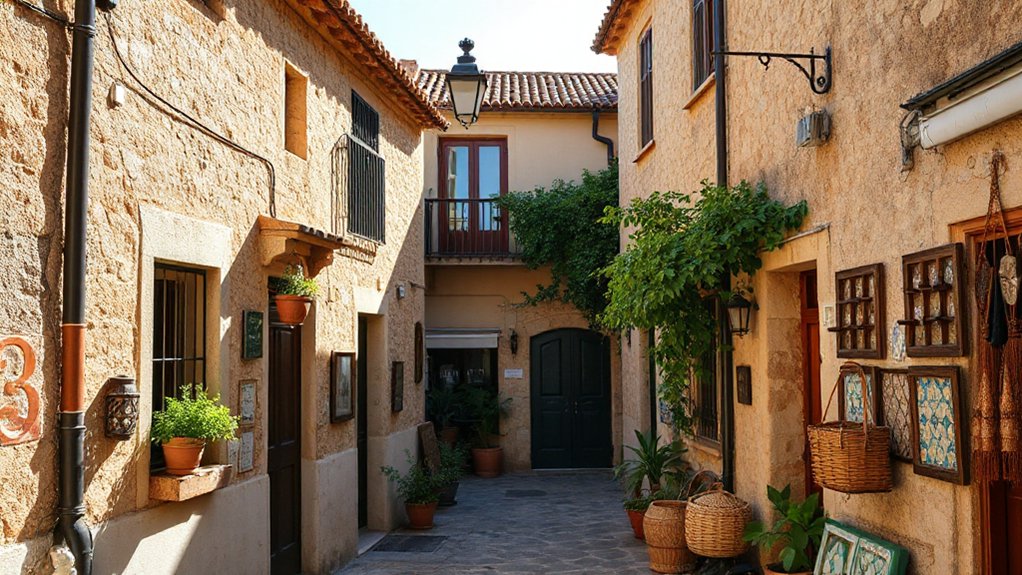
You’ll notice stone house facades that glow when the sun hits and tell you where to start wandering. Step into a courtyard’s cool shade, feel the stone’s texture, and ask the craftspeople about local techniques to learn what makes these spaces tick.
As you move, keep an eye out for small workshops and markets where stone, wood, and textiles come alive through hands-on craft.
Stone House Facades
In Mallorca, the stone houses are more than buildings—they’re a map of the island’s hands-on craft and sunlight, with sun-baked courtyards inviting you to pause and listen to the stone tell its story.
You’ll notice facades that whisper Traditional architecture and Rural craftsmanship, each block a memory of quarry, lift, and limewash. Look for texture, rustic openings, and warm plaster that ages with character.
1) Inspect the stonework for uneven borders and mortar that hints at long-standing repairs.
2) Note wooden lintels and ironwork that frame doors with quiet pride.
3) Seek houses with small, sun-soaked openings that glow at dusk.
Let the surface guide your steps, not just the address.
Courtyard Warmth And Craft
Courtyards in Mallorca aren’t mere backdrops; they’re living rooms carved from sun and stone. You’ll feel the heat lift as you step onto a cool tiled court, where citrus scent hangs in the air and stone walls keep time. Trace plasterwork and wooden beams, then listen for the soft thud of a leather loom—artisan textiles turning threads into memories.
Seek out small workshops tucked behind whitewashed facades, where you can chat with makers, try weaving, and shop thoughtfully. In village squares, traditional festivals pulse with drums, fire, and saffron-lit expressions; join the crowd and taste pastries still warm from the oven.
Bring a notebook for notes on crafts to collect later, and bring curiosity—these courtyards reward patient, attentive visitors.
Markets, Bakeries, and Morning Rituals in Mallorca’s Villages
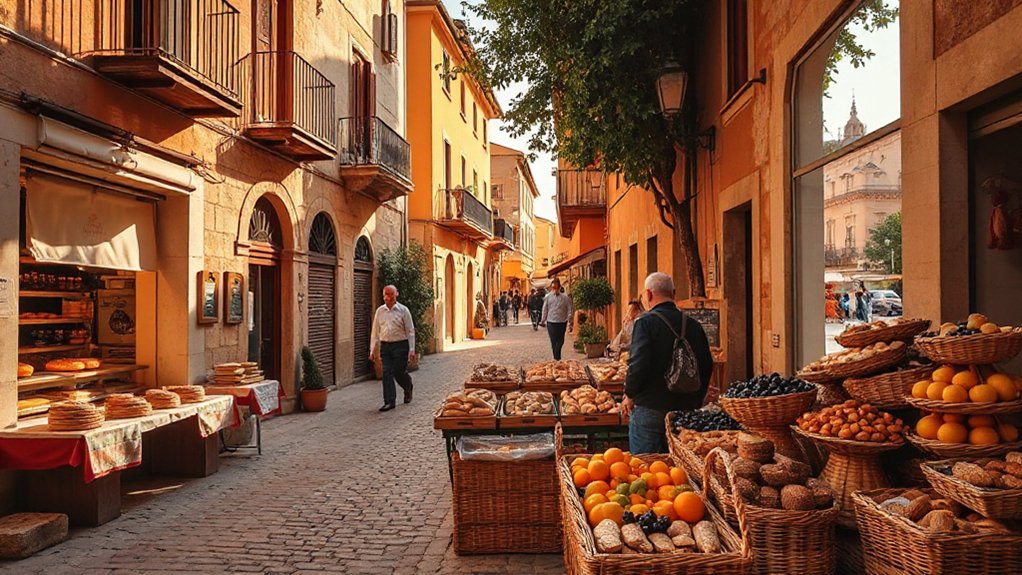
From dawn, the markets wake with a hum of life: stalls spilling color and scent, locals tallying pesetas and pride, visitors weaving through narrow lanes. You step between citrus aroma and loud bargaining, tasting crusty bread that smells of morning and memory. Markets, bakeries, and morning rituals unfold like a local postcard—practical, picturesque, unavoidable.
- Sift through fresh produce at a farmers’ stall, where conversations about weather and soil feel intimate.
- Sample warm pastries, still steaming, then chat with a baker about local traditions and traditional methods.
- Stand back for a tiny procession to a church or plaza as cultural festivals begin, mirrors of village heartbeat.
Tips: carry small notes, listen for whispers of local traditions, and respect siesta hours.
Where to Stay Like a Local: Rural Inns and Casas Charm
If you want to live like a local, start with a rural inn or a whitewashed casa that makes you feel rooted rather than rushed. You’ll notice how village architecture folds into daily life: whitewashed walls, wooden shutters, sun-bleached stairs, and courtyards that invite a siesta under olive trees.
Choose inns tucked along narrow lanes where the host remembers your name and hot coffee appears before you ask. Seek rooms with simple wooden furnishings that echo centuries of local traditions, not glossy décor.
For meals, opt for inns offering home-cooked menus, flavors born from seasonal harvests. Pack light, and let conversation linger—you’ll learn the rhythms of village life, the quiet rituals that define Mallorca’s authenticity.
Easy Day Trips From Palma: Planning Authentic Village Itineraries
Palma is your launchpad, not your destination, so map day trips that feel like side conversations with Mallorca itself. You’ll curate authentic villages without rushing, letting local cuisine and cultural festivals guide the pace. Pack light, start early, and let the road reveal subtle tells—stone stairs, scented citrus, a slow-tue evening.
- Take a morning hop to a hill town for a mercado breakfast, then a short walk to a courtyard cafe for pastry and strong coffee.
- Time a village visit to catch a village festival or market day, tasting regional bites as locals do.
- End with a winery stop for a concise, informative tour and a glass to seal the memory.
Tips: bring cash, learn a few phrases, and respect tai-chi pace of life.
Seasonal Notes: What to Taste and See in Mallorca Villages by Season
Seasonal notes shape your tastes and tempo in Mallorca’s villages: spring blossoms push farmers’ markets into mornings of bright citrus and tender asparagus.
Summer brings cool almond ice and grilled sardines along sun-warmed lanes.
Autumn floods village squares with grapes, pomegranates, and smoky chestnuts.
Winter settles the air with smoked marzipan, hearty stews, and late riser cafes.
You’ll sense it in the rhythm of seasonal festivals, where local musicians and bakers greet dawn crowds, and in markets stacked with heirloom greens and herbs.
Seek traditional crafts on shop fronts and during village fairs, from woven baskets to terracotta tiles.
Let the season guide your bites, sips, and strolls, weaving authentic flavor into every doorway you open.
Slow Travel and Etiquette: Respectful Visits That Support Local Communities
Slow travel in Mallorca isn’t about ticking off sights; it’s about slipping into the cadence of small villages and letting your footprint be light. You’ll sense a gentler pace when you honor local customs and greet residents with a smile, not a checklist. Respectful photography means asking before snapshots, especially of people and private spaces.
- Observe meal times and quiet hours, then align your visits to sunrise markets or late-afternoon plazas.
- Buy local, choose family-run shops, and tip modestly to reflect the community’s rhythm.
- Ask before photographing people or interiors; if unsure, frame landscapes instead.
You’ll leave with stories, not souvenirs, and a deeper respect for Mallorca’s villages.
Frequently Asked Questions
How Can I Visit Villages Without Crowds?
Yes—visit early mornings or weekdays, wander off smaller lanes, and join local markets after siesta. Seek Cultural festivals, peek Traditional crafts workshops, and time your strolls between crowds, using village calendars to dodge peak hours and drawl-free moments.
Which Villages Are Beginner-Friendly for Walking?
You’ll find beginner-friendly walking routes in Alcúdia and Sóller, where gentle lanes suit first-timers. Enjoy local cuisine after strolls and catch traditional festivals, savoring sunlit plazas, and easy paths that reveal Mallorca’s authentic village charm.
Are Local Guides Worth Hiring in Villages?
Yes, hiring local guides is worth it. Their local expertise reveals hidden corners, while their stories deepen cultural immersion. You’ll navigate confidently, uncovering authentic perspectives you’d miss solo, and feel the village pulse from the inside.
How Do I Respect Private Farmsteads During Visits?
Respect private farmsteads by observing fence lines, asking permission, and keeping voices low. Farmstead etiquette matters; you’ll blend in. Capture with Respectful photography only when granted, avoid flash, and tread gently to protect crops and livestock.
When Is the Best Time to Photograph Villages?
Best lighting hits at dawn or late afternoon; you’ll catch seasonal colors shimmering, so plan shoots around sunrise or golden hour, and respect shadows, crowds, and quiet streets as you wander through villages with camera ready, patient, observing.
Conclusion
You’ll leave Mallorca with more than photos—you’ll carry a village one-paged in your memory. In Sóller’s terraces and Valldemossa’s lanes, you’ll feel time slowing as markets hum and locals share tales over coffee. Fun fact: villages like Sineu still host daily markets, a rhythm that’s been steady for centuries, trading olives, honey, and stories. Pack comfy shoes, a curious heart, and a reusable bag; spend a night in a rural inn, and let the island’s slow heartbeat guide you.