
Regional identity in Catalonia, the Basque Country, and Galicia blends distinct histories, languages, and autonomy models to shape daily life and politics. You’ll notice Catalan, Basque, and Galician languages anchor schooling, media, and rituals, while festivals, cuisine, and crafts reinforce shared memory. Governance differs: Catalonia emphasizes sovereignty dialogue, the Basque Country negotiates asymmetry, Galicia blends traditional institutions with centralized oversight. These variations influence budgets, policy, and European engagement, revealing how regional pride coexists with national and EU frameworks—with more contrasts to come.
Key Takeaways
- Regional identity strength stems from distinct governance models and regional autonomy within Spain, shaping policy and funding priorities.
- Language, dialects, and cultural preservation activities reinforce everyday identity and intergenerational continuity.
- Festivals, cuisine, and rituals encode regional memory, fostering social cohesion and shared belonging.
- Migration, modernization, and global forces test resilience, prompting adaptation while preserving core traditions.
- Political narratives and regional coalitions influence visibility, funding access, and influence within broader European contexts.
What Regional Identity Means Today in Catalonia, the Basque Country, and Galicia
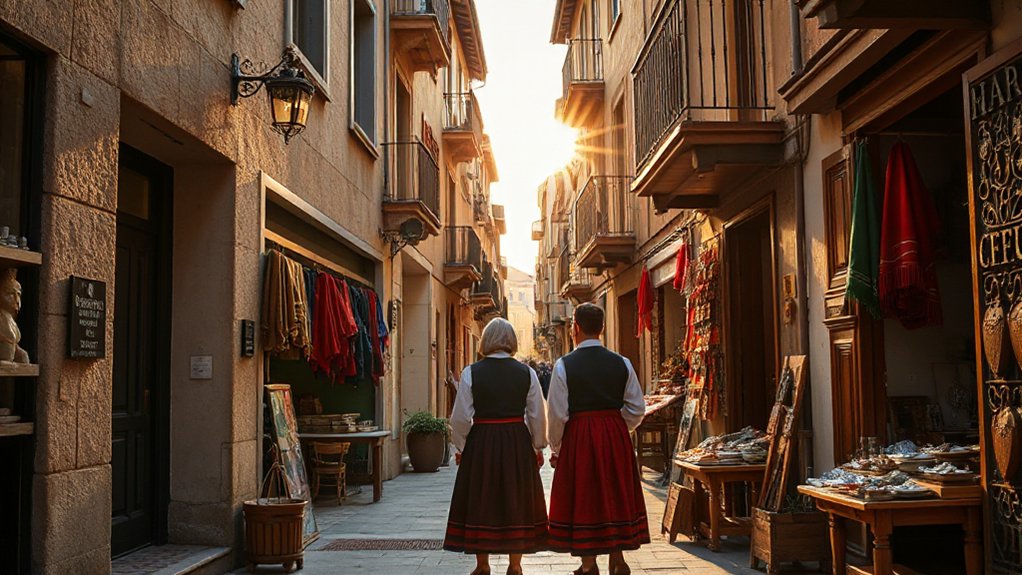
Regional identity in Catalonia, the Basque Country, and Galicia today is shaped less by uniform labels than by distinctive regional narratives that continue to contest central state authority, cultural autonomy, and economic opportunity.
You analyze how Economic independence acts as a magnet for governance debates and funding priorities, shaping each region’s policy choices.
In Catalonia, you observe how political activism translates protests into negotiating leverage, while Basque citizens press for self-directed energy futures and industrial resilience.
Galicia frames identity through agricultural heritage and maritime pathways, seeking targeted investments without surrendering local control.
Across these contexts, you compare aims, noting that cultural symbols, economic strategy, and political mobilization interlock, producing varied trajectories rather than a single, unified regional trajectory.
Catalan, Basque, and Galician: Languages Shaping Daily Life and Pride
You’ll see how Catalan, Basque, and Galician shape daily life through everyday speech, schooling, and media.
Compared to broader national norms, these languages foster distinct regional pride that communities carry into work, rituals, and public spaces.
The dialectal variations themselves become markers of identity, embedding local history and belonging in ordinary conversations.
Language Shapes Everyday Life
Do Catalan, Basque, and Galician shape daily life in distinctive, measurable ways, or do they primarily symbolize regional pride? You’ll notice language guides routines, workplaces, and schooling, shaping choices with practical impact rather than mere symbolism.
In comparative terms, linguistic diversity drives social interaction, schooling policies, and local media, creating everyday habits that reinforce identity while supporting cultural preservation. You assess how community services, signage, and public discourse translate heritage into routine function, not just sentiment.
The result is a nuanced picture: these languages function as tools for access, inclusion, and pride, yet also mirror broader regional histories. They balance utility and symbolism, illustrating how language sustains cultural preservation and everyday cohesion.
- Literacy and schooling integration
- Public signage and service access
- Local media and workplace communication
- Community events and official discourse
Regional Pride Through Speech
How does speech cultivate regional pride in Catalan, Basque, and Galician communities, beyond mere communication? You observe how everyday conversations encode history, values, and imagined futures. Regional dialects carry communal memory, signaling membership and shared ancestry in classrooms, markets, and media.
You compare how pronunciation, cadence, and vocabulary shape social trust, authority, and belonging, revealing hierarchies and solidarities across urban and rural spaces. Linguistic diversity becomes a toolkit for negotiating identity: it legitimizes minority voices, challenges centralized norms, and prompts policy attention to education, broadcasting, and public signage.
You note that pride emerges when language sustains rituals, humor, and pro-social norms. In this light, speech functions as a cultural archipelago, linking regional dialects to broader regional identity and everyday resilience.
Identity Embedded In Dialects
Identity is embedded in dialects as Catalan, Basque, and Galician shapes daily routines and pride by turning language into a lived social resource. You’ll notice how speech marks identity at work, school, and home, revealing more than vocabulary. Dialect diversity becomes a tool for social belonging, while subtle shifts expose regional hierarchies and collaboration patterns.
You’ll compare how each community negotiates standardization versus preservation, highlighting practical consequences for education, media, and governance. Language preservation emerges as both defense and adaptation, guiding policy and everyday choices.
You’ll also assess cross-dialect contact, noting mutual intelligibility and friction. The analysis foregrounds how daily usage supports cultural continuity and signals regional pride. Dialect diversity shapes interactions; language preservation sustains shared memory and collective identity.
Festivals, Cuisine, and Rituals That Strengthen Regional Bonds
You see how festivals, shared heritage, and local foods work together to shape daily life, revealing both contrast and common ground across regions.
By comparing rituals and culinary traditions, you can trace how celebrations reinforce identity while adapting to changing circumstances.
In short, these practices bind communities through collective memory, yet they also expose regional nuances that distinguish one area from another.
Festivals And Shared Heritage
Festivals, cuisine, and rituals function as tangible threads that weave regional identity into daily life, turning shared celebrations into cues for belonging and memory. You’ll notice how festivals fuse local legends with traditional crafts, turning communal practice into a living archive that varies by region yet threads a common purpose: reinforcing cohesion.
- Catalan midsummer fires link seasonal lore with contemporary craftmaking.
- Basque dance forms synchronize memory with ritual timing, highlighting craft origin stories.
- Galician patronal festas blend mythic cycles and coastal trades, preserving local crafts.
- Shared ceremonies foreground how communities translate history into participatory, everyday heritage.
Regional Foods And Traditions
Across regions, foods and rituals intertwine to reinforce belonging, linking seasonal cycles with local crafts, markets, and memory. You’ll notice how Catalan, Basque, and Galician foods reflect history, geography, and trade, shaping identities through shared plates and seasonal feasts.
Comparative analysis shows festivals that center on harvests or sea rhythms map regional pride onto everyday meals, reinforcing cohesion without unifying homogenization. You experience how traditional dishes become carriers of craft knowledge, from tomatoes and peppers to seafood and cured meats, illustrating regional ingenuity.
The role of traditional dances and regional crafts emerges as aesthetic complements to cuisine, signaling timing, technique, and taste. These interwoven practices deepen social memory, while preserving distinct culinary dialects within a broader Iberian mosaic.
Rituals That Bind Communities
What makes rituals enough to knit a region together, beyond shared meals and dialects? You explore how collective rites crystallize identity through rhythm, craft, and memory. Festivals merge tradition with modernization, signaling continuity yet adaptation. They frame time, mark milestones, and gatekeep skills like Traditional music and Local craftsmanship, linking performers, makers, and spectators.
Compared to mere cuisine, rituals embed social obligations, reciprocity, and shared responsibility, reinforcing trust across generations. You’ll see how regional bonds endure when communities choreograph arrival, sacrifice, and celebration, balancing heritage with innovation.
The result: rituals function as social infrastructure, converting history into practice and difference into belonging.
- Festivals that encode memory and kinship
- Processions and symbolic acts shaping communal roles
- Traditional music and craftsmanship as transfer of knowledge
- Annual calendars aligning collective identity across generations
How History and Autonomy Influence Governance in Each Region
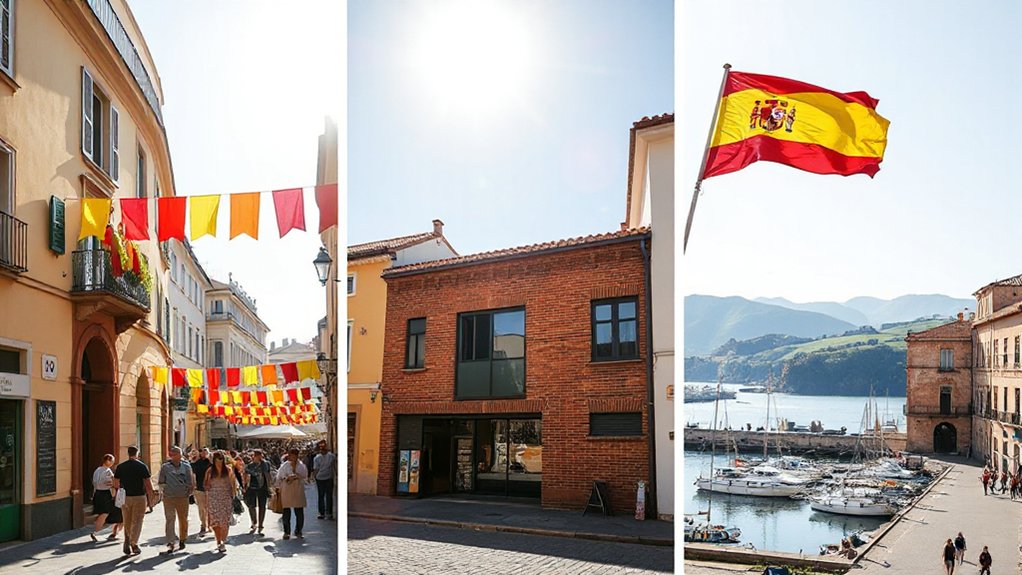
Historical legacies and varying degrees of autonomy shape how regional governance operates, as institutions adapt to inherited norms while negotiating local demands. You compare Catalan, Basque, and Galician governance by tracing how history frames authority, fiscal powers, and legislative scope.
In Catalonia, you see intense political sovereignty expressed through autonomous statutes and formal dialogue with Madrid, balancing regional preferences with national unity.
The Basque Country demonstrates a governance model built on negotiated asymmetry, leveraging unique economic instruments to pursue economic autonomy alongside security considerations.
Galicia blends traditional regional institutions with centralized oversight, using fiscal arrangements to sustain regional programs while honoring constitutional limits.
Across these patterns, you assess how economic autonomy and political sovereignty interact, shaping policy design, intergovernmental relations, and the legitimacy of regional governance in practice.
Cultural Resilience: Migration, Modernization, and Intergenerational Continuity
Globalization and demographic shifts have reshaped how regions preserve cultural resilience amid migration, modernization, and changing intergenerational ties. You’ll see how these forces test, refine, and sometimes reframe Catalan, Basque, and Galician identities through everyday choices and institutions.
Urban migration accelerates skill exchange and language use, yet risks erosion of place-based rituals unless communities adapt. Modernization introduces new media, markets, and schooling that can dilute older norms, but also offers platforms for revival through coded heritage and entrepreneurship.
Intergenerational continuity hinges on dialogue, shared memory, and selective translation of tradition into relevance. You compare trajectories, noting similarities and divergences in governance, civil society, and family networks that bolster cultural preservation.
- Migration-driven skill flows and language transmission
- Education systems mediating tradition and modern literacy
- Local media and digital communities sustaining rituals
- Policy tools balancing heritage funding with growth incentives
Catalonia, Basque Country, and Galicia in the Broader Spanish and European Context
Catalonia, the Basque Country, and Galicia sit at the intersection of regional distinctiveness and national integration, shaping and being shaped by Spain’s broader political, economic, and European frameworks.
You assess how regional identities influence national policy, and how Madrid’s governance negotiates blocs within the EU.
In economic terms, these regions push for varied models of growth, efficiency, and resilience, testing national fiscal constraints and EU rules.
Politically, you compare autonomy arrangements, governance capacities, and the durability of political coalitions across time.
You weigh cultural leverage against constitutional limits, observing how regional mobilization translates into influence over budgets, regulations, and European funding streams.
Economic independence and political sovereignty emerge as recurring tensions shaping integration and regional agency within Europe.
Frequently Asked Questions
How Do Regional Identities Influence Daily Life Beyond Politics?
Regional identities shape your daily life by guiding choices, timing, and celebrations; you notice cultural symbolism in symbols and stories, while regional customs color routines, meals, and outings, influencing comparisons with other groups and reinforcing group belonging.
What Role Do Arts Play in Regional Identity Today?
Art shapes your regional identity by framing Cultural expressions and preserving Artistic heritage; you compare regions through shared motifs and distinct styles, recognizing how today’s arts reflect history, influence daily life, and foster dialogue across communities.
How Do Small Towns Preserve Language and Tradition?
You preserve language and tradition by supporting language revival initiatives and attending cultural festivals, comparing town results to regional trends, and actively documenting practices you notice, then sharing insights to strengthen community pride and cross-town learning.
Can Regional Pride Affect Regional Economic Strategies?
Yes, regional pride can shape economic strategies, you’ll notice, because it motivates pursuits like economic autonomy and branding strategies, influencing policy choices, investment priorities, and competitive positioning, and you compare outcomes across regions to measure sustainable advantage.
How Do Youth Interpret Regional Identity Differently From Elders?
You view regional identity through Generational perspectives, noticing youth lean toward flexible, digital expressions while elders emphasize continuity. You compare Cultural adaptation, understanding how younger generations remix symbols, language, and rituals with traditional practices to craft evolving communities.
Conclusion
You see, regional strength isn’t a single flag but a living mix of language, ritual, and governance. In Catalonia, Basque Country, and Galicia, daily life leans on languages and customs that act like local currencies—worth more beside shared national ties. Consider the Basque school system as a data point: bilingual futures boost regional pride and resilience. Like threads in a tapestry, autonomy, history, and migration weave a comparative resilience that sustains distinct identities within a connected Europe.