
You’ll find reliable public transport across the Canary Islands, with clear timetables, smart-ticketing, and simple inter-island links. Each island has a connected bus network and handy tourist shuttles, plus ferries and flights for island-hopping—choose ferries for scenery and budget, flights for speed. Grab a smart card, load value, and tap on and off to save time. Stay aware of peak vs. off-peak schedules, and you’ll move between towns, beaches, and sights with ease—more tips await.
Key Takeaways
- Public transport in the Canary Islands includes reliable intercity buses, tourist shuttles, and ferries, with flights for quick island hops when time is tight.
- Use smart cards, bundled tickets, and auto-reload to save time and money; tap on/off to avoid cash handling.
- Check real-time apps and timetables for connections, peak-hour frequencies, and seasonal changes; offline mode is helpful in remote areas.
- Expect island-specific networks, with ferry schedules slower but scenic and flights faster though pricier; plan around season and weather.
- Follow safety, etiquette, and local customs at docks and stations; carry small change and learn basic phrases for smoother transfers.
Canary Islands Public Transport: An Essential Overview
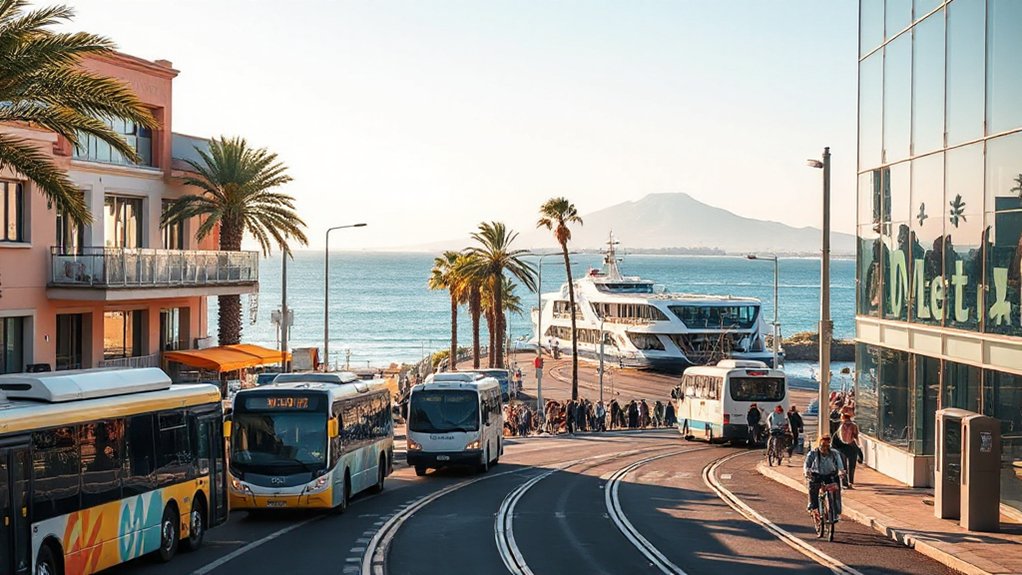
Public transport in the Canary Islands is typically reliable for everyday trips between towns and to major tourist hubs, but planning helps. You’ll find a network that covers main islands with predictable schedules, decent frequency, and clear ticketing options.
Local bus routes connect villages, beaches, and city centers, making daily errands straightforward without a car. On popular routes, Tourist shuttle services link hotels and key sights, often offering bundled transfers or day passes.
Check timetables in advance, especially for early departures or weekend changes. Cashless payment is common, but carry a note for occasional machines.
Buses and shuttles generally observe punctuality, but forecast delays during peak season are possible. If you’re staying in a resort area, confirm pickup points to avoid missteps.
Getting Around Each Island: Gran Canaria, Tenerife, Fuerteventura, Lanzarote, La Palma, La Gomera, El Hierro
Getting around each island is mostly straightforward, with reliable bus networks linking towns and major sights and quick shuttle options on popular routes. You’ll find schedules that sync with airport arrivals and main tourist hubs, making day trips easy.
Local cuisine and cultural festivals pepper the itineraries, so plan a couple of relaxed evenings to soak them in. Favor local operators for cheaper fares and friendlier routes, and keep a reusable card handy to avoid ticket lines.
On smaller islands, expect fewer services, but midweek rides are reliable.
- Check peak-day frequencies for Gran Canaria and Tenerife to maximize beach and viewpoint hops.
- Use express buses to connect capitals with key cultural sites during festival periods.
- Opt for regional passes when staying a week to save on multi-ride trips.
- Pair bus trips with short walks to savor local cuisine at village markets.
Inter-Island Travel: Ferries, Flights, and When to Choose Each
Ferries offer steady schedules and scenic hops between islands, while flights get you there fast when time is tight.
If you’re prioritizing cost, flexibility, or overnight stays, weigh ferry durations against flight prices and airport logistics.
In practice, you’ll choose ferries for a relaxed pace and scenery, and flights when you need to save hours or connect quickly to other regions.
Ferry vs Flight Tradeoffs
When you’re planning inter-island trips, ferries and flights each have distinct strengths, and choosing between them depends on your priorities—cost, time, and convenience.
- Cost-to-time balance: ferries usually cheaper, but flights save hours.
- Flexibility: ferries run on schedules tied to weather; flights offer more frequent options, especially midweek.
- Experience: ferries let you enjoy sea views and potential sunset arrivals; flights minimize hassle for quick hops.
- Accessibility: some islands lack robust port access, making flights more practical for reaching Tourist attractions and returning for a full day of Local cuisine.
Keep these factors in mind as you map routes between islands, balancing budget with time to maximize your Canary Island experience.
When To Choose Each
Choosing between ferries and flights for inter-island hops comes down to two simple questions: what’s your budget and how much time do you have?
If you crave scenery, a slower ferry ride lets you stretch legs, enjoy local cuisine onboard, and soak up maritime views. Ferries excel for luggage flexibility and budget travelers, especially when you’re island-hopping between La Palma, Tenerife, or Gran Canaria.
Flights win when time is tight, connections are tight, or you’re chasing a morning arrival to reach a cultural festival or a specific beach day.
Consider seasonality: summer crowds push prices up, while off‑peak offers calmer seas and better seat availability. Plan around local festivals, then pick the option that fits your pace and appetite for travel.
Tickets, Passes, and Bundles: Smart Cards and Savings
Smart cards and bundled tickets are the simplest way to ride the Canary Islands without fumbling for cash every trip. You’ll save time at stops and often get cheaper fares with smart card discounts and bundle options. Load value once, tap on, tap off, and you’re done.
1) Smart card discounts: reduced rates for frequent riders, with daily or weekly caps.
2) Bundle options: combine multiple trips or modes (bus+tram) for steady savings.
3) Auto-reload: set it to top up when balance runs low, avoiding fare pauses.
4) Store accessibility: pick up at kiosks, metro/terminal desks, or online and reload anytime.
Timetables and Frequency: When Buses and Trams Run
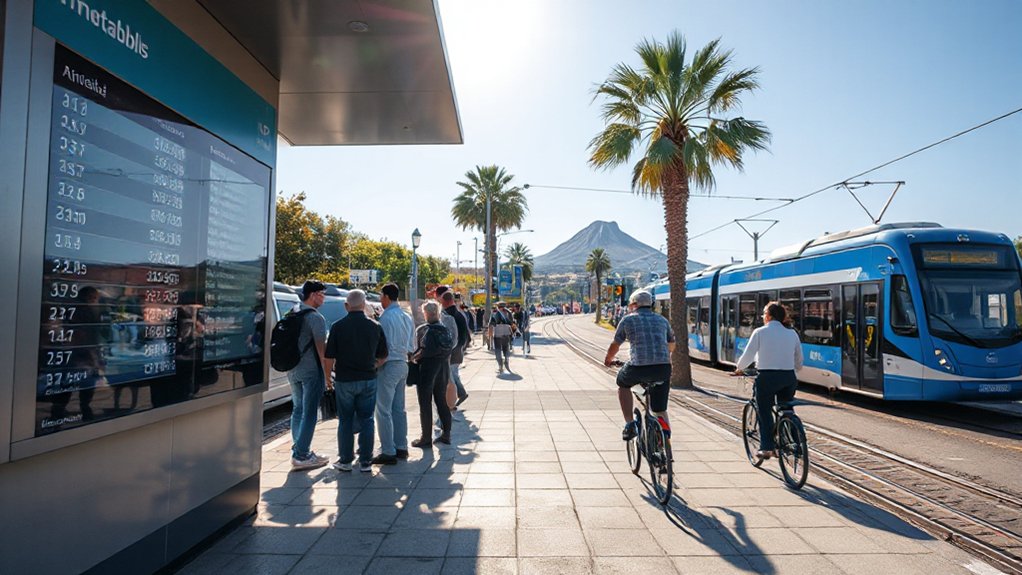
You’ll see the schedule details matter most when you plan connections, so check trip times and transfer windows ahead of your ride.
I’ll show you how tight peak-hour gaps affect your wait and how transit links let you move smoothly between buses and trams.
Let’s map typical frequencies and identify the places where a small timing shift saves you a lot of time.
Timetable Precision And Frequency
Timetables in the Canary Islands are generally reliable, but you’ll notice variation from island to island. You’ll want to plan ahead because frequency drops on weekends and late evenings, yet some routes stay steady all day. Local bus routes can be slower on rural stretches, so check live boards for real-time updates and avoid surprises.
- Expect higher precision on main routes during daytimes; off-peak runs may skip some stops.
- Use real-time apps where available to gauge arrival windows and avoid long waits.
- For local trips, keep an eye on occasional timetable tweaks posted at stops.
- Ticket validation matters: validate on boarding where required to prevent fines and guarantee smooth transfers.
Transit Links And Peak Hours
Transit links between islands and within towns wake up on peak hours. When you plan travel, check local timetables for your exact route, because frequencies shift with demand.
In urban cores, buses and trams run more often during morning and evening rushes, while late mornings see lighter intervals. Peak hours vary by island and line, so use real-time apps or station displays to confirm departures.
If you’re island-hopping, look for through services or timed connections to reduce waits, especially for ferries and inland bus transfers.
Sundays and holidays can shorten service, so confirm the last runs. Keep a small buffer for delays caused by traffic or weather.
Transit links stay reliable when you verify schedules and ride with a little flexibility.
Accessibility, Luggage, and Onboard Comfort

- Check for low-floor boarding and designated wheelchair spaces
- Use compact luggage and keep aisles clear
- Respect priority seating and assistive announcements
- Report issues to drivers or staff promptly
Tools to Plan Ahead: Apps and Websites for Canary Islands Transit
Using apps and websites can save time when steering through Canary Islands transit, especially if you plan around frequent changes in schedules and routes. Start with a trusted map and timetable app so you can compare bus, tram, and ferry options in real time. Set alerts for service disruptions and seasonal timetables tied to tourism peaks.
Use offline mode for remote areas, and bookmark local transit pages for quick checks before you head out. Check local cuisine spots and cultural festivals nearby to align your routes with food events and celebrations.
Look for multi-modal planners that show walking segments to bus stops. Familiarize yourself with island-specific fare cards to simplify payments. Stay flexible and confirm arrivals to avoid missing connections.
Safety, Etiquette, and Insider Tips for Smooth Island Hopping
After you’ve got the schedules down, you’ll want a practical feel for hopping between islands. Safety, etiquette, and insider tips keep trips smooth and respectful, without slowing you down.
Stay aware of cultural customs at docks and stations; a quick nod or greeting goes a long way. Use clear local language phrases for questions or help, and carry small change for exact fares and tips.
Keep valuables secure, watch wind and seas, and follow posted rules on ferries and buses. If you’re unsure, ask staff politely—people here appreciate courtesy and patience.
1) Respect queues and boarding announcements, don’t cut.
2) Learn basic phrases in the Local language for directions.
3) Keep to timetables and seating rules on crowded legs.
4) Respect island-specific cultural customs during transfers.
Frequently Asked Questions
Can I Use One Card Across All Islands?
Yes, you can’t use one card across all islands. Transportation options vary by island, and card validity isn’t universal. Check local operators, top up where accepted, and keep a backup. Carry multiple passes if you travel widely.
Do Buses Run on Major Holidays in the Canary Islands?
Buses run on major holidays in the Canary Islands, though schedules vary. You’ll want to check local Holiday schedules and any Special routes. If you’re traveling, plan ahead, avoid surprises, and carry a updated timetable.
Are There Long Waits for Inter-Island Ferries?
Short answer: sometimes yes, sometimes no, depending on season and demand. You should plan ahead with ferry ticket reservations and expect variable inter island travel durations due to weather or port congestion.
Is There Luggage Space on the Tram Network?
Luggage storage on the tram network is adequate for typical bags. You’ll find reasonable tram capacity, but avoid peak hours. If you’re carrying bulky luggage, plan ahead and use luggage storage options where available for smoother rides.
How Late Do Buses and Ferries Operate on Weekends?
Buses and ferries run until late on weekends, but schedules vary by route—check real-time timetables. You’ll find ticket prices posted at stops and onboard, plus clear safety protocols to follow for a smooth trip.
Conclusion
You’ve got the lay of the land, from island buses to inter-island ferries, all at your fingertips. Plan smart, carry a card, and check timetables—things run differently on each island, but it’s all doable with a little prep. Pack light, respect local etiquette, and use apps to dodge waits. Ready to hop from Gran Canaria to La Gomera and back in a single day, or slow down and savor the route? Isn’t the journey half the adventure?