
Madrid and Barcelona draw expats with urban buzz, job markets, multilingual networks, and fast transit. For sun and coast, the Costa del Sol and Valencia offer beaches, active communities, and outdoor living. Alicante and the Costa Blanca provide relaxed seaside life and affordable options. In the north, Galicia and Green Spain offer a calmer pace and lush scenery, while the Basque Country shines with cuisine and culture. Explore each region’s vibe to find your fit, and more details await if you keep going.
Key Takeaways
- Madrid & Barcelona are top urban hubs offering vibrant job markets, culture, and efficient transit for expats.
- Costa del Sol and Valencia combine sun, beaches, and active expat communities with diverse cultural experiences.
- Alicante and Costa Blanca provide relaxed coastal living, mild climates, and affordable services for easier settling.
- Northern Spain (Galicia and Green North) delivers authentic communities, festivals, and scenic landscapes with sustainable living.
- Basque Country, Canary Islands, Inland Andalusia towns, and Balearic Islands offer strong regional identities, cuisine, and varied lifestyles for expats.
Why Expats Pick Madrid and Barcelona for Urban Living

Madrid and Barcelona draw expats for vibrant urban life: they’re cities that blend work opportunities, cultural richness, and accessible amenities in a compact footprint. You’ll find dynamic job scenes, multilingual networks, and startup-friendly ecosystems in easy reach, plus fast transit that keeps commuting minimal.
Cultural heritage informs every neighborhood you’ll explore, from centuries-old plazas to modern museums, giving you depth without losing practicality. Local cuisine anchors daily life, with tapas bars, markets, and innovative eateries just steps from your door.
Living here means you can design your week around concerts, museums, and coworking—while still enjoying a manageable city scale. If you crave culture, efficiency, and social connections within a walkable core, Madrid and Barcelona fit your urban expat needs.
Coastal Lifestyle Wins: Costa Del Sol and Valencia
Coastal living in Costa del Sol and Valencia offers sun, beaches, and a relaxed pace you can feel from day one. You’ll sense the expat community vibe through shared tips, meetups, and local clubs that make settling in smoother.
Let’s explore how this coastlines’ lifestyle aligns with your goals, from casual strolls along the promenade to weekend escape options.
Coastal Living Appeal
Spain’s coastlines lure expats with sun, sea, and a ready-made lifestyle: Costa del Sol’s year-round warmth and Valencia’s balanced mix of beaches, culture, and gastronomy make coastal living especially appealing.
You’ll enjoy predictable, sunny days, easy swaps between beach and city, and a lifestyle built for outdoor downtime. Seaside activities—from strolls along promenades to water sports—fit neatly into busy schedules.
Valencia balances heritage sites with modern dining, so you can savor coastal cuisine without sacrificing culture. Costa del Sol offers a cosmopolitan vibe, while Valencia delivers authentic local charm with excellent fresh produce and seafood.
If you crave accessible entertainment, convenient services, and a seafood-forward food scene, coastal living positions you to thrive. Your daily rhythm aligns with sun, surf, and sophistication.
Expat Community Vibe
The expat community in Costa del Sol and Valencia revolves around warm, active networks that make newcomers feel at home fast. You’ll find meetups, language exchanges, and informal guides that connect you with fellow expats and locals alike.
Relationships form quickly when people share practical tips, from where to find affordable housing to the best beachside spots for sunset. You’ll notice a cooperative spirit, with collaborations on local events, charity drives, and volunteer projects that help you integrate without pressure.
Expect lively conversations about local cuisine and regional traditions, plus opportunities to explore historical landmarks together. In short, the vibe is welcoming, proactive, and connected, helping you settle in with confidence while preserving a genuine sense of place.
Alicante and the Costa Blanca: Relaxed Seaside Living
You’ll notice a relaxed coastal rhythm here, where mornings drift past cafés and beaches shape your tempo.
The Mediterranean climate keeps days sunny and winters mild, making outdoor living a consistent option.
As you explore, consider how the expat community quietly supports newcomers, while local dynamics maintain that laid-back Costa Blanca vibe.
Relaxed Coastal Living
Alicante and the Costa Blanca offer a laid-back coastal lifestyle that’s easy to adapt to as an expat. You’ll find a simple pace, accessible beaches, and a welcoming vibe that suits newcomers.
Daily life centers on close-knit communities, sunny days, and convenient amenities within reach. You’ll enjoy short commutes, affordable services, and a strong outdoors culture that fits a relaxed routine.
When you want cultural flavor, you’ll discover Traditional festivals and lively local markets that keep traditions alive without overwhelming your schedule.
The regional cuisine is fresh and approachable, featuring seafood, rice dishes, and Mediterranean produce you can savor at casual tavernas.
Mediterranean Climate Appeal
Mediterranean weather defines life on the Costa Blanca, where mild winters and long, sun-filled summers shape daily routines. You’ll enjoy a predictable climate that supports outdoor work, leisure, and weekend getaways without seasonal stress.
The Mediterranean climate fosters a relaxed pace: more balcony mornings, fewer rain delays, and extended beach days. For the Expat lifestyle, consistent weather translates to practical choices—from flexible work hours to year-round social plans, all anchored by outdoor cafes and coastal strolls.
You’ll find thriving services designed for newcomers, ease of navigation, and ample opportunities to settle into a community-friendly rhythm. In Alicante and nearby towns, climate isn’t just backdrop; it’s a daily enabler of comfort, connectivity, and long-term satisfaction.
Expat Community Dynamics
Expat life on the Costa Blanca thrives when you plug into welcoming communities that balance a relaxed seaside vibe with practical support. You’ll find expat social networks that help you navigate housing, healthcare, and local services without the guesswork, plus social clubs that match your interests.
Regional language diversity adds texture, so learning key phrases boosts connections and confidence in daily interactions. Across Alicante and its coast, you’ll meet neighbors who share tips on school registrations, permits, and budgeting, making your migration smoother.
Community events, markets, and café meetups foster casual ties that become reliable routines. Embrace these networks to feel at home faster, while respecting local customs and celebrations.
Galicia and the Green North: A Different Pace
Galicia and the Green North offer a slower, more contemplative rhythm than Spain’s sun-soaked coastlines, where misty mornings give way to lush landscapes and a coastline carved by Atlantic winds. You’ll notice a steadier pace in daily life, balanced by dramatic scenery and emerald valleys.
This region rewards you with authentic, community-focused living, not fast-tourist highlights. Embrace traditional festivals that color towns with music, dance, and fierce regional pride, and participate in rural traditions that practice sustainability and hospitality.
In spring, markets overflow with seafood, seasonal produce, and crafts, inviting you to linger. While urban centers exist, your most rewarding experiences often come from village rituals, coastal foraging, and hillside tavern conversations that reveal Galicia’s distinct, enduring character.
Basque Country: Food, Culture, and Identity
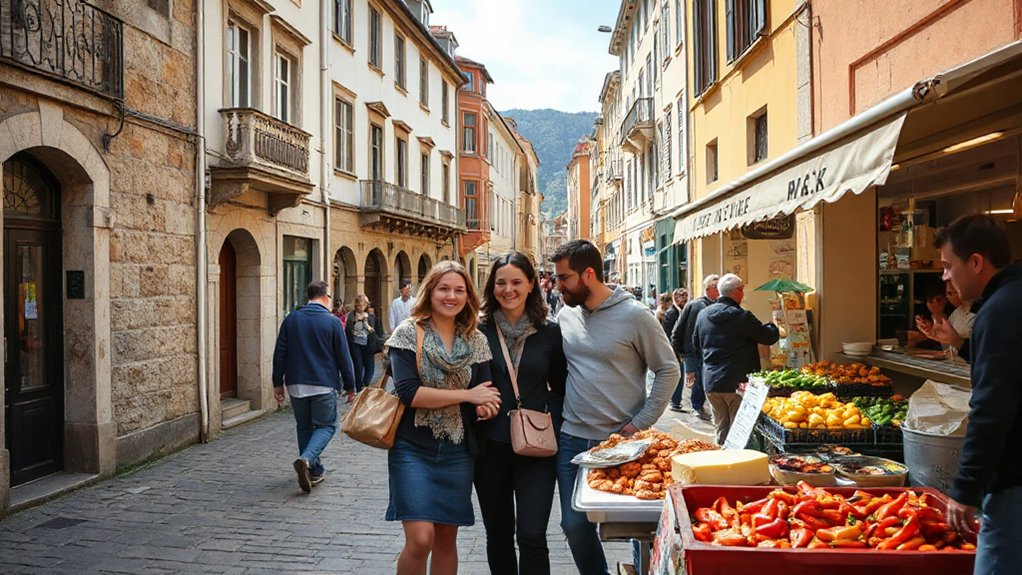
You’ll explore Basque Culinary Traditions, where pintxos, txakoli, and seasonal produce define everyday meals.
You’ll also encounter Identity And Language Pride, with Euskara shaping schools, signage, and community life.
Finally, Cultural Festivals and Arts showcase the region’s bold music, dance, and contemporary expressions that anchor local identity.
Basque Culinary Traditions
What makes Basque cuisine so distinctive across centuries of tradition and modern innovation? You’ll discover a bold, across-the-board approach: seasonal ingredients, precise methods, and bold flavors that define Basque culinary traditions.
You’ll savor pintxos at lively bars, savor fresh seafood along the coast, and appreciate rustic stews in cozy taverns. This regional palate blends sea and land, old ways and contemporary techniques, with a communal, shared dining vibe.
- Basque cuisine emphasizes local ingredients and seasonal shifts
- Pintxos culture showcases creativity, technique, and social dining
- Signature dishes balance smoke, salt, and vibrant flavors
Explore markets, taverns, and seaside restaurants to experience how Basque culinary traditions shape daily life, identity, and regional pride.
Identity And Language Pride
Identity and language are central to Basque Country’s sense of self, shaping everyday life from schools to street signs. You’ll notice how language travels beyond classrooms into homes, cafes, and public spaces, reinforcing a shared cultural identity.
Local dialects color conversations, lending texture to social ties and local humor, while mainstream Basque coexists with Spanish in daily routines. You’re encouraged to learn Basque to participate fully, not to claim mastery, but to show respect and commitment.
Cultural identity here isn’t nostalgia; it’s a living practice embedded in cuisine, music, and neighborly exchanges. Expect bilingual signage, language clubs, and community projects that celebrate heritage while welcoming newcomers.
Embracing these rhythms helps you feel connected without sacrificing your own expat perspective.
Cultural Festivals and Arts
Basque cultural festivals and arts showcase a living tapestry of food, music, and craft that defines everyday life across the region. You’ll feel the pulse in local markets, where Traditional crafts meet modern design, and in outdoor liturgical displays tied to Religious celebrations.
The Basque way blends ritual with revelry, from communal dances to iconic piper-led processions, inviting you to participate, observe, and savor.
- Traditional crafts influence homegrown fashion, ceramics, and woodworking you’ll encounter in village squares
- Religious celebrations anchor annual calendars, linking devotion with festive gastronomy
- Contemporary arts scenes sit beside centuries-old traditions, creating dynamic, cross-generational exchanges
Canary Islands: Year-Round Warmth and Expat Communities
The Canary Islands offer year-round warmth and a vibrant expat scene, making them a practical and appealing choice for relocation. You’ll enjoy reliable sunshine across the archipelago, with manageable flight times to Europe and a relaxed pace that suits settling in.
Expect a bilingual environment where Spanish is complemented by English in many communities, easing integration. Expat life centers on small-town charm in Tenerife, Gran Canaria, Lanzarote, and Fuerteventura, plus modern coastlines that cater to international professionals.
Cultural festivals showcase island heritage, music, and dance, while local cuisine blends seafood, goat cheese, papas arrugadas, and mojo sauces into daily meals.
Practical steps include understanding visa routes, healthcare access, and cost of living, then joining local clubs to accelerate social ties.
Inland Andalusia Towns: Authentic Spanish Life
Inland Andalusia towns offer a quieter, authentically Spanish life just a short hop from the coast. You’ll find earthy charm, narrow lanes, and centuries-old plazas that invite lingering conversations and local cafés. The pace is steadier, the costs friendlier, and daily routines feel familiar in a positive way.
You’ll experience authentic Spanish hospitality, with festivals, sobremesa chats, and a strong sense of community. Rural landscapes frame your weekends, while nearby cities offer essential services and culture. If you crave genuine tradition without crowds, inland stays deliver.
- Inland Andalusia experiences: traditional markets, hillside views, and timeless taverns
- Community life: neighborly support, local events, and familiar routines
- Practicalities: affordable housing, slower pace, authentic Spanish surroundings
Balearic Islands: Island Life With a Twist
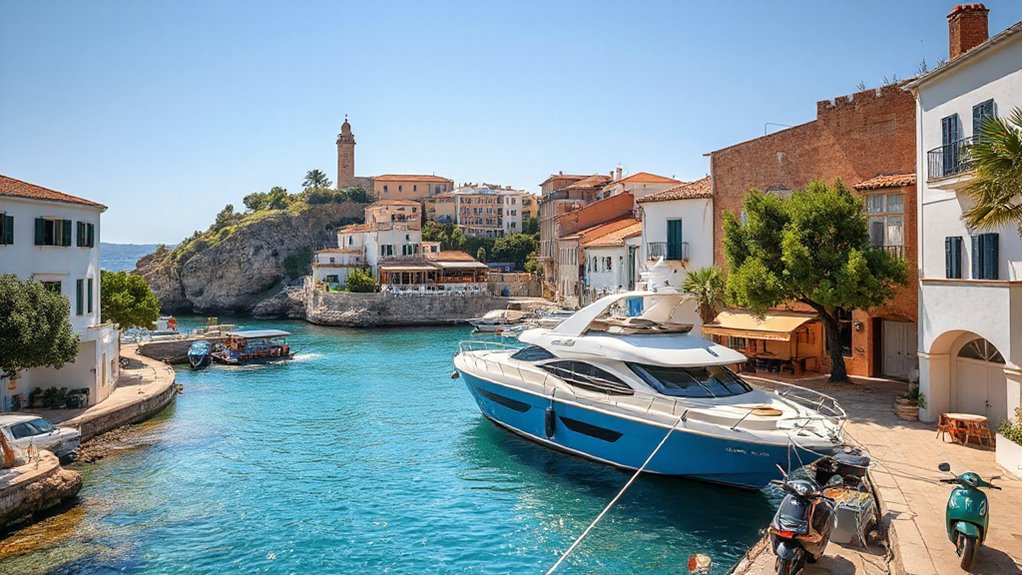
You’ll feel a distinct island rhythm in the Balearics, where the pace blends relaxed coastlines with lively towns. The island vibe and pace shape daily life, from sunlit mornings to evening gatherings.
While the Balearic island benefits offer a balance of culture, healthcare, and connectivity. Let’s explore how this twist on island life can fit your expat goals and everyday needs.
Island Vibe And Pace
Between the Balearic buzz of nightlife and the serene pace of its beaches, island life blends energy with escape. You’ll feel an island vibe that invites socializing yet respects downtime, so you choose when to lean in or step back. The pace of life shifts by island and village, letting you savor mornings with a café con leche or evenings by the sea without rushing.
- A relaxed tempo meets lively moments, so you get balance without blandness
- Compact towns mean easy commutes, walkable routes, and spontaneous chats
- Seasonal crowds sharpen the vibe yet fade quickly, keeping things fresh
This balance makes daily life feel vibrant but manageable, helping you settle in with confidence.
Balearic Island Benefits
The Balearic Islands offer a distinct advantage for expats: a blend of sun-soaked living and efficient infrastructure that makes everyday life smoother. You’ll enjoy a reliable healthcare network, multilingual services, and dynamic job markets in Palma and beyond.
Balearic gastronomy lures with fresh seafood, local cheeses, and farm-to-table dishes that keep meals exciting without breaking budgets.
Island transportation stands out for its convenience: frequent ferries between islands, a well-connected public bus system, and compact cities ideal for walking or cycling.
Housing options span modern apartments to traditional fincas, often at competitive prices compared with mainland costs.
Weather stays sunny most of the year, supporting outdoor activities near beaches, hills, and historic towns.
In short, everyday life here blends practicality with vibrant culture.
Madrid vs. Barcelona: Which City Fits Your Career Goals?

If you’re aiming for broader corporate exposure and faster-paced growth, Madrid often delivers stronger opportunities in finance, tech, and headquarters roles.
Barcelona tends to shine in startups, creative industries, and international markets.
You’ll weigh pros and cons by sector: Madrid for traditional corporate climbers and structured pathways; Barcelona for agile, boundary-pushing teams and global clients.
- Career fit by sector: finance/tech HQs vs. startups/creative industries
- Networking style and pace: formal in Madrid, collaborative in Barcelona
- Cultural factors: Cultural festivals and Language differences shape daily life and onboarding
Both cities command multilingual workplaces and evolving talent ecosystems.
Your decision hinges on whether you crave scale and control or creativity and international reach.
Expat Neighborhoods to Watch: Chamartín to Malasaña
Chamartín and Malasaña are two hot spots for expats, each offering a distinct vibe and practical perks.
In Chamartín, you’ll enjoy clean, quiet streets, excellent transport links, and family-friendly pockets. You get streamlined access to business hubs, plus a calmer pace for daily life.
Malasaña, by contrast, pulses with creativity, vintage shops, and a richer nightlife, ideal if you want a social network that’s easy to tap into. You’ll benefit from diverse local cuisine options within walking distance, so meals stay lively and inexpensive.
Be mindful of language barriers early on; learning basics helps you navigate markets and services faster.
Choose Chamartín for structure, Malasaña for buzz, and use small daily rituals to build comfort and belonging.
Cost of Living Snapshot: Housing, Utilities, Groceries
Even as you settle in, housing, utilities, and groceries anchor your monthly budget, so here’s the snapshot you need. You’ll see steady cost comparison across regions, with neighborhood diversity driving price ranges. Expect higher rents in central districts and coastal hubs, while inland towns offer more affordable options without sacrificing access.
Utilities vary by climate and building efficiency, but average monthly bills stay manageable with smart usage. Groceries balance local produce with imported staples, slightly higher in tourist seasons but still reasonable for expats prioritizing value.
- Housing: rent and purchase costs vary by neighborhood and city
- Utilities: energy, water, and internet influence monthly bills
- Groceries: local vs. imported goods shape your basket
This snapshot highlights how costs align with lifestyle choices.
Work Visas and Residency Basics for Newbies

Finding your way through Spain’s work visas and residency basics is smoother when you know the core options and steps up front. You’ll typically choose between an employer-sponsored visa, a self-employed (autónomo) permit, or a residence permit for long-term stays.
Start with a valid job offer or business plan, then collect standard documents: passport, photos, proof of address, and financial means. Applications go through the Spanish consulate in your home country or the Foreigners’ Office (Extranjería) in Spain.
Expect a multi-step process, including security checks and health insurance. Cultural integration and language learning help your case, especially when proving ties to Spain.
Be ready for potential delays and language barriers during processing, and keep copies of all submissions.
Healthcare Access and Social Services for Expats
In Spain, expats access healthcare through a mix of public and private options, with the core being the national system funded by taxes. You’ll typically register with the local health card, then access primary care, specialists, and emergency services as needed.
Public coverage is robust, but private options help with shorter wait times and English-speaking staff.
Social services support you with housing, unemployment, and disability assistance, depending on your residency status and income.
To navigate efficiently, learn the local processes, keep your documentation up to date, and ask for translations when needed.
- Public healthcare access details and eligibility
- Social services support based on status and income
- Tips for using both systems effectively and language help
Education and Family Life: Schools and Communities
Spain offers a mix of public and private schooling options, with compulsory education from ages 6 to 16. You’ll find strong primary programs, reputable secondary tracks, and international schools in major regions.
When choosing a community, consider class sizes, language support, and parent involvement opportunities, which shape daily routines and social connections. Local families praise safe neighborhoods with active parent associations and accessible after-school activities.
Public schools typically follow standardized curricula, while private schools may offer bilingual or international streams. In many towns, you’ll enjoy robust local sports clubs, arts programs, and classroom partnerships with local universities.
For family life, look for neighborhoods that balance quieter residential blocks with local cuisine markets, parks, and outdoor activities that promote healthy, active living.
Criteria to Evaluate When Choosing a Region
When evaluating a region to live in as an expat, focus on practical criteria that affect daily life and long-term satisfaction. You should weigh job prospects, housing costs, healthcare access, and infrastructure, as these define comfort and stability.
Consider cultural integration and language barriers, and how welcoming locals are to newcomers. Climate, safety, and connectivity to your home country matter for routines and travel.
Local services, schools, and community networks influence social life and support systems. Reputation as an expat-friendly area can speed adaptation.
Balance economic opportunity with quality of life to avoid burnout and isolation over time.
- Cultural integration and language barriers
- Housing, healthcare, and transportation access
- Community networks, safety, and cost of living
How to Move: Visa Docs, Essential Steps, Timelines
Moving abroad means you’ll handle visa documents, file timelines, and map out the steps that keep your move on track. You’ll start with visa requirements, then gather Essential documentation like passports, photos, proof of funds, and medical insurance. Check Spain’s consulate site for current forms and appointment slots, then submit early to avoid delays.
Create a step-by-step timeline: secure housing, register with local authorities, enroll in healthcare, and arrange accommodation-supported permits if needed. Track deadlines for app submissions, biometric appointments, and permit issuance.
Keep digital copies of all documents and save contact details for your consulate. After approval, plan travel, notify banks, and set up residency registration.
Stay proactive, verify each requirement, and adjust timelines as processing times fluctuate.
Quick Regional Cheat Sheet: Pros, Cons, and Ideal Expat Fits
If you’re weighing where to plant roots, this quick regional cheat sheet breaks down Spain’s standout locales by pros, cons, and the ideal expat fit. You’ll see how each region’s Historical architecture and local cuisine shape daily life, culture, and social circles.
- Madrid/central: fast pace, vast job options, rich museums; cons include higher living costs and summer heat.
- Valencia/Levante coast: affordable living, mild winters, beach access; cons are tourist crowds and seasonal humidity.
- Seville/Andalusia: vibrant tradition, warm winters, standout tapas; cons include hot summers and slower bureaucratic pace.
Ideal fits: career-focused transplants, heritage lovers, and foodies seeking authentic regional identity.
Frequently Asked Questions
Which Region Best Suits Remote Work for Expats?
You’ll find Madrid or Barcelona ideal for remote work, with reliable connectivity and coworking options. You’ll enjoy Cultural festivals and Local cuisine nearby, plus vibrant ecosystems that boost focus, networking, and work-life balance.
How Do Taxes Differ by Region for Expats?
Taxes vary by region; you’ll feel the pinch or gain depending on where you live. Tax incentives exist alongside Regional tax rates, so you’ll want to compare. You’ll save more where incentives outweigh rates. Don’t overlook regional nuances.
Which Region Offers the Best Schools for Expat Families?
You’ll find Madrid and Catalonia offer strong expat schools. You’ll benefit from excellent options in bilingual programs, plus Cultural festivals and Local cuisine enrich your kids’ learning and your family’s daily life. Consider research, visits, and district specifics.
What Are Typical Visa Timelines by Region?
Visa timelines vary wildly by region, you’ll realistically wait weeks to several months, with permits sometimes stretching longer than a vacation. Regional culture and local cuisine shape processing quirks, but you’ll streamline by using solid local help.
Where Are Affordable yet Livable Expat-Friendly Towns?
You’ll find affordable yet livable expat-friendly towns in Valencia and Murcia, with affordable housing and strong expat community hotspots. These areas offer good value, amenities, and social networks, helping you settle quickly and feel at home.
Conclusion
Spain’s expat map is yours to claim: urban energy in Madrid and Barcelona, sun-soaked coastlines from Costa del Sol to Valencia, relaxed Alicante shores, and the lush north of Galicia, plus the rich Basque scene. Each region offers a different rhythm, schools, and communities. Weigh climate, culture, and family needs, then move with clear steps and timelines. Think of Spain as a mosaic you’ll fit into—one piece at a time, until your expat life shines.