
The most efficient way to travel between Spanish cities combines AVE/AVLO high-speed corridors for long distances with Cercanías for urban reach, plus smart transfer planning and regional passes to lock in predictable, lower costs. Prioritize direct, high-frequency routes, minimize transfers, and optimize door-to-door time with off-peak travel and flexible fares. Buses can beat trains for short, dense city hops when capital costs and road flexibility trump rail. Keep exploring for more precise route and policy insights.
Key Takeaways
- Leverage high-speed AVE/AVLO corridors for fastest intercity connections between major Spanish cities.
- Combine regional Cercanías for efficient last-mile access to urban centers and transfers.
- Balance core spine lines with feeder routes to maximize daily trips and minimize transfers.
- Book in advance, target off-peak times, and use flexible fares to optimize price and reliability.
- Use regional passes and clear transfer info to reduce costs and boost seamless multi-city travel.
Decide Your Spain City-Hop: Speed, Cost, or Flexibility
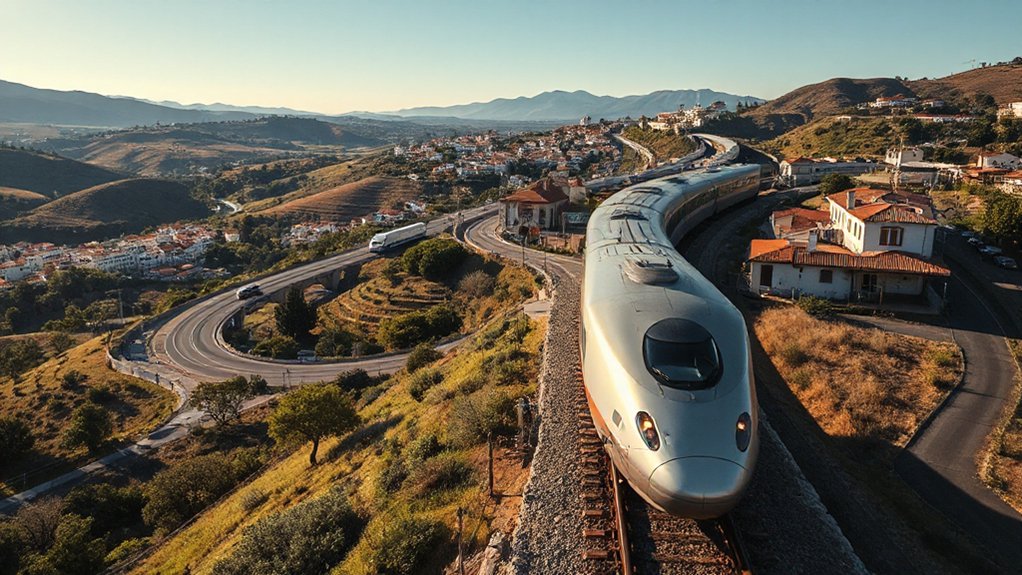
Choosing a Spain city-hop approach depends on your priorities: speed, cost, or flexibility. You’ll evaluate time savings, ticket prices, and transfer options using current schedules and fare trends.
For speed, prioritize high-frequency corridors, direct routes, and fast trains where available, minimizing layovers and dwell times.
For cost, compare advance fares, pass schemes, and off-peak travel windows, noting total door-to-door costs rather than base fares alone.
For flexibility, emphasize multi-route options, cancellation policies, and seat availability in responsive plans.
Cultural highlights and local cuisines should guide timing where practical, aligning visits with regional events while maintaining model timetables.
Infrastructure investments, station accessibility, and operational reliability underpin your choices, ensuring resilient, data-informed decisions that balance travel goals with regional connectivity.
Spain Rail at a Glance: AVE, AVLO, and Cercanías
Spain’s rail ecosystem blends high-speed lines with regional networks: AVE and AVLO operate high-capacity corridors linking major cities, while Cercanías handles dense commuter routes around metropolitan areas.
- You leverage three primary modes to map mobility: AVE, AVLO, Cercanías.
- AVE and AVLO reflect High speed networks, focusing on latency reduction, standardized train sets, and passenger-centric scheduling.
- Cercanías delivers Train technology for urban throughput, with integrated timetables, station zoning, and last-mile connectivity.
You can assess performance through punctuality, capacity, and modal interchange, informing policy choices and investment prioritization.
Data-driven planning emphasizes interoperability, electrification, and safety standards. Infrastructure investments should align with regional demand, maintenance regimes, and long-term capacity growth.
Fastest Rail Routes Between Major Cities
From the high-speed and regional networks discussed earlier, the fastest rail routes between major cities hinge on corridor alignment, train tech, and timetable optimization. You evaluate corridor priority by speed potential, electrification, and connection density, prioritizing corridors with reliable turnout and minimized transfers.
High-capacity trains, advanced signaling, and platform efficiency reduce dwell times and enable tighter timetables, while cross-border interoperability and scheduling analytics improve reliability.
You balance investment between core spine lines and strategic feeders to maximize daily point-to-point trips and peak throughput.
Cultural insights and local cuisine accompany city visits, but the rail plan remains data-driven: track conditions, maintenance windows, energy use, and cost-per-kilometer inform decisions.
Effective policies synchronize procurement, procurement cycles, and deployment to sustain accelerated travel without compromising safety or resilience.
When Buses Beat Trains for City Hops
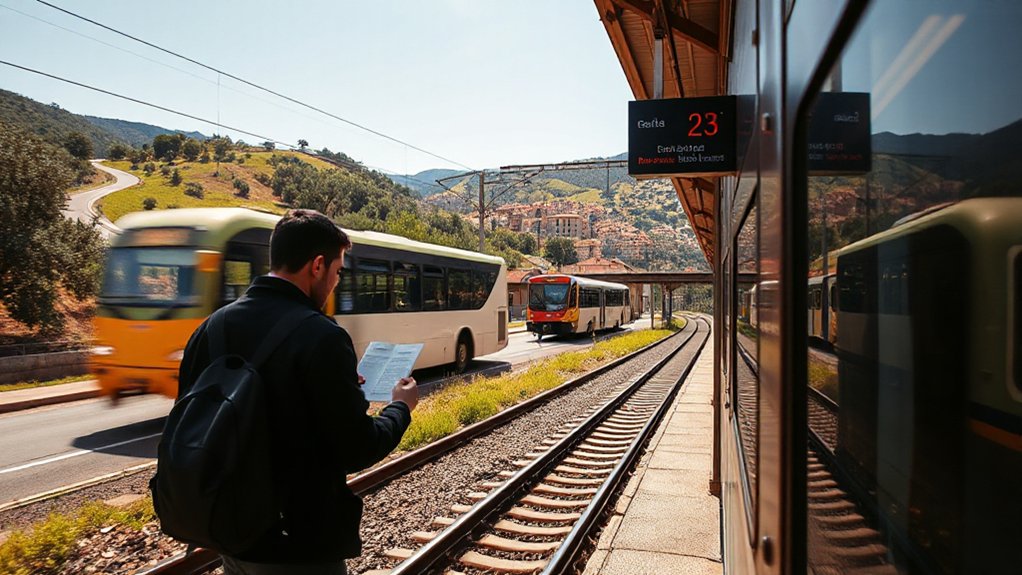
Buses often beat trains for city hops when urban density, road networks, and timetable flexibility align, delivering lower capital costs and shorter deployment cycles. You’ll find that point-to-point routes can bypass station constraints, enabling higher frequency with limited depot needs.
Key tradeoffs include passenger experience and route reliability, where data shows buses excel in flexible scheduling and urban coverage, while trains win on steady speeds and long-haul legs.
Consider these implications:
- Bus comfort improvements correlate with seat ergonomics, climate control, and noise reduction.
- Service reliability hinges on traffic management, dedicated lanes, and real-time disruptions mapping.
- Train scenery remains a factor for longer corridors, yet city hops prioritize accessibility and door-to-door time.
Policy focus: optimize mixed-modal networks to balance costs, comfort, and scenery.
Flexible Road Trips: Smart Car-Sharing Across Spain
If you map flexible car-sharing, you’ll see tangible benefits like lower per-trip costs and increased vehicle utilization, supported by city-supplied data and rider surveys.
Smart Spain routes optimize availability and charging infrastructure, aligning fleet deployments with peak travel corridors to reduce wait times.
This discussion frames how policy and infrastructure decisions—pricing, parking access, and data-sharing standards—shape user adoption and system resilience.
Flexible Car-Sharing Benefits
Flexible car-sharing offers a scalable solution for long-distance travel across Spain, enabling travelers to assemble trips between major cities with on-demand access to vehicles and flexible rental periods. You’ll benefit from data-driven planning, reduced capital costs, and opportunistic scheduling aligned with peak and off-peak demand.
- Carpool etiquette: establish clear pickup/drop-off expectations, respectful passenger conduct, and transparent communication to maximize efficiency.
- Insurance considerations: verify coverage levels across platforms, understand deductibles, and ensure appropriate liability protection for all travelers.
- Infrastructure integration: leverage regional hubs, standardized booking interfaces, and interoperable vehicle fleets to minimize idle time and support mission-critical routes.
You’ll notice policy-oriented benefits via reduced congestion and improved utilization, supported by performance metrics and safety standards.
Smart Spain Routes
You optimize trips by analyzing real-time traffic, peak usage, and emissions, then selecting routes that balance speed with sustainability.
By coordinating shared vehicles along corridors like Madrid-Barcelona and Valencia-Seville, you reduce empty miles and infrastructure strain while increasing accessibility to remote segments.
You leverage dynamic pricing and reservations to match demand with capacity, ensuring reliability for daily commuters and weekend explorers alike.
Your itineraries emphasize efficiency, but you also highlight experiences: local cuisine and historical landmarks along feasible detours, supported by policy-backed safety and maintenance standards.
This approach integrates mobility, energy, and cultural insights into smarter, lower-impact travel.
Budget Hacks for Cheap City-Hops
What’re the cheapest ways to move between Spanish cities without sacrificing reliability? You’ll optimize travel by pairing affordable operators with predictable timetables, guided by data on delays, coverage, and maintenance. Budget options become viable when you shift to off-peak departures, buy in advance, and combine modes for last-mile access.
Infrastructure investments in regional rail and bus corridors reduce per‑trip costs while maintaining safety and service quality. Expect steady reliability metrics to improve with standardized regional contracts, real-time updates, and maintenance windows that minimize disruptions.
Local cuisine and cultural festivals can be sampled en route without detours, boosting value for travelers and hosts alike.
- Plan multi‑modal itineraries using rail and bus where schedules align.
- Lock in advance fares and off‑peak times to maximize discounts.
- Favor integrated ticketing and real‑time alerts for on‑time performance.
Timing Tricks: Beat Crowds and Snag Fares
You’ll see fare drops cluster around off-peak windows and shoulder seasons, so timing your bookings to these periods can shave costs while keeping travel smooth.
We’ll quantify demand patterns, monitor real-time price signals, and prioritize booking windows tied to known fare-drop cycles to minimize crowding.
Timing The Fare Drops
1) Analyze price elasticity across routes to identify ideal buy windows.
2) Synchronize bookings with official fare-change cycles, avoiding anomalous spikes.
3) Validate convenience by cross-checking travel insurance and luggage policies for coverage timing.
Crowd-Free Booking Tricks
Crowd-free booking hinges on timing signals and operational data rather than guesswork. You gauge peak demand windows by analyzing advance purchase patterns, seat block releases, and train/flight frequency shifts. Use transparent fare calendars and real-time occupancy dashboards to avoid overbooking surges, then lock in tickets during off-peak microwindows that align with predictable crew rotations and maintenance windows.
This approach supports crowd management by spreading demand, reducing station congestion, and smoothing security queues. Maintain travel etiquette by selecting quiet travel periods and sharing preferred times with companions to minimize wait times.
Data-driven booking also informs policy: prioritize flexible fares, track price elasticities, and deploy adaptive pricing that discourages bottlenecks. Infrastructure-focused attention ensures interoperable systems and consistent traveler experiences across Spain’s rail, air, and road networks.
Booking Smart: Advance vs Last-Minute Deals
Booking smart hinges on timing: advance bookings often lock in lower per-night rates and predictable availability, while last-minute deals can offer savings when capacity remains. You should weigh reliability against price volatility to optimize travel budgets, airport transfers, and rail seat consistency along scenic routes.
- Compare total costs across time horizons, including cancellation fees and fare rules, to determine the best balance for your schedule.
- Prioritize documentation readiness and flexible routing to avoid delays when switching between routes or cities.
- Monitor policy signals from operators and planners; use data to forecast occupancy and adjust plans proactively.
Applied approach: track historic occupancy, align with travel documentation requirements, and favor bookings that preserve access to scenic routes while maintaining infrastructure resiliency.
Regional Passes That Maximize Your Valencia–Madrid Runs
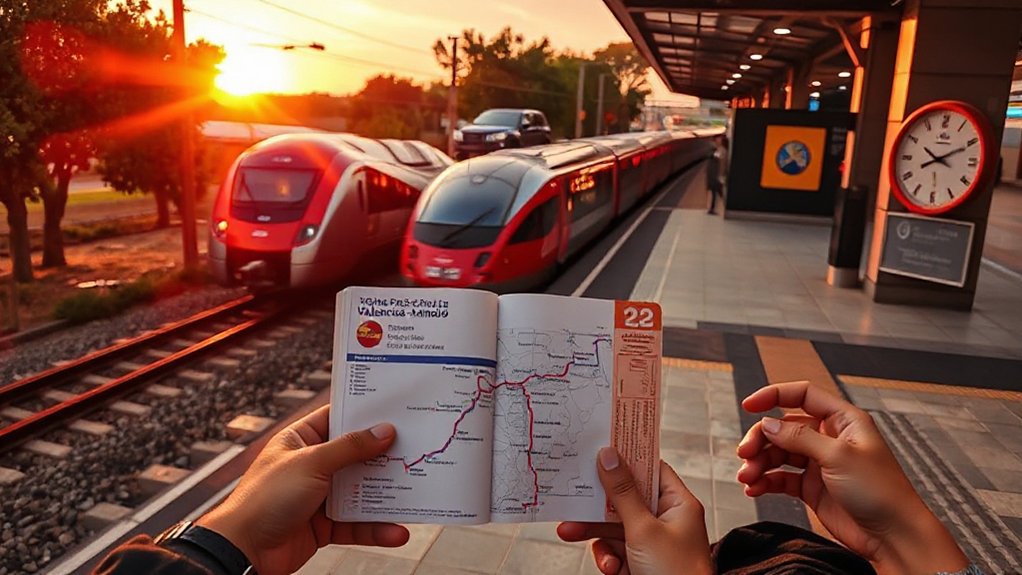
Regional passes can optimize the Valencia–Madrid corridor by consolidating fares, simplifying eligibility rules, and aligning with peak-use windows. You’ll access a unified fare structure that reduces per-trip costs when you travel frequently, backed by data on average journey lengths and seasonality.
Regional passes enable predictable budgeting, lower administrative friction, and enhanced transfer visibility across rail and bus networks, supporting policy goals for modal shift and regional cohesion.
From an infrastructure perspective, pass programs encourage higher utilization of existing corridors, smooth peak-demand spikes, and better maintenance planning through stable revenue streams.
Travel discounts are tiered by trip frequency, distance, and travel window, ensuring efficiency without over-subsidizing occasional riders. You assess eligibility quickly, then travel with clarity and cost certainty.
Master Transfers: Stations, Timetables, and Shortcuts
Master transfers anchor the Valencia–Madrid corridor by consolidating timetable data, station access, and shortcut routes into a single, navigable framework. You gain clarity on transfer points, platform adjacency, and connection windows, enabling policy-aligned planning and infrastructure optimization.
Emphasize station amenities as a determinant of user flow and transfer efficiency, since comfortable transfer zones reduce dwell times and improve reliability. Timetable harmonization across hubs minimizes layover variance, supporting predictable schedules and resource allocation.
Shortcuts, including cross-platform corridors and rapid-wait options, lower total travel duration and energy use. Data-driven governance should track performance metrics, adjust timetables in real time, and prioritize reliability over speed alone.
- Timetable harmonization and platform adjacency
- Station amenities and passenger flow optimization
- Shortcut corridors and real-time adjustments
Practical Travel Day: Delays, Refunds, and Surprises
When a travel day goes off schedule, the practical focus shifts to response times, refunds, and contingency options. You assess carrier-led delay metrics, average reshelving or rerouting durations, and the availability of alternative trains, buses, or flights.
Policy alignment matters: verify passenger rights, compensation windows, and documented proof requirements to minimize friction.
Infrastructure responsiveness hinges on real-time updates, staffed kiosks, and clear signage that reduces misdirection during disruption peaks.
Travel insurance coverage should be interpreted for incident-related delays, missed connections, and lodging costs, with claim paths outlined to expedite reimbursement.
Luggage handling becomes critical when swapouts occur, so verify tag integrity, interim storage, and tracking accessibility across segments.
Prepare contingency families, rehearse rebooking paths, and record contact channels for rapid resolution.
Pick Your Path: A Quick Itinerary-Planning Framework
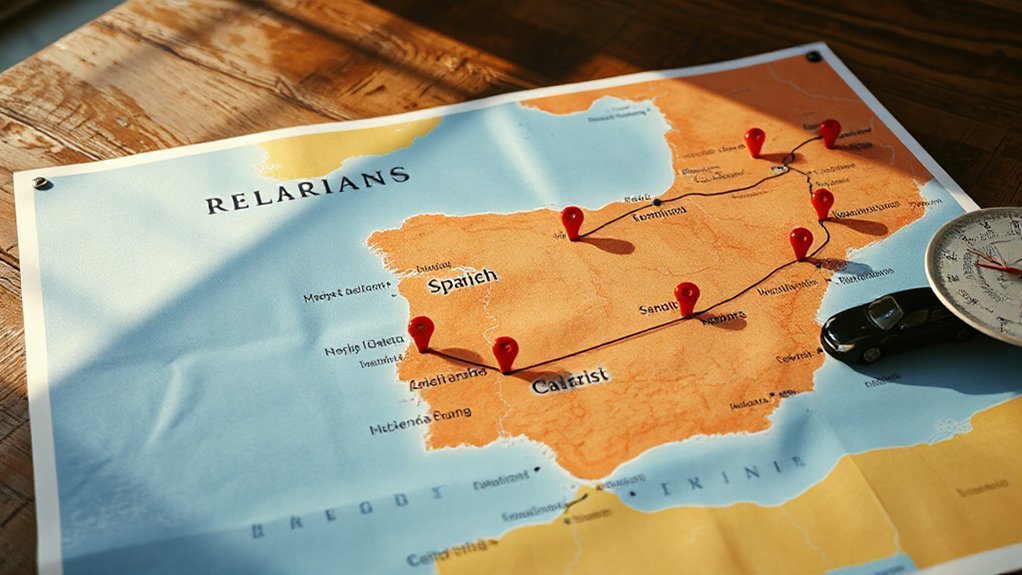
Planning an itinerary across Spanish cities hinges on a clear framework: set objectives, map constraints, and align with transport options and coverage. You’ll translate data into a practical plan, prioritizing reliability, cost, and time.
Use observable metrics to balance cultural and culinary priorities with infrastructure realities. Your framework should quickly compare high‑speed rail, regional trains, and bus networks, noting frequency, capacity, and last‑mile access.
Leverage policy signals on regional development to forecast gaps and opportunities.
- Define your targets (cities, durations, peak vs off‑peak timing)
- Assess constraints (budget, resale windows, accessibility)
- Sequence legs by efficiency and coverage, integrating Cultural festivals and Culinary experiences.
Frequently Asked Questions
Which City-Hop Offers the Best Balance of Time and Cost?
You should pick the high-value route that minimizes travel time while reducing costs: budget airlines for quick hops and car rentals for flexible last-mile access, balancing time, price, and reliability with infrastructure-supported, data-driven planning.
How Do Peak Travel Days Affect Fares Across Spain?
Peak travel days raise fares; you’ll see steadier prices on off-peak periods. You’ll benefit from off peak advantages, while data shows fare fluctuations align with demand, schedules, and policy controls shaping Spain’s infrastructure-focused transport pricing.
Can I Combine Rail and Bus for Efficient Hops?
Yes, you can combine rail and bus for efficient hops. You’ll compare Bus only routes and Rail exclusive tickets, evaluating transfer times, coverage, and pricing; your policy plan should prioritize multimodal reliability, timetable synchronization, and infrastructure investment.
Are Regional Passes Worth It for Short Trips?
Regional passes are worth it for frequent short trips; you’ll save time and money when you travel often. You’ll sample local cuisine and ride scenic routes, backed by data on demand, coverage, and fare policies shaping infrastructure use.
What Surprises Might Delays Bring to Transfers?
Unexpected delays can force transfer adjustments you’ll need to manage. You’ll review real-time data, optimize connections, and reallocate buffers. You’ll implement policy-backed contingencies, measure infrastructure resilience, and communicate clearly to minimize consequences for your travel network.
Conclusion
You want the fastest, cheapest, and most reliable way to hop Spain’s cities, and the data backs your choice. Align rail types (AVE/AVLO) with route demand, and pair them with regional passes for Madrid–Valencia corridors. When data speaks, buses win on short hops, and smart car-sharing fills gaps without gridlock. Policy-leaning, infrastructure-driven planning shows that coordinated timetables, station upgrades, and flexible pricing deliver the greatest efficiency—your best, most scalable travel framework ever. It’s not just fast—it’s legendary.