
The late-night lifestyle doesn’t have to derail sleep. After 9 PM, keep meals light and balanced: lean protein with fiber, slow-digesting carbs, and moderate portions to prevent wakefulness. Hydrate earlier, taper at night, and use bright light beforehand to cue your circadian signals. Choose smart social choices—lean proteins, veggies, and mindful drinks—while prepping packable, protein-rich snacks for cravings. Practice short-breath routines and a wind-down plan to improve sleep quality and recovery as you move forward. You’ll learn more soon.
Key Takeaways
- Late-night meals should be 2–3 hours before bed, focusing on lean protein, fiber, and slow-digesting carbs to support sleep quality.
- For social nights, choose lean proteins, fiber-rich sides, vegetables, and lighter drinks; avoid high-sugar accompaniments.
- Prioritize packable, portion-controlled snacks (100–150 calories) like yogurt, cheese sticks, or edamame with vegetables.
- Use pre-sleep routines: slow breathing (4–6 breaths/min), dim warm light 60–90 minutes before bed, and brief hydration strategies.
- Consider short-acting melatonin 30–60 minutes before sleep if needed, and reassess timing and caffeine if sleep is disrupted.
Why Late-Night Eating Affects Sleep (And How to Do It Right)

Late-night eating can disrupt sleep patterns by triggering digestion and increasing body temperature, which make it harder to fall asleep and stay asleep. You’ll notice effects because Circadian rhythms regulate both appetite and sleep timing, and misalignment shifts when you feel hungry and when you’re ready to rest.
Practically, choose lighter, protein-forward snacks and avoid large, fatty meals close to bedtime. Maintain consistent portion sizes to blunt hormonal fluctuations that can wake you later.
Hormonal fluctuations influence melatonin and cortisol, so you may experience wakefulness even after you fall asleep. Data suggests a window of 2–3 hours before bed supports smoother progressions to sleep.
If you must eat late, favor small servings, slower eating, and hydration without excess fluids. Monitor symptoms and adjust habits accordingly.
Why Timing After 9 PM Matters for Sleep Quality
Timing after 9 PM matters because your nighttime hormone rhythm, especially melatonin and cortisol, shifts how ready your body is for sleep.
Sleep architecture can be affected by late timing, so you may wake less restorative sleep if you push too late.
Pre-sleep breathing and respiratory patterns also change, influencing how easily you fall and stay asleep.
Nighttime Hormone Timing
- Track patterns: note how evening activities influence cortisol and melatonin, and adjust light exposure to support a smoother shift to sleep.
- Limit late meals: choose lighter options if you eat after 9, helping insulin and gut hormones stay aligned with your circadian rhythm.
- Build a wind-down routine: consistent pre-sleep cues stabilize hormone release, reducing late-night awakenings and promoting restorative sleep.
Sleep Architecture Impacts
Evening habits after 9 pm shape how your sleep cycles unfold. After 9, timing of meals, social activities, and caffeine use can shift sleep architecture by altering circadian signals and sleep pressure.
You may notice lighter sleep and more awakenings if you delay wind-down routines or consume stimulating beverages late. For night owl tendencies, later activity can push you into later REM windows, potentially shortening restorative deep sleep earlier in the night.
Practical adjustments—keeping caffeine dependence in check, spacing caffeine from the evening, and treating late meals as lighter and earlier—tend to stabilize onset latency and continuity.
Data suggest incremental changes matter: consistent post-9 rituals support smoother progressions between stages and reduce fragmentation, improving perceived sleep quality without demanding drastic lifestyle shifts.
Pre-Sleep Respiratory Effect
Even after 9 pm, the timing of what you breathe matters for sleep quality, because subtle shifts in pre-sleep respiration can influence how quickly you fall asleep and how you stay asleep.
In practical terms, small changes in breathing patterns can affect sleep onset latency and sleep continuity, with downstream effects on dream enhancement if sleep isn’t disrupted.
Adopting a steady, controlled breathing pace after late meals or socializing supports better nocturnal rest and respiratory hygiene.
- Maintain a relaxed, slow breath cadence (about 4–6 breaths per minute) to ease progression into deeper sleep stages.
- Avoid deep sighs or rapid inhalations that trigger arousal, especially when caffeine or alcohol was consumed.
- Pair breathwork with a wind-down routine to promote consistent sleep timing and clearer dream experiences.
Build Palatable, Crash-Free Night Snacks
Night snacks should satisfy without sabotaging sleep or digestion, so choose combinations that blend protein, fiber, and a small amount of healthy fat. You’ll optimize to prevent spikes in blood sugar and minimize lying awake discomfort.
Practical picks include Greek yogurt with berries and a sprinkle of flax, or cottage cheese with sliced cucumber and walnuts. If you crave something warm, a small bowl of oatmeal with chia and a touch of peanut butter supports satiety without heaviness.
Avoid large portions and highly processed foods during late hours, which can disrupt sleep architecture.
For social settings, opt for healthier options at gatherings, like a simple protein-and-fiber plate or a “healthy cocktail” mocktail. These strategies curb late night cravings while keeping sleep intact.
Hydration Habits That Prevent Morning Dehydration
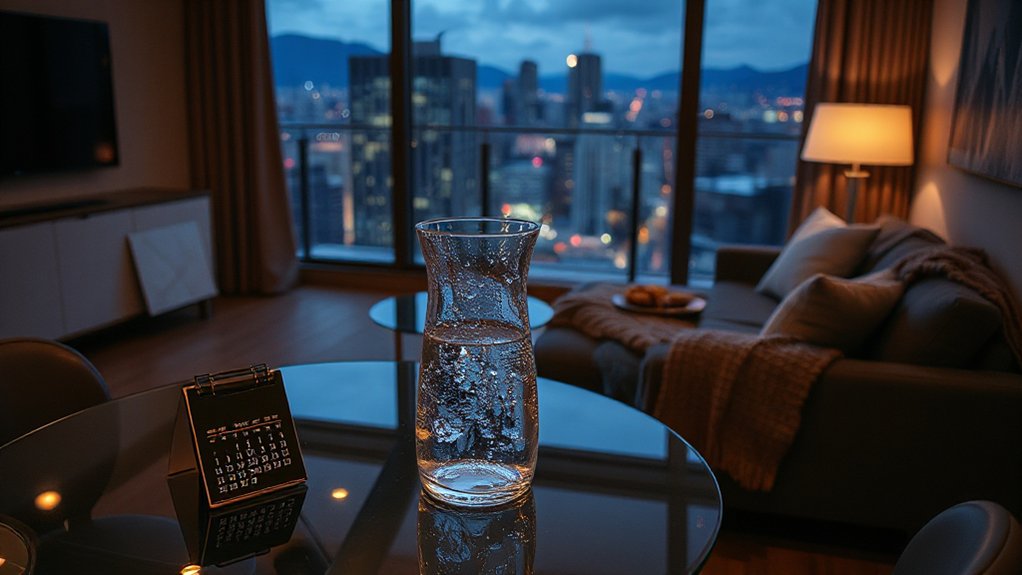
Hydration is a practical cornerstone for preventing morning dehydration, because your fluid balance starts restoring as soon as you wake. You’ll benefit from structured habits that align with evidence-based Hydration strategies, minimizing overnight deficits and supporting morning hydration. Be deliberate about timing and quantity, not excess.
- Start with a moderate drink near bedtime and another glass on waking, spreading intake to avoid peaks and dips.
- Prefer plain water or electrolyte-balanced options, avoiding diuretics or heavy caffeination late at night.
- Track intake relative to activity, room temperature, and sleep duration to refine your own morning hydration pattern.
This approach stays data-driven and cautious, prioritizing practical, repeatable steps for reliable morning hydration without overloading late-night intake.
Balanced, Light Dinners After Dark (Fast to Prep)
If you’re aiming for a balanced, light dinner after dark, plan meals that are quick to prepare and easy to digest while still meeting nutritional needs. You’ll want options under 20 minutes that emphasize lean protein, fiber, and healthy fats to support satiety without heaviness.
Favor simple plates: grilled chicken or tofu with steamed vegetables, a small quinoa bowl, or a yogurt-berry parfait with nuts. Hydration and portion control matter; keep portions modest to avoid disrupting sleep.
Track energy density and macro balance, aiming for around 300–450 calories per meal depending on your day. Include a glass of water and limit late night snacks to fruit or a small dairy option if needed.
Social drinks can pair with light bites, but avoid heavy, high-sugar accompaniments.
Smart Takeout for Bars and Lounges
As you shift from planning light dinners to ordering smart options at bars and lounges, you can apply the same goals: steady energy, balanced macros, and mindful portions, even in a social setting.
Smart takeout reduces gut discomfort and reveals better focus for conversations, music selection, and late-night routines.
Track portions, aim for protein, fiber, and moderate fats to sustain energy without heaviness.
Pair beverages with food thoughtfully, avoiding spikes and crashes.
Late night music can guide pacing, and nocturnal fashion cues can influence menu choices without overindulgence.
- Choose lean proteins with veggie sides to maintain satiety and energy
- Favor whole‑grain or fiber-rich options to stabilize blood sugar
- Load in veggies or a salad when options lean toward fried textures
How to Have an Alcoholic Drink Without Regret
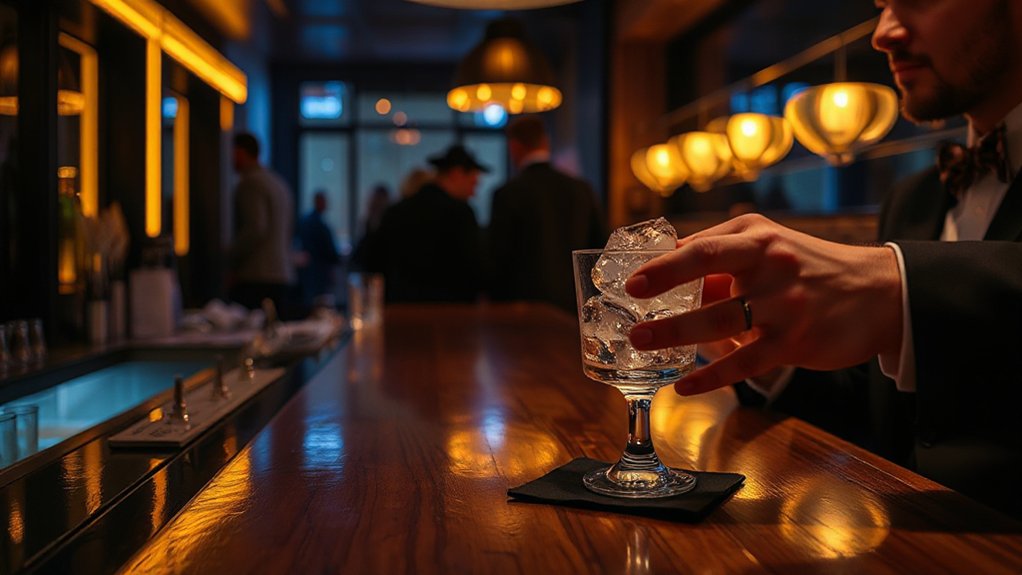
Even when you’re enjoying a drink, you can stay in control by pairing alcohol with a plan: know your limits, pace yourself, and choose options that balance calories, sugar, and hydration. To minimize regret, track servings and alternate with water, especially after socializing.
Opt for lighter options like craft beer or dry wines, which often carry fewer residual sugars than sweet mixes, and avoid shots that spike intake quickly.
Before you sip, consider a simple wine pairing approach: match the dish to the wine’s acidity and body to enhance satisfaction without overconsumption.
For cocktails, lean toward shorter, lower-alcohol builds and ask for less syrup. A mindful pace, plus room-temperature servings and snacks, improves fullness and reduces post-session cravings.
Night-Mode Nutrition: Protein, Fiber, and Smart Carbs
Night-Mode Nutrition focuses on how to fuel late-night activities without compromising sleep or recovery: prioritize protein to support satiety and muscle upkeep, pair it with fiber to slow digestion, and choose smart carbs that provide steady energy without a blood-sugar spike.
You’ll reduce late night cravings by balancing macros and timing your last meal a bit earlier than you’d expect, then keep portions moderate to avoid sleep disruption. Be mindful of liquid calories that can rise bedtime intake.
Use this approach to navigate midnight snacks without caffeine-induced wakefulness.
- Prioritize lean protein at your final bite
- Add fiber-rich vegetables or legumes for fullness
- Choose slow-digesting carbs like oats or whole grains
Late night cravings become manageable; midnight snacks stay purposeful.
Packable Light Snacks for Social Nights
What’re the best packable light snacks for social nights where you’re mingling, not grazing? You’ll want options that travel well, stay fresh, and pair with water or low-sugar beverages. Prioritize protein and fiber in small portions to curb sudden hunger without heaviness, such as single-serve yogurt cups, cheese sticks, or edamame.
Add crunchy vegetables with portable dips, like carrots, cucumbers, and peppers with hummus in compact containers. Include a fruit element, like berries or a peeled apple, to satisfy sweetness without overdoing calories.
Portion control is essential: aim for 100–150 calories per snack unit. Hydration matters, so track social hydration alongside snacks. Data suggests moderate, balanced packs reduce post-event cravings and support steadier energy levels after late-night interactions.
Mindful Indulgences: Treats That Satisfy, Not Sabotage

Want to enjoy treats without derailing your goals? You can favor small, deliberate choices that support balance. The concept of mindful savoring is key: pause, assess craving strength, and align with daily targets.
When you choose a treat, opt for portions that satisfy without excess, and pair indulgences with fiber or protein to reduce spikes. Track responses to different snacks to refine your own threshold for satisfaction.
- Pre-portion desserts to a single serving, then truly stop.
- Combine a bite with water and a brief pause to reassess hunger.
- Choose nutrient-dense options that still feel rewarding.
Treat moderation becomes your baseline, not a restriction. By applying data-informed limits, you sustain momentum after 9 pm while enjoying flavors you crave.
Two-Tier Nighttime Eating: Plan Ahead, Then Adjust
Two-Tier Nighttime Eating centers on planning before you snack and then adjusting based on real-time feedback. You map meal timing to your evening activities, naming windows for pre-event fuel and post-event recovery.
In practice, you choose a small, balanced prior snack and a library of low-impact options for later, so choices remain consistent with goals. Track portions, calories, and satiety signals, adjusting portions if you notice lingering hunger or fullness.
Maintain social boundaries by communicating timing needs with hosts or friends, so snacks don’t derail plans or temptations. Use data from your body to shift tomorrow’s plan, not today’s impulse.
This approach emphasizes cautious experimentation, clear benchmarks, and reproducible results, helping you sustain energy, minimize guilt, and preserve rhythms during late-night socializing.
Navigating Peer Pressure and Boundaries After Dark
After dark, peer pressure can shape your choices, but you can steer conversations and snacks by setting clear boundaries and staying aligned with your goals. You’ll assess social cues, quantify risk, and respond calmly to pressure, using practical scripts. Focus on your limits and communicate them succinctly to protect your well-being.
- Identify your triggers for social pressure and set concrete, respectful refusals.
- Offer safe alternatives that align with your goals without shaming others.
- Revisit boundaries after events to reinforce peer boundaries and refine future plans.
This approach is data-driven and cautious: track responses, measure comfort, and adjust strategies. By structuring interactions, you reduce impulsive decisions and maintain control over what you consume and share after dark.
Sleep-Friendly Post-Event Routines
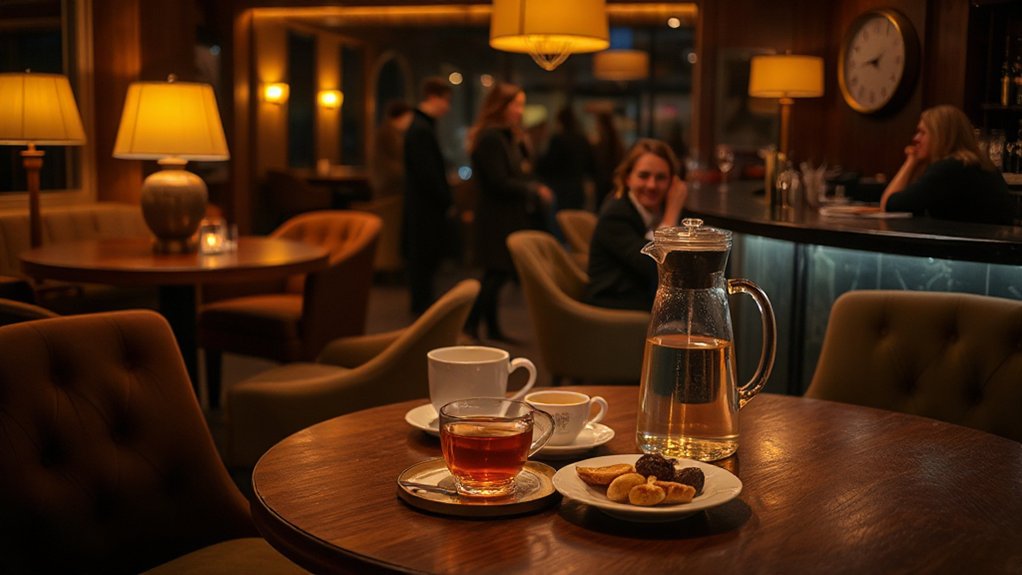
When you’re winding down after a late event, a simple, repeatable routine can protect sleep quality and recovery. Start with a consistent 15–20 minute window to de-escalate cues from social activity.
Use dim lighting and cool ambient temperature to signal winding down.
Incorporate late night meditation for stress reduction, aiming for steady breathing and a calm focus to lower cortisol.
Hydration matters, but limit liquids near bedtime to minimize awakenings.
Follow a brief evening skincare routine to cue end-of-day rest, avoiding heavy actives that disrupt sleep.
Prepare tomorrow’s essentials before bed to reduce morning friction.
Keep electronics out of reach, or use a blue-light filter.
Track sleep onset and awakenings to refine timing over time.
Gentle Movement to Reset After Night Activities
Gentle movement after late-night activities helps reset the body without overstimulating it. When you finish socializing or eating, opt for low-intensity motions that promote flow rather than rumination. The aim is to signal rest, not to fatigue you further. Use controlled breathing to support tempo and balance, then proceed with short, purposeful actions.
- Gentle stretching: target neck, shoulders, hips, and calves to release tension without raising heart rate.
- Light walking: 5–10 minutes at a relaxed pace to promote circulation and digestion, avoiding sprint-like bursts.
- Calming music: choose soft, instrumental tracks to cue relaxation and aid settling.
Notes: avoid vigorous activity or screens. Prioritize consistency, not intensity, for a smoother progression to sleep.
Recovery Toolkit: Magnesium, Melatonin, and More
If you’re considering recovery aids, start with magnesium for sleep support and monitor how your body responds over a week or two.
Use melatonin timing tips to align with your natural cues, avoiding routine doses if you’re not sure of the impact on next-day alertness.
Pair these with hydration and light cues to reinforce a calmer sleep window, and adjust based on what the data and your daily feelings show.
Magnesium Sleep Support
Magnesium can play a practical role in sleep support, especially when combined with good sleep habits. You’ll want to interpret the data cautiously and prioritize measurable outcomes over hype.
In practice, magnesium sleep support may modestly improve sleep quality for some people, particularly if dietary intake is low or if stress disrupts routines.
Consider these evidence-aligned steps to evaluate magnesium supplements for sleep enhancement:
1) Track nightly sleep metrics for two weeks after starting supplementation.
2) Compare total sleep time, wake after sleep onset, and subjective restfulness.
3) Discuss with a clinician any interactions with medications or underlying conditions.
Use magnesium supplements as a targeted tool, not a default fix, and reassess if benefits plateau or adverse effects appear.
Melatonin Timing Tips
Melatonin timing matters for sleep quality, so you’ll want to align dosing with your circadian rhythm and daily schedule rather than defaulting to a standard dose.
In practice, you’ll aim for short-acting relief when sleep onset is delayed, not as a blanket fix for late nights. Keep doses modest and time them 30 to 60 minutes before intended bedtime, adjusting only after tracking results for a week.
If you experience melatonin disruption, reassess timing, exposure to light, and caffeine use late in the day.
Your circadian rhythm can drift with late social activities, so use tighter schedules on work nights and weekends.
If sleep remains elusive, consult a clinician before high-dose or long-term use. Monitor symptoms and adjust cautiously.
Hydration And Light Cues
- Hydration strategies: sip water or electrolyte beverages earlier in the evening; taper after midnight if needed to minimize disruptions.
- Light cue adjustments: seek bright, blue-enriched light before late activities, then dim or shift to warmer tones 60–90 minutes before bed.
- Monitoring tips: track wakefulness, mood, and sleep onset to refine your routine without overstressing the schedule.
Weekdays vs Weekends: Aligning Goals for Social Life
Weekdays and weekends shape different social rhythms, so aligning your goals means balancing consistent routines with flexible, low-risk choices.
You’ll benefit from a clear framework: set core weekday boundaries (timely dinners, wind-down rituals) and reserve weekend windows for low-stress social wins.
Track how often you attend events, how long you stay, and how you feel the next morning. Use data to adjust, not guilt.
Prioritize late night hobbies that fit your energy curve and avoid overloading Thursday or Friday.
If you slip, recalibrate rather than abandon goals.
Emphasize early morning routines on Sundays or post-event days to stabilize sleep, hydration, and focus.
With measurement and moderation, you align social life with wellbeing, not just social quantity.
The Quick Nightlife Cheat Sheet: 10 Essentials
If you want to navigate late-night outings without derailing rest, these 10 essentials give you a practical, data-informed framework you can apply tonight. You’ll rely on evidence-backed norms for timing, hydration, and pacing to sustain energy without compromising recovery.
Prioritize lightweight, versatile items that fit Nightlife fashion needs while staying within a sensible carry footprint. Plan for a future-proof sequence: eat, move, hydrate, and assess fatigue cues before social commitment.
Be cautious with caffeine after late hours and track night-to-maminal calories to avoid unnecessary surplus. This sheet emphasizes efficiency, safety, and measurable outcomes for better next-day performance.
- Hydration plan
- Lightweight outfit kit
- Quick post-event recovery
late night workout mindset, data-driven adjustments
Frequently Asked Questions
How Can Late-Night Eating Disrupt Circadian Rhythm Short-Term?
Late-night eating disrupts your circadian rhythm short-term by shifting Meal timing and triggering hormonal balance changes; you might feel sleepier later, experience poorer sleep quality, and misalign energy highs, making it harder to recover tomorrow. Stay cautious, track reactions.
What Are Best Non-Caffeinated Sleep-Safe Snacks After 9 PM?
Sleep-friendly foods are key: choose healthy snack options like yogurt, a small banana, or a handful of almonds. You’ll curb cravings, avoid caffeine, and stay steady. Data-driven guidance: moderate portions, avoid heavy fats, and monitor your tolerance.
Can Hydration Timing Affect Morning Wakefulness and Appetite?
Hydration timing can influence morning wakefulness and appetite. If you hydrate consistently, you may improve sleep quality and daytime alertness, but avoid excess right before bed. Track patterns, adjust intake, and prioritize balanced fluids for ideal Sleep quality.
Which Social Scenarios Pose Least Judgment for Healthier Choices?
You’ll find judgment-free zones and healthy social settings minimize scrutiny as you choose smarter snacks and pacing. Data suggests when you plan ahead, you’ll navigate peer pressure better, staying consistent, informed, and present, even in lively late-night contexts.
How to Handle Cravings Without Triggering Guilt After Events?
You handle cravings by practicing mindful indulgence and labeling emotions to curb emotional eating; plan a small, satisfying bite, track triggers, and pause before reacting, using data from your patterns to reduce guilt after events.
Conclusion
After all this, you’ll see late nights aren’t reckless—just a tiny, solvable data set. You’ll eat smarter, sleep steadier, and dodge the morning fog with crisp, evidence-backed tweaks: light dinners, smart snacks, hydration, gentle movement, and a clear wind-down. Track what works, respect your limits, and don’t overshoot. With steady rhythms, your social life and REM cycles finally agree on a single, sane weekday-to-weekend formula. Nightlife becomes a calculable, enjoyable routine, not a chaos event.