
Planning a multi-city bus or tram trip in Spain hinges on reliability, clear fares, and real-time updates. Check routes and schedules via official apps, note peak-time frequencies, and build buffers for transfers. Pay with cards, contactless, or taps; validate tickets at first use. Read platform boards for line numbers and destinations, and mind accessibility features. Expect seasonal changes on rural routes and touring lines. If you keep this approach, you’ll gain access to smoother travel across regions.
Key Takeaways
- Plan with official apps and regional portals to map routes, check schedules, and monitor real-time status feeds.
- Tap-based payments (cards, cash, contactless) ensure quick fare validation; know where drivers or readers validate.
- Check fare zones and consider day passes or multi-ride tickets to save costs; validate at first use.
- Read timetables by route, service day, and holidays; use platform boards for line numbers, destinations, and accessibility info.
- Observe boarding etiquette, assist others if needed, and stay aware of safety and security to prevent disruptions.
What Makes Spain’s Buses and Trams Stand Out
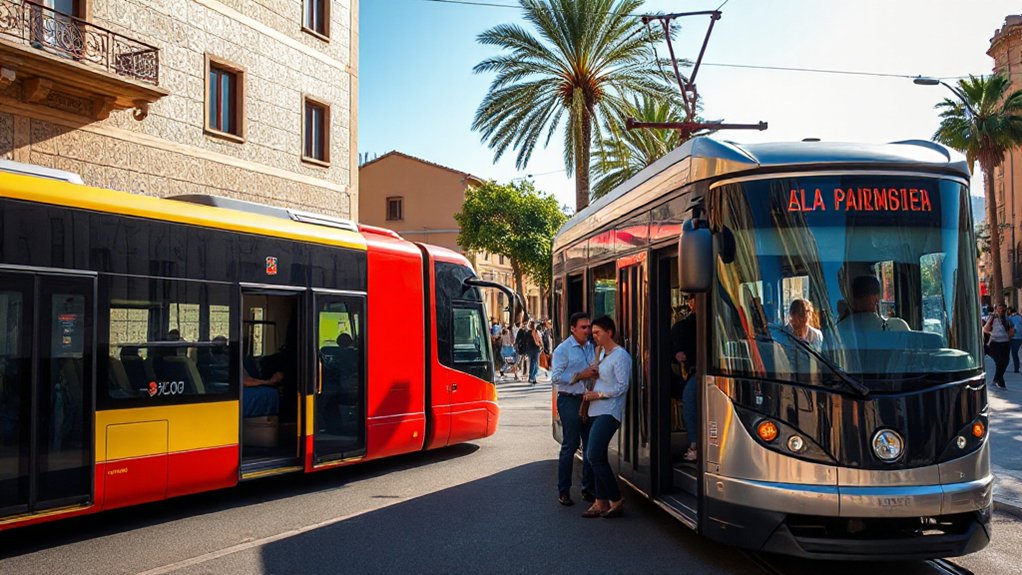
Spain’s buses and trams stand out for reliability, coverage, and comfort. You’ll notice high service frequency in major cities, with timetables aligned to peak commuting times and event schedules. Data shows urban fleets consistently meet punctuality targets, and regional routes fill gaps for residents and visitors alike.
Bus maintenance programs emphasize preventive checks, minimizing breakdowns and extending vehicle life. Tram branding appears as a unified identity across networks, aiding wayfinding and passenger trust.
You track real-time updates on apps, reducing wait times and uncertainty. Accessibility features, clear announcements, and passenger information systems boost usability for all riders.
How to Plan a Multi-City Bus or Tram Trip in Spain
To plan a multi-city bus or tram trip in Spain, start by mapping your route and timing across networks using official operator apps and regional transport portals. You’ll compare schedules, transfer windows, and ticketing rules to minimize layovers and maximize reliability.
Prioritize towns with compatible fare systems or unified passes to simplify payments. Build a contingency plan for strikes or outages, noting alternative corridors and backup times.
Monitor real-time status feeds during your journey and adjust on the fly to avoid delays. Consider crew and service quality indicators, such as on-time performance and vehicle availability.
In preparation, research Bus driver training and Tram maintenance standards to gauge operator quality, and verify accessibility options at each stop. Document your plan with clear, publishable dates and contact points.
Spain’s Regional and City Passes That Save You Money
Regional and city passes can trim travel costs when you’re hopping between towns or staying put in a single metropolis. You’ll find regional discounts that apply to multiple operators within a province or autonomous community, often bundled with unlimited or capped daily travel.
City passes typically cover core urban networks, including buses, trams, and sometimes metro connections, with simplified validation rules.
When evaluating options, compare per-ride costs, renewal periods, and transfer allowances, then estimate your week’s or month’s travel to determine value.
Most passes require ticket validation at first use and at startup of each new day; some use contactless cards, others require a punch or QR check.
Collect data on nearest outlets and validation locations before you depart.
How to Read Spanish Bus and Tram Timetables
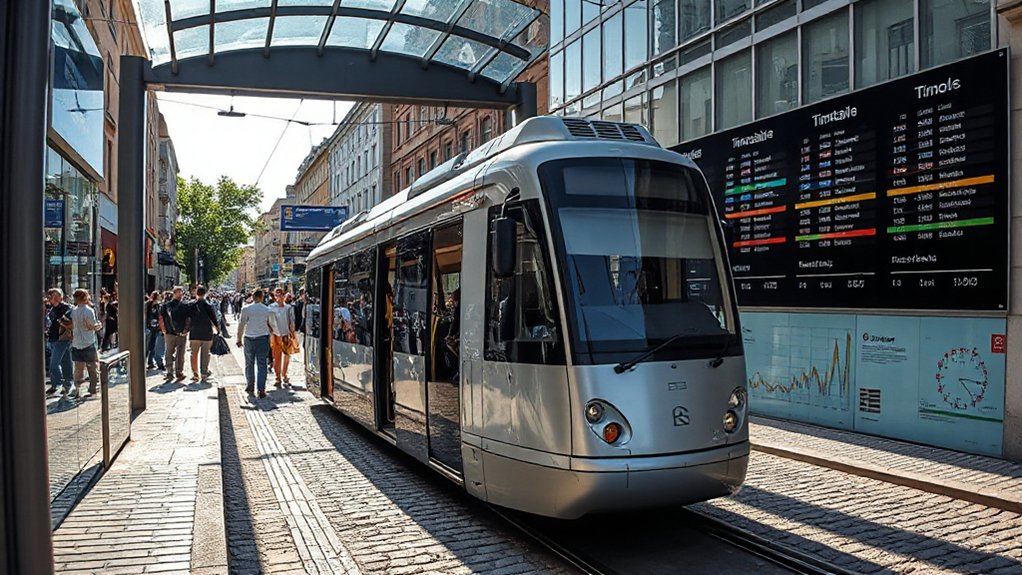
Timetables can look dense at first, but they’re mainly organized by routes, service days, and stop lists. You’ll parse them by noting the route number, destination, and first/last departure times. Then verify days of operation (weekdays vs weekends) and frequency.
Look for stop lists to confirm where you hop on and off; peak hours often run more frequently. Use printed or digital timetables alongside Bus station signage and Tramway maps to triangulate your path, especially at transfer points.
Check exceptions for holidays or service changes and plan backups if a bus or tram is delayed.
- Route numbers and destinations matter most for orientation
- Service-day icons indicate weekday, weekend, or holiday runs
- Frequency shows how often a vehicle appears
- Stop lists confirm boarding points
- Signage and maps aid cross-checks at hubs
How to Buy Tickets: Cards, Cash, and Contactless Payments
Across Spain’s public buses and trams, you can pay with cards, cash, or contactless methods, and the system increasingly favors quick, tap-based transactions. You’ll notice most devices accept contactless cards and mobile wallets, with clear prompts in multiple languages.
Fare collection is typically manned by drivers or automated readers near doors, so you should tap or insert promptly to avoid delays. Ticket validation usually happens at entry or via a handheld scanner on the vehicle, and errors are flagged by a light or sound.
In larger cities, fares are structured by Fare zones, with shorter, cheaper rides inside core zones. For occasional riders, look for day passes or multi-ride tickets that cover multiple trips, reducing per-ride costs.
Understanding Zones, Fares, and Tariff Systems
In Spain’s urban transit networks, zones determine fare levels and can vary by city, so you’ll want to check the map before boarding. You’ll notice that fare zones shape ticket prices, transfer rules, and how long a pass lasts.
Tariff systems differ by region, with some cities using single- or multi-zone structures and others pairing distance-based pricing with flat fees. When planning trips, compare zone coverage on your route to avoid surprises at the turnstile.
If you stay within one zone, costs stay predictable; crossing zones usually raises the fare. Look for official maps and customer signs for confirmation, and keep your ticket handy for inspections.
- fare zones
- tariff systems
- zone-by-zone pricing
- transfer rules
- regional variations
How to Use Apps for Real-Time Schedules
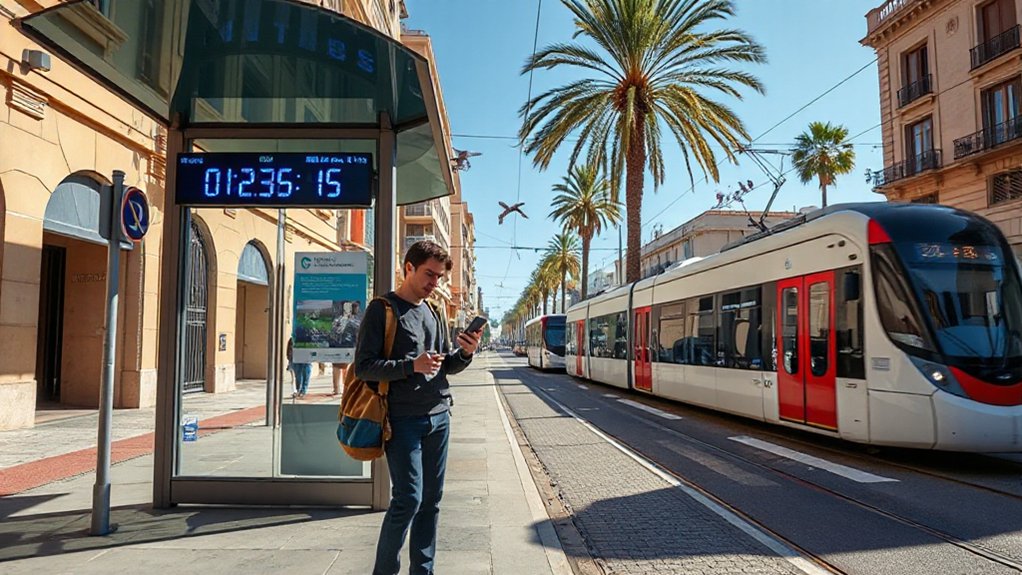
Many transit apps let you track buses and trams in real time, so you can time your start, transfers, and arrivals with your itinerary. You’ll see live vehicle positions, estimated arrival times, and service alerts, helping you avoid delays and missed connections.
Use filters to tailor options by route, stop, or line, and compare multiple providers for the fastest option. Most apps support offline maps and push notifications for departures near you, improving reliability in urban centers and regional networks.
When boarding, you’ll confirm ticket validation is recorded, either via QR code or card tap, ensuring you’re covered across transfers.
Route customization lets you save favorite lines and set preferred departure windows, streamlining daily navigation and reducing planning time.
Navigating Madrid’s Buses and Trams Like a Local
Madrid’s transit basics show you where to board, how fare zones work, and the typical speeds you should expect on buses and trams.
You’ll notice etiquette matters: stand clear of doors, offer your seat to others when needed, and have the ticket ready to avoid delays.
This sets the stage for reading live data, understanding routes, and moving efficiently like a local.
Madrid Transit Basics
How can you ride Madrid’s buses and trams efficiently like a local? You learn the routes, validate with the latest Madrid EMT network map, and time your transfers using live apps. Buses and trams run frequently, but peak times vary by line, so plan a window for delays.
Use contactless payment or a monthly pass to speed boarding, and keep coins ready for exceptions. Local bus safety matters—stand clear of doors, watch for cyclists, and mind priority seating.
Tram maintenance keeps service steady, but report irregulars via the operator app. Stay aware of platform announcements and note nearby alternatives in case of disruption.
- Check real-time arrivals before you go
- Validate tickets at entry points
- Stand clear of doors during boarding
- Use apps for delays and detours
- Report equipment issues promptly
Buses And Trams Etiquette
Moving through Madrid’s buses and trams means prioritizing courtesy and pace: stand clear of doors, yield to seated priority passengers, and board in the order the vehicle presents.
You’ll notice practical etiquette shapes rider behavior: quiet conversations preferred, headphones for audio, and minimal queue fuss at stops.
On crowded cars, keep aisles unobstructed, avoid blocking seats, and offer your seat to elderly, disabled, or pregnant passengers when you can.
Pay attention to priority seating areas—these are reserved but flexible in real time to safety needs.
In practice, payment, boarding, and exit flow follow posted rules rather than social pressure, aligning with data-driven urban transit norms.
This reflects cultural norms in public transit, promoting efficiency and safety for all riders.
Coastal and Historic Routes in Valencia and Seville
Valencia’s coastline and Seville’s historic core offer distinct routes you can map by numbers: coastal bus lines along Valencia’s beaches and the historic tram lines that trace Seville’s riverfront.
Expect concise ridership data and service hours to show how these options fit day trips or weekend itineraries. You’ll compare reliability, frequency, and travel times to decide where to start your coastal or historic exploration.
Coastal Bus Routes
- Beachside stops heighten coastal scenery without sacrificing core-city access
- Timetables emphasize overlap with popular promenades
- Peak hours concentrate along beachfront wards
- Integrated tickets reduce transfer counts
- Seasonal adjustments boost service to tourist beaches
Historic Tram Lines
In Valencia, the coastal corridor serves as a scenic feeder to older tram depots, while the inland segments highlight early-20th-century urban layouts.
In Seville, historic routes thread through narrow lanes near the Guadalquivir, offering rapid transit between historic centers and modern neighborhoods.
System maps label vintage trams clearly, with turn-by-turn updates at major stops. Service frequencies vary by day; expect higher intervals on Sundays.
Use exact-stop timing to avoid waits. Tickets often cover multiple modes, simplifying transfers between tram and bus.
Plan ahead, monitor real-time boards, and ride for a tangible link to Spain’s transit heritage.
Handling Delays, Substitutes, and Service Changes
When delays occur, rely on official transport apps or agency notices to verify updated arrival times, substitutions, or temporary service changes for buses and trams in Spain. You’ll see real-time notices reflect detours, cancellations, or substitutions so you don’t guess at schedules during disruptions.
Track alternate routes, planned diversions, and affected stops to stay informed. Prioritize official sources to reduce confusion during handling delays and service disruptions, then adjust plans accordingly.
If a substitute bus is announced, check its route alignment with your destination and expected arrival. Keep a calm pace, pack essentials, and allow extra travel time when disruptions are likely.
Maintain awareness of mobile alerts and posted notices at stations for immediate updates.
- Real-time alerts help validate changes fast
- Verify substitutions against your intended destination
- Note detours and stop relocations promptly
- Check aligned arrival estimates before boarding
- Rely on official channels for accurate disruptions updates
Avoiding Common Transit Scams and Pickpockets
Transit scams and pickpockets are most common in crowded stops and on late routes, so stay alert, keep your belongings secure, and trust your surroundings.
Use bag security tactics like zippers toward your body, money and cards in separate compartments, and minimal valuables on display.
Stay aware of suspicious distractions and report any incidents promptly to transit staff or police.
Beware Transit Scams
Be alert to common transit scams and pickpocket tactics on buses and trams in Spain. You’ll want to stay focused on what you can control: your belongings, your ticketing, and your route. Most incidents happen in crowded spaces or near doorways, so keep bags closed and close to your body. If something feels off, refuse unsolicited help and move away calmly.
Watch for distractions crafted to loosen your grip on tickets or cash; scammers often exploit momentary confusion during boarding. Know that ticket discounts exist for students or seniors, and always verify eligibility at the source. Also check baggage policies to avoid loading delays or extra fees that can attract attention.
- Stay aware in crowded doors and exits
- Don’t display valuables or cash openly
- Verify discounts before purchasing
- Don’t accept help with ticketing from strangers
- Know baggage policies and limits
Bag Security Tactics
Bag security is about proactive habits that keep your belongings out of sight and out of reach in crowded buses and trams. You should keep bags in front of you or on your lap, not on adjacent seats, to reduce snatch risk in dense aisles.
Use luggage security practices: zippered compartments secured, fasten straps, and avoid exposing valuables during boarding and alighting. When possible, place a small item in a front pocket or under a closed jacket to minimize temptation for opportunistic pickpockets.
Seat reservation, if offered, helps control your space and minimizes wandering hands near your bag. Stay aware of abrupt crowd shifts and maintain eye contact with your belongings without drawing attention.
Maintain routine checks every stop to deter distraction-focused offenses.
Stay Aware, Alert
Staying vigilant on buses and trams means recognizing common scams and keeping a tight grip on your belongings. In crowded rides, thieves target quick pockets and misdirection. Stay aware of distractions, bumping, and unauthorized helpers offering “assistance.”
Monitor exits and validate fares before boarding. Prioritize personal safety by keeping bags closed and backpacks worn front-facing in crowded aisles. If you sense a sketchy situation, move to a staffed area or exit briefly to reassess.
Maintain emergency preparedness by knowing route numbers, emergency numbers, and nearest help points. Trust your instincts; if something feels off, disengage and alert staff.
- Keep bags zipped and in front
- Secure valuables separately
- Watch for distraction tactics
- Use official ticketing points
- Report suspicious behavior promptly
Smart Travel: Contactless Payment Tips and Pitfalls
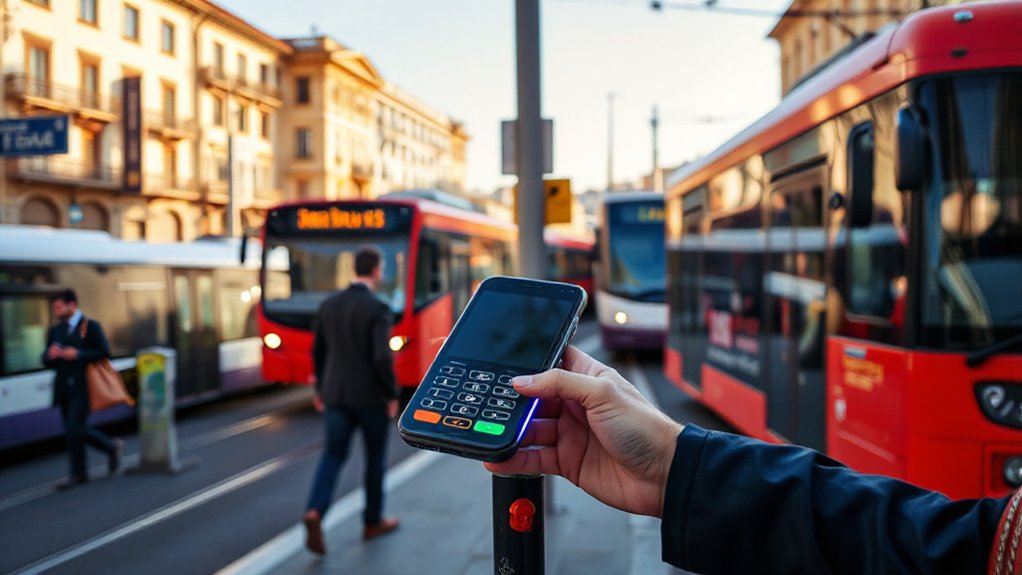
Smart travel with contactless payment in Spain’s buses and trams is fast, convenient, and increasingly reliable, but it isn’t without wrinkles. You’ll notice rapid taps during peak hours, with some systems capping fares and others charging per ride.
Contactless technology generally reduces cash handling, yet occasional reader glitches can delay boarding; a backup card or app is prudent. Keep an eye on regional differences: Madrid and Barcelona use backend validations that may require a tap when boarding and alighting, while smaller cities sometimes rely on prepaid cards.
For payment security, use virtual cards or tokenized apps, avoid sharing PINs, and monitor receipts for unexpected charges. Always verify your balance after journeys, and report anomalies promptly to transit operators.
Rural Routes: Planning Beyond the Big Cities
Rural routes in Spain demand more planning than city hops, but they can pay off with lower costs and scenic rewards. You’ll discover that rural connectivity hinges on timetables, seasonality, and regional links, not just mainline schedules. Expect fewer frequent services, but steadier daytime runs on popular scenic routes. Use regional apps to confirm departures, and pack flexible options for last-mile hops.
You’ll gain insight by mapping transfers between villages, villages-to-trains, and bus-to-ferry legs when needed. Data shows weather and harvest cycles affect reliability, so plan buffers. Scenic routes reward you with overlooked landscapes, local stops, and slower paces that reveal culture.
Plan budget, time, and flexibility to maximize value and discovery.
- Prioritize regional timetables and feeder connections
- Check seasonal service variations and closures
- Build buffers for transfers and delays
- Balance costs with longer, scenic itineraries
- Use local apps for real-time updates
Reading Platform and Vehicle Information Boards
Vehicle information boards inside units show line numbers, destination names, and platform letters, helping you avoid missteps during busy periods. Pay attention to icons denoting accessibility, multilingual options, and wheelchair spaces, which vary by city.
Cross-check a route map with the board readings to validate any deviations you notice. In practice, these boards reduce guesswork and speed your journey across Spain’s diverse networks.
Boarding Etiquette and Safety on Spanish Buses
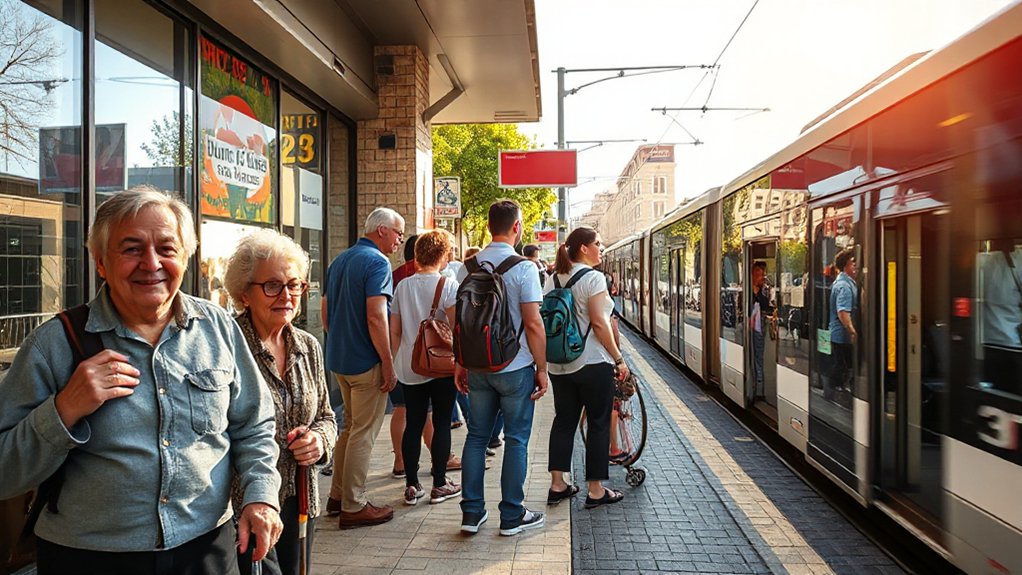
When you board a bus in Spain, give priority to those alighting first and watch your step on the curb side.
If you’re handling bags, keep them close to your body to avoid blocking doors or the aisle, and use the handrails as you move through the vehicle.
Respectful conduct and basic boarding safety—like yielding to seniors and keeping noise low—help everyone ride more efficiently and safely.
Boarding Safety Tips
On Spanish buses, boarding safely starts the moment you approach the door: step aside for alighting passengers, steady yourself as the bus slows, and board in a single orderly line. You’ll minimize crowding and reduce delays when you follow established boarding procedures and keep aisles clear.
Observe the driver’s instructions, allow priority seating to those who need it, and avoid blocking doors or paying with the wrong method. Consistent passenger behavior keeps everyone safer, especially during peak times or in crowded stops.
Your careful actions help the system run smoothly and reduce slip hazards.
- Stand behind the marked line until the doors open
- Let exiting riders alight before you enter
- Keep backpacks and bags under control
- Hold onto handrails while the bus is moving
- Prepare exact fare before boarding
Respectful Passenger Conduct
In urban routes, you stage behind the line, pay with the correct fare, and avoid blocking doors as they open.
On crowded buses, you offer assistance to elderly or disabled riders and refrain from loud conversations that disturb others.
Practical data notes: delays rise when bags or bikes crowd exits, so secure items before seated.
Cultural customs influence signaling; a brief greeting with “hola” and a thank-you suffices.
Language tips: learn essential phrases for fare machines and asking for directions.
Respect fosters safety, efficiency, and smoother rides for everyone.
Accessibility, Packing, and Travel Needs for All Travelers
Accessibility, packing, and travel needs vary by traveler, but common ground is clear: Spain’s public buses and trams prioritize usable routes, rider information, and onboard assistance for all profiles. You’ll notice accessible features like low-floor entries, priority seating, visual and audio announcements, and step-free transfers between modes.
When planning, consider packing essentials such as a compact umbrella, portable charger, transit card, copies of IDs, and a small first-aid kit. Data shows punctual services and clear signage reduce transfer times and confusion.
Your actions—staying informed, leaving space for others, and using requested priority seating—smoothly support the system. Stay patient during peak periods; crews and apps provide updated guidance to keep trips efficient.
- Accessible features improve overall flow
- Packing essentials support smoother transfers
- Real-time announcements aid comprehension
- Clear signage reduces dwell times
- Courtesy improves reliability for all riders
How to Map Routes and Compare Options Like a Local
When you map routes, start with your origin and destination, then compare buses and trams by travel time, frequency, and walking legs between stops.
Gather live data from transit apps and official city pages to confirm service hours, not just schedule PDFs. Note the Local language on route boards and announcements to anticipate transfers and platform changes.
Prioritize routes with fewer transfers, or shorter overall walk distances, and verify the walking path quality if you’ll roll luggage or use a stroller.
Track ticket validation points during a test run, so you know where to tap or scan. Record fare options, then weight them against total travel time to choose the most reliable, cost-effective option for your day.
Frequently Asked Questions
Are Buses and Trams in Spain Wheelchair Accessible Everywhere?
Wheelchair accessibility varies; not all buses and trams offer full access everywhere. You’ll find good service coverage in major cities, but rural routes may lag. Check vehicle specs, and verify with local operators before travel.
How Reliable Are Real-Time Updates on Regional Services?
Real time tracking is generally reliable, but service accuracy varies by region. You’ll notice delays in peak hours; rely on live maps, corroborate with operator alerts, and expect occasional lapses during weather events or incidents.
Can I Use a Single Card Across All Cities and Operators?
Yes, you can, but not universally. Universal travel cards exist, yet Regional fare systems vary. You’ll often pay per city, sometimes accept intercity passes; check fare maps before you ride, and compare benefits for savings.
What Luggage Is Allowed on Regional Buses and Trams?
Luggage rules vary, but you’ll usually face size restrictions like cabin bags up to 55x40x20 cm and some regional limits. Check each operator’s baggage storage policies, as they differ by vehicle and route. Plan accordingly, and avoid surcharges.
Do Night Buses Have Reserved Seating or Tips?
Night buses don’t always have reserved seating, so arrive early. You’ll want to know night bus safety and Ticket purchasing tips; buy on board or via app, and keep your bag close, lookouts for schedules, and valid ID.
Conclusion
Traveling Spain’s buses and trams is affordable, flexible, and increasingly commuter-friendly, with real-time data and regional passes boosting efficiency. Plan multi-city hops, compare local options, and read timetables confidently. For example, a traveler saves time by using a Valencia metro-tram combo and a regional pass, avoiding peak fare spikes. Stay observant: confirm boarding zones, tap preloaded cards, and heed accessibility notes. Data shows shared platforms reduce wait times by up to 25%, making travel smoother for all.