
Plan your Spain island ferries by starting with major hubs and practical routes, then expand to nearby islands for efficient hops. Check seasonal services and frequency, aiming for midweek departures to dodge crowds. Learn to read schedules carefully, compare operators, and book early to secure the best fares and seats. Pack light, map luggage rules, and stay flexible for weather or delays. If you keep exploring, you’ll uncover even smoother, multi‑leg itineraries across the archipelago.
Key Takeaways
- Define your island targets and choose routes that connect major hubs first, then add nearby islands for practical itineraries.
- Check seasonal services, port locations, and festival schedules to plan reliable cross-channel trips with cultural experiences.
- Compare operators by fleets, routes, punctuality, pricing rules, and discounts; book early to minimize transfers and delays.
- Read schedules carefully, note departure windows, durations, and contingencies for weather or congestion; carry essential travel documents and backups.
- Pack light, label luggage, and confirm bike storage rules; arrive early and use official channels for updates and rebooking if needed.
Decide on Your Spain Island Ferry Route
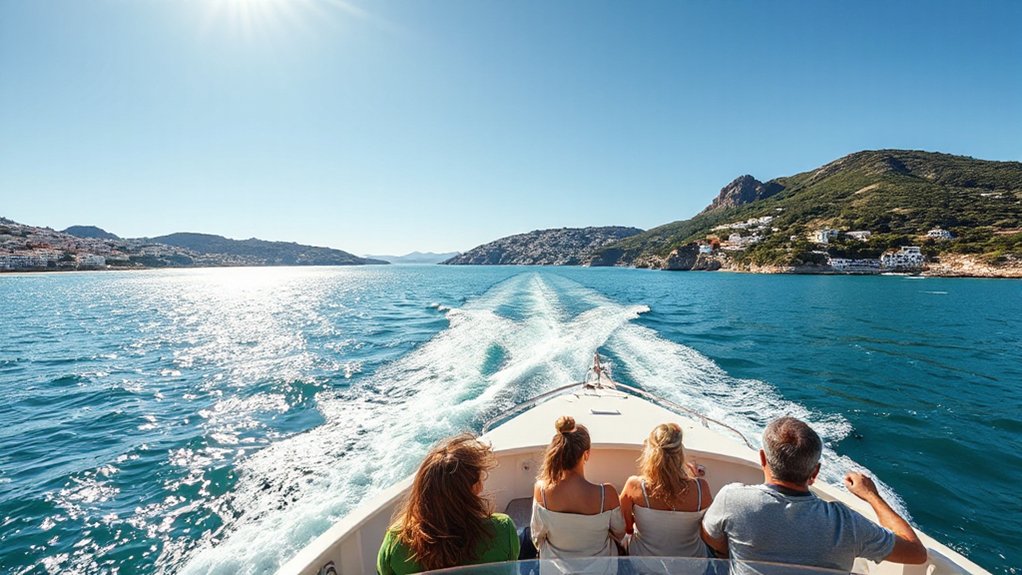
Choosing your Spain island ferry route starts with a clear goal: what islands you want to connect and how quickly you want to travel. You’ll map priorities by considering distance, travel time, and frequency. Start with major hubs to anchor your plan, then fill gaps with nearby isles that offer practical connections.
Check seasonal services and port proximity to your accommodations to avoid extra hops. Weigh overnight vs daytime crossings to fit your rhythm, and consider return flexibility for unexpected weather.
Cultural festivals and local cuisine should guide timing; align routes with markets, concerts, and feast days when possible to maximize immersion without extra detours. Keep notes on fares, luggage limits, and essential crossings, then refine until your route feels efficient, enjoyable, and uniquely Spanish.
What Makes Spain’s Island Ferry Network Unique
You’ll notice the island ferry network spans multiple archipelagos, giving you broad maritime connectivity between towns and ports.
This framework links smaller islands with major hubs, making routes flexible and practical for planning trips.
The system’s scope and inter-island links let you tailor itineraries around time, budget, and desired scenery.
Island Ferry Network Scope
Spain’s island ferry network stands out for its dense, interwoven routes that connect archipelagos with mainland hubs, making travel between islands quick and predictable. ferries run year-round across multiple operators, and timetables are typically synchronized to common holiday and weekend patterns, so you can plan with confidence.
You’ll see broad coverage from major ports to smaller harbors, with frequent cross-channel services on high-demand routes and seasonal adds when tourism peaks. This scope supports flexible itineraries, enabling day trips or multi-leg journeys without private transport.
Note how operators manage reliability through Ferry maintenance and robust crew training, which reduce delays and improve onboard safety. In practice, map your options, verify last-minute schedule changes, and prioritize direct crossings to minimize transfer risk.
Maritime Connectivity Between Islands
How does Spain’s island ferry network stay so interconnected? It hinges on frequent, multi-port sailings that align with local schedules and tourism rhythms.
You’ll notice compact, hub-and-spoke patterns where main ports shuttle passengers to smaller, time-sensitive routes, minimizing wait times. Operators optimize vessel utilization with quick turnarounds and on-demand connections, boosting reliability for daily commutes and weekend escapes alike.
Maritime connectivity thrives through standardized ticketing, clear transfer windows, and real-time updates that help you plan seamless hops between islands.
You’ll also see emphasis on comfort and efficiency: cruise luxury elements meld with practical features, so longer crossings feel effortless. Vessel design favors stability, efficient propulsion, and accessible layouts, letting you move freely, board quickly, and enjoy vistas without sacrificing reliability.
When to Plan: Best Seasons and Frequency
Ferries run most reliably in spring and autumn when seas are calmer and schedules are steadier, but your best choices for planning depend on island traffic and seafaring conditions.
You’ll find fewer crowds and steadier departures midweek, with shoulder-season gaps offering smoother crossings. Peak summer adds frequency on popular routes but may bring delays from weather or supply constraints, so build a buffer into your timetable.
Consider local calendars: seasonal festivals draw crowds, affecting ports and ferries, while regional winds can shift crossing times. If you crave authenticity, align trips with local cuisine events to enjoy tastier routes or dockside markets.
In practice, map a core itinerary first, then layer alternates for weather or maintenance, ensuring you can adapt without sacrificing travel goals.
How to Read Ferry Schedules and Crossing Times
Reading schedules and crossing times is your practical map for island hopping. You’ll start by noting departure windows, duration, and any layovers, then confirm last-minute changes with the carrier’s app or website.
Use the timetable’s columns to compare outbound and return trips, paying attention to days of the week and seasonal adjustments. Look for warning icons or notes about weather delays, port congestion, or dock changes.
Consider ferry maintenance activities that can affect timing, and how crew training may influence service quality or protocol during peak season.
Keep a brief checklist: exact departure time, vehicle space, and boarding instructions. Record contingencies, like alternative routes, so you stay flexible without losing momentum on your itinerary.
Compare Ferry Operators for the Islands
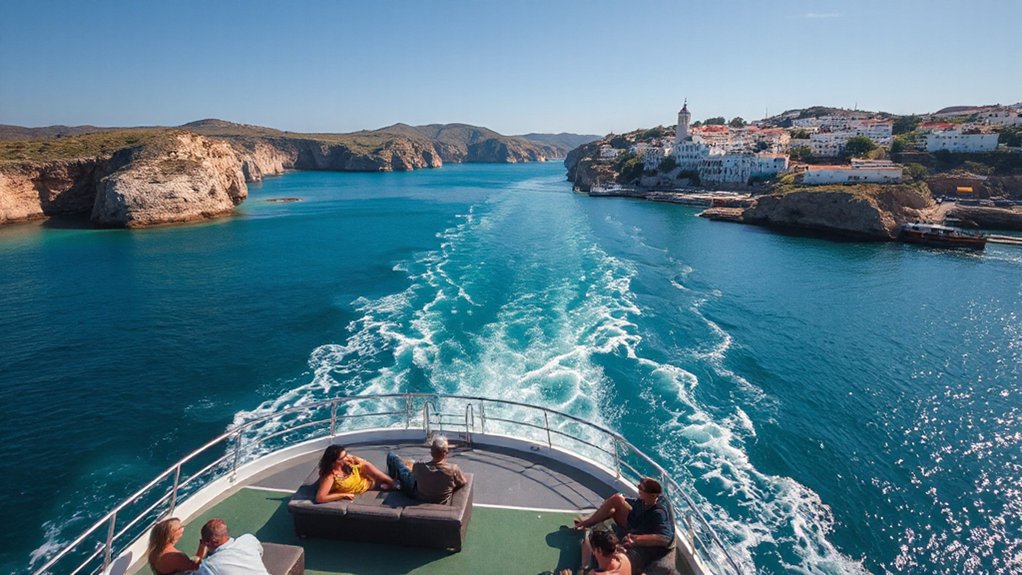
When you’re choosing how to hop between the Canary or Balearic islands, comparing ferry operators side by side helps you pick reliability, price, and schedule fit. You’ll assess fleets, routes, and on-board amenities so you know what to expect. Look for consistent punctuality, clear cancellation terms, and transparent pricing.
Compare departure frequencies and seat choices, plus luggage rules that affect your plan. Consider ferry safety records, crew responsiveness, and vessel age or refurbishments that influence comfort. Check ticket discounts you can stack, like student, senior, or group rates, and whether price is inclusive of taxes or extra fees.
Use operator reputations, third-party reviews, and direct contact to confirm details before buying. Choose a balance of value, reliability, and time efficiency.
Book Ferries: A Step-by-Step Guide
Start by booking ferries efficiently: compare options, snag your preferred times, and secure seats before high season fills up.
Plan island routes logically so you minimize transfers and maximize time on each stop.
Check schedules and prices across operators the moment you map your trip, so you lock in the best combination of timing and value.
Booking Ferries Efficiently
- Compare routes and departure times across multiple operators.
- Check vehicle and passenger limits, plus cabin or seat options.
- Review ferry safety features, and note any eco-friendly choices.
Booking smart reduces delays and supports sustainable travel.
Plan Island Routes
To plan island routes effectively, map out your day around ferry schedules rather than guessing gaps in between. You’ll chart core hops first, then fill optional hops around peak times, holidays, and maintenance days.
Prioritize direct connections to minimize transfers, and flag overnight layovers for rest or exploration. Use a simple grid: departure, duration, arrival, and transfer feasibility.
Pack flexible options—backup ferries can save you from weather delays or full boats. Consider the pace of each island you’ll visit; listen for Local cuisine and Cultural festivals that add texture to your itinerary, but don’t let them derail your timing.
Reserve time for dockside strolling, ticketing windows, and buffer periods to absorb the scenery rather than chase every departure.
Check Schedules and Prices
Now that you’ve mapped your island hops, it’s time to check schedules and prices. You’ll compare ferry lines, travel times, and ticket types so you don’t miss a fast connection or a cheaper fare. Look for early-booking discounts, off-peak departures, and return-basis options to optimize value.
While you’re at it, note any seasonal changes around Cultural festivals or peak days tied to Local cuisine events, which can affect availability. Use official portals or trusted aggregators to verify prices in euros and baggage policies.
- Compare routes and durations across operators
- Check fare classes, inclusions, and change policies
- Confirm peak-season timings and event-driven surcharges
Luggage, Bikes, and Boarding Tips
When traveling between Spanish islands by ferry, packing light and smart makes the ride smoother: bring a single, easily accessible bag for carry-on items, and check only what you truly need for a day ashore.
You’ll navigate boarding with minimal fuss by knowing where to place your bag and where to store essentials during transit. Luggage handling is simpler if you label bags clearly and keep valuables on you.
If you’re bringing a bike, check the operator’s rules for bike storage; some ferries offer secured racks or cabin stowage for bicycles, while others require dismantling or folding.
Arrive early, follow staff directions, and board in a calm sequence. Keep paths clear, and carry a compact water bottle and a weather-appropriate layer.
What to Expect Onboard: Cabins, Seating, and Amenities
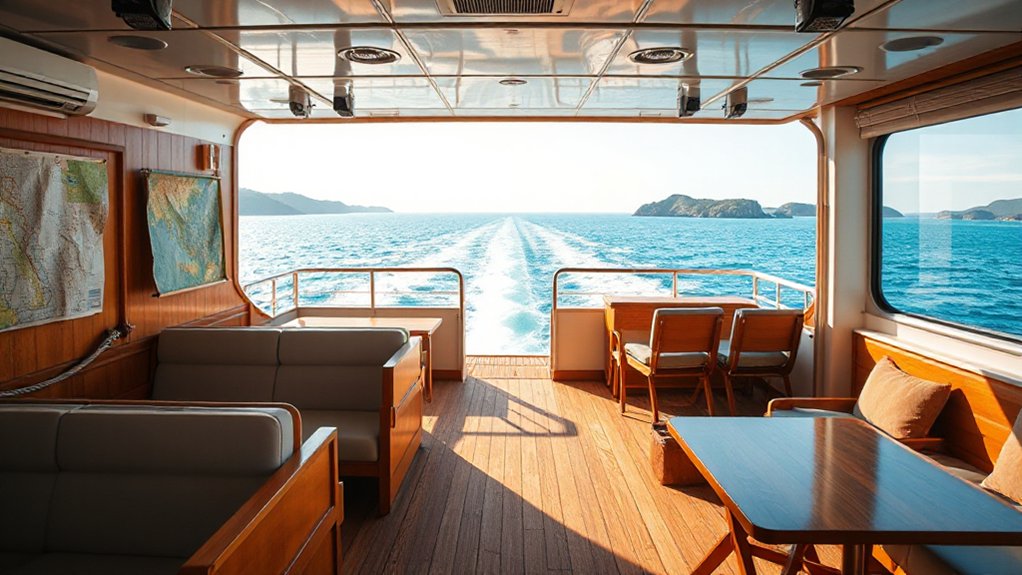
Most ferries in the Spanish island network offer a straightforward mix of cabins, seating, and practical amenities, so you can choose comfort and pace that suit your trip. Onboard, you’ll find options that fit your budget and time, from compact reclining seats to private cabins with air conditioning.
Prioritize safety and convenience, and you’ll travel with confidence. Here are quick essentials to know:
1) Cabins and seating: choose privacy or sociable spaces, depending on your plan and length of voyage.
2) Amenities: lounges, charging ports, and clean restrooms keep you comfortable between islands.
3) Food and safety: look for onboard dining options and follow ferry safety guidelines during your journey.
Plan Seamless Island Hops: Optimizing Ferry Connections
To plan seamless island hops, start with Ferry Timetable Essentials so you can spot fast connections and lay out a practical route.
Next, map your Island Hop Scheduling for minimal wait times and smooth transfers between ports.
Finally, remember Transfer and Connection Tips to keep your journey steady—precheck schedules, have backups, and know where to pivot if a leg shifts.
Ferry Timetable Essentials
Ferry timetable planning should start with a clear picture of your route, noting which islands you’ll visit first and how long you’ll stay on each.
Timetable essentials help you move smoothly between islands. Focus on frequency, duration, and transfer options so you aren’t left waiting. Keep your plan flexible enough to adjust for weather or seasickness, but specific enough to lock in bookings.
- Check peak vs. off-peak sailings to minimize crowds and maximize connections.
- Note transfer times and last-mile options, including buses or ferries to residential ports.
- Confirm ferry safety protocols and available passenger amenities before boarding.
Island Hop Scheduling
Prioritize routes with predictable connections and buffer small delays into your plan, so you don’t miss a boat. Keep an eye on seasonal timetables, as summer frequencies may rise while off-season runs shrink.
For reliability, consider ferries with strong on-time records and straightforward transfer points. Also note practical details: check docking times, terminal amenities, and boarding procedures to avoid last‑minute rushes.
Ferry maintenance and crew training matter behind the scenes, ensuring smooth service, safer voyages, and quicker turnaround at ports. With solid scheduling, your island hops stay seamless.
Transfer and Connection Tips
Careful transfer planning keeps your island hops smooth, so you spend less time waiting and more time exploring. You’ll maximize connections by checking timetables, packaging transfers with minimal layovers, and choosing ports with nearby amenities.
Look for ferries that align arrival and departure times and seat yourself early for a quick exit. When connections are tight, stay on the same island group to avoid terminal delays and know the last ferry back to your base.
- Confirm transfer times and fallback options in case of delays
- Prioritize ports with frequent departures and on-site services
- Watch for cultural festivals and local cuisine stops to enrich layovers
Budgeting for Ferry Trips Across the Archipelago
Start with baseline fares for your likely routes, then add seasonal surcharges, booking fees, and luggage limits. Compare operators by crossing times, vehicle policies, and onboard services to avoid surprises.
Track discounts and passes offered for residents, students, or multiple-journey trips, and note blackout dates. Build a simple spreadsheet or checklist so you don’t overlook ferry discounts or hidden costs.
Prioritize flexibility where feasible; a small change can save big. With clear budgeting, you’ll secure better seats, smoother connections, and fewer budgetary shocks.
Budget planning keeps your plans practical and precise.
Pair Ferries With Other Transport Modes
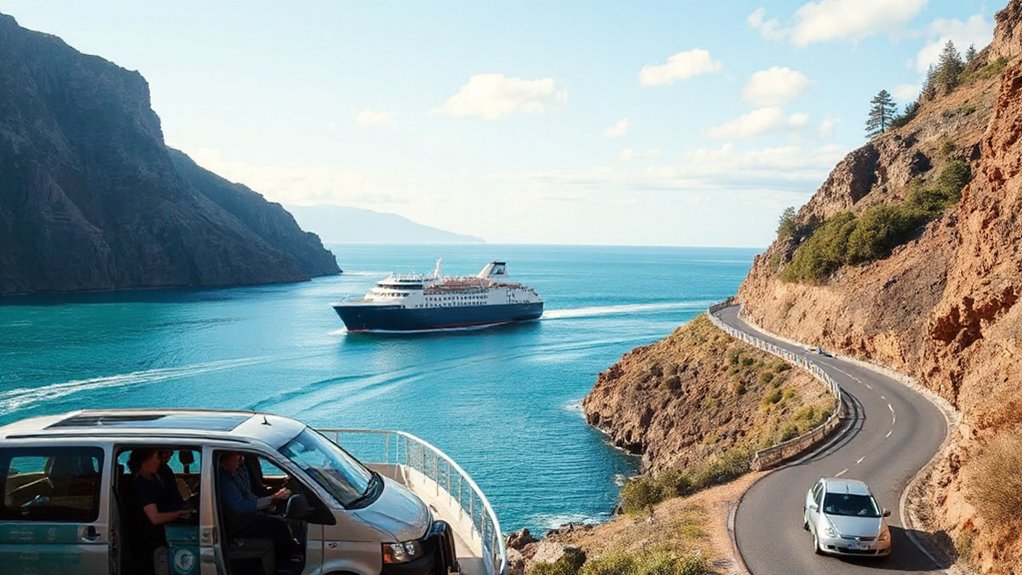
Coordinated schedules guarantee you time ferry connections with trains, buses, or metro links so you don’t waste a minute between legs.
Look for multimodal ticketing options that let you buy a single pass for multiple transport modes, simplifying arrivals and departures.
Check transport hubs for clear connectivity cues and easy transfers, so your island-to-island journey stays smooth.
Coordinated Schedules Planning
Pairing ferries with other transport options sharpens your itinerary and minimizes wait times. You’ll coordinate arrivals, departures, and transfer buffers so connections aren’t rushed or missed. Prioritize reliable schedules, real‑time updates, and alternative routes if delays occur.
Keep these principles in mind:
- Align ferries with rail or bus timetables, allowing a comfortable transfer window.
- Check maritime safety advisories and load priorities, planning backup options for weather disruptions.
- Confirm crew training and safety briefings, so you know what to expect during transfers and on board.
Multimodal Ticketing Options
Want to streamline island hops? Multimodal ticketing options let you pair ferries with regional trains, buses, or metro passes for seamless transfers. Look for bundled tickets that cover both sea and land legs, reducing hassle at the dock and on platforms.
When you book, verify transfer windows and activation rules so your timing stays tight. Ticketing options often include open-jaw or return fare combos, letting you tailor trips to your itinerary.
If you’re traveling off-peak, you may snag fare discounts that apply across modes, not just the ferry ride. Keep digital receipts handy and sync QR codes with your travel app for quick access.
Combine legibility with flexibility, and you’ll move between islands without juggling multiple tickets.
Transport Hubs Connectivity
Think of transport hubs as your island-to-island launch pads. When you plan connections, pair ferries with trains, buses, or metro links to minimize layovers and maximize time on shore. You’ll move faster if you align arrival times with local schedules and ticketing options.
- Check multimodal timetables to synchronize ferries with rail and bus runs.
- Choose hubs with clear signage, luggage facilities, and nearby parking or drop-off zones.
- Factor in Cultural differences and Local cuisine stops to enrich your journey without delaying transfers.
This approach keeps you efficient, reduces hassle, and lets you sample regional flavors between hops. You’ll stay productive on travel days while enjoying authentic tastes and a smoother, integrated experience.
Travel With Kids or Pets on Ferries
Ferries can be a smooth choice for traveling with kids or pets, but a little planning goes a long way. You’ll want to verify ferry safety basics before departure: secure seating for toddlers, child life jackets if provided, and a quiet area for naps.
For pets, check pet policies—airlines aren’t the only place with rules; most ferries require leashes or carriers and designate pet zones. Bring familiar toys, snacks, and collapsible bowls to reduce stress.
Arrive early to allow boarding time and to orient kids about safety procedures. If you’re traveling with a dog, confirm leash length limits and waste bags. Pack extra water and a small first-aid kit.
Respect crew instructions, and keep conversations calm to ease everyone onboard.
Outside Seating vs. Indoor: What to Choose
When deciding between outside seating and indoor areas, consider weather, vibration, and kids or pets. Outside offers breeze and sunset views, but can be windy or noisy from the engine. Indoor keeps you shaded and stable, with less glare and more predictable temperature. Your choice shapes how you experience the trip, including onboard entertainment and conversation flow.
- Outside seating: embrace fresh air, watch coastline, and enjoy sunset views.
- Indoor seating: steady cabin, clearer screens for onboard entertainment, and easier table conversations.
- Hybrid approach: alternate between decks or lounges to balance scenery and comfort.
Tip: choose based on your timing, visibility, and tolerance for movement. For relaxed travelers, outdoor may feel liberating; for families or sensitive passengers, indoor offers consistency.
Dealing With Delays and Cancellations

Delays and cancellations can throw a wrench into your plans, but you can minimize disruption with a calm, practical approach. When weather disruptions hit, check live operator updates and rebook quickly if needed, prioritizing flexible fares.
Have a backup plan: know alternative routes, nearby ports, and the next departures, so you won’t scramble last minute. If crew shortages arise, stay patient and use official channels for changes; don’t rely on rumors.
Keep a digital wallet handy for new tickets and understand refund policies before you commit. Pack essentials in a small bag—snacks, charger, water—so you stay comfortable while you wait.
Stay proactive: confirm your revised schedule, and align hotel or transport plans with revised times to reduce stress.
Use Port Towns to Enhance Your Trip
Port towns aren’t just transit hubs—they’re gateways to richer experiences. As you ferry between islands, stroll the quay, listen for seabirds, and let the vibe guide your day.
Use these ports to deepen your trip with quick, vivid discoveries:
- Spot historical landmarks between ferries; clock towers, old cathedrals, and harbor forts anchor your route.
- Sample local cuisine at waterfront stalls or family-run tavernas; focus on fresh seafood, small tapas plates, and regional cheeses.
- Plan brief detours to markets or seaside viewpoints; a 20–30 minute walk reveals authentic town character and photo-worthy streets.
These ports offer timestamps of culture, not just transfers. Pack light, stay curious, and let each stop extend your island adventure.
Enjoy the local rhythm.
Plan Multi-Leg Itineraries Across the Archipelago
Start by sketching a pragmatic multi-leg route that links the archipelago’s must-see spots while leaving room for flexibility. You’ll map anchor sites first—historic ports, scenic coves, and a cultural highlight—then add optional detours for weather or mood.
Choose a logical sequence that minimizes backtracking, using ferries with the best frequency and reliable on-time records. Build buffers between legs so delays don’t derail your plan; keep a flexible arrival and departure window for each island.
Include a couple of shorter hops to stay immersed in the maritime rhythm. Track practical details: seasonal schedules, ticket windows, and peak times.
Tie the journey to maritime history and local cuisine, letting them guide spontaneous stops and photo-worthy moments without sacrificing efficiency. план
Common Ferry Booking Mistakes to Avoid
After planning a multi-leg route across the archipelago, you’ll want to lock in bookings that actually fit that flexible rhythm. Common mistakes can derail your trip, so watch these details closely:
1) Rushing to confirm the first option; compare schedules, durations, and transfer times to avoid tight or missed connections.
2) Skipping vessel-specific notes; always check ferry maintenance status and accessibility factors to prevent delays or surprises.
3) Overlooking passenger safety services, like lifebuoys, crew briefings, and emergency procedures, which vary by line and season.
Frequently Asked Questions
Are Ferries in the Canary Islands and Balearics Separate Networks?
Yes, they’re separate networks, but you can still cross between islands with local operators. You’ll want ferry safety in mind, and compare ticket pricing across providers to find the best option for your route and schedule.
Do Ferries Allow Unaccompanied Minors Across Islands?
Like a sturdy bridge, yes—you can bring unaccompanied minors across islands with ferries. You should check ferry safety policies and child supervision rules, as regulations vary by company and route. Always verify age limits and required documentation.
Can I Bring Large Sports Equipment on Ferries?
You can bring large sports equipment, but check cargo policies and baggage limits first. Cargo policies vary by ferry, so confirm dimensions, weight, and fees; some routes require advance notice, and oversized items may incur special handling charges.
Which Islands Require Reservations in Peak Season?
You’ll find that most peak-season routes require reservations on popular island ferries. Check island ferry schedules to confirm spaces, and consider flexible ticket pricing strategies to secure seats; booking early often saves money and guarantees travel on busy routes.
How Early Should I Arrive for Check-In on Ferries?
Arrive early, predict delays, and pace calmly: for passenger safety, show your ID, and keep tickets handy. Arrive 30–60 minutes before departure, depending on port; if plans change, know the ticket cancellation policy and act quickly.
Conclusion
You’re the captain of a tiny ship on a vast archipelago, charting a course through wind and timetable. Each ferry is a stepping-stone, each port a harbor of choice. Like a lantern in a foggy inlet, your plan guides you—season, route, and checklists lighting the way. When delays crash the compass, adapt and recalibrate. Your voyage becomes simple: pick a route, read the schedule, trust the sea, and let the islands whisper their routes to you.