
Travel across Spain by regional trains with flexible, affordable tickets and reliable routes that connect big corridors and scenic stops. Plan your pace to match budget—fast, pricier options or slower, cheaper ones—with buffers for delays. Read timetables by times, zones, and transfers, and book early to snag discounts. Navigate stations using color maps and cues, validate tickets, and mind language gaps. Stopovers in small towns enrich journeys; more tips await if you keep exploring.
Key Takeaways
- Plan routes with a mix of fast and slow regional trains, using off-peak times and day passes to save costs.
- Read timetables by focusing on departures, transfers, zones, and peak vs. off-peak patterns.
- Book early online for discounted fares, and check regional passes versus point-to-point options.
- Navigate stations with color-coded maps, signage, and platform cues; validate e-tickets before boarding.
- Enhance travel with smart stopovers and local experiences in towns along regional routes.
Which Spain Regional Trains Connect the Big Routes
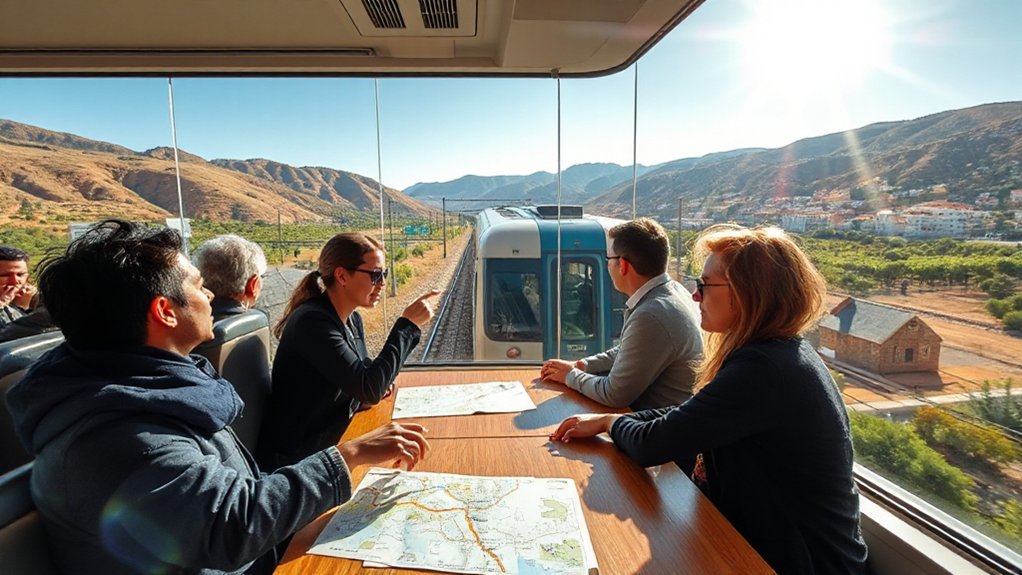
Spain’s regional rail network links the main corridors with frequent, affordable services that stretch beyond the big-city hubs. You’ll find connections between major cities and smaller towns along established routes, with trains that run on reliable cadences throughout the day.
Look for regional rail lines that weave through corridors like Madrid–Valladolid, Barcelona–Tortosa, and Valencia–Teruel, plus coastal and inland branches that extend your reach without long waits.
You’ll ride newer rolling stock on many lines, and schedules often reflect practical, commuter-friendly timings.
Remember Regional train safety basics: stay behind platform edges, mind gaps, and follow posted instructions at stations. For boarding, always validate your ticket where required, or show it upon request.
If you need help, platform staff and signage guide you quickly.
Decide Your Pace and Budget: a Quick Route-Choosing Framework
Set your pace and budget first, then match routes to what you’ve got time for and what you’re willing to spend.
Consider how a faster, pricier trip stacks up against slower, cheaper options, and how timing fits your plans for each day.
Use a quick check: does a rail pass help, or are point-to-point tickets enough for the routes you want to ride?
Pace Versus Budget
Balancing pace and budget starts with a simple truth: your choices shape your experience as much as your destination. You decide how fast you move, what you sacrifice, and what you savor, shaping memories along the way. The key is to align travel tempo with realistic costs, so you don’t trade joy for speed or comfort for cash.
When you choose a slower, scenic route, you gain cultural immersion and genuine moments; when you push for rapid hops, you protect funds but risk fatigue. Balance is a skill: plan buffers, compare regional passes, and mix long legs with short, walkable hops.
- You’ll feel the rhythm of cities and countryside on your terms
- Small savings add up without crushing your day
- Language barriers become learning prompts, not roadblocks
- Cultural immersion happens first with intention, then with time
Route Timing Tips
Think about how you want to move: speed for pace, savings for budget, and place for preference. Route timing matters because Spain’s regional trains run on their own rhythms, not a single timetable for all routes.
You’ll decide by measuring trip length against want-to-see value, then allocating days accordingly. Build a rough map: pick a main spine, add 1–2 detours, and slot them when trains align with daylight.
Look for ticket discounts during off-peak hours or midweek; even small savings add up across several legs. Check cancellation and seat options, so delays don’t derail plans.
Pack essentials, including travel insurance, for protection against unforeseen changes. Confirm connections locally, and allow a cushion for slower regional services—better to arrive a bit late than miss the next train.
Rail Pass Fitcheck
- You feel the pull of open seats, bright stations, and deliberate choices
- You measure options by time saved, not just price
- You gain confidence in flexibility when plans shift
- You travel lighter, with fewer regrets and more momentum
Spain Regional Tickets and Passes That Save You Money
Spain’s regional tickets and passes can noticeably cut rail costs if you tailor them to your route and schedule. You’ll notice that some regions offer carnet-style discounts, while others let you lock in a multi-journey price for a day or weekend.
Read the fine print for blackout dates and transfer limits, because flexibility matters more than you think. Compare regional passes against point-to-point fares to see where savings actually pay off for your plans.
Ticket flexibility matters here; choose passes that cover your preferred zones without forcing unnecessary hops. Also consider station amenities—accessible ticket offices, efficient vending machines, and clear multilingual signage can save you time when you buy or modify a ticket on the fly.
Read Timetables Like a Local: Times, Zones, Transfers Made Simple
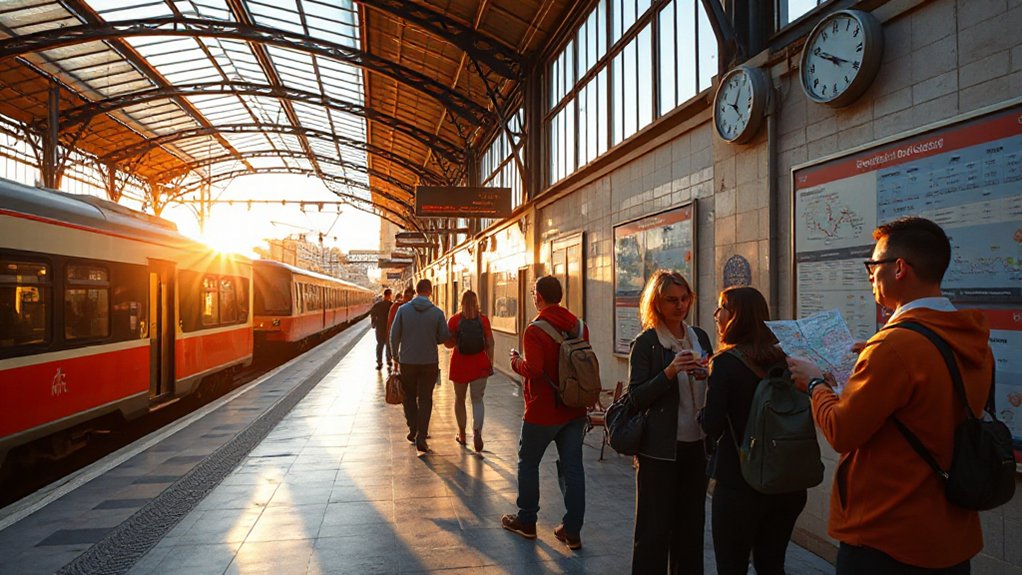
Timetables are your map, so start by scanning for the core details: departure and arrival times, stations, and any transfer points.
Learn the zone system used on regional lines, and how it affects fares and connections, so you can pick the fastest route without surprises.
As you read, note transfer windows and platform changes, since even small delays can ripple into your whole day.
Read Timetables Clearly
To read timetables like a local, start by noting three basics: where you’re starting, where you’re headed, and what zone or fare you need. You scan times in order, watch for transfers, and compare platform labels. You’ll notice a rhythm: departures cluster in peak hours, gaps widen late afternoon, and delays ripple through connections.
Read the legend for zone colors, and trust the bolded times for primary routes. Railway history informs why some services run less frequently in rural stretches, while train maintenance keeps core corridors punctual. You’ll feel confident planning backup options, like nearby alternates or short walking routes to a neighboring station.
- Clarity from plain language calms nerves
- Timetables reveal consistent patterns
- Small notes save big time
- Confidence grows with practice
Decode Times And Zones
Nums will be clearer once you’ve read timetables in the last section, so now you’ll learn to decode times and zones at a glance. You’ll spot core timing patterns by scanning departure and arrival columns and noting how transfers work between nearby lines.
Look for peak and off-peak notes, later evening services, and any temporary timetable notes. Zones indicate fare borders—often shaded areas on maps—so check your ticket’s validity against those zones to avoid surcharges.
Watch station signage for platform changes and crossovers, since regional routes sometimes reroute without much notice. Always validate tickets at validation machines before boarding, and keep an eye on the clock as you move between stations.
Decoding times and zones keeps your journey smooth and predictable.
Booking Smart: When to Buy and Where to Look
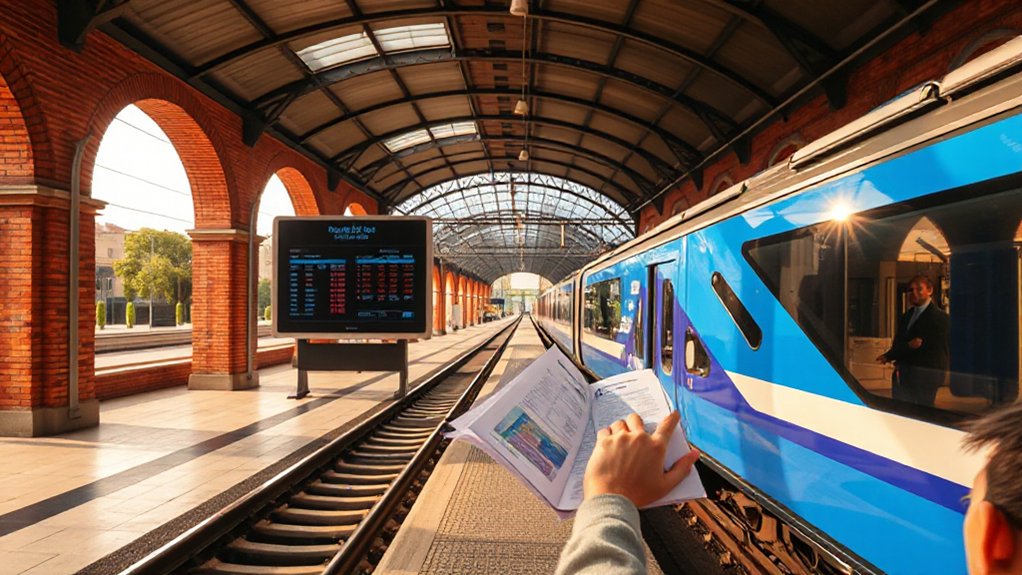
Booking smart starts before you even leave the house: know when to buy and where to look. You’ll save time, money, and worry by planning ahead and comparing options online. Regional trains in Spain often have tiered fares, with the best deals available early or during off-peak windows.
Look for official rail portals, regional rail sites, and reputable aggregators to spot price drops, promo codes, and bundled trips. Don’t overlook travel insurance that covers delays or cancellations; it’s worth the peace of mind when you’re crossing multiple regions.
Ticket discounts may apply for youths, seniors, or round trips, so check eligibility before booking.
- Anticipate savings by booking early and avoiding peak times
- Compare sources to catch exclusive discounts
- Read terms for refunds and exchanges
- Consider travel insurance for hiccups on the rails
Navigate Stations With Ease: Entrances, Transfers, and Platform Cues
Moving through Spain’s regional train stations can feel straightforward once you know where entrances, transfers, and platforms converge. You’ll spot entrances clearly marked by doors and ramps, then follow signs toward the main concourse.
Pay attention to transfer corridors that link platforms—sometimes you’ll pass through a paid area, so plan for quick footwork if your trains don’t align.
Station signage guides you to platforms, ticket offices, and exit points, so look for color-coded maps and overhead arrows.
When you board, listen for platform cues and boarding announcements to avoid a misstep.
Don’t forget ticket validation: validate before you board on most regional networks, especially if you bought e-tickets.
Clear sightlines, brief pauses, and steady pacing keep you moving smoothly between trains.
Maximize Value: Smart Stopovers, Scenery, and Local Experiences
As you plan your Spain rail journey, smart stopovers can add big value without slowing you down. You’ll time transfers to coincide with small towns, where slower pace and a café stop let you reset and savor the moment.
Scenery matters, too—rolling fields, terraced hills, whitewashed villages—keep your eyes open for viewpoints and photo breaks.
Local experiences matter most when you’re on a regional route: a market visit, a river walk, a bar chat with locals, a quick museum stop. Cultural festivals and local cuisine can transform a trip from transit to memory.
- A village market buzzes at dawn, aroma of coffee and baked goods calling you in
- A hillside view over olive groves makes the next leg feel effortless
- A small ristorante serves a dish you’ll crave long after you’re home
- An impromptu street performance; you linger, feeling part of the place
Common Pitfalls to Avoid on Spain’s Regional Rail Journeys
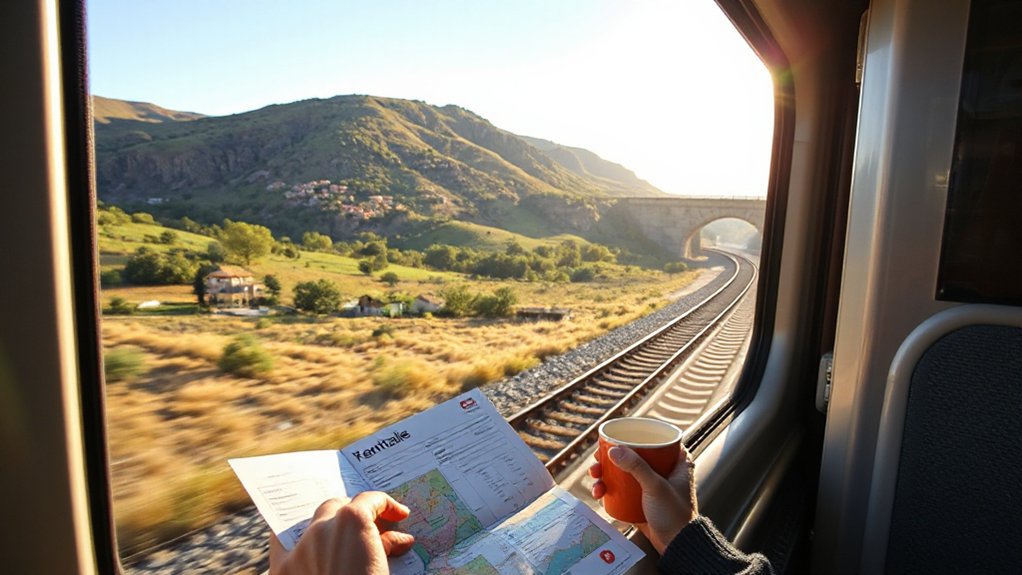
Common pitfalls can derail a regional rail trip before you even settle into your seat, so a little prep goes a long way. You’ll save time by validating slower regional lines’ timetables and buying tickets in advance when possible, since some routes restrict day-of purchase.
Don’t assume station announcements match your language preferences; carry a basic map and names in the local tongue. Arrive on time, but don’t rush the platform—tracks can shift travelers between carriages quietly.
Watch for platform gaps and seasonal schedule changes, especially on smaller stations. Respect cultural etiquette in crowded cars, avoid blocky backpacks in aisles, and store luggage securely.
As you sample local cuisine, stay mindful of meals around the train’s rhythm, not just destination rewards.
Frequently Asked Questions
Are There Any Hidden Regional Rail Passes Not Widely Advertised?
Hidden passes do exist, but they’re rarely advertised. You’ll find limited options tucked in regional rail sites and travel forums. Hidden passes can save money, yet ticket options vary, so verify restrictions, coverage, and renewal terms before buying.
How Reliable Are Regional Trains During Siesta Hours?
Your question’s answer: regional trains are generally reliable, though siesta hours can slow things. Train punctuality matters; service frequency drops slightly mid-afternoon. You’ll notice occasional gaps, so plan buffers and stay flexible for smoother travel during siesta.
Can I Use Regional Trains for Overnight Connections?
Yes, you can, but check Night train options and Overnight travel restrictions first. You’ll find limited overnight services, so you might need connections, baggage rules, and sleeper cars; plan carefully, book early, and stay flexible for possible delays.
Do Regional Lines Require Seat Reservations or Is It Free Seating?
“Time is money,” you’ll learn: regional lines often seat free, but some routes require reservations. You’ll need ticket validation, and you’ll appreciate onboard amenities as you plan, observe, and travel efficiently with practical, descriptive tips.
Are There Discounts for Young Children on Regional Trips?
Yes, child fare discounts exist on regional trips, though limits apply. You’ll often see reduced prices for youngsters and sometimes free seats. Consider Family travel passes for savings on multiple trips, especially with traveling kids.
Conclusion
You’ll finish your Spain rail trip with a sense of fluent mobility, not guesswork. Once you map the big routes, you’ll notice regional trains stitch together the country’s real character—from greasy tapas bars near the station to sunlit hillside towns you’d miss otherwise. Fun fact: regional trains account for about 60% of Spain’s total rail journeys, proving slow and scenic beats shortcuts. So stay flexible, read timetables like a local, and let the landscapes do the talking.