
Plan your Spain road trip with a clear goal and steady pacing. Pick a season that fits the crowds and weather, then map routes that favor scenery and doable daily drives. Get the car road‑ready, pack snacks, water, and layers for varied climes. Know tolls, fuel costs, and regional quirks, plus local etiquette. Load offline maps and language tips. Build a flexible day‑by‑day plan with contingencies—because the surprise detours are where the magic hides. You’ll uncover more beyond the obvious.
Key Takeaways
- Plan objectives and pacing around Spain’s regional highlights, cuisines, and festivals to avoid rushing and ensure meaningful detours.
- Budget for tolls, fuel, lodging, and regional price variations; schedule rest breaks at scenic spots with local experiences.
- Prepare vehicle checks, spare kit, documents, and insurance; carry offline maps and language tips for rural areas.
- Align travel with seasonal weather, daylight, and regional events; keep flexible daily routines for weather and detours.
- Learn local driving norms, signage, and etiquette; stay aware of regional laws, speed limits, and safety practices.
Define Your Spain Road Trip Goals and Route Realities
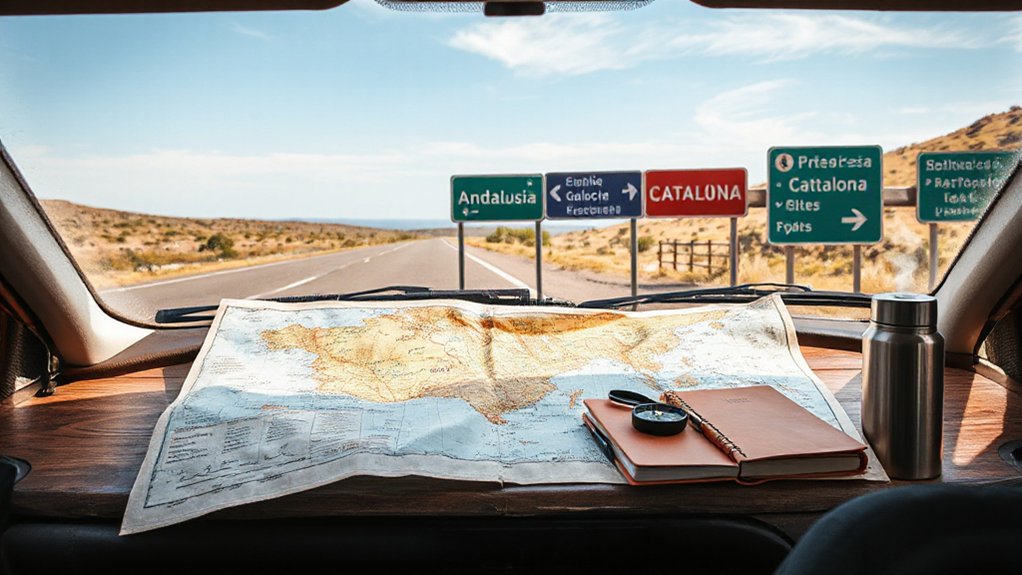
Pin down what you want from the trip and map out the route you’ll actually enjoy driving. You define your goals by pace, scenery, and the kinds of stops that spark curiosity. Narrow your focus to regions you’ll return to, not just rush through.
Realities show up as distance, terrain, and road quality, so align ambitions with practical limits like daily drive times and lodging options. Prioritize standout experiences over checklist ticking.
Cultural highlights will frame your days, from ancient towns to modern ateliers, while regional cuisines anchor your evenings, fueling next-day adventures.
Build a route that favors scenic byways and reliable fuel stops, not just the fastest path. Stay flexible for weather, events, and preferences, and document impressions for later reflections.
Pick the Season, Timing, and Your Ideal Pace
Choose the season that suits your route like a favorite cap—you’ll feel the weather, crowds, and prices lock into place.
Map your timing to regional events and daylight hours, so you’re not chasing sun or missing fiestas by a whisker.
Pick an ideal pace that lets you savor scenery without turning every day into a sprint.
Seasonal Timing Considerations
Seasonal timing isn’t just about weather—it’s about rhythm. You’ll notice how regional calendars pulse differently: harvests, fiestas, and market days shaping your route more than a fixed date on a map.
In spring, you’ll catch green valleys and late blooms, but beware sudden showers that slow highway stretches.
Summer brings long days and crowded coastlines, so plan inland detours and shade breaks to stay alert.
Autumn cools roadsides with wine harvests and Cultural festivals you can’t miss; use those gaps to align lodging and scenic stretches.
Winter narrows choices, yet cozy pueblos offer Culinary experiences and intimate tavern stops you’ll savor after chilly climbs.
Keep flexible windows, respect regional timings, and let pacing follow local energy rather than clocks.
Ideal Travel Pace Choices
When you pick the season and tune your timing, your pace becomes your map. You’ll optimize daylight for scenery, not stress, and you’ll feel the country breathe with you.
Choose a tempo that matches the route: slower through winding zones, brisker on open plains and highways. Balance driving with pauses at regional roadside attractions to reset focus and capture flavor—paella steam, olive groves, distant mountains.
Practice courtesy as part of your planning: driving etiquette matters when sharing narrow village streets or eager traffic near sunset.
Let weather nudge your rhythm, not derail it. Keep a flexible cadence so you can linger for a moment to savor a cafe, a plaza, a sunset, and the unexpected charm between towns.
Get Your Vehicle Spain-Ready for Long Stretches
If you’re planning long stretches across Spain, start with a confident, no-surprises check of the basics: tires inflated to the right pressure, tread fresh enough to grip slick roads, and a spare that isn’t shy of air. You’ll want a clean, visible toolkit and a roadside assistance card tucked where you can grab it in a pinch.
Glide through the engine bay with a quick oil and coolant glance, fan belts, and battery clamps, listening for odd rumbles that hint at trouble. Schedule a quick brake and light test, then note fuel up points and tolls along your route.
This is vehicle maintenance you’ll thank yourself for, especially if you bump into unexpected delays. Spain’s roads reward preparedness.
Pack Smart for Spain’s Varied Climates and Regions
From the moment you hit the road, pack with the landscape in mind: your kit should cover hot Cavernas and windswept plains, mountain passes, and coastal fog. Spain’s weather hops from sizzling days to chilly nights, so balance is your best bet. Think adaptable layers, versatile footwear, and a compact emergency kit.
You’ll want snacks that travel well, water, and a small cooler for perishables. Pack map backups, a sun hat, and a lightweight rain shell for sudden coastal squalls. Include a language-friendly guide to local markets and festivals, so you can *immerse yourself* in Cultural festivals and Local cuisines with ease.
- Layered clothing system
- Compact rain gear
- Portable charger and maps
- Local guide for markets and events
Drive Smart: Spain’s Rules, Fines, and Regional Nuances
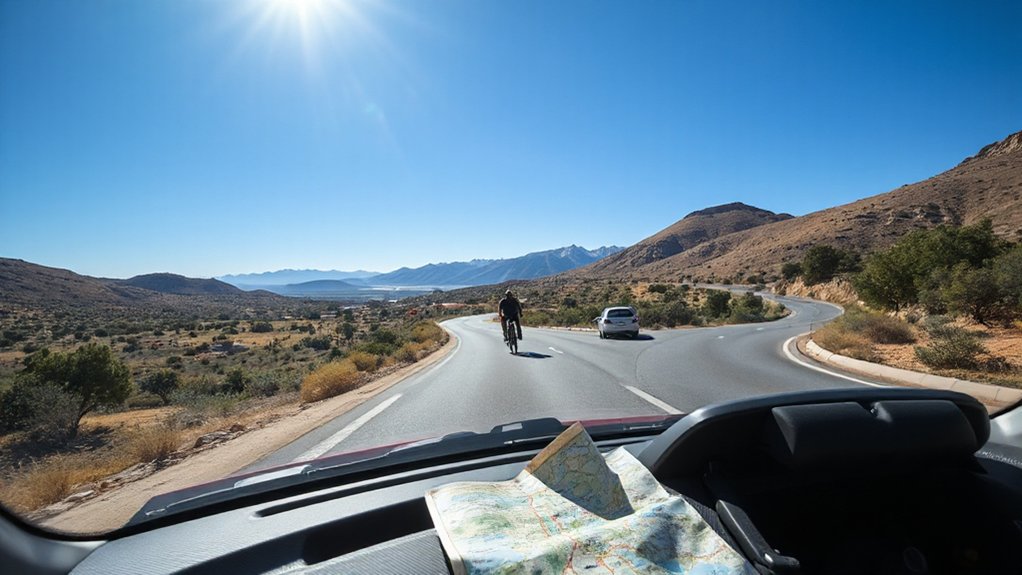
You’ll notice that Spain’s roads mix strict rules with regional nuance, so you’ll keep to In-Road Traffic Rules even as you watch for local quirks.
Speed limits shift by region and road type, so pull up the map in advance and pause at each paso to confirm the limit before you roll.
Fines and penalties aren’t just numbers on a page; they reflect how seriously locals treat safety, so stay alert, drive smart, and adapt on the fly.
In-Road Traffic Rules
In Spain, traffic rules aren’t just rules—they’re a practical map for safe, smooth road trips across diverse regions. You’ll notice how in-road rules keep you steady through cities, hills, and coasts, with a rhythm you can feel. You adapt quickly: signals, right-of-way, and safe distancing become second nature as you roll between landscapes.
Traffic signage guides you like streetlights in a living map, while road construction zones require patience and narrowed lanes. Stay alert for local quirks, such as different priority rules near roundabouts or pedestrian crossings.
Keep your license and paperwork handy, and respect temporary signs during work periods. A calm, observant driver makes the journey savory, not stressful.
- Traffic signage guides your pace and decisions
- Expect temporary restrictions near road construction zones
- Heed local roundabout rules for smoother entering
- Slow, deliberate driving reduces risk and fatigue
Regional Speed Variations
Regional speed can feel like a map with different contours as you roll across Spain’s varied terrains. You’ll notice towns impose slower tempos, while highways invite steadier rhythm, yet cadence shifts with landscapes and local culture.
In Galicia, coastal lanes can narrow while rain slicks surfaces; in Castilla, long straights tempt steady, vigilant pacing.
In the Basque Country, mountain bends demand early braking and anticipation, not bravado.
In Andalusia, mid‑day heat can temper engine response, so you adjust throttle and following distance.
Practice variation awareness: scan signs, observe traffic flow, and mirror surrounding drivers’ tempo without chasing it. You’ll save fuel, reduce stress, and stay predictable.
Regional speed matters for safety, comfort, and trip rhythm, especially when you’re piloting through unfamiliar routes.
Fines and Penalties Overview
Ever wondered how Spain’s fines and penalties roll out across its regions? You’ll notice a patchwork of rules that keeps you alert, not paralyzed. Local authorities mix fixed fines with regional nuances, so a minor slip in one area can feel sharper somewhere else.
Parking regulations bite hard in city centers, while insurance requirements demand proof at checkpoints and after incidents. Expect strict speed cameras on highways and variable penalties for reckless driving.
In rural zones, warnings may suffice before penalties, but not always. Stay prepared, carry updated paperwork, and know who to contact for appeals. The key is awareness, not fear.
- Parking regulations vary by city
- Insurance requirements differ by region
- Documentation must be current
- Authorities enforce with cameras and signage
Budget Wisely: Tolls, Fuel, and Breaks Across Regions
Toll costs can sting, but planning ahead makes them predictable rather than a surprise; map out where you’ll cross pricey bridges or highways, then factor those fees into your daily budget. You’ll feel the road opening up as you compare regional fuel prices, slipping a few euros into a shared pot for late-night breaks, and choosing rest stops with shelter, shade, and fresh coffee.
Track fuel efficiency by terrain—mountains eat gas, coastal routes sip it. Pack snacks to dodge impulse buys, and time your breaks with scenic pull-offs to stretch legs and catch local vibes. Cultural festivals, culinary experiences—let those notes guide detours, turning average miles into memorable, budget-smart chapters of your Spanish journey.
Build Local Knowledge: Language, Etiquette, and Apps
You’ve mapped the tolls, clocked the fuel, and parked in a scenic plaza—now it’s time to blend in where you roam. Build local knowledge by picking up phrases, reading room-to-room etiquette, and loading your map with practical apps. A few tweaks pay off: confidence in small talk, respectful greetings, and noticing regional rhythms.
Use apps for local dining, festivals, and live transport updates, then cross-check with guides or locals. You’ll catch nuanced cues—when to mix with crowds or back off, what hand signals mean, and how service varies from village to city. Cultural festivals and local cuisine become your compass, opening doors without missteps.
- Learn key regional greetings
- Save offline maps and language tips
- Favor trusted local sources
- Respect local tempo and queues
Craft a Flexible Day-By-Day Plan With Realistic Contingencies
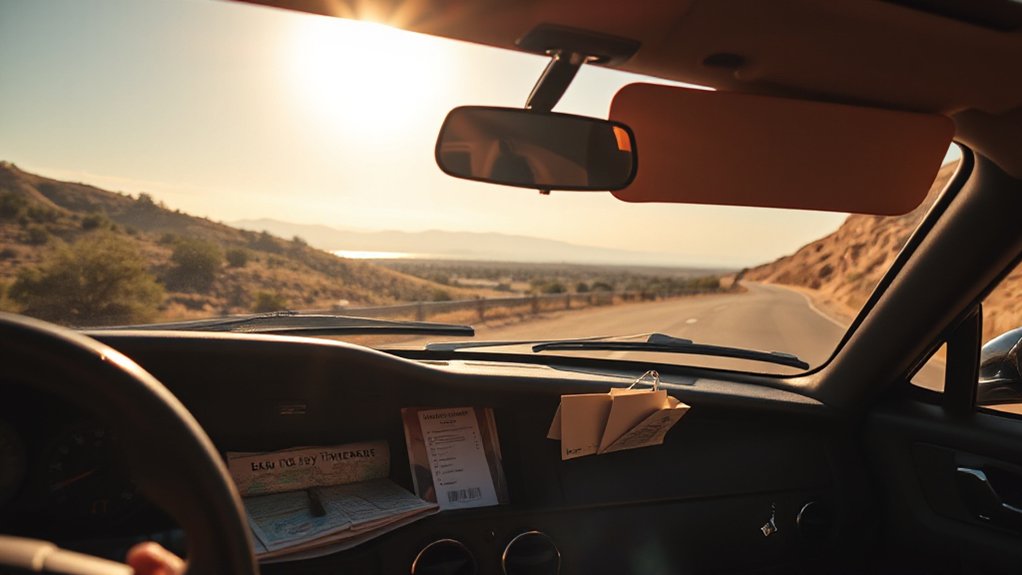
When you’re plotting a road-craft plan, build in wiggle room from the start: a realistic daily rhythm beats over-optimistic schedules. You’ll sketch flexible routes, not rigid maps, leaving space for detours to chase Cultural festivals or spontaneous street performances.
Map core anchors—lodging, meals, fuel—and fill gaps with low-stress buffers. Built-in contingencies keep you calm—weather shifts, roadwork, or a missed turn won’t derail your mood.
Favor practical rhythms: dawn starts, midday rests, sunset tastings. Prioritize regional pacing: slower towns invite lingering meals and conversations about Regional cuisines, faster corridors reward momentum.
Use a simple flip-book approach: day-by-day goals, backup plans, and a short list of alternate sights. Review nightly, adjust morning priorities, and keep momentum without burning out.
Safety, Health, and Legal Must-Haves for the Road
Road trips demand preparation you can trust, so start with the basics: valid licenses, vehicle documents, and a spare emergency kit tucked where you can grab it without a rummage.
In Spain, you’ll notice police checkpoints and toll stations—so carry ID, insurance card, and your car’s registration.
Health safety matters travel-wise: keep a small first-aid kit, reusable masks, and handy wipes, plus drinkable water.
For peace of mind, secure travel insurance that covers evacuation and roadside help.
Stay alert for regional quirks: seat belts on every row, proper child restraints, and legal tint limits.
- Emergency preparedness tips you’ll actually use
- Travel insurance benefits you won’t regret
- Quick roadside checks before you roll
- Document organization that speeds stops
Frequently Asked Questions
How to Choose Routes That Minimize Mountain Driving Fatigue?
You should choose routes with gentler grades and add scenic detours, avoiding steep passes; pace yourself, switch drivers, and plan rest stops. You’ll enjoy rolling hills, vibrant landscapes, and practical, regional flair fueling your stamina and mood.
What Insurance Coverage Is Essential for Cross-Regional Trips?
Travel insurance is essential; you’ll want solid vehicle coverage, too. Nearly 40% of Spain’s regional trips incur unexpected repairs—shield yourself with inclusive protection, roadside assistance, and medical coverage, so you can roll through comunidades with confidence and calm.
Which Tolls and Districts Have Dynamic Pricing Across Regions?
Dynamic tolls exist on major highways across several Spanish regions, and toll payment varies by district; you’ll notice surges where traffic concentrates. Plan routes, carry cash or card, and monitor signage for toll payment changes.
Are There Region-Specific Driving Permits or Limitations for Outsiders?
No—no special region-specific driving permits exist for outsiders, but you’ll face outsider restrictions in some zones. You should verify local rules, carry your ID, and respect congestion charges as you plan your regional driving. Regional driving permits aren’t issued.
How to Handle Emergency Repairs in Remote Areas Quickly?
You handle emergency repairs by staying calm, using emergency kits, and calling roadside assistance if needed; keep a regional flair in mind, improvise safely, and share exact locations with responders to speed help.
Conclusion
You’ll finish with a grin, not regret. You’ll love the road-worn scenery, the tasting stop, the tiny towns you almost missed. If you worry about getting overwhelmed, remember: plan light, adapt fast, and keep a flexible pace. Obstacles happen—fuel queues, sudden rain—but your prep lets you glide through them. Pack smart, drive smart, and treat every region like a new chapter: la vida española unfolds with great views, great meals, and a little wonder at every turn.