
Master Madrid, Barcelona, and Valencia by tapping into clear transit maps that highlight backbone lines and interchange hubs. Use real-time planning tools, enable alerts for delays, and keep offline maps handy for signal gaps. Choose city tickets for central hops or regional passes for longer trips, and pay with contactless cards. Learn where to validate, which zones you’ll cross, and how to time transfers to avoid crowds. Stay prepared and you’ll gain access to smoother journeys across Spain’s major cities.
Key Takeaways
- Learn to read transit maps by identifying backbone lines, hubs, and interchange points for quick navigation in major Spanish cities.
- Use real-time planning tools with offline map options to track departures, delays, and alternate routes when signals are weak.
- Understand ticketing: city vs. regional passes, contactless payments, and zone boundaries to choose the cheapest fares.
- Choose appropriate modes (metro for city centers, buses for outlying areas, trains for intercity) and carry valid tickets ready for validation.
- Follow etiquette, manage crowds, and plan luggage-friendly routes to maintain smooth travels in busy urban transit networks.
Reading Transit Maps for Madrid, Barcelona, and Valencia
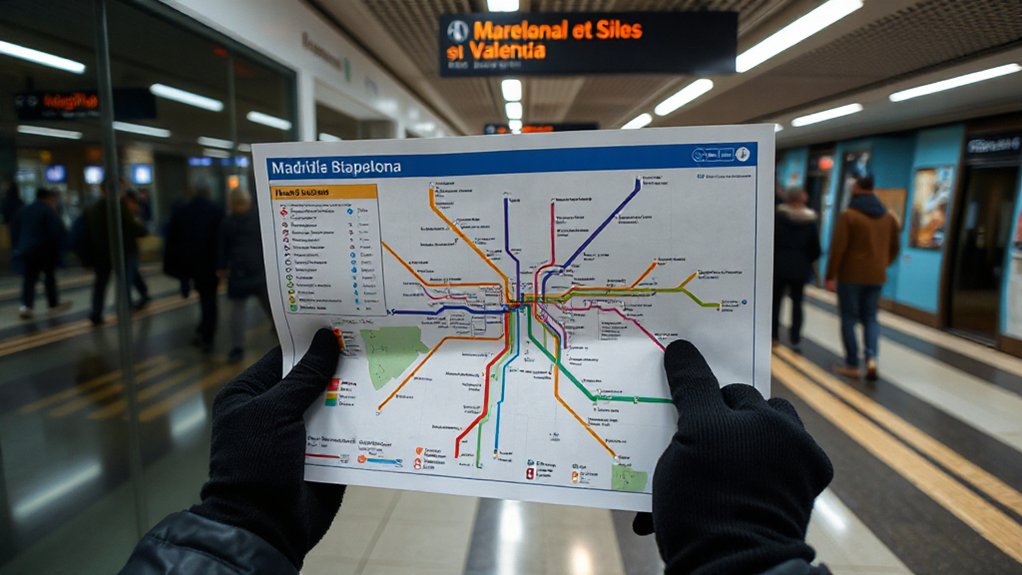
Madrid, Barcelona, and Valencia each present their transit maps with distinct cues, so start by identifying the backbone lines that connect major hubs like main stations and city centers. You’ll notice bold colors tracing quick-easy routes, with interchange points that ease transfers between zones.
Read symbols next to lines: a circle for stations, a triangle for hubs, arrows indicating one-way sections. Transit map symbols help you anticipate transfers before you ride, reducing surprises on arrival.
In Madrid, Barcelona, and Valencia, keep an eye on geographic accuracy versus schematic clarity—some maps exaggerate distances for readability.
Note where pedestrian access and metro entries converge; those are your quickest paths during peak times. You’ll also encounter ticket validation procedures marked near gates, so flag those checkpoints before boarding.
Which Tickets to Buy: City vs. Regional Travel
When you’re deciding between city and regional tickets, start by mapping your plans around the backbone lines you’ve just read about and the places you’ll actually visit. You’ll weigh convenience against cost, noticing how city tickets cover central hubs with tight transfer windows, while regional passes open longer hops and rural towns.
Look at how often you’ll ride, and whether you’ll stay within a single city or cross borders into nearby regions. Compare fare structures: some city passes include transfers, others cap daily spend; regional tickets may offer all-in-one prices for longer journeys.
Do a quick fare comparison using weekly or multi-ride options to see savings. In short, choose ticket options that align with your itinerary and travel rhythm.
When to Use Metro, Bus, and Commuter Trains
Metro, bus, and commuter trains each have their moments; choose the one that fits your destination, time, and pace. In practice, you’ll use the Metro for speed and dense routes, the bus for neighborhoods the rails miss, and commuter trains for regional hops.
Pay attention to reliability windows and crowd levels, especially during peak hours. Ticket validation happens on entry in most systems, so have your pass or ticket ready to scan. If you’re planning longer trips, you’ll appreciate fare discounts for multi-ride or off-peak use.
Map-focused decisions save minutes and stress, while syncing transfers reduces wasted time.
- Use the Metro for quick city-center trips and frequent service
- Choose the bus for access to outlying districts and stops not served by rails
- Opt for commuter trains for intercity or suburban connections
- Check validation points and applies fare discounts when warranted
Paying With Contactless Cards and Travel Passes
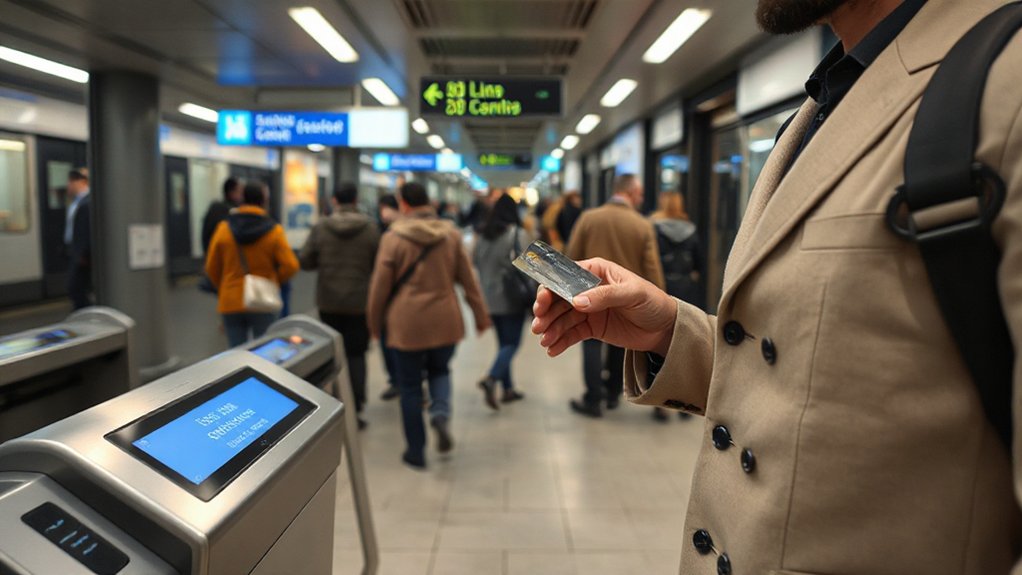
Tap your card or phone and go, as you’ll see in every station and bus door you approach.
Public Transit Wallets streamline payments, while a Fare-Zone Overview helps you gauge costs before you ride.
Keep an eye on zone boundaries and card limits so you won’t be surprised at the turnstile or reader.
Tap, Tap, Go
In many Spanish cities, paying with contactless cards and travel passes is quick and straightforward: you simply tap as you board, and the system deducts the fare without fumbling for change.
- Tap system in action: a green light or buzz confirms access, letting you move on without delays.
- Fare zones vary by city, so a quick glance at the map helps you avoid surprises on longer trips.
- Tags and cards stay with you; keep them near readers until the gate opens.
- If a tap is missed, a quick retry at the next reader usually resolves the issue with minimal interruption.
Public Transit Wallets
Using contactless cards and travel passes is quick and seamless when you hop on a Spanish city’s transit. Your wallet becomes simple access: tap to enter, tap again to exit, with instant feedback on the reader’s screen.
You’ll notice multiple contactless payment options, including bank cards and dedicated travel passes, often linked to a mobile wallet for convenience. In practice, you can mix methods across lines, if supported, avoiding cash where possible.
Keep an eye on fare caps that renew daily or weekly, so you don’t overspend.
Transit wallet security matters: guard your device and cards, enable notifications, and use PINs or biometrics where offered.
If a reader rejects a card, retry gently, or switch to an app-based pass to keep you moving.
Fare-Zone Overview
Ever wondered how fare zones work when you pay with contactless cards or travel passes in Spanish cities? You’ll find that most systems use a single fare zone for most rides, but some cities mix single-ride fares with capped daily or weekly passes.
Travel passes often cover multiple zones, though you only pay for the zones you actually travel through, based on the trip’s distance and zone boundaries. Check whether your card or pass auto-calculates the cheapest option, or if you need to tap again when you cross a boundary.
If you’re unsure, observe where gates or readers indicate zone changes and adjust your tap accordingly.
- Understand whether your card covers a single fare or a multi-zone pass
- Watch for zone boundary indicators at station gates
- Note daily or weekly caps to avoid overpaying
- Verify automatic vs. manual fare calculations on the app or card reader
How to Use Ticket Machines and Understand Fare Zones
Ticket machines are your first stop: learn the basic steps, from selecting your journey to printing or storing a digital ticket.
Next, get the hang of fare zones so you’re paying the correct price for where you ride.
You’ll notice labels, maps, and prompts that guide you—use them to compare zones and confirm the total before you validate.
Machine Ticket Basics
Many ticket machines are straightforward, but knowing a few basics helps you avoid delays. You’ll navigate screens quickly by choosing language, then selecting single-trip or multi-ride options. Press start after confirming your choice, and keep coins or card ready for a smooth transaction. Always check the displayed price before paying, and note any service fees.
After purchase, validate your ticket if required, and store it where it won’t crumple. Fare inspection can happen anytime, so carry proof of purchase and be prepared to show it.
- Look for a clear “Validar” or similar button to validate when required
- Keep smaller change handy for quick payments
- Confirm the expiration time after purchase
- Place tickets in a visible, safe spot
Ticket validation and fare inspection awareness helps you stay compliant.
Fare Zone Essentials
Fare zones determine not just how far you travel but how much you pay, so starting with a quick map check helps you avoid overpaying. When you use ticket machines, look for the fare zone map and select your start and end stations carefully.
Machines often display a live price based on your chosen zone, so you can verify before you confirm. If you’re unsure, ask a staff member or use the touch-screen help.
Remember that fare zone boundaries can change, especially near city perimeters or airports, so double-checking saves frustration. Zone based pricing means short hops across a boundary might cost more than a longer trip within one zone.
Carry exact change or a loaded card to speed purchases and minimize delays.
Navigate Peak Hours and Crowd Patterns
As you plan your ride, you’ll notice peak hours funnel crowds into the busiest stations and corridors, so timing and route choice matter more than ever. You’ll quickly spot peak hour congestion at major hubs, where trains arrive full and platforms feel tight.
By observing crowd behavior patterns, you’ll pick calmer entrances, shorter walks, and smoother transfers. Stay near staff stations for updates, and avoid crossings that funnel crowds into bottlenecks. Moving with purpose keeps you out of surge lanes and delays.
- Time your arrival to off-peak doors and staggered transfers
- Follow signage and staff directions for flow
- Use shorter, direct routes to minimize transfers
- Watch for platform crowding and adjust footing accordingly
Key Phrases for Buying Tickets, Asking Directions, and Boarding
When you’re buying tickets, keep it simple: know your destination, plan for the right zone, and have your payment ready before you reach the counter or kiosk. You’ll hear instructions in quick Spanish, so listen for keywords like “boleto,” “billete,” or “abono.” If you’re unsure, ask, “¿Puede ayudarme?” and point to the map or screen.
When asking directions, be direct: “¿Dónde está la estación?” or “¿Qué tren va a…?” Apply practical nods and a calm tone to bridge language barriers; a smile helps.
Boarding requires respect for cultural norms—stand back from the doors, let alighting passengers exit first, and validate your ticket promptly. Keep a small phrase sheet handy, and move efficiently to your seat or platform.
Real-Time Planning: Apps and Live Departures
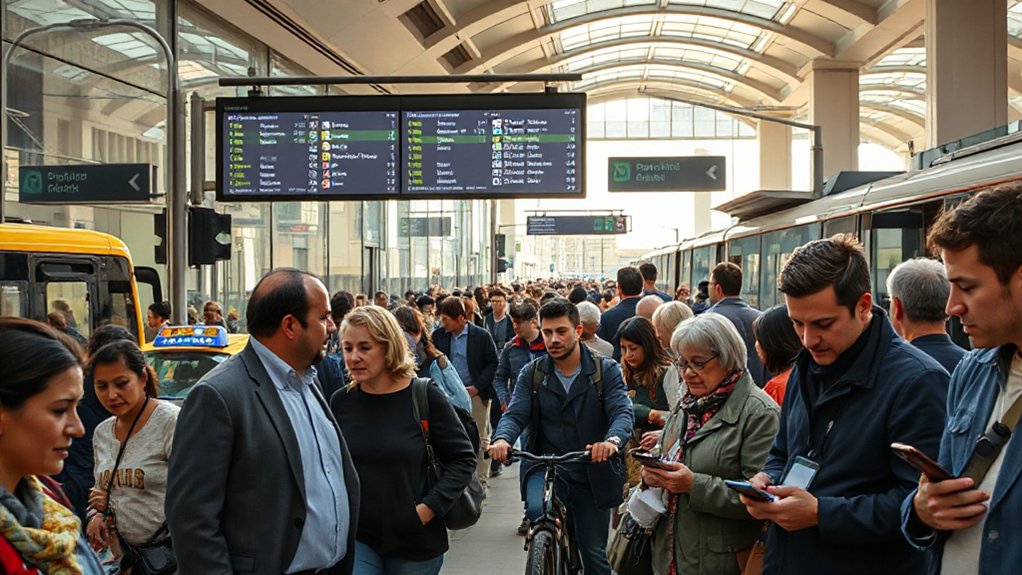
How can you stay ahead of schedules in real time? Real-time planning puts you in control, using apps to track departures, delays, and alternative routes as they unfold. You’ll see live platforms, gate changes, and crowd levels, so you can pivot before you’re hurried or stranded.
Real time updates arrive as push notifications, and mobile alerts highlight when the next tram or bus is arriving within minutes. This approach reduces waiting, improves timing, and helps you optimize connections across cities.
Stay flexible, check before leaving, and keep your battery handy.
- Enable push notifications for transit apps
- Set alerts for your primary routes and times
- Compare multiple operator feeds for reliability
- Use offline maps for areas with patchy signals
Accessibility and Luggage on Urban Transit
When you ride urban transit, you’ll notice how accessibility features help you move with ease, from low-floor buses to elevators in stations.
Consider how you’ll manage luggage on crowded platforms and during transfers, and look for designated spaces or priority areas on vehicles.
Practical tips like preplanning routes with step-free paths and using luggage-friendly entrances can make your journey smoother.
Accessibility Onboard Luggage
Managing public transport with luggage in Spanish cities is a practical test of accessibility on board. You’ll notice where accessible seating sits near aisles, allowing you to stabilize bags without blocking pathways.
Plan for luggage storage with compact, easy-to-handle items so you don’t block doors or exits. On buses and trams, grab handles and floor markings guide you to designated spaces, keeping aisles clear for others.
If the vehicle fills up, you’ll appreciate staff directions to move bags to secure spots, avoiding tipovers or obstructed seats. Your awareness helps everyone ride smoother.
- Accessible seating placement and bag-friendly gaps
- Clear signage for luggage storage areas
- Gentle weight limits and placement tips
- Quick tips to avoid blocking doors or exits
Navigating Transit With Bags
Managing transit with bags in urban settings means keeping both your belongings and fellow riders safe and comfortable. When you board, place larger bags to the side or on the floor near your seat, not blocking aisles or doors. Use overhead racks for backpacks only if space allows, and keep straps secured to avoid snagging others.
In crowded cars, carry-on luggage should stay close to your body, reducing collisions as the train moves. Always label valuable items and use a small bag for essentials to minimize rummaging.
Plan luggage storage before peak times, so you don’t crowd exits. Remember transit safety: avoid blocking entryways, watch your bags at stops, and exit with awareness of surrounding passengers. This helps everyone travel smoothly.
Safe and Smart Transit Etiquette in Spanish Cities
In Spanish cities, safe and smart transit starts with simple, mindful habits: stand to the side on escalators, give priority to those who need it, and keep voices and devices at a considerate level so others can move freely. You’ll notice etiquette shapes flow—respect cultural norms and expect practical politeness as you board and exit.
Stay aware of surroundings, and choose carriages with enough space for others. Safety tips include not blocking doors, watching for bicycles, and avoiding loud conversations near crowded platforms. By staying patient and observant, you help everyone travel smoother.
- Follow local signals and announcements to minimize congestion
- Give priority to wheelchair users, parents with strollers, and the elderly
- Keep bags secure and away from aisles
- Use quiet tones and minimal device volume in transit
Cultural etiquette, safety tips.
Budget-Friendly Hacks and Day Passes
If you’re watching costs, you’ll love how easy it’s to stretch a travel budget with smart ticket choices, bundled deals, and time-based passes that fit your itinerary.
In Madrid, Barcelona, or Valencia, day passes often cover unlimited hops, plus reduced fares on major routes, making short trips practical rather than sneaky splurges.
Look for metro cards that reload, and companion discounts for groups.
Some cities offer pocket-friendly bundles with museum or transit perks, saving you more than you expect.
While you ride, keep to local transit etiquette—validate, queue, and avoid blocking doors.
Cultural transportation tips matter: blend in, plan off-peak, and stay flexible.
Your wallet will thank you, and you’ll travel lighter.
Planning Multi-City Trips: Airport to City Networks
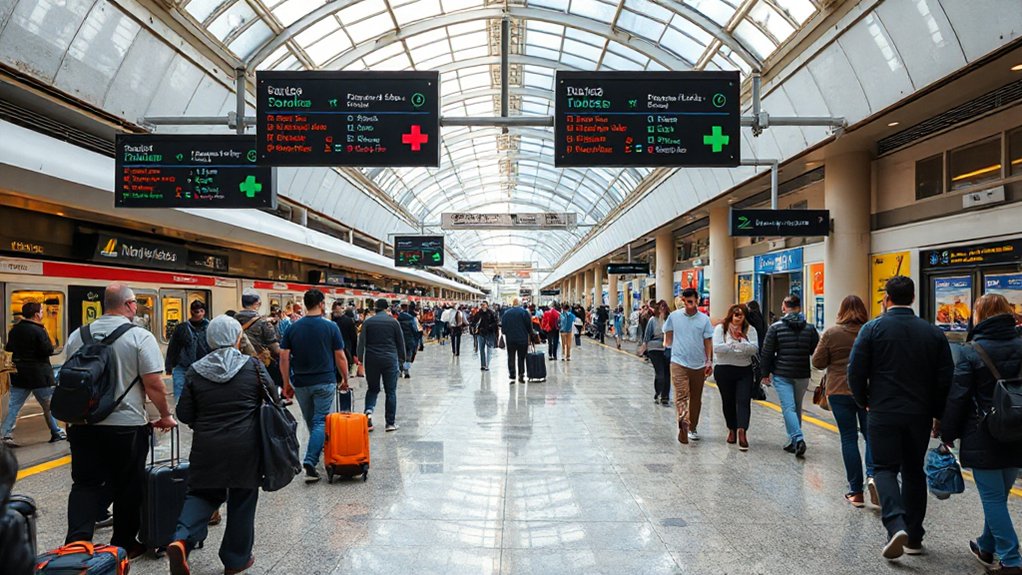
Planning multi-city trips starts the moment you map your airport-to-city connections. You’ll notice how flight times shape the pace of your transit, so prioritize trains or buses that maximize time in each destination. Start with a single pass or city-to-city ticket when available, then layer in single-trip fares to keep options flexible.
Check whether airport terminals connect directly to metro or bus hubs, and time your arrival to avoid peak crowds. Consider fare discounts for youth, seniors, or multiple journeys, and exploit off-peak windows when possible. Look for station amenities like luggage storage, clear signage, and accessible entrances to reduce friction between legs of your trip.
- Compare direct airport-city links and surrounding rail hubs for fastest routes
- Verify station amenities such as luggage storage and clear signage
- Seek fare discounts for multi-trip or off-peak travel
- Plan buffer times to accommodate transfers and security changes
Frequently Asked Questions
How Do I Validate a Transit Ticket in Stations?
You validate by scanning your ticket at the gate or reader, following station validation methods and ticket validation procedures. You’ll hear a beep, see a green light, and your step is confirmed; proceed calmly through the corridor.
Can I Use Regional Trains for Short Hops Between Cities?
Yes, you can use regional trains for short hops between cities with regional train concessions, especially for convenient routes. Look for Short distance travel passes, as they often save money and simplify tickets for frequent, quick trips.
What Sleeve Is Required for Luggage on Trains?
For trains, there’s no strict sleeve requirement; just comply with luggage restrictions and train carriage size. You should fit standard carry-ons in overhead racks or designated areas, keeping aisles clear for safety and easy boarding.
Which Apps Show Real-Time Seat Availability?
You’ll find real-time seat availability on apps like Renfe Now and Spain’s transit hubs, guiding you to preferable seats. Use Ticket purchasing and Mobile ticketing features, and you’ll breeze through lines as you plan, compare, and ride confidently.
Are There Night Buses or Late-Night Metro Options?
Night bus routes exist and late night metro options show up too, so you can ride long after sunset. You navigate calmly, comparing timetables, spotting routes, and choosing reliability over rush. You’ll adapt, arrive, and keep moving.
Conclusion
Traveling Madrid, Barcelona, and Valencia is smoother when you map your route first, then choose the right ticket. One striking stat: nearly 60% of urban trips in these cities are completed within an hour using transit, not taxis. You’ll save time by using contactless pay and tapping in and out, especially with day passes. Stay practical: study fare zones, machines in local languages, and etiquette—your ride becomes predictable, efficient, and pleasantly less stressful.