
To explore the medieval towns of Aragón, pace yourself along winding stone lanes, pause at archways and hilltop towers, and let Mudéjar brickwork guide your eye. Scented markets, honey pastries, and smoky taverns feed your senses while legends drift from fountains and carved misericords. Base yourself in a lively town, then ride day trips to Albarracín and Teruel, soaking in plazas, bells, and crafts. Stay flexible, watch sunsets light up old facades, and you’ll uncover hidden gems waiting just for you. If you keep going, you’ll learn more.
Key Takeaways
- Plan a 3-day route: Huesca, Albarracín, and Teruel to experience diverse medieval neighborhoods, towers, and plazas in sequence.
- Walk the old town cores: explore narrow lanes, arches, watchtowers, ramparts, and Mudéjar brickwork for immersive architecture.
- Taste local flavors and legends: sample garlic-olive breads, lamb, garbanzo stews, and honey pastries while listening to town folklore.
- Align visits with festivals or golden hour: enjoy living history events and sunset light on facades for atmospheric photos.
- Use regional transport and flexible pacing: trains and buses connect towns; allow detours to artisan workshops and hidden courtyards.
What Makes Aragón’s Medieval Towns Unique
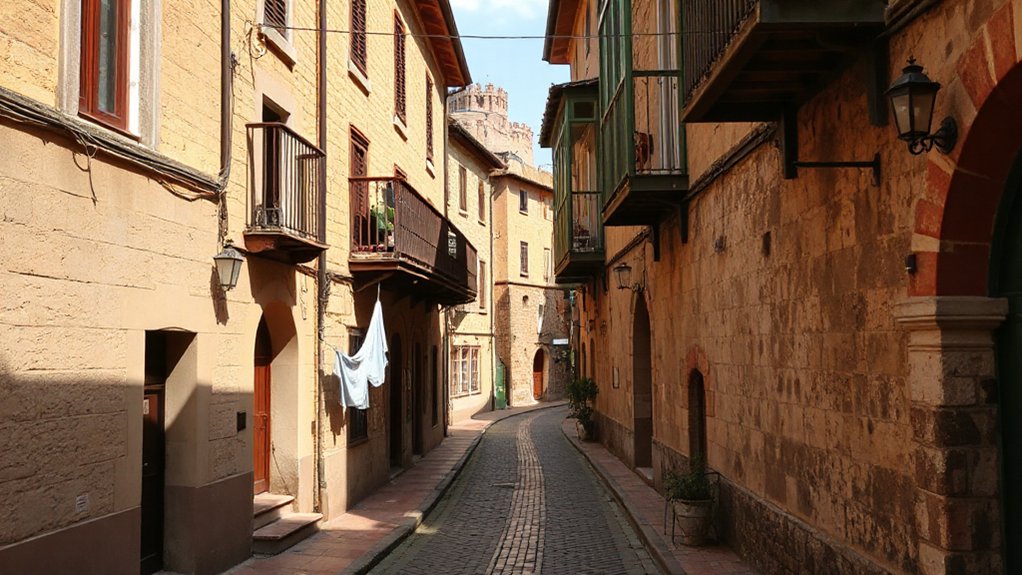
Aragón’s medieval towns stand out because they feel engineered by time itself: stone lanes wind through compact cores where arches, watchtowers, and whitewashed facades crowd the horizon, each detail hinting at centuries of trade, conflict, and resilience.
You’ll notice how medieval architecture isn’t just structures; it’s a memory map, guiding your steps from shaded plazas to sunlit courtyards. Narrow stairs creak under your weight, whispering stories of markets, guilds, and caravans.
Local legends thread through every corner, giving faces to cobbles and doors you’ll touch as you pass. You sense a living rhythm: bells, markets, and conversations woven together. The towns invite you to read their bones, to feel the breeze soaked with history.
The Best Seasons to Explore Aragón’s Towns
Choosing when to wander Aragón’s towns is about catching the light in the right moment: spring’s first green, autumn’s amber hush, or the quiet edge of winter when streets are yours to occupy. You’ll feel the season’s pulse in narrow lanes, where morning mist lifts from stone and bells summon the day.
Spring brings flower-skimmed balconies and fresh bakeries, autumn offers harvest hues and markets that glitter at dusk, while winter coal fires and candlelight make cathedrals intimate.
Plan for Medieval festivals to savor living history, or seek quieter skies when crowds thin. You’ll notice local crafts in shop windows and workshops, artisans revealing old techniques.
Each season rewards curiosity with textures, sounds, and stories you’ll carry home.
A Practical, 3-Day Route Connecting the Major Towns
You’ll map a tight three days that threads together Aragón’s medieval heart—from the stone alleys of Zaragoza to the hilltop depots of Teruel.
You’ll hit the highlights, savoring each town’s unique relics, bells, and plazas, while practical tips keep you moving smoothly.
This is where local rhythms—markets, pastries, and a thatched shade of a plaza—shape your route and your stories.
Three Day Itinerary
Start your three days in Aragón with a purposeful circuit that stitches the crown jewels of Huesca, Albarracín, and Teruel into a single, doable trek. You’ll wake among age-dark stones, tracing ramps and balconies that hint at centuries of stories.
Day one sweeps through Huesca’s medieval lanes, where cathedrals loom and coffee shops hum with locals’ chatter.
Day two rises into Albarracín’s fairy-tale walls, narrow stairways, and terracotta tile roofs that glow at dusk. You’ll pause for medieval festivals or a quick glance at a shop’s glasswork, savoring a moment of local crafts before the route pushes on.
Day three finishes in Teruel, where plazas crackle with life and towers guard the horizon. You depart with a compact, immersive arc and memories you’ll carry home.
Medieval Town Highlights
- Follow narrow lanes to medieval festivals where dancers whirl in wool and brass.
- Peek into workshops for local crafts—from carved rosaries to glazed tiles that still glow at sunset.
- Climb town walls at dawn, catching pale light painting pinks on ancient battlements.
- Sit in a plaza, let the aroma of roasted chestnuts and stews fuse with stories told by locals.
Practical Travel Tips
Three days are enough to stitch together Aragón’s major towns into a loop you feel in your bones: start in Zaragoza, drift to Tarazona for its mellow medieval lanes, then push east to Albarracín’s rose-toned streets.
Finally, loop back through Utebo and Calatayud as you map the pulse of the sandstone hills. You’ll ride light, plan ahead, and book museum slots before crowds form. Pack a compact camera, a map app, and a good pair of shoes for cobbles. Drink water, savor a café con leche, and savor medieval crafts on the quiet mornings when workshops open to visitors.
Time your routes with local festivals to catch niche crafts in action, then compare notes with locals for hidden detours.
Pick Your Base Town for Easy Day Trips
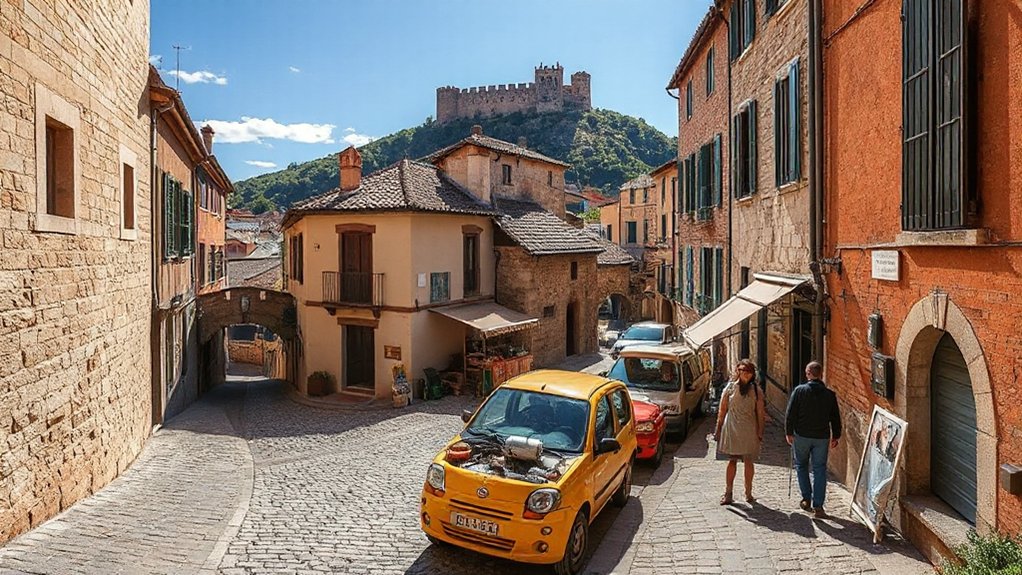
Pick a central base, and you’ll wake up to easy day-trip routes that feel like shortcuts through history.
From your hub, towns hum with compact charms and quick rail or road links, making line-of-sight landmarks rise at every turn.
Pack smart tips and you’ll optimize town-hub access without wasting a minute.
Pick A Central Base
Choosing a central base in Aragón is like picking a steady heartbeat for your travels: a town that’s close enough to the highlights, lively enough to feel local, and easy to return to after a day of wandering.
- A town square that hums at dawn, where aromas of coffee mingle with craft stalls
- Narrow lanes waking with sun, revealing medieval textures in stone and timber
- A welcoming tavern where local crafts meet storytelling over sizzling tapas
- A nearby plaza, perfect for sunset reflections after a day of wandering and wonder
With Medieval festivals and nearby workshops, you’ll map your rhythm around memory, not mileage, returning nightly to a homey base.
Easy Day-Trip Routes
From your base town, day trips glide into focus: drive or ride a gentle clockwork of routes that thread medieval villages, hilltop castles, and shaded river valleys within a comfortable reach. You’ll feel the rhythm in every turn as cobbles gleam, bells toll, and distant towers wink through olive groves.
Easy routes mean you won’t rush; you linger where the air tastes of thyme and ash wood. Along the way, you’ll notice Medieval crafts shaping daily life—from leatherwork to lit lanterns—that survive in craft shops and markets.
Hear the town legends as locals share tucked-away viewpoints and fresh-baked pastries that crown the return. Each shortcut hints at a story, a seam between landscape and memory you’ll gladly follow.
Town-Hub Access & Tips
Your base town sets the rhythm for easy day trips, so start by mapping how you’ll slip from town-center to winding lanes and hilltop routes. You’ll notice how the streets funnel you toward fresh air, local markets, and sleepy chapels away from the crowds. Here’s how to stay savvy:
- Begin at the hub station, then follow signposted shorter loops that thread through sunlit plazas.
- Choose a compact map app offline, so you won’t miss hidden viewpoints or a riverside path.
- Time your visits to sample Local cuisine and observe artisan crafts in workshop windows.
- Return via a route that passes hillside vineyards and medieval wells, for a satisfying, memory-filled circuit.
Walkable Old Towns: Pacing, Viewpoints, and Viewpoints That Astonish
Beneath the sun-warmed stone lanes of Aragón’s old towns, you’ll move at a pace that mirrors their heartbeat: unhurried enough to notice the hand-carved balconies, decisive where you pause at a plaza that seems stitched together from centuries of gossip and guzzle.
You chase viewpoints that stack like book pages, each overlook delivering a sharper tilt of the landscape and a pinprick of distant bell towers.
You’ll test routes by fit and feel, stepping stones over age-worn paths that reward curiosity rather than speed.
In between, you’ll dip into medieval crafts and pause near historic taverns, where stories spill as freely as barrels and the air tastes of pine and smoke, inviting another gentle wander.
Must-See Monuments: Castles, Churches, and Fortifications
Castles crown the horizon like time’s weathered sentinels, their stonework telling you how long Aragón has stood watch. You’ll chase light through courtyards where echoes carry centuries, and you’ll feel stone hum with medieval crafts you can almost touch. You move with purpose, listening to local legends that thread through staircases and bell towers.
- Visit the hilltop fortress where arrowslits glare at the plains and stories of sieges still linger.
- Step inside a church where carved misericords whisper quiet prayers to the faithful.
- Circle walls where watchtowers frame the valley like a painting you inhabit.
- Trace fortifications along ramparts, feeling history tighten around your ankles.
You’ll leave with a pocketful of memories, sharpened by medieval crafts and local legends.
Mudéjar Magic: Key Architectural Highlights to Notice
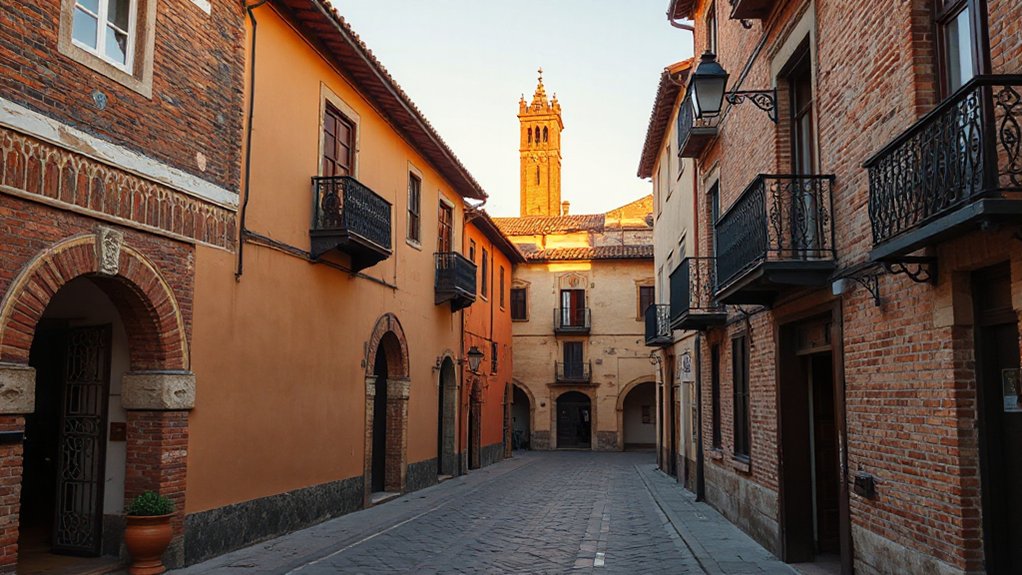
Mudéjar magic unfurls in Aragón’s towns as brick and tile argue in color, light, and shadow. You’ll trace brickwork that warps into geometric poetry, each pattern a memory of craftsmen who mixed cultures without losing identity.
From arcaded courtyards to star-shaped ceilings, you notice Mudejar artistry in every corner, a quiet conversation between earthbound heft and airy detail. Pay attention to the way craftsmen weave plaster with ceramic, creating tactile stories you can almost hear.
Architectural symbolism reveals itself in repeated motifs—horses, vines, and lattice—signaling both protection and blessing. You’ll feel rooms narrow and tall, the air cool under tiled roofs, guiding you toward quiet corners where history smiles back.
Medieval Flavors: Plazas, Markets, and Local Dishes
Medieval flavors awaken as you step into Aragón’s town squares, where the day’s pulse beats through markets and taverns alike. You taste the air thick with smoke, steam, and old stories, as vendors call out, beckoning with local delicacies and time-worn recipes.
You wander between stalls, listening to clinking cups and sizzle of pans, feeling history settle in your bones.
- fresh olive bread, still warm from the oven
- roasted lamb skewers, perfumed with rosemary
- garbanzo stews, hearty and comforting
- honey-soaked pastries, crisp at the crust
These medieval markets invite you to linger, savor, and learn. You leave with a pocketful of flavors and a mind buzzing with bustling plazas, where every bite echoes Aragón’s living palate.
Legends and Stories That Bring Aragón’s Towns to Life
Legends that echo through the streets turn cada plaza into a living stage, where every corner holds a whispered name and a memory. You’ll hear how landmarks acquired their whispers, from moonlit bells to stubborn gates that seem to watch over the town.
These stories link you to hands-on history, inviting you to walk, listen, and narrate along with Aragón’s enduring myths.
Legends That Echo Towns
In Aragón’s towns, the echoes of old tales wander through narrow streets and sun-warmed plazas, stitching past and present into a living map. You’ll hear legends braided with stone, copper, and wind, guiding your steps like a whispered passport.
- Follow a tale that threads a market’s heartbeat with medieval festivals, where drums sync with your pulse.
- Stop at a doorway where local artisans shape memory into wood, metal, and thread, listening for stories etched in grain.
- Pause by a fountain said to hum with ancestral voices, inviting a nod to forgotten heroes.
- End beneath a facade that keeps a secret, inviting you to imagine a chorus of townspeople still alive in stone.
Legends linger, shaping every crossing, every breath.
Tales Behind Landmarks
Told in the language of streets and sun-warmed stone, Aragón’s landmarks carry whispers you can almost hear when you stand at their bases: a tale tucked in a doorway, a legend braided into a fountain’s spray, a memory etched into a tower’s silhouette. You lean closer, feeling the grit under your fingertips as you trace past lives in carved reliefs.
In every stone, a local legend hums—ghosts of masons, sugar-rough markets, and secret passages that once bound neighbors. When medieval festivals bloom in spring, towers become storytellers, banners snapping a chorus you can’t ignore.
Listen for the drumbeat of history, then follow the smell of roasted chestnuts toward a square where time loosens its grip.
Getting There and Getting Around: Practical Transport Tips
Whether you’re landing by train in Zaragoza or hopping between medieval towns by bus, exploring Aragón’s streets is part of the adventure—and it’s simpler than it looks. You’ll feel the pulse in the stations, hear local chatter, and step straight into history.
- Plan rail connections with regional tickets to save time and money.
- Use buses to link hilltop towns; schedules are reliable and scenic.
- Walk short stretches to stumble on medieval festivals and artisan crafts.
- Choose late-afternoon routes to catch golden light on ancient facades.
Tip: carry a small map, learn a few phrases, and keep a flexible plan—transport here rewards curiosity as much as courage.
Hidden Gems: Six Offbeat Stops Worth the Detour
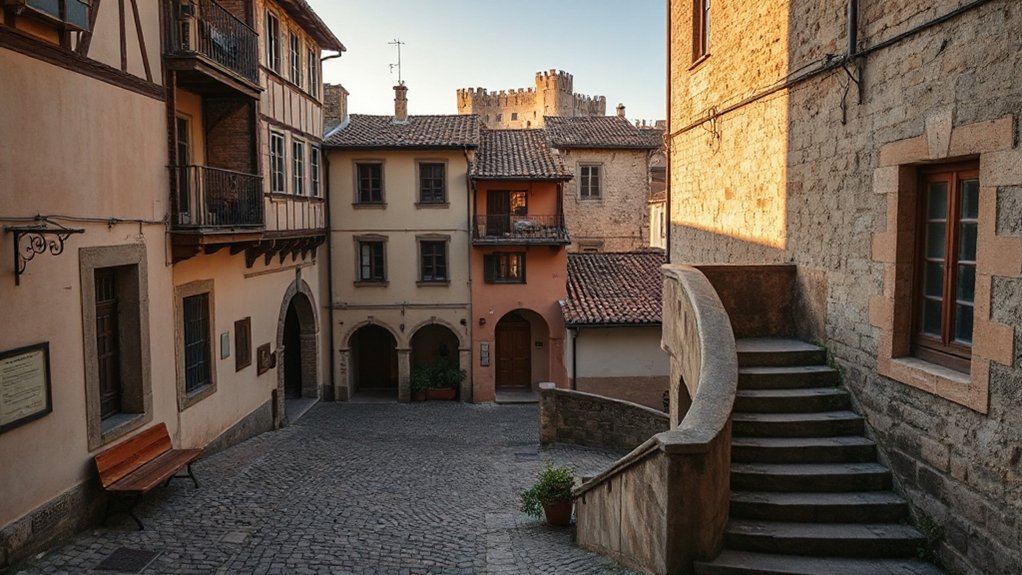
Hidden gems often hide in plain sight, tucked between hilltop parishes and stone-washed lanes you’ll almost miss if you’re chasing the big names. You wander off the main route and discover tiny courtyards where locals mend nets, carve wood, and stitch leather into bold, personal symbols.
Each stop feels stitched into Aragón’s pulse, not a postcard detour. At a hillside workshop, you watch a master craft a chair from weathered oak, smelling resin and cedar in the air.
A village plaza hosts a medieval festival, flags fluttering, drums counting the hours. You sip bitter coffee, trade stories, and pocket a gleaming bead or two.
Local artisan crafts thread through your day, and you leave richer, curious, inspired by authentic streets.
Family-Friendly Routes That Don’t Sacrifice Charm
If you’re traveling with kids but still crave character, Aragón’s family-friendly routes weave smooth paths through medieval streets and hillside vistas, keeping charm front and center.
- Follow cobbled lanes to sunlit plazas where medieval crafts spill from shopfronts and conversation stays lively.
- Pause at hilltop viewpoints where ancient festivals linger in murals and songs you can almost hear.
- Let storefronts reveal time-honed trades, from blacksmithing sparks to carved wooden toys that tempt curious fingers.
- End at a riverside bend, where picnics mingle with birdsong and the town’s heartbeat feels welcoming, not rushed.
These routes balance wonder with practicality, ensuring little explorers and history buffs both leave with memories intact.
Crafting a Relaxed, Curiosity-Driven Itinerary
To craft a relaxed, curiosity-driven itinerary, start with a soft framework: a single, glorious aim each day to spark wonder without rushing from sight to sight.
You braid mornings with slow breaths through narrow streets, listening for bells and rumors of medieval festivals. Let your map be a guide, not a cage: linger where shutters creak, where a local artisan polishes copper or carves timber, and where a plaza hosts strangers who quickly feel like neighbors.
Your days unfold around small, tangible discoveries—an heirloom doorway, a whispered legend, a courtyard garden tucked behind heavy doors. Schedule one conversation, one bite, one trace of craft per stop, then follow the next unplanned thread.
Frequently Asked Questions
What Makes Aragón’s Medieval Towns Truly Unique?
You’ll feel Aragón’s medieval towns alive through medieval architecture and vibrant historic festivals, where narrow lanes echo with traders and bells. You experience brick-and-stone legends, sunlit plazas, and local flavors guiding you toward untold stories and unforgettable memories.
Which Towns Are Best for First-Time Visitors?
Enchant your first trip by visiting Teruel, Albarracín, and Zaragoza’s Old Quarter, where medieval festivals and artisan markets sparkle, inviting you closer; you’ll feel time bending, as you wander narrow lanes, savoring stone textures, crafts, and sunlit plazas.
How Long Should a Relaxed, Curiosity-Driven Itinerary Be?
A relaxed, curiosity-driven itinerary should be about five to seven days, you’ll savor medieval festivals, wander artisan workshops, and linger in winding lanes; you’ll feel history breathe, taste local fare, and stitch spontaneous discoveries into your arc.
Are There Any Hidden Viewpoints or Secret Corners?
“Every stone whispers,” you discover hidden courtyards and secret alleys tucked between timbered facades, where you wander, listening to local stories, and you’ll uncover quiet corners that reveal Aragón’s medieval heartbeat, a treasure map in plain sight.
What Local Foods Uniquely Define Aragón’s Towns?
You’ll taste local culinary traditions like hearty veal stews and roasted lamb, plus regional specialty dishes bursting with garlic and paprika, guiding you through vibrant markets where locals swap stories and savor Aragón’s evolving food culture.
Conclusion
In this land, you’re a traveler climbing a living clock—each town a gear, each alley a tick of memory. Aragón greets you as a patient old map, inked with sunlit stones and whispered legends. You follow the route like a thread through a woolen coat, finding warmth in plaza conversations and cool shade by castle walls. When you finish, the towns don’t fade; they hum in your chest, inviting you to return, to listen, to wander again.