
You’ll wander Spain’s cities through flavors that tell their history, from sunlit markets to twilight tapas, where each bite and conversation threads you into a living map. Start at bustling mercados, sniff garlic and olive oil, watch peppers shimmer, and let stalls spark stories. Follow narrow lanes to tavernas, trade laughs with locals, and join cozy cooking moments. Spin a loop of heritage sites and hidden courtyards, then savor a sunset feast. Curious paths await as you continue this flavorful journey.
Key Takeaways
- Start at markets to inhale aromas, observe produce, and hear local stories shaping Spain’s city food culture.
- Follow a looped route linking stalls, tapas bars, and family taverns for a balanced taste of place.
- Join immersive experiences: cook with families, participate in tastings, and craft edible keepsakes.
- Budget and plan: visit at sunset, reserve tapas spots, and leave room for spontaneous discoveries.
- Meet the people behind the plates—vendors, chefs, and neighbors—to deepen cultural insights.
What Makes Spain’s City Food Culture Unique
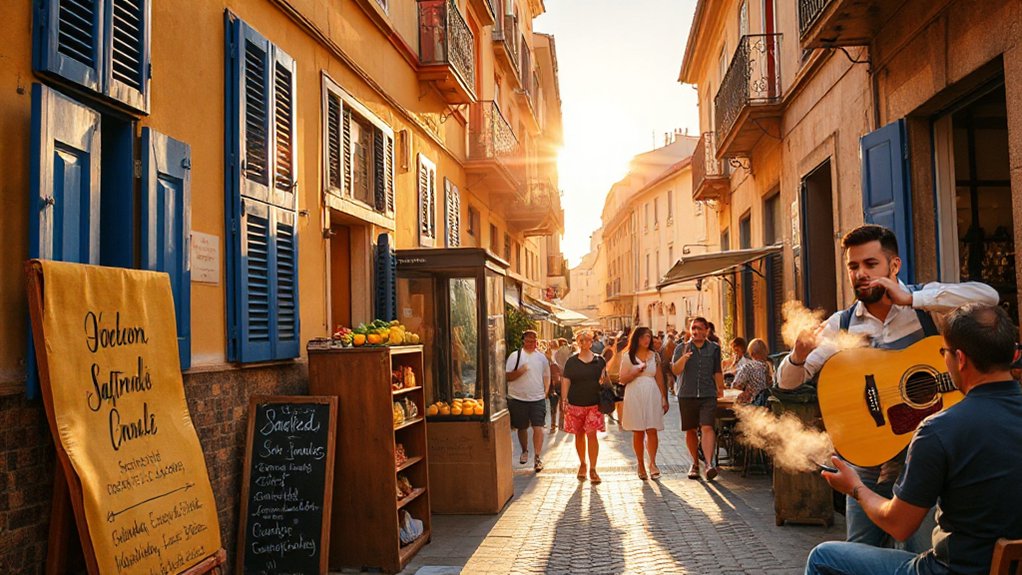
Spain’s city food culture hums with a kinetic mix of markets, tapas bars, and late-night strolls, where every bite tells a story of place and arrival. You taste how traditional recipes echo history while modern cooks push flavor forward, blending memory with invention.
In streets and plazas, regional ingredients meet bold technique, creating dishes that feel both rooted and alive. You notice the sizzle of garlic and peppers, the aroma of olive oil heavy in the air, and the bright crunch of fresh herbs.
Markets pulse with color—local cheeses, cured meats, citrus—and tell you that place shapes palate. This is cuisine as memory, collaboration, and moment, evolving through street chatter, family kitchens, and shared plates.
Plan a Food City Route: Markets, Tapas, and Trails
To map a nourishing route through a city, start at the markets, where stalls spill color, scent, and stories into the air.
You follow a path that threads Local delicacies with walking-time pauses, letting kitchen memories lead each step.
Plan tapas stops near lively bars as you track culinary traditions along narrow lanes, listening for clinks and laughter that hint at tomorrow’s favorites.
Blend heritage sites with food-leaning detours, balancing a brisk tasting with a slower, mindful stroll.
Map a loop that hits a producer’s stall, a family tavern, and a hidden courtyard cafe, then back to the overlook for a final bite.
Your route tastes of place, time, and shared appetite.
Immersive Moments You Can Taste and Do
From the moment you step into a market, your senses sync with the city: peppers blaze orange on a stall, olives gleam like coins, and the air carries whispers of stories told by the grocers.
Immerse yourself in moments you can taste and do, where living culture unfolds between bites and hands-on feels:
1) Join a family at a tascas table to learn a regional technique, then recreate it at home.
2) Try a street-mart “pinch-and-guess” tasting with locals, guessing ingredients, and laughing through mistakes.
3) Participate in a local craftsmanship workshop, crafting a small edible keepsake.
4) Attend a cultural festival parade, savoring regional sweets as drums echo tradition and community bonds.
These experiences weave Cultural festivals and Local craftsmanship into your palate.
Budget, Booking, and Navigation for City Feasts
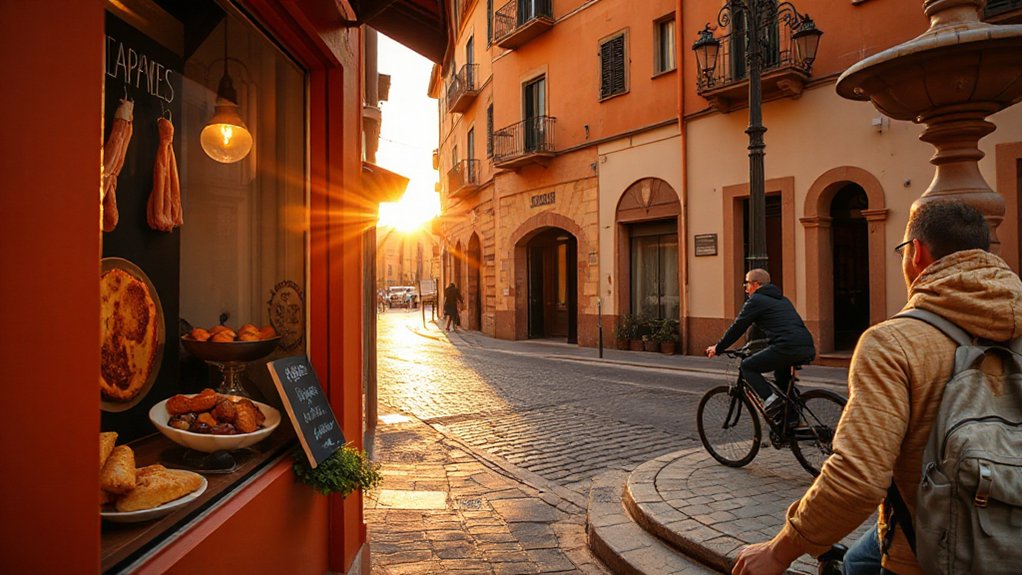
Start with a plan that feels like a good bite: set a daily budget, then map out where locals eat most—tascas, market stalls, and neighborhood trattorias—so you can sample a range without overspending.
You’ll wander humming with anticipation, gliding from sizzling grills to pastry cases, tasting on the go as you navigate narrow lanes between local street art murals.
Book ahead for popular bites at sunset—tapas barracks, family-style taverns, and hidden courtyards—yet leave room for spontaneous finds.
Use daylight hours to scout markets, then ride transit or walk, savoring the rhythm of the city.
Time your evenings to traditional festivals, and carry an open ear for recommendations that shade flavor with culture.
budget, booking, navigation—simplified, delicious, yours.
Meet the People Behind the Plates: Chefs, Vendors, and Neighbors
In Spain’s food tapestry, the people you’ll meet are as essential as the flavors on your plate, from sun-warmed stalls to busy open kitchens. You’ll feel the buzz in their hands, the pride in their craft, and the stories that simmer behind every dish.
Local culinary traditions come alive when a vendor recounts a family recipe, or a chef tweaks a classic with a wink and a smile. You hear the sizzle, the clink of jars, and the whisper of seasonal markets.
Here are a few faces you’ll encounter:
1) Chef guiding plates with practiced calm
2) Vendor rattling jars of peppers and olives
3) Neighbor sharing a memory tied to a recipe
4) Baker presenting warm, fragrant breads
Regional ingredient stories emerge in every encounter.
Frequently Asked Questions
How to Balance Food Tourism With Local Neighborhoods Respectfully?
Balance food tourism with local neighborhoods by practicing cultural sensitivity and responsible tourism; you’ll notice flavors, voices, and spaces differently, savoring meals and murals without encroachment, listening first, tipping attentively, learning customs, and supporting community-led eateries.
Which Seasonal Dishes Best Showcase a City’s Heritage?
You taste the season as a beacon, signaling regional ingredients and traditional recipes that reveal a city’s heart. You savor, noticing how harvest rhythms and artisan hands sharpen your senses, guiding you toward heritage you’ll carry beyond the plate.
How to Tip and Greet in Different Spanish Regions?
You’ll notice regional greetings vary—kiss on both cheeks in much of Spain, a firm handshake in business circuits, and warm verbal welcomes in Basque areas. Tipping etiquette stays modest: leave a few euros or round up, politely.
What Are Hidden Food Gems off the Main Tourist Routes?
Hidden gems await off the beaten path, and you’ll savor local street snacks tucked behind markets and plazas. You’ll discover regional wine pairings, textures, and aromas that transport you, as you wander, tasting whispers of Spain’s culinary soul.
How to Learn Basic Spanish Food-Related Phrases Quickly?
Learn quick Spanish food phrases through language immersion, practicing everyday dishes with locals. Picture sizzling tapas, fragrant paella steam, and markets at dawn; expand culinary vocabulary by naming ingredients, orders, and compliments, absorbing culture through taste, touch, and conversation.
Conclusion
As you wander Spain’s cities, you’ll taste history in saffron, smoke, and sun-warmed olives, feel the pulse of markets, hear clinking glasses, and smell fried churros mingling with sea breeze. You’ll uncover stories in ovens and alleyways, sip conversations with locals, and let every bite tug you deeper into culture. Pack light, eat with intent, and let your map become a memory. Trust your feet—you’re hitting the heart of the country, and the heart loves to be fed. It’s a journey that sticks.