
To enjoy the food and culture of the Valencian Community, step into markets where aromas of garlic, paprika, and sea mingle with voices and stories. Let sofrito, arroz, and olive oil guide your pace as you sample horchata, rosquilletas, and paella, linking each bite to harvests, labor, and place. Notice how festivals, dance, and slow village rhythms shape portions and conversations. Move with locals through villages and kitchens, and you’ll feel the region’s memory in every texture. You’ll discover more as you keep exploring.
Key Takeaways
- Explore markets and coastal produce to taste seasonal Valencian flavors, from seafood to rice dishes, while chatting with vendors about local traditions.
- Learn signature techniques like soffrit, suquet, and proper arroz al horno to understand tempo, flavor layering, and regional twists.
- Join a paella lesson or home cooking session to connect memory, place, and craft through storytelling and hands-on practice.
- Observe daily rituals, local etiquette, and handcrafted ceramics and olive oils that carry cultural memory and identity.
- Visit villages, festivals, and slow-paced neighborhoods to experience cuisine as a lived culture, rhythm, and communal celebration.
What Makes Valencian Cuisine Unique: Foundations You’ll Taste
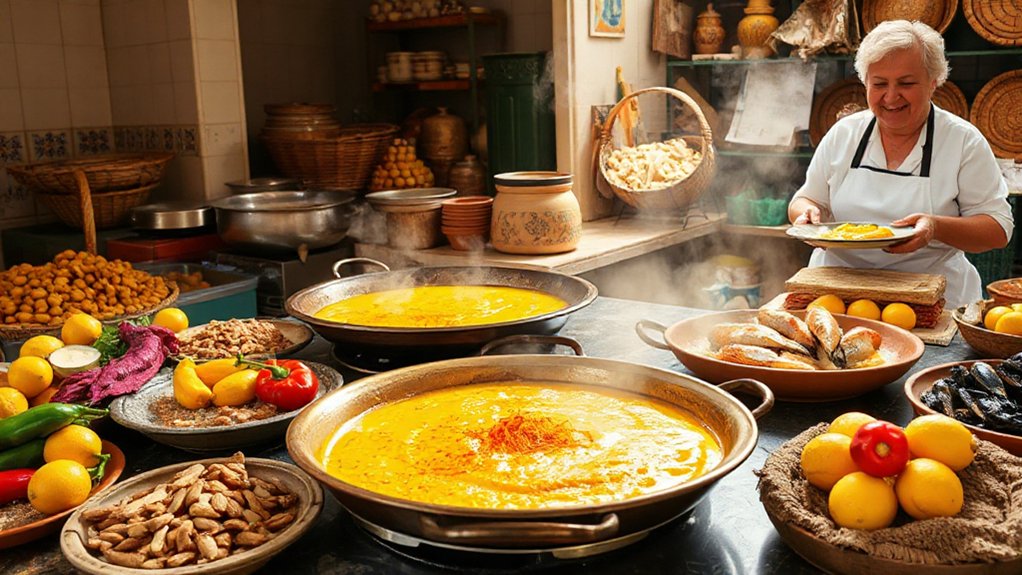
Valencian cuisine hinges on a simple rule: ingredients speak first. You notice how the sun-kissed harvests shape every bite, from tomatoes to almonds, and how long-forgotten methods surface in modern kitchens.
This is Food history, not abstract lore—stories etched in sauces, stews, and bread textures that travel from farm to table. You sense the layering of flavors born from Mediterranean climates and irrigation canals, a pattern you can trace in every street market exchange.
Culinary techniques emerge as conversations between patience and tempo: soffrit, suquet’s simmer, arroz cooked just shy of a bite. In this setting, you translate tradition into present taste, honoring place while adapting practices to contemporary tables.
The foundations reveal themselves as you listen to ingredients speak.
Signature Valencian Dishes to Taste First
You’ve felt how the sun and soil shape Valencian cooking; now you taste the signatures that travelers and locals return to. In this setting, you’ll encounter dishes that anchor memory and place.
Aged rice, sofrito, and olive oil fuse into paella’s core, yet you’re drawn to regional twists that mark time and labor. You’ll also notice small plates that travel with you through the meal: Traditional tapas that echo field harvests and river’s edge, offering texture and balance.
Complement the savory with Valencian desserts—almond, citrus, and honey—drifting between indulgence and restraint. The dishes aren’t just recipes; they’re rituals of season, family, and place, inviting you to narrate your own encounter with Valencian culture.
Valencia’s Markets and Food Hubs You Must Visit
You wander Valencia’s bustling markets and food hubs, where stalls pulse with color, scent, and texture, inviting you to read the rhythms of daily life. You notice how locals navigate these spaces—sampling, bargaining, sharing recommendations—and how each bite connects history, seasonality, and place.
You’ll see how these findings of market hubs and local delicacies weave a portrait of Valencian food culture you can carry into your own table.
Valencia Market Hubs
Valencia’s markets aren’t just places to buy food; they’re living hubs where vendors, locals, and visitors trade stories as vividly as tomatoes and almonds. You move through aisles with purpose, listening for echoes of centuries-old culinary traditions and the rhythms of daily life.
Market vendors welcome you, offering tips, tricks, and heirloom varieties that reveal how people cook and share. The hubbub itself teaches you the social fabric behind every bright pepper and fig.
- Market vendors bless the stall with tales as bright as produce
- You taste how culinary traditions travel from field to table
- Shelves double as listening posts for neighborhood memories
- Each exchange grounds you in Valencian rhythm and place
Local Delicacies Findings
Market stalls aren’t just stalls here; they’re tasting menus of memory. You wander Valencia’s markets and food hubs with a scholar’s curiosity, noticing how local food trends surface in small, patient interactions. A vendor lifts a veil of steam to reveal saffron-infused arroz, and you sense how tradition anchors the scene without denying invention.
The chatter around the counter reveals a community negotiating change: new producers, pesticide-free produce, and age-old methods coexisting. You trace traditional cooking methods in practice—roasting, confiting, bottling—each technique yielding heightened flavor and identity.
Delicacies aren’t mere sustenances; they map social memory, seasonal cycles, and regional pride. Your notes become impressions of a living archive, accessible, evolving, and deeply embedded in Valencia’s market rhythms.
Coastal Flavors: Seafood, Rice, and Paella Craft
Coastal Valencia reveals its soul in seafood, rice, and paella, where the sea’s daily catch becomes the thread that ties fishermen, markets, and kitchens together. You taste how salt and smoke carry stories from the harbor to your plate, and you sense the craft in every sieve, stock, and saffron ribbon.
Cultural festivals and traditional dance echo in the rattle of paella pans as elders share tips, while you learn to read the rice’s al dente pulse. The dialect of aroma—garlic, paprika, alga dust—speaks of place, time, and season.
You become part of a slower rhythm, where coastal flavor is a lived tradition, not a recipe alone.
- Fishermen’s daily catch guiding market talk
- Paella pans clacking in communal kitchens
- Saffron ink coloring rice with memory
- Shared meals as cultural rituals
Orchard-to-Table Traditions: Vegetables, Fruit, and Regional Produce
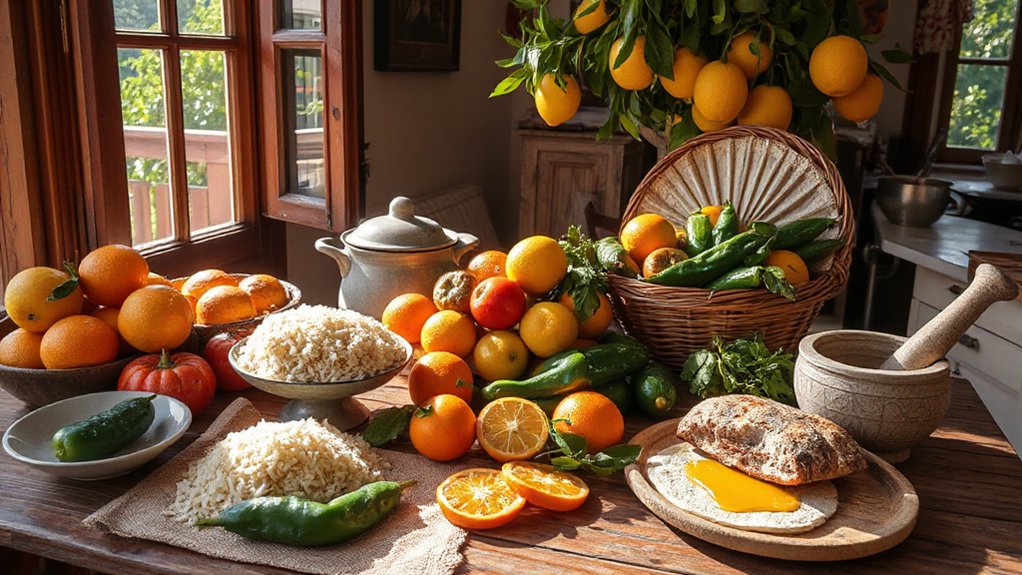
You experience orchard-to-table rhythms in Valencia, where seasonal harvests shape what you eat and how you feel connected to the land.
Through orchard-fresh varieties and regional produce, you sense how growers, markets, and kitchens co-create a shared palate.
This ethnographic thread invites you to read the landscape as a daily menu, ripe with Valencian timing and tradition.
Orchard Fresh Varieties
- Emergent sweetness from late-spring figs, figs harvested at dawn for rapid sale
- Crisp cucumbers and tomatoes carrying mineral notes from sunlit soils
- Peppers and melons chosen for balance between acidity and sugar
- Olive oil-scented greens that accompany rustic breads and cheeses
You learn to read seasonality, honoring place and people in every bite.
Seasonal Valencian Harvests
This is orchard-to-table memory: growers speaking softly of late frosts, cooks honoring the field with gentle heat, families sharing harvests just hours after picking. You hear traditional music drifting from village squares as you string figs into baskets, and you glimpse historical architecture framing terraces where citrus groves spill toward the sea.
The season’s knowledge isn’t only recipes; it’s a way of reading land, labor, and lineage together.
Valencian Wines and Drinks That Pair With Meals
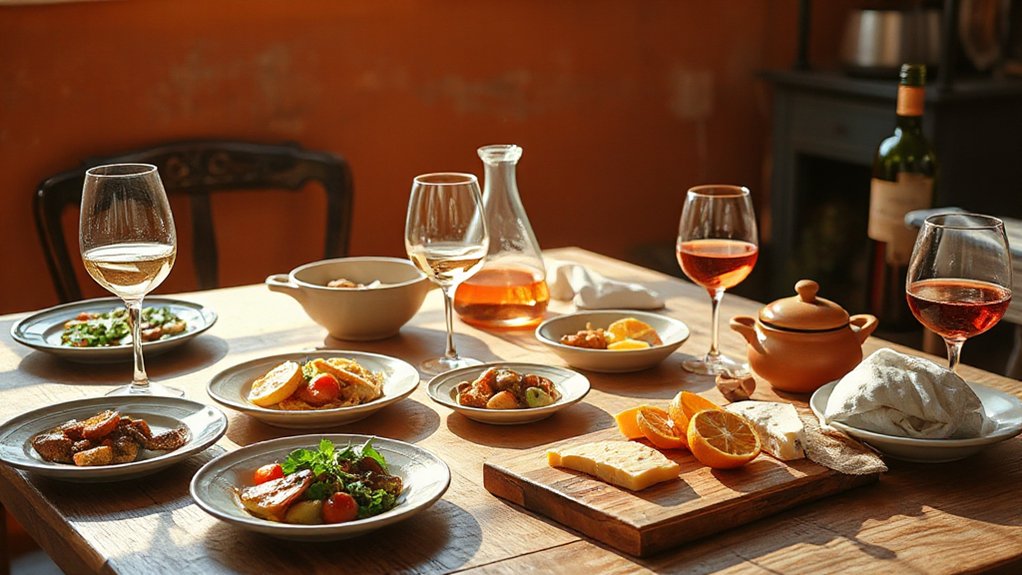
Valencian wines and drinks shape the meals as much as the plates they accompany, revealing how the region’s climate, soil, and traditions converge at the table. You’ll sense how Valencian vineyards map the daily rhythms, and how light, salt, and citrus influence our choices.
You’ll notice traditional aperitifs opening conversations, while sips guide pauses between bites. Pairing becomes a language of place, not a rulebook, inviting curiosity about soil depth, hillside breezes, and irrigation tricks.
You’ll taste the terroir in modest, shared glasses, and you’ll learn to read the table as a climate archive.
- Valencian vineyards guiding pairings
- traditional aperitifs as social doors
- light, fresh whites with seafood
- richer reds for meaty dishes
Festivals and Food: How Celebrations Shape Eating
You learn that festivals reshape what you reach for, turning shared moments into palate rituals.
As celebrations unfold, the foods you crave become tied to memory, place, and social meaning.
In Valencia’s rhythm, daily bites and special dishes meet, echoing cultural celebrations and shaping how you eat.
Festivals Shaping Palates
Festivals in the Valencian Community don’t just mark the calendar; they steer what people eat, when they eat it, and why. You’ll notice palate shifts tied to ritual rhythms, where taste becomes a memory kept alive through communal action. Foodways emerge as stories unfold, revealing how Traditional dance movements cue shared meals and how Local storytelling seasons ingredients with meaning.
During these periods, menus expand to include festival staples, reimagined in bites that honor history while inviting novelty.
- You savor pairings that echo dance steps and cadence
- You notice ingredients chosen for communal sharing and memory
- You link recipes to elders’ tales and village gatherings
- You reflect on how celebrations reframe ordinary eating into meaning
Cultural Celebrations, Daily Bites
Across the streets and kitchens of everyday life, celebrations spill into daily bites, turning ordinary meals into shared rituals. You observe how festival tempos thread into daily cooking, where aromas carry memory and belonging.
In Valencian homes, a plate becomes a map: crumbs mark routes from market stalls to family tables, guiding conversations about heritage.
You notice how traditional dance performances echo in stirring spoons and percussion of pots, shaping pace and portion sizes with communal rhythm.
Local artistry appears in handmade serveware, embroidered napkins, and the careful presentation of seasonal dishes that announce a village’s identity.
You sense that celebration isn’t spectacle alone; it’s a method for converting fleeting joy into sustained appetite, conversation, and mutual care.
Tasting Like a Local: Etiquette, Tips, and Ordering Tricks
Tasting like a local means reading a room as much as a menu: observe how hosts linger over shared plates, listen for how long a server lets a dish sit before suggesting another, and notice which ingredients dominate the table. You’ll pick up rhythm from small cues: the pace of conversation, the way wine glasses are refilled, and the spacing between courses. Food etiquette guides behavior without shouting, while ordering tips keep you aligned with local generosity and balance.
- Respect shared dishes; point to plates you’d like to try and wait your turn
- Say please and gracias; friendliness smooths service
- Ask about house specialties, then order modestly
- Keep alcohol moderate, savoring conversation over pace
Hidden Valencian Trails: Towns and Routes Off the Tourist Path
Hidden Valencian trails invite you beyond the well-trodden plazas into villages where time seems to slow and daily rhythms outpace the tourist map. As you travel, you encounter a tapestry of paths that locals navigate with practiced ease, revealing quiet scenes not printed in guides.
You notice how architecture frames conversations, how stair-step lanes bend around whitewash and citrus scent. The routes connect hamlets where dialects linger and small markets pulse with seasonal produce.
You’ll meet local artisans shaping a slow, place-centered economy, their hands attuned to weather and horizon. These hidden trails expose values caregivers hold: hospitality, restraint, memory.
You leave with an impression that the Valencian landscape is lived, not merely visited, and your sense of belonging expands beyond curated itineraries.
Craft and Craftsmanship: Ceramics, Olive Oil, and Regional Goods

In Valencian communities, everyday objects carry memory as surely as flavor does, and you can feel that when you trace the textures of ceramics, the sheen of olive oil, and the carefully chosen regional goods.
You enter workshops where local craftsmanship reveals how hands shape lineage, and you notice how traditional artisans blend function with meaning, aging pots like stories.
The market stalls mingle scent and sound, inviting you to compare glazes, logos, and labels as you listen to origin tales.
You learn to read provenance, whether glaze drift or oil hue betrays a village’s history.
- Local craftsmanship as conversation
- Traditional artisans’ techniques and tools
- Regional goods with place-based identity
- Hands-on appreciation and respectful buying
A Practical 48-Hour Valencian Cultural Meal Plan
A 48-hour Valencian cultural meal plan invites you to move through neighborhoods, markets, and family kitchens with purpose: to taste not just food but the rhythms, conversations, and memories that shape them.
You weave between stalls, sampling horchata, almond rosquilletas, and a quick arroz al horno, tracing how each bite connects to local labor, seasons, and stories.
In the evening, you watch neighbors practice Traditional dance on a plaza, then hear elders recount how recipes travel across towns, adapting with each kitchen.
The next morning, you join a home cook for a paella lesson, blending technique with Local storytelling about lineage and land.
Frequently Asked Questions
How to Pace a Valencian Meal Across a Day?
You pace a Valencian meal by distributing tasting moments: breakfast with coffee, late-morning tapas, a siesta break, lunch heavy and lingering, afternoon snacks, dinner with friends, and a late dessert. Meal timing honors Cultural rituals and shared rhythms.
What Are Budget-Friendly Valencian Tasting Options?
Street food, inexpensive bites, and market tours—you’ll savor budget-friendly Valencian tasting options. You roam, you sample, you compare; you mingle, you learn, you reflect. You budget smartly, you choose authentic flavors, you embrace local rhythms.
Which Festivals Best Showcase Valencian Food Culture?
You’ll experience Las Fallas and La Tomatina as festivals that showcase Valencian food culture, where you savor local wine pairings and share traditional dessert recipes, immersing yourself in ritual, community, and seasonal flavors that define the region.
How to Order Vegetarian-Friendly Dishes in Valencia?
You’ll find 60% of menus label vegetarian-friendly options; you’ll order easily. You ask for vegan alternatives and gluten free options, and locals guide you, interpreting flavors contextually as you navigate Valencia’s markets, tapas bars, and family recipes.
Where to Find Authentic Family-Run Eateries?
You’ll find authentic family-run eateries in narrow lanes off old markets, where locals source ingredients locally and tell stories of local ingredient sourcing and regional cooking techniques, revealing how place shapes meals and memories through intimate, contextual flavors.
Conclusion
You’ll feel Valencia in your fork and in your footsteps, as if a city’s memories are seasoned into every bite. In small towns, 85% of households still prioritize local produce during harvests, a statistic that hints at how deeply food binds community here. Ethnography isn’t just tasting—it’s listening: markets hum with bargaining dialects, ovens sigh with wood smoke, and elders pass recipes like sacred maps. Leave with more questions than checks and a renewed appetite for place-based life.