
Navigate rural Spain with confidence by using offline maps and spotting simple road signs that cue you to landmarks like chapels, windmills, and parish gates. Prep your car with fluids, a spare tire, and a small emergency kit, then drive slowly along narrow lanes, honoring locals, animals, and farm vehicles. Plan scenic detours when appropriate, and pace yourself around mountain passes and markets. Curious about warmer tips, routes, and village etiquette? You’ll pick up more hints beyond this.
Key Takeaways
- Use offline maps and preload key routes; rural signage can be sparse, so rely on landmarks and trusted apps for orientation.
- Plan scenic detours vs. tolls by weighing time saved against scenery and local charm.
- Prepare your vehicle with fluids, spare tire gear, emergency kit, and a toolkit for quick rural repairs.
- Drive slowly on narrow, winding lanes; use mirrors, follow white lines, and yield to locals, animals, and farm traffic.
- Respect village etiquette: park considerately, follow parking rules, greet residents, and minimize noise near chapels and markets.
Understanding Rural Spain Road Maps
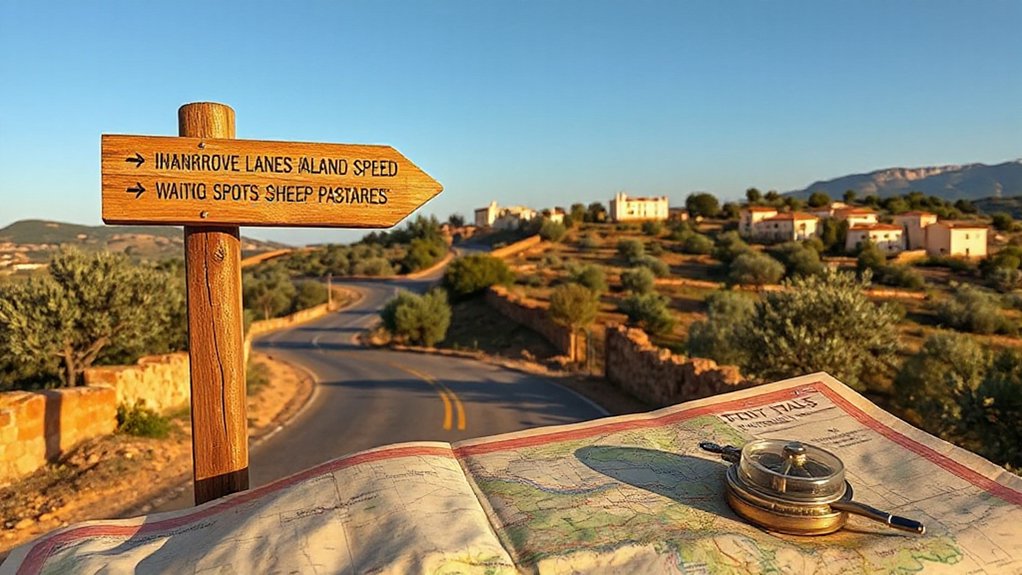
Rural Spain’s road maps aren’t just lines on a page; они’re a thread to small-town life. You study the symbols like careful clues: olive trees, faded parish churches, and the tiny cederadas that hint at shortcuts locals use every day.
You’ll notice dotted lines where gravel awaits, and blue patches that mark fountains or shaded plazas where locals gather after markets. You don’t just drive; you learn rhythms—when the bakery opens, when the bakery closes, when the village festival spills onto a square.
Your GPS is helpful, but a local map tucked in the glove box becomes your best ally. Between the routes, you’ll savor local cuisine and pause for village festivals, letting the road teach you patience and presence.
Essential Vehicle Prep for Village Driving
With a village drive, you start by a brisk Vehicle Readiness Check—fluids topped, lights working, brakes solid, and wipers ready for sudden gusts off the hills.
Pack Spare Tire Essentials: a jack, wheel wrench, and a compact tire inflator, plus a jar of empathy for the cobbles that love a stubborn tire.
Keep it simple, stay sharp, and you’ll move through narrow lanes with the confidence of a local you’re already feeling.
Vehicle Readiness Check
Before you roll out into narrow village lanes, start with a quick, thorough vehicle readiness check: tires inflated to the right pressure, brakes firm, lights bright, and fluids topped up. You’ll feel the road ahead more kindly when the basics are solid.
Check wipers, mirrors, and the spare—if you carry one—so you don’t bluff through a bend. Pack a compact emergency kit and a flashlight for dusk peeks into alleys.
Listen to the engine’s murmur; if it grumbles, book a quick service.
While you drive, note cultural festivals on your map and plan routes around them. Respectful stops let you admire traditional crafts in market squares without rushing, keeping everyone safe and the trip smoothly rolling.
Spare Tire Essentials
Now that your wheels are ready and the village lanes loom ahead, your spare tire isn’t just a backup—it’s a quiet insurance policy for unexpected twists on narrow, cobbled roads. You’ll want it accessible, not buried under a mountain of luggage.
Check tire pressure, tread depth, and the jack, then practice a quick swap so you don’t sweat under a Mediterranean sun.
Your Emergency kit should include a flashlight, gloves, reflective vest, and a tire iron with a sturdy handle.
Keep a wheel chock handy for stability, and note the nearest repair point in your pocket notebook.
Spare tire and kit, checked before setting off, turn tense moments into minor detours, letting you coast through rural lanes with confidence.
Safely Navigating Narrow, Winding Lanes
Tugging your mirrors in a touch, you’ll learn to read the road before you even turn the key: narrow lanes in rural Spain demand patience, as hedges brush the shoulders and stone walls loom just inches away. You’ll slow, lean into the curves, and use the white line as your guide, not a dare.
I lock my gaze on doorways, watch for oncoming headlights, and pull over with a practiced hush when a tractor looms from a bend. Keep to the pace that feels respectful to residents and animals, and let the chatter of wheels tell you when to ease off.
Farmhouse accommodations anchor your stay, while local festival tips keep your navigation rooted in culture.
Zonas De Bajas Emisiones: What Drivers Need to Know
As you cruise into town, the Zonas de Bajas Emisiones heat up your route with rules about which vehicles can enter and when. You’ll want to know the emissions zone rules, whether your driving permit covers the area, and what papers to carry to avoid penalties.
Stay street-smart: check the signage, plan ahead, and don’t risk fines that turn a simple village visit into a costly detour.
Emisiones Zone Rules
If you’re driving into Spain’s rural towns, you’ll likely encounter Zonas de Bajas Emisiones (low-emission zones) that prioritize clean air and smoother traffic for residents and visitors alike. You’ll want to know where limits apply, what vehicle qualifies, and how to avoid fines.
In practice, some zones restrict high-emission cars, while others charge a small daily fee, so plan ahead and register if needed. Keep an eye on signs, as boundaries shift with seasons and nearby cities. Local policing is strict but fair, and enforcement favors clear schedules over guesswork.
Here’s what to remember:
1) Check your vehicle’s emission class and any recent QR codes or apps for real-time status.
2) Plan routes around urban traffic chokepoints and parking zones to minimize stops.
3) Use approved parking garages near town centers to simplify city parking and access.
Driving Permit Requirements
Finding Zonas de Bajas Emisiones isn’t about guessing—it’s about knowing what permit you actually need and having it ready before you roll into town.
When you plan a rural drive, check which nearby zones require a driving permit and which licenses qualify for access. In practice, most municipalities align with standard Driving permits and license requirements, but some border on regional expeditions that demand extra documentation.
You’ll want your license, a photo ID, and any local permits mapped to your vehicle category. If you’re renting, confirm whether the rental agency handles ZBE authorizations or if you must obtain one yourself.
Keep digital copies handy in case you’re stopped. Stay calm, brief the rental staff, and you’ll glide through the village gates with nothing but the road ahead.
Compliance And Penalties
Compliance matters when you roll into a ZBE: you’ll feel the difference the moment you approach the entrance, with clear signs, cameras, and often a friendly, paper-thin reminder that violations aren’t just a slap on the wrist.
You’ll need to know the local rules, thresholds, and how penalties stack, especially during local festivals and bustling village markets when street activity peaks.
1) Check which emissions category your vehicle fits and whether you need a permit to enter the town center.
2) Expect fines, surcharges, or revocation of access for repeated offenses, and mark appeal windows if you believe you were wrongly cited.
3) Plan routes ahead, avoiding breach zones during busy markets, and use alternate lanes or timings to minimize disruption to village life.
Parking in Village Squares: Rules and Tips
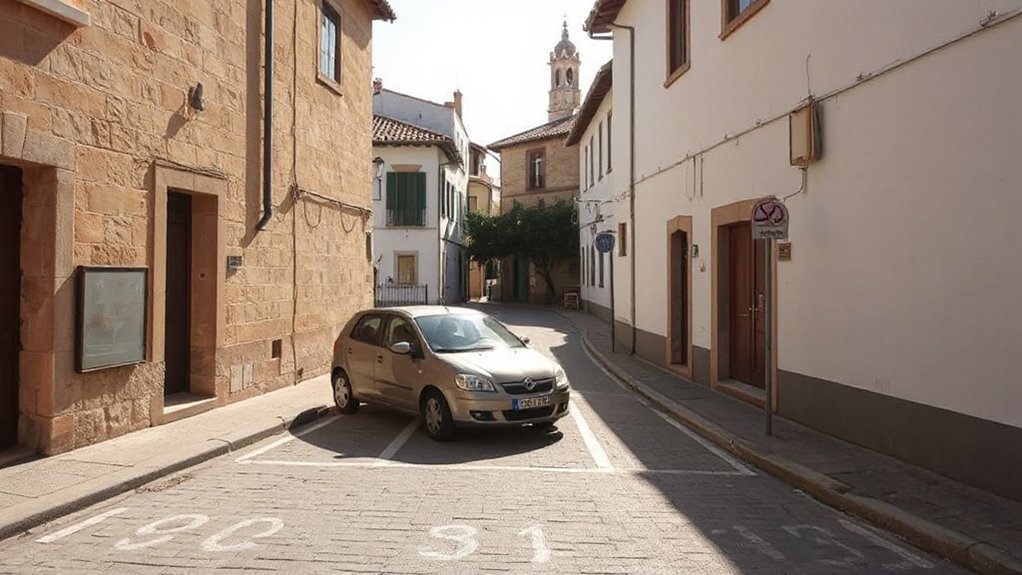
Parking in village squares isn’t a free-for-all; instead, it’s a dance of rules you’ll learn quickly by watching locals and a few careful cues from the town hall signs. You glide in, wheels snug to curb, honoring shaded times and narrow lanes that demand patience more than speed.
Look for painted bays and respectful gaps; when in doubt, choose the edge where traffic can pass with ease. Parking etiquette matters here, because everyone shares tiny spaces and quiet mornings.
Read the village signage—dates, hours, and forbidden zones—before you settle. A quick check saves fines and frees your visit to linger over coffee, bakery aromas, and the hum of life that makes these squares memorable.
Reading Spain’s Road Signs: What to Expect
Spain’s road signs greet you with a practical honesty: bold symbols, clear colors, and a rhythm you’ll quickly pick up as you roll through villages. You’ll notice how these cues guide you without fuss, letting you keep your eyes on the scenery and the locals who wave from courtyards.
1) Look for wildlife crossings where forests curl near bends; slow down, don’t surprise what might be watching.
2) Read roadside art that doubles as a map—murals, copper markers, and quirky arrows telling little stories of the town.
3) Respect priority signs and speed limits, then trust your instincts to skim the edge of narrow lanes and approving smiles from drivers behind you.
Gas Stations in Small Towns: When to Refuel and Ask Locals
Gas stations in small towns are where you’ll feel the heartbeat of rural Spain. You pull into a faded forecourt, smell of diesel and bread from a nearby bakery mixing in the air, and you realize refueling is more than pumping gas.
Ask locals for the best pumps and hours; many stations close for siesta, some stay open just long enough to grab a coffee break. Watch the signs in Catalán, Galician, or Spanish, and keep small bills handy—change helps the local attendant spot you fast.
After filling up, wander to nearby farmhouse accommodations or a market stall; you’ll hear tips about safer routes, and you might discover a hidden shortcut to a beloved local craft market.
Managing Mountain Pass Delays and Timed Passages
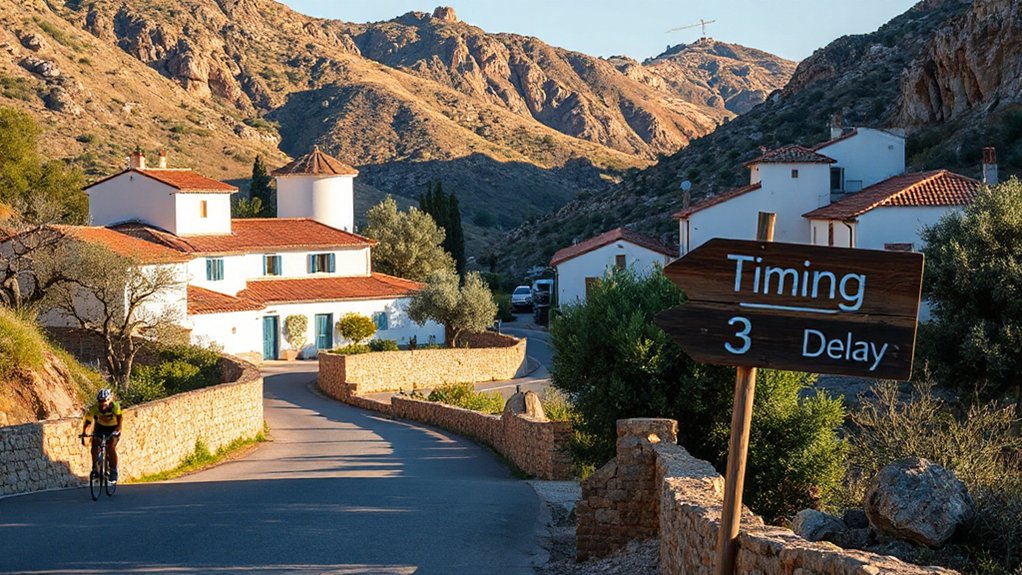
As you thread through the mountain passes, you’ll notice timing isn’t just a suggestion—it’s part of the route, with sunrise and weather shaping when the road feels calm.
Plan for delays, have coffee-ready waits with locals, and know the alternates that cut back on waits without missing the village feast.
Keep tips handy on timed passages, from peak-hour windows to safe overtakes, and you’ll glide through with confidence.
Mountain Pass Timings
Ever wondered how to time your climb through a mountain pass so delays don’t derail your day? You’ll learn to read the lay of the road, listen for distant engines, and respect the rhythm of locals who share these routes. Mountain pass timings aren’t luck; they’re light, deliberate choices—leaving temprano, passing lightly, arriving with tea in hand. The wind bites, gates swing, and scenery rewards patience.
Rural road etiquette guides you to yield to uphill traffic, pull aside for slower vehicles, and share a nod with hikers. Adjust speed to switchbacks, and don’t rush the clouds.
- Check opening hours and weather, then plan a flexible window.
- Stop briefly at pullouts to let locals pass.
- Signal intentions early; use low gears on descents.
Delays And Alternatives
When a sudden queue winds up a mountain pass, you don’t panic—you adapt. You scan the valley for a safer pull-off, sip water, and map a quicker detour using locals’ recommendations.
Patience becomes a tool, not a trap, as you listen for the telltale signs of a clearing: a brake light, a whispered radio update, the scent of roasting peppers from a nearby roadside stall.
If delays stretch, you switch to plan B—timed passages—staying flexible with your pace, savoring the moment rather than rushing it.
You’ll fuel with local cuisine when the road opens, trading stories with shepherds and vendors. Cultural festivals nearby offer welcome relief, a reminder that the journey is part of the destination.
Timed Passage Tips
If a mountain pass jars you with a sudden delay, lock in a plan B quickly and keep moving with purpose. Timed passages demand rhythm, not panic, so you read the road like a map of local life—watch the clouds, listen for distant bells, and honor cultural traditions that shape the pace of villages.
You’ll learn to time your escape from backups with the town’s pulse, joining a friendly queue near a café where stories brew as strong as coffee.
- Sync your route with Local festivals and market days to dodge traffic swells.
- Build a buffer by logging early arrival time, then let timing guide you to scenic overlooks.
- Use detours as chances to greet neighbors and absorb rural flavor.
Tolls, Free Roads, and Scenic Route Planning
Tackling tolls, free highways, and scenic detours isn’t just about saving a euro or two—it’s about shaping your day on the road to a rural village. You map out toll policies and free roads ahead, choosing routes that cut time or savor views.
When a toll pops up, you compare cost with time gained, opting for the cheaper toll or a slower scenic route if a village clock calls. Scenic routes aren’t vanity; they reveal town markets, whitewashed walls, and olive groves glinting in sunbreaks.
You keep a lightweight map, a reliable app, and a flexible plan, ready to switch lanes for a quieter bakery stop or a hillside overlook. Your drive becomes dialogue with Spain, a moving, memorable compass.
Fuel, Water, and Breaks for Village-Hopping Days
After your toll and route choices, you’ll want a smooth rhythm for village-hopping days: steady fuel, enough water, and smart breaks that fit Spain’s pace. You’ll tune your tank and nerves alike, practicing fuel management as you drift through clay-red lanes and sunlit plazas.
Water stations dot the way, so sip often and carry a lightweight bottle for quick top-ups before the next hill.
1) Plan refuel stops around small towns with shaded squares, avoiding heat spikes and hungry queues.
2) Hydration cadence matters—alternate water with small bites, keeping energy steady for winding routes.
3) Schedule breaks near a fountain, bakery, or parish gate to soak in local flavor and reset pace.
Fuel management and water stations keep village-hopping calm and connected.
Parking Courtesy and Right-of-Way in Village Streets
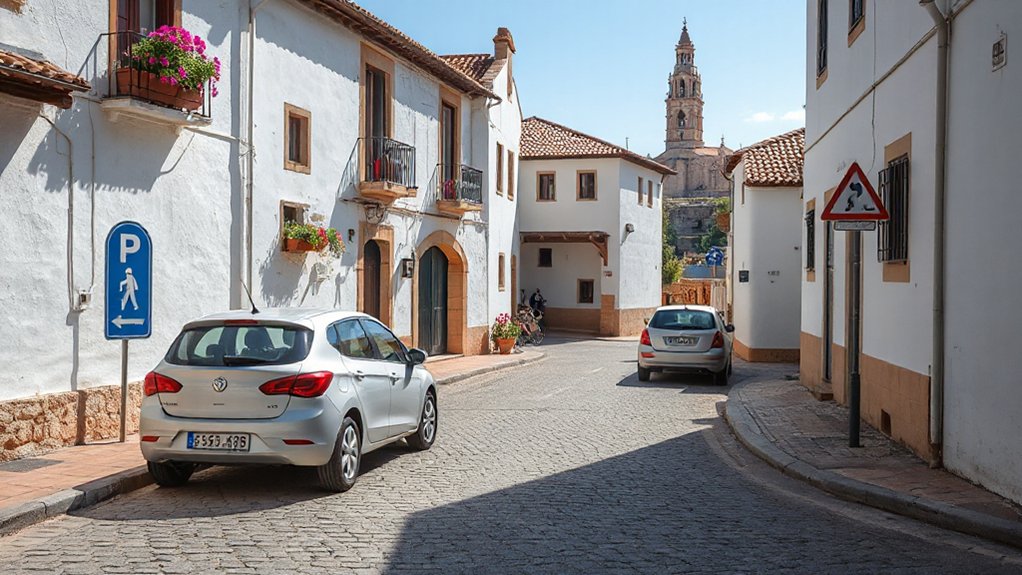
Parking in village streets isn’t a race against the clock; it’s a dance with narrow lanes, laden with charm and rules. You’ll notice tucked-curb corners, shaded shade, and locals gliding by, feet light on pedals.
Practice parking etiquette by using pull-ins or bite-sized spaces, keeping wheels straight and doors closed gently for neighbors strolling by. When you drop anchor, signal clearly, then step out with courtesy—hello nods beat honks here.
Right of way matters in every bend: yield to pedestrians, especially children, and slow before crosswalks even if no one’s waiting. If a car backs out, give it space and a wave.
Quiet Viewpoints: Finding Scenic Stops Without Getting Lost
If you crave quiet viewpoints, you’ll want routes that feel off the beaten path but stay easy to navigate with clear signs.
Follow simple, scenic stops that match your pace, using reliable maps that point you to calm overlooks and village panoramas.
Keep an eye out for well-marked paths and friendly locals who can suggest a hidden little vista you’ll remember long after you’ve left.
Quiet Routes, Clear Signs
Quiet routes weave through olive groves and whitewashed hamlets, and you’ll feel the road tell you where to turn before the signs do.
With calm patience, you keep to well‑worn lanes, spotting little markers that point to hidden shortcuts and scenic detours. You’ll arrive with time to breathe, not just rush.
1) Look for faded stone posts that hint at old paths; they often lead to quiet viewpoints without circling twice.
2) Follow the rhythm of regional arrows, but trust your map when a local shortcut appears—it saves miles and preserves flavor.
3) When unsure, coast into a village square, ask a neighbor, and note the minimal, scenic route for future trips.
Scenic Stops, Easy Maps
Scenic stops are your reward for patient cruising through rolling hills and whitewashed hamlets, so keep an eye out for pull-offs that look like they belong to a painting. You’ll find scenic viewpoints framed by dry stone walls and olive groves, inviting you to pause without wrecking your schedule.
Use a simple, pocket-sized map app or a laminated route sheet to stay oriented; label each stop with a quick note so you don’t backtrack. When you step out, inhale the countryside flora: thyme-scented air, lavender hints, and distant rooster calls.
Take a moment to listen to the wind in cypress rows. These tiny vistas spark stories you’ll carry, turning a drive into a memory you can revisit later.
Language Hurdles on Roadside Interactions
When you roll into a roadside chat, language can feel like a speed bump you didn’t see coming, but it’s also a doorway to better help and warmer welcomes. You’ll find the locals appreciate effort, not perfection, and a smile goes farther than a flawless sentence.
1) Prepare a few simple phrases in Spanish, then let the conversation flow with gestures and patience.
2) Keep directions brief, use landmarks, and repeat key words to bridge language barriers, avoiding frustration.
3) If miscommunication happens, pivot to roadside communication by asking to write it down or point to signs.
The more you listen, the more you uncover local rhythm, find people’s generosity, and navigate with ease.
Apps and Tech to Aid Rural Navigation
You’ll rely on offline maps when the signal drops in narrow lanes past olive groves and whitewashed hamlets.
Real-time route alerts keep you from stuck roads and detours, so you can pivot with ease, even on unfamiliar back roads.
With local language support, the apps whisper helpful phrases and tips that match the rhythm of daily village life.
Offline Maps Access
Offline maps are your quiet roadside companion here: download trusted apps before you set out, cache the routes, and keep a spare battery, because Spain’s rural lanes don’t always post signs in bold.
You navigate with calm confidence, letting offline maps stitch the terrain into a readable plan, while you soak up the scent of olives and scrubland.
Rural signage may vanish or gloss over turns; you stay ahead by preloading key detours and noting small landmarks—the white-washed chapel, the windmill, the bar with chipped tiles—so you’re never lost in the wind.
- Preload essential routes and alternate paths
- Note local landmarks to guide you back on track
- Carry extra power for long stretches between towns
Real-Time RouteAlerts
You’ll appreciate ETA tweaks when a local festival detours traffic, and you’ll avoid getting stuck behind a slow tractor parade by rerouting with a tap. These tools blend live data with offline maps for reliability, so you feel confident in remote corners.
Watch for hints about Historical architecture along the way and let the alerts remind you to slow for photos. When a village glows at sunset, RouteAlerts help you plan the return, not rush the moment.
Local Language Support
As you shift from steering by real-time alerts to moving through rural lanes, local language support becomes your practical co-pilot. You’ll tap into apps that translate signs, menus, and the occasional farmer’s question, turning confusion into confident progress.
Voice guides in local dialects let you feel the pulse of the village without missing a turn, while offline maps guard you against spotty networks.
You’ll also learn to spot cultural customs from friendly prompts, avoiding faux pas at a roadside cafe or a village gathering.
Local flavor rides with you, not behind you.
- Use offline translation and pronunciation features to bridge local dialects.
- Enable cultural tips to respect customs during stops.
- Save regional landmarks tied to local dialects and eateries.
Parking Etiquette in Medieval Town Cores
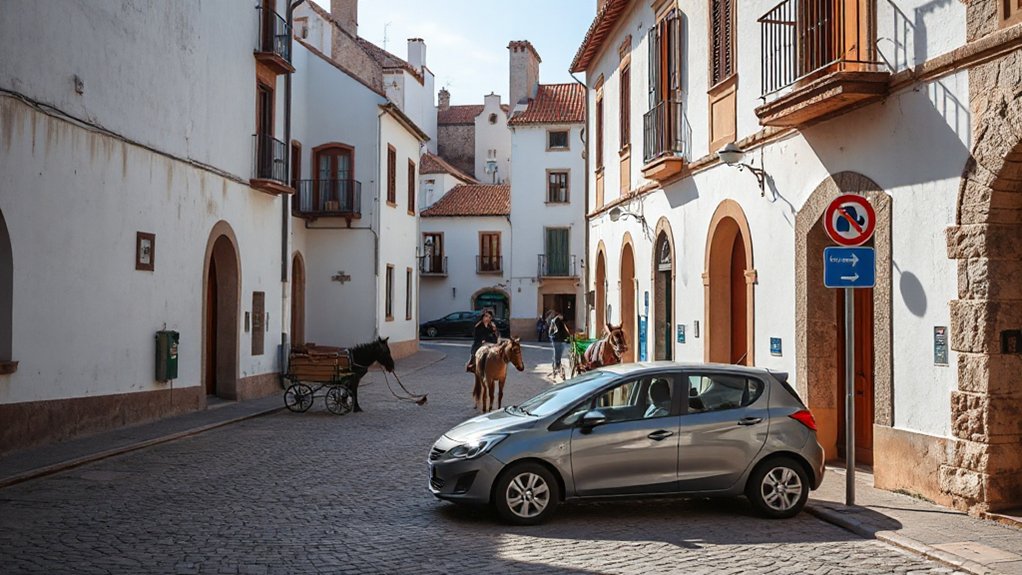
When you roll into a medieval town core, parking isn’t just about space—it’s about respecting a living quilt of narrow lanes, stone steps, and local routines. You look for marked spots and brief bays, then choose off-peak moments to stop, avoiding door dings from curious locals.
Follow parking regulations, display any permit clearly, and keep your engine quiet while someone fetches a key or drops a note. In these cores, attendants and residents often direct flow with hand signals, so stay patient and let them guide you.
Don’t block pedestrian rights of way; never double-park near chapels or markets. Respect medieval architecture by leaving enough room for drivers to pass. Park thoughtfully, exit slowly, and savor the town’s slow, genuine pace.
Weather Differences: Driving Spain Across Seasons
Spain’s weather greets you with a spectrum: hot, dry summers baked by the sun; cooler, misty hillsides in spring; and the damp, windy margins of autumn. You’ll notice weather patterns shift quickly between regions, so plan ahead and follow local forecasts. Pack flexible layers and quick-dry options, because seasonal clothing matters when you switch elevations and microclimates along rural routes.
1) Observe changes as you climb; terraces and valleys can feel two climates in one day.
2) Start early, embrace shade and sun, and respect sudden showers common in transitional phases.
3) Keep a small umbrella and a scarf handy for cool mornings and windy passes.
This awareness keeps your drive smooth and your map accurate.
Safety Checklist Before Hitting Rural Corridors
Before you roll into those winding rural corridors, lock in the basics: check your tires for tread and pressure, top off fluids, and confirm your brakes are responsive. You want reliable grip as olive groves blur by and stone houses wink at you from every bend.
Pack a spare bulb kit, a first-aid pouch, and a handwritten map tucked with your euros for small-town plazas. Check headlights and mirrors, and set your emergency beacon in reach.
Log a quick route pause for a roadside coffee break, savoring local cuisine and listening for farm dogs’ greetings. Watch calendars for cultural festivals shaping traffic, and drive with patience when tractors appear.
A calm start protects your journey and your memories.
Quick Fixes for Common Rural Road Issues
A quick fix list can save you hours on a dusty rural road, so keep your toolkit handy and your mind sharp: a tire iron, pliers, duct tape, and a flashlight tucked under the seat, plus a spare fuse and bulbs.
When the road goes flaky, you’ll rely on a calm, practiced routine that keeps you rolling toward those Historical landmarks and the glow of Local festivals.
1) Patch and test a loose wire or blown fuse before the next bend, so you don’t stall near a cliffside cliffhanger.
2) Quick tire swap or patch, then recheck pressure and spare load for the rough hillside.
3) Clear debris from the shoulder, then note a landmark to guide your next halt.
You’ll feel the village pulse even in a roadside moment.
Savoring Local Delights on Village-Days
Tug at the scent of sizzling chorizo and the buzz of a village square as you arrive, because Savoring Local Delights on Village-Days invites you to slow down and taste the day. You’ll wander stalls with locals, your road-weary feet finding rhythm in clinking glasses and laughter.
Follow the aromas to a crusty bread stall, then a cheese table where bold, sun-warmed flavors meet cool countryside air. Practice quick, friendly bargaining, and respect the cue to share a bite with strangers—that’s how local culinary traditions breathe.
Watch for village festival highlights: a brass band, a folk dance, a crowd gathering under string lights as dusk settles. Eat mindfully, jot notes, and carry memories, not leftovers.
Packing List for a Smooth Village Drive Experience
From savoring village days to hitting the road smoothly, you’ll want a Packing List that keeps you comfortable without weighing you down. You’re chasing the rhythm of winding lanes, chalk-dusted villages, and farmhouse stays that feel like home, so pack smart for ever-changing weather and quick stops at local festivals.
1) Essentials for comfort: breathable layers, a compact rain shell, and sturdy footwear for uneven cobbles.
2) Driving kit: sun visor, spare change for tolls, and a reliable map app with offline routes.
3) Local flavor bag: a small notebook, a reusable water bottle, and a lightweight scarf to echo village vibes.
Keep it light, organized, and ready for farmhouse stays, local festivals, and spontaneous detours that reveal Spain’s soul.
Frequently Asked Questions
How to Find Reliable Rural Wi-Fi On-The-Go?
You’ll find Rural Wi Fi by asking locals at casas and cafes, then test speeds on your device. For On the Go Connectivity, carry a portable hotspot, choose reputable SIM plans, and stash offline maps as a backup.
Are There Seasonal Road Closures I Should Know?
Yes, you’ll encounter seasonal closures and weather disruptions; plan ahead, check local alerts, and carry a map. When roads flood or snow grips mountain passes, slow down, follow detours, and savor the scenery while you reroute wisely.
Do Villages Have Card Payment for Parking?
Yes, many villages now offer village parking with cashless payments. You’ll spot readable signs, tap-to-pay meters, or apps; keep a small cash backup just in case, and enjoy smooth, sun-warmed streets without fiddling with coins.
What Wildlife Hazards Occur on Rural Roads?
Wildlife hazards on rural roads include unexpected crossings and nocturnal animals darting onto your path. Keep headlights ready, drive slower at dawn/dusk, and watch for wildlife crossings. Stay alert, respect local farms, and expect sudden animal appearances.
How to Handle Vehicle Overheating in Remote Areas?
If your engine overheats, pull over safely, turn off heat, and check cooling systems; add water if needed. Keep emergency kits handy, monitor gauges, and call for help as you follow local guidance and stay patient on remote roads.
Conclusion
As you roll through Spain’s village lanes, you’ll feel history hum beneath your tires and taste cured olives on the breeze. Objection: it’s hard to stay calm with scooters and sheep near every bend. But you’ll slow, breathe, and let the slow pulse guide you—map in one hand, map of memory in the other. You’ll park where locals do, savor another tapa, and drive on knowing you’ve read the road, tasted the place, and kept moving safely.