
You should never rush a Spanish coffee break because it’s a living ritual that slows you to read the room, senses, and conversations. You’ll notice aromas guiding talk, temperature signaling engagement, and small social cues shaping mood and pace. The rhythm varies by region, but the aim is connection, not clock-watching. Breaks foster trust, reflection, and mindful focus as you savor bites, mugs, and moments. Stay with it, and you’ll uncover why this pace matters more deeply.
Key Takeaways
- Spanish coffee breaks foster social connection, turning colleagues and neighbors into a trusted, supportive community through shared ritual and conversation.
- Slowing down reduces urgency, improving mood, focus, and problem-solving by guiding attention to sensory cues and mindful presence.
- Mindful rituals—breathing, savoring aroma, and deliberate sipping—enhance awareness and recalibrate perceptions of time and effort.
- Breaks are paced to prioritize conversation and atmosphere, with regional customs shaping tempo, etiquette, and social bonds.
- Pairings and shared snacks elevate the break into a communal ritual, deepening trust and reinforcing cultural hospitality.
What Makes a Spanish Coffee Break a Cultural Ritual
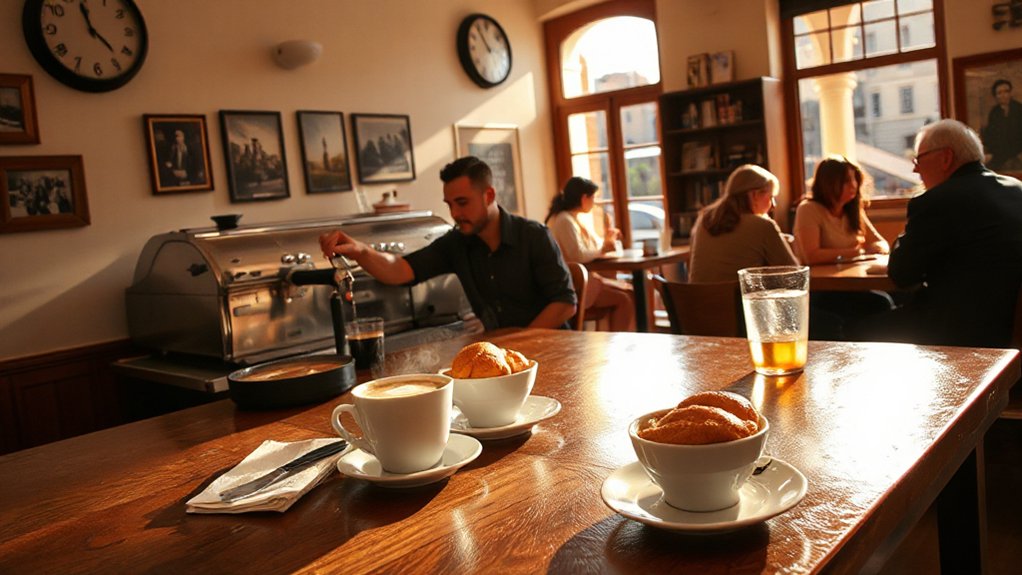
Across Spain, the coffee break isn’t just a pause; it’s a social rhythm that knots colleagues, friends, and neighbors into a shared moment.
You sense how the ritual unfolds: a nod, a sigh, a stack of mugs circling the table. The Coffee aroma wafts through rooms and streets, guiding conversation as much as caffeine guides energy.
The beverage temperature matters, not just comfort but timing—steam against lips signals readiness for talk, not rushing to the next task.
You watch how voices rise and fall, how laughter travels in bursts, how stories braid with small updates about work, family, and weekends.
This isn’t merely drinking coffee; it’s negotiation with time, a collective stance that honors presence, proximity, and a slower pace within the day.
The Psychology of Slowing Down: What Happens in the Brain
When you slow down, your brain reorders its priorities, shifting from constant sprinting to a mode that favors reflection over reaction. In the café hum, you notice minutes slipping into a broader tempo, and with it, your neurons loosen their grip on urgency.
The act of pause invites a cascade: neurotransmitter release settles into steadier rhythms, balancing dopamine’s anticipation with serotonin’s steadiness, nudging mood toward equilibrium. You become attuned to small signals—steam, clinks, voice intonations—that previously faded into background noise.
Cognitive relaxation blooms as attention widens, letting memories mingle with present sensations without pressure to solve or decide instantly. This slowed tempo doesn’t erase effort; it reframes it, turning gathering, listening, and simply being into deliberate, perceptive practices that shape healthier impressions of time.
Reading the Room: Cues During a Spanish Coffee Break
In a Spanish coffee break, you tune your attention to the room as it breathes with its own social tempo: cups clink, steam hisses, and conversations braid into a tapestry that reveals mood, status, and intention.
You learn to read the rhythm between sips, noting how pauses signal consent or caution, how laughter softens hierarchies, and who speaks first when a topic lands.
Cultural nuances emerge in gaze, posture, and the cadence of replies, while social cues guide whether a table shifts from casual banter to shared reflection.
You don’t rush; you map small signals, resisting the impulse to interrupt, allowing voices to expand or fold.
This attentiveness deepens belonging, turning a break into a microcosm of communal life.
Spanish Coffee Etiquette: The Expected Order and Manners

The etiquette of a Spanish coffee break unfolds in a rhythm you notice as soon as the cup is set before you: a soft nod to signal thanks, a quiet pause to let others speak, and a shared glance that invites the next sip.
You observe how orders arrive with calm, and how small rituals shape conversation—never rushing, always listening. When you offer the cup, a light touch of the saucer signals appreciation, then you resume with measured pace.
Conversation threads form around the aroma, not the clock, with Coffee art gleaming on crema as a visual cue that care was taken. Bean sourcing links producers to tables, reminding you that every pausa carries responsibility, hospitality, and memory.
How Long a Spanish Coffee Break Lasts
A Spanish coffee break unfolds at a pace that favors conversation over clocks, lingering long enough for a shared breath of atmosphere to settle before any agenda takes over. You notice that break length varies by context, yet it rarely feels rushed.
In a café, the clock slows as you settle into the chair, the aroma settling around you, the conversation taking its own generous course. If you’re at work, the pause might be shorter, but still measured by the mutual need to reset before returning to tasks.
Across neighborhoods, the rhythm shifts with social bonds, never forcing productivity ahead of connection. Coffee duration becomes a trusted ritual, a brief commons where presence matters more than minutes.
The Social Benefits of Lingering Over Coffee
You slow your pace and let the coffee do its work, a practiced ritual that stitches strangers into a shared routine. In lingering, you notice conversation unfurl—small pauses, steady turns, and a natural tempo that invites listening rather than rushing.
This social slowdown isn’t lazy; it nurtures connection, curiosity, and a collective rhythm that sweetens both your day and the day of everyone at the table.
Social Coffee Slowdown
Between sips, a room settles into a slower rhythm as people linger over their drinks, conversation unfurling with the same patient cadence as the steam rising from a cup. You notice how time loosens its grip when you’re not chasing a deadline.
The Social Coffee Slowdown lets small rituals accumulate—stirring, shared pastries, the soft clink of cups—becoming social glue. You sense subtle hierarchies: who asks questions, who listens, who moves to the window to watch the city breathe.
Coffee art becomes more than decoration; it marks care and attention. Yet you’re aware of caffeine addiction’s pull, the quick fix tugging at restraint. Lingering becomes a practice of balance, a counterpoint to hurried modernity, grounding conversation, memory, and community in ordinary pauses.
Conversation, Not Rush
The act of lingering over coffee reshapes conversation from a checklist to a practice, where listening becomes as deliberate as speaking. You arrive at the table with time barely on a schedule, yet a rhythm appears—the pause between words, the nod, the leaning in.
In this space, you notice how small stories surface with each cup: a neighbor’s memory, a colleague’s strain, a shared joke that travels across generations. Time management loosens its grip as quality takes the lead, and you learn to read silences as invitations.
Cultural appreciation grows not through grand gestures but through patient listening and naming the textures of habit. You leave with a lighter pace and a sturdier sense of connection, curious rather than hurried.
Shared Routine Benefits
Shared routines around lingering over coffee weave social trust as quietly as steam. You notice how conversations stretch, gestures settle, and pauses become invitations to listen.
In kitchens and cafés, small rituals—passing a cup, tapping a spoon, wiping the counter—soften strangers into neighbors. You’re invited to notice how time expands when you savor Coffee beans and share stories about family and work, not just orders.
Brewing techniques become portable etiquette, signaling patience, respect, and equal footing. The lingering tempo shapes memory, creating a ledger of favors and mutual understandings you can call on later.
The social payoff isn’t loud; it’s a stable rhythm you carry, underlined by warmth, familiarity, and a quiet readiness to welcome difference.
Regional Twists in Spain’s Coffee Culture
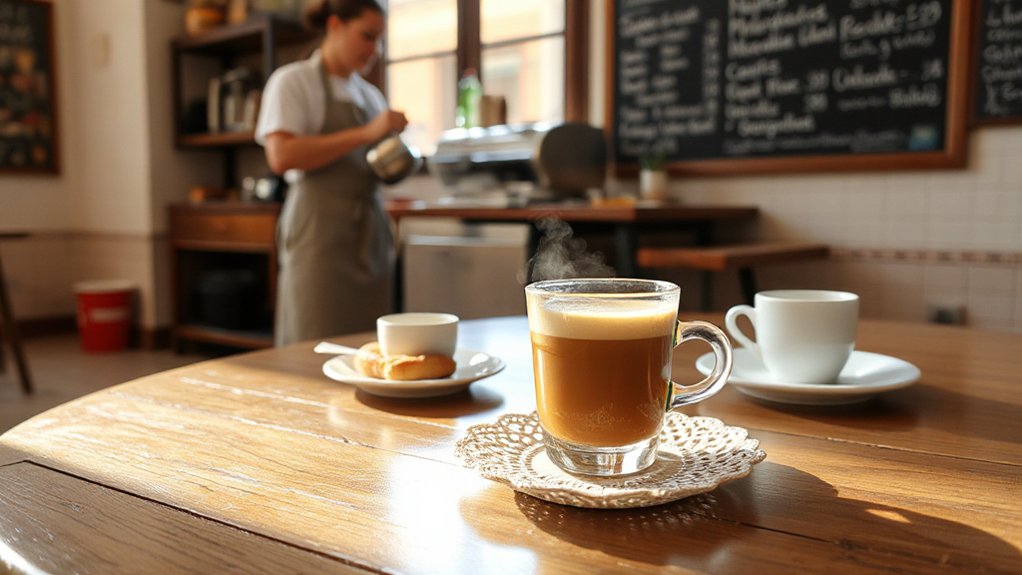
In Catalonia, you notice a deliberate, pared-down pace as shots of espresso meet a soft, lingering chat, a rhythm that frames conversation as much as caffeine.
Across Andalusia, café etiquette unfolds in a courteous choreography—waiters hover with a practiced ease while friends share pastries and stories, never rushing the moment.
Together, these regional twists reveal how time, service, and ritual shape Spain’s coffee culture into something intimate and social, rather than uniform.
Catalan Coffee Pace
You observe the early queues thinning as baristas trade small talk with regulars, a cadence that feels collaborative rather than rushed.
The table-by-table rhythm unfolds like a slow ritual, where the focus isn’t merely on caffeine but on shared punctuation—glances, sighs, a question asked softly.
In this land, Coffee leisure isn’t idle; it’s a social scaffold that frames daily work and weekends alike.
You sense Catalan pace as a negotiation between efficiency and hospitality, a cultural tempo that invites you to linger, listen, and reflect.
Andalusian Café Etiquette
- Respect the table’s rhythm: small talk first, then deeper listening
- Notice the unspoken cues that signal when to linger or depart
- Savor every sip as part of cultural traditions and community care
Pairings That Elevate the Spanish Break Experience
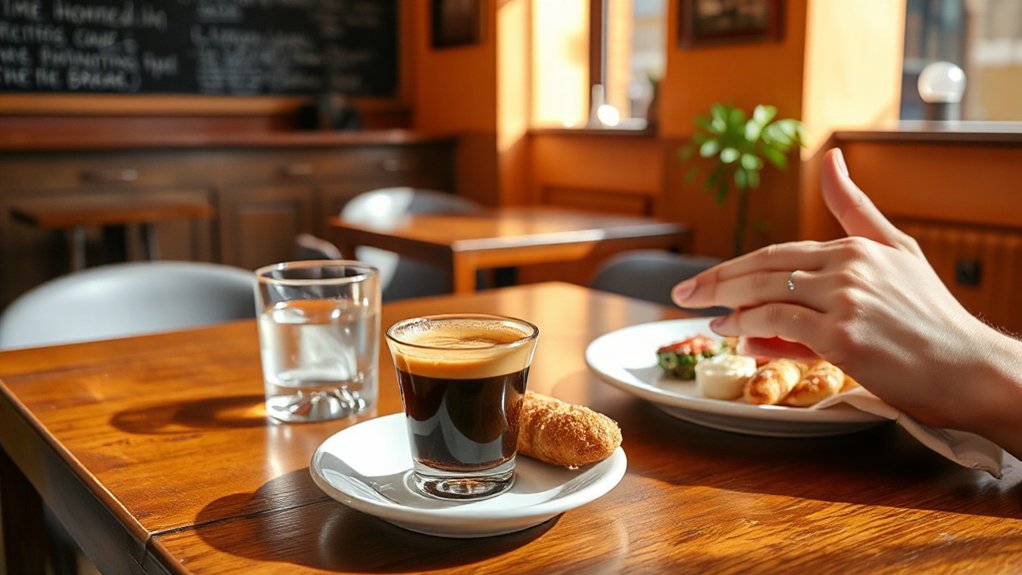
Pairings transform the Spanish break from a routine pause into a shared ritual, where the scent of coffee mingles with the bite of something salty or sweet and the room softens into conversation.
You notice how a sliver of tortilla, a pinch of salt on olives, or a delicate almond cake can anchor the coffee’s heat, guiding talk toward memory as much as taste.
You read the café ambiance in the cups—the chalky warmth of ceramic, the clink of spoons, the hiss of steam—and you feel connected to others listening as you listen.
Coffee aromas rise, then settle, inviting pause and reflection.
Shared bites become small rituals, making the break feel intentional rather than a blank void.
Practical Tips to Reclaim Presence at Work
You notice the hum of your desk and, with a breath, you pause—letting the room slow a beat.
You try a simple rhythm: stop, breathe, return to the task at hand, letting distraction drift away like steam from a hot cup.
In this moment, presence becomes a practice you can carry into every meeting, break, and glance at the clock.
Stop. Breathe. Work
When the to-do list grows louder than the room, stop, breathe, and reframe what work is asking of you in the moment. You learn to notice your breath as a cue, not a threat, and you soften the edge of urgency with a quick question: what truly matters here?
In these small pauses, you gather data from your senses, not just your tasks, and you recalibrate toward mindfulness. This isn’t a ritual but a habit—an act of workplace wellness woven into daily rhythm.
You carry a gentler map of your day, where attention becomes a resource, not a sprint.
- Prioritize with presence, not pressure
- Label sensations, then choose a deliberate action
- Return to tasks with refreshed intention
Mindful Break Practices
In this small ritual, you observe breath, posture, and the room’s hum, naming sensations rather than resisting them. You choose to pause with purpose, not penalty, letting distraction reveal its own cadence.
Mindful eating becomes a bridge between work and appetite, turning a snack into a micro-memory.
Stress reduction arrives as you separate tasks from self-worth, granting the mind permission to reset.
Over days, your breaks become evidence: clearer choices, steadier attention, calmer voice. The workplace loosens its grip, inviting presence rather than speed.
Scheduling Meaningful Breaks Without Losing Momentum
Scheduling meaningful breaks isn’t a luxury but a practice that sustains momentum, especially when the pace tightens and motivation risks fraying. You notice how you breathe differently between tasks, sensors alert to subtle fatigue, and your team’s energy shifts with the clock.
In these moments, breaks aren’t pauses from work but recalibrations—small rituals that reframe effort as a continuum, not a sprint.
- Use mindful moments to observe your surroundings, letting sights and sounds anchor focus without judgment.
- Embrace mindful pauses to reset tone, stretch, or jot a single line of reflection before returning to tasks.
- Schedule brief, predictable intervals so momentum isn’t lost to residual tension.
Hospitality Cues: Invitations, Sharing, and Conversation
Hospitality begins not with a script but with an invitation that feels earned in the moment—an awareness of what your guests need before they name it. You observe the room: body language, sighs, pauses. Invitations unfold through small cues—a offer to share a story, a light touch on a cup, a question that names the moment without pressure.
Sharing becomes a social practice, not a performance, where listening matters as much as pouring. Conversation travels on cultural diversity, braided by accents, memories, and tastes, each sip signaling a different rhythm.
You adapt, inviting others to contribute, validating quiet opinions and boisterous ones alike. Beverage variations surface in dialogue—how one person prefers bitter coffee, another sweetness—and hospitality stabilizes through attentive, inclusive exchange.
Debunking Myths About Spanish Coffee Breaks
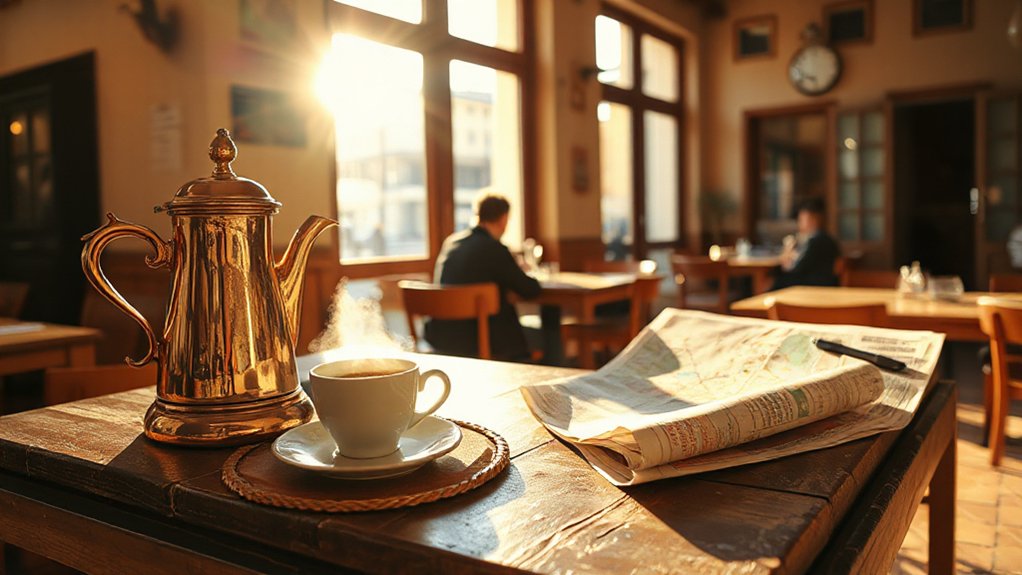
You think you know Spanish coffee breaks, but myths still hover in the corners of cafés and offices. As you observe, break times aren’t just pauses; they’re social rituals that reveal etiquette, hierarchy, and shared tastes.
Let’s start by sorting out the tales—what’s true, what’s exaggerated, and how these moments actually shape your everyday coffee culture.
Debunk Spanish Myths
In Spain, myths about coffee breaks persist, but they overlook how breaks actually unfold in everyday life, where timing, mood, and workplace culture shape when and how people pause. You’ll notice that Spanish stereotypes flatten variety into a single scene, yet the reality is textures of latitude and habit.
Coffee misconceptions blur the ways people listen to their own energy, colleagues, and deadlines, creating a feeling of ritual rather than rule. The break becomes a short dialogue with tempo, not a vending machine of assumptions.
- Myth: breaks are interruptions for all; reality: they reset focus and solidarity.
- Myth: Spaniards gossip during breaks; reality: conversations balance work, mood, and focus.
- Myth: coffee is only morning; reality: timing shifts with workload and context.
Break Time Myths Busted
Break Time Myth Busted reveals how Spanish coffee breaks unfold as small, attentive pauses rather than flat rituals. You observe the moment you sit, not the clock.
The myth that breaks are hurried, social façades dissolving into efficiency, dissolves under your gaze as you notice concentration in quiet hands. You hear the soft hiss of the machine, the careful pour, and the wait that follows, a pause that resets attention rather than wastes time.
Coffee preparation becomes method, not merely fuel. You sense the value in ritual without rigidity, in personalized rhythm rather than universal speed.
Coffee brewing is a shared, contemplative act, inviting conversation at its own pace and inviting you to listen as much as speak.
Coffee Break Etiquette Truths
Even as the clock ticks, Spanish coffee breaks reveal themselves less as interruptions and more as social microcultures, where etiquette guides the pause as much as appetite does. You observe how coworkers signal permission to join, how small talk nests into a ritual, and how a single cup can mediate status, time, and mood.
The myths fade when you notice intention over speed: brewing is as important as drinking, and silence isn’t empty but anticipatory. Coffee brewing becomes a shared process, caffeine addiction discussed with pragmatic humor, not judgment. You learn to read the room, slower sips, and pauses that invite rapport rather than hurry.
- Respect the seating flow; delay isn’t disrespect, it’s reception.
- Comment on aroma, not productivity, to honor social cues.
- If asked for a refill, accept graciously and stay a moment.
Quick Rituals to Implement Today for Deeper Pauses
If you’re craving a slower moment amid a busy morning, start with a tiny ritual: a single inhale that lasts five counts, followed by a deliberate exhale. You’ll notice the room soften as you pause, letting sound and clock hands drift into the background.
In practice, try three quick acts: mindful sipping, a deliberate pause between sips, and a soft glance toward the cup’s aroma. These minutes aren’t performance but reception, inviting you to observe aroma, temperature, and texture without judgment.
Aromatic rituals become artifacts of your routine, shaping attention rather than speed. By naming sensations—heat on the lip, the bean’s earthy whisper—you cultivate presence.
The effect isn’t grandiose; it’s a quiet alignment that travels with you beyond the mug.
Measuring Impact: Does a Slow Break Boost Productivity?
When you step back from a slow break, you notice more than a moment’s pause—you observe how attention travels. In daily work, measuring impact isn’t a single metric but a tapestry: mood shifts, task shifts, and subtle resets that accumulate over time.
You’ll hear colleagues describe flow in bursts after a longer pause, not as a sprint but as a recalibration of focus. The question isn’t only output, but how intention shapes navigation through tasks, conversations, and breaks.
Coffee rituals and caffeine rituals become data points in ethnographic pockets—mini experiments that reveal how rhythm alters perception, memory, and problem solving. The takeaway: slower breaks can realign priorities, not just pace, and productivity follows texture, not tempo.
- Notice how attention shifts after a longer pause and what tasks regain clarity.
- Track mood, focus, and task shifts alongside time spent sipping.
- Compare days with quick flips to days with extended, mindful pauses.
Frequently Asked Questions
How Should I Start a Spanish Coffee Break at Work?
Start your Spanish coffee break by signaling intent and inviting others to join; keep it light, friendly, and unhurried. You prioritize Coffee etiquette, set a comfortable Break duration, and reflect on shared pauses that nourish teamwork and focus.
Can Remote Teams Recreate Spanish Break Rituals Online?
Yes, you can recreate rituals online, but commit to virtual bonding with intention, and cultivate cultural authenticity. You’ll notice nuances emerge as you pause, share stories, and honor paced conversations that mimic a real Spanish coffee break.
What Beverages Best Suit a Spanish Coffee Break?
A recent office vignette shows you savoring cortado with churro, a perfect Coffee traditions moment. You’ll pair espresso with tapas, a thoughtful beverage pairing that honors ritual, pace, and memory, inviting you to slow, observe, and belong.
Is There a Best Time of Day for a Break in Spain?
In Spain, the best time of day for a break aligns with local customs and daily routines. You slow down, savor conversation, and observe how your tempo joins theirs, weaving mindful pauses into the rhythm of work and life.
How to Handle Interruptions During a Slow Break?
Interruptions spike 60% during rushed breaks, you’ll feel distracted and unsettled. You should protect your slow pace with workplace etiquette and interruption strategies, calmly setting boundaries, signaling focus, switching to tasks, and returning respectfully to conversation.
Conclusion
Take a breath and let the moment linger a little. In Spain, the coffee break isn’t a skip between tasks; it’s a doorway to connection. You’ll notice, as studies hint, that teams that pause together report a sharper sense of belonging—about 12% higher collaboration in some workplaces. So slow down, listen, and let conversation fold into the aroma and warmth. The ritual isn’t wasted time—it’s how you read the room and reset the day.