
Mix train and bus travel across Spain to cut delays and expand reach. Start by mapping multi-leg routes with minimal layovers, using buses for suburbs, airports, and scenic gaps trains don’t serve. Check schedules locally, keep digital tickets handy, and set real-time alerts for departures, platform changes, and gate numbers. Build cushions of 15–20 minutes between connections, and choose hubs with integrated tickets and clear signage. With smart planning and flexible tickets, you’ll travel faster and more comfortably—there’s more to optimize ahead.
Key Takeaways
- Leverage integrated timetables and cross-ticket options to create efficient multi-leg itineraries across Spain.
- Plan transfers with buffer times, real-time updates, and platform-change awareness to minimize delays.
- Use buses to reach suburbs, airports, and scenic routes not served by trains, expanding coverage.
- Prepare digital copies, offline backups, and alerts for departures, gates, and delays.
- Prioritize hubs with seamless ticketing, clear signage, and accessible facilities for smoother transfers.
Why Mix Trains and Buses in Spain for Faster Routes
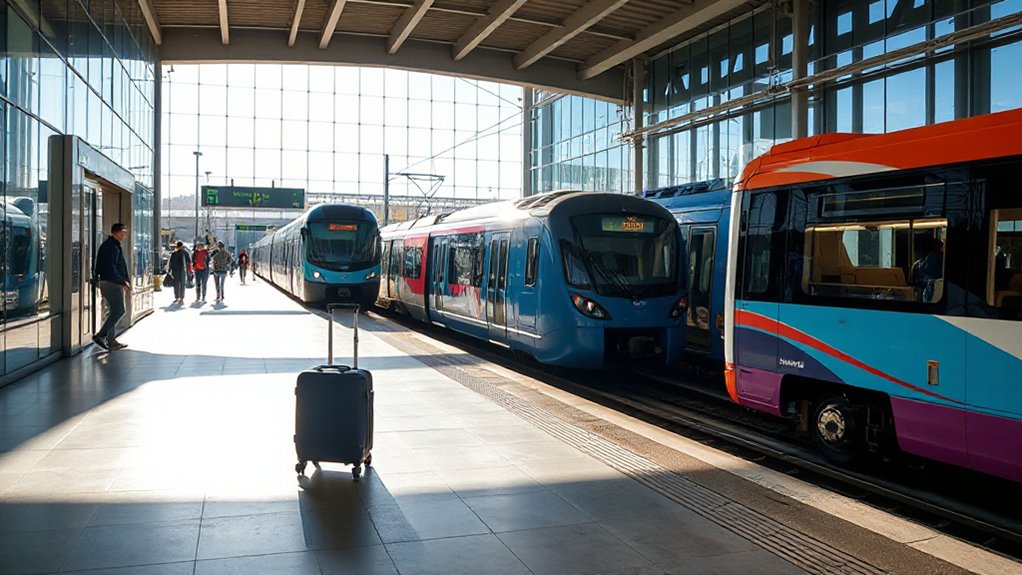
Combining trains and buses in Spain often speeds up your overall trip. You’ll find smarter connections when rail timetables don’t mirror bus routes, letting you skip bottlenecks and crowded corridors. Think transfer reliability: a short bus hop can bypass long urban delays, or deliver you to a regional gateway with faster onward trains.
This approach also supports railway preservation, since it preserves valuable rail corridors by keeping demand steady even where rail service is thin. On the bus side, embrace modernization: modern fleets, real-time updates, and better accessibility reduce friction at transfers and improve overall timing.
When you plan, map multi-leg options with minimum layovers, and you’ll enjoy smoother journeys, clearer schedules, and fewer wasted hours.
Where Rail and Bus Networks Overlap : and When It Saves Time
Rail and bus networks often meet at regional hubs and metropolitan outskirts, where travel goals shift between speed and reach. You’ll find overlap where train lines skim major towns but buses cover suburbs, airports, and scenic byways that trains ignore.
If you want to save time, target routes that eliminate transfers or shorten total travel time by consolidating legs with a single operator. Look for cross-ticket options and predictable schedules, especially around peak weekend windows.
Scenic routes and regional highlights often reveal themselves when you combine modes, letting you bypass crowded centers while still hitting key sites. Use intermediate stops to shorten long rail hops, and choose buses for last-mile connections that keep your itinerary tight and efficient.
How to Evaluate Hubs for Quick Transfers Across Spain
When evaluating hubs for quick transfers across Spain, start by mapping how trains and buses converge at major stations and city centers.
Then assess transfer time windows and crowd levels at peak hours. You’ll want clear signage, synchronized timetables, and short walking distances between platforms or bus bays.
Prioritize hubs with integrated ticketing and real-time updates, since those features boost transfer efficiency.
Check layover options: short safety margins can still work if platform changes are direct and well-lit.
Consider accessibility for luggage, stairs, and elevators, plus the availability of quiet waiting areas.
Compare multiple hubs on your route to spot consistent reliability patterns.
Do a quick field check if possible, and rely on credible schedules to refine your hub evaluation.
Time vs. Cost: Building a Practical Travel Budget
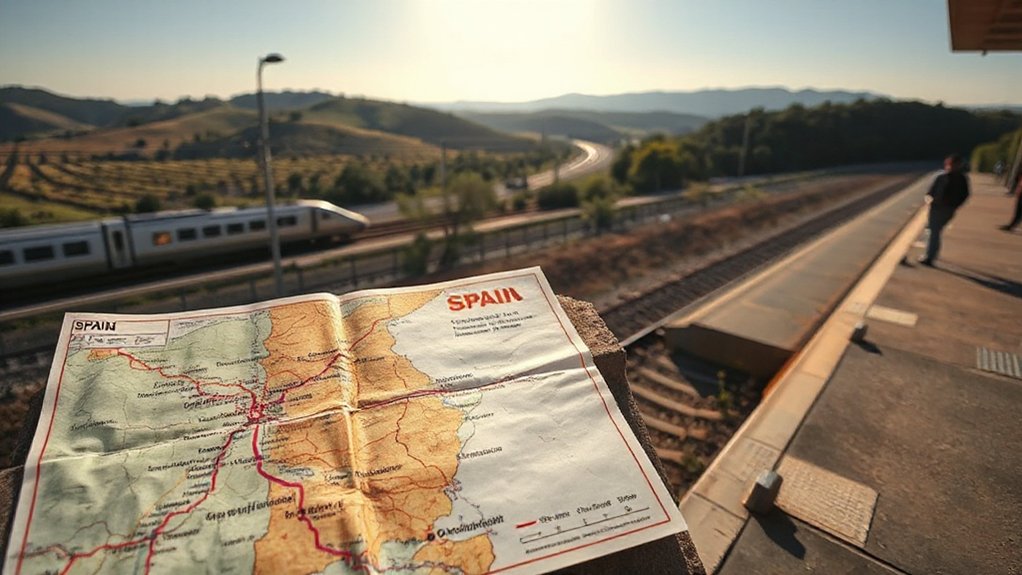
Balancing time and money isn’t about choosing one over the other; it’s about smart trade-offs that keep your Spain trip efficient and affordable. You’ll build a practical budget by contrasting travel time with cost, then prioritizing experiences that matter most.
Start with a realistic daily cap that covers lodging, meals, and transit gaps between trains and buses. Look for mid-range accommodations near hubs to reduce taxi or extra transfers, and mix long-haul legs with shorter legs to save on pricey high-speed options.
Build in a contingency for delays and occasional splurges, like a museum day or a scenic route. Don’t forget Travel insurance for peace of mind, and pack light with packing essentials to avoid overage fees.
This approach keeps momentum without wrecking your budget.
Smart Ticketing Strategies: Singles, Passes, and Discounts
Smart ticketing can cut travel costs and save you time between trains and buses. You’ll want to compare singles versus passes, noting how often you’ll ride in a given week. If you plan several trips, a multi-ride pass often yields lower per-trip prices, but watch the expiration dates and blackout periods so you don’t waste value.
Consider rail and bus apps that show real-time seat availability and price alerts, helping you grab the best fare before departure. Ticket flexibility matters: choose tickets that allow date changes or refunds when plans shift.
If you’re traveling with others, group discounts can compound savings, especially on longer routes or combined rail-bus itineraries. Keep a simple checklist to optimize every booking.
Best High-Speed Rail Plus Regional Bus Pairings
High-speed rail and regional buses can complement each other to maximize coverage and minimize travel time. When you pair a fast HSR leg with a regional bus for the final mile, you expand your options beyond city centers and airports.
Look for regional routes that connect major hubs to smaller towns, so you don’t backtrack or waste time in transfers. Choose tickets with flexibility: the ability to change dates, swap segments, or mix carriers without hefty fees keeps your plan resilient.
Use the return or overnight bus for fatigue management if the train arrives late. Prefer coordinated timetables or same-station transfers to cut waiting.
This approach yields broader coverage while preserving speed and cost efficiency.
Scenic Transfer Routes Worth a Pause
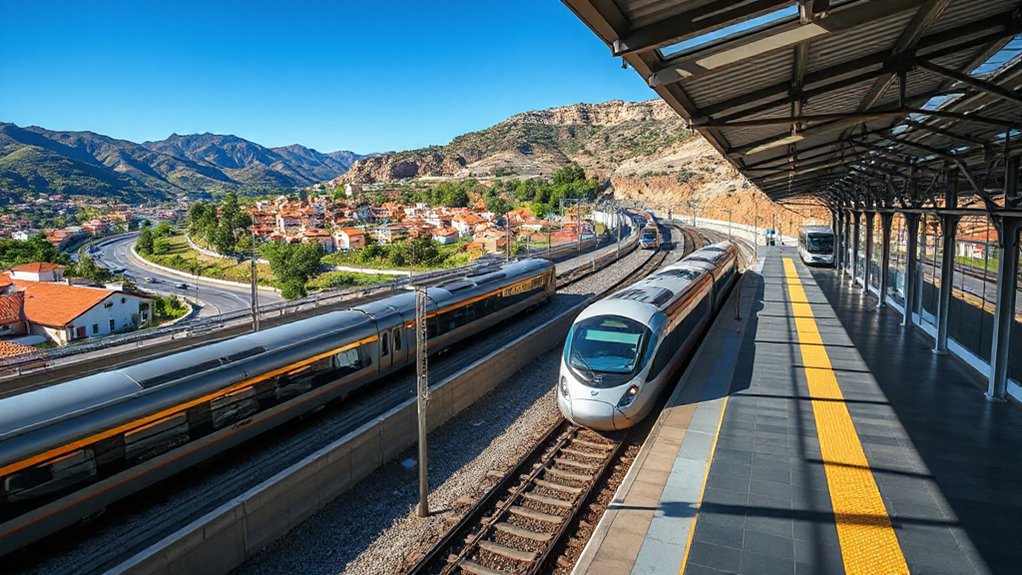
Scenic transfer routes can turn a timetable into a memorable experience, not just a way to save minutes. When you pause for a stretch, you reveal scenic routes that reward slower pacing. Choose transfers with window-friendly overlooks, passing fields, or coastal glimpses, and you’ll transform a standard hop between cities into a mini-escape.
Look for routes where the bus skirts mountain ridges or slips through river valleys, offering viewpoints you’d miss at cruising speed. Pack light so you can step off, breathe, and snap a quick photo, then hop back on without guilt.
These moments highlight Hidden gems you’d otherwise overlook, turning practical travel into story-worthy memories. Keep an eye on schedules, but let curiosity guide your next transfer.
Urban Connections: Syncing Airports, Stations, and Depots
To save time and hassle, start by prioritizing Airport-Station synchronization so your arrivals line up with trains and buses.
From there, map Transit Hub Connectivity to minimize transfers and maximize seamless handoffs between modes.
Finally, plan Timely Intermodal Transfers with buffer windows to accommodate delays and maintain your schedule.
Airport-Station Synchronization
Efficient airport-to-station transfers matter as much as the trips themselves; when you align flight arrivals with rail departures, you cut wait times and minimize missed connections. You’ll streamline movement by prioritizing predictable schedules, clear signage, and dedicated transfer paths.
- Ticket validation: verify both flight and train bookings at a single kiosk to avoid rechecking.
- Luggage handling: choose through-checked bags and on-site retrieval lockers for easy transfers.
- Real-time coordination: monitor any delay alerts and adjust arrivals to protect onward connections.
Implement practical routines: pre-book coordinated times, scout seamless transfer routes, and keep essential documents handy.
Transit Hub Connectivity
When you plan, consider parking, accessibility, and real-time updates to avoid delays. Leverage unified ticketing where available, and keep digital passes handy for quick transitions.
Leverage local guidance at hubs to navigate efficiently, from signage to staffed information desks. Along the way, you’ll encounter Local cuisine opportunities near station precincts and Cultural landmarks adjacent to transport corridors, enriching your travel without biasing timing.
This connectivity approach keeps journeys smooth, predictable, and purposefully efficient.
Timely Intermodal Transfers
Syncing airports, stations, and depots hinges on timing. You optimize transfers by aligning arrivals with departures and knowing platform changes in advance. Stay proactive with real-time updates and short layovers that reduce the risk of missed connections.
- Check local bus schedules before you travel, then verify at the stop for any delays.
- Keep a digital copy of your ticket booking and transport apps for instant changes.
- Allow a buffer window that accommodates queues, gate shifts, and boarding announcements.
With a clear plan, you’ll navigate urban connections smoothly, minimizing wait times and maximizing transfer reliability. This approach keeps your journey efficient, predictable, and comfortable.
Local bus schedules and ticket booking remain your practical anchors for timely intermodal transfers.
Transfer Tips for Smooth Handoffs and Saved Minutes
You’ll lock in smooth transfers by knowing the exact walking times between platforms and buses, not just the timetable.
Keep a quick-check mindset: confirm gate numbers, boarding time, and where to grab a snack without missing your connection.
Use buffer moments for stairs or escalators, and map your route in advance to shave minutes off every handoff.
Smooth Transfer Tactics
Smooth transfers save minutes and stress by planning for both timing and access. You’ll want a reliable window between arrival and departure, plus a clear route to the next platform or stop. Use these tactics to keep momentum:
1) Map the walk or transfer route in advance, noting escalators, lifts, and signage sightlines.
2) Keep a buffer for delays by choosing trains with a 15–20 minute cushion and packing light.
3) Tap into local cues—local cuisine after a long leg or a quick stroll around a cultural festival—to anchor your timing and avoid overthinking.
These moves help you stay sharp, save minutes, and enjoy Spain’s culture without extra stress.
Minute-Saving Handoffs
As soon as you alight, check the boarding time and gate, then head straight to a nearby landmark or your next connection’s lounge area to avoid wandering. Use real-time updates to time your transfer, not your curiosity.
If you’ve got a scenic routes moment, skim for a quick photo break that doesn’t derail the sequence. Tap into local insights for a faster walk or shuttle tip, then resume with purpose.
Minimizing backtracking turns a layover into a seamless, efficient pause.
Accessibility and Comfort: Seating, Luggage, and Facilities
Accessibility and comfort on Spain’s train and bus networks hinge on thoughtful seating, manageable luggage, and well-placed facilities. You’ll notice that seating comfort matters most when you’re on longer legs between cities, so choose seats with extra legroom and near the aisle for quick exits.
Luggage storage should be obvious and accessible, avoiding blocked pathways or overhead clutter. Look for clear signposting and generous luggage racks.
3-item priorities:
- Seating comfort: opt for adjustable seats and roomy leg space.
- Luggage storage: use designated racks, keep bags compact and model-compatible.
- Facilities access: near restrooms and boarding areas for smooth handovers.
Planning Tools: Apps, Timetables, and Real-Time Alerts
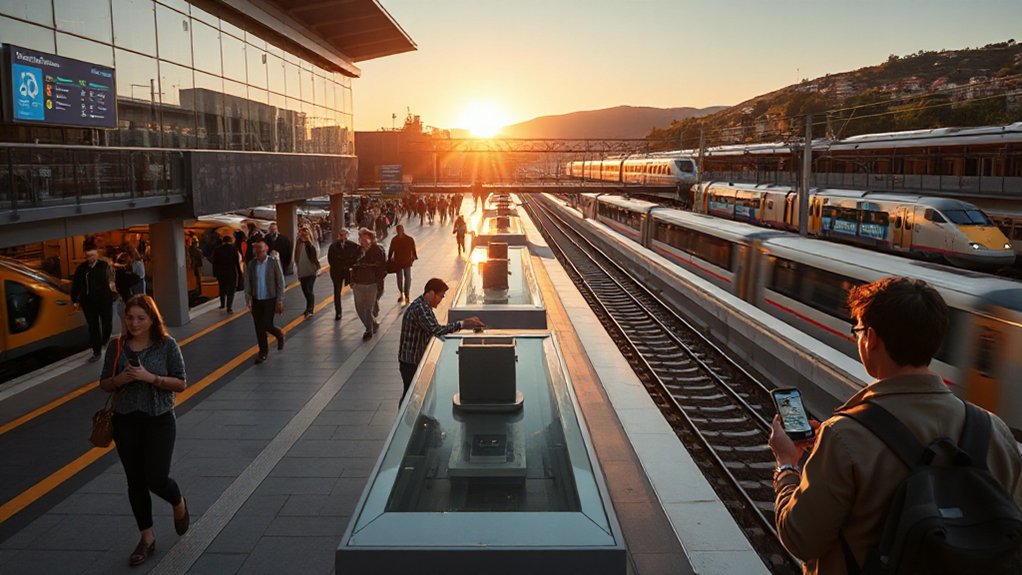
Use real-time tracking apps, clear timetables, and timely alerts to stay ahead of changes in Spain’s train-bus network.
You’ll compare schedules, map transfers, and receive nudges for delays or platform shifts.
This planning toolkit keeps you flexible, reduces waiting, and helps you finish trips smoother.
Real-Time Tracking Apps
- Visual cues pop up as vehicles approach, helping you time transfers smoothly.
- Color-coded statuses show delays, cancellations, and on-time performance at a glance.
- Quick, pocket-sized updates keep ticket flexibility and luggage handling needs in check while you travel.
With these tools, you gain confidence in Spain’s network, staying efficient from departure to arrival.
Timetables And Alerts
Use apps to sync intercity and regional times, and set alerts for your departure, transfer, and arrival windows.
Look up ticket validation rules before boarding—some regions require validate both when you start and finish journeys.
Pack awareness of luggage handling: know baggage limits, conductors’ rules, and where to store bags on regional buses.
When a gate or platform shifts, your alert prompts let you reroute quickly, minimizing wandering.
Keep a printed backup of times for offline reliability, in case mobile data falters.
Common Pitfalls and How to Avoid Them
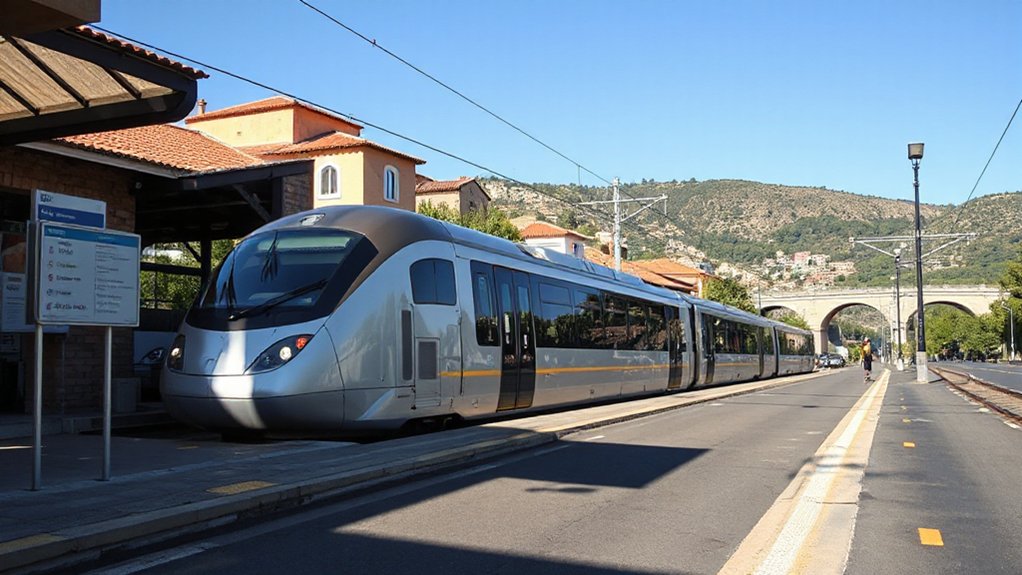
Common pitfalls often sneak in when you’re juggling trains and buses, but a little foresight goes a long way. Language barriers and unclear signage can slow you down, so keep essential phrases ready and verify station layouts before departure. Plan buffer time for transfers, as platforms, queues, and ticket gates vary by city.
- Read schedules in local formats, then confirm connections at the counter or app.
- Pack lighter to speed luggage handling and reduce drama at stairs or ramps.
- Double-check last-mile options and reachability, so you don’t chase a distant stop.
Avoid rushing between legs; track alerts, ticket validity, and platform changes. With careful prep, you minimize delays and stay on track for cohesive Spain travel.
7-Day Itineraries Blending Train and Bus Travel
Blending trains and buses in a day takes a little strategy, but it pays off with faster, smoother itineraries. You’ll combine a core rail spine with short bus hops to reach offbeat towns without backtracking.
Plan around reliable departure windows, then map a loop that minimizes transfers and waiting. Use early-morning trains to secure seats and reserve buses for midday connections, when crowds thin.
Pack light, keep a flexible buffer, and favor routes with seamless last‑mile options. Throughout the day, you’ll enjoy local culinary highlights between transit legs, turning transfers into tasting stops.
Check Cultural event schedules ahead of time; you can time arrivals to concerts, markets, or exhibitions for a richer experience.
Finish with a comfortable return plan, avoiding late-night gaps.
Frequently Asked Questions
How Reliable Are Regional Buses for Late-Evening Connections?
Night service can be hit or miss, but you should find late-evening regional buses reasonably reliable if you check the latest schedule reliability reports and plan a buffer. Stay flexible, verify timetables, and allow extra transfer time.
Can Luggage Limits Affect Transfer Times Between Modes?
At the end of the day, you’ll find luggage restrictions can stretch Transfer duration more than you expect. Luggage restrictions matter; plan extra transfer time, carry-on light, and know station rules to avoid delays, surprises, and missed connections.
What Seguridad Considerations Affect Cross-City Transfers?
You should prioritize transfer station safety by staying alert, following staff directions, and keeping bags close. Know ticket validation procedures, scan before boarding, and watch for platform edge gaps to minimize delays and hazards during cross-city transfers.
Are There Hidden Fees With Combined Tickets in Spain?
Yes, some combined tickets can hide fees; stay alert about ticket validity and price transparency. You’ll want to verify ticket validity across carriers and read the fine print, ensuring you understand any extra charges before you buy.
Do Student or Senior Discounts Apply to Multi-Modal Trips?
Yes, student discounts and senior discounts can apply to multi-modal trips, but eligibility varies by operator and route; check each provider’s terms, required IDs, and whether the discount covers combined tickets or only leg-by-leg fare.
Conclusion
You’ll find that mixing trains and buses keeps options flexible without sacrificing pace. Think of it as a gentle nudge toward smarter routing, not a detour from comfort. When schedules barely touch, a bus can softly bridge the gap; when rails skim the map, a train sings efficiency. Stay practical, weigh time against cost, and trust your plan to adapt—so you arrive relaxed, with room to savor Spain’s quiet, scenic moments along the way.