
Discover Andalusia’s White Villages in 2026 through a vivid, itinerary-focused guide you can use to plan a year‑round escape. Start in a base town, cluster day trips to Ronda, Grazalema, Zahara, Arcos, Vejer, and Frigiliana, then chase scenic viewpoints, Moorish arches, and sunlit plazas. Prioritize spring and autumn for comfortable weather, and opt for flexible hops in summer heat. You’ll explore architecture, markets, crafts, and local eats, with sustainable, accessible tips woven throughout—and you’ll find there’s more to uncover beyond the next bend.
Key Takeaways
- Overview of Andalusia’s white villages in 2026: sun-washed lanes, Moorish-Renaissance architecture, orange blossoms, and plazas shaping a slow, cultural rhythm.
- Planning tips: spring/autumn travel, cluster day trips from a base town, and flexible routes with local markets and sunset viewpoints.
- Top destinations and routes: 10 highlight villages (Ronda, Arcos, Grazalema, Zahara, Vejer, Frigiliana, Mojácar, Casares, Antequera) with 3–7 day itineraries.
- Scenic photography: golden-hour lighting, wind-swept viewpoints, blue-domed niches, and textured walls for varied compositions.
- Culinary and seasonal highlights: olive and chorizo markets, migas and stews, crafts, festivals, and lantern-lit spring celebrations.
Overview: Why Visit Andalusia’s White Villages in 2026
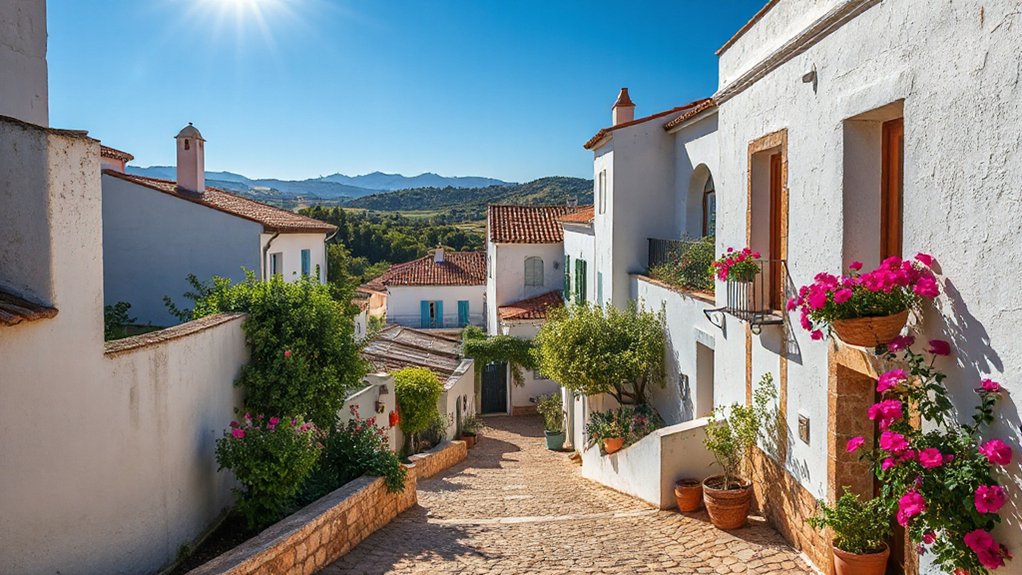
If you’re chasing a quintessential Andalusian experience, the white villages deliver it in spadefuls: sun-washed lanes, blue-domed chapels, and terraced houses clinging to steep hillsides that frame sweeping views of olive groves and distant horizons.
In 2026, you visit for Cultural heritage that feels lived-in, not staged, with centuries etched into plaster and tile. You’ll wander narrow streets where aromas of citrus mingle with coffee and roasted almonds, pausing at plazas where locals trade stories and time slows.
Your itinerary threads through hillside panoramas, hilltop churches, and shaded courtyards perfumed by orange blossoms. Keep an eye on local crafts—ceramics, weaving, and metalwork—as you sample tapas, absorbing the rhythm of village life and its enduring charm.
Plan Your White Villages Route: Time, Season, and Logistics
Map out a practical route that fits your pace and seasonal rhythms: start by picking a base town with easy highway access. Then thread in a handful of white villages tied to your interests—artisans, viewpoints, and hilltop churches—so you can cluster day trips rather than chase long drives.
With spring and autumn light in mind, plan shorter hops when heat rises, longer explorations when the skies are clear.
Map your days around local cuisine stops, market mornings, and sunset viewpoints to maximize texture and flavor.
Consider transportation options: rental car gives flexibility, while trains link coastlines to inland stops with minimal backtracking.
Keep a simple log of distances, pace, and weather to stay efficient and adaptable.
Top 10 White Villages to Visit in Andalusia
From the sun-warmed stone lanes of southern Spain to secret courtyards perfumed with orange blossoms, these top 10 white villages of Andalusia invite you to slow down and soak in the scenery.
You’ll begin in Ronda, where cliff views frame ancient streets, then wander through Arcos de la Frontera’s steep alleys.
Grazalema offers a quiet grove of whitewashed homes, while Zahara de la Sierra sits atop its hill like a postcard.
Vejer de la Frontera rewards with white nearness to the coast, and Frigiliana charms with tilework and citrus.
In Mojácar, palm shade cools plazas, and Casares delights via hillside paths.
Conclude in Antequera, exploring dolmens and local crafts, catching traditional music in tucked squares.
Each stop blends history, flavor, and pace.
Best Scenic Drives and Viewpoints for White Village Photography
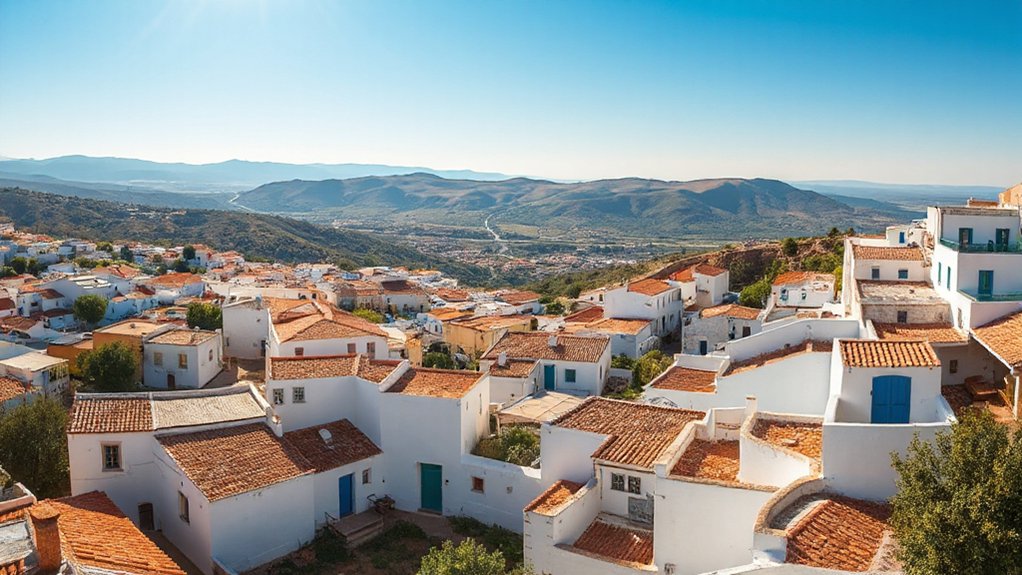
Set out along Scenic Ridge Perspectives that frame white villages against olive groves and distant hills, guiding your eye to instant subject choices.
As the light shifts, plan Golden Hour Vistas where rooftops glow and shadow play heightens texture.
Mix in Village Angles Combinations by weaving viewpoints from hilltop naves to winding lanes, so every stop offers a fresh composition.
Scenic Ridge Perspectives
Begin your day with a slow spine of road that climbs toward high-perched viewpoints, where the white-washed villages spill across the ridge like a screen of geometric lace. You’ll map routes along winding passes, stopping at stubborn overlooks that reward patience with clear, intimate silhouettes of towers and tiled roofs.
The drive is precise: choose early light to catch valley shadows, then shift toward mountain views that reveal the region’s layered geography. Composition happens in evenly spaced turns, where stone walls frame terraced orchards and distant farmsteads.
Save time for sunset panoramas, letting the horizon ignite with warm tones that soften the village silhouettes. Pack binoculars, a compact tripod, and a plan for steady, cinematic captures.
Golden Hour Vistas
As the golden hour settles over Andalusia’s white villages, the ridge lines glow and the tiles catch fire with warm, coppery light. You’ll chase the sun along winding lanes, stopping at high viewpoints where terracotta roofs contrast with pale walls. Look for architectural nuances—the narrow balconies, tiled borders, and carved doorways—that frame each sunset moment.
A short detour to a cliff overlook rewards you with a sweeping color palette: saffron walls, lavender shadows, and deep azure distances. Keep your camera ready as villagers pause to prepare markets and courtyards for golden hour portraits.
Listen for distant bells and birds, then descend toward winding staircases that reveal quieter, sun-dappled alleys. Plan late-afternoon drives to maximize shifting light and texture.
Village Angles Combinations
From the moment you set out, stitch together a route that threads whitewashed facades with cliffside panoramas, choosing viewpoints that pair tight village angles with sweeping valley or sea views. You’ll map where village angles converge with dramatic backdrops, directing your lens toward narrow lanes framing blue-domed niches and sunlit staircases.
Seek combinations of architectural styles—timbered balconies beside plaster arches, stone and stucco meeting at a single overlook. Prioritize viewpoints that minimize crowding while maximizing depth: a church tower rising over terraced roofs, a square opening onto olive-hued valleys.
Drive routes linger at belvederes, then descend into whitewashed courtyards that invite close-ups of texture and shadow. Finish by comparing perspectives: dawn’s glow against late-afternoon silhouettes, refining your preferred angle for each village.
What to Eat and Drink in the White Villages: Foodie Highlights
Tucked into the hills, the White Villages are a feast for the senses, where the markets pulse with harvested olives, smoky chorizo, and sun-warmed tomatoes, and every bite tastes like a story.
You’ll wander narrow lanes toward tavernas serving simple, bold plates: garlicky migas, tender al ajillo, and rich chickpea stews that cling to a crusty loaf.
In shaded plazas, sip traditional beverages like robust red wines from nearby hills or a chilled fino before sunset.
Don’t skip the local delicacies: cured meats, honeyed goat cheese, and almond pastries that break crunchy shells into creamy centers.
Schedule a tasting at a family-run bodega, then linger over espresso as evening lights glow.
Whitewashed Aesthetics: Textures, Materials, and Village Design
Whitewashed surfaces dominate the skyline, but the details matter: lime plaster, lime-washed timber, and sun-bleached tile create a tactile chorus under a blue Andalusian sky.
You wander alleys where plaster blushes with lime dust and reveals subtle chafed textures from centuries of use. The village plan favors narrow cores, steep stairways, and shaded corners where architectural textures tell stories of traditional crafts—from mortar seams to wooden balconies—each element catching light differently as you move.
Plaster evolves with weather, cracking softly into maps of memory. You notice doors painted in faded blues, window sills set with ceramic bits that catch rain and sun alike.
Your route pauses at a plaza, where masonry and timber converse in practiced, durable harmony.
Seasonal Highlights: Festivals, Blooms, and Moors’ Light
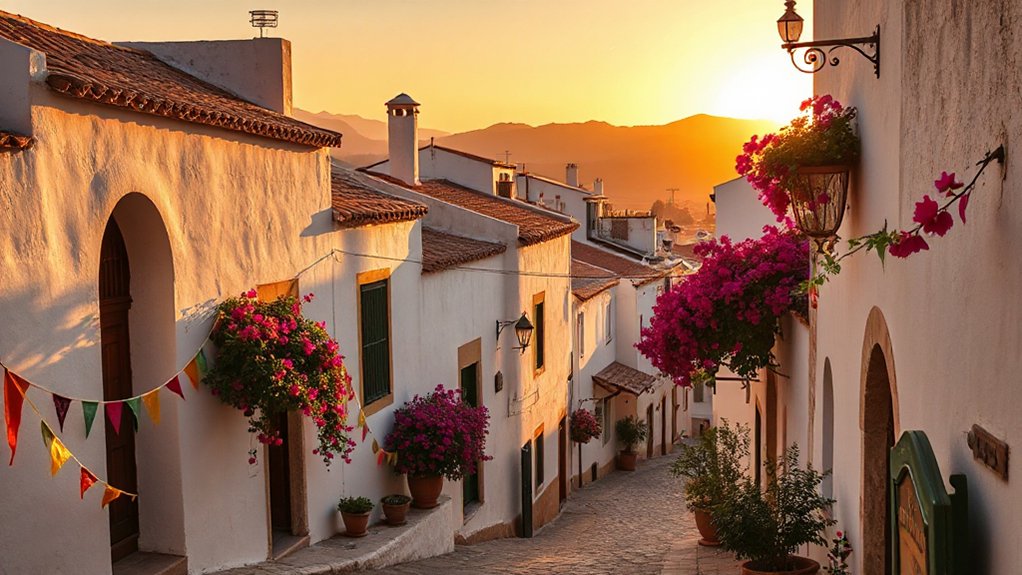
As spring warms the air, Andalusia’s whitewashed hills come alive with color and sound: festivals spill into narrow streets, blooms burst from courtyards, and lanterns drift along the lanes like captured breeze.
You’ll orbit towns during peak bloom season, tracing candlelit processions past historical architecture and tiled courtyards that frame every corner. In the markets, local craftsmanship shines—ceramics, embroidered shawls, and carved gourds—snapped for photos between food stalls and chorus performances.
Your strolls slow at sunset, when Moorish arches glow, and orange blossoms perfume the air. Plan a balcony stop for a rooftop view of lantern-lit alleys, then descend to a courtyard for a collective feast.
This itinerary balances festivity, flora, and light, with culture threaded through each moment.
Accessible Travel in the Pueblos Blancos: Tips and Alternatives
Traveling through the Pueblos Blancos is very doable with smart planning and practical tweaks that keep pace with your route. You’ll map routes before you depart, prioritizing towns with flatter grades and elevator-friendly centers.
When you stay, look for accessible accommodations near main plazas or transport hubs, with step-free entrances and wide doorways. Bring compact mobility aids—folding canes or scooters—so you can explore narrow lanes without fatigue.
Use downhill paths and shaded terraces to pace afternoons; mornings suit hill climbs when streets are quieter. Local mero or town centers often rotate parking, so arrive early to secure curb spots close to sights.
Ask hosts about curb cuts, ramp availability, and alternative routes, then write a quick plan you can adjust on the go.
Sustainable Travel: Respectful Visits and Local Support
Sustainable travel means you visit with intention, support locals, and leave places better than you found them. As you wander through whitewashed lanes, observe how crafts persist in markets, and notice town life quietly adapting to visitors.
You’ll prioritize cultural preservation by choosing workshops, guided tours led by residents, and eateries that source from nearby farms. When booking, seek eco friendly accommodations that minimize waste and energy use, and confirm that your stay contributes to community projects rather than external chains.
Plan short, respectful encounters—pause at miradors, tip thoughtfully, and refrain from souvenir excess. Your itinerary favors village-led experiences, small-scale transport, and daytime strolls that reduce noise and litter, ensuring a gentler footprint across Andalusia’s timeless towns.
Practical Itineraries: 3- or 7-Day Routes by Region
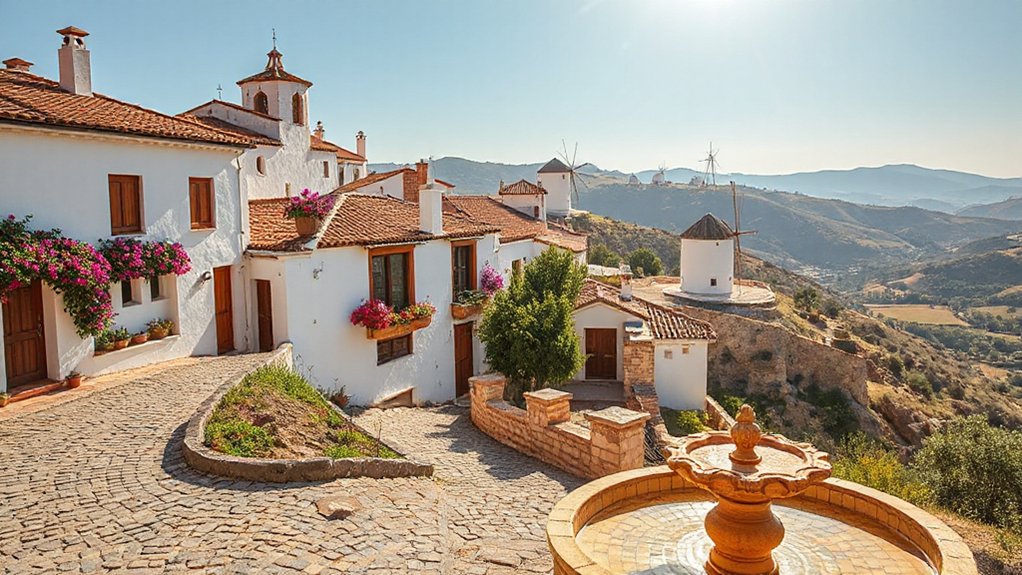
Whether you’re plotting a 3- or 7-day loop, the region-by-region routes help you map efficient Thorn to sunlit plazas and whitewashed hill towns.
You’ll compare standout clusters—Almería, Granada, Cádiz, Málaga, and Jaén—so you can tailor days to pace, scenery, and interests.
Start with a core sequence, then weave in optional detours to capture local flavor and hidden gems.
3- or 7-Day Itineraries
If you’ve only got a week to explore Andalusia’s white villages, a 7-day loop through the region ties together cliffside towns, hillside casbahs, and sunlit plazas into a coherent, unforgettable itinerary.
Start in Ronda’s dramatic old town, then trace white lanes to Grazalema, where local traditions feel timeless. Move on to Zahara de la Sierra, pausing for panoramic views and orange-scented air.
Day three, explore Arcos de la Frontera’s steep stairways, then continue to Vejer de la Frontera for whitewashed houses and breezy squares. Dash into Ubrique for leather workshops, before a coastal shift to Vejer’s beaches, and finish in Medina Sidonia’s quiet lanes.
Throughout, notice architecture styles blending Moorish hints with Renaissance echoes, and savor the rhythm of a well-planned week.
By Region Routes Guide
Across Andalusia, region-focused routes bundle white villages into efficient, bite-sized itineraries you can tailor to three or seven days. You’ll map each region’s highlights, balancing hilltop views with practical stops, swapping towns as you go. Expect a clear sequence: day-by-day pacing, transport notes, and dining pauses that highlight local culture.
As you travel, the idea is to glimpse the cultural heritage through architecture, plazas, and courtyards, while noticing the textures of daily life through local crafts. This guide helps you compare routes at a glance, so you can plan decisions without backtracking.
Your week unfolds with purposeful momentum, minimizing drive time and maximizing authenticity.
- Three-day regional loop with a core village, a museum stop, and a craft workshop
- Seven-day circuit weaving coastal and inland villages, with a craft-focused slow day
- Customizable mini-itineraries that fit your pace and interests
Planning Resources: Maps, Tickets, and Local Guides for 2026
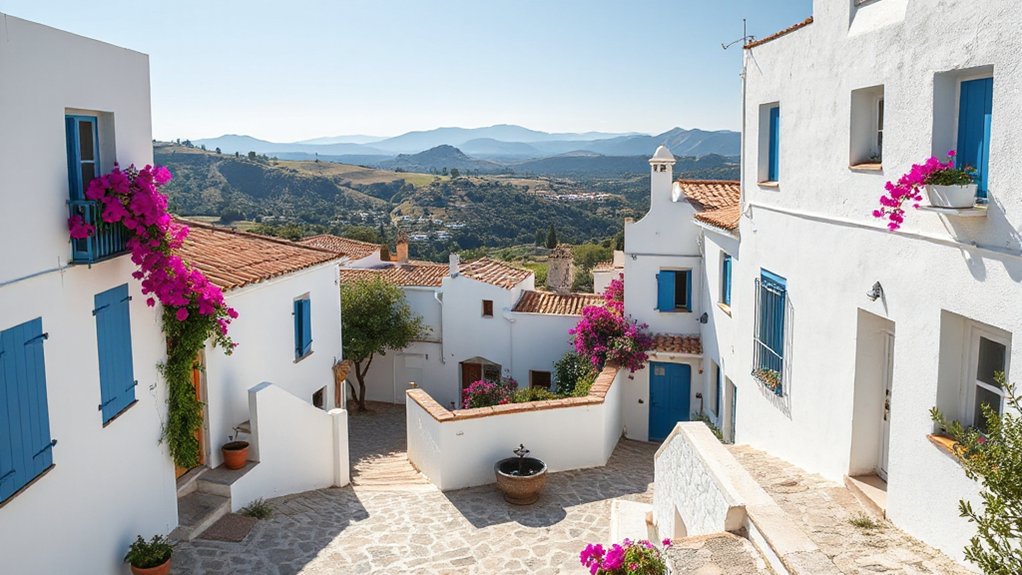
In 2026, you’ll navigate Andalusia’s white villages more smoothly by stacking smart maps, timed-entry tickets, and insider local guides—so you can focus on the scenery, not the logistics.
Start with a compact planning folder: offline maps, a city-by-city timetable, and a trusty guidebook or app that flags crowd-free windows.
Choose ticket combos that cover sunrise views, hilltop pueblos, and museum hours in one purchase to save time.
For on-the-ground ease, note transportation options between towns—train, bus, or car share—and map out parking near viewpoints.
Let local cuisine interlace your route, reserving a tapas stop after a hill climb, then slide into a village market for fresh bites.
With these resources, your itinerary feels fluid, efficient, and richly local.
Frequently Asked Questions
How Crowded Will the Pueblos Blancos Be in Peak Season 2026?
Peak season crowds spike; you’ll feel a visitor influx in narrow lanes and viewpoints. You’ll plan around early mornings and late afternoons, chasing quiet moments, and adjust your itinerary for heat, parking, and busy market squares.
Are There Family-Friendly Routes Among the White Villages?
Yes—you’ll find family-friendly routes among the white villages. Picture cobblestones, palm-shaded lanes, and gentle climbs as you wander, savoring cultural festivals and local crafts along a safe, itinerary-focused day suitable for all ages.
Can I Visit Without Car Access or Parking Hassles?
Yes, you can, with no car hassles. Rely on public transportation options and accessible village tours, then stroll between white-washed lanes, savoring scenic viewpoints, local tapas, and travel-wary moments you’ll narrate in your itinerary.
Which Villages Offer the Best Beginner Photography Angles?
You’ll find the best beginner angles in Frigiliana and Ronda, where lighting conditions glow at dawn and dusk; use simple composition techniques, like framing doorways and staircases, to craft calm, intuitive, itinerary-friendly shots of whitewashed façades.
What Are Typical Costs for Stays and Meals?
Keep costs in mind: you’ll typically spend $40–100 per night for local accommodation options, and meals range from $8–20 each, depending on season. You’ll savor local cuisine, balance lodging with scenic day trips, and keep budgeting flexible.
Conclusion
You’ll leave inspired, not overwhelmed, by Andalusia’s white villages. Picture sun-bleached walls, narrow lanes, olive-scented air, and cliffside views that make your camera click on instinct. Plan with patience, savor roadside tavern bites, and let each pueblo open a quiet, storied door. Like stitches in a colorful quilt, your route threads villages, cuisine, and viewpoints into one luminous tapestry. The voyage isn’t just to see, but to feel—a hush, a horizon, a memory you’ll carry home.