
Spanish cave homes welcome you with natural cooling, quiet spaces, and walls that tell a historical story. You’ll feel the rock breathe with you, while curved ceilings and built‑in niches shape a calm, intimate ambiance. Light spills softly through openings, and every room keeps your daily routines cozy and grounded. Water, humidity, and moisture are managed with breathable materials and clever ventilation. Costs lean upfront, but energy savings endure; keep exploring to uncover more practical realities and regional nuances.
Key Takeaways
- Energy efficiency and comfort: natural thermal mass stabilizes indoor temperatures, reducing the need for artificial cooling or heating.
- Microclimate and ventilation: strategic openings and courtyards create favorable airflow and climate resilience with lower energy use.
- Cultural and aesthetic value: carved arches, niches, and regional detailing preserve heritage while delivering unique living spaces.
- Maintenance and renovation: requires careful moisture control, periodic sealing, and permits to balance safety with historical integrity.
- Costs and long-term value: higher upfront costs offset by energy savings, durability, and strong resale appeal due to heritage and sustainability.
What Spanish Cave Homes Actually Are
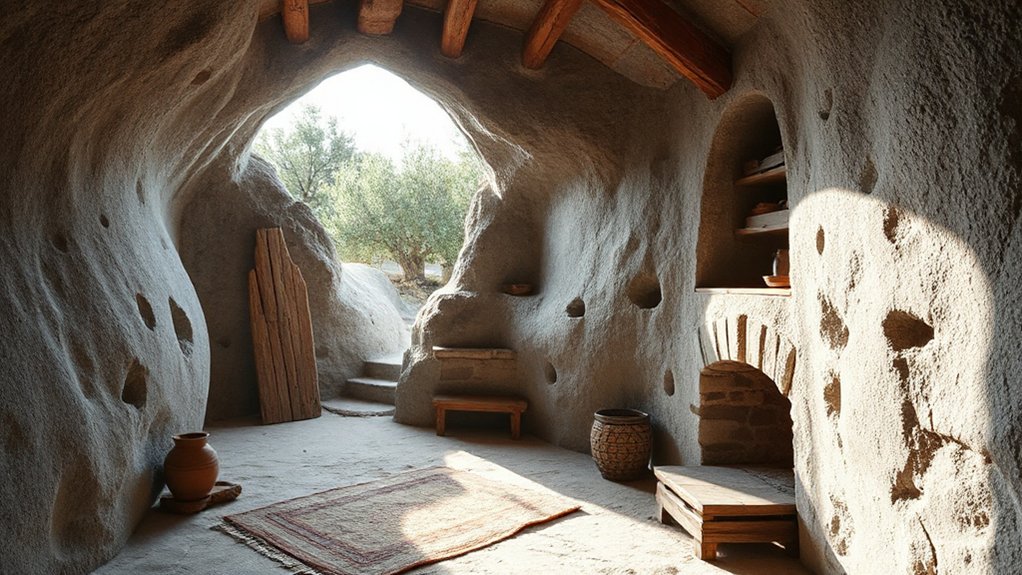
Cave homes in Spain aren’t caves stripped of comfort; they’re hillside dwellings carved into the rock, where history, heat, and silence mingle. You step inside and feel the cool shadow steady your pulse, the walls smooth yet stubborn with memory.
These rooms aren’t random hollows; they’re patterned with cultural significance, shaped by centuries of farming, living, and craft. Floors hum with earth’s draft, ceilings rise to meet your breath, and niches hold simple tools as if they were keepsakes.
You sense a deep historical context in the air—the way quarried stone records droughts, feasts, migrations, and prayers. Living here isn’t novelty; it’s intimacy with a landscape that remembers you, even as you discover yourself within its slow, rock-steep rhythm.
Why Spanish Cave Homes Stay Cool and Comfortable
You feel the stone work as it breathes with thermal mass, absorbing heat by day and releasing it by night to keep you comfortable.
Shaded microclimates along narrow passages cloak interiors in cool calm, tempering the sun’s bite before it ever reaches you.
In the steady rhythm of these walls and cave floors, temperatures stay remarkably stable, inviting you to linger inside.
Thermal Mass Benefits
Beneath the earth, walls of adobe and stone soak up heat by day and slowly release it when the night cools, turning a cave home into a natural thermal battery. You feel the solid rhythm of warmth seeping through the walls, a quiet hum that steadies the day’s temperature.
The mass acts like a reservoir, absorbing excess heat and delivering it slowly, keeping rooms even and comfortable after sundown. This thermal inertia reduces reliance on artificial cooling, so you move through your space with a gentler energy.
The cave’s thermal insulation isn’t flashy, it’s fundamental — a steady, forgiving embrace. You notice the consistent heat retention that makes mornings feel less abrupt and evenings more restful.
Shaded Microclimates
Shaded microclimates form the quiet comfort around a Spanish cave home, where rock facades and terraced courtyards shield interiors from harsh sun. You move through cool shade that slides along cool earth, each doorway a doorway into respite.
The landscape itself creates a network of microclimates: overhangs, alcoves, and garden nooks that preserve temperate air hours after sunrise. You feel the difference when you step from glare into shadow, a momentary breath of relief that reduces heat gain without mechanical aid.
Cave insulation works with nature, absorbing thermal energy and slowing transfer. Cave ventilation, subtle yet essential, circulates stale air and introduces brisk drafts from cooler corridors.
Together, they sustain comfort while you linger, listening to calm stone.
Stable Indoor Temperatures
In summer, walls absorb heat and release it slowly, keeping rooms inviting rather than sweltering. In winter, the rock holds warmth born from daytime sun and interior fires, smoothing sharp swings into a gentler cadence.
You notice how stairways, alcoves, and doorways become thermal channels, guiding air with quiet intention.
Cave art on cool walls becomes a memory-keeper, and underground gardens steady humidity, offering green relief.
Stable temps aren’t magic; they’re architecture, geology, and patient, embodied living.
Light, Space, and Everyday Living in a Cave Home
Light pours in where walls curve and earth holds steady, shaping a humble brightness that feels grown from the rock itself. You move through spaces carved by hand, where ceiling arcs frame quiet, deliberate volumes.
Morning light slips along cool floors, bouncing off plaster and stone, inviting you to settle into beds tucked into nooks and alcoves that feel timeless. You measure life by shadows and sunlight, not square meters, savoring the way air travels softly through passageways.
Cultural significance threads through each doorway, each courtyard, reminding you that daily routines mirror regional architecture. In this environment, everyday living becomes immersive: cooking in low-ceilinged kitchens, dining in shared ambiences, and listening to the cave’s subtle hum as you rest.
Managing Water, Moisture, and Humidity in Cave Living
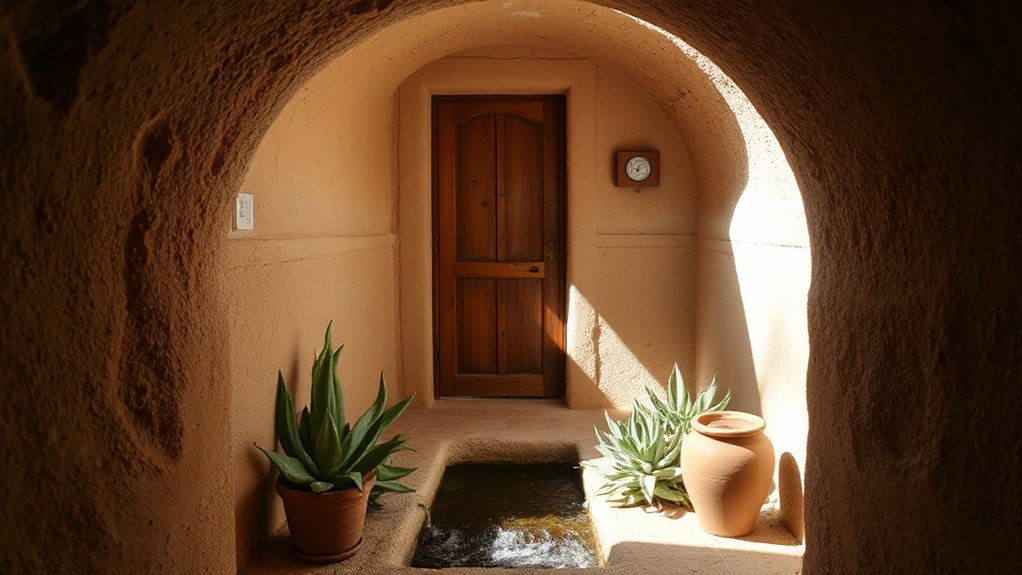
Water clings to the cave’s skin, pooling where the earth sighs and guiding every breath you take. You learn to read moisture like a language you can feel—a slow dampness at your back, a chill along the walls, a slick stair of limestone beneath your steps.
Manage water with intention: collect, filter, and channel it to drinkable purity while preventing mold at its source. Invest in reliable water filtration so bacteria and minerals don’t steal clarity from your daily rituals.
Humidity control becomes a quiet discipline: vent passages opened at dawn, seals refreshed before storms, and breathable fabrics chosen to balance the air you share with your home.
In this sheltered world, dry corners invite calm and precision.
Energy Use and Sustainable Design in Spanish Caves
Energy use in Spanish caves unfolds at the pace of the living rock, where light is a careful guest and energy must cooperate with the stone’s memory. You shade rooms with passive design, letting thick walls buffer heat and coolth across seasons. You harvest solar whisper via small panels, placed where daylight already travels, so aesthetics stay intact.
Ventilation breathes through natural openings, aided by strategically placed vents that don’t disrupt the cave’s serenity. You favor eco friendly materials: lime plaster, cork, and reclaimed timber that breathe with the environment.
Heat recovery and efficient appliances reduce footprint without shouting efficiency. Overnight warmth stays gentle, not aggressive; daylight sustains life. In this harmony, renewable energy becomes a quiet companion, honoring tradition while inviting modern comfort.
Renovation Rules, Heritage Preservation, and Practical Constraints
If you’re renovating a cave home, you’ll navigate rules that guard both safety and history, from permit basics to restoration standards. You’ll feel the weight of heritage preservation limits as you balance modern comfort with the original rock, fabric, and layout.
This is where practical constraints meet character, shaping every decision from materials to limited alterations.
Renovation Regulation Basics
Renovating a cave home in Spain demands respect for both rules and history, because every wall carries a story and a regulator’s stamp of approval shapes what you can change. You’ll encounter permits, inspections, and limits on materials, with schedules that test patience and planning.
Renovation rules balance practicality with tradition, nudging you toward structural safety and energy efficiency without erasing character. You’ll learn where to preserve features that reveal historical significance, and how to document alterations for future owners.
Heritage-driven processes guide you toward architectural preservation, ensuring stone, stucco, and cave vaults endure. Practical constraints—access, drainage, moisture control—demand measured decisions.
Steering through these regulations becomes part of your craft, transforming constraint into thoughtful, resilient living that honors the past while inviting the present.
Heritage Preservation Limits
Why push past history when the past can guide every brick you touch: heritage preservation limits shape not just what you can change, but how you feel the cave’s pulse. You walk through narrow passages and sense guidelines tightening your choices, not hindering your voice.
Renovation rules guard walls that carry cultural significance, demanding care over risk. You’ll balance stone, plaster, and airflow, prioritizing structural integrity while still imagining comfort.
Practical constraints push you toward efficiency: insulation, moisture control, and low-impact materials become partners, not obstacles. You learn to honor the site’s memory while embracing modern adaptations that respect the original character.
In this marriage of restraint and imagination, you preserve identity, letting heritage breathe through every element you add.
Interior Layouts: Making Rock Rooms Feel Like Home
Tunnels of stone open to a living room you can feel in your bones: carefully placed alcoves, warm lighting, and textiles that soften the rock without disguising its weight. You map the flow, choosing doorways that preserve daylight, avoiding jammed passages that trap echoes.
Built-ins kiss the curves, storage hidden in niches, so you never lose the sense of cavernous height. Rugs mute footfall and heat, while pale plaster ceilings reflect candlelight, making the space feel intimate yet expansive.
Cultural significance threads through every choice, guiding color, texture, and placement without erasing geology. Architectural styles emerge in carved arches and subtle profiles, echoing regional traditions while inviting modern comforts.
You inhabit the harmony of rock, light, and purpose, feeling truly at home.
Costs, Maintenance, and Long-Term Value of Spanish Cave Homes
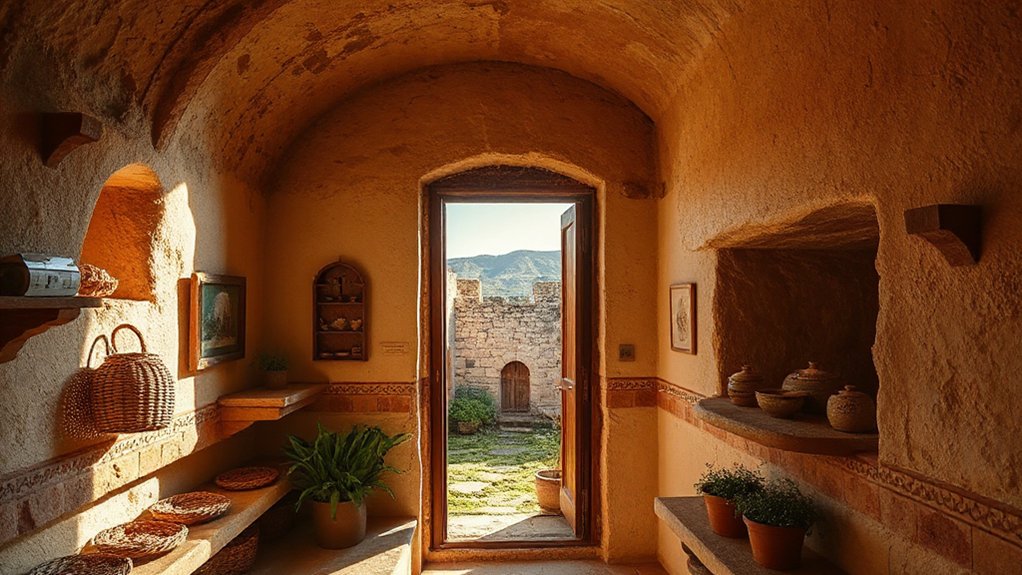
Spanish cave homes cost more upfront than typical houses, but the long game can pay off in energy savings, durability, and a unique resale appeal. You’ll feel the cool walls buffer heat, and you’ll notice fewer drafts despite shifting seasons.
Over time, maintenance centers on moisture control, insulation, and periodic stone sealing, not constant renovations. The payoff shows up in lower utility bills and a sense of enduring value, framed by Cultural significance and the allure of living in a place that’s more than shelter—it’s story.
Modern amenities can blend with ancient walls, respecting the rock while delivering comfort.
- Energy efficiency dividends and climate resilience
- Low-rotation maintenance with durable materials
- Enhanced resale appeal through cultural narrative
Choosing a Cave Home in Spain: Local Variations and Practical Tips
Choosing a cave home in Spain means weighing regional quirks as you move from the sun-kissed plains to the cooler limestone lanes above the limestone bedrock; each valley, village, and hillside tells a different story about what the space can become.
You’ll notice cultural influence shaping doors, courtyards, and shade strategies, from Moorish arcs to Castilian austerity. Regional diversity matters: humidity, thermal mass, and wind patterns differ, so design choices vary.
Start by touring stone villages at dawn, noting microclimates and water access. Ask locals about renovation permissions, traditional materials, and solar suitability.
Prioritize airtight joints and cooling wells in hotter zones, and thicker walls where winters bite. Embrace adaptable layouts that celebrate the cave’s natural rhythm.
Frequently Asked Questions
How Do Cave Homes Handle Modern Internet Connectivity?
You connect through fiber or satellite, exploring cave-home quiet with reliable speeds; natural insulation keeps temps steady, so you binge streams. With unique aesthetics, you feel the pulse of modern internet, seamless uploads, and dependable video calls, surprisingly cozy.
Are Cave Homes Safe From Earthquakes?
“Forewarned is forearmed.” You weigh structural stability and seismic risk, and you feel the cave’s mass resist quakes, yet passive rock tremors remind you to anchor, monitor, and adapt, staying safe when vibrations travel through earth.
Can I Install a Modern Kitchen in a Cave?
Yes, you can install a modern kitchen in a cave, embracing interior customization while respecting historical preservation. You’ll mold ancient stone with contemporary design, blending textures and light, creating an evocative, experiential space that remains true to its storied roots.
What Resale Value Do Cave Homes Hold?
You’ll find resale value tied to Historical preservation and Cultural significance, which can elevate appeal. You feel timeless appeal, authenticity, and story-driven charm, attracting buyers who crave unique, sustainable spaces, even as market trends shift and preservation matters weigh in.
Do Cave Homes Require Special Pest Control?
Damp lanterns flicker, symbolizing your vigilance; cave homes require Pest prevention and Insect control, yes. You shield crevices, seal walls, and monitor humidity, because steady care keeps echoes calm, keeping pests from shaping your quiet, stone-bound sanctuary.
Conclusion
You’ll find that a cave home is a quiet heartbeat in the hillside, a cool breath in the heat, a secret kept beneath the earth’s skin. It wraps you in stone-scented calm, like a candle flame steady against wind. There are trials, yes—moisture and quirks—but the rewards glow warm and lasting: shelter, identity, a slow rhythm you can’t rush. Step inside, listen to the rock, and let your everyday become something ancient, quietly remarkable.