
Immerse yourself in Andalusia’s White Villages, where Moorish lanes thread through sun-drenched courtyards, and whitewashed facades glow like coastal salt. You’ll trace cliffside views in Ronda, wander honeyed walls in Frigiliana, and taste rustic tapas as artisans whisper their crafts. The villages pulse with music, processions, and markets, all sheltered by shaded courtyards and jasmine-scented courtyards. Plan ahead for dawn strolls, twilight legends, and authentic stays in casas and hospederías—more secrets await beyond what you’ve discovered so far.
Key Takeaways
- Overview of Andalusia’s White Villages: their Moorish-influenced layouts, climate-adaptive architecture, and heritage preservation practices that keep authentic features like whitewashed walls and wrought-iron details.
- Cultural and experiential highlights: local music, festivals, crafts, tapas, storytelling, and workshops that bring daily village life to visitors.
- Geographic distribution and routes: clusters along Sierra de Grazalema, the Alpujarras, and Axarquía, with thematic 5-day itineraries linking Ronda, Mijas, Nerja, Frigiliana, and more.
- Best times and practical tips: seasonal highlights, dawn/dusk photography, authentic accommodations in casas or hospederías, and varied transport options.
- Hidden gems and must-see contrasts: iconic towns (Ronda, Nerja, Frigiliana) alongside offbeat villages offering intimate lanes, local crafts, and tranquil squares.
What Are Andalusia’s White Villages and Why They Matter
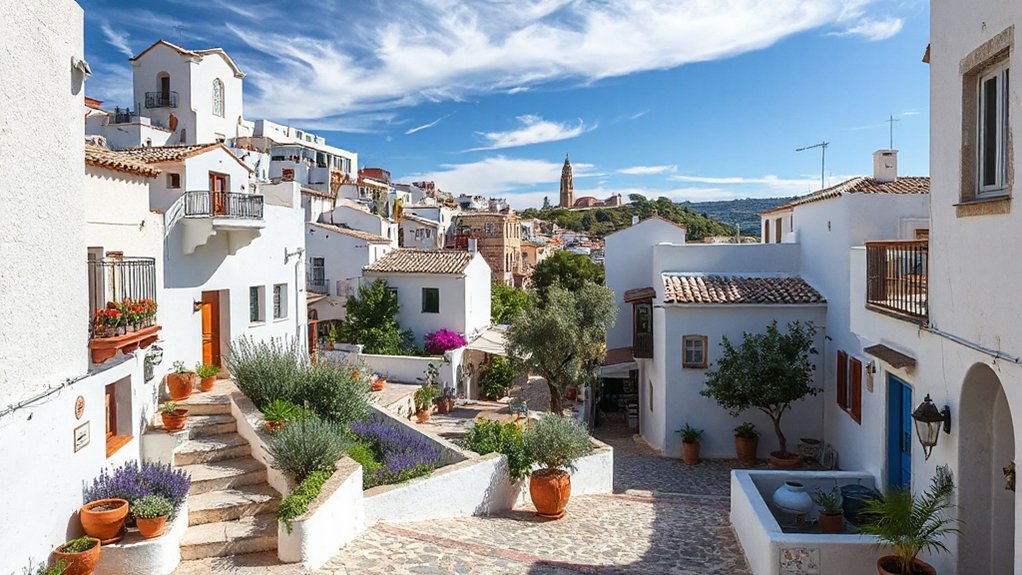
The white villages of Andalusia are more than maps and photos; they’re living poems stitched into the hills. You’ll feel their pull as you wander narrow lanes where sunlit walls glow, and every corner holds a whispered tale.
These settlements aren’t just pretty faces; they’re resilient communities built on local architecture that ages like fine lace, revealing time’s touch in tilework, balconies, and courtyards. Their cultural significance runs deep, binding Moorish echoes with Catholic and rural Spain, shaping festivals, crafts, and daily rhythms.
You sense a careful balance between stepping-lightly hillside life and stubborn pride in place. The towns guard viewpoints, scent of citrus, and plazas where conversations linger.
Understanding why they matter means listening to the stones as much as the stories.
Where to Find Andalusia’s White Villages on a Map
If you want to pin Andalusia’s white villages on a map, start with a few unmistakable clusters that rise like lace against the horizon: Ronda’s cliff-side halo, Vejer de la Frontera’s white-on-blue shimmer, and Nerja’s seaside glow mixing with inland chalky walls.
From there, Map visualization helps you see how the geographic distribution threads along the Sierra de Grazalema, the Alpujarras, and the Axarquía, where hillside dwellings stitch together terraced terraces.
Zoom into narrow lanes, watch the sun carve pale facets on plaster, and notice how white reflects heat, keeping interiors cooler.
Use color-coded pins to distinguish architectural styles and centuries of influence.
The map reveals cultural currents as much as terrain, guiding you through routes that link villages by history, craft, and shared identity.
Best Time to Visit Andalusia’s White Villages
You’ll feel a heartbeat in each season, collaborating with narrow lanes, tiled courtyards, and cliffside panoramas. In spring, fragrant almond blossoms mingle with local cuisine aromas from hillside taverns; in autumn, harvest menus celebrate olives and raisins, pairing with rustic pottery and traditional crafts.
Summer draws outdoor patios into moonlit conversations, while winter invites reflective strolls and simmering stews. Plan around feria rhythms and market days to taste, touch, and listen—the regional flavor in every corner, a living tapestry of culture, food, and craft.
Iconic White Villages to Start With: Ronda, Mijas, and More
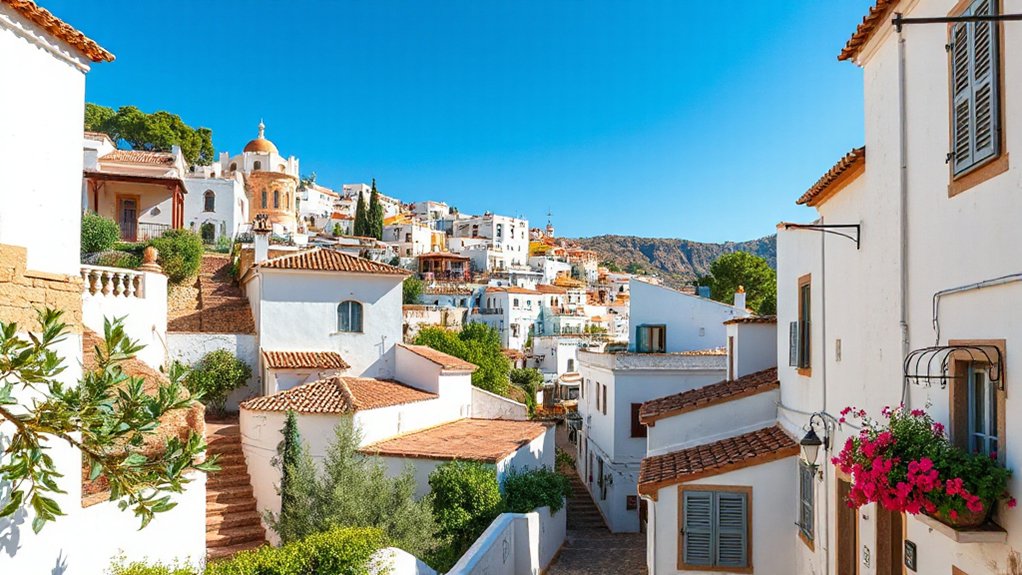
Start your itinerary with the iconic white-walled cliff town of Ronda, where thunderous rivers and centuries of bridges frame your first impression.
Then wander to Mijas, a sun-dusted village perched above the coast, where donkey taxis and tiled patios whisper Andalusian hospitality.
From there, you’ll glimpse other must-sees—each village offering a distinct heartbeat, inviting you to taste history, craft, and mountain-air charm.
Iconic Starts: Ronda, Mijas
Ronda and Mijas stand as luminous entryways to Andalusia’s whitewashed charisma, where cliffside panoramas and sun-drenched alleys invite you to slow your pace and soak in the moment. You feel history press softly against your skin as white walls glow, streets spill with shadows, and orange trees perfume the air.
In Ronda, the deep gorge splits the town, and you taste local cuisine that braises tradition into every bite.
In Mijas, narrow lanes wind you toward fountains and terracotta roofs, where you’ll glimpse traditional costumes fluttering in a market breeze.
This pairing sets a confident tone for your route, balancing dramatic scenery with intimate culture, inviting curiosity without rushing you. Your journey through Andalusia begins here, memorable and unmistakably Andalusian.
Other Must-Sees Here
From there, you’ll drift from Ronda and Mijas into a constellation of whitewashed towns where each alley holds a postcard moment, from Nerja’s sea-kissed balconies to Frigiliana’s honeyed walls and winding lanes.
In the next villages, you’ll taste the pulse of Andalusia through local cuisine—olive oil gleaming, garlicky prawns, smoke-kissed chorizo, and saffron-touched stews that cling to bread like sunset.
You’ll glimpse craft markets, tiled courtyards, and centuries-old arches that whisper of Moorish and Catholic heritage mingling under bright skies.
Festival preparations hum in the air as towns polish their churches and plazas, readying songs and dances.
You’ll notice how whitewashed walls reflect the sun, guiding you toward quiet terraces and sweeping views that seal the journey’s memory.
Architectural Charm: Whitewashed Alleys, Courtyards, and Balconies
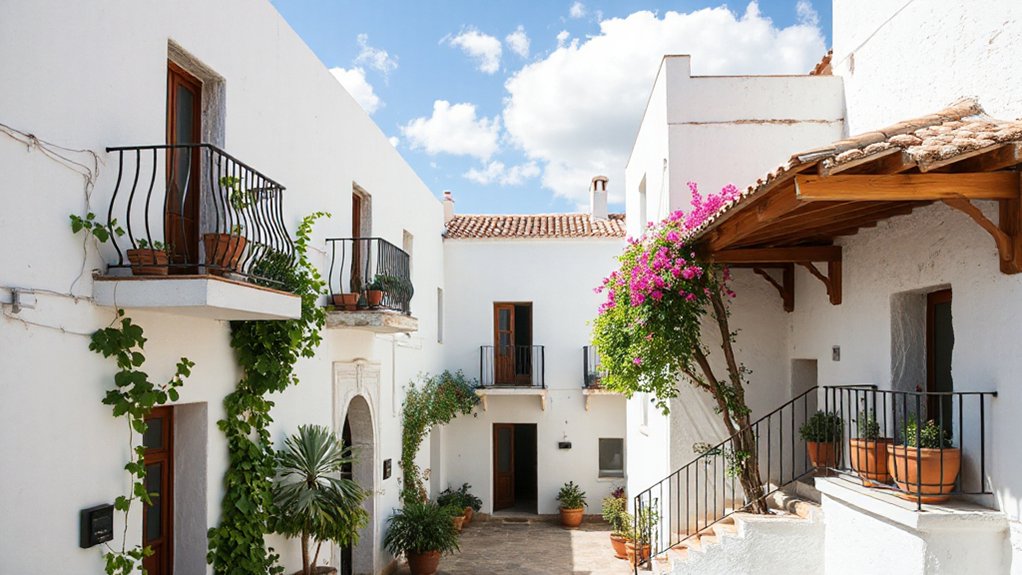
Cobbled lanes wind through villages where whitewashed walls glow like sunlit sails, and every doorway opens onto a microcosm of Andalusian life. You move with a quiet curiosity, tracing arches, ironwork balconies, and secret courtyards that whisper of centuries and change.
The charm lies in contrast: pristine façades catching the glare, then shaded patios where geraniums spill over tiled floors. In these alleys, light dances on plaster, turning corners into pocket theaters of color and fragrance.
You’ll notice modern architecture subtly integrated, glass and steel glinting beside centuries-old stucco, proving elegance can be adaptive.
Even as you savor the stillness, there’s culinary fusion at work in tiny eateries: tapas reimagined, flavors mingling with Mediterranean herbs and bold, innovative twists.
Hidden Viewpoints: Best Overlooks Above the White Villages
Hidden viewpoints reveal the soul of Andalusia’s white villages, where cliffs and terraced landscapes cradle the towns like pearls on a string. You’ll find hidden viewpoints above narrow lanes, where stone paths wind upward and silence hums with distant bells.
From a panoramic overlook, the sea of whitewashed roofs stretches into green valleys, and a church tower punctuates the horizon with quiet authority. You feel the age-old dialogue between hill and village, as shade dips onto alleys and lemon trees glint in sunlight.
Each overlook invites a pause, a breath, a moment to savor how geography shapes identity. Hidden viewpoints reward the curious with intimate, sweeping perspectives that elevate everyday streets into memory.
Food and Drink: Tapas and Local Specialties
In Andalusia, the food scene is a slow, sun-warmed conversation between farmers’ markets, tavern walls, and hillside kitchens. You wander from bar to bar, catching steam and citrus, listening for the clink of glasses and the sigh of garlic sizzling.
Tapas arrive in rapid-fire bursts: small plates that tease, balance, and linger. You’ll taste smoky chorizo, marinated olives, and crisp pescaíto frito, each bite carrying a village’s memory.
Local wines cradle the heat, offering cool relief as the sun tilts toward evening. Try a slice of tortilla that holds the day’s harvest, then pause for traditional desserts—almond sweetness and honeyed figs.
You leave with a stomach full of stories, a palate colored by Andalusia’s generous, sunlit generosity.
Culture and Festivals: Saetas, Faires, and Local Traditions
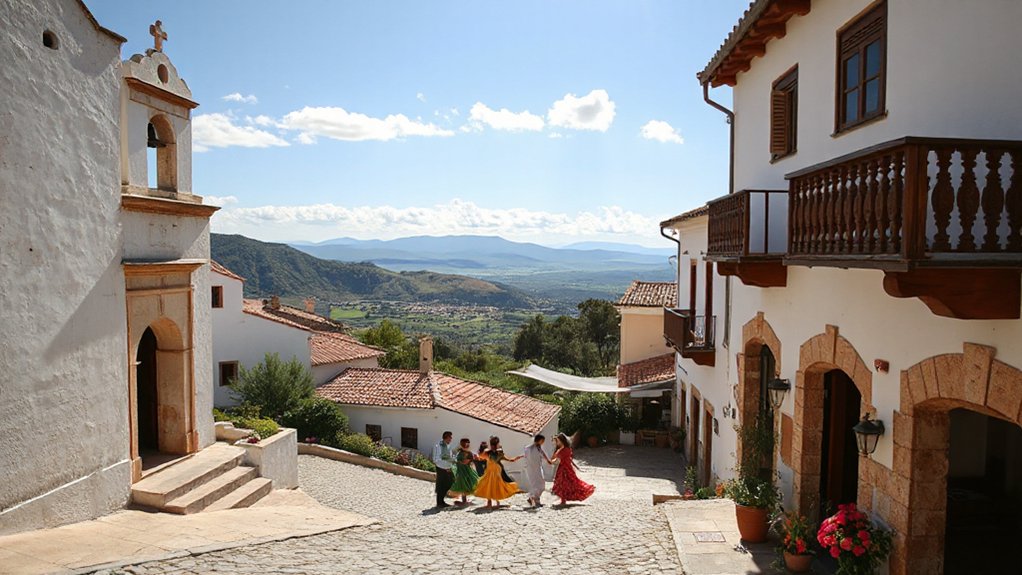
You’ll hear the haunting Saetas rise from candlelit churches, their raw whispers threading through narrow lanes like smoke and memory.
As Faires fill the square with color and rhythm, you’ll feel the pulse of local life in every paso doble step, every drumbeat echoing off whitewashed walls.
These customs and dances invite you to listen closely, watch intently, and become part of a living tradition that turns ordinary days into celebration.
Saetas And Sacred Songs
The Saetas rise with the hush of a chapel, threads of flame and sorrow weaving through narrow Andalusian streets as mournful voices pierce the evening air. You listen from a shadowed doorway, feeling the tremor of each note as if the stones themselves breathe.
These songs, whispered in the heat of passion, belong to the heart of traditional music, carried along by devoted singers who strike chords of memory and faith. They accompany religious ceremonies, guiding processions with a siren-like prayer that bends time and space.
You sense the city exhale, the air thick with incense and history, then rise again in a chorus that binds communities. In every cadence, you hear Andalusia’s grief, pride, and reverence braided into sound.
Faires And Festive Traditions
Round the calendar with color and confetti, Andalusia roars to life as its fairs burst forth—from sunlit plazas to vine-washed courtyards—where horses trumpet past and lanterns flicker like captive stars.
You step into the pulse of the festivity, tasting citrus-sweet air and hearing drums fusing with laughter. Traditional dance threads through crowded streets, feet tracing histories as if reborn each evening.
Firework glow paints faces, and you sense the communal heartbeat: neighbors selling olive oil, honey, woven crafts in Local markets that color the scene with savory scents and bright textiles.
You’re invited to linger, savoring the electric mood, while the spirit of family and tradition binds a region that celebrates life with cadence, color, and communal pride.
Local Customs And Dances
What keeps Andalusia’s rhythms beating if not the intimate rituals that color its days—saetas at dusk, fairs that spill from plaza to street, and the quiet, almost whispered traditions handed down through generations?
You step into a courtyard where Traditional music threads through sunlight and shadow, guiding feet to time-honored steps. Women spin mantones, their skirts blooming like petals in motion, while men toll bells that echo the pulse of the village.
Local crafts line the walls—ceramic tiles, leather strings, and silver filigree—that speak of daily labor and patient pride. Dances illustrate stories, lives, and loyalties, inviting you to listen with your body as much as your ears, embracing the texture of community.
Moorish Legacy in Village Layouts
From narrow lanes that coil like threads through an apricot grove, Moorish influence threads the villages’ layouts with intuitive, human-scale design. You walk among white walls that cradle shaded courtyards, and you feel how village planning favored shade, water, and defensible nests of home.
Narrow streets bend to human pace, gates open onto markets, and secret staircases connect hillside quarters without grand avenues stealing the horizon. Al-Andalus sensibilities shaped courtyards, fountains, and networked alleyways that foster neighborly whispers.
You notice that mosques, kasbah-inspired angles, and irrigation courantlines weave through homes, guiding movement as if in a living map. This legacy isn’t mere scenery; it’s a philosophy—order born of climate, culture, and communal memory.
The result is approachable, intimate place-making.
One-Day Villages: A Quick Day-Trip Plan
You can sample Andalusia’s white villages in a single sunlit day by stitching together a compact loop that lets you taste their contrasts: shaded courtyards, cliffside stairways, and a plaza where the scent of orange blossoms mingles with roasted coffee.
You set your pace between hillside lanes, pausing to admire whitewashed walls that gleam like chalk under a bright sky. In one village, you’ll catch local crafts in tiny shops, a chorus of pottery wheels and woven baskets.
In another, traditional music drifts from a narrow tavern, inviting a moment to hum along. Lunch unfolds on a shaded patio, then a quick descent to a viewpoint that seals the memory with a sweeping valley view.
Quick, immersive, culturally intimate.
Slow Travel Tips for Exploring the White Villages
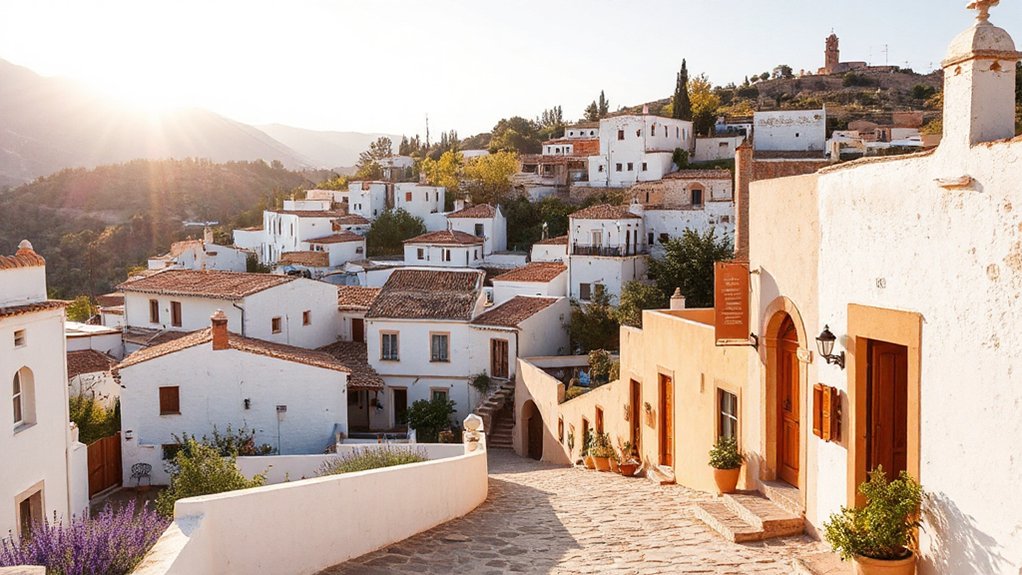
To truly savor Andalusia’s white villages, slow travel means letting the pace soften your senses rather than rushing toward landmarks. You wander footpaths bathed in sun, listening to tile creaks and distant church bells.
Sip thick café con leche in a shaded plaza, watching locals barter stories as much as goods. Let doors creak open to quiet courtyards where azulejos glow and birds script tiny dramas in the air.
When you linger, you smell orange blossoms and earth, feel time loosen its grip. Seek out local crafts and ask about their origins, then follow the scent to village markets, where color, sound, and texture fuse into a living memory.
Move slowly, observe deeply, connect meaningfully.
Offbeat White Villages Worth a Detour
Hidden among the better-known routes, a handful of offbeat white villages invites you to zigzag off the tourist map and into something more intimate: sun-washed lanes, laundry-fluttered balconies, and alleys perfumed by orange blossoms.
You’ll notice the quiet pulse of daily life, where local crafts shimmer in tiny workshops and traders greet you with a nod and a story. Travel beyond the postcard centers, and you’ll stumble on squares where traditional music drifts from a bar, weaving memory into the air.
These detours reward curiosity with intimate courtyards, chalky walls, and terraces that hold the scent of lemon and wild thyme. It’s not just scenery; it’s a living thread in Andalusia’s cultural fabric.
Photo Spots and Light: Capturing Andalusia’s White Walls
The light over Andalusia’s white walls takes on a sculptor’s edge at dawn and dusk, turning the plaster into a soft fluorite glow that seems to hold its breath. You wander narrow lanes where shadows skim apricot doors and windows, catching textures as if flashing an old photograph.
Capture moments where sun and shade kiss a scalloped rooftop, or where a bell tower puts a crisp halo on a whitewash canvas. Seek scenes that echo tradition—the rhythm of traditional textiles fluttering in a breeze, the quiet pride of local artisans shaping a doorway’s trim.
Move deliberately, compose with pace, and let color kiss monochrome, revealing the village’s enduring pulse through light, stone, and memory.
Where to Stay: Charming Casas and Hospederías
Staying in Andalusia’s white villages means stepping into homes that fuse charm with history, where each casita or hospedería feels like a crafted retreat. You’ll notice plastered walls that glow at dusk, timber beams that creak with stories, and tiled courtyards that invite evening gazes.
Choose accommodations that honor local character: whitewashed façades with wrought-iron balconies, sunlit patios, and intimate lounges corners for quiet conversations. In hospederías, morning light spills across stone floors, guiding you to reflect on centuries of craft.
Inside, you’ll savor local cuisine aromas wafting from a shared kitchen or courtyard grill. Seek rooms near plazas for easy mingling, and ask hosts about traditional crafts—ceramics, embroidery, leather—that color the villages with living culture.
Your stay becomes a doorway to Andalusian memory.
Getting There: Driving Routes, Trains, and Public Transport
Getting there’s half the adventure: you can chart scenic drives through olive groves and whitewashed silhouettes, hop on speedy trains that slice through Andalusia’s heart, or weave together buses and regional shuttles for a slower, more intimate arrival.
You’ll feel the landscape shift from emerald hills to sunlit terraces as you approach each village. Driving rewards you with dramatic overlooks, detours to tiny bodegas, and chances to sample local cuisine along the way.
Trains deliver efficiency, gliding past orange groves and hilltop churches with minimal fuss.
Public transport threads you between pueblos, offering pause-filled, authentic glimpses of daily life.
Keep an eye out for workshops showcasing traditional crafts and stop to savor rustic tapas before continuing your journey.
Practical Essentials: Etiquette, Shopping, and Heritage Preservation
As you wander through the whitewashed lanes, you’ll feel the pulse of etiquette guiding every greet, handshake, and respectful nod to local customs.
Keep an eye on how artisans sign, tag, and share stories with you as you shop, savoring mindful exchanges and fair prices.
Preserving heritage isn’t just a plan, it’s a way you participate—supporting crafts, honoring tradition, and leaving these villages brighter for your visit.
Etiquette Essentials
Tact matters as surely as sunblock in Andalusia: greet with a warm buen día, a smile, and a brief nod to the surrounding hills, and you’ll open hospitality’s open door. You move through white alleys, where courtyards glow with jasmine and the air tastes of orange blossoms.
In this swell of warmth, respect guides every gesture. Embrace Traditional greetings as you’d a local chorus: a soft hello, eye contact, and a lingering thank-you for small favors. Dress codes lean toward modest, breathable fabrics that honor sunlit courtyards and village churches.
You’ll notice etiquette isn’t rigid but relational: ease into conversations, listen before speaking, and let generosity surface in shared bites and stories. Your awareness becomes the village’s welcoming thread.
Heritage Preservation Tips
Heritage preservation in Andalusia’s white villages isn’t just about monuments; it’s about honoring how history still hums in every alley and courtyard. You’ll protect the feel of sun-washed walls by choosing respectful restoration techniques, matching tones, textures, and traditional plaster finishes.
When you explore roofs, tiles, and wrought-iron balconies, notice how every detail tells a story—tread lightly, document before touching, and avoid over-embellishment that erodes authenticity.
Restoration techniques should prioritize reversible changes, so future generations can reimagine the past without losing it.
Acknowledge preservation challenges: seasonal humidity, tourist wear, and scarce skilled crafts. Collaborate with local custodians, permit transparent work, and share knowledge.
Your mindful actions keep lanes alive, colors honest, and the villages’ soul intact for decades to come.
Crafting a 5-Day White Villages Route
Mapping a 5-day circuit through Andalusia’s white villages is a choreography of sunrise viewpoints, cliffside bars, and narrow lanes that unfurl like a thread through time. You’ll thread Córdoba’s patios, Ronda’s terraces, and Arcos’s arches, letting each dawn color the whitewashed walls.
Each day pairs a scenic overlook with a local craft stop and a village legend whispered at twilight, so you sense history breath in you.
- Plan light mornings, heavy with views, and soft evenings for local crafts and storytelling
- Allocate a day for white-walled villages near caves, then switch to ridge-top towns with cliffside bars
- End with a night under lanterns, listening to village legends and tasting regional specialties
This route blends landscape, craft, and culture into a concise, vivid arc.
Frequently Asked Questions
How Many White Villages Are There in Andalusia?
There are hundreds, you’ll discover a tapestry of whitewashed charms. You’ll wander sacred lanes, savor historical architecture and local cuisine, feeling sunlit courtyards whispering stories, as you trace terraces that glitter against blue skies and timeless Andalusian charm.
Which Village Is Best for Photography?
Head for Ronda for photo opportunities, you’ll find Best photo spots and picturesque alleyways that sparkle at dawn. You’ll capture cliffside charm, white walls, and stair-stepped courtyards, a feast for your camera and senses, bite-sized Andalusian poetry.
Are White Villages Suitable for Wheelchair Users?
Yes, some white villages are accessible, though accessibility challenges exist. You’ll find wheelchair friendly routes in flatter lanes, but cobblestones and steep stairways remind you to plan ahead and respect local topography and cultural charm.
What Wildlife or Natural Features Surround the Villages?
Behold the landscape’s chorus: you’ll find rugged cliffs, olive groves, and cascading gorges. You’ll witness flora diversity and wildlife spotting amid ridges, valleys, and cork forests, where birds swoop, ibex climb, and fragrant herbs perfume the air.
Do Locals Speak Languages Besides Spanish Here?
Yes, some locals speak languages besides Spanish. You’ll hear local dialects echoing through narrow streets, revealing language diversity shaped by history. You’ll notice phrases, intonations, and smiles that hint at multicultural roots in Andalusia’s white villages.
Conclusion
In short, you’ll chase sunlit alleys, stumble into sunburned legends, and pretend you’re not spoiling the quiet by snapping photos at every corner. The whitewashed façades will glare back with tipsy pride, while tapas and overlooks conspire to seduce your itinerary into a heroic mess. If you resist, you’ll fail spectacularly at leaving—there’s no escape from Andalusia’s charm, only more charming detours. Bon voyage, you wonderfully doomed traveler, chasing beauty you’ll pretend you didn’t instantly claim.