
Island living in Spain appeals to you with sun-warmed mornings, citrus-scented air, and sea breezes that slide into lively evenings. Markets bustle with oranges, almonds, and fresh seafood; festivals drum through palm-lined streets; and harbor lamps glow as tapas tempt you to linger. You’ll balance work on sun-warmed terraces with siestas and sea-swim breaks, all while reliable connectivity and easy ferries knit day-to-day life together. Curious how to choose the right spot? you’ll uncover more soon.
Key Takeaways
- Island life blends sun, sea, citrus scents, and unhurried rhythms with vibrant markets and local festivals for cultural immersion.
- Strong community ties grow through markets, fiestas, volunteering, and casual conversations that foster language practice.
- Festivals, seafood markets, and storytelling create frequent social opportunities and deepen island integration.
- Reliable ferry schedules, walkable neighborhoods, and digital connectivity support a balanced expat lifestyle.
- Temporary higher costs offset by scenic work environments, inspiring views, and a lower-stress pace for work-life balance.
How to Pick the Right Island for Your Expat Goals
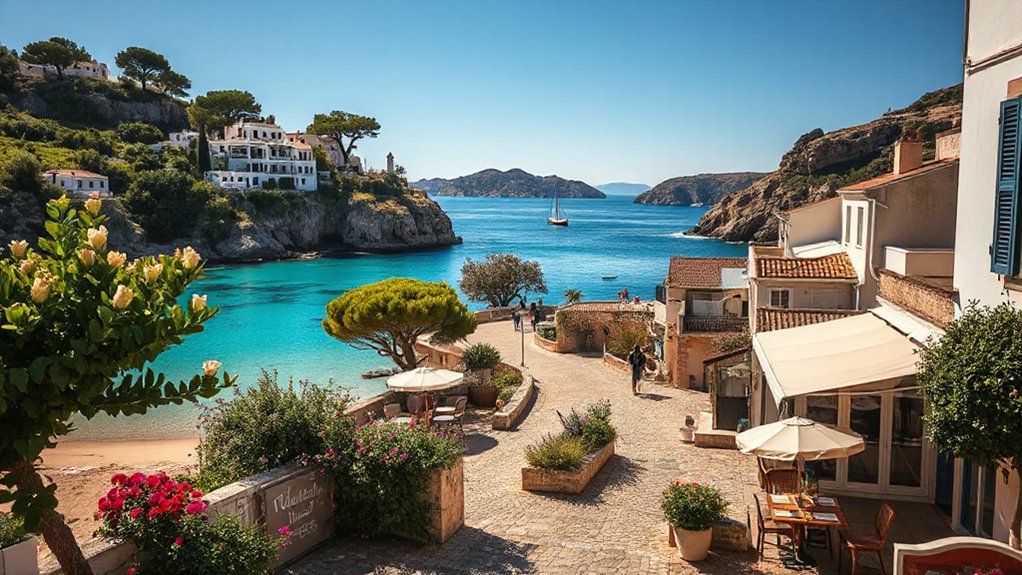
Choosing the right island starts with your everyday rhythm: where you’ll feel sun on your face, hear the harbor bustle, and wake to a view that makes sense of your day. You’ll map priorities by scent, sound, and pace, not just scenery.
If you crave Cultural festivals, pick an isle where processions and music pulse through seasons.
If you want Local cuisine, choose a place with markets that spill seafood, citrus, and herbs into your routine.
Consider distance from mainland services, healthcare, and language comfort, but balance with walkable neighborhoods and ferry timetables.
Talk to locals, test internet speed, and note how you feel after a week there.
Your choice should align with work, social life, and the quiet you’ll reclaim daily.
What Makes Island Life Appealing to Expats in Spain
Island life in Spain draws expats in with a rhythm that feels both sun-soaked and practical: mornings scented with citrus, afternoons cooled by a sea breeze, evenings lit by harbor lamps and long conversations over tapas.
You notice how space opens up—tiny courtyards, whitewashed walls, blue doors—and how time slows just enough to taste the air. You slip into Cultural festivals with a grin, wanders through markets that shimmer with oranges and almonds, and feel the pulse of neighbors swapping stories in cyclades-blue streets.
Local cuisine becomes a daily compass: grilled sardines, honeyed pastries, saffron notes in stews. You learn to read the tides, track ferries, and savor sunsets that redraw your map of belonging.
Healthcare and Digital Infrastructure on Spain’s Islands
You move through reception’s aquarium glow, hear the hush of air-conditioners, feel the cool tile underfoot as specialists map your care with calm precision.
Wi‑fi stiffness in common rooms meets the soft rumor of waves outside; you scroll, you consult, you confirm appointments while savoring local cuisine smells drifting from a nearby café.
Cultural festivals spill color onto schedules, reminding you that care and community travel together, keeping island life connected, resilient, human.
Climate, Outdoor Life, and Daily Rhythm on the Islands
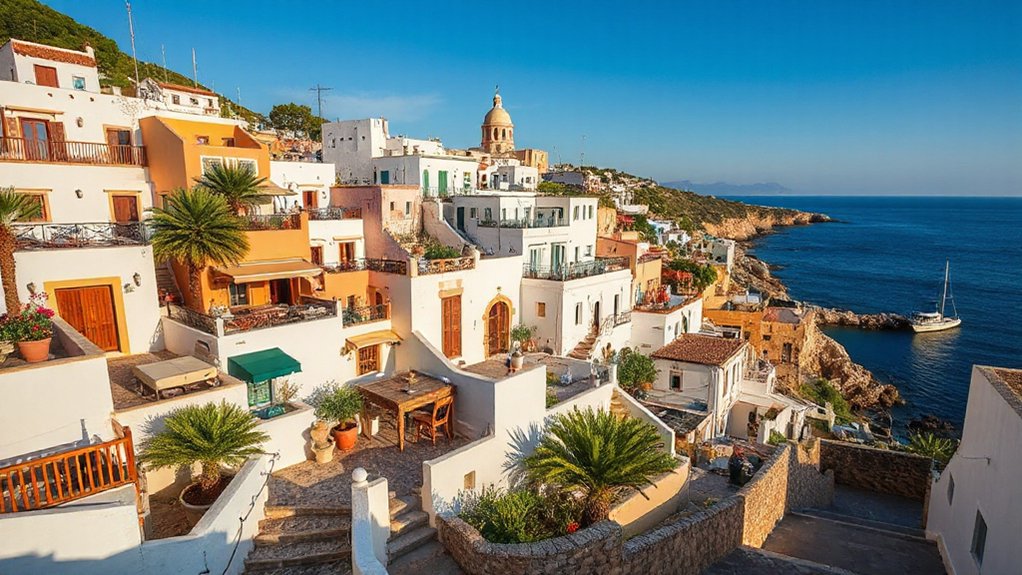
The climate on Spain’s islands greets you in small, telling ways: mornings drift in with a briny breeze, afternoons heat up just enough to press you into shade and a sun-warmed wall, and evenings cool into a slate-blue hush.
- Feel sun on your shoulders during a dawn walk, then shade along palm-fringed lanes
- Taste local cuisine at a seaside bar, smoky fish and citrus zests bright on the palate
- Hear island festivals spill into streets with drums, laughter, and lantern-lit chatter
- Move with daily rhythms: markets, siesta, then vibrant nightlife by the marina
You adapt quickly, savoring the cadence, the wind, the salt, and the easy, unhurried tempo.
Housing Costs and Living Essentials on Islands vs. the Mainland
You’ll notice island rents and purchase prices have a fickle rhythm, peaking with sea breeze and peak season crowds.
On the mainland, basics like groceries, utilities, and rent sit in a steadier groove, but you still feel the pinch in every budget line.
As you compare the costs and the essentials, the choices you make will hinge as much on rhythm and access as on sticker price.
Island Housing Costs
Ever wonder why island housing feels both enticing and maddening at once? You feel the budget tug as ferry bells clang and octopus steam from market stalls drifts into your window.
On the islands, rental and purchase prices hike with scarcity, while maintenance leaks in from salt air and aging infrastructure. You learn to weigh micro-neighborhoods, where charm can come with higher utility costs and limited service options.
Yet you savor the rhythm—sunlit mornings, the scent of local cuisine, and easy access to beachside coves. Historical landmarks thread historic value into every doorway, boosting price, and making you negotiate with care.
- Limited inventory fuels quick decisions
- Higher utility bills, harsher on seasons
- Historic landmarks push premiums
- Local cuisine drives neighborhood desirability
Mainland Living Essentials
Moving from island rhythms to mainland pace, you’ll notice housing costs and daily living bills shift in a steadier, more predictable line.
You walk through streets where doorways glow with neon and sun-warmed walls, noting rents that offer concessions for longer leases and utilities that feel reasonable after island budgets.
On counters, shelves carry Local cuisine scents—olive oil, grilled peppers, street-pattered aromas—that contrast with quieter market stalls inland.
Cultural festivals pulse nearby, inviting spontaneous crowds and occasional price bumps, yet you sense balance in public transport and grocery margins.
You feel air-conditioning hum at dusk, a reminder of different climate costs.
Overall, essentials align with steady routines, letting you plan weeks ahead without surprise spikes.
Mainland life feels practical, tangible, inviting.
Building Community, Language, and Social Integration
You’ll feel the town echo your footsteps as you join neighbors at the market, kids’ games, and neighborhood fiestas, building those everyday ties step by step.
Language opens like a door—you hear new sounds, repeat phrases with a grin, and savor small victories in every conversation.
Practical tips—language exchanges, volunteer groups, and casual clubs—offer clear paths to social rhythm and a sense of belonging.
Building Community Ties
What draws expats into island life isn’t just the sun or beaches but the slow, stubborn work of building ties that last. You feel your calendar loosen as you listen, watch, and lean into local rhythms, where conversations drift from waves to neighbors, and trust settles like a warm breeze.
You’ll notice small rituals—shared baskets at markets, impromptu porch chats, and the soft clang of café cups at dawn. Cultural festivals and daily helloes stitch you into a network you can’t fake. To keep the thread alive, you engage with effort, patience, and curiosity.
- Attend a festival and swap stories over coffee
- Help at a local market stall and taste the day’s fresh produce
- Learn a neighbor’s recipe, then cook it together
- Volunteer for a community project, sharing skills and smiles
Language Immersion Benefits
Language immersion changes more than vocabulary; it tunes you into the island’s pulse. You notice phrases bending around streets, the rhythm of market chatter, and the heat that settles on stone walls. You’re not just translating words; you’re decoding a social map.
Small talk becomes a doorway to deeper ties, and you start reading neighbors’ gestures like weather signs. You swap English for local cadence at cafés, ferries, and village squares, letting it shape your days.
Cultural festivals spill color into your routine, inviting you to taste stories in every bite. Local cuisine becomes a shared language, too—perfumed oils, bright herbs, and sour citrus bridging gaps with familiar smiles.
Through immersion, you finally belong, quietly and precisely.
Social Integration Strategies
Social integration isn’t a single move but a pattern you build day by day: you show up at the market, the bodega, the local bar, and let yourself be seen in the spaces where neighbors already belong. You listen first, then share—a smile, a short hello, a question about Cultural festivals or the Local cuisine. Small rituals accumulate into a sense of belonging, faster than you’d expect.
- Attend a street event; sample a tapa and watch the rhythm of conversation
- Learn a handful of local phrases to invite conversation at shops
- Volunteer for a community project during a festival season
- Track the calendar for Cultural festivals and seasonal markets
You’ll notice you’re not visiting, you’re weaving yourself in.
Work-Life Balance and Remote Work on Spain’s Islands
On the islands, work-life balance often arrives with the rhythm of the tide: mornings spent drafting emails or joining calls, afternoons unfurling into sunlit errands, siestas, and quick swims before sunset. You feel the breeze off the harbor as you juggle deadlines with a view of ferries gliding by.
Remote work lands softly here, laptops resting on sun-warmed tables, notifications punctured by gulls and church bells. Breaks valley into moments of local cuisine: tomato-topped tapas, crisp white wine, smoky sardines, all fueling focus and weekend energy.
You’re drawn to island festivals, where music sighs through palm-fringed streets and work fades into shared laughter. Balance isn’t restraint; it’s a compass guiding productivity toward easier, richer days.
How to Travel Between Islands and Stay Connected
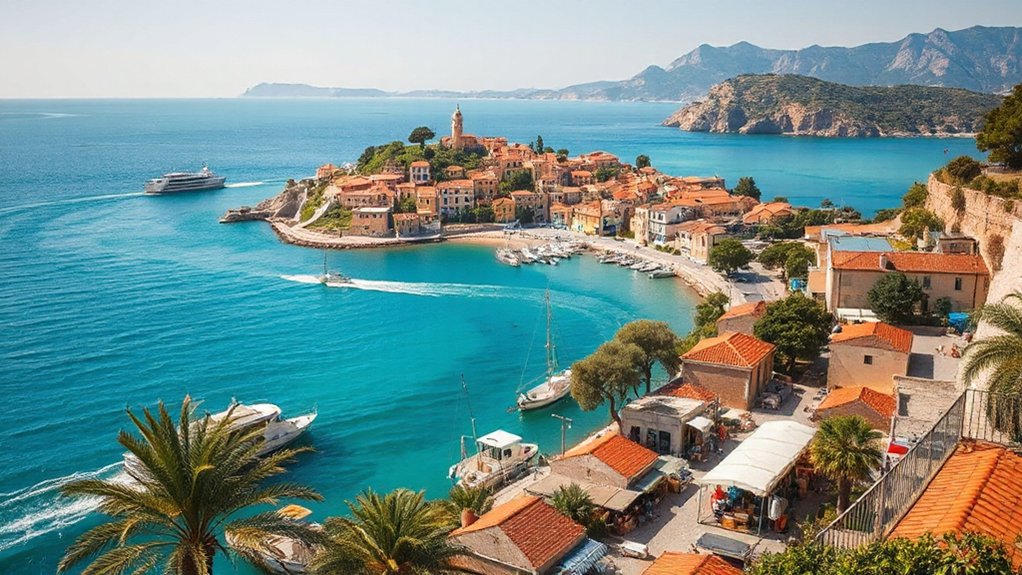
Getting between the islands is part of the allure, not a hassle: you ride the ferry’s gentle swell, the hull shushing over blue like a secret, while the horizon stitches together towns and ferries in a steady, predictable rhythm.
- Maritime transportation tips: book ahead, check schedules, pack light, and arrive early for your seat.
- Stay connected: bring a portable charger, download offline maps, and keep a local SIM handy for on-the-road data.
- Island connectivity: use regional transit apps to align transfers, and expect weather delays with calm planning.
- Practical mindset: carry a small umbrella, a snack, and patience for seasonal crowds and waves.
You’ll savor the cadence, not the chaos, as you hop between shores.
Frequently Asked Questions
How Do Visas Affect Long-Term Stays on Spain’s Islands?
Visas shape how long you stay, but you’ll manage if you plan ahead and renew. You’ll feel cultural integration in every doorway, tasting local customs, hearing market chatter, smelling sea wind, and noticing slow, patient rhythms.
Which Islands Have the Fastest Internet Speeds for Remote Work?
You’ll find Tenerife, Gran Canaria, and Mallorca offer the fastest island internet infrastructure for remote work, with stellar remote work amenities. You sense the humming routers, the sea breeze, and sunlit coffee breaks sharpening your focus. Anachronism: dial-up nostalgia.
What Healthcare Options Exist for Expats With Private Insurance?
Private insurance typically covers private hospitals and clinics with speedy appointments, but costs vary; you’ll notice higher premiums for private hospitals, more comfortable rooms, and shorter wait times—healthcare costs depend on plan details and services used.
Are There Language Barriers Specific to Island Communities?
You’ll notice language quirks, but no insurmountable barriers; local dialects blend with daily life, easing cultural integration as you chat with neighbors, markets buzzing, and buses humming, turning small misunderstandings into shared laughs rather than obstacles.
How Accessible Are Airports and Ferries for Weekend Trips?
Airports and ferries are surprisingly accessible for weekend trips, offering reliable Travel convenience. You’ll notice quick check-ins, clear signage, and smooth transfers as you sample coastal views, while Transportation options include fast ferries and well-timed domestic flights.
Conclusion
You’ll savor island life, where slow mornings meet quick Wi‑Fi, and sea salt and latte foam share the same air. On the one hand, palm-fringed downtime hums with sunsets you can almost bottle; on the other, buses and ferries keep you tethered to opportunity. You trade traffic for tides, routine for ritual, and yet you’re never truly adrift—because community anchors you, and Spain’s islands, with their quiet pulse, keep inviting you to stay.