
Plan a Canary Islands road trip with a flexible, island-hopping rhythm that blends volcanic vistas, coastal towns, and local festivals into one balanced itinerary. Start in Tenerife for volcanoes, then hop to Gran Canaria, Lanzarote, and La Palma or La Gomera, allocating 2–4 days per island. Choose compact cars or small SUVs, book ferries ahead, and stay weather-aware. Build in scenic detours, keep routes short, and layer in rest days. You’ll discover how to maximize momentum and joy as you explore more…
Key Takeaways
- Start with Tenerife to explore volcanoes, beaches, and hiking, then island-hop to Gran Canaria or Lanzarote for varied landscapes.
- Plan 7–10 days for a balanced pace, or 14–21 days for deeper island exploration, including local festivals.
- Build a flexible route with short drives, scenic detours, and optional days for weather or festivals.
- Rent on each island, coordinate ferries, and buffer schedules for weather, peak season costs, and maintenance.
- Pack lightweight layers, sturdy footwear, a first-aid kit, and sun protection for climate swings and volcanic terrain.
What Makes a Canary Islands Road Trip Unique
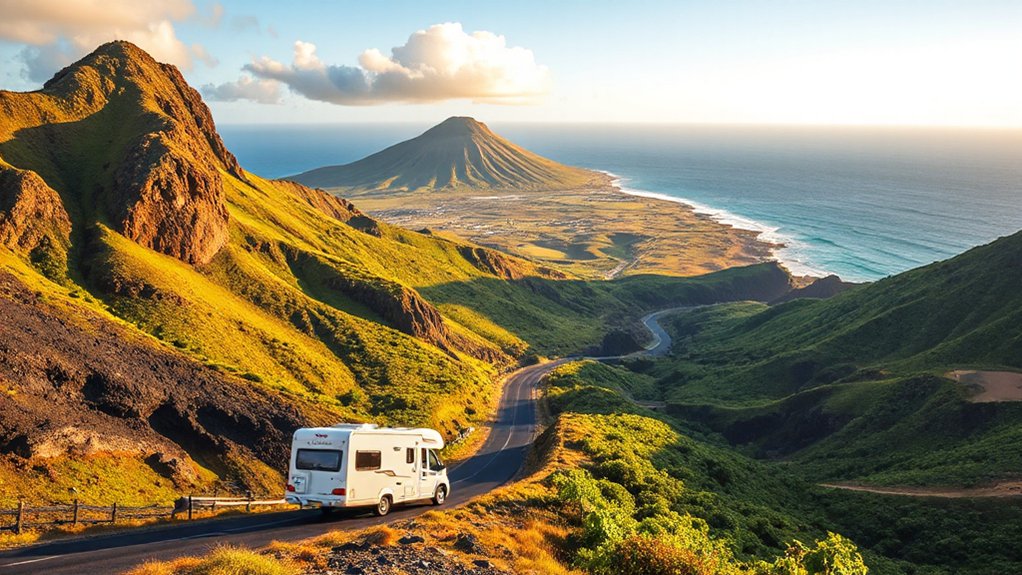
The Canary Islands stand out as a road-tripper’s dream because you can blend dramatic landscapes, microclimates, and cultural quirks into a single itinerary. You’ll feel the island-to-island rhythm as you switch from volcanic vistas to cliffside coastal towns, all without long hauls.
What makes a Canary Islands road trip unique is that the route isn’t just scenery; it’s a living collage of history, weather, and pace. You navigate a mosaic where Canary Islands history threads through ancient trails, colonial towns, and modern revival scenes, never losing momentum.
You’ll encounter local festivals that pulse with music, dance, and flavors, offering instant immersion. Pack flexibility, respect local calendars, and let each day reveal a distinct character while maintaining a cohesive, purposeful journey.
When to Go and How Long to Spend Across the Canaries
Timing a Canary Islands road trip comes down to weather, crowds, and pace, so plan to travel in spring (March–May) or fall (September–November) for the mildest temperatures and fewer crowds. If you visit in July or August, expect heat, higher prices, and busier roads.
You’ll rarely regret a slower pace that lets you savor island history without rushing. Allocate 7–10 days for a balanced arc, or 14–21 if you want deeper dives.
Tie travel to local festivals when possible to witness culture up close, but avoid peak crowds if you crave serenity. Vary your route to catch dramatic coastlines and volcanic interiors, then linger in towns with authentic eateries.
Balance wandering with solid travel days, keeping a flexible mindset for weather shifts and detours.
Plan Your Canary Islands Itinerary by Island
Navigate each island like a chapter in your road trip: start with Tenerife for a headliner’s mix of volcanoes, beaches, and bold hiking. Then hop to Gran Canaria or Lanzarote for distinct landscapes. Before moving on, sample La Palma or La Gomera for lush trails and micro-histories.
Plan by focusing on a logical arc: Tenerife first, then a southern loop, then the quieter centers. Allocate 2–4 days per island, prioritizing signature sights, photography windows, and local festivals.
Build it around a rhythm: high-energy dawns, mid‑day rests, golden hours for travel photography, and evening village strolls. Stay flexible for weather and festivals, tighten pacing with efficient routes, and leave room for spontaneous hikes.
End with a prized shot list and practical buffers for ferries and food.
Vehicle Options and Ferry Logistics for Island Hopping
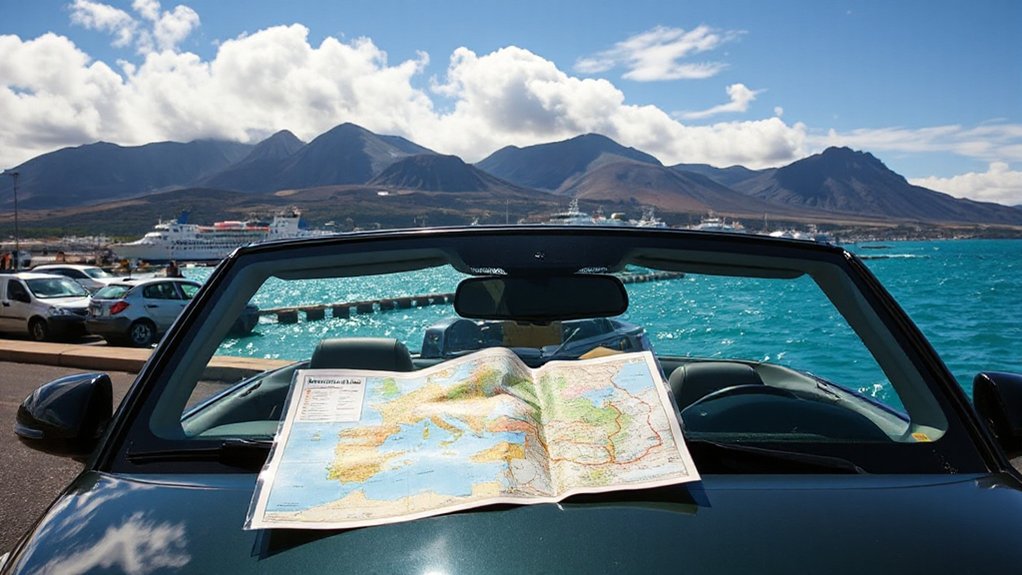
Traveling the Canary Islands by road hinges on smart vehicle choices and reliable ferries, so start by weighing a compact car for tight coastal towns against a small SUV if you plan offbeat lanes or beach access.
You’ll maximize flexibility by renting on each island, then syncing ferries or inter-island hops with your timeline. Check vehicle size limits, loading times, and reservation windows to avoid delays that throw off your day.
When choosing ferries, prioritize routes with frequent crossings and accessible decks for gear like surfboards or hiking packs.
Respect island ecosystems by avoiding dune offshoots and sticking to marked lanes near beaches.
Time your trip with local festivals to taste culture without overwhelming roads, and remember responsible travel supports resilient island ecosystems.
Core Routes for a Canary Islands Road Trip: North, South, and Central Highlights
You’ll chart a course that threads the North Coast highlights, where rugged cliffs meet hidden coves, with practical tips for timing and scenery.
Then swing to the Central Canyon routes, where dramatic gorges and lookout towns reward patient driving and well-planned stops.
Finally, map the Southern Island passages for breezy coastlines, iconic beaches, and efficient ferry links that keep your momentum intact.
North Coast Highlights
The North Coast of Tenerife, La Palma, and Gran Canaria unfolds as a dramatic prelude to the islands’ character, where rugged cliffs meet lush ravines and fishing towns hum with welcome. You drive with purpose, tracing coastal roads that reveal raw beauty without sacrificing practicality.
Start with beach relaxation at sheltered coves, then pivot to brisk viewpoints that frame volcanic cliffs against a turquoise sea. In towns, you’ll encounter historical landmarks—the old harbor, stone churches, and markets that keep age-old customs alive.
Plan short, scenic detours to capture sea spray and panoramas, then return inland for efficient fuel and lunch breaks. This coast teaches balance: awe on the outside, solid logistics on the inside.
Stay flexible, but focused on concise, memorable stops.
Central Canyon Routes
From the North Coast’s salt spray and cliffside panoramas, shift your map inland to the Canary Islands’ dramatic central canyons, where volcanic guts have carved deep channels and terraced farms into the landscape. You’ll trace a route that balances raw geology with human flavor, moving through rugged gorges and quiet villages, where time slows to harvest rhythms and road edges glow with lava rock.
- Conquer the high-contrast canyons at dawn, then descend into lush terraces that reveal ancient irrigation tech and volcanic landscapes.
- Pause at viewpoints that frame volcanic peaks against citrus groves, and time a stop for a local Cultural festivals.
- Follow narrow lanes to shepherd trails, returning via winding switchbacks that showcase canyon sculpting and panoramas.
Southern Island Passages
Follow coastal curves until you reach hamlets where farmers harness volcanic formations to irrigate terraces, yielding bold wines and stubborn citrus. The route rewards early starts and steady pacing, so you feel the land’s pulse rather than rush past it.
Look for wildflower blooms along roadside verges after spring rains, and pause at lookout points where craters loom. Pack water, sturdy shoes, and a camera, because dramatic light and rugged terrain elevate every mile.
Renting vs. Owning: Budgeting Your Canary Islands Trip
When you weigh renting a car against owning one for your Canary Islands road trip, you’ll want to map out total costs, including daily rates, fuel, insurance, and potential maintenance.
Consider ownership versus rental costs over your planned duration, plus depreciation and resale risk if you’re only visiting briefly.
Don’t overlook hidden expenses like parking fees, tolls, and flexible-trip shifts that can surprise your budget.
Budgeting Car Rentals
Renting a car in the Canary Islands can be the smartest way to see the archipelago, but you’ll want a tight budget plan before you lock anything in. You’ll optimize value by timing pickups, comparing insurance, and choosing fuel-efficient options. The goal is steady, honest pricing that keeps your trip flexible and memorable.
1) Lock in a mid-size hatchback with efficient fuel use, but check mileage caps and hidden fees before confirming.
2) Slice costs by aligning rentals with local festivals or peak-season gaps, and compare cross-island routes to avoid backtracking.
3) Pack smart: bring essential hiking gear, rain shell, and a compact first-aid kit to sidestep impulse buys at tourist shops.
This approach keeps your budget tight while letting you chase rugged scenery and offbeat trails.
Ownership vs Rental Costs
Owning a vehicle in the Canary Islands isn’t about sunk costs alone; it’s about the freedom to chase hidden beaches and alpine trails on your schedule, while rental costs are a predictable line item you can dial up or down.
When you compare, ownership costs include depreciation, insurance, maintenance, and fuel—persistent, variable, and easy to misjudge. Rental expenses, by contrast, offer budgeting simplicity: daily rates, insurance coverage, and mileage caps.
If you plan multiple islands or extended stays, ownership may pay off through consistent access and resilience against peak-season price spikes. Yet, if your trip is short or light on mileage, rentals deliver flexibility without long commitment.
Balance your itinerary against the true total cost to decide where your Canary Islands adventure fits best.
Hidden Trip Expenses
- Assess fuel surges, tolls, and parking, not just base mileage.
- Flag insurance quirks, GPS, and roadside-start charges that compound over days.
- Plan for maintenance windows, cleaning, and return fees that hide in the fine print.
Pack Smart for Volcanic Terrain and Varied Weather

When you head into volcanic terrain and changing weather, packing smart becomes the difference between a comfortable day and a frustrating detour. You’ll hike lava fields, then duck into misty cliffs, so bring a lightweight waterproof shell, breathable layers, and a compact insulating layer for chilly gusts.
Wear sturdy, grippy footwear and carry trekking poles for uneven ground. Pack a small emergency kit: map, compass, first aid, flashlight, and a multi-tool. Hydration matters—fill a reliable bottle and add electrolyte tabs.
In volcanic heat, sun protection isn’t optional: hat, sunglasses, and high-SPF. Include dry socks and a quick-dry towel.
Plan rest stops around cultural festivals and markets where you can sample local crafts, fueling morale without spending extra miles. Stay organized, adjust on the go, and avoid avoidable detours.
Must-See Viewpoints and Nature Trails on Each Island
From each island’s edge to its heart, you’ll find viewpoints that pair dramatic coastlines with nature trails that push your pace without exhausting you. You’ll experience wildflower blooms peppering volcanic formations, turning rocky climbs into color-rich rewards. Plan routes that balance lookout moments with shaded paths, so you stay energized and focused.
1) Tenerife’s Roques de García trail to viewpoints above Mount Teide, where lava textures meet sky.
2) La Palma’s Ruta de los Volcanes, weaving past lava tubes and cloud-kissed summits with lush flora.
3) Gran Canaria’s Bandama Caldera loop, blending crater vistas, pine-scented air, and coastal panoramas.
Choose early starts, carry water, and let each stride reveal a new curtain of island beauty.
Charming Towns and Local Cuisine on Each Stop
Centered on each island’s pulse, you’ll savor charming towns where cobbled lanes, color-washed façades, and waterfront markets invite lingering pauses between tastings and toasts. You’ll map local cuisines that lean into simple, bold flavors: goat cheese, paprika, fresh seafood, and robust wines.
In Gran Canaria and Tenerife, stroll plazas between tapas bars and family-owned bakeries, then grab a bite at markets that pulse with produce and charmed chatter.
On Lanzarote, you’ll taste volcanic give-and-take—smoked fish, citrus, and hearty stews in intimate eateries.
On La Palma, La Gomera, and Fuerteventura, follow coastal lanes to craft shops, riverside cafés, and cliff-top tavernas offering small plates perfect for sharing.
Expect local festivals, guiding you to music, dancing, and seasonal specialties, with hiking trails nearby for balance.
Managing Ferries, Timetables, and Weather Delays
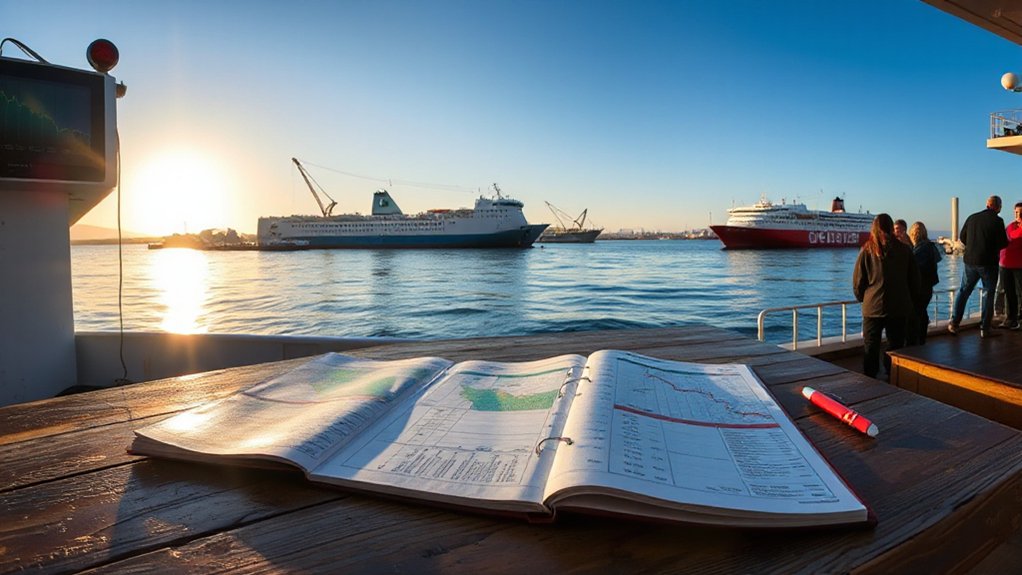
You’ll map your routes around ferry timetables and bridge them with realistic buffers for weather delays.
Stay on top of updated schedules, buy flexible tickets when possible, and keep a backup plan for sudden weather shifts.
With clear prioritization and steady checks, you’ll keep the trip flowing smoothly even when plans wobble.
Ferry Timetable Planning
- Build a core grid of non-negotiable ferries, then slot flexible days around them.
- Check wind and wave forecasts; choose morning sails to reduce weather delay risk.
- Book early, but keep a buffer for spontaneous adventures and arid-lands onshore explorations.
Keep your plan lean, informed, and ready to adapt as you chase the next horizon.
Weather Delay Mitigation
Weather delays don’t have to derail your Canary Islands road trip—think of them as a test of your plan’s resilience. You stay ahead by buffering ferries and timetables with flexible slots, so a weather hiccup becomes a minor pause, not a stall.
Build a shoreline contingency: when seas rise, switch to nearby interior routes or ferries with later departures, keeping your days intact. Track marine forecasts daily, and subscribe to alerts from operators; a single ping can save a morning scramble.
Pack light layers for sudden fog or wind, and keep beach relaxation in reach during breaks so mood stays buoyant. Sync trips with local festivals to leverage weather windows, turning delays into opportunities rather than dead ends.
Safety, Driving Rules, and Fuel on Canary Island Roads
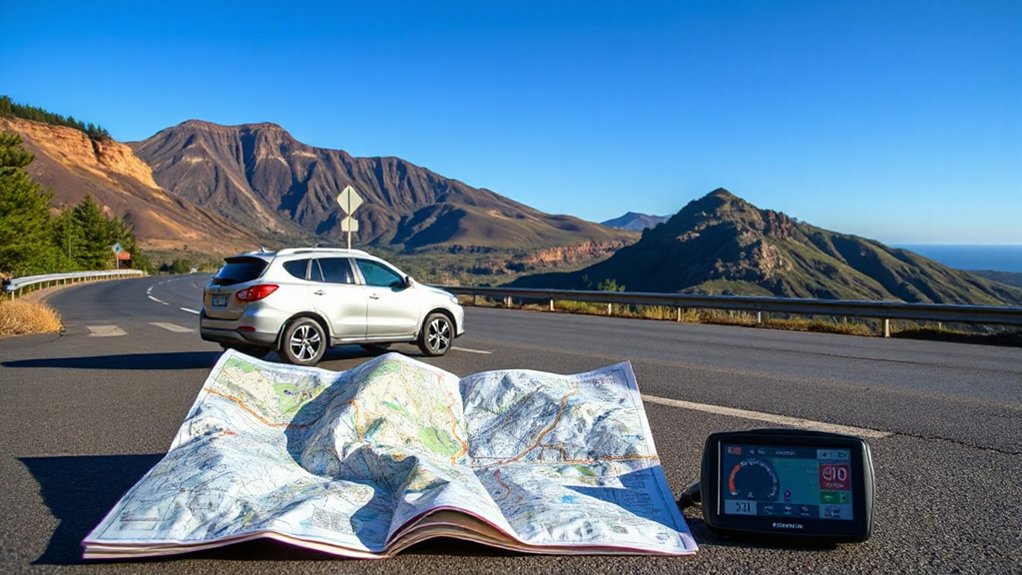
In the Canary Islands, safety on the road hinges on smart preparation, attentive driving, and knowing local rules that can surprise visitors. You’ll keep risks low by checking fuel and tires, and by planning routes to avoid steep, narrow lanes at night.
Road safety hinges on clear signals, cautious overtaking, and respecting local speed limits, which vary by viaducts and urban zones.
Vehicle maintenance isn’t optional here; inspect brakes, lights, and fluids before you roll. Stay hydrated, use seat belts, and avoid distractions on winding coastlines.
- Check fuel and tires before mountain climbs
- Prioritize road safety by following signs and speed limits
- Schedule regular maintenance checks for reliability and peace of mind
Budget Tips: Accommodations, Food, and Activities
Let’s map out your Canary Island budget with sharp, practical moves: you’ll grab Budget Lodging Hacks that balance comfort and price, feast on Dining On a Dime without skimping on flavor, and mix in Low-Cost Activities Now to stretch every euro.
You’ll compare hostels, guesthouses, and smartly located apartments, and use flexible booking to snag steady deals.
Ready to trim costs without sacrificing the experience, so your road trip stays rich in sights, bites, and memories.
Budget Lodging Hacks
Budget lodging in the Canary Islands doesn’t have to drain your wallet: with smart choices, you can rest easy without overspending. You’ll find comfort without the splurge, and your trip stays thrilling, not costly.
1) Seek apartments or hostels with kitchen access; cooking saves cash and frees you to linger over travel photography spots at golden hour rather than chasing overpriced meals.
2) Book early or last-minute on trusted platforms, and target stays near public transport to cut transfer costs while still catching local festivals and atmospheric neighborhoods.
3) Combine loyalty programs, seasonal discounts, and flexible dates to maximize value while keeping a steady rhythm for your road trip.
Between stays, pack light, scout free viewpoints, and pace days for spontaneous sights.
Dining On a Dime
Five smart moves keep dining on a dime while you road trip the Canary Islands: hunt for meals where locals eat, leverage markets for fresh bites, and balance splurges with simple, satisfying fare. You’ll save by choosing family spots, where portions feed a traveler and chatter adds flavor.
Seek beach snacks from fishermen’s stalls, then wash it down with crisp, local wines at sunset viewpoints. Plan a rotation of cheap eats, midrange tapas, and occasional splurges on standout dishes to stretch your budget without starving curiosity.
Carry a small cooler for picnics, and refill water bottles to cut costs. Mind seasonal produce, avoid tourist traps, and pace indulgence with disciplined grazing—your wallet and palate will thank you.
Low-Cost Activities Now
When you map out a Canary Islands road trip on a shoestring, low-cost activities become your strongest anchor—from free coastal hikes with panoramic Atlantic views to city-center scavenger hunts that unearth local charms without denting your wallet. You’ll blend smart planning with local flair, prioritizing experiences over splurges and keeping your itinerary lean yet vibrant.
1) Hit free or donation-based events at local festivals and markets, then swing by souvenir shopping spots for affordable keepsakes.
2) Seek budget-friendly hikes, shorefront strolls, and public beaches, pairing them with inexpensive bites from neighborhood kiosks.
3) Schedule self-guided museum hours and library programs to soak up culture without extra costs.
Tech and Navigation Essentials for Smooth Travel
Invest in a compact power bank with quick-charge capability to keep devices awake during long drives. Use tech gadgets that reduce guesswork, but don’t rely on them alone; learn basic offline maps for Tenerife’s highways and Gran Canaria’s cliffside passes.
Favor navigation apps that offer offline routes, real-time traffic, and ETA estimates. Remember: keep your devices updated, battery-friendly, and within reach to maintain focus on the road.
7–10 Day Itinerary Templates and Customization Ideas
You’ve got the tech basics locked in, so it’s time to shape a 0-day itinerary that feels tailored yet simple to execute. Use templates as anchors, then customize by pace, scenery, and snack breaks. Your aim is clarity, not chaos, so keep routes short and switchable if weather shifts.
1) Pick one core anchor—a lookout, a coastal town, or a volcanic park—and define a single, achievable loop.
2) Build in one flexible detour: a scenic road, a cafe, or a museum, ready to swap in minutes.
3) Add essential protections like Travel insurance and a quick Car maintenance check before departure, plus a safety margin for delays.
This approach keeps you efficient, prepared, and centered on experience.
Frequently Asked Questions
Which Island Is Best to Start a Week-Long Road Trip?
Start on Tenerife, your best Starting points for a week-long loop, and you’ll savor diverse landscapes. Island comparisons favor Tenerife’s central hub, then Lanzarote or Gran Canaria for pacing, beaches, and volcanic awe guiding your route with confident momentum.
How to Responsibly Rent a Car With Minimal Fees?
Yes—book early, compare rental insurers, and skip extras you don’t need. You’ll protect yourself with rental insurance, choose transparent Fuel policies, and watch for hidden fees; you’ll negotiate a fair rate and minimize surprises on the road.
Can You Drive Across All Islands in One Day?
No, you can’t drive across all islands in one day. You’ll island hop by ferry, syncing schedules to minimize backtracking. Keep Ferry schedules in hand, plan breaks, and pace your route for practical, scenic island hopping.
What’s the Easiest Way to Reserve Ferries Last-Minute?
Ferry booking favors fast, frictionless fixes: grab last-minute reservations via official ferry sites, apps, or phone lines, preferably during off-peak hours. You secure seats, skip stress, save money, and sail smoothly with confident, concrete steps.
How Do Weather Changes Affect Road Conditions and Safety?
Weather changes sway road conditions: Seasonal rain slicks curves, reduces visibility, and can flood low areas; wind influence ramps up with coastal cliffs, tipping dust, challenging gusts on exposed stretches. Slow down, tighten grip, and stay vigilant.
Conclusion
Bit by bit, you’ll feel the Canary Islands open up under your wheels, revealing volcanic seas, pine-scented peaks, and sunlit coastlines. Plan with intention, pack light, and ferry smartly between islands. Stay flexible, because roads surprise, weather shifts, and you’ll want to linger where the view stuns. Drive with caution, fuel up, and budget for tapas and sunsets. Your road trip is a living map, a compass that points you toward wonder—like a ship finding harbor after a long voyage.