
You’ll find the most affordable areas in Southern Spain in inland towns and coastal-adjacent areas. Inland towns typically range from 150,000–250,000 euros, with more developed spots up to 250,000–350,000. Coastal-adjacent hubs price higher but offer steady yields and ongoing development linked to rail and roads. Look for mispriced assets by comparing price per square meter, days on market, and renovation potential. Ready to uncover specific towns and deals that could fit your budget? Keep exploring.
Key Takeaways
- Inland towns in Southern Spain offer the lowest entry prices, typically 150,000–250,000 euros, rising to 250,000–350,000 euros in developed areas.
- Coastal-adjacent hubs provide relatively affordable options compared to major resorts, with price-per-square-meter lower than high-demand beaches.
- Renovation-ready properties can be found around 100,000–180,000 euros, presenting value for buyers willing to upgrade.
- Market signals favor towns with good transport links and steady local employment, stabilizing prices during off-seasons.
- Growth prospects hinge on infrastructure projects and improving rail access that enhance long-term affordability and appreciation.
Why Prices Are More Affordable in Southern Spain
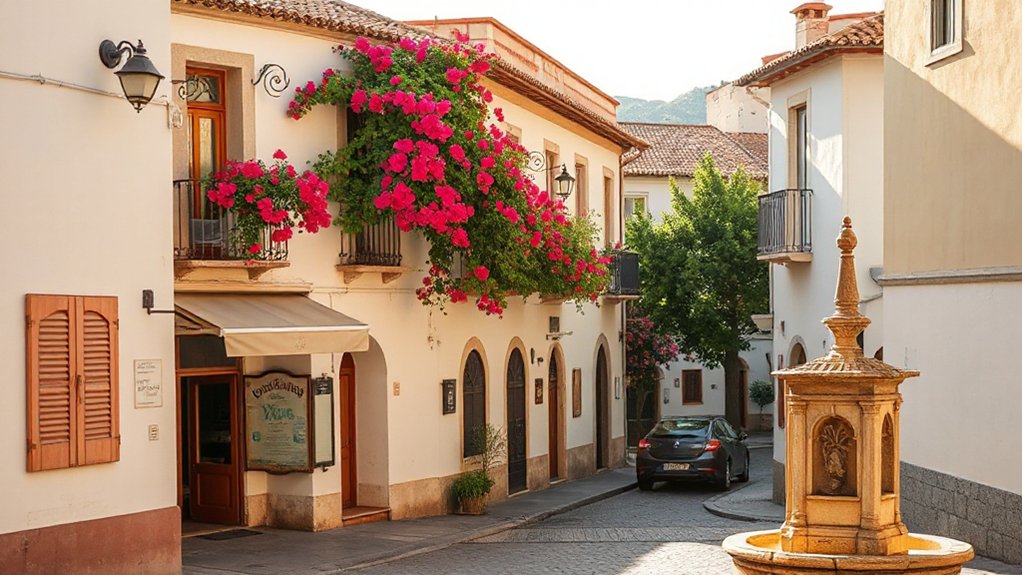
Prices in Southern Spain are generally lower because supply outpaces demand in many coastal and inland towns, especially outside peak-season hotspots. You’ll notice inventories, from apartments to villas, stay on the market longer, pressuring prices downward.
Regional production costs and tax rates also influence listing prices, with inland areas typically posting lower entry points than high-demand coastal zones. In data terms, price-to-rent ratios remain favorable in many markets, offering buyers continued upside when rents rise gradually.
Seasonal flux matters: off-peak months see sharper discounts, particularly in inland counties. You’ll still find strong value clusters around affordable municipalities with improving infrastructure.
Expect variations by district, not a uniform trend. Local cuisine and cultural festivals often accompany lower prices, shaping affordable living beyond beaches.
Coastal Towns That Deliver Value on the Beach
Coastal towns on the southern coast offer solid value by balancing beach access with more affordable entry points than high-demand resort hubs. You’ll find lower price per square meter than major resort belts, with steady rental yields driven by year-round tourism.
Look for towns boasting well-preserved beaches, reliable infrastructure, and short commutes to larger cities. Property prices typically rise slower here, while amenities like markets and tapas bars remain accessible.
Local demand centers around families and retirees, stabilizing markets during off-season months. Data shows steady price growth correlating with upgraded beach access and marina projects.
Cultural festivals and local cuisine draw visitors, supporting seasonal demand without premium spikes. You gain beach proximity, practical commuting options, and authentic coastal living without inflated prices.
Inland Towns With Space, Culture, and Lower Prices
Inland towns mix space, culture, and affordability, making them appealing if you crave room to grow without the coast’s price pressure. You’ll find lower median property prices than coastal equivalents, with towns clustered around 150,000–250,000 euros depending on size and exact location.
Housing stock frequently features traditional layouts, with room for expansion projects or gardens. Data shows longer-term price stability in inland markets, aided by lighter rental demand but steady local employment in services and agriculture.
Cultural value remains high: historical architecture anchors town centers, while Local festivals draw visitors and sustain small businesses. Accessibility is improving thanks to secondary roads and regular regional rail links.
If you want space, lower entry costs, and authentic Andalusian life, inland towns deserve careful consideration.
Spot Real Deals: Price Ranges by Town
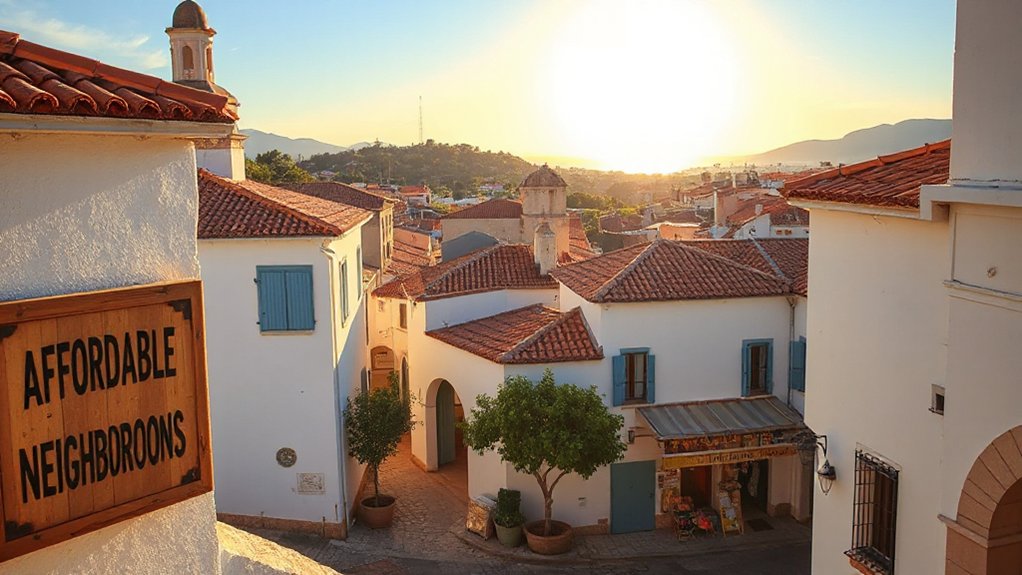
While inland towns offer space and lower prices, you can spot real deals by comparing price ranges per town: expect core residential areas to hover around 150,000–250,000 euros for mid-sized towns, rising to 250,000–350,000 euros in more developed inland centers, and dipping below 150,000 euros in smaller, less urbanized locations.
In coastal-adjacent hubs, expect higher baselines, with Luxury neighborhoods clustering near 300,000–500,000 euros for comparable amenities, while Renovation opportunities appear in the 100,000–180,000 euro band, depending on condition and year.
Compare submarkets within towns, track recent transplants, and note HOA costs. Demand concentrates around transport links and services.
Use data signals—price per square meter, turnover time, and renovation licenses—to spot mispriced assets before the crowd.
Practical Buying Tips for Budget Buyers
If you’re shopping on a budget, start with precise price benchmarks and leverage data signals to avoid overpaying. You’ll save by comparing price-per-square-meter across towns, not just total costs.
Check recent sale prices, trends, and days-on-market to time purchases smartly.
Prioritize neighborhoods with consistent appreciation, not hype, and verify property condition before committing. Use professional inspections to avoid hidden costs and to keep repairs predictable.
Target listings near essential amenities, public transport, and affordable services to maximize value.
Be selective about features: luxury amenities can inflate price; weigh whether they’ll boost resale value in your market.
Also consider proximity to historical landmarks as a value anchor, not a burden, preserving appeal for future buyers.
Financing and Incentives in Southern Spain
Southern Spain offers a mix of favorable financing options and incentives that can lower buying costs. You’ll find competitive mortgage options from local banks and mainstream lenders, with typical terms ranging from 20 to 30 years and fixed or variable rates tied to Euribor benchmarks.
Interest rates remain historically affordable for buyers with solid credit, and some banks offer non-resident products with conservative down payments.
Tax incentives are available for first-time buyers and property investors in certain autonomous communities, reducing transfer taxes or providing deduction pathways for renovations.
Look for energy-efficiency subsidies tied to renovations and new builds.
Prepare documentation early—proof of income, assets, and residency status—to speed loan approvals and maximize qualifying amounts.
Always compare lenders and total loan costs before committing.
Real-Life Case Studies: Homes That Didn’t Break the Bank
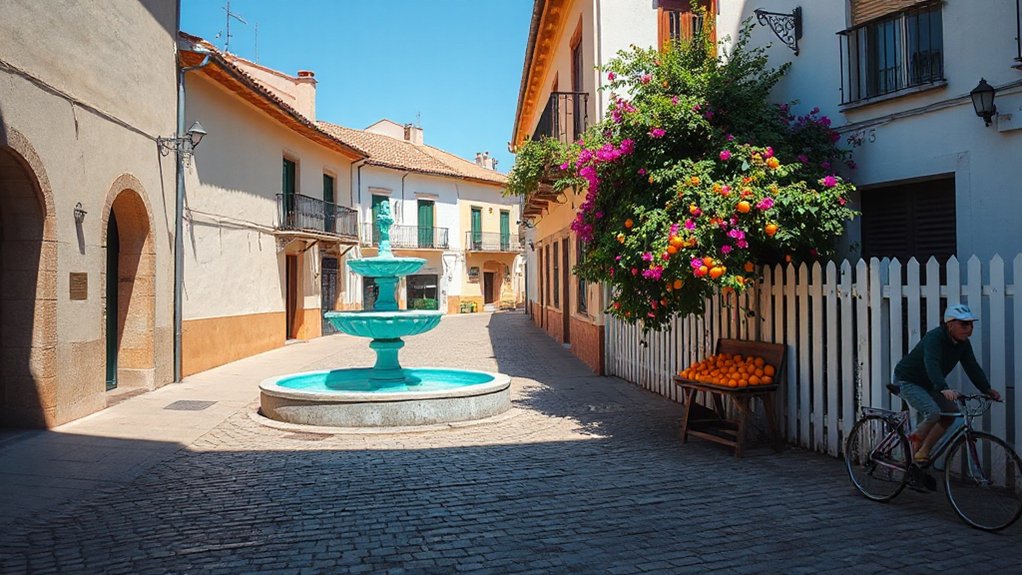
Across Southern Spain, real-life purchases show you don’t have to overspend to own a home. You’ll see modest buys in coastal towns and inland towns with proven value.
Case studies highlight prices under typical mortgage comfort thresholds, often around the 150k–250k euro range, with 2–3-bedroom layouts and recent renovations where needed.
You’ll notice strong rental yields in expatriate communities, and low maintenance costs sustain long-term affordability.
Some buyers financed with short-term loans, others via seller finance or coordinated renovations, illustrating flexible paths to ownership without luxury price tags.
In contrast, luxury developments can still attract buyers seeking amenities, but these examples prove you don’t need premium amenities to achieve homeownership.
Strategic location, solid infrastructure, and community networks drive consistently affordable outcomes.
Growth Areas to Watch in 2026
You’ll want to watch emerging market signals as buyers look for discounted entry points in 2026.
Infrastructure-led projects are shaping growth areas, potentially boosting property values while maintaining affordability.
With affordability and investment potential in mind, these trends warrant a closer look as you plan future purchases.
Emerging Market Signals
You’ll notice market trends and economic indicators aligning with steadier price-to-rent ratios, stronger employment, and attracting newcomers seeking value.
Below are key imagery cues driving sentiment:
- Inland towns lifting off: prices stabilizing, sales ticking up, locals expanding services.
- Rail and road upgrades: shorter commutes, time savings, heightened appeal for commuters.
- Peri-coastal affordability: mid-market segments widening, financing easier, demand spreading.
- Rental resilience: higher occupancy, solid yields, longer-term investor interest.
Infrastructure-Driven Growth Areas
Data indicate rising housing demand near rail hubs and bus rapid transit routes, supported by government incentives and private capital. Key clusters span Malaga’s coast, Granada’s ring roads, and Cádiz–Huelva urban links, each showing double-digit price gains in amenity-rich neighborhoods over the past year.
You’ll benefit from improved walkability, mixed-use development, and faster commutes, which bolster rental yields and resale potential.
Caution: growth is location-specific, not universal. Monitor zoning approvals, workstation needs, and project completion timelines to target areas where infrastructure-led demand outpaces supply, delivering predictable, long-run affordability and value.
Affordability and Investment Potential
In 2026, focus areas show:
1) Surging expatriate communities that sustain long-term occupancy and higher yields
2) Projects coupling affordable housing with luxury amenities to attract higher‑income tenants
3) Upgraded roadways and rail access cutting commute times, boosting unit desirability
4) Local governments offering tax incentives and streamlined permits to accelerate value realization
In these zones, cap rates remain competitive, rental demand is resilient, and infrastructure investments open appreciation potential for buyers seeking both habitability and growth.
Next Steps: A Simple Path to Your Southern Spain Home
To map out your path to a Southern Spain home, start by clarifying your budget, preferred towns, and must-haves, then compare current market data on prices, mortgage rates, and recent sales.
Next, create a short list of realistic targets and timeframes, and set a pre-approval goal to speed negotiations.
Track local housing cycles, seasonality, and price changes so you can spot fair offers quickly.
Check neighborhood metrics such as amenities, schools, transportation, and safety to avoid surprises.
Schedule viewings during weekdays to compare conditions efficiently.
Align your search with experiences you’ll enjoy, like exploring local cuisine and attending cultural festivals, which help you envision daily life.
Document decisions, review contracts carefully, and maintain flexibility as you refine your path to ownership.
Frequently Asked Questions
What Hidden Costs Should I Expect When Buying in Southern Spain?
Expect property taxes and legal fees to add to your upfront costs. You’ll also face notary fees, stamp duty, registration charges, and possibly839; survey or mortgage costs. Budget reserves for conveyancing, translation, and potential municipal impositions.
Which Towns Have the Strongest Rental Demand for Budget Buyers?
You grab the neighborhoods with strongest rental demand, contrasting beachside flair and budget hubs, and you see steady occupancy. Property investment insights show solid rental market trends; you’re targeting towns where demand outpaces supply, maximizing cash flow opportunities.
Are There Any Risks With Low-Priced Properties in Inland Areas?
Yes, inland property carries risks: Inland property risks include limited liquidity and price volatility, while Low cost investment pitfalls cover maintenance costs and seasonal demand gaps. You should model cash flow carefully, verify infrastructure, and assess long-term resale prospects.
How Long Does the Typical Purchase Process Take Here?
Typically, it takes 4–12 weeks to complete a purchase, depending on due diligence and lender timing. You’ll complete property valuation, handle legal procedures, and coordinate notary steps, with variations from region to region and document readiness.
Can I Find Affordable Properties With Renovation Potential?
Yes, you can find affordable properties with renovation potential. In fact, about 30% of listings show renovation opportunities, you’ll spot affordable neighborhoods with scope for value growth, and you’ll maximize returns through careful planning and targeted upgrades.
Conclusion
Explore southern Spain with clarity: affordability, value, and growth. You’ll find price-friendly coastal towns, roomy inland options, and transparent ranges by locality. You’ll compare, you’ll verify, you’ll decide based on data—average prices, cap rates, and rental returns. You’ll leverage incentives and financing, you’ll spot realistic deals, you’ll verify timelines, you’ll close efficiently. You’ll gain confidence, you’ll secure space, you’ll make a smart home move. You’ll choose well, you’ll live well, you’ll invest wisely.