
To buy and renovate a traditional Spanish cave house, you’ll start with a clear budget that separates land, permits, and renovation costs, plus a 10–15% contingency. Verify title and surface or subterranean rights through cadastre records, notaries, and heritage protections. Assess the cave’s thermal mass, humidity, and airflow to plan passive cooling and proper ventilation. Secure permits and plan phased renovations that respect original textures and materials. Ready to move forward, you’ll uncover practical steps you can apply next.
Key Takeaways
- Understand climate and passive design: caves stay cool summers and warm winters, guiding alignment, ventilation, and insulation choices.
- Plan finances and timeline: separate fixed/variable costs, add 10–15% contingency, and map milestones from due diligence to move-in.
- Verify legal rights: confirm land tenure, surface/subterranean rights, permits, heritage status, and zoning to secure financing.
- Preserve structure and humidity: assess thermal mass, humidity trends, and moisture control to protect original textures and stability.
- Phase renovation and move-in: use reversible, breathable materials; align with heritage requirements; and implement staged drainage, utilities, and safety clearance.
Why a Traditional Spanish Cave House Feels Special
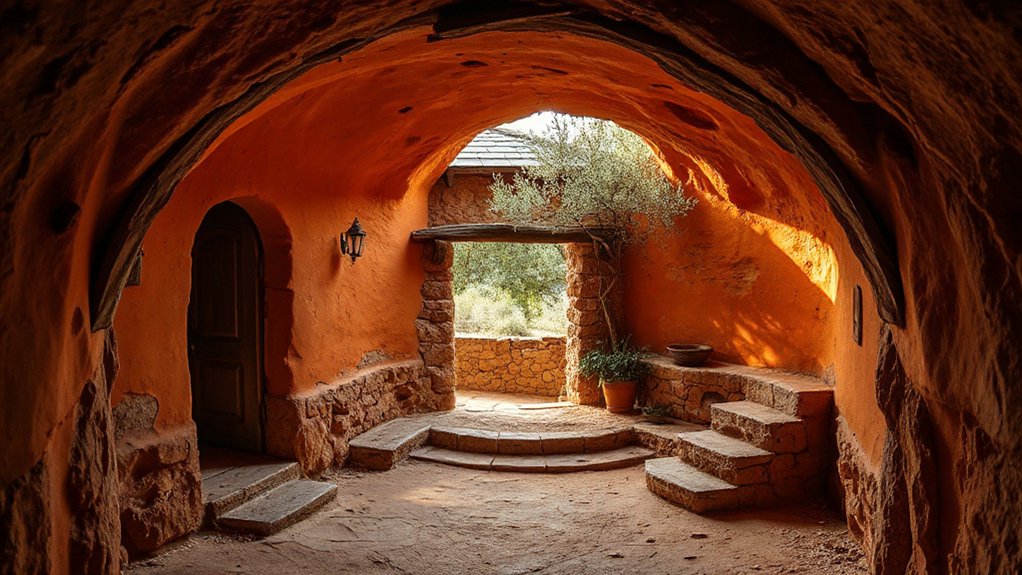
Caves have a quiet guarantee: they stay cool in summer, warm in winter, and protected from the outside world. You sense something deeper when you step inside a traditional Spanish cave house: a living link to centuries of regional adaptation, craftsmanship, and habit.
The walls, carved from local limestone, carry cultural significance in how communities shared space, food, and rituals beneath the surface. You’ll notice the architectural uniqueness emerge in passive cooling corridors, subterranean kitchens, and storage heuristics that echoed communal life.
This isn’t novelty; it reflects practical geo-climate responses, religious and social continuity, and a vernacular aesthetic rooted in Iberian history. The experience feels deliberate, grounded, and historically resonant, inviting you to contemplate how endurance can shape daily comfort and identity.
Build Your Cave Purchase Budget: Financial Guardrails
Buying a cave is as much about practical budgeting as it’s about place, so start with guardrails that reflect both history and your plans. Your cave purchase budget should distinguish fixed costs (land, permits, structural updates) from variable ones (renovation scope, finishes).
Set a ceiling for land and access, then a contingency of 10–15% for hidden cave quirks. Budget planning requires realistic timeframes: line up funds for initial acquisition, due diligence, and phased renovations, not one lump sum.
Track funding sources—personal savings, loans, grants, or partnerships—so you know your financing mix before you tour sites. Build in depreciation for labor shifts and material volatility.
Maintain documentation, revisions, and a transparent reserve to adapt to discoveries during excavation and stabilization.
How to Verify a Cave Title and Legal Status
Before you commit to a cave purchase, confirm its title and legal status with precision: verify land tenure, surface and subterranean rights, and any encumbrances that could affect renovation plans. You’ll check cadastre records, notaries, and municipal registros for chain of title and past ownership.
Confirm permits, easements, and any heritage declarations tied to Cave architecture or archaeological protections. Assess zoning classifications, building codes, and required approvals for renovations, especially structural changes or additions.
Document surface rights, groundwater usage, and access routes to avoid future disputes. Consider cultural significance and local precedents that shape encroachment rules.
A clear, legally sound status minimizes risk, helps secure financing, and preserves authentic characteristics without compromising safety or historical integrity.
Assessing Cave Thermal Mass and Climate Control Options
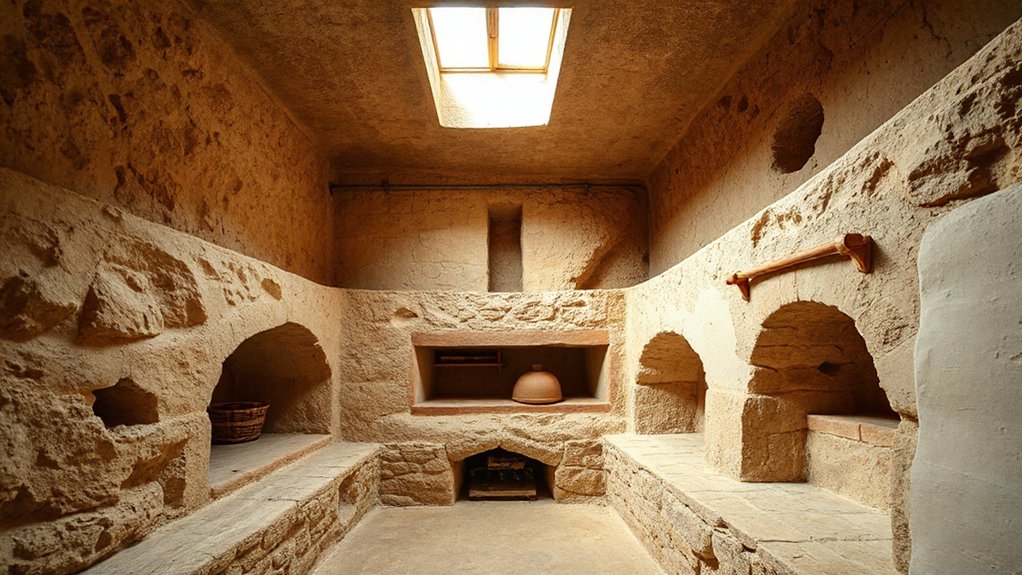
As you move from confirming title and status, you’ll assess how the cave’s thermal mass and nearby climate control options shape comfort and renovations. You understand that thick limestone walls store heat and coolth, damping diurnal swings and reducing energy needs.
In Andalusian cave interiors, thermal mass interacts with seasonal airflows, groundwater humidity, and shade from entrances or exposed entrances. You evaluate ventilation strategies, noting that simple passive stacks and escape routes rely on pressure differentials rather than modern HVAC.
Climate control considerations include targeted insulation, radiant floors, and discreet vents that preserve historic character. Your goal is steady, year-round comfort with minimal intervention, balancing preservation with practical upgrades.
Document measurements, material compatibility, and potential microclimates to guide renovations responsibly.
Navigating Permits and Renovation Rules in Andalucía
Managing permits and renovation rules in Andalucía requires careful, site-specific planning from the outset. You’ll confront local zoning constraints and regional building codes that govern cave adaptations, utility connections, and insulation changes.
Begin with a formal assessment of property classification, then verify permitted uses with the municipal planning department to avoid later reversals. You should also map historical preservation considerations, since many caves sit within protected landscapes or heritage zones with stricter oversight.
Documented plans, structural surveys, and drainage diagrams help streamline approval. Expect variance between municipalities, so consult a local architect familiar with cave construction.
Always align your project with community regulations and environmental guidelines to minimize disputes, guarantee compliance, and preserve regional character while enabling safe, long-term occupancy.
Renovations That Protect the Cave’s Structure and Character
Renovating a cave without compromising its integrity means prioritizing the rock’s natural structure and historical character from day one. You’ll focus on minimal intrusion, selecting reversible methods that respect original textures and formations.
Preserve wall faces where possible, and document cave art, inscriptions, or construction marks to guide future decisions. Use compatible materials—lime plasters, breathable renders, and non-damaging fasteners—to avoid moisture traps and stress cracks.
Reinforce only when structural assessments demand, avoiding over-Young or invasive supports that alter the cave’s silhouette. Employ artistic craftsmanship to integrate new spaces with traditional lines, arches, and ceilings, keeping proportions faithful to the site.
This approach supports Cultural preservation while retaining the cave’s authentic ambiance and historical value for generations.
Natural Ways to Improve Insulation, Humidity, and Ventilation
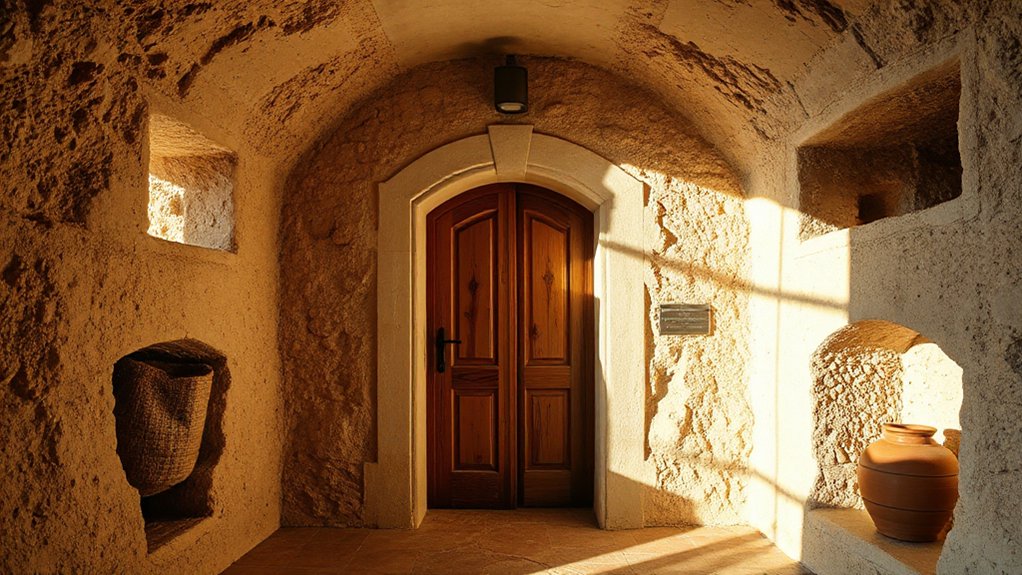
You’ll explore practical insulation improvements, balancing traditional materials with modern efficiency to respect the cave’s historic character.
Humidity and ventilation strategies focus on steady air exchange and moisture control without compromising the ancient stonework.
Insulation Improvement Techniques
Cave houses absorb both heat and moisture, so effective insulation starts with addressing airflow: seal gaps around doors and vent openings with natural materials like hempcrete or lime plaster. Then layer breathable insulations that prevent interior condensation.
You’ll prioritize mineral wool or sheep’s wool blends where wall sections allow, keeping ratios minimal to preserve thermal mass. Apply lime plaster breathable membranes behind any exterior cladding to vent moisture outward, not inward.
Use natural fiber blankets in attics or upper niches to stabilize interior drafts without choking airflow. Maintain interior decor that respects traditional lines while reducing heat flux, and document cultural significance by choosing finishes that age gracefully.
This approach sustains comfort, durability, and authentic cave-house character without compromising historic integrity.
Humidity and Ventilation Tips
Humidity and ventilation are as essential as insulation in traditional cave houses; when moisture is managed, the interior stays comfortable and durable. You’ll want strategies that align with cave construction and seasonal shifts.
Begin with humidity control by monitoring dew points and using naturally breathable materials, like lime plaster, to regulate humidity without trapping dampness.
Elevate airflow where it matters: door thresholds, arched corridors, and shaded courtyards encourage gentle drafts that remove excess moisture.
Install unobtrusive ventilation systems that respect the rock’s microclimate, avoiding large mechanical fans that disrupt stability.
Use vents near living spaces and storage areas to balance humidity across rooms.
Keep humidity data over time to tailor opening timings and materials, preserving historic textures while preventing mold and rot.
Timeline and Milestones: From Purchase to Move-In
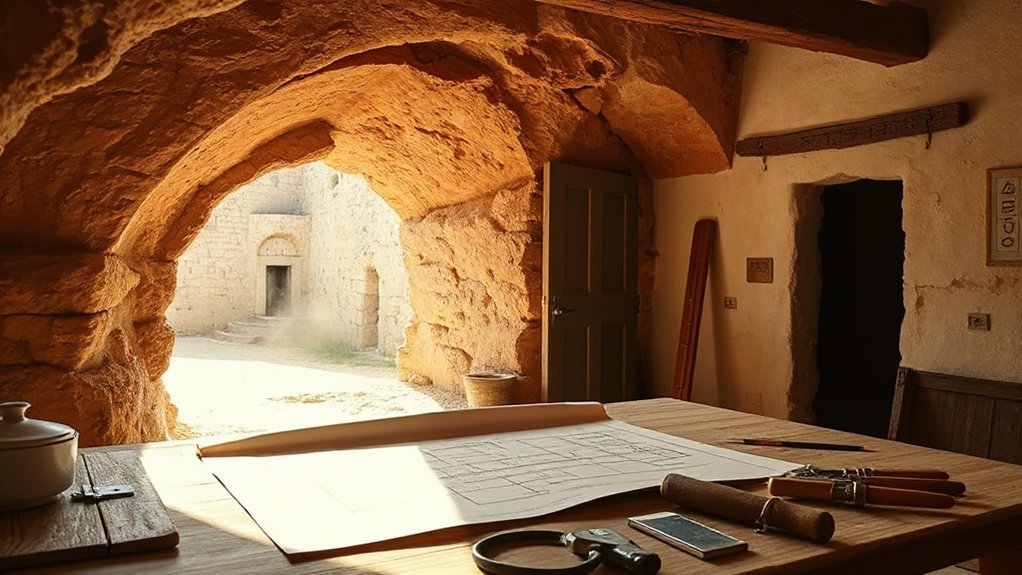
You’ll map out the Purchase Timeline Milestones to align financing, permits, and key inspections with when you can secure the cave house.
As you move into Renovation Move-In Checklist planning, you’ll anchor critical tasks—from structural concerns to utility upgrades—to a realistic, historically grounded timetable.
This opening frame sets a clear sequence for buyers to track progress from contract to comfortable, ready-to-live-in spaces.
Purchase Timeline Milestones
After you find a suitable cave house, map out a realistic purchase-to-move-in timeline by identifying key milestones: securing financing, signing the contract, completing surveys and due diligence, arranging inspections, negotiating repairs or credits, obtaining all permits, scheduling trades, and staging the property for occupancy.
You’ll anchor decisions to historical preservation and cultural significance, ensuring measures respect original features like rock walls, ceilings, and archaeological context.
Timeline precision matters: pre-contract contingencies, title review, and risk assessment set the pace.
During surveys, verify zoning, drainage, and cave stability.
Inspections target moisture, ventilation, electrical, and plumbing integration with the rock.
Permit processing may require heritage declarations.
Coordinate trades sequentially, avoid overlap, and allocate buffer days for weather.
Final walkthrough confirms condition before handover, then you move in with care.
Renovation Move-In Checklist
As you shift from purchase to occupancy, start with a Renovation Move-In Checklist that aligns with the timeline and milestones you established, ensuring all work respects the cave’s rock architecture and historical context. Begin with safety clearance and permit confirmation, then finalize structural tolerances, drainage, and humidity control to stabilize interiors.
Schedule electricians and plumbers to minimize wall intrusion, preserving rock niches and heritage features. Set core interior decor priorities that honor cultural significance while meeting modern needs—lighting that highlights textures, earthen finishes, and discreet storage.
Coordinate HVAC zoning for thermal comfort, monitor ventilation, and document every change for future preservation. Create a practical move-in day plan, staged deliveries, and a contingency budget to avoid delays that compromise authenticity.
Maintain clear records for custodianship and potential lending or grants.
Frequently Asked Questions
How Do Cave Houses Affect Electricity Costs Long-Term?
Cave houses often cut long-term electricity costs due to natural insulation and stable indoor temperatures. You’ll benefit from energy efficiency gains, especially with robust insulation techniques that reduce heating and cooling demands, keeping seasonal bills comparatively low.
What Are Common Hidden Maintenance Issues After Purchase?
A striking 60% of buyers miss earlier moisture clues; you should inspect for hidden leaks and structural shifts. You’ll want cave insulation checks and interior lighting updates, because overlooked dampness can wreck energy use and provoke mold long-term.
Is Solar Thermal Cooling Viable for Caves?
Yes, solar cooling can work in caves, but effectiveness hinges on proper cave insulation and vents. You’ll need well-sealed thermal mass, strategic shading, and efficient heat exchange to maintain stable temps without costly energy peaks.
How Do Neighbors Affect Cave Renovation Permissions?
Neighbor influence shapes your cave renovation permissions; locals’ input can delay or redirect plans. You’ll need to consult neighbors early, document concerns, follow local zoning, and align your design with historical context to gain smoother approval.
Can I Convert Cave Interiors Without Damaging Walls?
Yes, you can, but you must plan carefully. Cave interior insulation and wall reinforcement techniques protect your walls while avoiding damage; balance historic accuracy with modern needs, and document changes for neighbors, authorities, and future cave stability.
Conclusion
You’ll own a doorway into earth’s quiet history, a home where stone remembers the old ways and your future breathes cooler air. As you navigate titles, permits, and clever renovations, picture Andalusia’s whitewashed horizons guiding you home. Like a hidden alcázar, your cave endures—humble on the surface, timeless beneath. Treat each step as a page turning in a well-worn manuscript: respect the cave, honor its climate, and your life will glide smoothly through its cool, whispered halls.