
Cave houses in Spain attract expats with cool, comfortable living that stays steady through rising temps, thanks to thick stone walls and natural insulation. You’ll feel a quiet, grounded pace, where sunlit nooks meet subterranean shade, and gardens breathe moisture into stone. Costs stay predictable, maintenance is manageable, and energy bills drop. The architecture’s charm—textures, art, and history—adds a deep sense of place. If you keep exploring, you’ll discover practical steps behind this appeal, right ahead.
Key Takeaways
- Natural cooling and energy efficiency keep costs low in Spain’s warm climate, appealing to expats seeking comfortable, low-maintenance homes.
- Thick stone walls and subterranean design offer stable interiors with reduced heating and cooling needs year-round.
- Unique cultural and historical ambiance, including cave art and local traditions, provide an authentic and distinctive living experience.
- Quiet, community-oriented lifestyle with markets, gardens, and festivals fosters a strong sense of belonging for newcomers.
- Durable, low-visibility maintenance and long-term savings from reduced utility bills attract expats prioritizing budget and sustainability.
Why Cave Homes Suit Expats in Spain
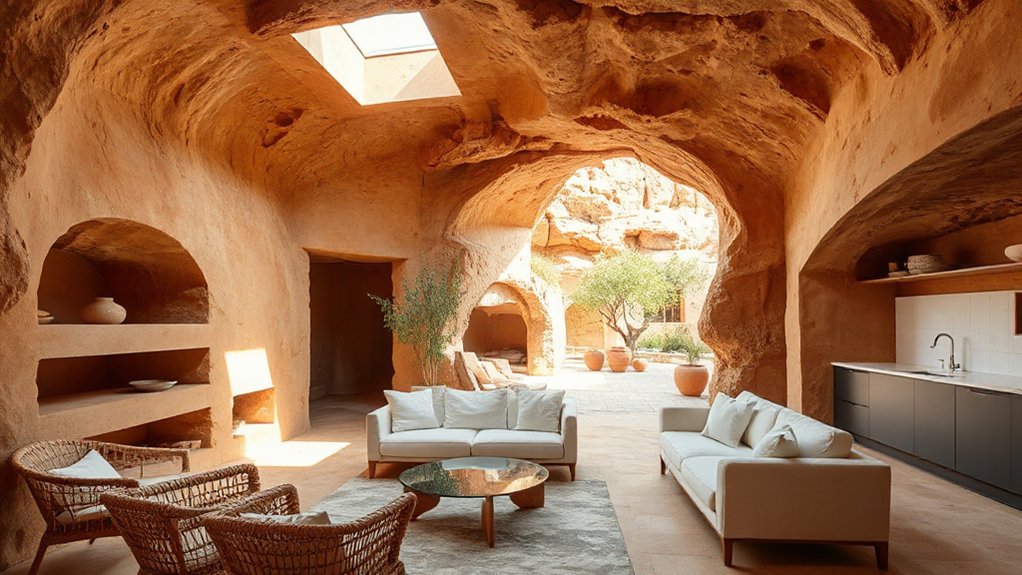
Cave homes fit expats in Spain because they offer a grounded, low-maintenance living that suits a slower pace and a warmer climate. You notice how the rock walls breathe gently, shaping rooms with a quiet, earthy resonance that respects your days.
In this setting, Historical preservation isn’t a museum exhibit but a living rhythm, where old tunnels become intimate corridors for everyday life. You move through spaces carved by hands and time, and the air carries a mineral sweetness that settles into memory.
Artistic inspiration drifts from light filtering through shuttered openings, coloring walls with soft ochres and shadowed blues. You feel anchored, yet free to observe, create, and let spontaneity surface from a timeless, natural canvas.
How Cave Homes Stay Cool and Cut Energy Bills
Even as the sun climbs, cave homes stay unexpectedly cool, their thick walls acting like a natural insulation system that keeps heat at bay. You notice how earth and stone swallow daytime glare, then release it at night, a steady hum of temperate air.
Air shafts and vents channel breeze through cool corridors, while shaded courtyards nurture underground gardens that stay moist and inviting. In rooms, ceilings dip low, temperatures feel moderated, and you sense the absence of sweltering fan noise.
Light slips in through small openings, dialing down artificial needs. You glimpse cave art on cool parade walls, a quiet reminder of history’s cool endurance.
The effect is practical magic, quietly lowering energy bills without sacrificing atmosphere.
Where to Find Cave Homes Across Andalusia
You’ll notice cave homes dotting the Andalusian landscape, from the chalky hills of Granada to the olive-scented terraces of Seville.
A quick map reveals distinct regions, each with its own access routes, amenities, and village rhythms.
As you plan your move, think about how location shapes daily life, from nearby markets to water sources and community hubs.
Cave Home Locations
Across Andalusia, cave homes cluster in limestone hills and cliff faces, where the earth itself forms rooms with cool shadows and echoing ceilings. You’ll find them carved into veiny rock around Guadix, Baza, and the whitewashed foothills of Granada, spilling into ravines where goatskin paths spit sun and scent of almond blossoms.
The locations feel intentional and intimate, tucked along old fault lines and valleys that once sheltered shepherds and smugglers alike. Ancient architecture meets modern life in a single breath, with doors opening onto narrow courts and stairways that rise into skylines of pale stone.
Cultural symbolism threads through the dwellings, echoing century-old stories of resilience, identity, and a communal sense that these caves belong to you.
Andalusia Regions Map
From the chalk-white ridge near Guadix to the olive-scented terraces above Granada, cave homes cluster across Andalusia in defined pockets that map the region’s quiet character. You’ll notice patterns on a regional map—places where limestone caves align with whitewashed pueblos, where doors face south and stay cool through long afternoons.
Each pocket carries a rhythm: settlements near Córdoba glow with Moorish echoes, while the jagged landscapes near Málaga offer sea-kissed air. Gastronomic traditions thread through markets and homes, inviting you to sample inherited recipes in sunlit kitchens.
Local festivals punctuate the year, turning quiet lanes into vibrant corridors of music and dance. Use the map as a compass to explore feelings as much as addresses.
Access And Amenities
Cave homes across Andalusia cluster where access is practical and steps feel like a local routine: near small towns on limestone ledges, you’ll find quiet lanes that lead to gated courtyards, well-tended patios, and stone staircases that spill into markets and cafés.
You’ll notice how pathways bend with topography, inviting short strolls to bakeries, clinics, and bus stops, meaning daily life happens within reach.
In hotter seasons, shaded entrances and cool interiors deter the heat, while nearby groves provide fruit stands and fresh water.
Some cave properties reveal cave art in faded murals, hinting at ancestral craft.
Community gardens, or underground gardens, glow faintly at dusk, offering micro-climates for herbs and tomatoes, a practical charm that rewards curious newcomers.
Cave Home Costs, Value, and Long-Term Savings
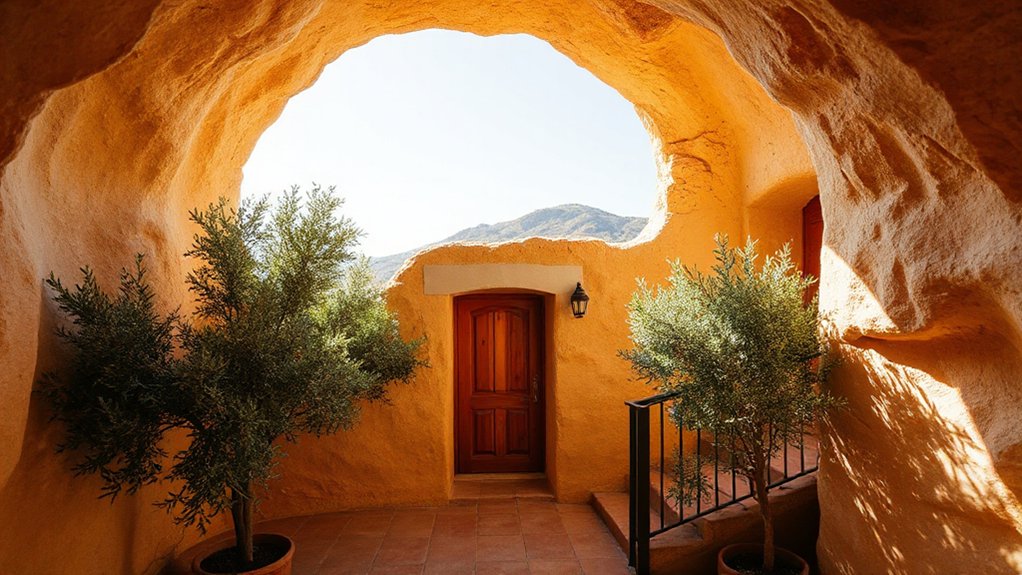
You’ll notice how initial costs can smooth out over time as energy bills shrink and maintenance is predictable in a stone shell.
The long view shows energy savings stacking up, quietly widening the gap between upfront expense and ongoing outlay.
In this light, the stability of property value hinges on upkeep, location, and the enduring appeal of a cave home.
Costs Over Time
What do cave homes cost over time, and are they a smart long-term bet for expats in Spain? You watch the numbers hover between maintenance, taxes, and property values, noting how rarity can cushion depreciation.
Initial buys feel sturdy, while over years you sense subtle shifts: lower utility bills, fewer external updates, and a stubborn charm that holds value in tight markets. Yet costs aren’t constant; local reforms, restoration needs, and evolving permissions nudge the ledger.
You track resale timelines, curious how cultural festivals and neighborhood buzz influence demand, even as dietary customs anchor lifestyle choices.
The payoff isn’t flashy, but steady: predictable outlays, a property that ages with character, and potential long-term savings that reward patient, grounded expats.
Energy Savings Impact
Energy savings in cave homes quietly compound, especially in Spain’s warm months when thick walls keep the interior cool and cut daytime cooling needs. You notice how the earth’s embrace moderates indoor temperatures, reducing flickers of AC and shedding daily costs.
Over seasons, steady air stability lowers bills and extends the interval between expensive upgrades. You’ll feel the quiet efficiency in the way daylight enters, softened by lip of stone, while thermal mass keeps comfort consistent from dawn to dusk.
Cultural preservation threads through your experience, as you sense traditional methods shaping current habitability. Architectural innovation emerges in how spaces adapt: rounded vaults, subtle alcoves, and daylight harvesting without compromising character.
The result is practical charm that sustains value and memory.
Property Value Stability
Cave homes in Spain tend to hold their value more steadily than conventional houses, thanks to durability, distinctive character, and lower ongoing energy costs. You’ll notice that scarcity, regional appeal, and adaptation to climate bolster long‑term stability, even as markets shift.
The blend of cultural preservation and architectural innovation helps owners maintain desirability, attracting both local buyers and international interest. You’re buying into a narrative as well as a dwelling, where history and modern comfort coexist.
Over time, maintenance costs stay predictable, and resale appeal stays stubbornly resilient, thanks to authentic texture and energy efficiency.
- Cultural preservation boosts appeal, keeping demand steady
- Architectural innovation preserves modern usability without sacrificing charm
- Long‑term energy savings reinforce value in fluctuating markets
Daily Life in a Spanish Cave Community
From dusk to dawn, life in a Spanish cave community unfolds with a quiet, unhurried rhythm: neighbors greet you from earthen doorways, and the scent of olive oil and woodsmoke drifts through rooms hewn from stone.
You move through cool corridors where footsteps echo softly, hearing conversations rise and fall like a calm tide.
Daily rhythms hinge on shared tasks—watering plants, tending communal courtyards, mending nets, preparing meals.
Cultural festivals spill from cave walls into the sunlit plazas, music braided with laughter, masks, and storytelling.
You savor local cuisine shaped by simple, seasonal produce—roasted peppers, garlicky stews, crusty bread.
Yet the intimate hum of neighbors keeps you grounded, reminding you that belonging grows where sheltered walls meet open, welcoming hearts.
Renovating a Cave Home: Key Challenges and Solutions
Renovating a cave home presents a blend of constraint and possibility, where rock’s stubborn coolness sets the pace while human ingenuity opens up space and light. You navigate stubborn ceilings, uneven floors, and moisture without losing your sense of place, turning raw rock into living room warmth and hallways that breathe.
The work rewards patience: aligning vents with geological formations, stabilizing eroded surfaces, and choosing finishes that honor the cave’s character. Decorative murals bring color to shadowed walls, while discreet lighting highlights natural textures.
Each decision weighs energy efficiency, humidity control, and acoustics, shaping a home that feels both ancient and modern.
- Address moisture and ventilation with careful design
- Integrate decorative murals and lighting to celebrate geological formations
- Use durable, breathable materials to preserve rock beauty
Permits, Ownership, and Legalities for Caves
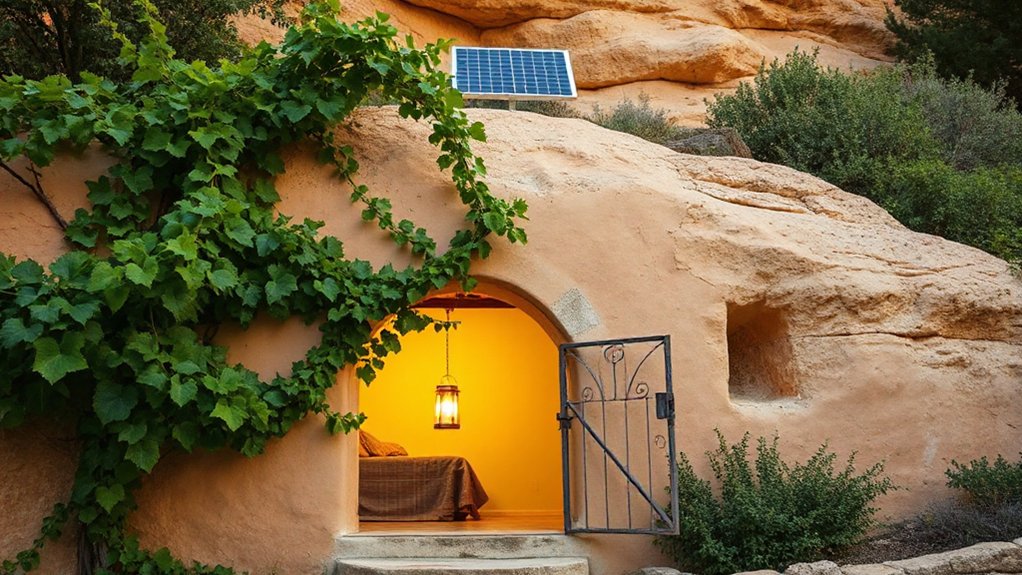
You’ll feel the paperwork start before you move in: permits, approvals, and the steps that stamp your cave as a home.
Ownership can shift with transfers and rights, so you’ll want clear titles and a trusted solicitor on speed dial.
Stay mindful of local compliance rules, because every cave has its own rules about use, safety, and maintenance.
Permits And Approvals
- Understanding zoning classifications and cadastral impacts on cave interiors
- Securing licenses for alterations while respecting geological formations
- Verifying ownership, rights of access, and historic preservation considerations
Cave art hints at history; approvals keep the cave honest and safe.
Ownership And Transfer
Could you clear a cave’s true ownership before you even swing a pick? In Spain, ownership and transfer hinge on proper deeds, surveys, and records that dampen myths with paperwork. You’ll encounter titles, cadastre entries, and potential cave-specific covenants that shape use, access, and taxation.
The process blends tradition with modern registries, so you’ll navigate not just rock but history, tracing how a space moved from antiquity to residence. Cave aesthetics influence valuation, yet legal clarity matters as much as ambiance.
Along the way, respect local norms and community memory, because this isn’t merely property—it’s cultural significance embedded in walls. Expect diligence, patience, and clear communication of boundaries to avoid future disputes.
Legal Compliance Rules
Legal compliance for cave living means maneuvering a patchwork of permits, ownership records, and local rules with careful, concrete steps. You’ll find that permits, zoning, and building codes often differ from town to town, so you track requirements early and document everything.
You’ll also engage local authorities to ensure ownership tracks stay current, avoiding disputes that could unsettle your plans. The process invites you to contemplate Cultural preservation and Environmental impact as you map approvals, inspections, and modifications.
This attention protects both you and the village, preserving a legacy while you live in a hillside home.
- Verify zoning and cadastral records before purchase
- Schedule early environmental and heritage impact consultations
- Maintain transparent ownership history and documented approvals
Heating, Cooling, and Insulation Systems in Caves
Caves stay surprisingly temperate, and you’ll notice that heating, cooling, and insulation feel less about machinery and more about texture: thick earth, stone nooks, and narrow passageways shaping a natural microclimate. You guide your sense of climate through cave architecture, noticing how natural shelves and vaulted ceilings slow heat flux and keep rooms evenly dampened or dry.
In practice, subterranean design relies on passive gains—ventilation chimneys, cool shafts, and porous rock buffering swings in temperature. You feel warmth from sunlit rock stored in day, released at dusk without loud systems. Insulation travels with the walls, not added layers, while moisture is managed subtly by wall finishes.
The result is quiet, efficient comfort that mirrors the cave’s own breathing.
Cave-Building Traditions in Andalusia: Features and Materials
In Andalusia, cave-building traditions weave shelter and landscape into one continuous form, where lives and rock share a slow, deliberate rhythm.
You notice how entrances mimic natural hollows, with doorways carved to preserve rock’s grace, not overwhelm it. Ancient techniques guide hand axes, chisels, and earth mortars, crafting thick walls that breathe with the seasons.
The materials reveal regional craftsmanship: lime-plastered interiors, whitewashed stone, and earth-packed floors that stay cool under the sun. Sheltered courtyards channel breezes, while alcoves become intimate spaces for daily rituals.
Utility lines dissolve into plaster, keeping surfaces clean and elemental. The result is a harmony of function and beauty, born from a deep knowledge of site and climate.
- Ancient techniques shape every notch and ledge
- Regional craftsmanship informs texture, color, and form
- Natural cooling and loading of materials reduce energy use
Work-From-Home: Connectivity and Space in a Cave
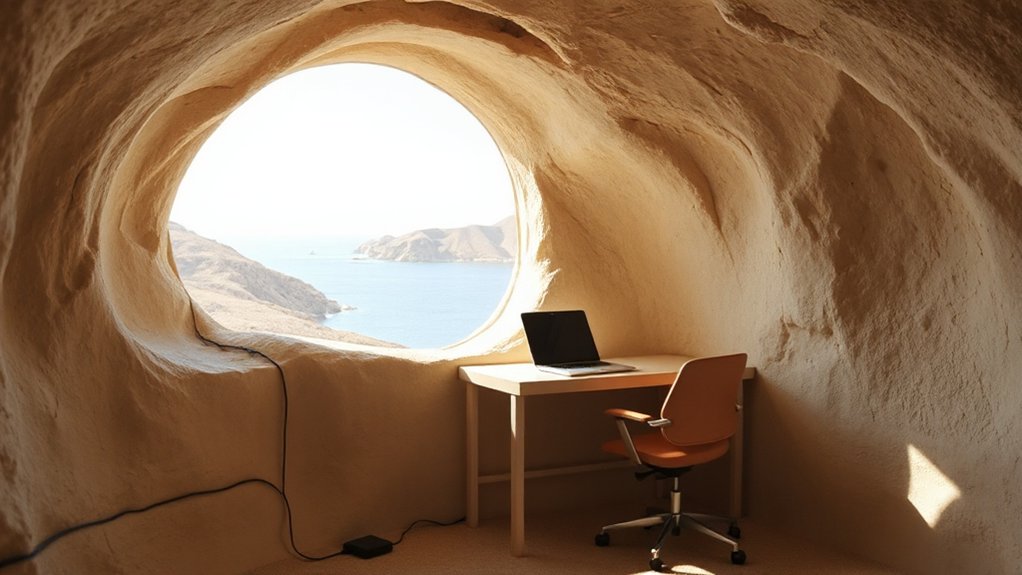
From the cool, rounded rooms of Andalusian caves to the glow of a laptop screen, work-from-home life here hinges on how space breathes and routes connection. You learn quickly that signal climbs through narrow passages and then expands into sunlit nooks, where a desk fits to a rhythm dictated by draft and sound.
Connectivity isn’t just bars; it’s a sense of flow—quiet corners for focused bursts, open alcoves for calls. The walls, damp yet steady, soften every keystroke, while the floor’s cool touch keeps you grounded.
You notice wildlife encounters outside the mouth of the cave and the way geological formations frame your view, turning routine tasks into a slowly evolving landscape you share with nature and technology.
Real-Life Expat Stories: Why They Chose Cave Living
When you ask expats why they chose cave living, the answers surface like warm breath on cool stone: a blend of price, privacy, and a sense of living history that ordinary houses can’t offer.
- Historical architecture that feels carved from time, not built on trends.
- Privacy you can hear more clearly than you can see, tucked away behind earth and stone.
- Proximity to tourist attractions that surprise you with quiet courtyards and hidden passages.
You hear stories of cooling corridors on hot afternoons and gatherings in dim, candlelit rooms.
You sense a shared aim: spaces that slow you down, invite reflection, and connect you to landscapes where centuries linger in cool air and soft light.
Cave Homes vs Traditional Spanish Homes: A Practical Compare
Cave homes offer a different rhythm than traditional Spanish houses, and you can feel it at first touch of cool stone under your fingertips and the way rooms breathe with the earth. You weigh practicality and comfort in equal measure: energy use, acoustics, and resilience to heat.
In daily life, the contrast shows in light—soft, subterranean shelter by day, brighter, sunlit pockets when openings exist. Maintenance leans toward durability, yet you notice the cave’s insulating steadiness, keeping interiors temperate.
Cave art whispers from walls, hinting at history you’re living alongside. Subterranean gardens peek through apertures, blending greenery with stone humidity.
The traditional home remains familiar, but you’re drawn to the unique rhythm, textures, and quiet authenticity cave living offers.
Start Your Cave-Home Search: A Step-by-Step Plan
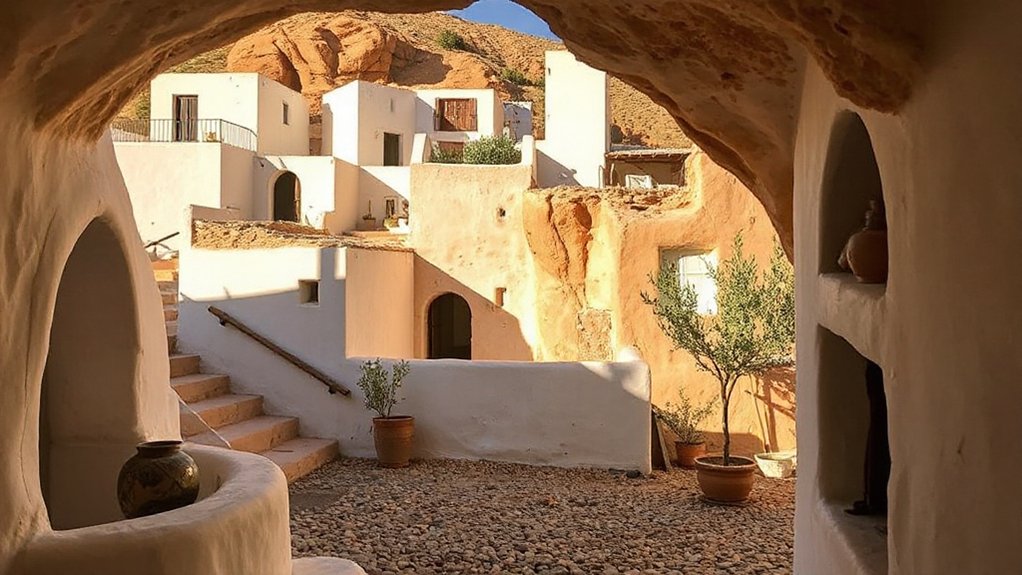
Begin your cave-home search with a clear plan: map out where you want to live, what features you can’t compromise on, and how you’ll balance budget with the cave’s unique needs. You’ll measure light, humidity, and maintenance like a surveyor of atmosphere, not just space.
Let cave art inspire your eye for texture, color, and history, while you weigh proximity to towns, water, and sunlight. Mythical origins drift through conversations, nudging you toward places with carved ceilings or storied pasts, yet you stay practical, noting permits, slopes, and resale value. Your plan becomes a living checklist you update as you explore.
- Define nonnegotiables and nice-to-haves
- Visit samples, ask about moisture and drainage
- Research legal steps and renovation costs
Frequently Asked Questions
Are Cave Homes Suitable for Families With Kids?
Cave homes can be suitable for families with kids, you just need careful planning. You’ll emphasize Family safety, create bright, cushioned spaces, and carve out Playground space so little ones explore confidently, while you observe stunning, cool, cave-life textures.
Do Cave Houses Require Special Maintenance or Repairs?
You’ll find cave houses require ongoing care, but not endless labors; with careful maintenance, you’ll balance Historical preservation and Modern renovations, keeping their character intact while you adapt spaces, weatherproofing and sealing as the walls listen to you.
How Do Cave Homes Handle Humidity and Mold Risk?
You’ll notice moisture control is key, as cave homes stay cool and dampify slowly, so you’ll implement vents, dehumidifiers, and proper drainage to guard against humidity. Mold prevention relies on breathable paints and regular inspections for hidden leaks.
Can You Forego Utilities With Off-Grid Cave Living?
You can forego some utilities with off-grid cave living, leaning on solar energy and water collection to power basics and sustain daily needs, though you’ll still manage seasonal fluctuations, efficiency tweaks, and a mindful, self-reliant routine.
Are Cave Homes Resale Values Stable Long-Term?
Cave home values are remarkably stable long-term, you’ll notice, roughly steady as rocky tides. You’ll see Historical preservation and Modern renovations intertwine, shaping resilience; you’ll observe resale patience paying off as you navigate markets with measured, observant calm.
Conclusion
You might wonder if cave homes really beat the sunshine and ease of a traditional Spanish house. The truth is nuanced: they stay cool when ovens hum in summer and whisper warmth through winter, but projects demand patience and a knack for quirky quirks. As you move through cool halls and sunlit courtyards, the theory that caves are merely rustic fades—these are adaptive, surprising spaces that invite you to rethink home, belonging, and the landscape itself.