
Travel Spain sustainably by public transport by prioritizing electrified corridors and dense metro networks in Madrid, Barcelona, Valencia, and Seville. Plan low-impact routes with live data on timetables, crowding, and transfers, and favor off-peak departures to cut energy use and congestion. Use integrated regional passes and zone tariffs to maximize savings and lower emissions. Pack light, pace your trip, and choose direct routes to reduce transfers. More tips await to deepen your eco-friendly journey.
Key Takeaways
- Plan trips along electrified corridors and use high-coverage metro and regional rail to maximize efficiency and reduce emissions.
- Use real-time data and off-peak departures to minimize wait times, crowding, and energy use.
- Leverage integrated regional/national passes and off-peak discounts to lower costs and carbon footprint.
- Pack light, travel slower with longer stays, and choose direct routes to reduce transfers and idle emissions.
- Track trip emissions with calculators, stay flexible, and engage locally to support sustainable tourism and energy-efficient options.
Why Public Transport Is Spain’s Most Sustainable Choice
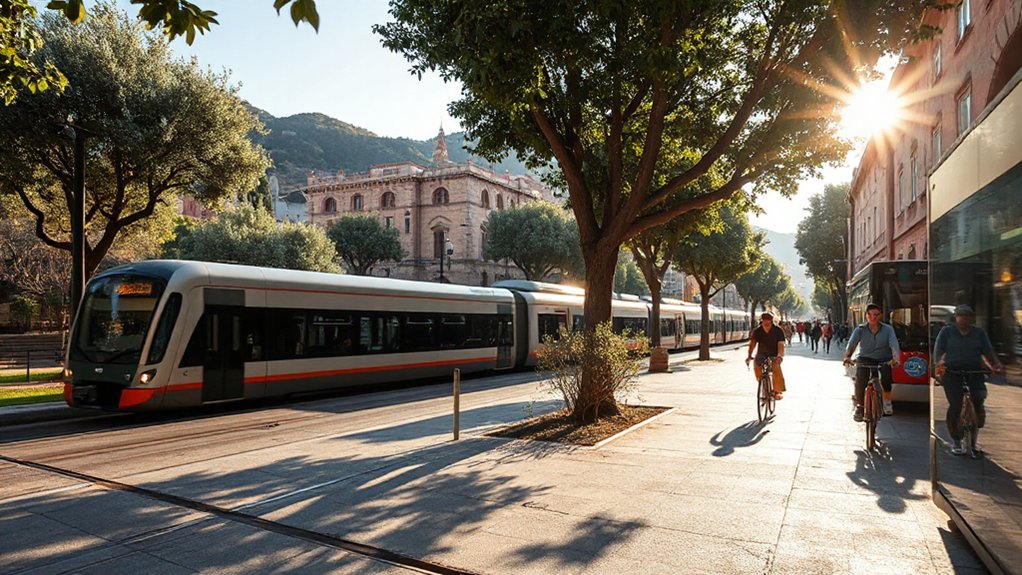
Public transport is Spain’s most sustainable choice because it efficiently moves people with far lower emissions per rider than private cars. You observe a nation stitching together dense networks that reduce traffic, fuel use, and urban heat.
Data show rail and bus systems lift modal share in major cities, while per-capita emissions drop as riders switch to seats rather than engines idling in gridlock. You’ll notice high-frequency timetables, interoperable tickets, and cleaner fleets driving measurable air-quality gains.
Local cuisine and Cultural festivals become accessible without parking penalties or car trips, expanding regional participation without adding noise or pollution. This isn’t abstraction—it’s a verifiable pattern: coordinated transit lowers carbon footprints while enhancing social liveliness across communities.
Map Spain’s Core Rail and Metro Networks
Spain’s core rail and metro networks form the backbone of sustainable travel, and you can see it in the layout: high-density corridors radiate from major cities, linking urban cores with regional hubs and international routes. You navigate a map that prioritizes frequent services and interoperable tickets, reducing transfer fatigue and wait times.
Data show Madrid–Barcelona, Andalusia, and the Basque corridor sustain rapid regional connections, while metro layers in Madrid, Barcelona, Valencia, and Seville widen urban reach. You’ll encounter dense interchanges, cross-border links, and scalable services that support day trips to Cultural landmarks and weekend hops to coastal towns.
Local cuisine sits along the routes, inviting brief detours without derailment to your carbon-conscious itinerary. Your map becomes a practical advocacy tool for cleaner, inclusive travel.
Plan Low-Impact Routes: Step-By-Step
To plan low-impact routes, start with a clear goal: minimize emissions while maximizing reliability and speed. You map routes that favor electrified corridors, high-coverage metros, and regional rail links with low transfer times.
Use live data: timetable adherence, platform frequencies, and average crowding during peak hours. Evaluate alternatives by total journey energy per passenger and carbon intensity of each leg.
Prioritize off-peak departures to lower energy use and reduce platform congestion.
Consider cultural etiquette and language barriers; choose stations with clear signage and multilingual help desks to minimize hesitation and delays.
Document your route choices, noting transfer counts and walking distances, then test them on a few trips to confirm consistency.
Share results to persuade others toward practical, low-impact planning.
Tickets and Tariffs for Eco-Friendly Travel
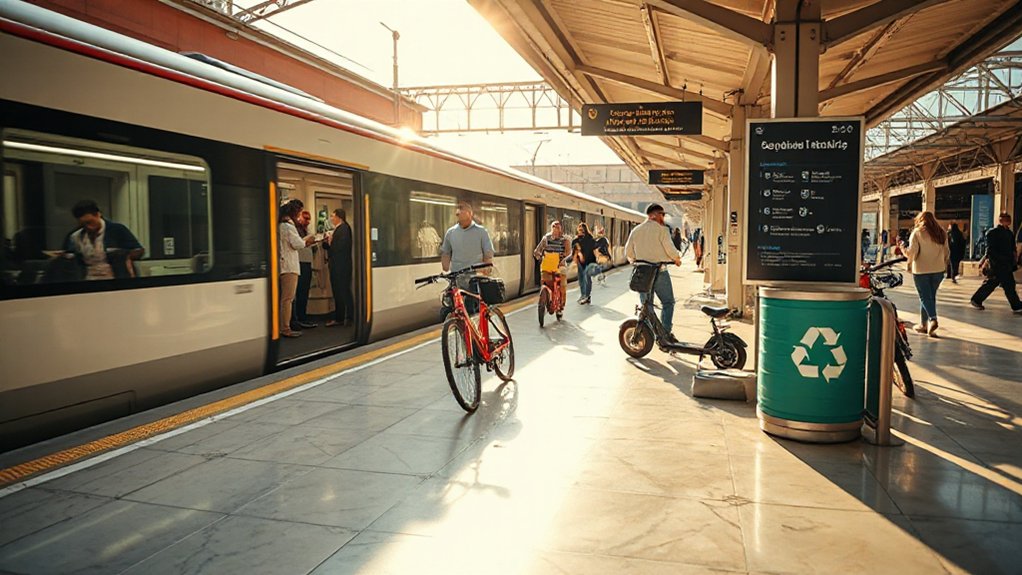
You’ll see how ticket options for eco travel shape your mode choices, from single-ride fares to multi-day passes that reward low-carbon trips.
Data shows regional and national tariffs offer meaningful savings when you bundle trains with buses or metros, especially for frequent travelers.
Let’s compare these tariffs for trains to identify the most efficient, low-emission routes you can rely on.
Ticket Options For Eco Travel
For eco-minded travelers, choosing the right ticket option can cut your travel impact and costs, since many regions offer integrated passes, off-peak discounts, and multi-journey fares that reward sustainable choices.
When you compare options, look for transfers that minimize backtracking, flexible validity, and nationwide or regional coverage that reduces car dependence.
Favor cards that clearly show carbon savings or encourage off-peak travel, and track your trips to optimize for low-emission routes.
Local cuisine and cultural festivals often shape schedules, so choose passes that align with event timings without extra trips.
Consistent use of regional passes can yield measurable savings over single-ticket purchases without sacrificing convenience.
- Integrated passes often cover buses, trains, and metros
- Off-peak discounts reduce per-trip costs
- Multi-journey fares reward frequent riders
- Clear carbon and sustainability indicators
- Event-aligned validity for festivals and markets
Tariff Benefits For Trains
Trains offer some of the most carbon-efficient travel options, and choosing the right tariff can amplify those benefits by cutting costs and reducing unnecessary trips. You’ll find that ticket discounts reward off-peak travel and longer-distance planning, making sustainable routes cheaper than spur-of-the-mence alternatives.
Compare nationwide passes with regional options to maximize daily mileage per euro, especially if you’re visiting multiple cities in a week. Fare zones matter: understanding how zones align with your itinerary prevents paying for unused stretches.
Data shows that bundled tariffs often lower per-kilometer costs and encourage reservations in advance, reducing last-minute congestion. Opt for flexible, train-focused itineraries whenever possible, and use official tariff tools to verify current discounts and zone mappings before you buy.
Madrid, Barcelona, and Seville by Transit: Budget Tips
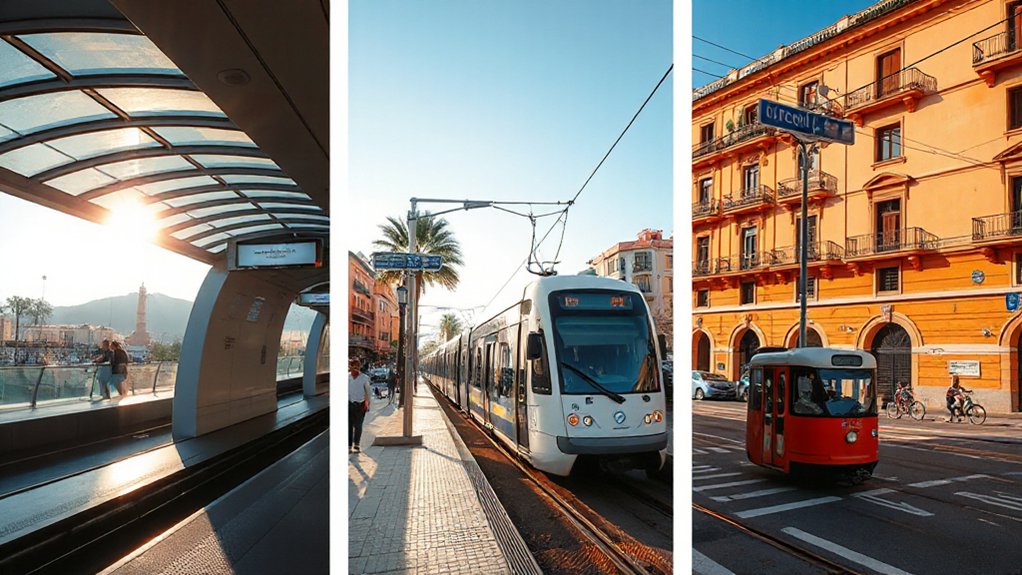
Public transit in Madrid, Barcelona, and Seville is affordable and efficient when you optimize passes, schedules, and regional connections. You’ll save money by choosing regionally valid tickets, plan trips around peak/off-peak times, and rely on integrated networks that link metro, bus, and suburban lines.
Data shows significant cost reductions with multi-journey passes and timed transfers, while real-time apps reduce wait times and missed connections. You’ll also benefit from strategic hubs near city centers and attractions, enabling smoother zoo-to-park hops, and shorter feeder rides to neighborhoods with local cuisine and cultural festivals.
By staying flexible and informed, you can traverse three major cities on a sensible budget without sacrificing experience.
- Opt for regionally valid passes that cover multiple cities
- Schedule travel to exploit off-peak fares and transfers
- Use real-time apps to minimize waits and reroutes
- Favor central hubs for easier, cheaper connections
- Align trips with local cuisine and cultural festivals for richer experiences
Coastal and Rural Routes Worth Taking by Train or Bus
Coastal and rural routes deserve a closer look because they reveal scenery and connections that high-speed hubs often overlook. You’ll notice steady cadence between towns, with passenger counts that reveal real demand for slower travel as an emissions-conscious choice.
Data shows coastal services cluster weekday commuters and weekend hikers, while rural lines sustain essential services in valleys and plateaus. You benefit from predictable schedules, fewer crowds, and improved access to local cuisine along harbor towns and farm villages.
These routes support cultural festivals by enabling affordable day trips and overnight stays without car dependence. Embracing them boosts regional tourism resilience, reduces traffic spillovers, and preserves scenic heritage.
Track mileage, prioritize off-peak tickets, and let the journey reinforce sustainable travel as a lifestyle.
Travel Timing for Lower Emissions
To cut emissions, time your trips to maximize off-peak efficiency and grid support. Data show lower fares and lighter crowds happen midweek mornings and late evenings.
While trains and buses run with greener power blends during those windows. If you plan around optimized travel times, you reduce per-passenger emissions and help push transit toward cleaner, more reliable service.
Optimize Travel Windows
Timing your travel to align with off-peak or shoulder periods can cut emissions and save money. By choosing midweek departures and avoiding holidays, you maximize seat availability and minimize crowding on trains and buses.
When planning routes, compare times to minimize transfers and waiting, since each stop adds idle emissions. You’ll also gain predictable journey times, making cultural immersion easier to schedule around local rhythms and events, while you still savor authentic experiences like Local cuisine without rushing.
Use data-backed apps to identify trends in pricing and occupancy, then lock in sustainable windows before peak price shifts.
- Pick midweek, off-peak departures for lower demand and cleaner energy mixes
- Favor direct routes to reduce transfers and wait times
- Align travel with restaurant opening hours for authentic meals
- Schedule longer stays to spread emissions over days
- Use real-time data to adjust plans on arrival
Off-Peak Emission Benefits
Off-peak travel cuts emissions and saves money by aligning your trips with lower demand and cleaner energy mixes. You’ll notice quieter stations, smoother connections, and faster boarding when crowds are thin.
Data show regional grids shift generation toward renewables after work hours and on weekends, reducing carbon intensity during off-peak periods.
Scheduling long intercity hops for late mornings or early evenings can shave vanishingly small margins off travel times, yet yield meaningful emissions reductions per kilometer.
You’ll still access popular routes, but with less congestion and more reliable timings.
While you explore local cuisine or attend cultural festivals, pick off-peak options to minimize peak-hour strain on transit and streets, supporting cleaner air and more predictable journeys for residents and visitors alike.
Packing and Pacing for Greener Travel
Packing light and pacing your trip are practical ways to cut emissions and save time on Spain’s public networks. You’ll notice that lighter luggage reduces energy use, while mindful pacing lowers peak-hour strain on trains and buses.
From a data perspective, compact wardrobes cut washing loads and weight, translating to lower fuel and electricity footprints per journey. Eco friendly packing isn’t just about clothes; it’s about reusable containers, compact electronics, and minimized single-use items.
Plan longer stays in fewer places to maximize transit connections and reduce back-and-forth trips. Mindful pacing helps you catch off-peak routes, cutting wait times and delays. We advocate for deliberate gear choices and pacing strategies that align with sustainable, efficient travel.
- Choose multi-use clothing and compact packing cubes
- Prioritize off-peak travel to reduce crowding
- Reuse bottles and minimize disposables
- Consolidate stays to maximize rail connections
- Pack only essential electronics and chargers
Real-World Itinerary: 7-Day Spain by Public Transport

A practical 7-day itinerary shows how to move efficiently across Spain by train and bus, balancing time on the move with meaningful stops. You’ll start in Madrid, leveraging high-speed links to Seville and Valencia for efficient hops.
Nights in budget-friendly hostels keep costs predictable, while regional trains reveal local culture through scenery and schedules. Day itineraries prioritize urban centers with walkable cores, plus one rural sidetrack to a village market per week.
Cultural etiquette informs seating, meal timing, and tipping norms, helping you avoid social friction. Food customs matter too: tapas culture, late dinners, and regional dishes shape your pace and choices.
Common Pitfalls to Avoid on Sustainable Trips
Even with a solid 7-day plan for fast trains and local buses, sustainable travel in Spain isn’t without bumps. You’ll encounter gaps between timetable promises and real-life delays, misinterpreted schedules, and overbooked regional routes. To stay efficient, monitor regional transport apps, and verify last-mile options before departure.
Data shows that off-peak travel often saves money and seats, but requires flexibility. You’ll deepen Cultural immersion by speaking with locals, not just ticking boxes, while you still prioritize Local cuisine that’s offered by authentic vendors—avoid tourist traps.
Pitfalls include assuming all loyalties align with rail discounts, packing heavy for stairs, and neglecting energy-efficient options at destinations.
- Trust real-time updates over fixed expectations
- Balance time savings with local pace
- Don’t overlook last-mile options
- Respect local customs and schedulers
- Prioritize authentic experiences and meals
Measure Your Carbon Savings While Exploring Spain
Measuring your carbon savings while exploring Spain with public transport isn’t just about ticking a box—it’s about seeing real, actionable impact you can sharpen along the way. You’ll compare trip choices, factoring in mode, distance, and occupancy to estimate emissions avoided versus driving.
Use simple calculators or transit apps that track energy sources and efficiency; document baseline rail or bus mileage, then monitor improvements as you optimize routes and schedules. Record your reductions, not just totals, to reveal patterns you can repeat.
Seek opportunities to amplify impact with carbon offsets for remaining emissions and by supporting renewable energy projects near your destinations. Pair savings with local data on grid renewal and public transport upgrades to reinforce the case for ongoing, sustainable travel choices.
Frequently Asked Questions
How Can I Verify a Transport Provider’s Sustainability Claims?
You verify a transport provider’s sustainability claims by checking Eco friendly certifications and demanding Transparency in claims. You compare independent audits, emissions data, route efficiency, and third‑party verifications, staying observant, data‑driven, and advocacy‑oriented in your assessment.
What Packing Items Most Reduce Travel Emissions?
Stopping excuses, you’ll cut emissions by choosing eco friendly luggage and packing lightweight clothing, and you’ll still stay prepared. You’ll travel lighter, avoid overpacking, and rely on data-driven, advocacy-minded choices that optimize energy use per trip.
Can I Use Bikes With Trains for Mixed Itineraries?
Yes, you can mix bikes with trains for itineraries. Bike compatibility varies by operator, so check before you travel. Train bike integration improves efficiency, data-driven decisions, and advocacy for accessible multi-modal travel. Stay informed, compare services, plan routes.
Are There Hidden Fees That Increase Trip Carbon?
Yes—hidden fees can lurk, and they may subtly raise your carbon increase. You’ll want transparent pricing, track emissions, and compare options; you’ll feel the data-driven pressure to choose routes that minimize overall environmental impact.
Which Apps Best Track Personal Emission Reductions?
You should use apps like Footprint or Klima to track reductions, and you’ll see data-backed gains when you choose Eco friendly accommodation and Renewable energy sources. You observe trends, advocate for transparency, and push smarter, measurable travel decisions.
Conclusion
You can travel Spain by train and bus without breaking the bank or the planet, if you plan smart. Yes, it takes a bit of patience, but rail and metro networks are scorekeepers for reliability and carbon savings. You’ll steady your footprint by avoiding short flights and embracing regional passes. So commit to off-peak trips, pack light, and track your reductions—your sustainable choice scales with every leg you ride. Don’t doubt that public transit delivers real impact.