
You’ll glide from Lyon to Barcelona aboard high-speed and scenic regional trains, watching alpine light spill across ridges as you roll past quiet towns and waterside scenes. Start at Part-Dieu or Saint-Exupéry, then weave through valleys with panoramic coaches, thwart delays with buffers, and snack on nuts or pastries as you plan the next leg. Book 6–8 weeks ahead for fares and seats, pack light, and stay flexible—the journey rewards patient pacing and surprising detours with rich moments you’ll treasure. More to explore ahead.
Key Takeaways
- Check options: high-speed trains (TGV/renfe partnerships) with possible transfers; direct Lyon–Barcelona routes may vary by season.
- Book 6–8 weeks ahead for best fares, compare operator sites and bundles, and set price alerts.
- Plan route: consider morning departures for calmer travel and time-zone changes; allow buffer for transfers at Barcelona Sants.
- At Lyon and Barcelona stations, use clear wayfinding, follow signs to platforms, and aim for central hubs like Sants for onward connections.
- Pack essentials, bring a light jacket, and be prepared for busy stations with off-peak travel to avoid crowds.
Before Your Lyon–Barcelona Ride: Essential Travel Basics
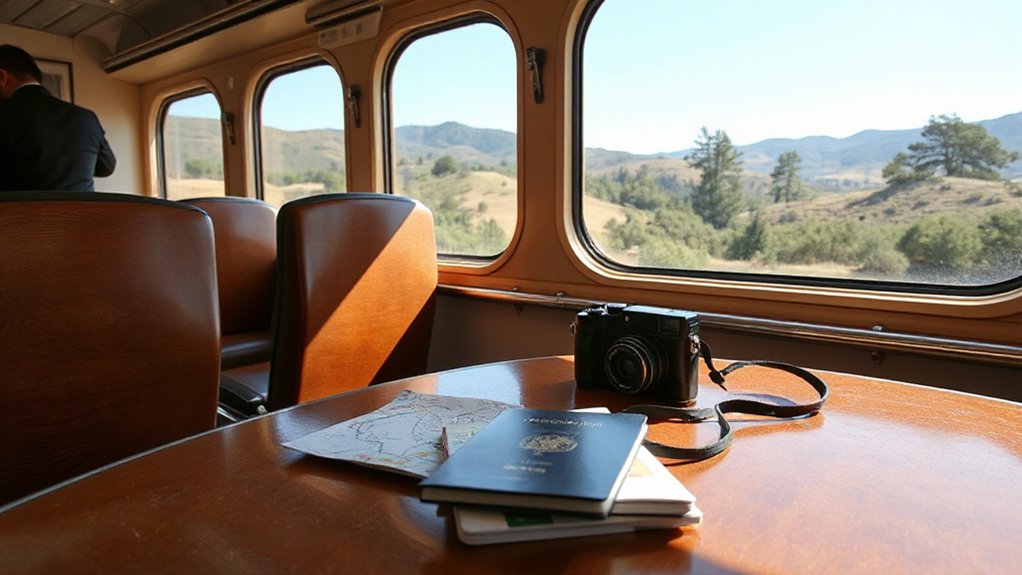
You might be surprised by how smoothly a Lyon-to-Barcelona train ride can go if you prep just a few basics. Before you board, map your route and timing—check departures, platform changes, and any track notes.
Pack light, prioritizing a single daypack and a small suitcase, so you glide through stations rather than wrestle stairs. Luggage storage matters: know carriages with overhead racks and under-seat space, and reserve room for a compact carry-on if needed.
Have you bought travel insurance? It’s your safety net for delays, strikes, or cancelled segments, and it eases medical worries abroad.
Bring a printed itinerary and digital copies, plus a card for emergencies. Hydration, snacks, and a charger keep you sharp, curious, and ready to savor the journey.
Lyon Stations Compared: Part-Dieu or Saint-Exupéry?
You weigh Saint-Exupéry’s sleek, traveler-friendly calm against Part-Dieu’s bustling hub, where bright signage and easy-to-navigate corridors meet a steady flow of trains.
Saint-Exupéry tempts with compact amenities—quiet lounges, clean restrooms, and swift security—while Part-Dieu shines with broad access, plentiful eateries, and quicker routes into the city.
Your choice shapes your pace: comfortable where you wait, or efficient where you move.
Saint-Exupéry Amenities
Saint-Exupéry station sits quieter than Lyon Part-Dieu, yet its charm lies in calm, traveler-friendly details: clear signs, helpful desks, and shorter lines that let you glide from ticket to platform without wasted steps.
You notice a tactile map near the entrance, then a soft aroma of café coffee blending with pastry warmth. The amenities feel intimate: a compact lounge, clean restrooms, and reliable Wi‑Fi that keeps you connected as you plan your next leg.
You can time a snack with art exhibitions posted on the walls, a counter offering wine pairing suggestions with local bites for a relaxed break.
Bright display boards orient you to platforms, while friendly staff answer questions before you hurry aboard.
Part-Dieu Access Pros
Part-Dieu offers a decisive edge when it comes to access: gleaming escalators, broad corridors, and the kind of high-capacity flow that keeps trains moving on time. You step inside and feel the train yard’s pulse guiding you forward, not circling you in crowds.
Signage is clear, even at rush, guiding you to platforms with minimal detours. Luggage storage is near the main concourse, a tidy nook where bags settle without blocking foot traffic, letting you travel light on connections.
Elevators and ramps meet accessibility needs without slowing changeovers. Onboard entertainment, while modest, surfaces as you wait, a welcome distraction during the final approach to boarding.
What you gain here is predictability—less wandering, more certainty, more usable time for your Barcelona leg.
Direct Lyon–Barcelona or Scenic Detours: Choosing Your Route
Direct Lyon–Barcelona saves time, but detours reward with scenery and small discoveries. You weigh speed against immersion, choosing how you want to feel the journey.
A direct run slices through the landscape, window light gleaming off rail steel, stations flashing by in quick succession, a clean rhythm that suits tight schedules.
Yet scenic detours invite you to linger: a hillside village, a farmers’ market, a chattering café where local cuisine wafts through the air like warm applause.
If you detour, you’ll encounter cultural landmarks tucked along the creased map of the route, from ancient abbeys to contemporary art pockets.
Decide how you travel, and let your route become part of the story you tell about this trip.
Daily Lyon–Barcelona Timetables and Best Travel Windows
You’ll catch the rhythm of Lyon’s mornings and Barcelona’s evenings by watching the daily timetable windows, the gaps where trains breathe between cities.
Plan for ideal travel hours—early departures before the heart of the day or late-evening arrivals to save you daylight.
With practical timing cues in hand, you’ll map smooth connections and meaningful rests along the route.
Daily Timetable Windows
If you’re planning a Lyon–Barcelona rail day, the windows you choose matter as surely as the tracks themselves: early-morning departures catch the city’s quiet energy before the sun climbs, while late-afternoon trains thread through twilight into a new city’s glow.
Daily timetable windows shape your pace: a brisk AM ride lands you in Barcelona with minutes to spare, a lingering afternoon trip lets you savor the ride.
You’ll notice train station architecture framing the journey, from sunlit concourses to quiet platforms. Pay attention to ticket validation procedures at the gate and on board; having your pass ready keeps momentum smooth.
On some services, you’ll find refreshment cars and Wi‑Fi, a steady companion for the miles.
Optimal Travel Hours
Ideal travel hours hinge on daylight and pace. You’ll catch the smoothest ride when you ride the crest of morning light or the late-afternoon glow, avoiding the glare of peak sun and crowded stations.
From Lyon your departure should land you near calmer corridors, allowing you to savor the landscape without rush.
The fastest trains tuck you into Barcelona’s heartbeat by early evening, giving you hours to acclimate, stroll the Ramblas, and collect photos before dusk.
Pack light so you glide through platforms with ease; choose seats facing the countryside for a steady rhythm.
Consider In flight dining and airline lounges as comfort buffers for layovers, but value the tactile pleasure of window-ships, rails, and quiet carriage corners.
When to Book: Ticket Timing and Where to Look
Booking train tickets from Lyon to Barcelona benefits from early planning, especially if you want the best fares and smooth connections. You’ll find the widest options and cleaner schedules when you book months ahead, but last-minute deals can appear midweek if you’re flexible.
Aim to buy 6–8 weeks in advance for the lowest fares, and set price alerts for your preferred dates. Check multiple ticket portals and the operator’s site to compare bundles and seat options, including Ticket bundles that bundle rail passes, seats, and meal add-ons.
For scenic routes, search for trains that slow through the Rhône Valley or along the coast, and be ready to adjust times to maximize daylight. Look for off‑peak departures to avoid crowds and preserve momentum on your journey.
What Train Types Will You See on the Lyon–Barcelona Ride
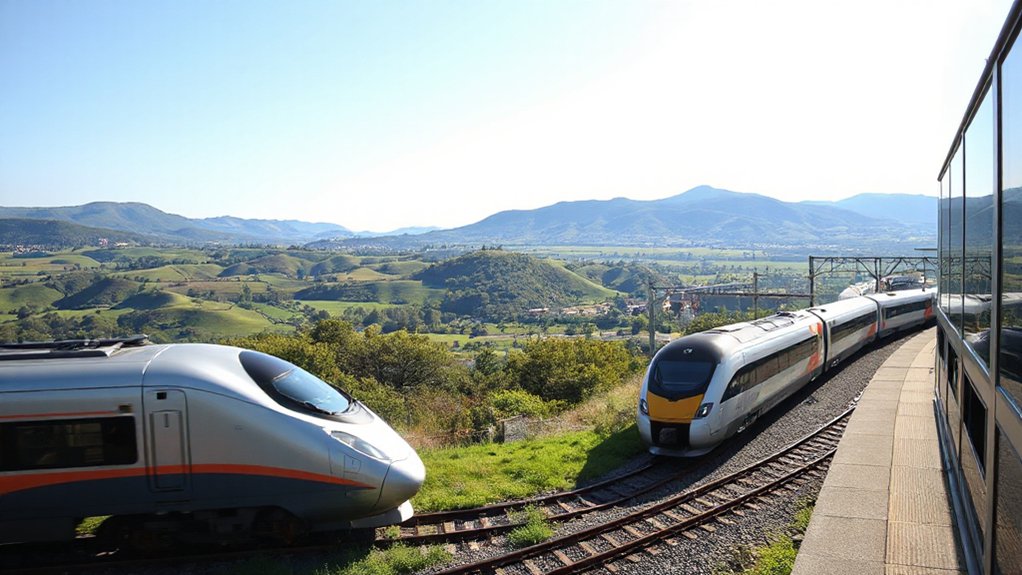
On the Lyon–Barcelona route, you’ll encounter a mix of high-speed and regional workhorses that stretch from sleek, purpose-built machines to panoramic regional coaches.
You’ll ride EuroCity and TGV-style trains slicing through valleys, with polished interiors, quiet cars, and roomy berths for longer hops. High-speed sets accelerate with whisper-quiet power, then dissolve into countryside on smooth, continuous tracks.
Regional trains, meanwhile, offer generous windows and community-car vibes, letting you watch vineyards and towns slip by.
Expect seamless connections, clear signage, and predictable timetables, so you can plan upgrades like train ticket discounts when bundles appear.
If you crave scenic train routes, you’ll appreciate the contrast between turbocharged speed and intimate regional routes, both delivering dependable comfort and practical, real-world convenience.
Scenic Highlights Along the Way You Won’t Want to Miss
You’ll rise into Alpine ridge vistas, where jagged peaks crown pale skies as you coast through curving tracks.
You’ll notice riverside towns quietly waking along the banks, their stone facades catching the morning light and inviting a lingering look.
You’ll feel the train thread through gorge pass crossings, where sheer walls close in and the whistle punctuates the rugged quiet.
Alpine Ridge Vistas
From the moment you crest the passes, Alpine Ridge Vistas reveal a tapestry of jagged cliffs, emerald forests, and glacier-blue ribbons below. All of this is framed by skies that shift from pale morning blue to molten sunset gold.
You’ll feel the air sharpen, hear distant avalanches, and savor the sense of vast, untamed scenery as you glide through switchbacks.
- Walk the granite overlook trail at dawn for crisp light on ice-carved teeth.
- Scan the mossy meadows for ibex silhouettes and chattering alpine wildlife.
- Pause for a bite of mountain cuisine—smoked trout, rye bread, tangy alpine cheese.
- Snap panoramas with the sun dipping behind jagged silhouettes, then note colors that linger.
Keep windows open for fresh air, not crowds, and respect fragile terrain.
Riverside Towns Quiet
Riverside towns slip by in a quiet rhythm, their wooden storefronts and vine-draped bridges reflected in slow, mirror-flat water. You’ll notice how the tracks kiss the riverbank, letting you glimpse vivid life from carriage windows.
The landscape favors simple charm: small ferries, chalky quays, and stone steps that lead to sunlit cafés where locals greet you with a nod. Riverside scenery unfolds in steady, unhurried panes—willows leaning over the current, gulls skimming the blue, and rainproof awnings fluttering in a breeze.
In these Quiet villages, you can step off briefly, stretch your legs, and taste an espresso that tastes of river mist and early light. Then back aboard, the view keeps its quiet, inviting clarity.
Gorge Pass Crossings
Gorges rise in dramatic silhouettes as the train threads through narrow passes, and you feel the car hum with wind in the open gap between rock walls. You’ll glimpse Gorge pass crossings where stone cliffs lean close, and the river veils itself in spray below. From your window, careful timing lets you pause at scenic viewpoints that reward patience with color and depth.
- Listen for echoes as the engineer cues the clack of rails beside sheer drops.
- Lean into the curve to spot carved tunnels lit by pale sunlight.
- Track the river’s shimmer where chiselled ledges meet cascading spray.
- Step off briefly at a lookout to capture the gorge’s layered horizons.
These crossings fuse drama with practical travel, enriching every mile.
Fares, Passes, and Seat Reservations: Budget Basics
Ready to ride the rails without breaking the bank? You’ll feel the heartbeat of the journey as prices unfold before you. Fares vary by time, class, and flexibility, so compare early, midweek, and last-minute options to snag the best value.
Look for ticket discounts, railcards, and promotion codes; small savings add up across multiple legs. If you’re backpacking or plotting a longer trip, passes can simplify budgeting, but weigh the upfront cost against your plans.
Seat reservations lock in your view of the countryside and prevent awkward scrambles for aisle space. Keep travel insurance in mind for unexpected detours.
Read the fine print on cancellations and changes, and book only what you’ll actually use. Your wallet stays calm while the landscape rushes by.
Pack Smart for a Smooth Lyon–Barcelona Journey
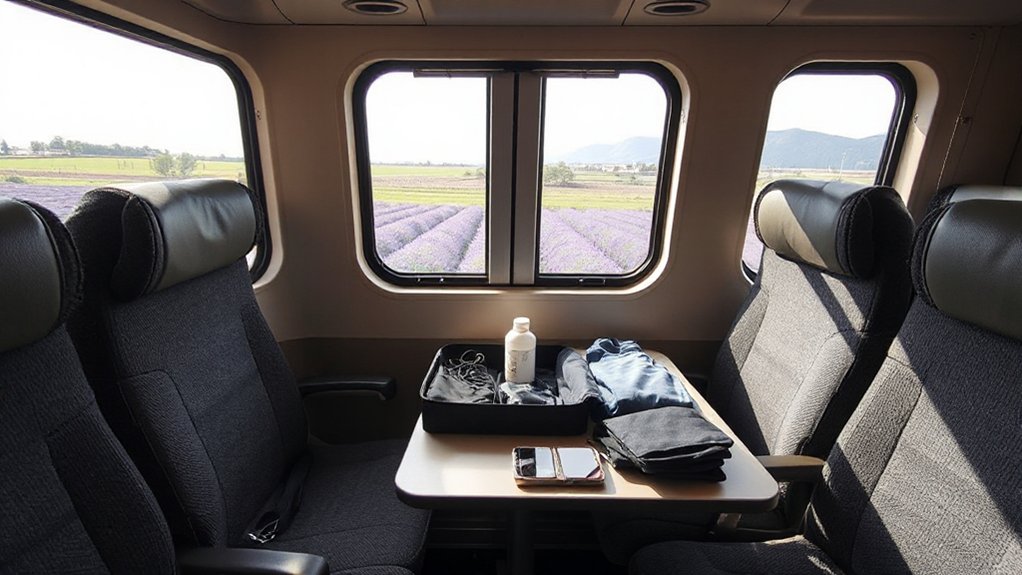
Packing light and smart sets the tone for a smooth Lyon–Barcelona journey. You’ll glide through stations with minimal heft, yet prepared for changing tracks and moods along the way. A well-packed bag feels like a personal travel toolkit: ready for shade, sun, and sudden wind off the Pyrenees.
1) Essentials in reach: a compact charger, a lightweight scarf, a reusable water bottle, and a small journal for fleeting memories.
2) Layered wardrobe: breathable tops, a cardigan, and a compact rain shell for unpredictable showers.
3) Quick-snack kit: nuts, dried fruit, and a chocolate square to pair with local tapas when you land.
4) Curated curb-appeal: a map, cultural festivals notes, and room for souvenirs of Local cuisine discoveries.
Food and Drink Aboard European Trains: What’s Possible
On European trains, the menu comes to you in a rolling panorama: you’ll find coffee that steams in ceramic cups, pastries glistening with sugar, and regional bites that travel as smoothly as the rails themselves.
You’ll notice a practical beverage selection, from rich espresso to herbal infusions, designed to refresh between vistas.
Local cuisine appears in bite-sized portions: a quiche Lorraine wink, a crisp baguette with charcuterie, or a simple cheese plate that echoes the countryside you’re rolling past.
The servings are steady, not rushed, and you can request hot water or ice without fuss.
Keep an eye on the cart’s rhythm, so you time your snack with a postcard view.
Dining aboard becomes part of the journey, not an afterthought.
Barcelona Transit Hubs: From Sants to City Center
From Sants station, Barcelona unfurls like a well-timed itinerary: glass towers catching the sun, a heartbeat of crowds weaving toward the metro, buses, and taxis. You move with purpose, tracing a clean line from platform to street, where the city exhales heat and possibility.
1) Train carriage rhythm: doors slide, luggage shifts, and you find your seat with a quick glance at the map.
2) Ticket validation: nearby machines stamp your pass, a small, essential ritual before you step onto the network.
3) Transfer tips: follow signs to L1 or L3, keeping a calm pace as announcements cut through chatter.
4) City-center arrival: bright streets open, cafés beckon, and you’re inside the pulse rather than watching from afar.
Arriving in Barcelona: Sants or Alternatives?
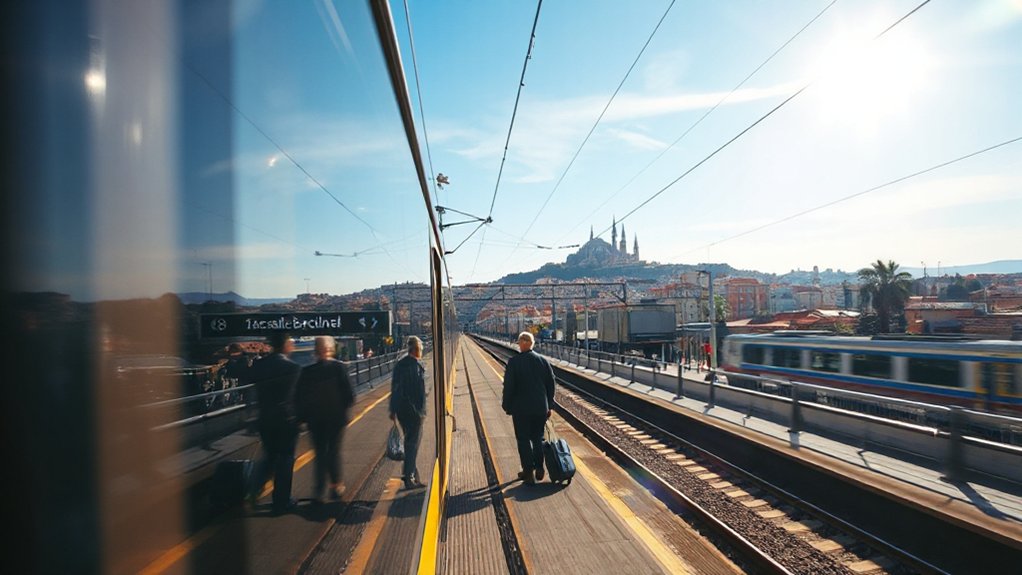
Barcelona greets you at Sants with a rounded, metropolitan hum, yet options ripple outward like a map you can actually trust. As you step off, you size up your arrival: Sants is fast, stitched to the metro and buses, predictable and efficient.
If you crave a more intimate approach, alternatives like Barcelona-Sagrados or França station linger on the periphery, with quieter halls and easier transfers to the old town.
Decide by your plans: if you want speed and central access, Sants remains your anchor; if you prefer scenic routes or a different neighborhood vibe, explore the outskirts.
Remember train ticket discounts can appear at stations or online, and luggage storage options let you roam light while you begin your Barcelona chapter.
Day Trips From Barcelona by Train: Quick Excursions
You can hop a quick train and vanish into a day that feels far from the city’s pulse, yet never strays from its heartbeat. From Barcelona’s bustle, short rides release quiet towns and crisp views, where time slows to savor.
You’ll find Historical landmarks that whisper of old trades, and local cuisine that invites you to linger over a pastry or a plate of tapas.
- Montblanc’s medieval streets and stone courtyards
- Cardedeu’s riverside strolls and markets
- Ripoll’s cloisters and mountain air
- Sant Cugat del Vallès, monasteries and tapas bars
With a single ticket, you’re free to taste history and bite-sized culture, all within a few hours.
Train windows frame gentle arcs of hillside villages and blue horizons.
Family, Accessibility, and Comfort: Travel Tips for All
Family trips by train can be surprisingly smooth when you prep a little in advance: accessible carriages, quiet corners for napping, and clear signage that helps everyone stay oriented. You’ll notice how the carriage hum settles into a steady lull, a soft rhythm that steadies anxious vibrations for kids and grandparents alike.
Pack a small kit of comforting snacks, familiar songs, and a lightweight blanket to create family friendly activities that travel with you. Seek accessible travel accommodations ahead of time, confirming ramps, wide aisles, and seating near exits for quick in-and-out boosts.
Keep a simple map visible, so little ones feel in charge. By prioritizing calm spaces and practical detail, your journey becomes a shared, comforting adventure rather than a rush.
Timing by Season: Weather, Crowds, and Planning
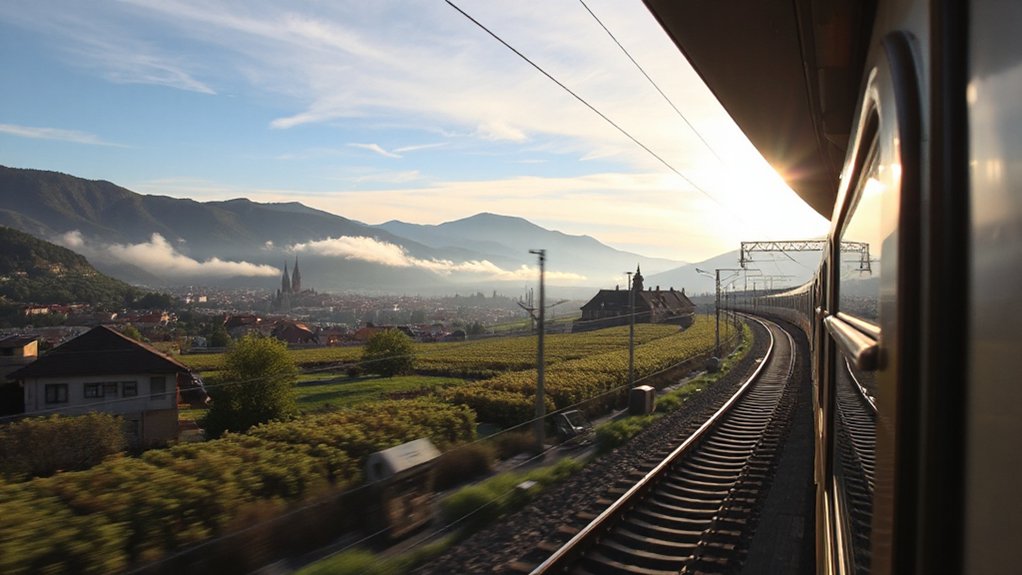
Seasonal weather blues and sunny peaks shape your railside routine, from chilly dawns near Lyon to warm, breezy evenings arriving in Barcelona.
You’ll feel crowds shift with holidays and harvest markets, so plan trains around shoulder-season windows and midweek departures for smoother timetables.
With a practical eye, map potential delays, check real-time updates, and build buffer time into connections so your journey stays as smooth as the scenery.
Seasonal Weather Impacts
Spring can bring milder days and suddenly shifting showers, so you’ll want to pack both a light jacket and a compact umbrella as you plan the Lyon to Barcelona train ride. Seasonal weather shapes your window for departure, guiding what you wear and when you book. You’ll read weather forecasts like a map, spotting risk days and calmer passages between the storms.
1) Prepare seasonal clothing that layers, not bulky outfits that overheat on the platform.
2) Check forecasts morning and night to time your boarding with gentler hours.
3) Pack a compact layer for chilly tunnels and breezy carriages.
4) Have a small towel or scarf for sudden dampness and sun.
Trust the forecast to pace your journey, and travel with confidence.
Crowds And Timetables
Crowds move differently with the calendar, and your Lyon to Barcelona train ride follows that rhythm. In peak season, you’ll feel the platform pulse—locals, tourists, and rail staff weaving a familiar choreography.
Off-peak, the carriages open like quiet coves, seats easy to claim, punctuality more forgiving. Timetables tighten around holidays and service changes, so you plan ahead, checking exits and connection windows to avoid juggling alarms.
Travel safety matters, so keep a mindful pace as you board, verify your carriage, and store bags securely before departure.
Train hygiene stays visible: wipe-down stations at grip points, fresh air vents circulating, and passengers mindful of hands and luggage.
Plan for gaps between trains, and don’t rush—timing grows sweeter when you ride with calm precision.
Planning And Delays Outlook
Planning delays isn’t just about clocks; it’s about reading the sky and the station hum in one breath. You’ll gauge chances of a smooth ride by watching weather, crowds, and the rhythm of crews.
When storms loom, you’ll want a plan for contingencies and clear expectations for when trains roll. You’ll also factor maintenance windows, because train maintenance can quiet a platform without warning.
Stay sharp on refunds policies so ticket refunds aren’t a snag when plans shift.
- Check forecasted delays by season and adjust departure windows
- Track crowd surges at Lyon and Barcelona stations
- Note maintenance slots and potential reroutes
- Know refund deadlines and how to request them efficiently
Luggage Rules and Station Etiquette for European Rail
Traveling luggage on European rail is all about smart packing and smart moving: know the basics, keep essentials handy, and give yourself room to breathe as you breeze through stations. You shoulder your bag, then slide it into a designated area, prioritizing Luggage storage that won’t block aisles or doors.
Keep fragile items protected, use straps, and label destinations clearly. In your coach, claim your seat and stow carry-ons under the table or in overhead racks, avoiding crowding other travellers.
Practice Station etiquette: allow others to exit first, respect quiet cars, and offer help to anyone struggling with heavy loads. Move with purpose, not haste, and always keep valuables close.
Clear signage, mindful pacing, and courteous smiles smooth every passage.
Delays on the Lyon–Barcelona Route: Common Causes and Mitigation
You’ll feel it in the timetable twists—train schedule disruptions that turn a planned minute into a memory. Track and signal issues glare like red warning lights, forcing speed checks, reroutes, and held doors as crews troubleshoot.
Weather-related delays loom, but you’ll learn the practical fixes: carry extra time, monitor live updates, and align your pace with how the line breathes and responds.
Train Schedule Disruptions
Delays on the Lyon–Barcelona corridor derail smooth plans with surprising regularity: a single late train can cascade into missed connections, crowded platforms, and frantic sprinting for a seat you hoped would be waiting. You ride the ripple, feeling the clock tighten, the timetable buckle, and every delay ripple outward into ticketing delays and rearranged plans.
1) Train maintenance glitches suddenly shorten a route, forcing detours or replacements that shuffle your schedule.
2) Late arrivals compound busy stations, making platform changes abrupt and confusing for passengers.
3) Ticket pricing quirks spike when delays push you into higher fare windows or last-minute buys.
4) Weather and staffing gaps intensify the domino effect, leaving you juggling connections and comfort compromises.
Track and Signal Issues
You notice uneven rhythm where the wheels meet rails, a telltale squeal, a whispered warning from the cab. Signal failures freeze progress, lights flicker, and timing slips, forcing you to wait as a new timetable tries to be born.
You rely on on-board notices and station staff, who chase updates with calm efficiency. Mitigation is daily work: proactive inspections, redundant signaling, swift track repairs, coordinated dispatch, and clear passenger communication.
Weather-Related Delays Impact
Rising weather can redraw the map of your Lyon–Barcelona journey in minutes, turning a smooth day into a maze of wind, rain, and sighing rails. When storms roll in, delays surge from gusts, flooded tracks, and reduced speeds, nudging your timetable off course. You’ll feel the ripple in every connection as platforms fill with anxious travelers and hissed announcements.
Yet you can stay ahead with practical steps and clear choices.
- Check weather forecasting tools before departure to anticipate slowdowns.
- Choose trains with higher on-board flexibility rather than fixed connections.
- Bring a flexible plan for Paris or Lyon layovers to minimize wait times.
- Use train ticket flexibility to rebook without heavy penalties when weather worsens.
Language, Apps, and Local Tips for the Lyon–Barcelona Journey
If you’re heading from Lyon to Barcelona, a few practical habits can smooth the ride: pick up a few phrases in French and Catalan, stash a portable charger, and download offline maps and playlists. You’ll hear a tapestry of accents along the carriages, and small talk can open doors to local tips.
Language barriers fade when you flash a smile, point to a map, and switch to simple sentences. Apps become trusty copilots: offline transit guides, language translators, and bookmarking platforms for “where to eat” and “best views.”
Respectful cultural etiquette—greetings, tipping norms, and queue patience—keeps interactions warm. Pack a lightweight phrasebook, save emergency numbers, and keep your devices charged for snapping fleeting, memory-rich moments along the route.
Frequently Asked Questions
Is There a Direct Train Lyon to Barcelona Year-Round?
No, there isn’t a year-round direct train; you’ll typically transfer. Still, you can choose a scenic route via high-speed links and enjoy travel comfort, with dramatic coastlines and vineyard views shaping your memorable journey.
How Long Is the Typical Lyon–Barcelona Journey?
A typical Lyon–Barcelona journey takes about 5 to 6 hours by high-speed train. You’ll enjoy scenic train routes, sweeping Pyrenees views, and comfortable seats. Pack snacks, arrive early, and follow train travel tips for smooth connections.
Which Stations in Lyon and Barcelona Are Used?
You’ll depart from Lyon’s station options like Lyon Part-Dieu or Perrache, choosing a gateway that suits you, and arrive at Barcelona station options such as Sants or França, where trains fan out like rivers through ancient streets.
Do Trains Require Seat Reservations for All Routes?
Trains rarely require seats booked on every route, but you should check. Picture a free-flowing river; ticket flexibility exists, yet some trains demand reservations. You’ll see train class options vary, and seat availability hinges on demand and timing.
What Are the Best Times to Travel Lyon to Barcelona?
Travel early mornings or late evenings to avoid crowds and enjoy cooler air, you’ll experience travel scenic routes, and shadows on hills. Pack light, snag advance fares, and follow Tips for budget travelers for a smoother ride.
Conclusion
You’ll glide from Lyon to Barcelona like a thread unspooling between two vibrant cities. Pack light, book ahead, and savor the café chatter and Pyrenees views slipping by the window. Let the timetable be your compass, not a cage; flexibility buys sweeter scenery. With each station stop, you collect a postcard of Europe—sunlit hills, sea-bright coasts, and the soft clink of cups. Your journey becomes a map you live, not just read, a pulse between wheels and horizons.