
You’ll wander intimate bodegas and tiny towns, tasting Rioja as if you’re chatting with the land itself. Observe sun-bronzed rows, stone courtyards, and winemakers who share stories behind every pour. Pair crisp acidity with roasted lamb or slow-braised veal, using regional peppers, beans, and mushrooms to amplify the wine. Let hillside views and medieval plazas guide your day, then harvest alongside locals during seasonal celebrations. Continue on, and you’ll uncover more of Rioja’s living flavor map.
Key Takeaways
- Visit intimate, small bodegas for tastings and winemaker interviews to uncover personal Rioja stories.
- Pair Rioja with regional dishes that highlight acidity, tannins, and fruit, using reductions and smoking for depth.
- Drive scenic routes through medieval towns, stopping at hilltop vineyards at sunset and during tapas crawls.
- Plan harvest-season trips with advance bookings for tours, tastings, and local festivals, using a flexible itinerary.
- Observe vineyard architecture and landscape to sense place, linking land features to flavor and memory.
What Makes La Rioja a Food-and-Wine Destination
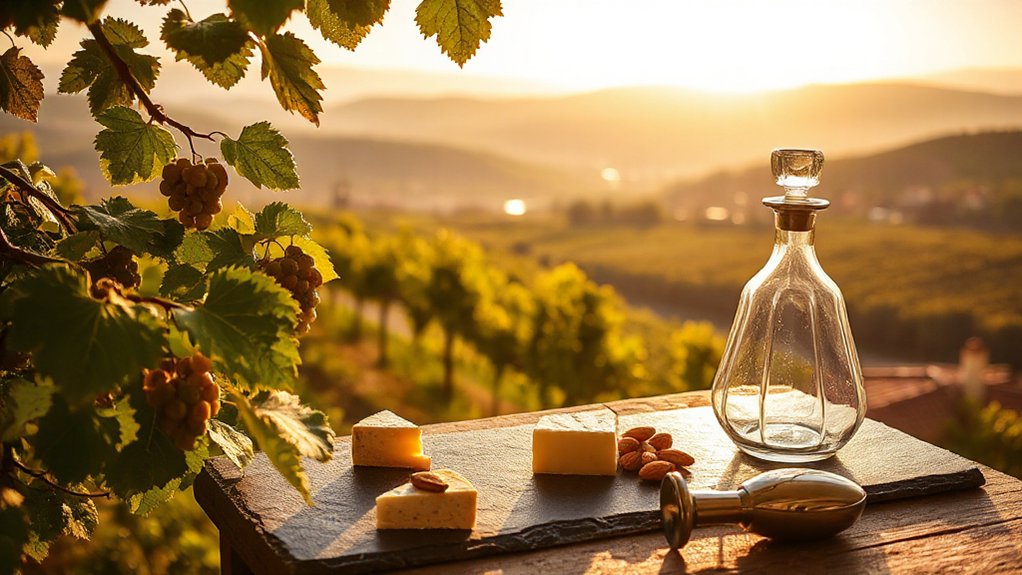
La Rioja isn’t just a place to drink wine; it’s a landscape where food and history mingle at every turn. You sense that the region’s appeal isn’t only in bottles but in a living rhythm of farms, markets, and kitchens.
Local wine festivals punctuate the year, where banners flutter and you trade tasting notes with locals, feeling the shared pride in craft and heritage.
Traditional culinary techniques shape every bite, from slow braises to smoke-kissed vegetables, revealing patience as a star ingredient.
You notice how the plains, vineyards, and rivers mirror the meals you savor: simple, honest, precise.
The season dictates pace, and you adapt, learning to read aromas, textures, and stories that connect the land to your plate.
Start Here: Bodegas, Tastings, and Tiny-Town Visits
Begin your Rioja immersion by stepping into small bodegas and savoring intimate tastings that feel like conversations with the land. You’ll notice how vineyard architecture shapes the sense of place, from sun-bronzed rows to stone courtyards that echo decades of care.
As you wander, seek out winemaker interviews that reveal stories behind every pour, from soil whispers to oak decisions. Keep this practical starter in mind:
1) Pick prioritize micro-producers for personal access
2) Schedule short tastings to compare vintages side by side
3) Observe how the building layout guides airflow and aroma
4) Note the terroir shifts between village, hillside, and river valleys
These tiny-town visits reward patience, curiosity, and a closer, quieter understanding of Rioja.
Dishes That Elevate Rioja Wines
Pair Rioja wines with dishes that let their acidity, tannins, and fruit shine, letting every bite heighten the wine’s character. You’ll notice how crisp acidity cuts through fattier bites, while gentle tannins cradle red fruits in a long finish.
Dishes built on regional ingredients feel embedded in the region’s soil: roasted lamb with garlic, tomatoes, and peppers; slow-braised veal cheeks glazed with Rioja’s own heritage; or country-style stews where paprika and olive oil mingle with saffron and herbs.
Pairing techniques matter: a bright reduction amplifies fruit, a char adds smoke, and a dash of salt brightens acidity.
Seek regional ingredients like peppers, beans, and wild mushrooms to harmonize with oak-heavy tempranillos and fruit-forward grenaches, elevating every sip.
Scenic Routes, Tapas, and Town-to-Town Treks
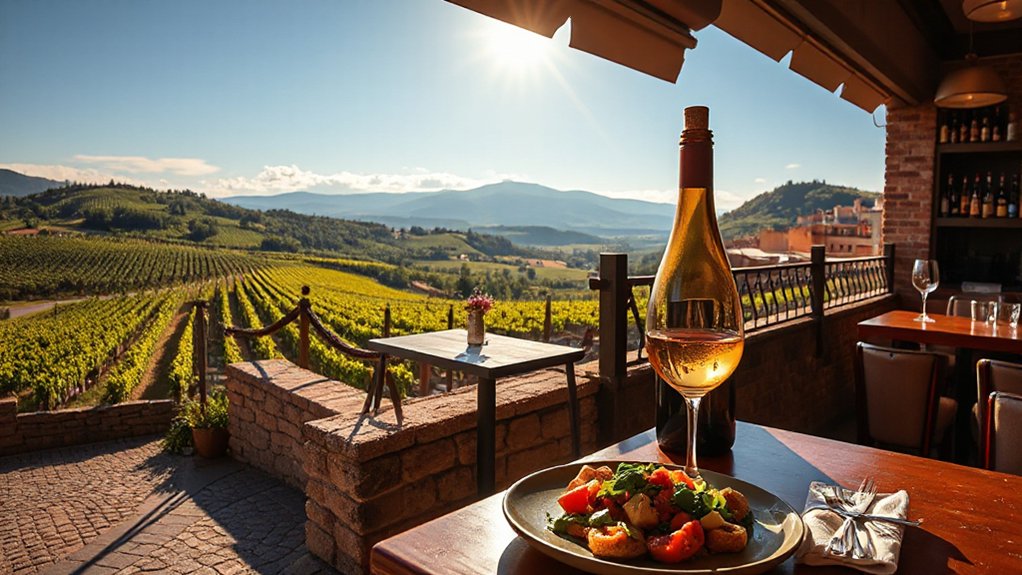
From winding back roads to bustling market lanes, Rioja’s scenery unfolds as you drive: vineyards roll over hills like green waves, medieval towns clutching layered stone and sunlit plazas, and apricot skies melt into terracotta rooftops.
You’ll swap stories with locals, follow scent trails of garlic and peppers, and chase views that invite you to linger.
- Tapas crawl between centuries-old walls
- Sunset pauses at hilltop vineyards
- Short hops between village plazas
- Local guides revealing grape harvesting moments
You notice vineyard architecture in every terrace and stone, and you sense the rhythm of harvest as crates creak and workers share quiet pride.
The route threads flavor with landscape, turning a drive into memory—without rushing, just tasting the land.
Grape harvesting colors your day; you imprint it on your palate.
Plan Your La Rioja Trip: Timing, Booking, and Tips
Timing, bookings, and practical tips shape a seamless La Rioja experience: plan around harvest seasons to catch grape-stomping moments. Book winery tours and accommodations well in advance, and map your days to balance vineyard visits with medieval towns. You’ll move between sunlit vines and stone streets, noticing scent, sound, and rhythm—the clink of glasses, vendors calling, a lull before the next tasting.
Plan around local festivals to feel the region’s pulse, and seek out seasonal produce for dinners that echo terroir. Use a compact itinerary: morning tours, midday tapas, afternoon strolls, evening cellar tastings. Pack flexible hours for spontaneous discoveries, and book a trusted driver if you sample beyond walking distance.
Stay curious, hydrated, and ready to adapt.
Frequently Asked Questions
What Are the Best Months for Harvest-Season Wine Experiences?
You’ll want September through October, when harvest festivals peak and you join grape picking in sunlit vineyards, feeling crisp air, dusty boots, and old vines humming. You’ll celebrate, taste new wines, and savor lively grape picking moments.
Can You Combine Rioja Wine Tours With Michelin-Star Dining?
“Where there’s a will there’s a way.” You can combine Rioja wine tours with Michelin-star dining, you’ll savor wine tasting while soaking vineyard scenery, and you’ll feel the cuisine’s artistry elevate every resonant, experiential bite and memory you craft.
Are There Accessible Tours for Visitors With Mobility Challenges?
Yes, there are accessible vineyard tours and wheelchair friendly wine tastings. You’ll glide through level paths, feel the warm stone, and savor aromas; you’ll notice accessible restrooms and seating, ensuring inclusive experiences that let you fully enjoy the wine.
How Do Volcanic Soils Influence Rioja Wine Flavors?
Volcanic terroir unexpectedly shapes Rioja, you’ll notice sharper acidity and mineral notes, a flavor enhancement that sneaks in with each swirl. You’ll savor contrasts, observing how rocks whisper into your glass and elevate every sip. Irony, delightfully included.
Which Rioja Towns Are Best for Late-Evening Tapas Hopping?
You’ll want Logroño and Haro for late-evening tapas hopping, where Tapas bars spill into buzzing streets and Nightlife scenes hum with energy, inviting you to savor charcutería and pinchos while you wander between lively, intimate venues.
Conclusion
Taste Rioja’s heartbeat in every sip, bite, and sunset over rolling vines. You’ll wander between sunlit bodegas and intimate taverns, where aromas braid with laughter and stories. The landscape becomes a living cellar—every bend a new vintage, every bite a memory. So go ahead: let the route guide you, let the flavors surprise you, and let La Rioja unfold like a well-loved bottle—opening gently to reveal something unexpectedly unforgettable. Cheers to the journey ahead.