
You’ll want to taste the Basque Country’s must-tries that balance sea-kissed clarity with rustic heart. Start with Bacalao a la Vizcaína, salted cod in glossy tomato-onion sauce, and Txangurro, crab’s delicate coastal aroma shines when simply prepared. Don’t miss hearty cazuela or smoky Idiazabal cheese, plus vibrant spring greens and summer peppers. Pintxos in taverns pair with crisp white wines or cider, revealing terroir through texture, aroma, and balance. Curious what else defines this cuisine’s pride? You’ll uncover more soon.
Key Takeaways
- Bacalao a la Vizcaína highlights the Basque coast with salted cod in a glossy tomato-onion-p paprika sauce.
- Txangurro showcases delicate crab to emphasize sweetness and maritime aroma, a coastal signature.
- Lamb dishes from green highlands emphasize tenderness, rusticity, and restrained aromatics like salt, olive oil, and garlic.
- Idiazabal cheese exemplifies artisanal, smoked sheep’s milk flavors tied to nomadic herding and regional terroir.
- Pintxos and social tapas fuse bold flavors with visual storytelling, pairing with local wines in vibrant communal dining.
What Makes Basque Cuisine Distinct
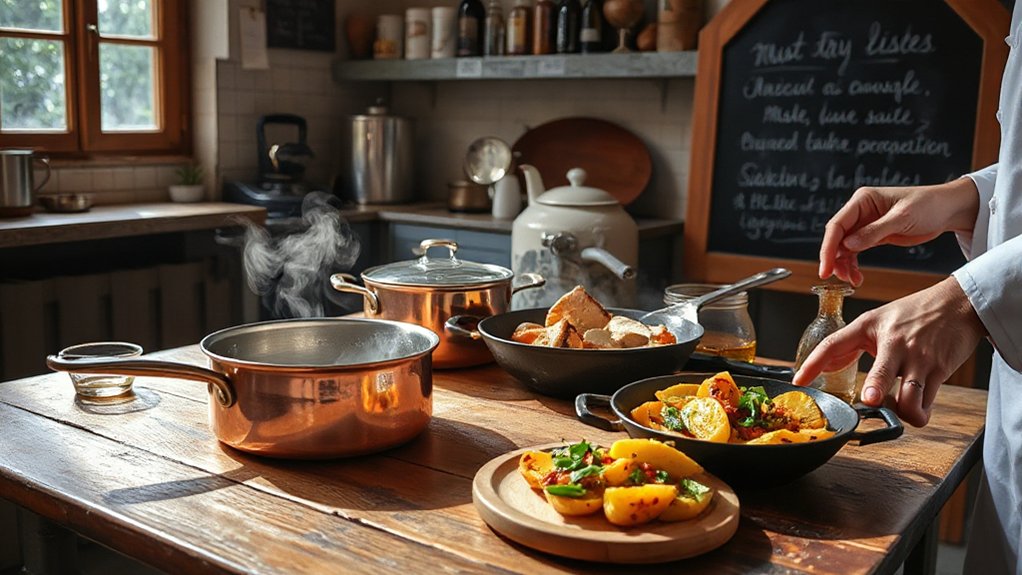
Basque cuisine stands apart not just for its flavors but for its confident sense of place. You sense it in the way ingredients speak with clarity, each note purposeful and restrained.
What makes it distinct isn’t a single trick but a cohesive philosophy: terroir-driven accuracy, seasonal honesty, and a bold yet balanced approach to fat, salt, and heat.
You’ll notice traditional techniques passed down with minimal fuss, letting natural character shine.
Coastal herbs provide bright, maritime lift without masking other flavors, while traditional baking yields breads and pastries with crisp edges and tender crumb that anchor meals.
You respect the region’s stubborn practicality—simple preparations that honor ingredients, avoid pretension, and invite you to taste provenance in every bite.
Pintxos 101: The Signature Basque Small Plates
Pintxos are the Basque answer to small plates done right: individual bites that pair bold flavors with careful balance, inviting you to sample multiple layers of character in a single meal. In this Pintxos 101, you’ll learn how a single skewer can tell a story—from its crisp base to the savory topper, each component chosen for harmony.
You’re guided to seek contrast—salt with acidity, fat with freshness—so every bite feels purposeful, not fussy. Pairing matters, too: a glass of Basque wine elevates cured meats and grilled peppers, while subtle takes on seafood echo the region’s coastal heritage.
Traditional textiles influence plating aesthetics, reminding you that presentation matters as much as technique.
Basque Fish Dishes You Must Try
You’ll taste the clarity of Fresh Basque seabass preparations, where delicate textures meet bright, coastal flavors. Mastery shows in the way classic fish stews balance briny stock, seasonal vegetables, and subtle aromatics.
This section invites you to explore techniques that elevate every bite, from precise filleting to simmered, soul-satisfying broths.
Fresh Basque Seabass Preparations
Fresh Basque seabass dishes shine when the fish is treated with restraint, letting delicate, briny notes, and a kiss of olive oil carry the dish. You’ll notice how simple preparations elevate flavor, not mask it, with a light sear that seals moisture.
In seafood pairing, brightness from lemon, herbs, and a splash of white wine complements the fish without overpowering its essence. You’ll respect traditional fishing traditions, sourcing hake-like seabass from coastal fleets, then letting the catch speak for itself.
Serve with crisp greens and a drizzle of olive oil to finish. The approach emphasizes balance, texture, and clarity, guiding you toward confident, refined plates that honor Basque culinary sensibility rather than flamboyance.
Classic Fish Stews Techniques
Classic Basque fish stews hinge on building depth with minimal fuss: a focused soffrito, restrained use of peppers, and careful simmering that lets every ingredient contribute without muddying the broth. You’ll master technique by respecting balance, letting the stock speak for itself, and honoring tradition.
1) Traditional fishing techniques shape the catch, guiding you to choose sturdy firs or cod and preserve texture in the final dish.
2) You maintain seafood sustainability by sourcing line-caught or responsibly farmed varieties, minimizing waste with head-to-tail use.
3) You achieve a clean finish with a light touch of olive oil and a brief simmer that prevents bitterness and preserves depth.
This approach elevates every bite, keeping Basque technique sharp, purposeful, and timeless.
Txokos: Inside Basque Social Kitchens and Tapas Hubs
You’ll step into the txoko’s intimate world where Basque social kitchens blend home cooking with communal tapas culture. These hubs cultivate a rhythm of shared plates, quick-fire techniques, and a sense of heritage carried across generations.
As you observe, you’ll see how the space itself invites conversation, collaboration, and a living tradition you can taste.
Inside Basque Kitchens
- Shared ladles and wooden boards
- Stainless pans that sing when heat meets heart
- Time-honed knives that carve more than ingredients
You’ll notice how instruction is implicit, safety first, and pride second, as neighbors mentor newcomers, sustaining a culture where food binds the block.
The result is flavor, trust, and a living heritage.
Tapas Hub Culture
From inside Basque social kitchens, the tapas hub emerges as more than a bar or a plate-sharing space—it’s a living social engine where neighbors gather, voices mix with the sizzle of the griddle, and tradition meets improvisation.
In txokos, you’ll observe collaboration over fire, ceremony in every pour, and an ethic of sharing that sustains both appetite and community. Local wine threads through tastings, debates, and toast-worthy moments, linking dishes to memory and place.
You’ll note disciplined rhythm: cooks rotate, conversations tempo with the pan, and humor softens critique. The space also preserves culture, where traditional dance cues punctuate gatherings and reinforce belonging, making the tapas hub a practical classroom for Basque sociability.
Bacalao a La Vizcaína: Basque Salted Cod Mastery
Bacalao a la Vizcaína showcases the Basque coast’s elegant pragmatism: salted cod is transformed through patience, technique, and a few humble ingredients into a dish of deep, savory complexity. You approach it with intent, letting each step reveal balance between salt, sweetness, and pepper, while the tomato, onion, and morcilla accents whisper Basque identity.
- You feel the cod rehydrate and soften under controlled heat, a ritual of restraint.
- You observe the sauce simmer to a glossy veil, binding fish and aromatics with quiet confidence.
- You savor the finish, where briny depth meets paprika warmth, leaving a lasting, confident impression.
Traditional tapas and Basque desserts echo this discipline, pairing simplicity with vivid character.
Bilbao’s Iconic Txangurro: Crab Preparations
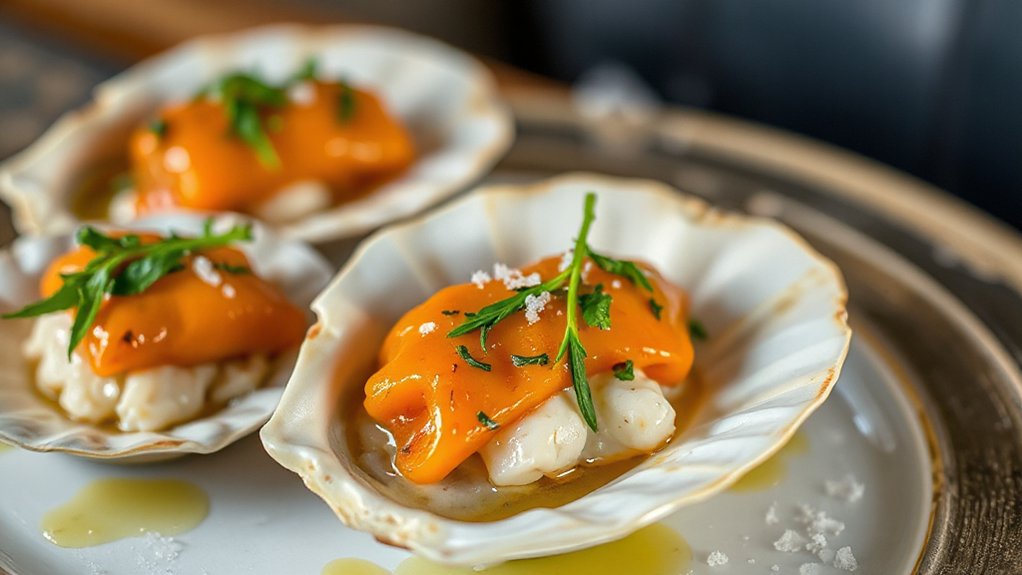
Across Bilbao’s maritime spirit, txangurro stands out as a signature expression of crab mastery, transforming humble crustaceans into an intimate study of aroma, texture, and the coast’s seasonal voice. You’ll find preparations that celebrate the crab’s sweetness, from delicate stuffing to warmed, claw‑scented presentations.
The technique emphasizes minimal fuss—cleaned meat mingling with olive, onion, and a whisper of brandy—so the crustacean’s essence remains at center stage.
This dish embodies Seafood sustainability, with local catches guiding choices and portions that honor the crab’s lifespan. It also reflects Basque culinary history, where coastal communities refined shells into indulgent yet respectful fare.
Choose a seller who sources responsibly, and savor the briny proof of a region’s maritime craft.
Heartwarming Basque Stews: Cazuela and Potajes
Basque heartiness comes alive in cazuela and potajes, where rustic comfort meets coastal soul in steady, simmering rhythm. You’ll feel the braise deepen flavors from sea and land, turning humble ingredients into nourishing memories.
As you ladle, the stock carries hints of Traditional festival dinners and communal tables, binding generations with every spoonful. The stew’s texture stays balance-rich: velvety broth, tender legumes, and notes of smoke from coastal fishing shores.
To savor the moment, consider:
1) savor the steam rising with salty air from the harbor
2) notice the lentils and chickpeas absorbing broth like shared stories
3) appreciate the simple, generous finish that invites seconds
These cazuela and potajes anchor Basque hospitality in every comforting bite.
Lamb Dishes From the Basque Pastures
From the green highlands where sheep dot the hills, Basque lamb dishes emerge as a direct dialogue between pasture and plate. You taste a lineage of narrow valleys and wind-burnished breath in every bite, where lean cuts meet patient flame.
The best preparations honor Lamb pasture origins by keeping tenderness aligned with rustic character, never masking the meat’s natural sweetness. You’ll notice a restrained use of aromatics, letting salt, olive oil, and a kiss of garlic carry the meat’s profile rather than overpower it.
Basque grazing informs both texture and depth, producing succulent morsels with a subtle gamey note. Serve with simple accompaniments that respect the landscape, and you’ll feel the region’s authenticity in each mouthful.
The Soul of Basque Sides: Purrusalda and Friends
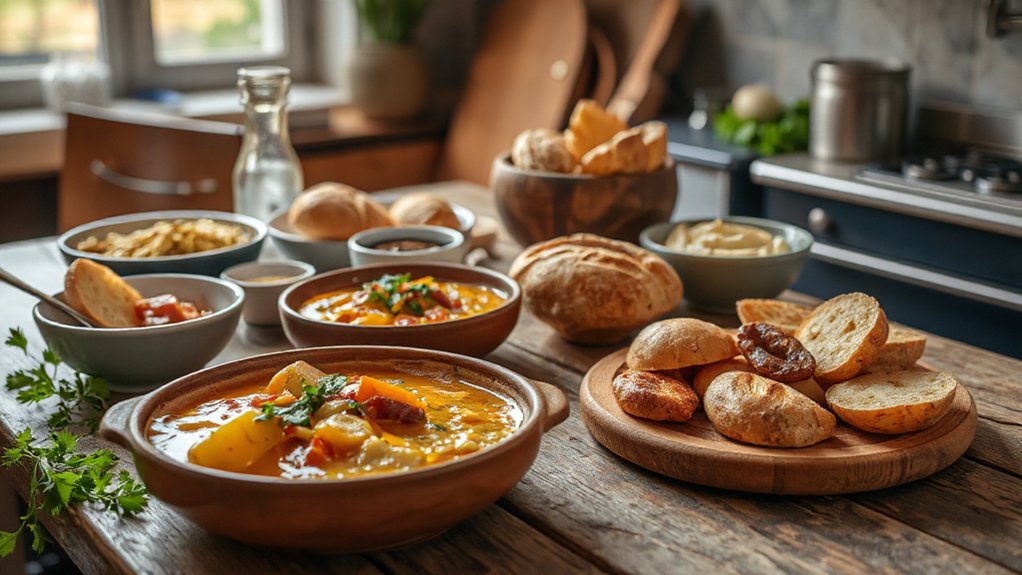
The soul of Basque sides centers on purrusalda, a humble, hearty dish that reveals how vegetables and greens carry the region’s character as deftly as meat does. You’ll sense its calm strength in simmered leeks, potato, and spinach, bathed in a savory broth that tightens flavor into memory. These are the sides that amplify a main course and echo the land’s rhythm.
Here are three companions you should meet:
- Basque greens with garlic and olive oil, bright and resolute
- Spinach with béchamel, velvet and comforting
- Turnip stems stewed with onion, sharp yet gentle
Traditional music, Local festivals—these textures braid into your dining, guiding you to feel Basque identity in every bite and gathering.
Idiazabal and Dairy: Cheese That Defines the Region
Idiazabal cheese embodies the Basque dairy tradition, tracing its origins to shepherds who cared for hardy sheep and time-honored techniques. You’ll see how regional dairy practices—from milk handling to aging rooms—shape its rugged, nutty character and distinctive rind.
This cheese defines the region’s flavor landscape, offering a lens into local production, seasonal variation, and the community that sustains it.
Idiazabal Cheese Origins
You can taste the land in every bite of Idiazabal, a smoked sheep’s milk cheese whose origins flow from the Basque highlands and the timeless practices of shepherds and dairy artisans. The cheese embodies a lineage of seasonal migrations, shepherding wisdom, and cooperative labor that shaped Basque identity. Its origins intertwine with Basque festivals, where communal tasting and craftsmanship are celebrated as living heritage.
1) Nomadic herding routes that guided milking rhythms
2) Smoke-curing aromas that define its character
3) Small-batch affinities that honor tradition and terroir
Each bite signals a history of rugged terrain, stone huts, and shared meals, inviting you to witness a region where dairy artistry meets cultural pride.
Idiazabal cheese anchors Basque culinary memory, shaping how the land is tasted and remembered.
Dairy Practices In Basque
From hillside dairies to smoke-kissed aging rooms, Basque dairy practices fuse shepherding rhythms with artisan craft to define the region’s cheese landscape. You’ll notice a tight loop between dairy farming and cheese aging, where seasonal pastures influence milk quality and, in turn, the character of Idiazabal and related cheeses.
You’re guided by traditional methods: milk is coagulated fresh, then pressed and stored in controlled environments that intensify flavor while preserving nuance. The emphasis on shepherd-led timing guarantees cheeses reflect local terrain, climate, and grazing cycles.
You’ll see both raw and pasteurized variants, each demanding careful handling to maintain milk integrity. This approach yields a distinct, terroir-driven profile, celebrated by connoisseurs who value provenance, texture, and aroma in equal measure.
Regional Flavor Profiles
What makes Idiazabal cheese define the Basque region isn’t just its texture or aroma, but how a single product carries the land’s weather, pastures, and craft in every bite. You taste a story of shepherds, smoke, and time, melding tradition with modern precision.
Its rind, firm yet yielding, hints at alchemy between milk and mountain grasses. You’ll notice character: nutty, slightly fruity, with a clean finish that invites another slice.
This cheese anchors regional identity at local festivals and in everyday meals.
1) Savor the subtle smoke
2) Feel the sheep’s grazing rhythm
3) Respect the aging patience that sharpens its presence.
Traditional dance and local festivals frame its cultural cadence, elevating your Basque experience.
Seasonal Champions: Basque Dishes by Season
Seasonal cooking in the Basque Country celebrates the landscape’s rhythms, pairing each season’s bounty with time-honored techniques and bold, straightforward flavors. You’ll discover springs of artichokes and fresh greens, translated into simple sautes, stews, and bright chanfaina-like riffs that honor terroir without pretension.
Summer brings tomatoes, peppers, and seafood that respond to quick grills or tortas, preserving brightness and aroma. In autumn, mushrooms, chestnuts, and game emerge, inviting earthy braises and slow reductions that deepen character.
Winter concentrates root vegetables, legumes, and hearty fish, yielding comforting stews and robust roasts. Traditional desserts surface at seasonal close, echoing orchard harvests and dairy notes.
Culinary festivals showcase these alternations, celebrating local producers, communal dining, and the Basque palate’s resilient, celebratory spirit.
Basque Sauces and Techniques: What Sets It Apart
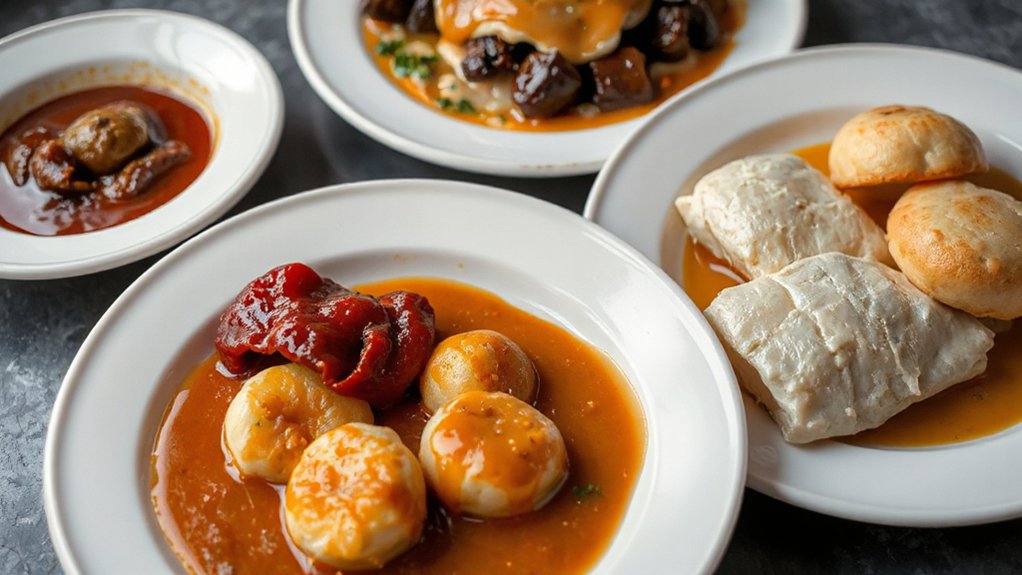
You’ll see how Basque sauces hinge on precise emulsions and control of texture, turning simple ingredients into layered richness.
From fundamental techniques to regional signatures, each sauce illustrates a philosophy of balance, restraint, and technique that defines the region.
This discussion starts with fundamentals, then unfolds through emulsions, texture tricks, and the geographic nuances that give Basque cooking its distinct voice.
Basque Sauce Fundamentals
Basque sauces stand apart for their bright acidity, deep umami, and brisk, spoonable textures that lift everything from grilled meats to potatoes. You’ll notice how foundational emulsions and reductions anchor flavor, while bright vinagrettes finish each bite with precision.
Historical influences thread through every technique, yet culinary innovations push the style forward, blending herbaceous notes with shellfish essences and roasted pepper accents.
- Embrace acidity: quick reductions that sharpen richness without dulling nuance.
- Build depth: use stock, wine, and umami boosters to sustain long flavors.
- Finish clean: a touch of salt, citrus zest, or vinegar brightens without overpowering.
These fundamentals empower you to taste Basque identity in every plate.
Emulsion And Texture Techniques
Emulsions and texture define Basque sauces as much as their bright acidity and umami. You’ll notice that emulsion techniques in Basque cooking aren’t just about blending; they’re about cohesion under heat, acidity, and fat, yielding smooth, glossy finishes that cling to proteins and vegetables.
You’ll experience how controlled aeration and gentle emulsification build body without separation, creating sauces that lift flavors rather than mask them. Texture enhancement comes from deliberate weight, mouthfeel, and contrasts—thickened reductions meeting crisp foams, or velvety reductions balancing crunchy elements.
These practices aren’t arbitrary tricks; they’re calibrated to amplify essence, delivering consistency across dishes. Mastery here rests on timing, temperature, and restraint, ensuring every sauce complements the dish while preserving its bright character and umami backbone.
Regional Variation And Signatures
Regional variations in Basque sauces arise from a lively dialogue between coastal abundance and inland harvests, yielding signatures that range from brisk, crisp reductions to silky emulsions that cling to protein with dependable gloss.
You’ll notice how Basque sauces reveal terroir through texture, aroma, and balance, each technique sharpening food presentation as much as flavor. Bakers and cooks alike leverage precise timing, careful reduction, and controlled emulsification to guide perception and taste.
Embrace these signatures by recognizing how regional produce shapes method and plate.
- Coastal fish reductions that brighten dishes with citrus and salt
- Inland emulsions that sustain richness without heaviness
- Finishings that elevate presentation through gloss and color contrast
From Markets to Table: Key Basque Staples
From markets to table, the Basque pantry hinges on seasons, provenance, and a few trusted staples that define everyday cooking. You immerse yourself in local textures and seasonal rhythms, choosing ingredients with purpose and respect.
At the core are simple, honest elements: peppers, tomatoes, potatoes, garlic, olive oil, and seafood accents that carry coast‑land balance. You rely on smoked or cured meats for depth, and on cheeses that carry the region’s rusticity and nuance.
Fresh herbs, saffron‑tinged arroz, and sturdy bread anchor meals, while beans and chickpeas deliver heartiness with minimal fuss. Traditional festivals and local markets guide timing, shaping purchases around peak harvests and celebratory flavors.
You taste memory in every bite, proof that restraint yields character.
Pairings for Basque Dishes: Wine, Cidre, and Oils
Pairing Basque dishes with the right liquids can elevate the coastal-meets-inland balance you’ve just explored in the pantry. You’ll discover that wine, cidre, and oils act as seasoning, not garnish, shaping aromas, textures, and aftertastes rooted in traditional cooking methods.
When you sip with meals, you’ll notice how crisp white wines lift seafood stews, while farmhouse cidre tempers fatty bites and brightens charred vegetables. Oils—especially olive and hazelnut—finish plates with mouthfeel and a gentle peppery note, aligning with Basque dessert pairings you adore after savory courses.
- Choose wines that echo sea-salt minerals and hillside herbs
- Pair cidre with rustic, smoky, or creamy dishes
- Finish with oils that echo nutty sweetness and balance
These choices deepen authenticity without overwhelming the plate.
Regional Flavors: Gipuzkoa, Bizkaia, and Araba Profiles
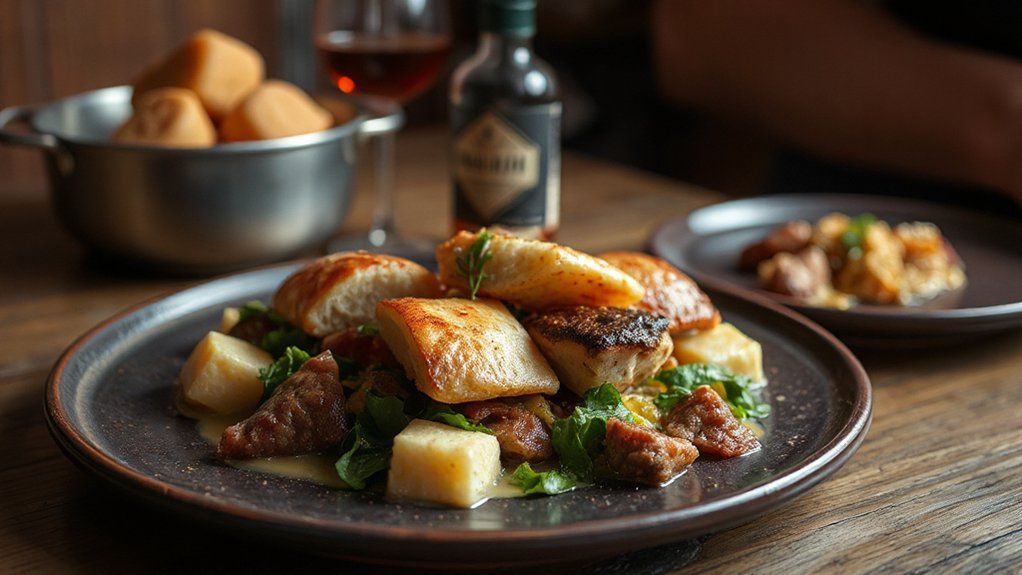
Gipuzkoa, Bizkaia, and Araba each carry distinct flavor DNA that shapes Basque cuisine: coastal brightness from sea-salt and paprika-bright peppers in Gipuzkoa. You’ll taste how Cultural influences mingle with local produce, from sea-garnered cod in Gipuzkoa to robust braises in Bizkaia, and orchard-sweet finishes in Araba.
The region surprises with Culinary innovation—smoked peppers meeting modern techniques, cider-fermented sauces, and inventive pintxos that respect tradition yet push boundaries.
You’ll notice a coherent thread: seaside lightness, coal-tinged depth, and rustic orchard brightness coexist, guiding textures, aromas, and balance, while regional pride remains quietly, confidently expressed.
This profile informs your palate, shaping expectations and appreciation.
Where to Experience These Dishes: Basque Culinary Hubs and Guides
To truly taste Basque dishes, start with the region’s culinary hubs and trusted guides, where seasoned chefs and local producers translate tradition into accessible, immersive experiences. You’ll discover how Culinary festivals showcase regional pride, while guides explain the technique behind each bite. Use these anchors to *access* real flavor, not just headlines.
- Visit bustling markets and taverns that pair ingredients with stories.
- Join a chef’s tasting session to witness Traditional cooking methods in action.
- Attend a culinary festival to feel the rhythm of Basque hospitality and innovation.
These anchors give you confidence to explore, taste, and compare, turning landscapes, sourcing, and skill into a single, unforgettable meal.
Frequently Asked Questions
How Are Basque Dishes Traditionally Served During Celebrations?
Basque dishes are traditionally served in generous communal platters during celebrations, inviting you to share. You’ll notice Basque wine traditions guiding toasts and pacing, while regional dessert variations cap the feast with distinctive, lingering sweetness for everyone.
Which Basque Ingredients Are Seasonal Year-Round?
“Seasonal year-round” holds true; Basque cheese and wild mushrooms persist, you know. You’ll savor Basque cheese and wild mushrooms, as these ingredients stay available, guiding your plates with quality and depth year after year.
What Defines a True Pintxo Versus a Tapa?
A true pintxo uses a skewer or toothpick and a topped bite, while a tapa serves as a small dish shared. You’ll notice Pintxo varieties showcase creativity; Tapa distinctions emphasize portion, plating, and social framing in Basque culture.
How Have Basque Eateries Preserved Coastal Flavors Inland?
You preserve coastal flavors inland by embracing Basque culinary history and Regional ingredient sourcing, you lean on smoked cod, peppers, and cider, and you adapt coastal techniques with discipline, bringing sea-salted nuance to landlocked kitchens.
Where Can I Find Authentic Basque Farmhouse Cooking Overseas?
You’ll find authentic Basque farmhouse cooking overseas at dedicated Basque culture centers and restaurants; seek chefs importing Basque wine, and venues emphasizing Coastal preservation, local barley, and pimentón-inspired dishes, delivering immersive flavors you can confidently trust.
Conclusion
In the kitchen, Basque flavors are a compass, pointing you toward memory and moment. Each pintxo is a lantern along a winding coast, guiding your senses from salt air to sunlit olive oil. The cod’s quiet resilience mirrors the land’s stubborn hills, while cider’s sparkle betokens celebration and kinship. Follow these signs, and you’ll taste home reinvented—a cultural map you eat, sip, and carry with you, long after the last bite flickers away.