
Travel Spain with kids stress-free by planning simple, flexible itineraries and kid-friendly stays. Define your family’s priorities, pack light, and map neighborhoods with parks, markets, and easy transit. Build days around one big activity plus rest and kid-pleasing breaks, snacks, and play. Keep weather plans flexible, dress in layers, and carry a compact first-aid kit. Choose experiences that mix culture with hands-on fun, and prep basic safety and language basics. More practical tips await to smooth every step.
Key Takeaways
- Plan kid-friendly priorities, flexible schedules, and pacing to balance exploration with downtime and safety considerations.
- Choose walkable, family-friendly neighborhoods and accommodations with easy access to parks, transit, and kid amenities.
- Pack light with versatile clothing, compact gear, a lightweight stroller, and an organized system for quick access.
- Build a flexible itinerary with rest breaks, local snacks, and one main activity per day to stay relaxed.
- Incorporate engaging cultural experiences through short, hands-on activities and interactive history walks suitable for children.
Define Your Kid-Friendly Spain Trip: Priorities, Constraints, and Must-Haves
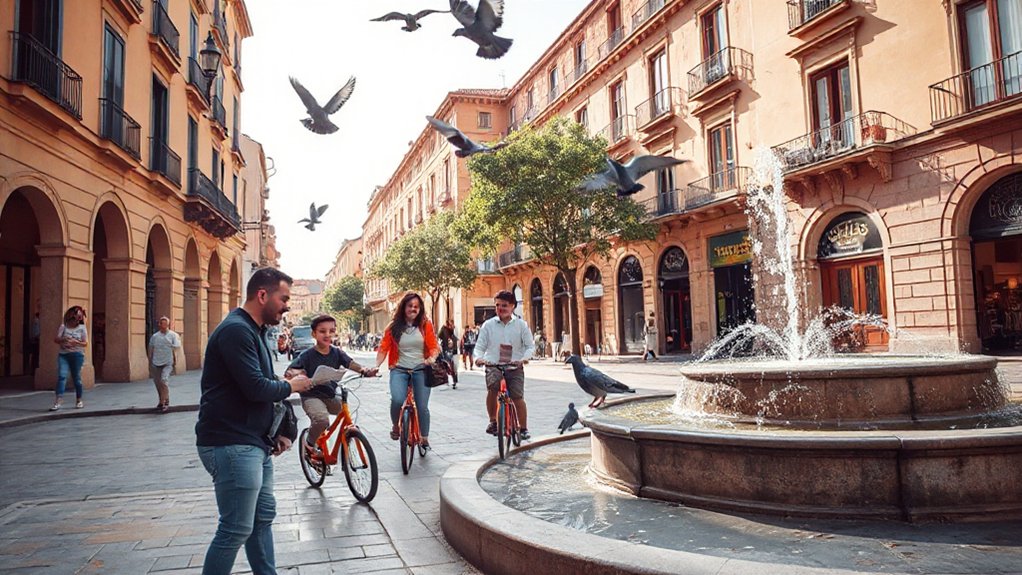
Before you start planning, define what “kid-friendly” means for your family. You’ll map priorities, constraints, and must-haves to guide every choice. Start with core activities: what’ll your kids tolerate and enjoy, and what pace suits you all?
Identify travel safety concerns early—injury risks, illnesses, and supervision needs—so you can plan contingencies.
Set a realistic budget and daily schedule that balances exploration with downtime. Consider transportation modes, meal routines, and nap windows to reduce tantrums and fatigue.
List packing essentials tailored to Spain’s climate and your kids’ needs, then trim to light, useful items only.
Travel safety becomes a running check, packing essentials stay lean, and decisions stay practical, not perfect.
Your plan stays flexible, focused, and family-centered.
Choose Family-Friendly Neighborhoods and Stays in Spain
Choosing family-friendly neighborhoods and stays in Spain starts with practical picks that minimize commutes and maximize downtime for kids. You’ll want walkable areas near parks, markets, and kid-friendly cafes, plus apartments or family rooms with easy access.
Prioritize neighborhoods with calm streets, good lighting, and visible street life that feels safe after dark. Check for nearby playgrounds, stroller-friendly paths, and reliable local transportation options to shorten trips to museums or beaches.
Look for accommodations offering kitchenettes or simple, flexible layouts to reduce morning chaos. Confirm neighborhoods have reliable safety measures and friendly locals.
Neighborhood safety matters as it shapes your pacing and comfort. Compare transit lines, bus and metro hops, and ticket options to keep daily itineraries smooth and stress-free.
Plan a Simple, Flexible Itinerary by Region and Day
To keep travel calm and doable with kids, map a simple, flexible plan by region and day. Start with two or three regional blocks, then slot lighter days between them. Favor a mix: one big activity, one kid-friendly stroll, and a snack-stop tied to local cuisine. Keep core sites within a manageable radius to avoid excessive driving.
Build a rough daily framework, but allow tweaks for weather, breaks, or sudden cravings. Share a simple safety plan: note emergency numbers, store copies of IDs, and pick kid-friendly accommodations near parks. Include buffer time for navigation or spontaneous detours.
Use local maps for authentic flavor, and learn a few phrases to ask directions. Safety tips and smart pacing empower you to enjoy Spain’s charm without scrambling.
Pacing Your Days: Rest, Play, and Explore for Kids
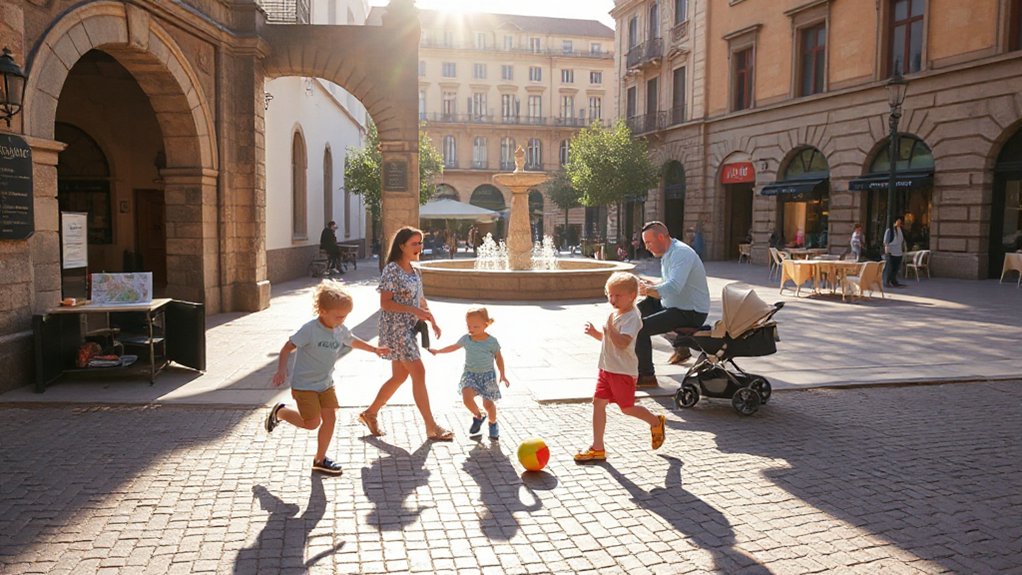
You’ll mix in rest with play by building kid-friendly breaks into each day. Keep plans flexible for naps, snack time, and gentle pauses so little ones stay energized for exploration.
This approach centers Rest-Focused Plans and Kid-Friendly Breaks to keep everyone relaxed and engaged.
Rest-Focused Plans
When you’re traveling with kids, a well-paced day reduces stress for everyone: start with a predictable rhythm that blends short activities with built-in rest, so little ones stay energized and parents stay sane.
In Rest-Focused Plans, build a simple daily cadence: morning explorer session, midday downtime, then a lighter afternoon outing. Keep progressions smooth with brief snack breaks and optional nap windows.
Pack Travel gear that’s kid-ready and easy to deploy—compact strollers, lightweight carriers, and a small first-aid pouch—so you can move fast without hassles.
Use your language skills to signal breaks and directions calmly, avoiding frustration.
Schedule flexible buffers for rain or fatigue, and respect cues—if a child needs quiet time, honor it.
The result: calmer days, happier kids, steadier memories.
Kid-Friendly Breaks
Build in predictable rhythms: 60–90 minutes of sightseeing followed by a 20–30 minute rest, snack, or play in a shaded spot.
Choose child-friendly pauses that feel effortless, like a quick playground visit, a waterfront bench, or a cafe with kid-safe seating.
Keep travel safety top of mind during pauses—check for crowds, hold hands near street crossings, and keep valuables close.
Pack light, but include a cozy layer, snacks, a compact toy, and water.
Packing tips: use a small bag to separate essentials, weight balance, and simplify handoffs between attractions.
Your calm routine pays off with happier kids and smoother days.
Transport Hacks for Traveling Spain With Kids
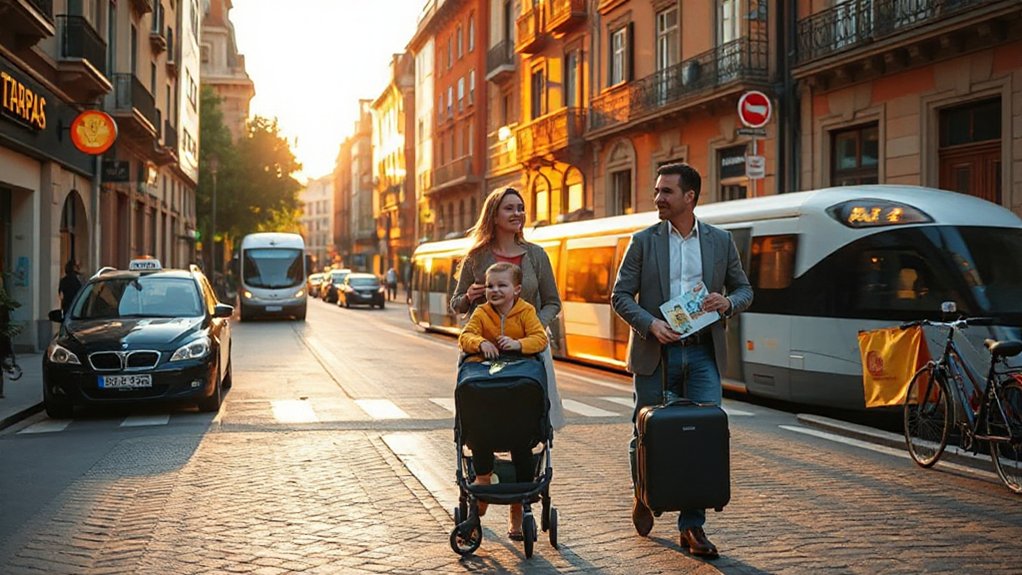
Getting around Spain with kids doesn’t have to be hectic. Prepare a simple transport plan ahead of time: map routes, note transfer times, and save offline maps. Prioritize reliability over novelty—stick to major trains, buses, and licensed taxis.
For peace of mind, book seats on high-frequency services and choose quiet cars during peak hours. Pack compact snacks, a small toy, and a quick-distraction activity to smooth handoffs.
Transportation safety matters: use appropriate child restraints where required, verify battery levels on devices, and keep emergency contacts handy.
If you’re considering a car, rental is convenient for hidden gems, but factor in traffic, parking costs, and tolls. Research insurance and roadside assistance, and have a backup plan for delays.
Region-by-Region Family Attractions in Spain
Spain offers a great mix of regional family attractions, from kid-friendly museums to outdoor wonders, so you can plan bite-sized adventures that fit your family’s rhythm.
Think about hitting Spainwide kid-friendly spots that work as anchors across regions, plus local gems that spark curiosity without overwhelming the day.
I’ll help you map practical, doable ideas that balance fun, pacing, and downtime for every family member.
Regional Family Attractions
From coast to coast, each region in Spain offers its own set of hands-on, family-friendly attractions that keep kids engaged and adults relaxed. You’ll find interactive museums, nature centers, and gentle theme parks sprinkled from Galicia to the Balearics.
Plan simple day trips with built-in downtime for snacks and playgrounds, so energy stays even and moods stay sunny. Seek experiences that blend learning with play, like coastal tide-pool walks, agricultural farm visits, and craft workshops that invite participation.
Don’t miss regional cuisine opportunities—tasting sessions or market strolls make meals a shared adventure. Look for family festivals featuring music, parades, and local storytelling; these give you a sense of place without long travel.
Focus on pace, safety, and moments you’ll remember together.
Spainwide Kid-Friendly Spots
Across Spain, you’ll find kid-friendly spots that work whether you’re near the coast or inland. Start with a practical approach: choose accessible museums with interactive exhibits to spark interest in Spanish art without overwhelming kids.
In cities like Madrid and Barcelona, plan brief visits to kid-oriented wings, then segue to outdoor spaces to burn energy. Involve kids in simple art activities or scavenger-hunt-style tours to keep focus.
If you’re chasing culture with rhythm, seek Flamenco dance performances that are family-friendly and compact in duration. For younger travelers, reserve shaded plazas and playground time between venues.
Balance variety with rest, and you’ll preserve curiosity rather than fatigue. Remember, Spainwide experiences should feel doable, enjoyable, and teachable.
Kid-Safe Meals: Foodie Fun in Spain
Trying new foods with kids in Spain can be tasty and stress-free when you plan smart snacks, kid-friendly portions, and simple rules for ordering. You’ll seek dishes that travel well, like small plates that stay gentle on little stomachs. Look for grilled veggies, plain rice, and lean proteins to form sturdy, balanced meals.
When you tempt taste buds, choose kid-friendly options first, then offer a bite of something new, not the whole portion. Favor restaurants with visible child menus or adjustable portions. Gourmet tapas can be a win if portions are shared and paced.
End with a treat your child loves, such as sweet churros, to close the meal on a happy note. Always ask about allergens and request milder seasonings when needed.
Snack Breaks and Micro-Routines That Keep Mornings Smooth
Mornings don’t have to derail your trip; with quick snack breaks and tiny routines, you can start each day calmly and on track. Keep healthy snacks handy—nuts, dried fruit, yogurt tubes, or cheese sticks—so hunger doesn’t spark a meltdown while you’re guiding trains or lines.
Build simple Morning routines: set an alarm, drink water first, and lay out outfits the night before. Use a one-minute checklist to confirm essentials—tickets, passports, snacks, and a small toy for downtime.
In busy moments, pivot to a familiar rhythm: wash hands, brush teeth, and grab a bite, then head out together. Communicate expectations gently, offer choices, and adjust pace to your child’s mood.
Small, consistent habits reduce stress and boost patience all day.
Pack Light for a Sun-Filled Spain Adventure
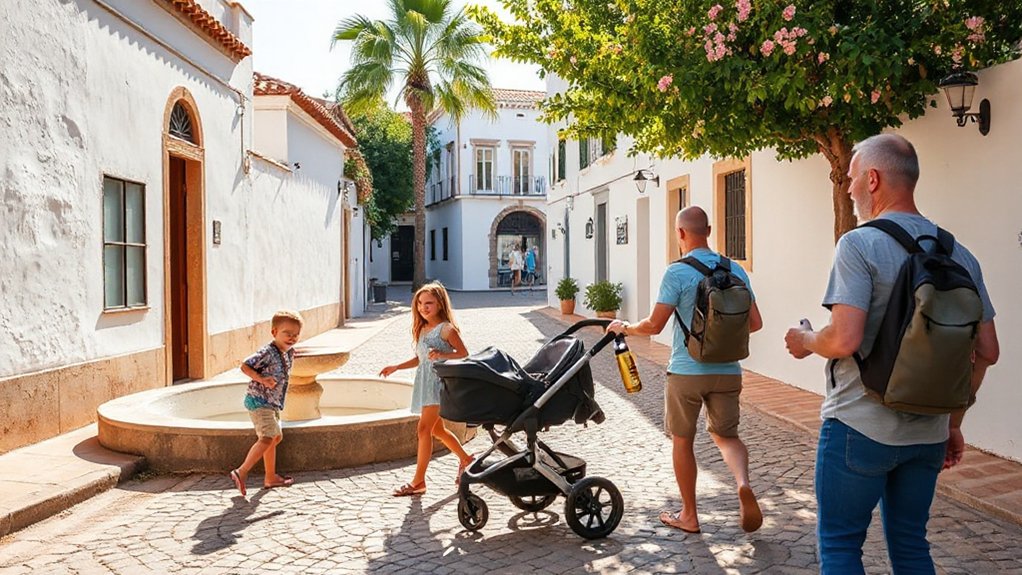
You can pack light and still cover the essentials, so you travel easy from morning heat to sunset strolls. Start with Essentials On-The-Go and a compact wardrobe that mixes and matches, keeping other gear to a minimum.
I’ll show you efficient Luggage Strategies that save space, so you’re ready for a sun-filled Spain without the clutter.
Pack Light, Travel Easy
Packing light isn’t just a wish—it’s a smarter way to move through Spain with kids. When you travel light, you spend less time hauling and more time enjoying sunlit streets, parks, and plazas. You’ll notice how simpler logistics mean fewer stress spikes for you and calmer kids.
Keep essentials condensed: a compact kid carrier, a small daypack, and a versatile layer system. Plan outfits that mix and match, and choose roomy shoes for long days of walking.
Stroller navigation becomes smoother on cobblestones when you travel with a light stroller or wearable alternative. Nap scheduling stays intact with a predictable routine, even on the move.
- Compact carrier, single daypack, adaptable layers
- One-weather-layer outfits that mix and match
- Lightweight folding stroller, if needed
This approach keeps trips practical, empathetic, and actionable.
Essentials On-The-Go
When you travel with kids under the Spanish sun, a lean essentials kit keeps days flexible and stress-free: lightweight gear, compact basics, and items you actually use every day.
With travel gear in mind, choose versatile pieces: a small blanket, folding utensils, reusable bottles, a compact first-aid kit, and multi-use chargers.
Pack should-haves include sun hats, sunscreen, a light jacket, and extra snacks tailored for travel days.
Prioritize easy-access storage and color-coding so you grab what you need in a hurry.
Plan meal prep for quick breakfasts and simple lunches on the go, using resealable containers and portable, kid-friendly options.
Practice light organization routines and rehearse quick fixes for common hiccups, keeping the journey smooth and enjoyable for everyone.
Efficient Luggage Strategies
Efficient luggage starts with a simple rule: pack only what you truly need. You’ll travel lighter, move faster, and stay flexible for weather and wiggly kids. Focus on essentials, and build an easy Packing checklist that covers everyday needs without overstuffing.
Luggage organization matters: use sleeves and packing cubes, label outfits by day, and keep diapers, snacks, and a small medical kit within easy reach. Plan for Spain’s sun—think quick-dry layers and a compact hat.
- Lightweight, versatile clothing that mixes and matches
- One compact toiletries kit with travel-sized refills
- A reusable water bottle, snacks, and a small entertainment bag for sitting out lines
This approach keeps you organized, reduces stress, and makes spontaneous adventures possible.
Safety and Health Essentials for Traveling With Kids
Traveling with kids means safety and health can’t be afterthoughts. You’ll pack a compact first-aid kit with antiseptic wipes, bandages, fever reducer, and digital thermometer, plus any daily meds your child needs. Know vaccination requirements for Spain and carry official documentation in case you’re asked at clinics or entry points.
Before you go, schedule a quick check‑up and update prescriptions, including travel-safe alternatives for allergies or stomach upsets. While you explore, carry a small, sunscreen‑proof hat and water bottle to prevent heat stress.
Teach simple, calm safety routines: identify meeting points, how to signal distress, and when to seek local medical help. If a travel hiccup occurs, stay proactive, document symptoms, and contact your travel insurer promptly for guidance.
Language Helpers for Traveling With Children in Spain
Heading into Spain with kids? You’ll want clear communication to keep smiles, not stress, on the trip. Language helpers can bridge gaps fast, so you stay focused on experiences, not misunderstandings. Use practical tools to handle everyday needs, like meals, directions, and safety calls, without delay. Keep phrases handy, and don’t fear asking for help.
- Learn a few kid-friendly basics (please, thank you, where is…?) to show respect and calm curiosity.
- Rely on translation apps for quick, accurate help during moments you’re unsure what a sign or menu means.
- Carry offline language packs of essential words, numbers, and emergency phrases for smooth moments away from Wi‑Fi.
Language barriers become manageable with preparation, patience, and the right tools. Translation apps save time and reduce anxiety.
Budget-Wise Spain Travel for Families
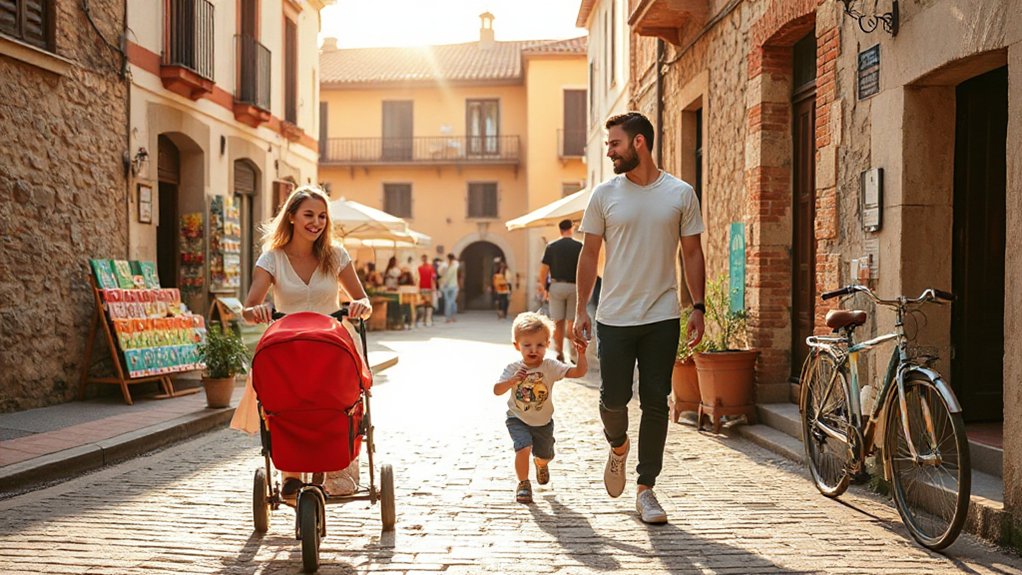
Budget-friendly planning can make Spain with kids enjoyable rather than overwhelming, so start by setting a realistic daily cap for meals, activities, and transport. Then prioritize experiences that everyone will remember.
To stretch your budget, mix free or low-cost days with one paid highlight per city. Look for family-friendly discounts, multi-attraction passes, and kid freebies at museums or parks.
Plan ahead around cultural festivals, which offer memorable experiences at modest costs and often free components.
Balance structured outings with open-ended exploration to avoid fatigue and keep enthusiasm high.
For adventure activities, seek reputable providers with safety records and bundled family rates.
Pack light, share meals, and use public transit to cut transport costs while staying flexible and present with your kids.
Easy Cultural Immersions Kids Can Enjoy in Spain
You’ll spark curiosity by visiting local markets for bite-sized tastes, scents, and colors that kids can name and compare.
Try an interactive history walk where you point out landmarks and let them guess what happened there, keeping it short and fun.
Wrap up with hands-on craft sessions that let them recreate something they just learned, so culture sticks beyond the trip.
Local Markets and Flavors
Stroll through local markets to spark curiosity and taste buds at the same time; kids can explore stalls, watch vendors slice fresh fruit, and sample tiny bites that feel like treasure hunts. Local delicacies tempt curious palates, and market energy becomes a tactile lesson in culture.
Keep sessions short, switch vendors often, and let kids guide taste tests to boost confidence.
1) Market tours that focus on simple comparisons—fruits, cheeses, and small pastries—keep pacing steady.
2) Let kids choose one item to learn its origin, then trade a bite with a sibling to practice sharing.
3) Bring a lightweight notebook for jotting flavors, colors, and textures they notice.
Tip: pack a light snack for transitions; praise curiosity, not perfection.
Interactive History Walks
Use interactive storytelling to bring scenes to life, pausing at key moments for questions that invite curiosity rather than rote memorization. Dress the experience up with historical costumes you can borrow or improvise from locals, making costumes optional but fun.
Keep it practical: pace the walk to fit snack breaks, restroom stops, and rests under shade. End with a quick recap, linking history to today’s Spain you’re exploring, so learning feels purposeful, not abstract.
Hands-On Craft Sessions
- Try mosaic tile kits with Spanish patterns, then explain how tessellations work while you glue the pieces.
- Join a ceramic painting class; you’ll glaze plates or tiles while learning about regional motifs and artisans.
- Participate in a paper-flower or fan-making session, discovering symbolism and craft history behind each design.
These mini-projects foster pride, music, and conversation, making Spain feel personal.
Weather Planning for Spain: Seasons and Planning Tips
Spain’s climate varies a lot by region, so start by checking the season’s typical patterns for where you’ll go and plan around them. You’ll save time and tears by packing with purpose: think layers, breathable fabrics, and compact rain gear.
Align daily plans with reliable weather forecasts, but build flexibility for sudden changes, especially in coastlines or mountains. If you’re visiting multiple regions, anticipate temperature swings between morning and afternoon, and have kid-friendly backup activities indoors.
Schedule outdoor outings for mild mornings and shade-heavy afternoons. Consider sun protection routines, hydration, and resealable snacks for long waits.
Keep a small, adaptable packing list, so seasonal clothing fits every kid and trip scenario. A thoughtful prep reduces stress, so your family stays present and relaxed.
Troubleshooting Common Travel Hiccups With Little Ones
Travel with kids can throw curveballs, but you can stay ahead of most hiccups by a simple mindset: plan for the unexpected and stay flexible. When hiccups hit, you stay calm, pivot quickly, and keep routines runnable. Quick fixes save stress and gaps in your day.
1) Prepare a mini toolkit with snacks, a small toy, and a refillable water bottle to deescalate travel tantrums before they spike.
2) Map stroller logistics in advance—choose accessible routes, carry a compact folding stroller, and announce slowdowns so little ones don’t feel rushed.
3) Build short, kid-friendly breaks into every leg of your day, with predictable mealtimes and a comforting toy bag.
You’ll navigate delays, crowds, and fatigue with fewer tears and more smiles.
Frequently Asked Questions
How Many Hotel Rooms for a Family of Four?
Typically, you’ll want two adjacent rooms or a two-bedroom suite for a family of four. Pack light, bring a changing mat if needed, and choose packing tips along with family friendly restaurants to simplify dining. You’ll feel ready.
Which Attractions Are Stroller-Friendly?
“Patience is a traveler’s best friend.” You’ll find stroller-friendly attractions here, kid-friendly parks, and accessible transportation, so you can navigate smoothly, plan around nap times, and enjoy Spain’s wonders without hassle.
Best Nap-Friendly City-To-City Transfer Options?
You’ll find nap-friendly city-to-city transfers work best with train options or private transfers. You should choose quiet train options for smooth rides, or private transfers for door-to-door comfort, flexibility, and fewer changeovers during naps.
Can Kids Join Complimentary Museum Tours?
“Time is money.” Yes, kids can join; many museums offer free or discounted spots for children on guided tours, but check museum accessibility and guided tour costs beforehand to plan, book ahead, and avoid late surprises.
What Emergencies Require a Doctor While Abroad?
If you’re abroad, seek a doctor for severe illness, persistent fever, chest pain, severe injury, dehydration, or any condition lasting more than 24 hours. Carry Travel insurance info and emergency contacts to speed help and reassurance.
Conclusion
You’re building a trip that fits your family’s rhythm, not a checklist you must finish. Think of Spain as a welcoming map, where little pauses become joy—a plaza fountain, a pastry bite, a sunset stroll. When plans wobble, breathe and swap pace, like changing gears on a long ride. You’ll tide through hiccups by staying flexible, packing light, and leaning on kid-friendly picks. The journey will feel bigger because you travel together, and the memories will outlast the trip. All aboard.