
Plan a sun-warmed road trip through Spain’s vineyard routes, where winding lanes and terraced hills invite you to linger, inhale cedar-scented air, and taste sun-kissed tapas between stops. Choose a comfy, fuel-efficient car for narrow lanes and long days, then route scenic loops that connect Rioja, Ribera del Duero, and beyond. Schedule winery visits at harvest rhythms, pace tastings with landscape, and pack light, breathable layers. If you keep exploring, more sensory secrets await just ahead.
Key Takeaways
- Plan slow, scenic routes that connect Rioja, Ribera del Duero, and other regions to savor terroir and culture.
- Balance winery visits with farm-to-table meals, tastings, and time for landscape photography.
- Choose a comfortable, fuel-efficient car with agile handling for narrow vineyard roads.
- Start drives at sunrise, pack light layers, and maintain steady pacing to maximize exploration.
- Respect winery timings, local etiquette, and safety rules to preserve experience and accessibility.
Introduction: Why a Spain Wine-Route Road Trip Works
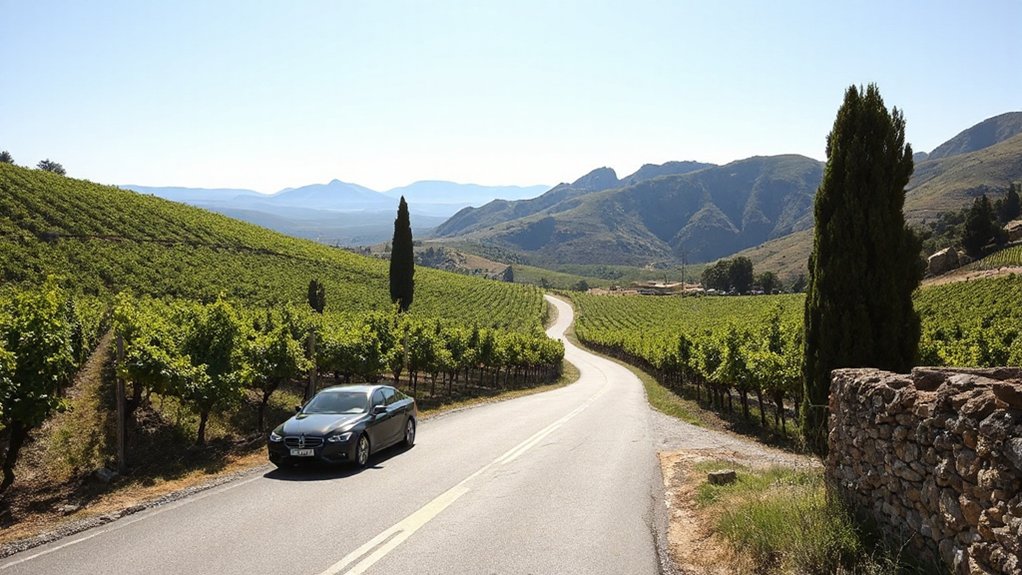
Spain isn’t just tasted in a glass; it’s felt on the road. You’re drawn to the rhythm of small towns, the hiss of tires on winding asphalt, and the scent of sun-warmed vineyards drifting through open windows.
A Spain wine-route road trip works because flavors unfold with every mile: you don’t hurry, you listen. You’ll seek wine tasting moments that reveal character—fireside nebbiolo, slate-tinged whites, chalky soils speaking through tannin.
You’ll join vineyard tours that thread history, terroir, and craft into a single breath. The journey becomes a classroom without borders, powered by curiosity and curiosity’s companion: appetite.
Pack lightly, drive mindfully, and let the landscape calibrate your pace as you uncover the country’s liquid poetry.
Choosing the Right Car for Spain’s Wine-Country Travel
As you map your route through sun-warmed vineyards, you’ll want a car that feels steady on cork-strewn lanes and winding climbs, not just built for speed.
Think fuel efficiency that keeps you rolling between tascas and tapas without hunting for frequent pumps, and comfortable seating that lets you linger over oak-barrel aromas after a long day.
In this region, handling matters as much as comfort, so choose a vehicle that glides smoothly yet stays nimble enough for narrow roads and sudden twists.
Vehicle Comfort and Handling
Choosing the right car for Spain’s wine-country roads means prioritizing comfort and handling that keep you grounded as the landscape shifts from sun-washed plains to narrow hill towns. You want suspension that glides over cobbles and shoulders that respond to tight turns without drama.
In Catalonia’s riparian valleys or La Rioja’s limestone bends, plush seats cradle fatigue, and precise steering gives you weathered confidence when a rise reveals a sudden vineyard switchback. Interior quiet lets you hear the diesel sigh and the soft rhythm of tires on sun-baked tarmac.
Remember Vehicle maintenance, pack road trip snacks, and keep a cool, steady pace as you thread between cork forests and almond groves. Your car should feel like part of the journey, not a distraction.
Fuel Efficiency Considerations
Could you squeeze another mile out of the gas tank without sacrificing the view? You’ll feel it in your shoulder as the road climbs through Castilla’s sunlit vines, where fuel economy isn’t just numbers, it’s a compass.
Choose a car with efficient aerodynamics and a refined transmission, so every gear shift hums with purpose rather than waste. In regions where switchbacks tease the horizon, engine efficiency matters as much as comfort, preserving fuel for unexpected detours to hidden bodegas.
Smaller diesels or modern hybrids often prove steadier companions than thirsty SUVs, letting you linger at a roadside cava without guilt.
Plan routes that optimize hills and flats, and your adventure stays richly cinematic, not gasoline-dependent.
Regions at a Glance: Rioja, Ribera Del Duero, and Beyond
As you steer through Rioja’s sun-warmed vines, you taste caramel-soaked oak and the promise of aging in every glass.
Across Ribera del Duero, the high-altitude breeze carries graphite and red fruit, sharpening your senses for the next hillside vista.
Beyond these front-runners, the map unfurls—pedigreed blends, terraced variegations, and new aromas waiting to be discovered.
Rioja Highlights And Beyond
Rising from the crossroads of Spain’s north, Rioja greets you with cedar-scented air, sun-kissed terraces, and rows of tan-lined vineyards that ripple toward the Ebro. You trace stone-and-wood vineyard architecture as it steps from winemaker houses to cellar doors, inviting you to pause and listen for glass clinks and creek-side chatter.
In Rioja, you taste classic Tempranillo notes, then pivot to modern styles that whisper of innovation without losing soul. Wine pairing becomes a dialogue: grilled peppers with aged red, duck leg with smoky ancho, almond-topped desserts balancing acidity.
Beyond Rioja’s medieval towns, the Ribera del Duero horizon hints at deeper granite, but you stay present, savoring the way the river trims hillside vines. The journey rewards patience, precision, and a palate trained to read region in every glass.
Ribera Del Duero Overview
Ribera del Duero unfolds like a secret, high-plateau whisper holding its own gravity amid the Castilian plains. You drive into amber sunsets, feeling limestone gravel bite beneath tires, while vines crowd the slopes in stubborn, dark rows.
Here, tempranillo stamina meets cool nights and hot days, shaping wines that echo the region’s austere beauty. You taste their depth in dense red fruit, dusted with graphite, and sense a quiet, muscular terroir you can almost hear in the wind.
Vineyard history runs beneath every winery tour, from ancient abbey terraces to modern bodega labs, a dialogue between tradition and ambition. It isn’t just wine; it’s a portal to Spanish culinary memory and landscape.
Harvest Timing and Winery Schedules: What to Expect
Harvest season in Spain’s vineyards unfolds like a weathered calendar you can taste. You’ll notice the rhythm shift from the heat of August to the cool, crisp mornings of harvest, when the sun leans lower and the air smells of ripe fruit and dust.
Winery schedules tighten as crews converge, early mornings filling tanks and late nights draining tanks, steady hands guiding every bale and bin.
Vintage timing matters here: you’ll hear talks of exact picking moments, driven by forecasts and intuition, not just dates on a wall. Grape maturation reveals itself in tannins and sugars, in the gloss on skins, and in the patience of each vintner.
Respect the pace, savor the release, and travel with the season’s pulse.
Planning Tasting Stops: Pacing, Reservations, and Routes
You map your day by pacing tastings, balancing a string of stops with time for sketching notes and enjoying the landscape.
Reserve ahead at standout bodegas, but leave room for serendipity—a roadside vineyard, a tavern with local tapas, a hillside view.
Plot routes along scenic veins of the region, prioritizing towns that offer a rhythm you can savor, not rush.
Pacing For Tastings
When planning tastings, pace yourself like a careful driver who respects the road and your palate alike—map out the day so you’re not rushing from one tasting to the next. You’ll savor more with deliberate rhythms: short drives between vineyards, windows cracked for fresh air, a nap-worthy pause before a cellar visit.
Let regional terrain shape your tempo—tuscany-like hills in some Rioja-adjacent valleys, river-silver plains elsewhere. Pack smart, keep Travel insurance handy, and schedule flexible windows for a slower pace in case a tasting lingers.
Before you depart, run simple vehicle inspections: tires, fluids, brakes, lights. The goal isn’t speed, but immersion—let aromas lead, and your itinerary breathe with you, so every sip lands with clarity and memory.
Reservations And Routes
- Plan a tight loop: vineyard tours between lunch and late-afternoon tastings.
- Reserve popular cellars to secure a seat for a Wine pairing.
- Align routes with scenic overlooks and farm-to-table stops.
- Leave buffer time for spontaneous tastings and short vineyard strolls.
- Note tolls, timings, and local tips to support smooth pacing.
You’ll taste with purpose, savoring regional terroir, and you’ll carry the day with practiced rhythm.
Lodging That Complements Vineyard Days
As the day winds down from sunlit vine rows, you’ll want lodging that whispers with the same quiet intensity as the countryside you’ve just tasted.
In Spain’s wine belts, choose places with character—stone walls, terracotta tones, and soft, amber light that lingers after sunset.
Think boutique inns or smaller casas, where attentive staff greet you with a glass of local rosé and cross-current aromas of herbs from nearby terraces.
You’ll find luxury accommodations that feel earned, not ostentatious, blending into the landscape while offering modern comfort.
After a day’s tasting, settle into a slow, candlelit dinner featuring local cuisine, or a terrace bite paired with a well-curated regional wine.
Rest, then awaken to another harvest-hued horizon.
Mapping Efficient, Scenic Drives Between Wine Regions
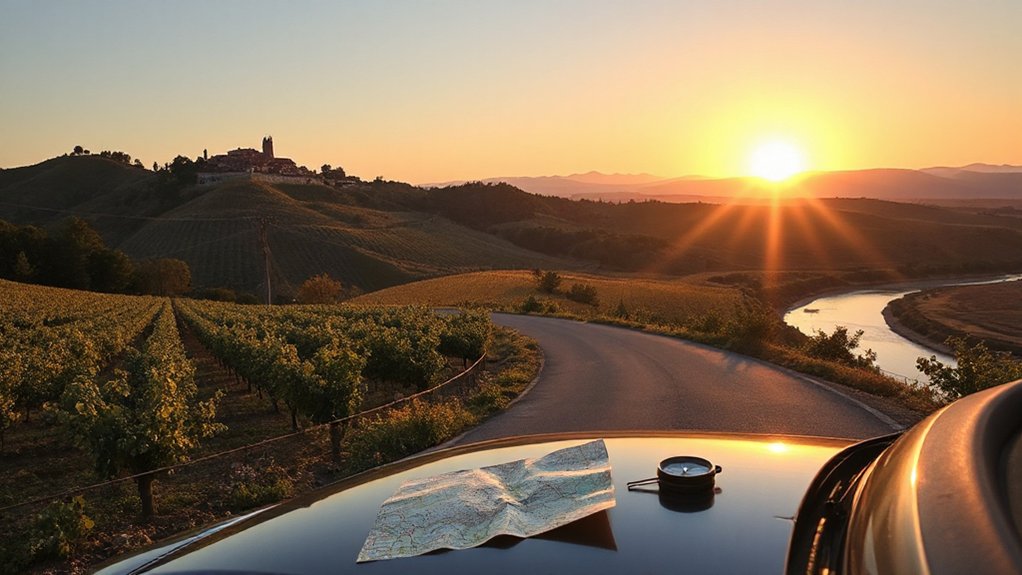
Start with a clean, scenic route that stitches Spain’s wine country into a single, seamless thread: you’ll roll through emerald valleys and sunlit hill towns, tasting hints of oak and fruit in the air as your map needles point toward the next renowned appellation.
Plan between-three-region loops to minimize backtracking.
Prioritize sunrise starts for cooler roads and brighter light.
Choose routes with vineyard corridors and panoramic outlooks.
Stop for wine tasting and quick vineyard tours between stretches.
Use local farm-to-table stops to deepen regional flavor.
The drives weave terroir into memory, turning highways into classrooms and cellars into listening rooms for the land.
Packing Smart and Touring Etiquette for Wine Lovers
Packing smart for a wine-soaked circuit through Spain means traveling lighter but wiser: think breathable layers, a compact layer of weatherproof gear, and a tote that doubles as a tasting passport. You move with intent through sunlit bodegas, sleeves rolled, shoes squeaking on tile, savoring limestone air and oak‑toned whispers.
Pack essentials like a small insulated bottle, password‑locked cards, a reusable bag for bottles, and a compact charger for notes and photos. Keep clutter out of sight, and cycle outfits to match humidity shifts in Rioja, Ribera, and Priorat.
Practice travel safety: secure valuables, stay hydrated, and respect winery timings. Your etiquette flows from curiosity, not conquest—tasting rooms, quiet conversations, and mindful sampling elevate every note you chase.
Driving Laws, Parking, and Winery Etiquette in Spain
Beyond the hum of highways and the clink of wine glasses, Spain’s roads demand respect and attentiveness: speed limits are strict, signaling is king, and blood-pressure calmness keeps nerves steady as you navigate winding vineyard corridors. You’ll feel the sun-warmed asphalt, hear cicadas, and sense the rhythm of local driving laws guiding every turn.
Adhere to parking regulations and savor respectful winery etiquette—tisking a door softly, returning the pass, and letting guests finish tasting before you leave.
- Follow posted speed limits and roundabout rules
- Use indicators for every lane change
- Park only in designated spots, away from entrances
- Respect winery tasting room norms and photography rules
- Yield to pedestrians, especially near cellars and courtyards
Budget, Pace, and Unforgettable Experiences on a Wine-Road Trip
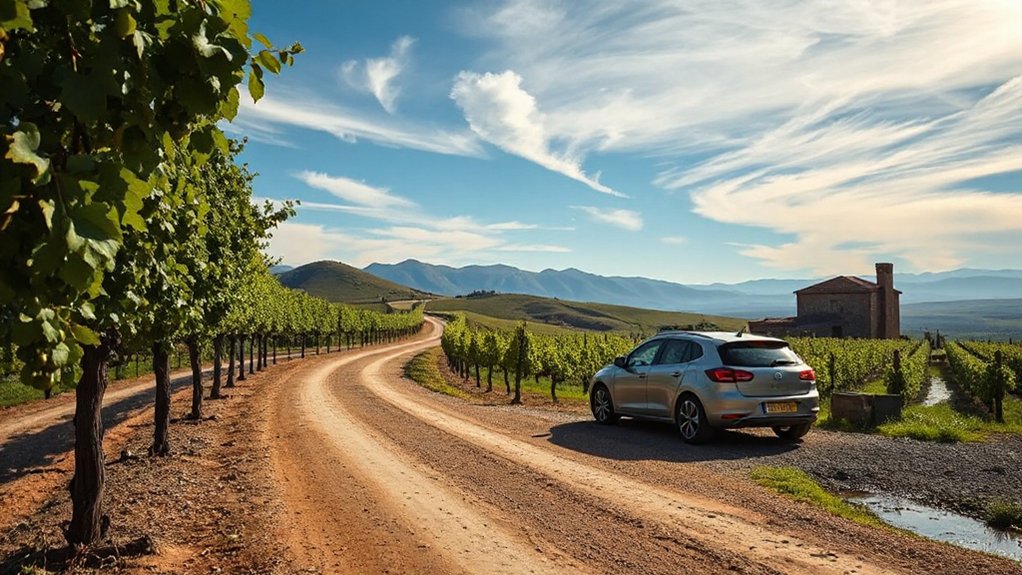
Fuel your journey with measured pace and small, deliberate splurges: a sunrise tasting before the heat climbs, a roadside bodega with a family story on the wall, a picnic of bread, tomatoes, and tangy Manchego beside a vineyard overlook.
You’ll learn to balance budget and bliss by choosing towns where cellar doors open early, tapas bars stretch your palate, and markets offer seasonal bargains.
A slow pace reveals cultural festivals tucked in plazas, a chorus of guitars, and children chasing pigeons between cork trees.
You savor local cuisine between hills, not in a rush, letting the road gift angles of light and scent.
Unforgettable experiences emerge from restraint, curiosity, and the honest joy of neighboring vintages and conversations.
Frequently Asked Questions
How Many Days Are Ideal for a Spain Wine Regions Road Trip?
Three to four weeks will feel ideal for a Spain wine regions road trip, you’ll savor wine tasting, roam vineyard tours, trace coastlines, and soak sun-drenched terraces, letting rustic inns and slow lunches cradle your wandering appetite.
Can I Visit Wineries Without Prior Reservations in Peak Season?
Yes, you can usually visit wineries without reservations in peak season, though some request them. Reservation policies vary; plan ahead, especially weekends. Peak season tips: book the most popular estates, arrive early, and savor the terroir, rain or shine.
Which Regions Offer the Best White Wine Routes Besides Rioja?
Yes—regions like Galicia, Rías Baixas, and Castilla y León’s Toro offer superb white wine routes. You’ll savor mineral whites, sea-spray aromas, and vibrant wine tasting moments, where white wine glimmers beside limestone caves and sunlit vineyards. Enjoy.
Are Electric Vehicles Practical for Long Wine-Route Drives in Spain?
Electric vehicles are practical for long wine-route drives in Spain if you plan charging carefully. You’ll feel the hum of Electric infrastructure nearby and savor charging convenience as countryside scents unfold like a vineyard breeze guiding you ahead.
What Level of Spanish Language Help Is Needed at Wineries?
You’ll manage with basic phrases, but language barriers fade when you use translation apps; at wineries, you’ll hear clinking glasses and warm smiles, easing tasting notes, as regional charm covers gaps and you savor every glass.
Conclusion
As you steer through sunlit vineyards and sleepy pueblos, Spain reveals itself bottle by bottle. A single statistic lingers: Rioja’s Tempranillo vines average 40 harvests per century, a patient heartbeat in the landscape you’re crossing. You’ll taste marble-like tannins, inhale oak-lined whispers, and feel the road hum beneath your wheels. Let the map guide you, but pause for a sunset in Ribera del Duero, a stormy coast on Galicia’s edge, and let the wine teach your senses to listen.