
To drive Spain’s historic routes with confidence, map a core circuit that threads iconic landmarks with quieter lanes, balancing prestige sites, scenery, and local flavors. Time routes to seasonal festivals and markets, and pre-book lodging to lock in value. Prepare your vehicle, carry essential papers, and know road rules for narrow B-roads and villages. Pack light, stay flexible, and budget for contingencies. Keep a slow-travel mindset with overnight stays and spontaneous stops—more discoveries await as you continue this journey.
Key Takeaways
- Plan a core route of iconic landmarks plus scenic byways, balancing prestige sites with hidden historic cores for pacing.
- Align travel windows with seasonal festivals, local markets, and regional cuisine to deepen cultural immersion.
- Prepare thoroughly: pre-trip vehicle checks, emergency kit, and carry valid documents, insurance, and permits as needed.
- Drive slowly on narrow roads, use mirrors and pullouts, yield to traffic and livestock, and stay aware of hazards and overhanging obstacles.
- Pack light and versatile clothing, bring comfort items, offline maps, and plan lodging in advance to maximize value and authenticity.
Identify Spain’s Historic Routes You’ll Drive
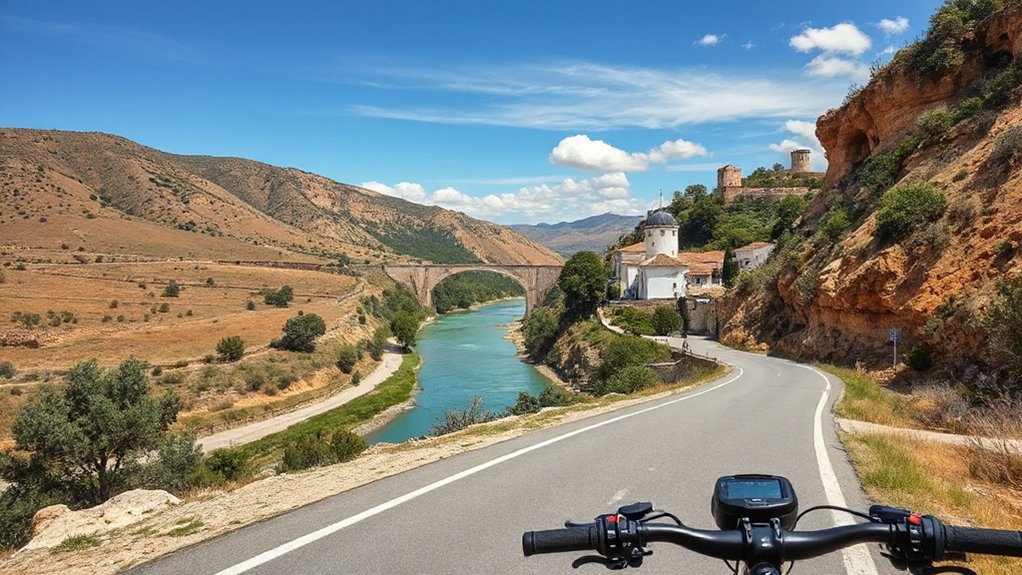
Spain’s historic routes thread through centuries of art, war, and trade, and your first step is to know which ones you’ll actually drive. You chart a thoughtful map, prioritizing routes that resonate with your interests and time.
Start with a core circuit that links enduring icons—ancient walls, cathedral silhouettes, and market squares buzzing with life. Balance prestige sites with hidden byways to avoid crowds and add texture.
Evaluate each corridor by road quality, accessibility, and safety, then match it to your travel window. Consider Cultural festivals and Local cuisine as compass points, guiding detours that enrich your story.
Decide how many days you’ve got, align routes to seasons, and commit to a concise hit list you’ll confidently navigate.
Plan Your Route by Region and Season
Prioritize regions where history densifies during particular periods, matching your interests with seasonal rhythms. If you chase culture, align trips with Cultural festivals when a town hums with parades, markets, and live music; if you crave flavors, time your passage to savor Local cuisine highlighting regional markets and seasonal specialties.
Be strategic about pacing—balance long detours with quiet, historic cores. Flexibility matters: swap routes to catch a standout event, then return to quieter lanes, preserving both energy and curiosity.
Prep Your Vehicle for Historic Roads and Narrow B-Roads
Before you roll onto historic byways and narrow B-roads, give your vehicle a thorough check that starts long before the trip. You’ll want reliable performance, so focus on readiness, not bravado. This is vehicle maintenance with purpose: smooth handling, predictable braking, and steady power.
- Inspect tires for tread and pressure; carry a spare with tools.
- Test brakes and emergency stop; ensure fluid levels are stable.
- Verify lights, wipers, and mirrors for all-weather visibility.
- Pack a compact kit for roadside emergencies, including jump leads and a flashlight.
Keep your engine cool, belts intact, and coolant topped up. Proper preparation guarantees surprises, letting you enjoy every historic vista without interruption.
Essential Papers, Permits, and Insurance for Spain
Traveling Spain’s roads requires you to have the right papers in hand and the know‑how to use them, because permits, insurance, and identification aren’t optional extras—they’re your security on every scenic pullout and city street.
You should carry your driver’s license, passport or ID, and proof of insurance in Spanish or English. International Health Insurance and a Green Card aren’t mandatory in Spain, but they’re prudent for cross‑border trips.
Register your vehicle’s details with your regional traffic authority if required, and keep the vehicle’s registration, ownership papers, and a spare set of copies.
If you rent, demand insurance add‑ons, and verify coverage limits.
Drone photography permissions and local cuisine stops add flavor, but stay compliant with local rules and permits.
Safety Tips for Narrow Historic Roads and Villages
Narrow historic roads demand your full attention, and they reward careful driving with dramatic views and quiet villages just beyond each bend. You’ll confront tight lanes, sudden bends, and blind corners that demand low speeds and steady hands. Stay focused on roadside hazards, especially overhanging branches, loose gravel, and wandering livestock. Use mirrors before every maneuver, and yield to oncoming traffic in narrow stretches.
Remember village navigation: pedestrians, bicycles, and horse-drawn carriages share the route, with narrow entrances and stone gateways ahead. Maintain a respectful distance from walls and façades to avoid scraping paint or mirrors. Plan stops at designated pullouts to appreciate façades safely.
- Slow, deliberate pacing for visibility
- Communicate intentions with hand signals
- Observe locals for timing and rhythm
- Use pullouts to assess tight spots
Pack Smart: Essentials for Rural Spain Travel
After tackling the challenges of narrow historic roads, you’ll want to keep momentum by packing smart for rural Spain. Pack light yet complete, focusing on adaptability for changing weather, uneven terrain, and long drives between villages.
Invest in packing cubes to organize outfits by day, so you can grab what you need without unpacking the whole bag. Prioritize breathable layers, a compact rain shell, and sturdy walking shoes that handle cobbles and gravel alike.
For comfort on long stretches, bring a neck pillow and a small first-aid kit. Think practical travel gadgets: a portable power bank, offline maps, and a compact multi-tool.
Don’t overfill; leave room for memories, not clutter. Simplicity equals reliability when miles unfold along historic lanes.
The Classic Historic Stops You Can’t Miss
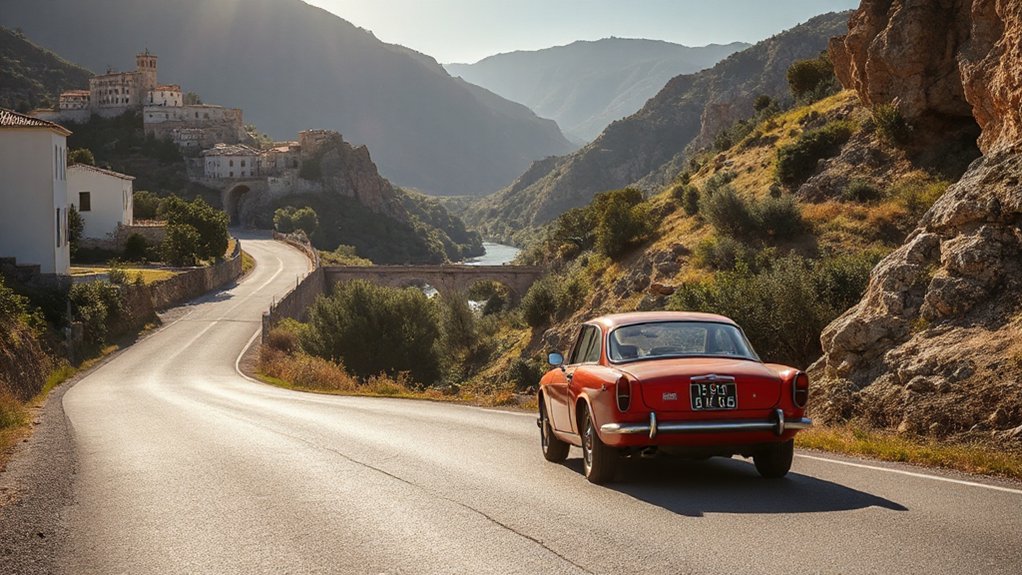
You’ll start with Historic Road Highlights that thread through coastlines, cathedrals, and centuries of marble and mortar.
Each turn promises Timeless Heritage Trails unfold before you, revealing legends tucked into plazas, watchtowers, and sunlit courtyards.
Ready your route, stay curious, and let Spain’s classic stops guide your drive.
Historic Road Highlights
What makes Spain’s historic routes so compelling? You ride through living timelines where Modern infrastructure meets old stone, and Urban development threads through towns without erasing memory. You’ll notice how classic road highlights blend daring landscapes with today’s efficiency, guiding you with confidence. Each stop is a pulse point of culture, architecture, and craft, preserved yet alive.
- Ancient milestones rebuilt beside sleek crossroads, proving continuity
- Fortified gateways opening onto bustling markets and modern boulevards
- Moorish arches framing panoramas where trains hum nearby
- Roman roads aligning with contemporary lanes, showcasing adaptive reuse
Stay alert for textures—from sun-warmed stucco to glassy façades—every corner a lesson in preservation through progress.
Timeless Heritage Trails
Along these paths, you’ll encounter Cultural festivals that fuse history with living performance, inviting you to glimpse ritual, music, and color in motion. You’ll also witness Traditional crafts still practiced on workshops and markets, where hands keep age-old techniques vibrant.
The trails demand both curiosity and respect, guiding you to monuments, monasteries, and ancient walls that weathered empires. Drive with purpose, pause for detail, and let the landscape orient you to Spain’s persistent heritage.
Timing Yourself to Local Life: Markets, Meals, and Schedules
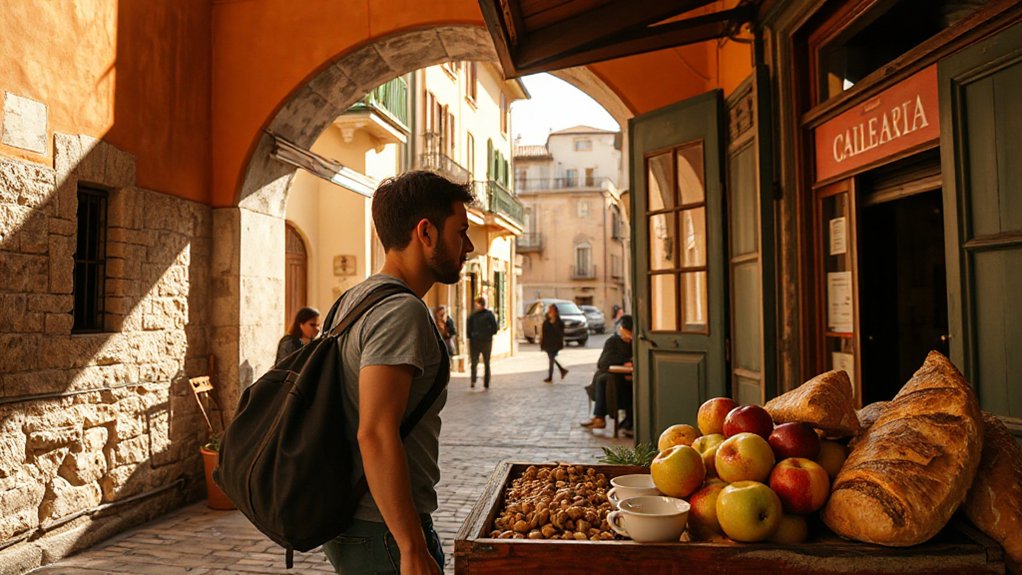
Markets wake early in many Spanish towns, and syncing your pace with their rhythms can open the heart of daily life. You’ll taste the cadence of a country that lives by sunrise and shared plates, savoring local cuisine and watching conversations bloom over coffee.
- Wake with the market, not the alarm, and plan your routes around fresh produce and chatter.
- Eat small, frequent meals at local tapas bars to feel the day’s tempo.
- Schedule slow mornings for museums, busy afternoons for plazas and festivals.
- Leave margins for serendipity—unexpected conversations become your best guide.
This approach keeps your drive intimate, vivid, and efficient, connecting you to culture, markets, and cultural festivals without rushing the road.
Budget Your Historic Route Drive
You’ll map your route with Budget Allocation Tactics, weighing fuel, lodging, and admission fees against a realistic baseline.
I’ll show you how Cost-Saving Driving Tips keep you moving without sacrificing pace or comfort, from panoramic viewpoints to essential breaks.
Together, we’ll Plan Within Means by prioritizing priorities, trimming excess, and turning every kilometer into value.
Budget Allocation Tactics
Budgeting a historic route drive isn’t a guesswork game. You allocate with precision, targeting value over bravado and steering clear of wasteful splurges. You’ll optimize every mile by prioritizing fuel efficiency and predictable toll costs, so the journey stays within your planned envelope.
To sharpen your approach, consider these tactics:
1) Map routes that balance scenery with steady speeds to curb fuel burn.
2) Prepay or compare toll options to minimize surprises at checkpoints.
3) Reserve lodging and meals in advance to lock in favorable rates.
4) Build a contingency fund equal to 10–15% of your budget for unexpected twists.
Cost-Saving Driving Tips
To stretch every euro on a historic route, stay disciplined behind the wheel and make every mile count. You’ll trim costs with steady speeds, smooth accelerations, and anticipation that avoids abrupt braking.
Maintain proper tire pressure and a light, efficient load to boost fuel efficiency without sacrificing comfort. Plan fuel stops at convenient intervals to minimize detours, and choose routes that align with your daylight windows and scenery.
Use cruise control on highway stretches to steady consumption and reduce fatigue—you’ll thank yourself at toll booths, where fewer quick accelerations translate to tangible savings. For toll savings, compare electronic passes or off-peak alternatives, and consider sharing trips with travelers headed the same way.
Small, deliberate choices everywhere compound into meaningful budget discipline.
Plan Within Means
After tightening the screws on cost from the road, you’re ready to map out spend without skimping on the experience. Plan within means by prioritizing what truly matters: immersion, scenery, and flavor. Your budget becomes a compass that guides choices, not a cage.
- Choose key towns with iconic scenic viewpoints and local cuisine you can’t miss
- Book accommodations with central access to trails, saving on transit time and fuel
- Mix free days with a few splurges, like a memorable tapas crawl or a standout winery visit
- Pack smart snacks and refillable bottles to avoid pricey stops
This approach keeps the journey vivid, allowing you to savor Spain’s heritage routes without dulling the edge of discovery.
Build a Flexible Slow-Travel Itinerary With Overnight Stays
A flexible slow-travel itinerary hinges on balance: you’ll linger where the landscape sings, yet keep the pace tight enough to sample Spain’s historic routes and heritage trails without rushing from place to place.
Start with a core route and anchor points for overnight stays, then add day trips that suit your interest as you go. Build buffers between towns to absorb unexpected finds—a hilltop view, a roadside cafe, a hidden ruin.
Schedule Cultural immersion moments— tavern conversations, artisan workshops, or a rural market—so you feel place rather than just pass through. Reserve time for Local festivals, where rituals, music, and craft reveal the region’s heartbeat.
Flexibility keeps you authentic, curious, and deeply connected to Spain’s living heritage.
Frequently Asked Questions
What Gear Helps on Steep, Narrow Historic Lanes?
Yes—use low gearing, steady brakes, and practiced clutch control to tame steep, narrow lanes. You’ll improve historic navigation and narrow lane safety by taking your time, choosing lines, and signaling early for oncoming traffic. Stay focused, confident, deliberate.
How to Handle Tolls on Rural Routes?
Tolls on rural routes vary, so you plan ahead: compare toll payment options, use cashless if available, and keep small change for occasional gates. Budget, watch signs, and consider fee alternatives like hybrid routes to save money.
Are There Seasonal Closures I Should Know?
Seasonal closures concern you; seasonal closures shift with storms, snow, and sun. You should check weather considerations before, during, and after trips, stay flexible, and plan alternative routes when passable paths pause. Drive confidently, complying with conditions.
What Local Etiquette Affects Driving in Villages?
You notice local customs shaping lane use and speeds, so you yield politely in narrow alleys and greet drivers with a nod. Respect village manners, avoid honking, and park discreetly; your courtesy preserves harmony and safe shared roads.
How Can I Charge EVS on Remote Routes?
You can charge EVs on remote routes by locating scattered EV charging stations and relying on remote charging options, then plan stops around top-ups; if one fails, another may exist, proving charging networks surprisingly resilient and accessible.
Conclusion
You’ve got a passport to time-worn lanes, where every bend reveals a chapter of Spain’s soul. From cliffside pueblos to sunlit plazas, you’ll taste history with every bite and feel the road hum beneath timeless wheels. Nearly 60% of historic routes in Spain thread through less-traveled provinces, so you’ll dodge the crowds and savor slow travel. Pack light, drive steady, and let markets, meals, and landmarks thread your days into a living mosaic of heritage. Your journey, beautifully unraveled.