
Driving between Spain’s major cities blends fast rail with flexible road trips. Start with Madrid–Barcelona or Seville–Madrid hops by rail to save time, then pick scenic detours only where they add value—coastal Valencia routes for scenery, inland tracks for steady pacing. Budget for tolls, fuel, and overnight stays, and plan breaks every 2–3 hours. StayWeather-aware, watch for city traffic, and use eco driving for efficiency. If you keep going, you’ll uncover more practical tricks and options.
Key Takeaways
- Compare multiple routes (AVE high-speed vs. toll and non-toll highways) to balance time, cost, and scenery between Madrid–Barcelona, Valencia, and Seville–Madrid.
- Plan timing around traffic patterns, city accessibility, and peak hours; include extra time for parking, detours, and local events.
- Use real-time apps with weather overlays to adapt routes for rain, fog, or heat to maintain safety and efficiency.
- Schedule regular 15-minute breaks every 2–3 hours and incorporate local cuisine stops to optimize rest and enjoyment.
- Check parking rules and emissions zones in each city, and pre-book parking or lodging to minimize delays and fines.
Is Driving Between Spain’s Cities Worth It? Pros, Cons, and Use Cases
Driving between Spain’s major cities can be worth it for flexibility and speed, especially if you value door-to-door travel and spontaneous stops. You weigh pros like time savings, scenery, and on-demand itineraries against cons such as fuel costs, tolls, and fatigue.
If you drive, you reclaim schedules you’d lose with trains or planes, and you can tailor detours to interests like Cultural festivals or hidden viewpoints. You’ll appreciate the ease of packing a day’s snacks and switching plans with short notice.
Still, you trade comfort for responsibility: steering complex routes, weather, and parking in busy centers. Use cases shine when you crave umbilical freedom, such as multi-city tastings of Local cuisine or family trips that hinge on flexible timing rather than fixed timetables.
Madrid–Barcelona: Fastest Route (and Viable Alternatives)
From the idea of flexible hops between Spain’s major cities, the Madrid–Barcelona corridor presents a clear test: what’s the fastest way, and what practical alternatives keep momentum when time, money, or weather shifts?
You’ll likely start with the high-speed train if timing is tight—the AVE covers the distance in about 2.5 to 3 hours with minimal fatigue, and you arrive city-center ready to roll.
If you drive, a direct highway run is straightforward, but you’ll feel tolls and fuel costs bite; consider a fast, paid express road for the initial leg, then switch to secondary routes to save.
Along the way, historical landmarks punctuate the drive, while curated culinary experiences reward efficient detours and smart planning.
Valencia Travel: Coastal vs Inland Driving Paths
If you’re weighing Valencia’s coastal route against an inland path, you’ll notice the sea air preps your pace on the water-leaning lanes.
While the inland roads prize sturdier timing and fewer scenic pauses. Coastal prospects trade breeze and views for potential crowding and slower stretches, whereas inland considerations promise steadier speeds with different terrain and towns to skim through.
Start with what you value more: oceanic scenery and stops along the shore, or consistent timing with compact, inland transfers.
Coastal Route Prospects
Coastal routes from Valencia present a brisk, scenery-rich alternative to inland drives, letting you hug the coastline and sample seaside towns as you go. You’ll feel the breeze, hear the surf, and notice how the landscape shifts with every bend.
The route rewards quick decisions: harbor cafés, markets, and viewpoints line the way, inviting brief stops without losing momentum. Cultural landmarks dot the coast, from modern promenades to historic fortifications, giving you a layered sense of place without detours as you chart progress along the shore.
Local cuisine punctuates the journey: tapas ready at noon, seafood platters at sunset, and pastries that pair with coastal air. You stay focused, efficient, and attuned to changing tides and traffic rhythms.
Inland Road Considerations
Inland routes offer a steadier rhythm and fewer weather-related perturbations than coastal drives, helping you gauge travel time with more predictability. You’ll notice a calmer pace as you roll through Valencia’s hinterlands, where fields unfold and towns cluster along quiet lanes.
Stopping becomes a function of purpose, not pressure, so you sample Historic landmarks at a relaxed cadence and still reach your destination on schedule. The roads tend to be straighter, with gentler grades and fewer tourist detours, so you can watch mileage accumulate without the anxiety of sudden wind or spray.
Expect straightforward signage and practical services that cater to long-haul travelers. Along the way, you’ll savor local cuisine in unassuming eateries, authentic and pleasantly unpretentious.
Seville to Madrid: Efficient Driving and Rail Options
From Seville to Madrid, you have two solid routes and two speed-optimized options: drive along smooth highways for about 530 kilometers, or hop on a high-speed rail that cuts travel time dramatically.
You’ll notice the highway offers steady pace, clearer horizons, and a sense of momentum through rolling plains. The train delivers predictability, fewer stops, and a relaxing cabin to plan your day.
If you choose the road, plan fuel, rest breaks, and a scenic detour for cultural festivals you might pass en route.
Rail keeps your schedule tight, with city centers within easy reach for quick bites of regional cuisines.
Either path rewards your efficiency mindset with direct connections, reliable timing, and minimal downtime between Seville and Madrid.
Maximize Range on Spain’s Highways: Electric and Hybrid Tips
When you’re driving Spain’s highways in an electric or hybrid, keep range in sharp focus from the moment you turn onto the ramp. You’ll notice hills, wind, and speed all bite the battery, so adjust early: gentle accelerations, steady cruising, and smart regen on downhill stretches.
Plan charging stops near urban centers—busy corridors mean faster stations and compatible plugs. Pack snacks and a reusable bottle to stay fueled without detours. Use eco modes when you can, but don’t shy from a momentary boost if you need to maintain timing.
Cultural festivals and local cuisines color your route, rewarding patience with energy-efficient pacing. Keep tires inflated, doors closed, and windows steady to minimize drag, so you reach the next city with confidence, not worry.
Rail or Road? When to Switch for Spain City Hops
Often you’ll start with rail for speed and reliability, then switch to road when the destination demands flexibility or last‑mile reach.
You’ll feel the contrast in timing, scenery, and fatigue as rails pace you between cities and roads handle the final leg.
This balance—rail first, then road—sets the tone for efficient Spain city hops.
Rail First, Then Road
Rail-first planning makes sense when you’re hopping between Spain’s big cities; start with the train if the route is direct, fast, and reliable, then switch to road only when you need flexibility or reach smaller towns.
You’ll notice the comfort and predictability of rail on major links, smoother seating, and timely departures that cut airport hassles. Save driving for the last leg when stations don’t drop you in the heart of your destination.
Along the way, you’ll experience Cultural festivals and Local cuisine more deeply by pausing in key towns rather than rushing through them. This approach keeps travel efficient, allowing you to align pace with rhythm, scenery, and local life.
Peak Travel: Rail Switches
Could peak travel throw you off balance, or is a smart switch between rail and road the key to seamless city hops? You’ll notice peak times push trains to crowded platforms, trains late, and stretches where road traffic offers a quicker pulse.
Plan your shifts around regional rhythms: early departures for sleepy towns, late-evening trains when cities glow, and flexible road legs to tuck in short hops between Cultural landmarks.
Use rail switches when timetables align with predictable crowds and limited parking, but switch to road for off-peak pockets, highway clarity, and restroom breaks timed with Local cuisine stops.
Pack light, pace your energy, and read the route like a map of small delights rather than a single sprint. Your pace, your plate, your cultural rhythm.
Toll Roads vs Free Highways: Cost Considerations Across Spain
If you’re weighing toll roads against free highways in Spain, start with the numbers that matter: tolls can add up quickly on popular routes, but free highways often stretch farther and offer faster transfers between key cities.
You’ll notice the price gap varies by region, peak season, and distance, so map a few options before committing.
In practice, tolls can shave minutes off long hauls, yet they push overall costs higher on multi-city trips.
Free highways reward with broad coverage and fewer stops, letting you savor the route itself.
Along the way, you’ll encounter Cultural landmarks and the best Local cuisine as you pass through diverse landscapes.
Balance time savings against budget, then choose the route that aligns with your priorities.
Best Times to Skip Madrid and Barcelona Traffic
Madrid and Barcelona pack their days with traffic patterns that change by hour and by season. You’ll notice mornings rush toward city centers, late afternoons ease, and weekends bring unexpected queues near popular sights.
To dodge jams, time your drives around business hours and major event days, especially when festivals intensify congestion. Shoulder seasons offer calmer highways, while summer heat shifts routes due to detours and parking churn.
If you’re craving efficiency, plan around commuter peaks and regional travel waves, not just weekends. When you pause, savor local cuisine and the rhythms of cultural festivals nearby—they reveal why traffic ebbs and flows.
Stay flexible, and choose routes that align with both pace and palate, not just distance.
Plan Your Stops: Fuel, Food, and Rest Breaks
When you plan your drive, map out fuel stops, meal breaks, and rest moments as part of the route, not after you exhaust yourself.
- Precheck gauges and routes, noting towns with nearby fuel stations and quick-grab options.
- Schedule meals around local cuisine spots to maximize flavor without derailing timing.
- Plan 15-minute rest breaks every 2–3 hours to stay focused and refreshed.
- Watch for cultural festivals or markets that offer convenient pit stops and sights.
- Keep a lightweight cooler for water, snacks, and a compact camera to capture moments.
This approach keeps momentum steady, reduces stress, and lets you savor Spain’s rhythm without rushing between landmarks.
Parking in Spain’s Cities and Emissions Zones: What to Know
Finding your way through Spain’s cities isn’t just about getting from A to B; it’s about parking smart and breathing easy in a maze of zones and rules. You’ll notice that parking regulations vary by district, with short-term bays near centers and resident permits in suburbs. Look for blue zones for paid but convenient spots, and pay attention to time limits to avoid fines.
Emissions policies matter too: many cities restrict high-polluting vehicles in central cores, especially during peak hours. Before you drive, check signage, apps, and meter rules; confirm street or garage rates and accessibility for loading zones.
Prepare documents, mirror-signal-park habits, and adapt to local rhythms. With awareness, you minimize time, emissions, and stress while cruising Spain’s urban landscapes.
Realistic Timelines for Major City Hops
If you’re hopping between Spain’s major cities, plan for realistic timeframes that account for traffic, parking checks, and the quirks of each hub. You’ll gauge transfer gaps between city centers and ring roads, then pad for cultural festivals and local cuisine detours that slow you down in pleasant ways.
- Expect morning and late-afternoon congestion near capitals, with lighter lanes on weekends.
- Add 15–30 minutes for parking validation, garage fees, and walking to core districts.
- Reserve extra time for city-center detours to catch a street market or a festival.
- Factor potential delays from regional roads when avoiding tolls or scenic routes.
- Leave room to savor local cuisine, even if it trims your transit buffer slightly.
How Weather Shapes Travel Time Across Spain
Weather can shuffle your ETA more than you expect, from sudden rain on the coast to heat waves inland that slow you down. You’ll feel how even small shifts—fog, wind, or a storm front—change driving conditions and timing across Spain’s varied routes.
These patterns matter for planning your hops, since climate variability directly influences travel time.
Weather’s Travel Impact
From sudden rain along the E- routes to blazing sun on the Autovía, weather directly shapes your España drive, turning a smooth two-hour stretch into a variable forecast reel.
- Rain-slicked lanes slow braking, increasing distance gaps and fatigue without warning.
- Sudden wind gusts near coastlines tug at high-profile vehicles and banners.
- Heat pressures tires and decision times for rest breaks, cooling, and hydration.
- Fog in valleys hides signs, demanding careful speed control and spacing.
- Seasonal festivals and open-air events draw crowds, altering routes and timing.
Weather’s travel impact isn’t just conditions; it redefines pacing, planning, and pacing again. You’ll adapt by factoring delays, keeping your route flexible, and enjoying the local culture—Cultural festivals, Local cuisine—between adjustments. Stay alert, drive smart, arrive rested.
Spain’s Climate Variability
Spain’s climate is a tapestry of regional patterns that shape travel times as surely as miles or tolls. You’ll notice how sudden coastal fog in Galicia and jarring heat inland alter your pace and fuel planning.
Across the country, seasonal shifts flip wind directions, tighten or loosen mountain passes, and shift road conditions in an hour’s notice. You’ll time departures around peak sun and glare, then adjust for sudden showers that flood lesser-used routes.
This variability rewards flexible itineraries and a readiness to detour toward safer, slower scenic byways. Cultural festivals and local cuisine influence stops as much as weather, turning predictable drives into experiential pauses.
Track forecasts, respect heat or cold extremes, and let climate steer your efficiency with calm, deliberate routing.
Packing and Prep for Span-Wide Drives
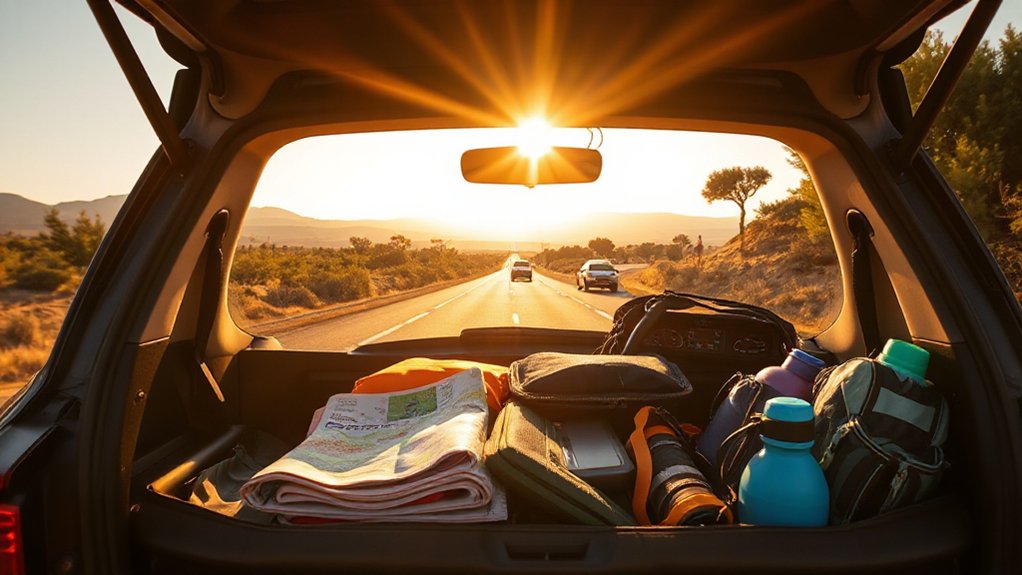
Even with a clear route in mind, packing for span-wide drives in Spain means trimming to essentials and planning around fuel, comfort, and downtime. You’ll double-check spare bulbs, a roadside flashlight, and a compact first-aid kit, but nothing flashy.
Pack breathable layers for changeable weather, a reusable water bottle, and a small cooler for local cuisine discoveries. Keep a printed map and a physical copy of directions in case signals fail, plus a pen for notes about Cultural festivals you might pass.
Compact car charger or solar-powered options save battery life between stops. Remember a lightweight snack stash for long stretches. An extra set of tunes, a car freshener, and a towel complete the kit, smoothing detours and downtime.
- Spare essentials kit
- Layered clothing
- Water bottle and snacks
- Printed maps and notes
- Compact charger and towel
Apps and Tools for Smart Route Planning
You’ll want to start by pinning down the best routes with Ideal Route Tools, then verify real-time conditions as you ride.
Real-Time Traffic Apps keep you informed about slowdowns, detours, and incidents that could save you minutes.
Together, these tools empower you to choose efficient paths on the fly and stay ahead of the clock.
Optimal Route Tools
There are several smart route tools that make planning Spain-to-Spain drives smoother: you can compare real-time traffic, weather, and road works, then pick the fastest or most scenic option. You’ll home in on routes that balance efficiency with experience, catching cultural festivals or spotting a town known for local cuisine along the way.
- Real-time route comparison that highlights delays and alternate paths
- Offline maps for coverage in rural stretches
- Weather overlays and seasonal advisories for safer planning
- Scenic-by-default options that ignore tolls
- Trip notes for culture stops and culinary detours
These tools keep you focused on the journey, not just the ETA, turning a drive into a curated, mindful rhythm.
Real-Time Traffic Apps
These tools shine when you’re maneuvering through busy corridors or chasing a tight schedule between Madrid, Barcelona, and Valencia. You’ll compare ETA shifts, planned detours, and lane closures in seconds, not minutes. Tap for alternative paths that avoid bottlenecks and save fuel, especially during peak hours.
While you’re steering, you stay aware of local events—cultural festivals or sudden roadworks—that shape flows. Note how nearby towns entice with local cuisine, tempting stopovers that don’t derail your efficient plan.
Real-time traffic apps keep trips smooth and purposeful.
Driving Etiquette and Local Traffic Nuances in Spain
Traveling Spain’s roads demands attentiveness to local habits and signals, not just the rules. You’ll notice subtle cues—lanes, lights, and polite nods—that guide smoother transfers between cities. Expect tighter speeds near towns and on roundabouts, where yielding matters more than rushing.
In urban cores, pedestrians behave with conviction; don’t crowd crosswalks, and advance slowly at amber. Mirrors and signaling matter, so use them early and clearly. Respect local customs around parking and loading zones, and be mindful of cyclists sharing narrow streets.
Local cuisine and cultural festivals influence traffic moods—plan for crowds, especially near markets or parade routes. Stay patient, stay observant, and adapt quickly.
- You respect roundabouts and yield rules in sequence.
- You signal well in advance when merging or turning.
- You time routes around popular festivals and markets.
- You anticipate pedestrians near entrances and schools.
- You savor brief detours to sample Local cuisine and ambiance.
Scenic vs Direct Routes: Choosing by Purpose
You’ll weigh scenic routes for their vibe and fuel your curiosity, or opt for direct paths when time matters more than scenery.
Scenic routes reward you with memorable landscapes and potential detours, while direct routes minimize miles and risk.
Your choice should align with purpose: content with the journey, or efficient arrival.
Scenic Purpose Alignment
Are you chasing scenery or speed when you plan a Spain trip between major cities? You’ll align your route to purpose, then feel the difference in pace, light, and stops.
Scenic purpose means slower hands on the wheel, longer stretches with vineyards and plazas, and time to savor local cuisine and hidden corners. If you crave efficiency, you’ll trade a few viewpoints for a tighter schedule, but still weave in must-see historical landmarks when they enrich the trip, not derail it.
The key is intent: let your purpose drive the path, not a map fetish. Balance yields memorable progress.
- Sip coffee as you roll past countryside towns and timeless plazas
- Stop for local cuisine bursts, not detours after detours
- Pinpoint iconic historical landmarks without delaying the clock
- Pause at scenic overlooks that double as quick photo stop-ins
- Return to the highway with clarified priorities and momentum
Direct Route Tradeoffs
Direct routes shave miles and save time, but they come with a cost to scenery and detours that reveal local character. You’ll trade calm landscapes for steady progress, so monitor what you’re after: speed or immersion.
If your goal is efficiency, you’ll bypass winding villages and overlook market chatter, arriving sooner with fewer interruptions. Yet you may miss cultural festivals, unexpected detours, and the texture of daily life that defines a region.
When you choose scenic paths, you gain mood and memory, but you’ll dodge time savings and tolerate slower speeds. Language barriers can shrink on busier corridors with English-speaking guides; on rural spines, you’ll rely on smiles and gestures.
Decide your purpose, then select accordingly to balance progress with payoff.
Seasonal Road Closures and Maintenance Windows
- Roadwork shadows over scenic stretches during siesta, nudging you to pause
- Mountain passes reopen with dawn light, inviting a striking sunrise
- Festival processions influence detour choices and timing
- Coastal routes close for storms, revealing cliffside patience
- Local cuisine stalls adjust schedules around market days
Budgeting Fuel, Tolls, and Overnight Stays
From the seasonal closures and maintenance windows you just navigated, budgeting for fuel, tolls, and overnight stays becomes practical planning rather than guesswork. You map your route with realistic fuel stops and spare capacity, avoiding last-minute scrambles.
Tolls add up, so estimate per segment and keep a card or app handy for quick payments.
Overnight stays hinge on timing and comfort—pick mid-range hotels or reliable chain options to balance price and rest.
Pack light to save fuel and simplify lanes between major cities.
You’ll encounter Cultural festivals and Local cuisine along the way, influencing timing and breaks without derailing budgets.
Track receipts, compare prices, and adjust the trip as you go to stay efficient, aware, and in control.
Quick-Start Checklist for Your First City-Hop Across Spain
Starting your first city-hop across Spain is simpler when you gut-check the essentials first: map a sensible start, pack light, and set a realistic first-day pace. You’ll feel the rhythm in the road, noticing how Local cuisine lures you into quick detours and how cultural festivals color each stop.
- Pack a compact kit: charger, map, snacks, a reusable water bottle
- Preload offline maps and train schedules for smooth hops
- Set a practical daily mileage and rest breaks
- Check local event calendars to catch a festival bite or show
- Note airport or station pickup options and safety basics
You’ll gain confidence with this framework, then savor the drive, the plates, and the conversations that happen between horizons.
Frequently Asked Questions
How to Budget Total Travel Time Between Spain’s Major Cities?
Estimate your total travel time by factoring driving legs, rests, and variability. You’ll maximize fuel efficiency and monitor toll costs, adjusting routes as needed; you’ll begin with real-time checkpoints, then optimize pacing based on traffic, weather, and timing.
What Are Hidden Costs of City-To-City Driving in Spain?
Fuel expenses bite and toll fees sneak up, so you notice every turn you take. You’ll feel the rhythm of roads, budgeting as you go, spotting spikes, easing speed, comparing routes, and tallying costs with careful, observant clarity.
Which Routes Avoid Peak-Hour Congestion in Spain’s Hubs?
You’ll dodge peak-hour snarls by choosing toll roads and scenic routes, avoiding busy hubs. You’ll notice smoother stretches, fewer stops, and calmer scenery as toll roads steer you away from congestion and scenic routes reward you with vistas.
How Do Weather Delays Affect Long-Distance Spain Drives?
Weather delays reshape your trip like shifting weathered stones; seasonal weather patterns slow you down, but you adapt. You notice road surface conditions change grip and mood, guiding speed, timing, and patience for safer, steadier long-distance drives.
Are There Safe, Short Detours for Rest Breaks on Major Corridors?
Yes, there are safe, short detours on major corridors; look for scenic detour options that add minimal miles. You’ll appreciate well-lit rest areas with clear signage, and rest stop safety becomes easier when you stay alert and park away from traffic.
Conclusion
Traveling Spain by car can be rewarding, revealing, efficient. You’ll weigh pace against scenery, plan around tides of traffic, and savor seat-of-your-pants discoveries. You’ll balance time and budget, compare rail convenience, and test road-trip flexibility. You’ll optimize routes, monitor weather, and manage tolls. You’ll embrace coastal breezes, inland shortcuts, and city hubs. You’ll choose purpose over habit, shift gears with seasons, and learn as you go. You’ll drive, you’ll reflect, you’ll arrive wiser, ready for the next leg.