
Choosing the right Spanish island for your family starts with your pace and ages. Balance kid-friendly beaches and safe water with easy transport and authentic experiences. Decide Canary or Balearic vibes—volcanoes and outdoor adventures in the Canaries, charming towns and island hopping in the Balearics. Match activities to energy levels, schedule downtime, and pick flexible lodging. Use a quick scoring system for safety, kid perks, access, and cuisine, then shortlist 2–3 islands for deeper planning; more tips await.
Key Takeaways
- Identify non-negotiables and pace: consider must-haves (beach, hiking, kids’ activities) and avoid overload with a flexible daily plan.
- Match island type to family interests: Canary Islands for safe exploration; Balearic Islands for coastal towns and island hopping.
- Age-appropriate activities and safety: tailor beaches, attractions, and safety features to toddlers, kids, and teens.
- Plan accessibility and logistics: use buses/ferries, choose family-friendly accommodations with multi-room layouts.
- Maximize experiences with timing: target shoulder seasons, festivals, and a quick 2–3 island comparison scoring top picks.
Decide Your Family Island: A Quick Planning Framework
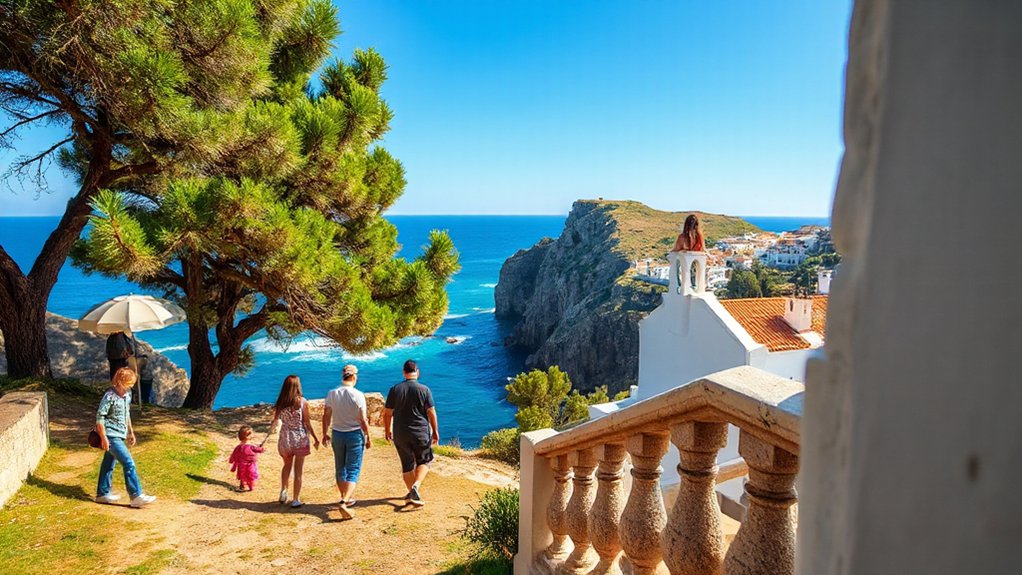
Choosing the right island starts with a quick, honest check of your family’s needs and expectations. You’ll map priorities before you browse destinations, focusing on pace, activities, and downtime. Start by listing must-haves: beaches, hiking, kid-friendly tours, or historical sites. Then note deal-breakers: long transfers, heavy crowds, or limited accessibility.
Consider seasonal timing—school gaps, weather, and festival calendars. Balance adventure with relaxation to prevent burnout. When you compare options, ask: how will we split days—structured outings vs. spontaneous discovery?
Evaluate accommodation options for space, safety, and kitchen access. Research cultural festivals and local cuisines so you glimpse authentic experiences without overwhelming plans. Use this framework to shortlist islands that genuinely fit your family rhythm, preserving energy for memorable moments together.
How to Align Island Choice With Your Family Pace
Match your itinerary to pace by balancing planning with downtime, so you’re not rushing through highlights. If you want mornings for beaches or wandering, place those breaks between active outings; it keeps energy steady and kids engaged.
Think of your island choice as a framework that flexes with daily rhythms, rather than a fixed schedule.
Align Pace With Itinerary
To align pace with your itinerary, start by mapping each day around your kids’ energy and attention spans, not just the sights you want to check off. Pace your plans to avoid burnout, and build flexibility for surprises like cultural festivals or a spontaneous beach stop. Consider logistics, snacks, and short rests to keep momentum.
- Schedule high-energy activities in the morning, lighter experiences after lunch.
- Design a core daily goal (one museum, one outdoor break, one cultural moment) with room to improvise.
- Reserve one zero-commitment day per island for rest or impromptu adventures.
This approach keeps Local cuisine tastings manageable and lets Cultural festivals become enriching pauses, not itinerary wreckers.
Balance Downtime And Fun
Finding the right balance between downtime and fun starts with tuning your island choice to your family’s tempo. Pick an island that offers easy wins: short beach mornings, kid-friendly museums, and predictable transport.
If you crave slow mornings, choose places with relaxed cafe culture and plenty of shaded spots for rests. For active days, look for nature trails, water sports, and family-friendly excursions that don’t require advanced planning.
Align activities with your kids’ attention spans, not your adult calendar. Leave room for spontaneous discoveries—local markets, street performances, and small eateries near your lodging.
Tie downtime to cultural traditions and local cuisine, so meals become a shared ritual rather than a checklist. A thoughtful blend keeps everyone engaged without burning out.
Matching Islands to Ages: Toddlers, Kids, Teens, and Adults
When planning a family trip, you’ll want islands that fit every age group—from toddlers to grandparents. Each island offers a different mix of activities, so match your target mood with the ages you’re traveling with. Here’s how to segment your picks:
- Toddlers: calm beaches, shallow waters, shaded piers.
- Kids: welcome attractions, water parks, safe bike paths.
- Teens and adults: cultural festivals, diverse museums, vibrant local cuisine.
Choose islands that balance downtime with options you can grow into as kids age. For a richer experience, pick places known for welcoming families, rather than solo-focused hotspots.
When in doubt, blend a slow coastal base with one day trips to explore local cuisine and markets. This keeps everyone engaged and avoids fatigue.
Spain’s Islands at a Glance: Canary vs Balearic Overview
If you’re weighing the Canary vs Balearic, start with a quick read on overall family-friendliness and how easy it’s to get around with kids.
Consider access: airport hops, ferries, and the reliability of transit for a smooth first trip.
This quick look sets up practical comparisons you’ll use to match a specific island to your family’s needs.
Canary vs Balearic Quick Look
The Canary and Balearic Islands draw different crowds, yet both offer easy family getaways with sun, sea, and scenery. You’ll notice distinct vibes: the Canaries feel year-round warm and volcanic, while the Balearics lean Mediterranean and lush. To compare quickly:
1) Climate and landscapes
2) Activities and pace
3) Cultural flavors and dining
For a practical choice, consider your family’s priorities: year-round sun vs. seasonal hedges of beaches and hiking.
In Canary islands, you’ll find unique volcanic scenery and space to explore safely, with affordable options.
In Balearics, you’ll enjoy crystalline waters, charming towns, and more compact island hopping.
Pack light, plan a flexible itinerary, and sample Cultural festivals along with Local cuisine to connect with each island’s character.
Both regions celebrate family-friendly events, food markets, and outdoor adventures that suit a variety of ages.
Family-Friendliness and Access
Choosing a family-friendly island comes down to access, pace, and comfort: both the Canary and Balearic groups are gear-ready for kids, but they differ in how you move around and where you stay.
You’ll find short, direct flights, ferries, and compact towns that ease logistics with little ones. Canary hubs offer broader transport links, plus car use across varied terrain, while Balearic routes concentrate on ferries between islands and walkable resorts.
Accommodations favor family suites and flexible dining plans, helping you tailor days around nap times and beach hours.
Magic moments arrive with Cultural festivals and kid-friendly shows you can enjoy together.
Don’t miss sample dishes; local cuisine keeps meals simple, tasty, and culturally rich without breaking your rhythm.
Beach Access for Little Ones: Water Depth, Safety, and Sand Quality
When choosing a beach for little ones, prioritize shallow entry points, gentle slopes, and clearly marked safety features so kids can splash and explore without constant supervision.
You want reliable sand quality, free of sharp shells, and water that stays calm enough for wading. Look for lifeguards, shaded areas, and restrooms nearby to minimize interruptions to playtime.
To keep things practical, remember:
1) Check water depth at low tide and note any undertows.
2) Choose beaches with pin-point safety signage and easy access paths.
3) Inspect sand firmness and absence of rocky pockets.
Cultural festivals and local cuisine nearby add flavor to the stay, creating balanced breaks between beach sessions and cultural exploration.
Family-Friendliest Activities by Island Type
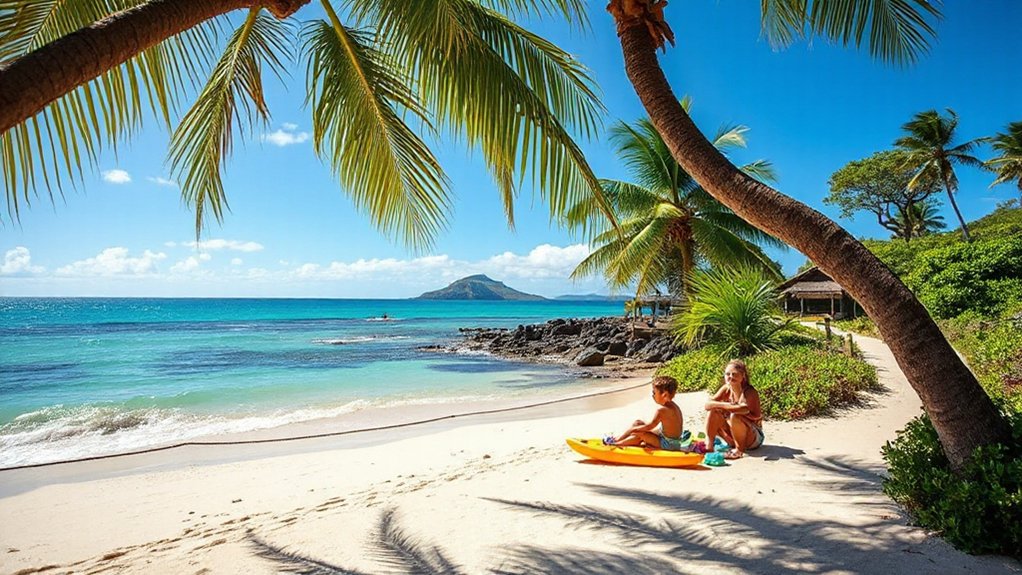
If you’re balancing fun and ease, each island type offers distinct family-friendly activities worth prioritizing.
On calm, sheltered beaches, you’ll find gentle swims, sandcastle sessions, and picnics that double as downtime between adventures.
In lush, rural-leaning islands, nature walks, birdwatching, and farm visits let kids learn through hands-on experiences, while local festivals showcase cultural traditions in a playful way.
For towns with kid-friendly museums and interactive centers, budget a half-day for science or history exhibits that spark curiosity without fatigue.
Water-based activities should remain simple and supervised, avoiding crowded times.
Embrace local cuisine through kid-friendly markets and cook-alongs, which turn meals into memorable bonding moments rather than chores.
Match activities to pace, then sprinkle cultural moments for a richer, relaxed trip.
Getting Around: Transport, Accessibility, and Driving Realities
Getting around on a Spanish island isn’t one-size-fits-all, but you can map logistics, accessibility for kids and seniors, and typical driving realities early on to avoid surprises. Consider how you’ll get from airport or ferry to your base, what transit options exist, and where elevator-free routes or stroller-friendly paths matter.
Knowing these basics helps you choose an island that fits your family’s pace, mobility needs, and driving comfort.
Getting Around Logistics
Getting around a Spanish island with a family doesn’t have to be chaotic. With smart planning, you’ll move smoothly between villages and beaches, avoiding long waits and confusion. Consider these practical steps:
1) Map a simple route schedule, prioritizing kid-friendly times and short drives.
2) Use local buses or family-friendly transfer options to reduce parking and driving stress.
3) Check accessibility notes for attractions, beaches, and restrooms before you go.
Pack light, and keep a small day bag for each outing.
Embrace the cadence of island life: slow mornings, late meals, and cultural festivals that welcome families. When you dine, seek places near markets to sample fresh Local cuisine without long detours.
Accessibility For Families
Look for family-friendly buses or trains with easy access, ample seating, and bike-friendly lanes for shorter hops. When renting a car, choose models with generous boot space and automatic gear to reduce stress, and map out parking near attractions.
Accessibility isn’t just about mobility; consider stroller-friendly sidewalks, curb cuts, and accessible restrooms at cultural festivals and museums.
Balance pacing with downtime to enjoy local cuisine without rushing. Prioritize destinations that blend efficient transit with authentic experiences, so your family stays comfortable and engaged throughout the island.
Driving Realities On Islands
- Drive mornings or late afternoons to dodge peak crowds and heat.
- Use official routes and ferries when needed to avoid detours.
- Park in designated spots and walk for key viewpoints, then return for a relaxed drive.
Keep maps handy, and allow extra time for locals’ stops, market photos, and a lunch break. Your family gains easier access to beaches, viewpoints, and kid-friendly museums—without sacrificing comfort or pace.
Where Families Sleep: Best Accommodation Styles for Groups
When you’re choosing a place to stay with the family, consider how everyone will actually sleep: how many beds, rooms, and layouts you’ll need, and how easy it’s to move between spaces after a late-night snack or a bedtime routine.
For groups, prioritize flexible sleeping arrangements: split-level suites, adjoining rooms, or a central living area with pull-out options. Apartments with multiple bedrooms give shared common spaces without crowding, while boutique villas offer private suites plus communal dining.
Look for child-friendly layouts, easy access to bathrooms, and quiet corners for nap times. If you’re staying during Cultural festivals, proximity matters; if you’re chasing Local cuisine, a kitchen or kitchenette helps.
Balance privacy, convenience, and social corners to keep everyone comfortable.
Food, Kids, and Culture: What Comes With Each Island
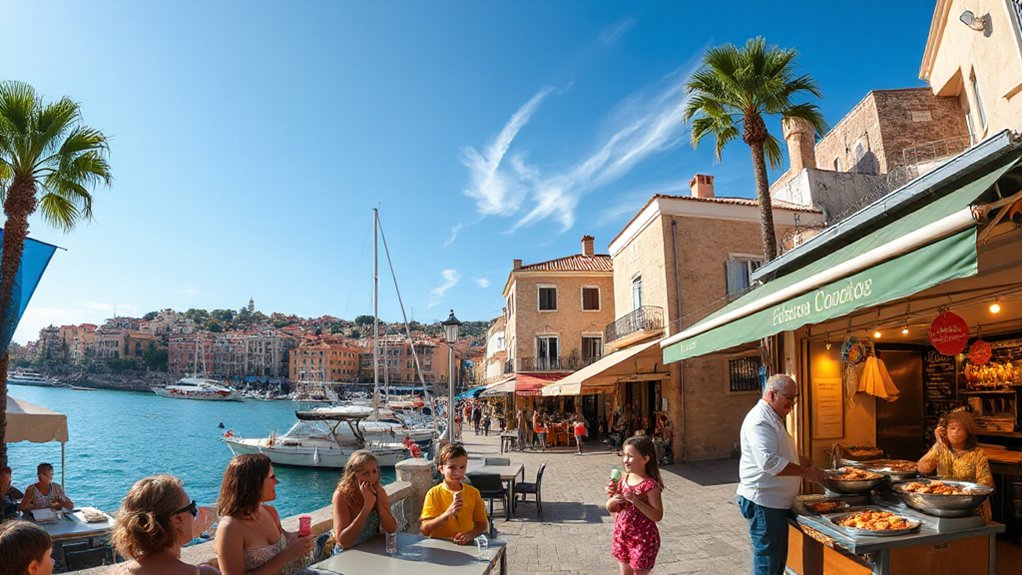
Food, kids, and culture on Spanish islands aren’t one-size-fits-all. Each island offers a distinct flavor of everyday life, so you’ll want to match pace and palate to your crew. You’ll notice how local cuisine shapes family days, from casual tapas to hearty seafood feasts, and how cultural festivals bring neighborhoods together.
Here’s what to expect:
- Local cuisine highlights family-friendly options, accessible vendors, and kid-approved flavors.
- Cultural festivals pepper the calendar, offering music, dance, and demonstrations you can join or simply observe.
- Daily rhythms differ by island, affecting meal times, markets, and outdoor activities.
Plan around markets, snack breaks, and festival schedules to keep kids engaged without rushing.
Safety Essentials for Families: Health, Sun, and Shoreline Tips
Protecting your family on Spanish shores starts with practical planning: pack sun protection, stay hydrated, and know where to find medical help. You’ll keep everyone safe by choosing shaded breaks, applying sunscreen SPF 30+ regularly, and wearing hats during peak hours.
Hydration matters: carry water, avoid excessive caffeine, and monitor for signs of heat fatigue.
For shoreline safety, assess water conditions before swimming, heed lifeguard flags, and stay within designated areas with kids.
Keep a basic first-aid kit handy for scrapes or bites, and know local emergency numbers.
Sun protection isn’t just skin—protect eyes with UV sunglasses.
Brief your kids on staying within sight and avoiding slippery rocks.
With these steps, you balance fun with prudent precautions on the island.
Budgeting for a Family Trip: Island-by-Island Cost Guide
You’ll notice island-to-island costs vary, so start with a simple budget break by lodging, meals, and transport.
We’ll map a family budget for each island and highlight where savings matter most, like activities or transfer options.
Think practical, actionable tips to trim expenses without scrimping on experiences.
Island Cost Variances
Different Spanish islands punch at different price points, so you can tailor your budget by knowing what drives the gaps: accommodation styles, transport options, and daily expenses. You’ll notice cost variance isn’t random; it hinges on local demand, seasonal flux, and the island’s accessibility.
To estimate ahead, consider these levers:
1) Accommodation family-friendliness vs. boutique stays
2) Public vs. car hire and fuel costs on-spot
3) Meals and activities reflecting Cultural nuances and Local cuisine
Seasonal swings, ferry routes, and peak-week surcharges amplify the spread, so build a flexible plan. For a smoother trip, compare apartment rentals with all-inclusives, map public transport vs. taxis, and sample local markets.
You’ll save by prioritizing value without sacrificing flavor or culture.
Family Budget Breakdown
When planning a family trip to the Spanish islands, start with a clear, island-by-island budget that prioritizes essentials: accommodation, transport, meals, and activities. Your framework should lock in a per-person cap for each category, then scale to your group size.
Compare island options by daily costs, factoring higher-season surges and reduced off-season rates. Allocate a dedicated buffer for unexpected needs, but resist impulse splurges that don’t serve the core plan.
For accommodation, weigh family-friendly apartments versus hotel suites with kitchen access to save on meals. Embrace efficient transport, prioritizing public transit and short intra-island hops.
Reserve funds for cultural festivals and local cuisine experiences that enrich the trip without inflating the total. Track expenses in real time to stay aligned with your target.
Saving On Activities
Are you getting the most value from activities without blowing the budget? Here’s how to pace fun across the islands you’re considering, without sacrificing experience. Prioritize free and low-cost options first, then selectively add paid experiences that showcase local flavor. Use these tactics to maximize value:
1) Seek city beaches, public parks, and scenic viewpoints for family-friendly days.
2) Tap into local cuisine and cultural festivals as immersive activities that cost little but deliver big memories.
3) Bundle admissions or buy combo passes for attractions to lock in savings.
Tips to implement: compare family rates, book early, and mix hands-on experiences with sample tastings and neighborhood strolls. With careful planning, you’ll enjoy authentic moments while keeping expenses under control.
Seasonal Sweet Spots: Weather, Crowds, and Local Events
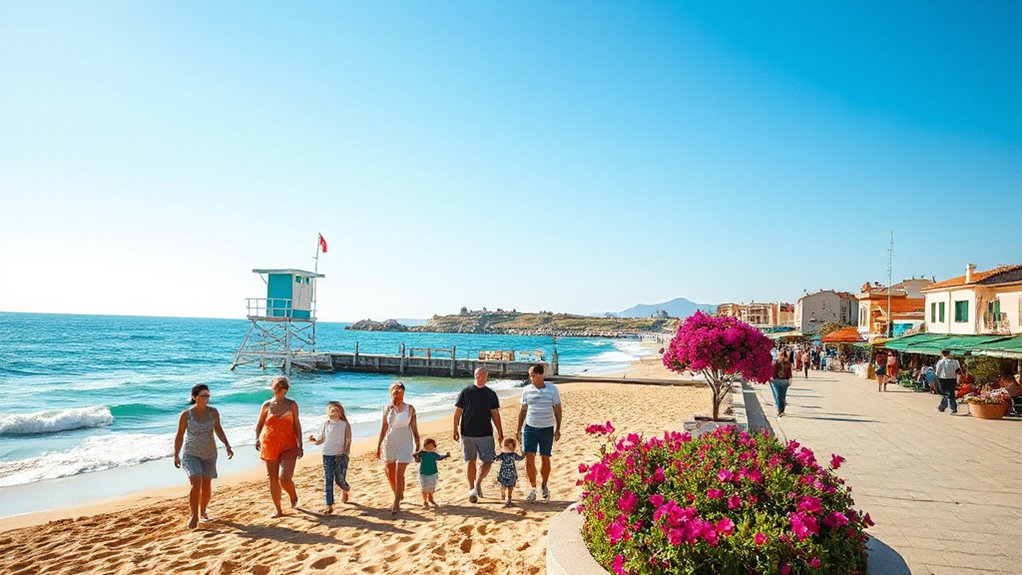
Seasonal sweet spots hinge on a simple idea: pick the window with ideal weather, lighter crowds, and a few local events that fit your family’s rhythm. You’ll value comfort, safety, and pacing, so target shoulder seasons when temperatures are mild and school calendars loosen.
Align your plans with seasonal festivals to catch culture without the peak-price surge. Seek days with predictable sunshine for outdoor activities and shorter lines at attractions.
Tap into local cuisine events or markets to expose kids to flavors in small, approachable portions. Use this timing to balance kid-friendly outings with rest.
Keep flexibility for weather shifts and event changes, and track crowd trends closer to departure. A well-timed visit makes memories, not stress, and maximizes value.
Shortlist Islands Fast: A Quick Scoring System
To jumpstart your pick, use a simple scoring method that weighs family priorities—safety, kid-friendly activities, and access to downtime—so you can compare islands at a glance. This quick shortlist helps you cut noise and focus on what matters, with cultural insights and local cuisine guiding flavor choices.
- Score safety, then activities, then downtime, on a 1–5 scale; total determines top candidates.
- Note kid-friendly perks (shallow beaches, calm waters, playgrounds) and practical checks (safety, tram or bus access).
- Add a cultural lens: jot down cultural insights and must-try local cuisine to gauge long-term fit.
Use your top 2–3 islands as anchors, and reserve deeper dives for favorites. Quick wins keep your search focused.
A 7-Day Family Itinerary Framework (Sample)
Mapping your chosen Spanish island to a practical, family-friendly rhythm is the goal of this 7-day framework. You’ll balance downtime with kid-friendly activities, so each day includes a central, doable highlight and a light backup option.
Day 1 sets a gentle pace with a stroll, a bite of local cuisine, and a short cultural introduction.
Day 2 centers on outdoor exploration, framed by easy breaks for snacks and rest.
Days 3 and 4 deepen engagement through hands-on experiences, such as crafts or interactive exhibits, followed by relaxed meals.
Day 5 blends beaches or parks with a cultural festival glimpse, if available.
Days 6 and 7 wrap with a memorable, practical finale—think a simple, scenic route and a favorite local dish to take home.
Next Steps: Personalize Your Island Pick and Plan
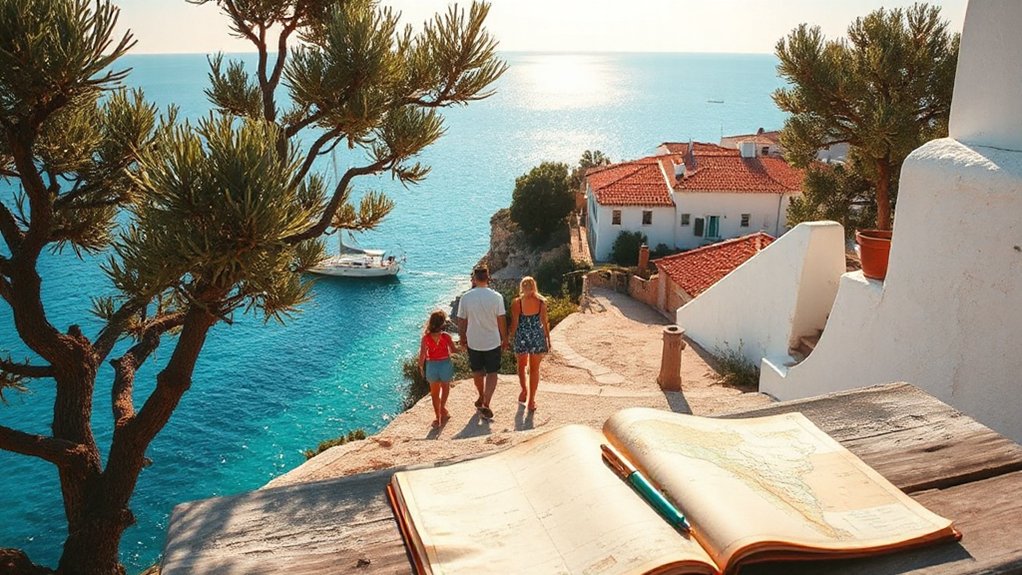
Once you’ve picked an island, tailor the plan to your family’s rhythms and priorities by identifying a few non-negotiables—kid-friendly spots, easy-to-rest breaks, and a simple travel pace.
Now, personalize this choice by weaving in Cultural festivals and Local cuisine into your days, so every outing feels relevant and delicious. This is about smart pacing, not frenzy.
1) Prioritize experiences that align with ages and interests, avoiding overload.
2) Build a flexible day-by-day rhythm with built-in buffers for surprises.
3) Curate a short, must-do list of dining options that showcase regional flavors.
Keep notes on what works, what sparks curiosity, and what’s easiest for meals and naps. You’ll finish with a plan that resonates personally and travels smoothly.
Frequently Asked Questions
Which Island Best Fits a First-Time Family Beach Holiday?
The best fit is Tenerife, offering calm beaches, easy logistics, and family-friendly resorts. You’ll enjoy local cuisine and occasional cultural festivals, plus gentle海 sea fronts. You’ll find beginner-friendly trips, safe snorkeling, and varied attractions for all ages.
How Do Seasons Affect Family-Friendly Island Activities?
Seasons act like a compass, guiding your plans: Seasonal weather patterns shape when kids stay excited and rested, while Off season advantages include calmer beaches and better deals, letting you tailor activities without crowds.
Are There Kid-Friendly Ferries or Faster Routes Between Islands?
Yes, there are kid-friendly ferries and faster routes you can take. Check ferry safety records and boat schedules ahead of time, arrive early, and choose short crossings with sheltered decks to keep kids comfy and engaged throughout the ride.
Which Island Offers the Easiest Packing and Safety Routines?
You’ll want Mallorca for easy packing and safety routines, because it feels like a well-organized resort checklist. You’ll find luxury resorts and local cuisine help you stay prepared, calm, and efficient, like a seasoned traveler packing minimal, smartly.
How Can We Balance Budget With High-Quality Family Experiences?
You can balance budget with high-quality experiences by using budget strategies like upfront comparisons and flexible dates, while prioritizing Cultural experiences that amplify value and delight, so you enjoy memorable moments without overspending.
Conclusion
Choosing the right Spanish island starts with your family’s pace, ages, and priorities, then uses a quick scoring to narrow options. Think safety, beaches for little ones, and easy family-friendly activities. For example, a family with toddlers might favor Menorca for calm coves and shallow waters, while a teens-and-parents group could love Gran Canaria’s mix of beaches and adventures. Use the framework to tailor a 7-day plan that fits your crew and creates lasting memories.