
Spain’s best animal parks and zoos blend conservation with immersive, family-friendly experiences. You’ll see naturalistic habitats that encourage authentic behaviors, plus ethical welfare standards, guided tours, and enrichment that support wildlife wellbeing. Look for Iberian wildlife encounters, coastal sanctuaries, and rescue programs that balance access with protection. Family-friendly touches—kid zones, scavenger hunts, and photography tips—make lessons memorable. If you keep exploring, you’ll uncover how to plan visits, choose parks, and respect wildlife everywhere you go.
Key Takeaways
- Spain’s top animal parks blend conservation with immersive, family-friendly experiences and stress-free viewing for wildlife photography.
- Iberian-focused encounters offer guided treks, owl calls, and views of golden eagles, plus coastal sanctuaries protecting seals and seabirds.
- Leading parks emphasize native species recovery, welfare-focused habitats, veterinary oversight, and transparent impact metrics.
- Family-friendly offerings include guided animal encounters, workshops, scavenger hunts, and kid-friendly, immersive habitats.
- Responsible visiting and community engagement are prioritized, with ethical viewing, conservation volunteering, and visitor flow tools.
What Makes Spain’s Animal Parks Stand Out
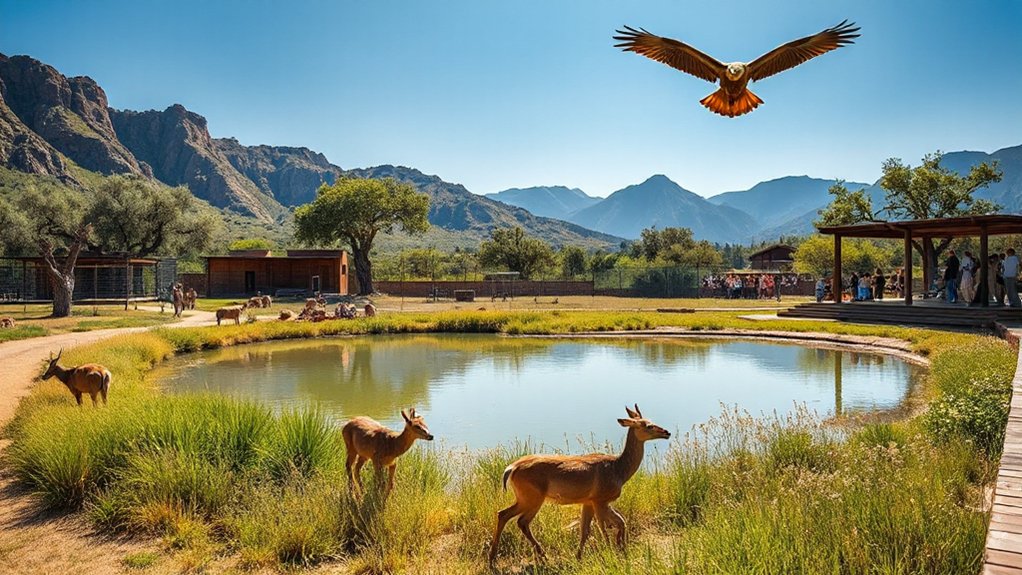
Spain’s animal parks stand out because they blend conservation with immersive, family-friendly experiences. You’ll notice how exhibits prioritize natural behaviors, letting species roam in thoughtfully designed spaces that respect their needs. This approach supports Wildlife photography moments you can capture without stressing animals, turning visits into respectful, memorable storytelling.
Conservation education threads through every interaction, from signage to guided talks, so you gain practical insight into local ecosystems and global biodiversity challenges. You won’t feel overwhelmed by hype; instead, you’ll find clear, honest messaging about threats like habitat loss and climate change.
Staff and volunteers share approachable explanations, inviting you to participate in citizen science projects and stewardship. The result is a thoughtfully balanced exposure that informs, inspires, and promotes lasting care for Spain’s wildlife.
Iberian Wildlife Encounters You Can’t Miss
From soaring raptor overlooks to the secretive underwater worlds of Iberian rivers, these encounters showcase Spain’s wildlife in ways you can’t miss. You’ll meet Iberian lynxes on guided treks, listen for distant owl calls, and observe golden eagles riding thermals.
In coastal reserves, you witness sea eagles diving and shy shorebirds skimming tidal pools. Behind glass or on boardwalks, you’ll experience intimate moments with exotic species that endure Iberia’s climates, reminding you how each habitat shapes behavior.
If you’re into wildlife photography, timing and patience pay off as light changes and animals pause. These experiences emphasize responsible viewing, avoiding disruption while you capture authentic, respectful images.
You’ll leave inspired, with a deeper appreciation for Spain’s diverse, resilient ecosystems.
Top Conservation-Focused Parks to Visit in Spain
If you’re planning a trip that balances wildlife viewing with habitat protection, these conservation-focused parks in Spain should be at the top of your list. You’ll find places that emphasize native species recovery, restoration projects, and transparent conservation funding.
Expect thoughtful enclosures and guided programs that explain how funding translates into real habitat protection, not just glossy brochures. In these parks, wildlife photography becomes a tool for awareness, not just a pastime, with opportunities to capture authentic behaviors while respecting boundaries.
Look for sites with strong rescue and re-release efforts, scientific partnerships, and measurable conservation outcomes. Prioritize parks open about their impact metrics, collaborative research, and community involvement to guarantee your visit supports lasting preservation.
Family-Friendly Zoos and Interactive Experiences
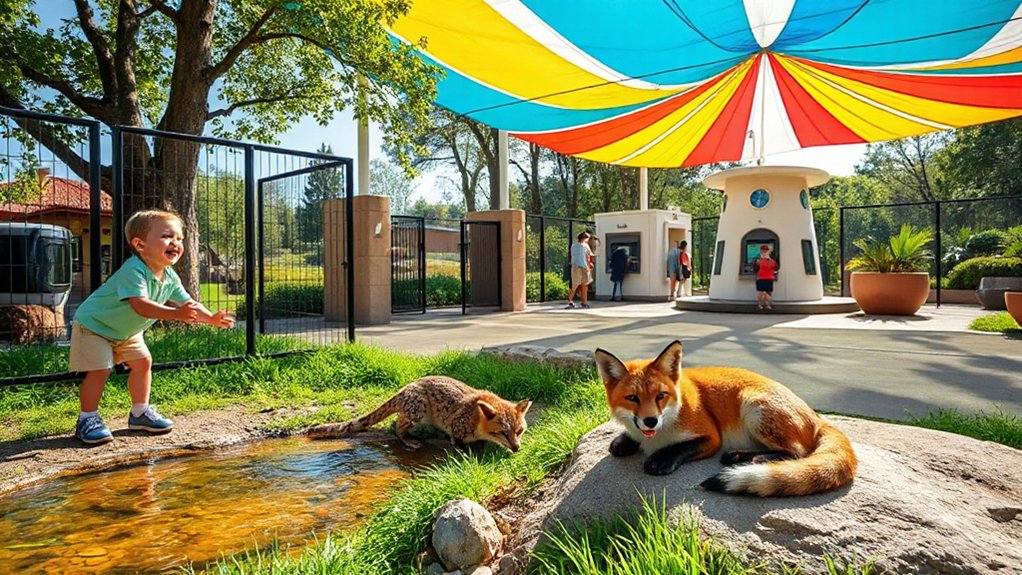
You’ll find hands-on encounters and interactive activities that put you and your family close to the animals in respectful, safe ways.
From kid-friendly exhibits to playful learning zones, these experiences spark curiosity without sacrificing welfare.
Let’s explore how these hands-on moments can build empathy and make memorable, learning-filled visits.
Hands-On Animal Encounters
These experiences emphasize respectful interaction, guided feeding, and close-up viewing that reveal authentic animal behavior without stressing the creatures. You’ll gain practical insights into species’ needs, enrichment, and social dynamics, which deepen your appreciation beyond glossy displays.
For photography enthusiasts, these moments reward patience and timing, supporting better wildlife photography without intrusive flash or disturbance.
The best programs balance accessibility with welfare, encouraging curiosity about conservation efforts. Expect thoughtful briefings that connect hands-on moments to broader ecological context and responsible wildlife stewardship.
Interactive Family Activities
Hands-on demonstrations help you understand animal behavior without crowding habitats, keeping welfare front and center. Educational workshops offer practical skills, from animal care basics to conservation storytelling you can share at home.
Wildlife photography sessions let you capture candid moments while learning composition and ethics. Kids and adults alike gain confidence through age-appropriate challenges, scavenger quests, and friendly competitions that emphasize cooperation over competition.
In these spaces, curiosity becomes collaboration, and every visit strengthens your connection to wildlife and conservation.
Kid-Friendly Exhibits and Play
Look for petting paddocks and immersive habitats where kids observe behavior up close without compromising safety. Explainer boards simplify species facts, while scavenger hunts transform walks into discoveries.
Some parks offer designated wildlife photography tips and kid-friendly workshops to build confidence behind the lens. You’ll also encounter exotic habitats scaled for young explorers, fostering empathy and stewardship early on.
When you finish, you’ll carry memories of playful moments paired with meaningful wildlife insight.
Coastal Sanctuaries: Wildlife Highlights by the Sea
Coastal sanctuaries along Spain’s shores protect a surprising diversity of marine and coastal wildlife, from nesting seabirds to playful dolphins just offshore. You’ll notice how local protections shape daily life for wary waders and curious seals, revealing a web of interactions within coastal ecosystems.
In these refuges, you observe careful management that balances human access with nature’s rhythms, from tide-pooling pockets to sheltered bays where sea lions rest. You feel how research informs policy, turning sightings into protections for vulnerable populations and guiding sustainable tourism.
Marine mammals thrive when fishing seasons, noise limits, and habitat restoration align. By walking the coastline, you gain insight into resilience, adaptation, and the delicate harmony that sustains Spain’s remarkable coastal ecosystems.
City-Center Parks Worth Planning Around
City-center parks aren’t just green pockets in a dense urban fabric; they’re anchors that shape daily life, offering a breath of calm, a stage for community, and a practical touchstone for planning around.
You’ll notice how Urban green spaces knit neighborhoods together, giving quick access to shade, fresh air, and safe strolls between errands or meetings. These parks host Cultural events that distill local identity—open-air concerts, pop-up markets, and kid-friendly performances that turn sidewalks into shared living rooms.
They also function as informal hubs for exercise, dog-walking, and spontaneous gatherings, encouraging neighborly reciprocity. When you map your week, slot time by the park’s rhythm: recurring markets, seasonal exhibitions, and family-friendly weekends that fit your schedule without adding friction.
Practical Planning: Best Times to Visit and Tickets

If you want to make the most of a zoo or animal park in Spain, timing your visit matters as much as the animals’ schedules. To optimize your day, check official websites for early opening hours and seasonal specials, since weekdays are often quieter than weekends.
Consider morning explorations when temperatures are cooler and animals are more active, especially for wildlife photography opportunities. Plan for feeding times or keeper talks, which add context without delaying your own route.
Buy tickets online to avoid queues, and look for combo passes if you’re visiting multiple sites. Bring a compact lens, comfortable footwear, and a water bottle.
Exotic habitats become more engaging with steady light, respectful distances, and curiosity-driven observation.
How to Choose the Right Park for Your Interests
To choose the right park for your interests, start by clarifying what matters most—are you prioritizing animal welfare, engaging exhibits, or hands-on experiences?
Consider how each park aligns with your values and what practical tips (scheduling, accessibility, costs) will support your visit.
This guide helps you weigh your interests against real-world factors so you can choose with confidence.
Interests Alignment Guide
Choosing the right zoo or animal park starts with your interests: what animals fascinate you, what experiences matter most, and how you prefer to learn about conservation.
You’ll align visits with your passions by prioritizing exhibitions that showcase your preferred species and scales of habitat, from immersive walkthroughs to behind‑the‑scenes tours.
If wildlife photography motivates you, look for parks with open viewing areas, predictable animal activity, and photography tips from staff.
Ecotourism initiatives signal a park’s commitment to sustainability and community impact, guiding you toward responsible travel choices.
Consider seasonal events, educational programs, and volunteer opportunities that deepen your understanding without compromising animal welfare.
Your interest alignment should feel purposeful, not perfunctory, shaping efficient, meaningful explorations across Spain’s best parks.
Animal Welfare Focus
When you’re weighing zoos and animal parks in Spain, prioritize how they safeguard animal welfare as a core practice, not an afterthought. You’ll want spaces that mimic natural habitats, enrichment that sparks natural behaviors, and transparent care routines.
Look for qualified keepers, regular veterinary oversight, and proactive welfare assessments that address stress, injury, and social needs. Observe how animals interact with guests and staff—calm, confident behavior signals welfare support; signs of fear or distress suggest gaps.
Seek facilities with clear transfer policies, rescue commitments, and measurable benchmarks you can review. If you’re into Wildlife photography, choose parks that minimize disturbance and provide ethical viewing options.
Conservation volunteering opportunities show a park’s long-term stake in species protection and community involvement.
Practical Visit Tips
If you want a park that matches your interests, start with a clear plan: decide what matters most—animal welfare, conservation programs, or hands-on experiences—and then look for facilities that explicitly align with those priorities.
1) Prioritize accessible viewing and knowledgeable staff to enhance wildlife photography opportunities without disrupting animals.
2) Check conservation education programs, guided tours, and keeper talks that reinforce learning and responsible tourism.
3) Compare welfare standards, enclosure diversity, enrichment practices, and transparency in reporting—seek visible evidence of ethical care.
4) Assess layout, visitor flow, and safety, ensuring you can observe behaviors respectfully and capture authentic moments.
Look for hands-on experiences, clear labeling, and mobile apps to plan your day efficiently and respectfully.
Responsible Visiting Tips to Protect Wildlife
Even as you enjoy a day at a zoo or animal park, you play an essential role in protecting wildlife by keeping a respectful distance, following posted guidelines, and avoiding actions that could stress animals. Your mindful behavior preserves daily routines and minimizes disruption to enclosures and caregivers.
Stay on designated paths, refrain from feeding animals, and never attempt to touch or pet them. Speak softly, move slowly, and avoid flash photography that startles shy species.
Support welfare by choosing ethical exhibits and adhering to restricted zones. Practice Wildlife photography with care, respecting animal signals and keeper instructions.
Consider Conservation volunteering or donations when possible, which strengthen conservation efforts and habitat protections beyond a single visit. Your responsible choices matter, shaping safer, healthier ecosystems.
Frequently Asked Questions
Are There Any Hidden Gems Not Commonly Listed in Guides?
Yes, you’ll find Hidden sanctuaries and Rare species tucked away off guides’ trails, especially in rural reserves; you’ll connect deeply, witnessing conservation work, responsible zoos, and intimate encounters that reveal Spain’s quieter, ethical animal stories.
Which Parks Offer Multilingual Guided Tours for Kids?
Yes, several parks offer multilingual guided tours for kids. You’ll explore Interactive exhibits and enjoy Educational programs, with guides adapting language and pace to young listeners, sparking curiosity while you wander through vivid enclosures and engaging storylines.
Do Parks Publish Annual Conservation Impact Reports?
Yes, some parks publish annual conservation impact reports, and you’ll see Wildlife education and Ecotourism initiatives highlighted, showing how your visit supports species protection, habitat restoration, and community engagement through transparent, data-backed storytelling.
How Accessible Are Animals’ Feeding Times to the Public?
Public feeding times vary, but many parks offer predictable feeding schedules you can catch; about 70% still limit viewing to short windows. You’ll find feeding schedules posted, enhancing animal viewing while safeguarding welfare and staff routines.
Are There Volunteer Opportunities for Visitors at These Parks?
Volunteer programs exist at many parks, though availability varies by site. You can expect structured roles and clear training, with opportunities for visitor participation in conservation tasks while ensuring animal welfare remains your top priority. Check each park’s volunteering page.
Conclusion
You’ve explored Spain’s wild offers, from Iberian reefs of identity to sunlit coastal refuges. Like Odysseus hearing the siren song, you’ll weigh wonder against stewardship, choosing parks that respect habitats and spark curiosity. Plan with heart, not haste, and let your family’s laughter echo through humane encounters. When you leave, carry a quieter map—one of responsible visits and lasting respect—so future travelers glimpse the same vibrant, vulnerable world you found waiting at the gate.